Best Fly Boxes for Trout Streams
There's nothing quite as frustrating as reaching for that perfect fly on an Ontario trout stream, only to find it crushed, its hackle mangled, or worse, completely lost in the chaos of a poorly organized box. Every serious angler has been there, fumbling with wet, rusty hooks or a jumbled mess of feathers and fur when the fish are rising and every second counts. This guide will walk you through the world of fly boxes, helping you understand the different types, crucial features, and how to pick the ideal one to keep your prized imitations safe, organized, and ready for action, no matter what challenges the Grand River or a remote Crown land stream throws your way.
Why Your Fly Box Matters More Than You Think
A fly box isn't just a container; it's a vital piece of gear that protects your investment, streamlines your fishing experience, and ultimately, can impact your success on the water. Think about it – you spend good money on quality flies, or precious time tying them yourself. Throwing them into a haphazard container is like tossing your meticulously tied leaders into a tangled heap.
Protecting Your Precious Flies
Imagine spending an evening meticulously tying a dozen tiny BWO nymphs, each one perfect, only to have them squashed or their delicate tails bent irrevocably when jammed into a crowded, ill-fitting box. It's heartbreaking! Flies, especially dry flies with their delicate hackle and wings, are incredibly fragile. A good fly box provides individual, secure spots for each fly, preventing them from crushing against each other or getting damaged by jostling during a hike to your favourite brook trout spot. Beyond physical damage, flies are also susceptible to moisture. Leaving a wet fly to sit in a damp, unventilated box is a surefire way to encourage rust on your hooks, weakening them and potentially costing you a trophy fish. A quality box helps keep moisture out and allows flies to dry properly between uses.
Enhancing Efficiency on the Water
When the hatch is on, or you've spotted a feeding fish, speed and efficiency are paramount. Fumbling through a disorganized mess of flies in your vest pocket wastes precious moments and can spook wary fish. A well-designed fly box allows you to quickly identify, select, and retrieve the exact pattern you need. Perhaps you're nymphing a deep run on the Credit River and need to switch from a heavy stonefly to a smaller Caddis larva – with an organized box, this transition is smooth and fast. This is particularly true when you're wading in a swift current, trying to balance yourself while trying to change a fly. Having everything neatly arranged means less frustration, more time fishing, and a greater chance of presenting your fly effectively before the opportunity passes. For insights into efficient fly presentation, check out Wading Techniques for Ontario Trout Streams.
Understanding Different Fly Box Styles
Just like there are different types of flies for different situations, there's a wide world of fly box styles, each designed with specific purposes and preferences in mind. Knowing the distinctions can help you choose the right tools for your angling arsenal.
Classic Foam Slot Boxes
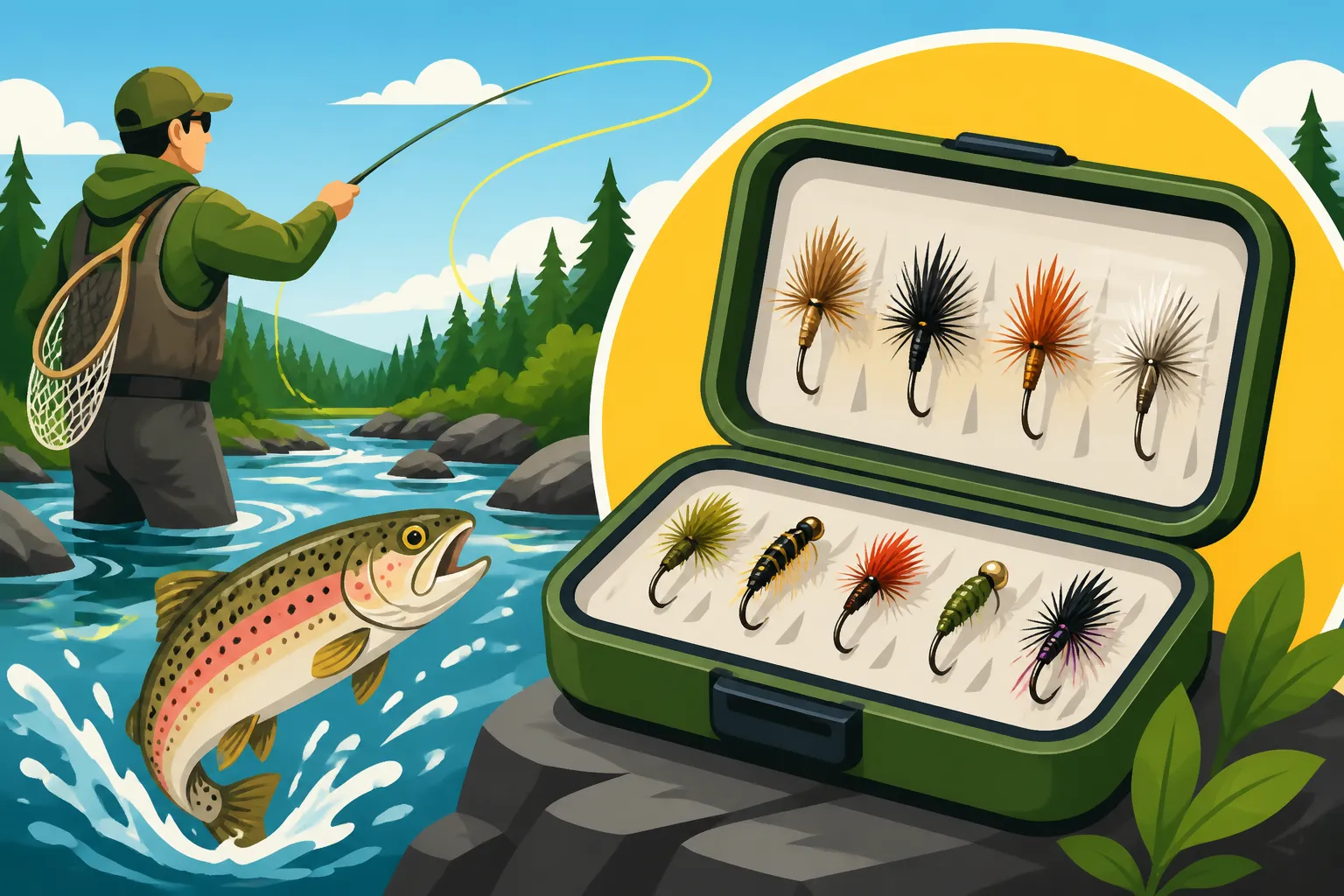
These are perhaps the most recognizable fly boxes, often made from plastic or aluminum with a dense foam interior. The foam has pre-cut slots or slits where you insert the bend of your fly's hook.
- Pros: Foam slots are excellent for securing individual flies, especially dry flies and larger nymphs, keeping them from getting crushed. They offer good ventilation if the box is left open to dry, and it's easy to see your flies at a glance. They tend to be lightweight and relatively inexpensive. Many anglers find them perfect for keeping their most common patterns readily accessible.
- Cons: Smaller flies, like tiny midges or emergers, can sometimes be difficult to secure firmly in foam, or they can even fall out if the slots are too wide. Over time, the foam can degrade or lose its elasticity, especially with repeated use or exposure to UV light. Furthermore, if you cram too many flies into a foam box, the delicate hackle of dry flies can still be compressed, defeating the purpose of the individual slots.
Magnetic and Compartment Boxes
These boxes take a different approach to organization. Magnetic boxes feature a flat, magnetic surface that holds your flies by their hooks, ideal for very small flies. Compartment boxes, on the other hand, have individual, often adjustable, dividers creating small sections for different patterns.
- Pros: Magnetic boxes are fantastic for tiny midges, emergers, and other small patterns where a foam slot might be too bulky or ineffective. They keep these miniature flies from getting lost or damaged. Compartment boxes are superb for separating different sizes or types of flies, like organizing all your pheasant tail nymphs in one section and prince nymphs in another. They are also great for split shot, indicators, or even small tools.
- Cons: The downside to magnetic boxes is that larger or heavier flies might not be held securely, potentially sliding around and tangling. In compartment boxes, flies can still bounce around within their sections, leading to some minor damage or tangling, especially with delicate dry flies. Plus, it can take a bit longer to pluck out a specific fly from a compartment compared to a well-spaced foam slot.
Silicone Insert Boxes
Silicone insert boxes are a more modern innovation, offering excellent grip and durability. Instead of foam, they feature a molded silicone sheet with slits or small holes that securely grip the bend of the hook.
- Pros: Silicone is incredibly durable and holds hooks firmly, resisting tear-out much better than traditional foam. It's also less likely to absorb water, which helps in preventing rust. These boxes often boast a slim profile while still offering significant storage capacity, making them a popular choice for anglers who prefer a minimalist approach while fly fishing. They are particularly well-suited for a mix of nymphs, wet flies, and even smaller streamers. For anglers focused on variety, they are a great asset when assembling your selection for Fly Patterns for Ontario Trout Streams.
- Cons: While excellent, silicone inserts can sometimes be a bit stiffer, making it slightly harder to insert or remove flies, especially those with larger hooks. They can also be a bit more expensive than basic foam options.
Waterproof and Durable Options
For the intrepid Ontario angler, especially those who find themselves on unpredictable streams or out in a drift boat, waterproofing is non-negotiable. Many modern fly boxes are designed with rubber gaskets and robust latching systems to keep water out.
- Pros: A truly waterproof fly box protects your flies from rain, splashes, and accidental submersions, which can be a lifesaver on a stormy day on the Beaver River or during an unexpected dunk from a canoe on a remote lake. They also keep dust and debris out, maintaining the pristine condition of your flies. Durability, often achieved through tough polycarbonate or ABS plastic construction, ensures the box can withstand drops, bumps, and the general wear and tear of being out in the elements. This is especially important when hiking through rugged terrain to reach some of the best Brook Trout in Ontario's Crown Land Lakes.
- Cons: Waterproof boxes are often a bit heavier and bulkier due to their sealing mechanisms and tougher materials. The airtight seal, while great for keeping water out, can also trap moisture in if you put wet flies inside and seal it immediately, leading to rust. It's crucial to always dry your flies completely before long-term storage in a sealed box.
Key Features to Look for in a Quality Fly Box
Choosing the "best" fly box isn't about finding a one-size-fits-all solution; it's about understanding your specific needs and matching them to the features available. When you're browsing at your local Bass Pro Shops or looking through options on Amazon, keep these critical elements in mind.
Material and Durability
The material of your fly box dictates its longevity and how well it will stand up to the rigours of the outdoors.
- Polycarbonate and ABS Plastic: These are common choices for modern fly boxes. They offer an excellent balance of light weight, impact resistance, and affordability. A good quality plastic box can withstand being dropped on rocks, stepped on (within reason!), and generally knocked around in a fishing vest or pack. Look for boxes with a slightly flexible feel rather than brittle plastic, which is more prone to cracking in cold weather.
- Aluminum: While less common now, aluminum boxes offer a classic aesthetic and exceptional durability. They are virtually indestructible and can handle significant abuse. However, they are typically heavier and often more expensive than plastic alternatives. Aluminum also conducts temperature, so they can get very cold in winter or hot in summer.
- Wood: Primarily for aesthetic or display purposes, wooden fly boxes are beautiful but generally not practical for active stream fishing due to their lack of waterproofing and susceptibility to moisture damage. Stick to plastic or aluminum for actual fishing use.
Closure Mechanisms and Waterproofing
A reliable closure system is essential for keeping your flies secure and your box sealed. Waterproofing is a bonus that many anglers now consider a necessity, especially when chasing trout in unpredictable conditions.
- Latches: Look for sturdy, easy-to-operate latches that provide a positive "click" when closed. Single-latch systems are common on smaller boxes, while larger, double-sided boxes often benefit from two latches for more even pressure and a better seal. Avoid flimsy plastic clips that might break after a few seasons.
- Gaskets: For true waterproofing, a rubber or silicone gasket running along the perimeter of the box is crucial. This gasket creates a tight seal when the box is closed, preventing water from seeping in. Remember, a gasketed box is only truly waterproof if the flies inside are dry when you seal it; otherwise, you're just creating a humid environment for rust to flourish.
- Drainage: Some boxes, particularly those designed for wet flies or streamers, might include small drainage holes or a breathable membrane to allow moisture to escape, minimizing the risk of rust. However, these are typically not fully waterproof and are designed for specific drying purposes rather than complete water submersion protection.
Storage Capacity and Organization
How many flies do you carry? What sizes? How do you like to organize them? These questions will guide your choice in capacity and internal layout.
- Single-Sided vs. Double-Sided: Single-sided boxes are slimmer and fit easily into vest pockets, making them great for short trips or specific hatches. Double-sided boxes offer twice the storage in roughly the same footprint, perfect for carrying a wider array of patterns for a full day on the river, or for a Multi-day Paddle Fishing Trip in Ontario.
- Slot/Compartment Size: Consider the range of flies you typically use. Do you mostly fish tiny size 20 midges, or do you prefer larger size 6 streamers? Ensure the box has appropriately sized slots or compartments to accommodate your patterns without crushing them or letting them fall loose. Many boxes offer a mix of sizes for versatility.
- Dividers and Inserts: Adjustable dividers in compartment boxes allow you to customize the layout to fit your needs. Silicone inserts or high-density foam with various slot configurations are excellent for securing different fly types. Some boxes even have clear lids, letting you see your entire selection without opening the box, which is a huge time-saver.
Size and Portability
Your fishing style and the gear you already carry will influence the ideal size and weight of your fly box.
- Vest Pocket Size: For minimalist anglers or those who carry multiple specialized boxes, a slim, compact box that fits easily into a vest pocket or small sling pack is ideal. These are perfect for a targeted approach, such as carrying only dry flies for an afternoon hatch.
- Backpack/Boat Bag Size: If you're heading out for a full day, carrying a wide range of patterns, or fishing from a boat or kayak, a larger, higher-capacity box might be more suitable. These won't fit in a vest but can be stashed in a backpack, boat bag, or a Best Cooler for a Fishing Boat.
- Weight: While not usually a primary concern, if you're hiking long distances to remote streams, every ounce counts. Lighter plastic boxes will be preferable over heavy aluminum options in such scenarios.
Matching Your Fly Box to Your Ontario Trout Stream Adventures
Ontario's trout streams offer a diverse range of fishing experiences, from delicate dry fly presentations on clear spring creeks to deep nymphing in fast-flowing rivers. The right fly box can be tailored to these specific adventures, ensuring you're always prepared.
For the Dedicated Dry Fly Angler
If your heart beats for surface action, watching a trout sip a perfectly presented dry fly, your fly box needs to protect those delicate hackles and wings above all else.
- Focus on: Boxes with deep, individual foam slots or secure silicone inserts that cradle each dry fly without compression. Look for options with clear lids so you can easily identify your patterns without disturbing them.
- Scenario: Imagine you're on a sunny afternoon on the Grand River, and a blanket of Sulphurs starts to hatch. You need immediate access to your various Sulphur imitations – emergers, duns, and spinners – all in perfect condition. A classic foam box with well-spaced slots ensures your size 14-18 dries are ready to float high. If you're a purist who only brings a few select patterns, a smaller, single-sided box might be all you need, easily tucked into a vest pocket. Dry Fly Fishing Ontario Rivers delves deeper into these techniques.
For the Nymphing Specialist
When trout are feeding subsurface, as they often do in the colder waters of spring and fall, a nymphing setup is your best bet. This often means carrying a wider array of smaller, heavier flies.
- Focus on: Boxes with magnetic inserts or silicone sheets that securely hold tiny nymphs and emergers (size 18-24). Compartment boxes are also excellent for organizing different weights and sizes of nymphs, ensuring they don't tangle.
- Scenario: You're Euro nymphing a deep run on a cold spring day, trying to tempt wary brown trout. You might be cycling through various tungsten-beaded nymphs – Perdigons, French Nymphs, and Pheasant Tails. A double-sided silicone box, where tiny flies are securely gripped and visible, allows for rapid changes as you dial in the depth and pattern. If you’re carrying a lot of lead or heavily weighted flies, a compartment box can keep them from knocking against delicate flies. Explore Euro Nymphing Ontario Trout Streams for more on these tactics.
For the All-Around River Wanderer
Many anglers prefer a versatile approach, ready for whatever the stream throws their way. This means carrying a mix of dry flies, nymphs, and perhaps even a few smaller streamers.
- Focus on: Combination boxes that offer a mix of foam slots on one side and magnetic or silicone on the other, or larger boxes with various compartment sizes. These maximize versatility without requiring multiple boxes.
- Scenario: You're exploring a new stretch of river in Algonquin Park, unsure what to expect. You start with nymphs in the morning, but as the day warms, you notice a few risers. A hybrid box allows you to carry both your go-to subsurface patterns and your trusty Adams and Caddis dry flies, all within one convenient package. This kind of adaptability is key when fishing unfamiliar waters.
Specific Considerations for Larger Flies and Streamers
Sometimes, you need to go big to entice bigger fish, especially if you're targeting larger brown trout or even salmon and steelhead in Ontario's tributaries. Streamers and larger terrestrial patterns demand specialized storage.
- Focus on: Boxes with deeper compartments or longer, wider slots designed to accommodate bulky flies like Woolly Buggers, Clouser Minnows, or large stonefly imitations. Some boxes feature stiff foam inserts that can hold multiple larger hooks without bending the materials.
- Scenario: You're swinging streamers for brown trout on a robust Ontario river system. Your box needs to hold several articulated streamers, some up to four inches long, without crushing their tails or wings. A box with dedicated, deep sections, perhaps with a clear lid, allows you to pick out the perfect pattern, like a "Sex Dungeon" or a large "Sculpin Helmet," quickly and efficiently. For more on these aggressive patterns, read Best Streamer Patterns for Ontario Brown Trout.
| Fly Box Type | Best For | Pros | Cons |
|---|---|---|---|
| Foam Slot Box | Dry flies, larger nymphs, standard patterns | Secure individual flies, good ventilation, easy visibility | Foam can degrade, small flies can slip, prone to compression |
| Magnetic Box | Tiny midges, emergers, small nymphs | Excellent for micro-flies, prevents tangles, slim design | Larger/heavier flies may not hold, less versatile |
| Compartment Box | Various nymphs, split shot, small tools | Highly organized, customizable, good for accessories | Flies can bounce/tangle, less secure for delicate dries |
| Silicone Insert Box | All-around, durable for mixed patterns | Superb grip, highly durable, less water absorption | Can be stiffer to insert/remove, slightly higher cost |
| Waterproof Box | All types, when protection from water is key | Keeps flies dry, protects from elements, robust construction | Can trap moisture if flies are wet, often bulkier/heavier |
Maintenance and Care for Your Fly Boxes
A fly box, like any other piece of fishing gear, will last longer and serve you better with proper care and maintenance. Neglecting your boxes can lead to rusted hooks, damaged flies, and a generally frustrating experience.
Keeping Flies Dry and Rust-Free
This is perhaps the most critical aspect of fly box care. Moisture is the enemy of hooks and fly materials.
- Dry Flies Completely: Never, ever, store wet flies in a sealed box for an extended period. After a day on the water, remove all wet flies from your box and let them air dry completely. Spread them out on a paper towel at home, or hang them from a small clip in a well-ventilated area. Only once they are bone dry should you return them to your main storage boxes. Many anglers carry a small, separate "drying patch" on their vest or a small, breathable box for flies used during the day.
- Desiccant Packs: Consider placing a small desiccant pack (like those little silica gel packets that come with new shoes or electronics) inside your fly boxes, especially those you don't open often. These absorb ambient moisture and help keep the environment inside dry. Just remember to reactivate or replace them periodically.
- Ventilation: If your boxes aren't actively waterproofed, ensure they have some form of ventilation when not in use. Leaving them slightly ajar, or storing them in a place where air can circulate, helps prevent moisture buildup. If your box has a gasket, occasionally apply a very light coat of silicone grease to the gasket to keep it pliable and prevent cracking, ensuring a good seal for years to come.
Cleaning and Organizing for Longevity
Over time, your fly boxes will accumulate debris: stray bits of moss, tiny twigs, dirt, and even remnants of tippet. A periodic clean-out is beneficial.
- Empty and Wipe Down: Every few trips, or at the end of the season, empty your boxes completely. Use a damp cloth or an old toothbrush to gently clean out any dirt or debris from the slots and compartments. For silicone or plastic, a mild soap solution can be used, ensuring you rinse thoroughly and dry completely afterward.
- Re-organize and Inspect: Use this opportunity to re-organize your flies. Perhaps you've accumulated too many of one pattern, or a specific box has become a catch-all. Group your flies logically by type, size, or intended use. This is also a good time to inspect your flies for any damage, rust, or dull hooks, replacing or repairing as needed. Discard any flies that are beyond repair. This ritual of sorting and organizing your boxes can be quite meditative, and it ensures you're ready for your next adventure. Many seasoned anglers will restock and re-organize their boxes while planning their next trip, perhaps even picking up new patterns from Bass Pro Shops or Amazon if their inventory is low.
- Store Properly: When not actively fishing, store your fly boxes in a cool, dry place away from direct sunlight. Excessive heat can warp plastic, and prolonged UV exposure can degrade foam or silicone inserts. Keeping them in a dedicated gear bag, like those offered by Bass Pro Shops, or a tackle drawer will protect them from accidental damage and keep them ready for your next outing on the water, whether you're targeting brook trout with Tippet Material for Tiny Crown Land Stream Trout or larger species with more robust gear.
Disclaimer
This article is for general informational purposes only and does not constitute professional advice. Laws, prices and regulations vary by location and change over time. Consult a qualified professional for guidance on your specific situation.