Best Rod and Reel Combo for Beginners
Stepping into the world of Ontario fishing can feel incredibly exciting, but also a little daunting, especially when you're faced with an overwhelming array of rods, reels, lines, and lures. Many beginners find themselves staring blankly at shelves, unsure of where to even begin assembling their first setup. This comprehensive guide is here to cut through the confusion, helping you understand the different components and confidently choose the best rod and reel combo to kickstart your angling adventures right here in Ontario.
Understanding the Basics of a Fishing Combo
When you're just starting out, the sheer volume of fishing gear available can be enough to make your head spin. Rods, reels, lines – they all seem to have their own language of specs and features. But don't you worry, that's exactly why combo kits were invented, and they're a fantastic starting point for anyone new to the sport.
What is a Rod and Reel Combo, Anyway?
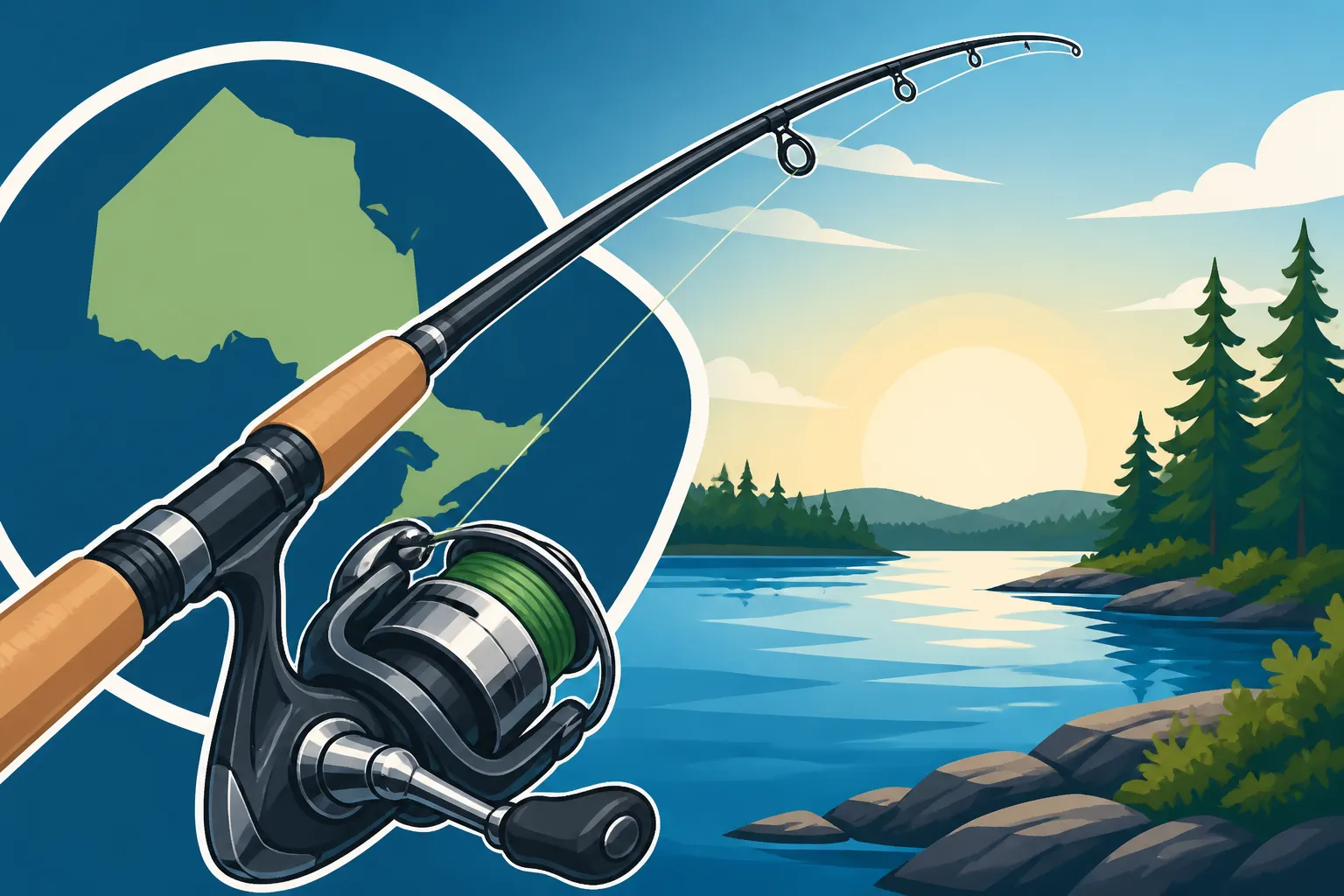
At its heart, a rod and reel combo is simply a fishing rod and a matching reel that are sold together as a single unit. This might seem obvious, but for a beginner, it's a game-changer. Instead of trying to figure out if a certain reel's action matches a particular rod's power, or if the line capacity is appropriate, someone else has already done that work for you. These combos are designed to be balanced and functional straight out of the box, saving you from making potentially costly mistakes when pairing components.
Think of it like buying a bicycle where the wheels, frame, and gears are all perfectly suited for each other; you don't have to research individual parts. Many combos even come pre-spooled with line, which is another huge convenience when you're just dipping your toes into fishing. It truly simplifies the entry process, letting you focus more on learning to cast and less on the technical minutiae of gear selection.
Why a Combo is Perfect for Your First Ontario Adventures
For a new angler hitting the diverse waters of Ontario, from the small ponds of cottage country to the vastness of Lake Simcoe, a pre-matched rod and reel combo offers unparalleled advantages. The primary benefit is ease of use – you can literally walk into a store, pick one up, and be ready to fish with minimal fuss. This reduces the intimidation factor significantly, allowing you to build confidence on the water rather than in the tackle shop.
Beyond just simplicity, combos are also typically more cost-effective than buying a quality rod and reel separately. This means you can get decent, reliable gear without breaking the bank, which is essential when you're not sure if fishing will become your lifelong passion or just a fun summer hobby. Plus, they're often versatile enough to handle a variety of species you're likely to encounter in Ontario, like panfish, bass, and smaller walleye, making them a great all-around starting point. You'll have enough to think about with Ontario Fishing Regulations Explained and where to find the fish, so let your gear be simple.
Deciphering Rod Specifications for Ontario Waters
The rod is your direct connection to the fish, acting as an extension of your arm. Understanding its fundamental characteristics will help you choose a combo that feels comfortable and performs well for the type of fishing you plan to do in Ontario. It's not about getting the most expensive rod, but the right rod for your needs.
Rod Length: Finding Your Sweet Spot
Rod length directly impacts your casting distance and accuracy, as well as how you fight a fish. For most general-purpose freshwater fishing in Ontario, rods typically range from 6 to 7.5 feet. A longer rod, say 7 feet or more, generally allows for longer casts, which can be beneficial when fishing from shore or trying to cover a lot of water from a boat on a larger lake like Lake Erie or Lake Simcoe. It also provides more leverage when fighting bigger fish, absorbing runs and protecting lighter lines.
However, longer rods can be cumbersome in tight spaces, such as when fishing from a small kayak in a narrow creek or navigating heavy cover on shore. A shorter rod, perhaps 6 to 6.5 feet, offers more accuracy for shorter, precise casts and can be easier to manage in close quarters. For a beginner, a mid-range length of 6.5 to 7 feet is a fantastic all-around choice, offering a good balance of casting distance and maneuverability for most Ontario fishing scenarios.
Rod Power: Matching it to Ontario Species
Rod power, sometimes called "weight," refers to how much force it takes to bend the rod. This is absolutely crucial for matching your rod to the size of the fish you intend to catch and the lures you'll be using.
- Ultralight or Light Power: These rods are incredibly sensitive and will bend significantly with minimal pressure. They are perfect for targeting smaller fish like panfish (crappie, bluegill, perch), small trout in streams, or even tiny bass. You'll feel every nibble, and even a small fish will put up an exciting fight. However, they lack the backbone for larger species. If you're planning on Panfish Fishing in Ontario, this might be your go-to.
- Medium-Light or Medium Power: This is often the sweet spot for a versatile beginner's combo in Ontario. A medium power rod has enough backbone to handle most common species you'll encounter, such as smallmouth and largemouth bass, walleye, and modest-sized northern pike. It can cast a wide range of lures and baits effectively, offering a good blend of sensitivity and fighting power. This will likely be your workhorse for most Best Fishing Lakes in Ontario.
- Medium-Heavy or Heavy Power: These rods are stiffer and designed for larger, stronger fish and heavier lures. While a heavy rod might be overkill for a pure beginner, a medium-heavy could be considered if you primarily plan to target bigger bass, larger walleye, or smaller pike with bigger baits. It provides the muscle needed to set hooks firmly and pull strong fish away from heavy cover.
Matching the power to your target species prevents you from overpowering small fish (making it less fun) or being under-gunned for big ones (risking lost fish and broken gear).
Rod Action: Fast, Moderate, or Slow?
Rod action describes where the rod bends along its length when pressure is applied. This characteristic affects casting distance, hook-setting ability, and how the rod responds during a fight.
- Fast Action: A fast-action rod bends mostly in the tip section. This type of rod is highly sensitive, allowing you to feel subtle bites, and offers quick, powerful hook sets. It's excellent for fishing with single hooks (like jigs or worms) where a swift, strong hook set is paramount, and for accurately casting lighter lures. Most bass and walleye anglers prefer fast action rods.
- Moderate Action (or Medium Action): These rods bend in the top half to two-thirds of their length. Moderate action provides a good balance between casting distance and hook-setting power. The deeper bend acts as a shock absorber, making it ideal for lures with treble hooks (like crankbaits or topwater baits) as it helps prevent hooks from pulling out of a fish's mouth during the fight. It also tends to be a bit more forgiving for beginners learning to cast.
- Slow Action: A slow-action rod bends almost through its entire length, all the way down to the handle. These rods offer the longest casts (though less accurate) and are very forgiving during a fight, cushioning the line and absorbing sudden runs. They are typically used for very light lines, delicate presentations, or specific techniques like fly fishing, and are less common for conventional spinning combos aimed at Ontario's typical freshwater species.
For a beginner's combo, a fast or moderate-fast action is generally recommended. It provides enough sensitivity to feel bites and adequate power for reliable hook sets across a range of common Ontario fish.
Navigating Reel Types for Beginner Anglers
The reel is where your line is stored and retrieved, and it's essential for both casting and fighting fish. For beginners, the choice is pretty straightforward: spinning reels are almost universally recommended for their ease of use.
Spinning Reels: The Beginner's Best Friend
If you're new to fishing, a spinning reel is undeniably your best friend. These reels are designed for simplicity and ease of operation, which is why they are so popular among anglers of all skill levels, especially those just starting out. Unlike baitcasting reels, which can be prone to frustrating "bird's nests" or backlashes if not used correctly, spinning reels are incredibly forgiving.
To cast, you simply open the bail, hold the line with your finger, and release it as you sweep the rod forward. It's a natural motion that most people pick up very quickly. Spinning reels sit under the rod, and the line comes off a fixed spool in coils. This design makes them excellent for casting lighter lures and baits, which is what you'll often be using for smaller species or finesse techniques in Ontario. Look for a smooth retrieve and a comfortable handle, and you'll be well on your way to catching some fish. Many great options exist, and you can often find solid choices at Bass Pro Shops or on Amazon.
Spool Size and Line Capacity
The spool size on a spinning reel dictates how much fishing line it can hold and generally corresponds to the recommended line strength. Reel sizes are often indicated by numbers, such as 1000, 2000, 2500, 3000, or sometimes just a single digit like 20, 30, 40.
- Smaller sizes (1000-2500, or 20-30): These are ideal for light or ultralight fishing, perfect for panfish, trout, and smaller bass. They hold lighter lines (e.g., 4-8 lb test) and are nimble for delicate presentations.
- Medium sizes (3000-4000, or 40-50): This is the most versatile range for general freshwater fishing in Ontario. A 3000-series reel, for example, is excellent for a medium-light or medium power rod, capable of handling 8-12 lb test line and targeting bass, walleye, and medium pike. It strikes a great balance between capacity and compactness. This is often what you'll find in a good all-around beginner's combo.
- Larger sizes (5000+, or 60+): These are typically for heavier freshwater applications, larger species, or even some light saltwater fishing. While not usually needed for a beginner's combo in Ontario, they're good to know about if you eventually graduate to targeting larger lake trout or bigger northern pike.
Choosing a reel with an appropriate spool size ensures you have enough line to make long casts and fight strong fish without running out.
Drag System: Your Fish-Fighting Ally
The drag system is perhaps the most critical component of your reel when it comes to actually fighting a fish. It's a set of washers that create friction, allowing line to pay out under tension while still maintaining enough pressure to tire out the fish. Without a properly functioning drag, a strong fish could snap your line instantly.
For beginners, look for a reel with a smooth, easily adjustable drag. Most spinning reels have a front drag knob (on top of the spool) or a rear drag knob (at the back of the reel body).
- Front drag systems are generally preferred by experienced anglers for their larger drag washers and often smoother performance, offering more precise adjustments.
- Rear drag systems can be more convenient to adjust during a fight as they are easier to reach.
Before you even make your first cast, you should learn how to set your drag. A general rule of thumb is to set it to about 25-30% of your line's breaking strength. For example, if you're using 10 lb test line, set your drag so it takes about 2.5-3 pounds of pressure to pull line from the spool. This allows the fish to run when it needs to, preventing snapped lines, but still applies enough pressure to bring it in. Practice adjusting it before hitting the water.
Line Choices for Your First Ontario Fishing Combo
The fishing line is the invisible (or sometimes visible!) connection between you and the fish. The right line choice can significantly impact your success, and for beginners, understanding the pros and cons of different types is key.
Monofilament: The Forgiving Choice
For a new angler, monofilament line, or "mono," is hands-down the most forgiving and user-friendly option. It's made from a single strand of nylon and offers several advantages that make it perfect for beginners. First, it's relatively inexpensive, so if you experience a few snags or tangles while learning, replacing it won't break the bank.
Secondly, mono has a good amount of stretch. This elasticity acts as a shock absorber, which is great for cushioning sudden strikes and preventing hooks from tearing out of a fish's mouth. It also makes it more forgiving for those learning to cast, as it's less prone to backlash on a spinning reel than other lines. While it might not be as sensitive as some other options, its knot strength is generally reliable, and it's easy to tie knots with. Many entry-level combos even come pre-spooled with monofilament, ready to go. Consider 6-10 lb test mono for most general fishing on an average medium power combo.
Braided Line: When to Level Up
Braided fishing line is made by weaving multiple strands of synthetic fibers together, resulting in a very strong line with almost no stretch. This lack of stretch provides incredible sensitivity, allowing you to feel even the most subtle bites or the lightest touch on your lure. It's also much thinner for its breaking strength compared to monofilament, meaning you can fit more powerful line on a smaller reel. This is a huge advantage when you're targeting stronger fish or need to cast farther.
However, braided line does have a steeper learning curve for beginners. It's more expensive, can be prone to wind knots if not spooled correctly, and can sometimes cut into itself on the spool if not managed properly. Because it has no stretch, it's less forgiving during a fight, and a powerful hookset can tear through a fish's mouth. For these reasons, many anglers use a fluorocarbon leader with braided line. While not ideal for your very first combo, it's definitely something to consider as you gain experience and might explore Best Tackle for Ontario Walleye or Best Bass Fishing Techniques for Georgian Bay.
Fluorocarbon Leaders: The Stealth Advantage
Fluorocarbon line shares many characteristics with monofilament, but it's denser, more abrasion-resistant, and, most importantly, nearly invisible underwater due to its refractive index being similar to water. For beginners, using fluorocarbon primarily as a leader material is a fantastic way to gain an edge without having to manage an entire spool of it.
If you decide to use braided line on your reel, tying a fluorocarbon leader (typically 18-36 inches long) to the end of your main line provides several benefits. It offers the low visibility needed for finicky fish in clear Ontario waters, and its superior abrasion resistance protects your line from sharp teeth or rough underwater structure. You can also use a shorter fluorocarbon leader even with monofilament if you're fishing in very clear water and need that extra stealth. Just remember to learn a good knot, like the Double Uni knot or an Albright knot, to securely attach your leader to your main line.
Recommended Combos for Common Ontario Fishing Scenarios
Now that you understand the individual components, let's put it all together. The "best" combo really depends on what you're hoping to catch. Here are a few reliable setups that will serve a beginner well across various Ontario fishing adventures.
| Combo Type | Rod Power | Rod Action | Reel Size | Ideal Line (lb Test) | Target Species |
|---|---|---|---|---|---|
| Ultralight Spinning | Ultralight | Fast/Moderate-Fast | 1000-2000 | 2-6 lb Mono | Panfish, Small Trout, Perch |
| All-Around Freshwater Spinning | Medium-Light to Medium | Fast/Moderate-Fast | 2500-3000 | 6-10 lb Mono | Bass, Walleye, Small Pike, Trout |
| Heavy Freshwater Spinning | Medium-Heavy | Fast | 4000 | 10-15 lb Mono/Braid | Larger Bass, Walleye, Medium Pike |
The All-Around Freshwater Combo
For most beginners in Ontario, an all-around freshwater spinning combo is the absolute best starting point. This setup is designed to be versatile, allowing you to chase a wide variety of fish without needing specialized gear right away. You're looking for a rod in the 6'6" to 7' range, with a medium-light or medium power and a fast or moderate-fast action. This will give you enough backbone to fight most common game fish while still being sensitive enough to detect bites.
Pair this with a 2500 or 3000 series spinning reel, pre-spooled with 8 or 10 lb monofilament line, and you're golden. This setup is perfectly capable of handling everything from feisty smallmouth bass and largemouth bass to tasty walleye and even smaller northern pike. It's forgiving for casting, easy to manage, and provides a great learning platform. Many brands offer excellent, affordable options in this category, often found at places like Bass Pro Shops.
Stepping Up for Bass and Walleye
Once you've got a few fishing trips under your belt and you're feeling confident with your casting and fish-fighting skills, you might want a combo specifically tailored for larger bass or Ontario's prized walleye. This usually means a slight upgrade in power and often a preference for a bit more sensitivity. For this, a 6'8" to 7'2" rod with a medium power and a distinct fast action is ideal.
This combination allows for more powerful hook sets, better feel for subtle walleye bites, and the ability to cast slightly heavier lures. A 3000 or 4000 series spinning reel spooled with 10-12 lb monofilament or, if you're ready, 15-20 lb braided line with a fluorocarbon leader, would be a fantastic choice. This setup gives you more control and leverage when battling a hard-fighting bass in cover or reeling in a hefty walleye from deeper water. If you're looking to target these species, check out How to Catch Walleye in Ontario or How to Catch Smallmouth Bass in Ontario for more specific techniques that this combo will excel at.
Budget-Friendly Options: Getting Started Without Breaking the Bank
Let's be real, fishing can get expensive, but it absolutely doesn't have to be to start enjoying it. There are many fantastic budget-friendly rod and reel combos available that perform admirably for beginners. The key is to look for reputable brands that focus on durability and functionality over fancy features. You can often find decent combos in the lower price ranges that will still provide a good fishing experience.
Don't be afraid to check sales at local outdoor stores or browse online retailers like Amazon. Often, these combos will feature a 6'6" medium power rod with a 2500-series spinning reel and come pre-spooled with 8 lb mono. They might not have the buttery-smooth retrieve of a high-end setup, but they will cast, retrieve, and fight fish effectively. The goal is to get out on the water and start learning, and these entry-level options make that perfectly accessible. Focus on getting something that feels balanced and sturdy in your hands.
Where to Find Your First Combo and Essential Tips
You've got a good idea of what kind of combo you're looking for. Now, where do you actually go to get it, and what else should you consider before your first cast?
Shopping Smart: Online vs. In-Store
When it comes to purchasing your first rod and reel combo, you have two main avenues: shopping in person or buying online. Both have their distinct advantages.
In-Store Shopping (e.g., Bass Pro Shops, local tackle shops):
- Pros: The biggest advantage here is the ability to feel the rod and reel. You can hold it, test its balance, feel the reel's retrieve, and get a sense of the rod's action. This is invaluable for a beginner who might not know what feels "right" yet. You can also get expert advice from staff who often fish locally and can guide you based on Ontario's specific conditions and target species. There's nothing quite like walking into a Bass Pro Shops and seeing all the gear first-hand.
- Cons: Selection might be slightly more limited than online, and prices can sometimes be a bit higher.
Online Shopping (e.g., Amazon, specialty fishing sites):
- Pros: Online retailers like Amazon often have a much wider selection of brands and models, and you can frequently find competitive pricing or sales. The convenience of shopping from home and having it delivered is also a major plus. You can read countless reviews from other anglers, which can be helpful in narrowing down choices.
- Cons: You can't physically touch the gear before buying, which makes it harder to assess balance, weight, and overall feel. Returns can be a hassle if the combo isn't what you expected.
For your very first combo, a blend of both might be best. Visit a physical store like Bass Pro Shops to get a feel for different rod lengths, powers, and reel sizes, then use that knowledge to confidently search for deals online.
Essential Accessories for Your New Setup
A rod and reel combo is your foundation, but a few essential accessories will make your fishing experience much smoother and more enjoyable. Think of it as putting the finishing touches on your fishing kit.
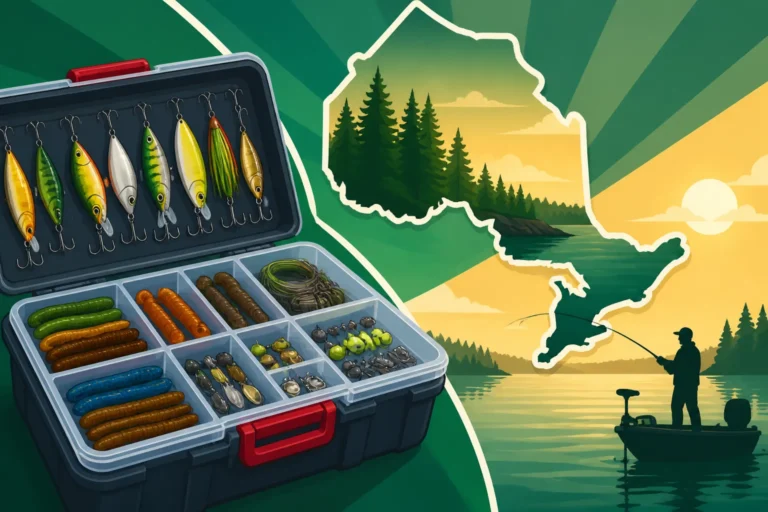
- Small Tackle Box or Bag: You'll need somewhere to store your lures, hooks, weights, and other bits and bobs. A simple, compact tackle box or a small Best Tackle Bag for Bank Fishing is perfect for starting out.
- Pliers/Forceps: Absolutely vital for safely removing hooks from fish, especially if you're practicing catch and release. Look for a pair with a long nose.
- Line Clippers: Small scissors or nail clippers are perfect for cleanly cutting fishing line when tying knots or re-rigging.
- Selection of Lures/Baits: Start with a small variety of proven Ontario fish catchers: some jigs (1/8 oz to 1/4 oz), a few small crankbaits, and perhaps some worms or artificial soft plastics.
- Fishing License: Don't forget this! You need one to legally fish in Ontario. Make sure you understand the requirements for your age and residency, and know the difference between a Sport and Conservation license. You can learn more about this in Ontario Fishing License Guide for 2026 or Printing or Carrying a Digital Fishing License in Ontario.
- Sun Protection: Hat, sunglasses (polarized ones are amazing for seeing into the water!), and sunscreen are must-haves for comfortable days on the water.
Basic Maintenance for Longevity
Taking care of your new rod and reel combo will ensure it lasts for many fishing seasons to come. It doesn't take much effort, but it makes a big difference.
- Rinse After Use: After each trip, especially if you've been in dirty or murky water, give your reel and rod a quick rinse with fresh water. Avoid spraying directly into the reel's internal components. Just a gentle spray to remove any salt, dirt, or grime.
- Wipe Down: Use a soft cloth to gently wipe down your rod and reel. Pay attention to the line guides on the rod to ensure they're clean and free of debris that could abrade your line.
- Lubricate (Reel): Every few trips (or more often if it gets wet a lot), apply a tiny drop of specialized reel oil to the moving parts of your reel, like the handle knob and line roller. Check your reel's manual for specific lubrication points.
- Store Properly: Store your combo in a cool, dry place, out of direct sunlight. Keep the drag loosened on your reel to prevent the drag washers from compressing over time. Avoid leaning your rod against walls or objects where it could bend permanently or be stepped on. If possible, store it horizontally or hang it.
By following these simple steps, your beginner rod and reel combo will be a reliable companion for countless memorable fishing trips across Ontario. Good luck out there!
Disclaimer
This article is for general informational purposes only and does not constitute professional advice. Laws, prices and regulations vary by location and change over time. Consult a qualified professional for guidance on your specific situation.