Best rod power for muskie fishing
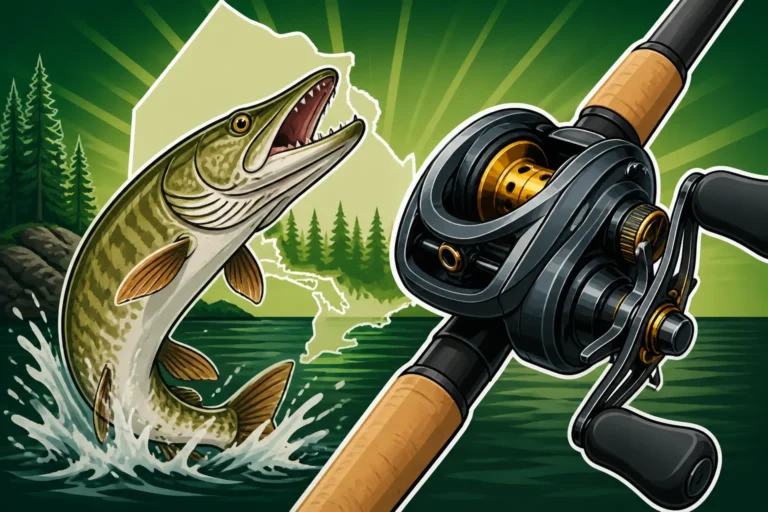
Choosing the right rod for muskie fishing can feel like deciphering a secret code, especially when you're staring at a wall of intimidating rods, each boasting different "powers." It's a common frustration, and many anglers agonize over whether to go with a medium-heavy or an extra-heavy, worried they'll undergun themselves against Ontario's toothy titans. This guide is here to break down the complexities of rod power specifically for muskie fishing, helping you confidently select the perfect tool for battling these incredible predators.
Understanding Rod Power: What Does It Really Mean for Muskie?
When we talk about "rod power" in fishing, we're not talking about how strong you are or how much muscle you can put into a cast. Instead, it refers to the rod's lifting strength or its resistance to bending. Think of it as the rod's backbone. A heavier power rod requires more force to bend it than a lighter power rod. For muskie, a species known for its brute strength and often large lures, understanding this concept is absolutely paramount to both effective fishing and landing fish safely. Without the right power, you'll struggle to cast, work your baits, and ultimately, control a hooked muskie.
Light, Medium, Heavy: More Than Just a Label
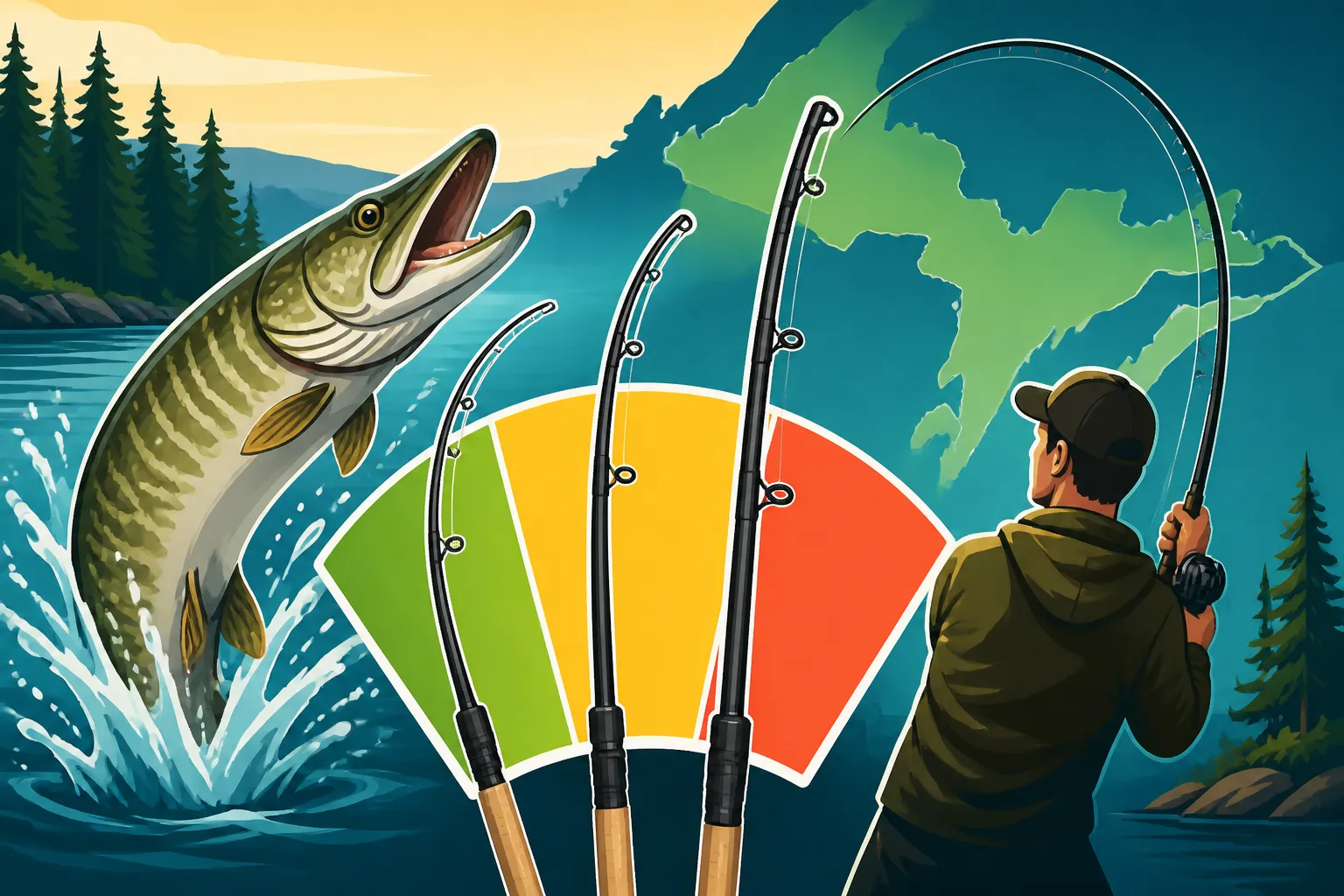
The terms "light," "medium," "heavy," and "extra heavy" are industry standards, but their application can feel a bit vague if you don't know what you're looking for. A "heavy" power bass rod, for instance, might be closer to a "medium-heavy" muskie rod. This isn't just arbitrary; it's because muskie fishing often involves throwing exceptionally large and heavy lures, and fighting truly massive fish that can easily spool or snap a lighter setup. A rod's power dictates the range of lure weights it's designed to cast effectively and the amount of pressure it can exert on a fish. If you try to cast a massive 10-ounce muskie bait on a medium-power rod, you're going to have a bad time—poor casting distance, potential rod breakage, and a lack of feel. Conversely, trying to throw a tiny bucktail on an extra-heavy rod will feel like casting with a broomstick, hindering your presentation and sensitivity.
Why Muskie Demand Specific Rod Power
Muskellunge are often called the "fish of 10,000 casts" for a reason, and when one finally hits, you need to be prepared. Their powerful runs, head shakes, and sheer size demand a rod that can handle the stress. Beyond the fight, muskie anglers regularly throw oversized bucktails, large jerkbaits, heavy soft plastics, and substantial topwater lures. These baits put immense strain on a rod during the cast, especially when trying to achieve long distances or make precise presentations into heavy cover. A rod with adequate power ensures that you can load the rod properly during the cast, propelling these hefty lures efficiently without risking damage to the rod or your arm. Furthermore, once a muskie is hooked, a powerful rod allows you to turn its head, steer it away from snags, and quickly bring it to the boat for a safe Muskie Catch and Release Survival Tips experience. Trying to fight a 50-inch muskie on an underpowered rod is not only exhausting but also prolongs the fight, increasing stress on the fish and decreasing its chances of survival after release.
Matching Rod Power to Muskie Lures and Techniques
The world of muskie fishing is vast, with an incredible array of lures and techniques. Each type of lure and method of presentation has an ideal rod power that helps it perform best. Understanding this relationship is key to building a versatile arsenal of muskie rods, or at least choosing the right one for the specific baits you plan to throw on a given day out on one of Ontario's Best Muskie Waters in Ontario.
Casting Heavy Baits: The Role of Extra Heavy Power
For muskie anglers, "extra heavy" power rods are often the bread and butter. These are the workhorses designed to handle the heaviest lures in your tackle box, typically ranging from 4 to 16 ounces, and sometimes even more. Think about those massive double-10 bucktails that create so much drag, or the heavy rubber baits that weigh a ton when wet. An extra-heavy rod provides the stiffness and backbone necessary to launch these baits a significant distance without feeling like the rod is going to snap. It also gives you the leverage to effectively work these baits through the water, imparting the right action without undue strain on your wrist and arm.
When a muskie strikes one of these big baits, the extra-heavy power allows for a solid hookset and the immediate authority needed to control the fish. If you're consistently throwing large jerkbaits, heavy soft plastics, or big trolling baits like those found in Best Lures for Muskie Fishing in Ontario, an extra-heavy power rod is not just recommended, it's essential. Brands like St. Croix, G. Loomis, and Shimano offer excellent options in this category, and you can often find a great selection and feel the different models in person at a major retailer like Bass Pro Shops.
Medium-Heavy Power: Versatility for Smaller Offerings
While muskie are known for eating giant baits, there are plenty of situations where a slightly less powerful rod, like a medium-heavy, shines. These rods typically handle lures in the 1-to-4-ounce range effectively, offering a good blend of casting ease and fish-fighting power. They are perfect for smaller bucktails (single-blade or smaller double-blades), medium-sized jerkbaits, lighter topwaters, and smaller glide baits. If you're just starting out and want one rod that can handle a decent variety of common muskie lures without breaking the bank, a robust medium-heavy can be a good starting point.
The advantage of a medium-heavy rod is often increased sensitivity and a more forgiving bend, which can be beneficial when fighting fish that might try to throw hooks. It's a great choice for situations where you're down-sizing your presentation, perhaps when fish are pressured or feeding on smaller baitfish. Many anglers will have one or two medium-heavy rods in their boat alongside their heavier setups, specifically for these more finessed (for muskie, anyway!) presentations.
Specialized Applications: From Bucktails to Glide Baits
Different muskie techniques can dictate very specific rod power needs.
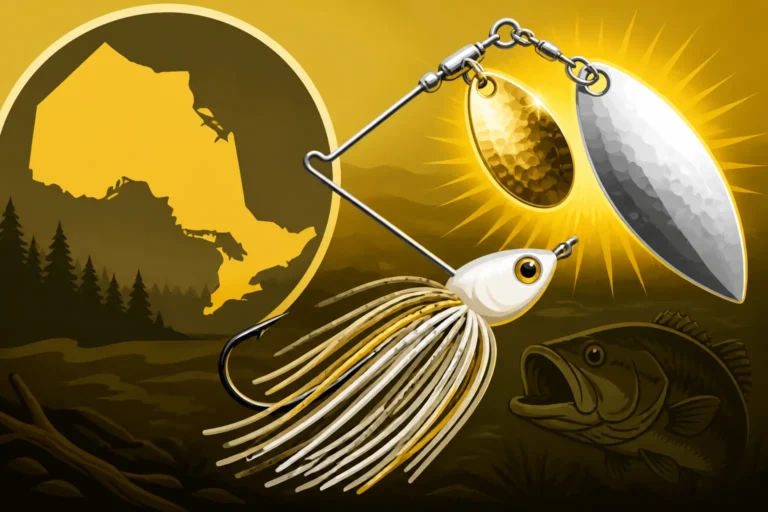
- Bucktails: For smaller to medium bucktails, a stout medium-heavy or heavy rod with a fast action is usually ideal. For the monster double-10 or triple-8 bucktails that are becoming increasingly popular, an extra-heavy rod is almost mandatory. The resistance these lures create during the retrieve is immense, and an extra-heavy rod helps you crank them efficiently all day long.
- Jerkbaits: Rod power for jerkbaits can vary. For larger, weighted jerkbaits that are ripped and paused, an extra-heavy rod provides the backbone to work them aggressively. For smaller, lighter twitch baits, a heavy power rod often offers a better balance of casting and bait manipulation. The key here is enough power to make the lure "dart" effectively with each rod twitch.
- Topwater: Many topwater lures, even large ones, don't have the same casting weight or retrieve resistance as a double-10 bucktail. A heavy power rod with a fast action is often perfect for generating those splashy, walking-the-dog actions and delivering explosive hooksets when a muskie blows up on your bait.
- Glide Baits and Soft Plastics: Glide baits and soft plastics can be particularly heavy, especially larger models that are weighted for casting distance. Extra-heavy rods are ideal for launching these and ensuring you have the leverage to sweep them and set the hook into a muskie's boney mouth. The heavier power also allows for better feel and control over these slower, more subtle presentations.
Here's a quick reference table to help visualize these relationships:
| Rod Power | Typical Lure Weight Range (Approx.) | Common Muskie Lure/Technique Examples |
|---|---|---|
| Medium-Heavy | 1 – 4 oz | Smaller Bucktails (single/double #8), Medium Jerkbaits, Lighter Topwaters |
| Heavy | 3 – 8 oz | Medium-Large Bucktails (double #9), Standard Jerkbaits, Most Topwaters |
| Extra Heavy | 6 – 16+ oz | Large Bucktails (double #10, triple #8), Heavy Rubber Baits, Large Glides |
| XX-Heavy/Mag. | 12 – 24+ oz | Super Magnum Baits, Large Trolling Lures, Specialized Heavy Casting |
Keep in mind these are general guidelines. Always check the specific lure rating on any rod you're considering, as manufacturers can have slight variations in how they classify power.
Finding the Sweet Spot: Considering Your Fishing Style and Muskie Size
Beyond the lures you intend to throw, your personal fishing style and the size of the muskie you're typically targeting in Ontario waters should also weigh heavily on your rod power choice. There's no single "best" rod for every muskie angler, and what works for one person might not be ideal for another.
Your Personal Angling Preferences
Are you an angler who loves to throw giant baits all day, relentlessly pursuing that truly massive Muskellunge Growth Rate to Trophy Size? Or do you prefer a more varied approach, mixing in smaller lures and more finesse presentations (again, "finesse" being relative in muskie fishing!)? Your preference for how you fish will heavily influence the rod power that feels most comfortable and effective in your hands. If you plan to spend hours casting heavy rubber and giant bucktails, an extra-heavy rod will prevent fatigue and allow you to work the baits properly. Trying to do that with a medium-heavy will wear you out in no time and compromise your presentation.
Conversely, if you mostly stick to smaller bucktails and jerkbaits, a heavy power rod might offer a better balance of casting feel and fighting capability without being overkill. Some anglers also prefer a slightly lighter rod to "feel" the bait more, particularly with glide baits, though this often comes at the expense of casting huge distances or quickly turning a big fish. It’s a trade-off, and your personal comfort and confidence with the setup are paramount. Don't be afraid to visit a tackle shop, like Bass Pro Shops, and physically pick up and "feel" different rod powers. Imagine casting various lures with them. You'll quickly get a sense of what feels right for you.
The Size of the Fight: Trophy Muskie vs. Average Fish
Let's be realistic: while everyone dreams of a 50-inch muskie, the average muskie you encounter might be in the 30- to 40-inch range. If you're consistently fishing waters known for producing truly giant fish, like parts of Georgian Bay or Lake St. Clair, then leaning towards the heavier end of the power spectrum (heavy to extra-heavy) is a wise choice. These fish have incredible power, and a strong rod gives you the control needed to land them quickly and safely for release. Muskellunge Fishing in Ontario often means encountering fish of various sizes, so being prepared for the larger ones is never a bad idea.
However, if you're fishing smaller lakes or rivers where the average size tends to be a bit smaller, you might find that a heavy or even a stout medium-heavy rod offers plenty of backbone. It's about finding that balance. You don't want to be constantly over-gunned, making the fight less enjoyable and potentially putting too much pressure on smaller fish, but you absolutely don't want to be under-gunned when that fish of a lifetime finally strikes. Consider the typical Muskellunge Growth Rate to Trophy Size for the specific bodies of water you fish most frequently. You can research local fishing reports or talk to guides to get a better sense of the predominant muskie sizes in your preferred fishing grounds.
Beyond Power: Other Rod Factors for Muskie Success
While rod power is a critical component, it's just one piece of the puzzle. Other rod characteristics work in conjunction with power to create a truly effective muskie rod. Overlooking these factors could leave you with a setup that, while powerful, doesn't quite hit the mark. When you're browsing options, whether online at Amazon or in a physical store, remember to consider the whole package.
Rod Action: Fast vs. Moderate for Muskie Hooksets
Rod action refers to where the rod bends along its length when pressure is applied. It's often described as fast, moderate, or slow.
- Fast Action: A fast action rod bends mostly in the top third of the blank. This is by far the most common action for muskie rods. It provides maximum sensitivity, allowing you to feel subtle bumps and changes in lure action. Critically, it also offers a quick, powerful hookset because the backbone engages almost immediately. This is essential for quickly driving hooks into the hard, bony mouth of a muskie, especially when you're quickly snapping baits like jerkbaits.
- Moderate Action: A moderate action rod bends more towards the middle of the blank. While less common for muskie, a moderate action can be beneficial for certain applications, particularly with treble hook baits like crankbaits or some larger topwaters. The more forgiving bend can act as a shock absorber, helping to keep fish pinned by reducing the chance of hooks tearing out during violent head shakes. However, it requires a longer, sweeping hookset, which might not be ideal for all situations.
For most muskie techniques, particularly those involving single-hook baits or aggressive presentations where a solid, instant hookset is paramount, a fast action rod paired with the appropriate power is the way to go.
Rod Length and Material: Reach, Leverage, and Durability
The physical characteristics of the rod blank itself play a huge role in its overall performance.
- Rod Length: Muskie rods are typically long, often ranging from 8 feet to over 9 feet. This extended length provides several key advantages. First, it increases casting distance, allowing you to cover more water, especially with heavy baits. Second, it offers superior leverage for fighting large fish, helping you steer them and keep them from digging into cover. Third, it aids in the crucial "figure eight" maneuver boat-side, giving you more reach to keep the bait in the water for a potential last-minute strike. How to Figure Eight a Muskie Boatside is an essential skill, and a longer rod makes it significantly easier.
- Rod Material: The vast majority of muskie rods today are made from graphite composites. Graphite offers an excellent strength-to-weight ratio, providing the power needed without making the rod overly heavy or cumbersome for a full day of casting. Different grades and blends of graphite can influence the rod's sensitivity and durability. Some rods might incorporate fiberglass in their construction, particularly in the tip, to add durability and a slightly slower action for certain techniques, though pure graphite remains dominant for casting applications. The quality of the material directly impacts the rod's ability to withstand the immense forces generated by casting heavy lures and fighting trophy fish.
Handle and Reel Seat: Comfort and Control
Don't underestimate the importance of the rod's handle and reel seat. When you're casting hundreds of times a day and battling powerful fish, comfort and control become incredibly important.
- Handle Length and Configuration: Muskie rods almost universally feature a long handle, often with a split-grip design, providing ample leverage for two-handed casting. The butt end of the handle should extend well past your elbow, allowing you to tuck it under your arm for added leverage during the retrieve and fight. This extended handle is critical for effectively loading the rod during the cast and for gaining maximum control once a fish is on.
- Reel Seat: The reel seat needs to be robust and secure, capable of holding your heavy-duty Best Baitcasting Reels for Muskie Fishing firmly in place, even under immense stress. It should be comfortable to hold, with no sharp edges or uncomfortable gaps. A good reel seat contributes to the overall balance of the rod and reel combo, which can make a huge difference in reducing fatigue over a long day on the water, especially during peak seasons like Best Techniques for Fall Muskie Fishing.
Ultimately, the best rod power for muskie fishing is one that matches your chosen lures, accommodates your casting style, is appropriate for the size of fish you expect to encounter, and feels comfortable and balanced in your hands. By carefully considering these factors, you'll be well on your way to assembling a muskie fishing setup that you can trust when that next Ontario monster decides to strike.
Disclaimer
This article is for general informational purposes only and does not constitute professional advice. Laws, prices and regulations vary by location and change over time. Consult a qualified professional for guidance on your specific situation.