Ontario resident license class details
It can feel a little overwhelming trying to navigate all the different fishing license options here in Ontario. Many new anglers, and even some seasoned folks, get confused by terms like "Outdoors Card" and "Sport vs. Conservation" licenses, especially when you're just trying to figure out what you need to legally cast a line. This guide is designed to cut through that confusion, breaking down the specific resident fishing license classes in Ontario so you can confidently hit the water.
Understanding Your Options: The Basics of Ontario Resident Fishing Licenses
When you're an Ontario resident and you're ready to embrace the fantastic fishing opportunities our province offers, the first step is understanding the foundational elements of our licensing system. It's not just a single piece of paper; it's a combination of documents that prove your eligibility and grant you the privilege to fish. Getting familiar with these basics will save you a lot of headaches down the road and ensure you're always fishing within the rules.
The Outdoors Card: Your Foundation
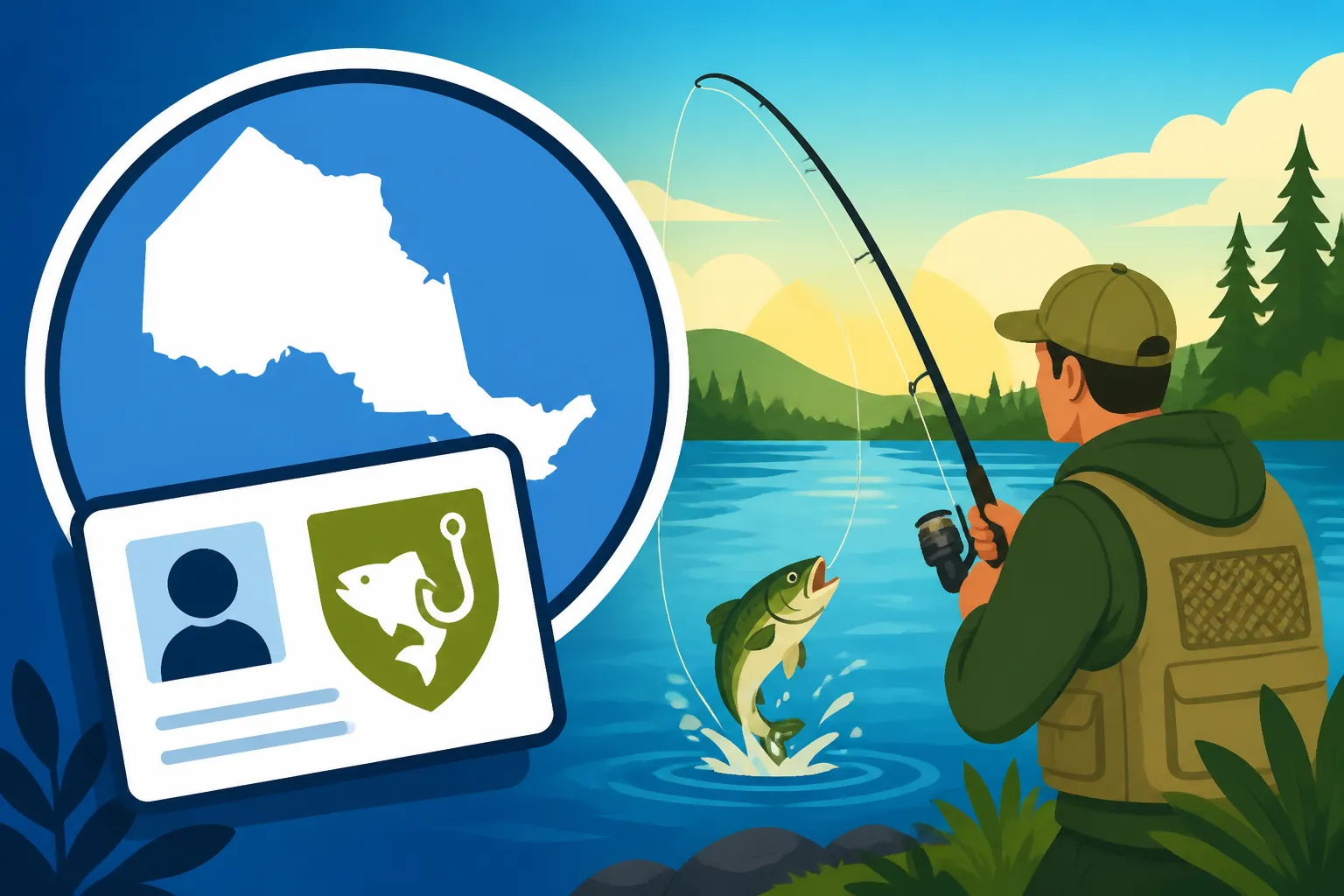
Think of the Ontario Outdoors Card, Explained as your essential angler's ID here in Ontario. It's not a fishing license itself, but rather a prerequisite for purchasing one. This plastic card holds your unique customer number and is valid for a period of three calendar years. You can't just walk into a store and buy a fishing license without one; it's the province's way of identifying you and keeping track of your licensing history.
When you first apply for an Outdoors Card, you'll provide your personal details, and this card becomes your primary identifier for all hunting and fishing activities in Ontario. It's crucial to keep it current, as an expired Outdoors Card means you can't buy or renew any fishing licenses. Many anglers keep their Outdoors Card wallet-sized and readily available, often with other essential cards.
The Outdoors Card makes future license purchases much simpler. Once you have it, renewing your fishing license is typically just a matter of quoting your Outdoors Card number. You can even find specific products on sites like Amazon, like waterproof cardholders, to protect this important piece of identification while you're out on the boat or shore.
Sport vs. Conservation: Choosing Your Path
This is one of the biggest decisions you'll make when purchasing your fishing license, and it directly impacts how much fish you can keep and possess. The Ontario Sport vs Conservation Fishing License offers two distinct approaches to fishing, catering to different angler philosophies and intentions. It's not just about cost; it's about your commitment to the resource and how you want to interact with Ontario's diverse fish populations.
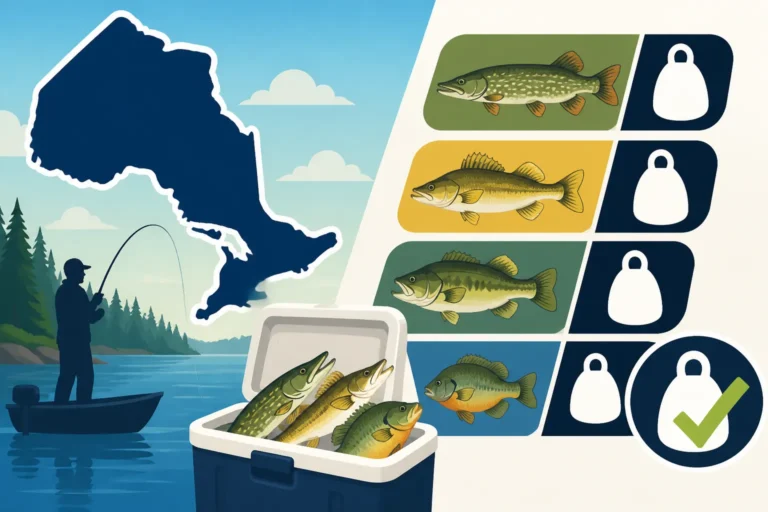
A Sport Fishing License allows for higher catch and possession limits. This is often the choice for anglers who plan to harvest a reasonable amount of fish for consumption, or perhaps for those who want to participate in fishing derbies where higher limits might be permitted (though always check specific derby rules). It provides a more generous allowance, reflecting a traditional angling approach of both recreation and harvest.
The Conservation Fishing License, on the other hand, comes with reduced catch and possession limits – typically about half of what a Sport license allows. This option is perfect for anglers who are primarily interested in the recreational aspect of fishing, focusing on the thrill of the catch and release, or only keeping a very small amount for a fresh meal. It's a choice that explicitly supports conservation efforts, putting less pressure on fish stocks. Deciding between the two depends entirely on your personal fishing goals and how much fish you anticipate taking home.
License Validity Periods: Annual, 3-Year, and 1-Day
Ontario offers a few different validity periods for your fishing license, designed to suit various fishing habits. Understanding these options can help you choose the most cost-effective and convenient license for your specific needs, whether you're a dedicated year-round angler or just planning a quick weekend trip. Each option has its own advantages and is tailored to different levels of commitment.
The most common choice for regular anglers is the annual fishing license, which is valid for a full calendar year, from January 1st to December 31st. This is ideal if you fish regularly throughout the spring, summer, and fall, and even participate in Ice Fishing in Ontario during the winter months. It offers continuous coverage without the need for frequent renewals, allowing you to focus on fishing rather than paperwork.
For those truly committed to Ontario fishing, the 3-year fishing license option, purchased in conjunction with a 3-year Outdoors Card, provides the ultimate convenience. You pay once and you're set for three full years, eliminating the annual renewal process. This is often the most economical choice in the long run if you know you'll be fishing consistently. Finally, there's the Ontario 1-Day Resident Fishing License Cost, perfect for sporadic anglers, visitors, or those just trying out fishing for the first time. It provides full legal access to fishing for a single day, offering maximum flexibility without a long-term commitment. This license is a great way to participate in events like the Ontario Family Fishing Weekend Dates outside the designated free fishing periods.
Eligibility and Residency Requirements for Ontario Anglers
Before you even think about which type of license to buy, you need to confirm that you qualify as an Ontario resident for fishing purposes. The rules are in place to ensure fair access and management of our natural resources, distinguishing between those who contribute to the province's economy and those who are visiting. Understanding these definitions is critical, as misrepresenting your residency status can lead to penalties.
Defining an Ontario Resident for Fishing Purposes
The legal definition of an Ontario resident for fishing licensing isn't just about having an Ontario mailing address. It's more specific than that, aiming to identify individuals who genuinely live and reside in the province. Generally, to be considered an Ontario resident, you must have resided continuously in the province for a period of at least six consecutive months immediately prior to applying for a license. This period of residency must be as your primary dwelling, meaning this is where you primarily live, eat, and sleep, not just where you own a cottage or vacation property.
This definition ensures that the benefits and costs associated with resident licenses are appropriately distributed among those who truly call Ontario home. For example, if you're a student attending university in another province but your permanent home is still Ontario, you generally retain your Ontario resident status. Conversely, if you've recently moved to Ontario, you'll need to wait until you meet that six-month threshold before you can purchase a resident fishing license. Keep clear records of your residency, such as utility bills or driver's license, in case you ever need to prove your status to an enforcement officer.
Age-Based Exemptions and Special Considerations
Ontario's fishing regulations also take into account age and certain special circumstances, providing exemptions or specific rules for different groups of anglers. This makes fishing more accessible and encourages participation across all demographics, particularly for young people and seniors. It's important to know if you or someone you're fishing with qualifies for these special considerations to avoid unnecessary license purchases.
For our younger anglers, it's great news: Ontario Youth Fishing License Exemption Under 18 means children and youth under 18 years of age do not need a fishing license to fish in Ontario. However, any fish they keep must be counted towards the catch and possession limits of an adult angler who does hold a valid license, or they must follow the Conservation license limits if they're fishing independently and keeping fish. This is a fantastic way to introduce kids to the joys of fishing without a barrier.
Seniors also receive a special consideration. As of January 1, 2019, Canadian residents aged 65 and older are no longer required to purchase a fishing license to fish in Ontario. They still need a valid Outdoors Card to accompany their fishing activities, proving their age and residency. Similarly, certain disabled residents may also qualify for exemptions or discounts, such as those who are legally blind. It's always best to check the official Ontario Fishing License Age Requirements for the most current details, as regulations can sometimes change.
Canadian Residents (Outside Ontario) and Their Specific Licenses
It's common for Canadians living in other provinces, say from Manitoba or Quebec, to want to come and fish in Ontario's incredible waters. While they are Canadian, they are not considered Ontario residents for licensing purposes and therefore fall under a different category of licenses. This distinction is crucial for maintaining proper resource management and ensuring that local and provincial residents' access is managed effectively.
Canadian residents from outside Ontario must purchase a Non-Resident Canadian Fishing License. This license category acknowledges their Canadian citizenship but reflects their non-Ontario residency status. The costs and license classes (Sport vs. Conservation) are similar in structure to those for Ontario residents, but the prices are different. For example, a non-resident Canadian angler from, say, British Columbia, might find their annual license cost slightly higher than an Ontario resident's.
It’s important for these anglers to understand that their fishing license from their home province doesn’t automatically grant them the right to fish in Ontario. Each province manages its own natural resources and licensing requirements. Therefore, if you're visiting from another Canadian province, make sure to secure the appropriate Ontario Canadian resident (outside Ontario) fishing license cost before you cast your line.
Detailed Breakdown of Resident License Classes and Costs
Now let's get into the nitty-gritty of the actual license types and what they entail, including typical costs and the specific implications for your fishing trip. Understanding these details will help you make an informed choice that matches your angling style and budget. Remember, these licenses are an investment in the conservation and management of Ontario's fisheries, ensuring they remain healthy for generations to come.
Annual and 3-Year Sport Fishing License Details
The Sport Fishing License is for the angler who enjoys the potential of bringing home a good catch for the dinner table, within responsible limits. For an Ontario resident, acquiring an annual Sport Fishing License, combined with your Outdoors Card, allows you to take advantage of the maximum allowable catch and possession limits for most species in a given fishing zone. For example, on a lake in Lake Simcoe Fishing Guide, you might be allowed a daily limit of two Walleye with a Sport license, whereas a Conservation license would only permit one. This applies to most species like bass, pike, and perch as well, with specific numbers detailed in the Ontario Bag and Possession Limits by Species.
Choosing the 3-year Sport Fishing License is a savvy move for the dedicated angler. Not only does it offer the convenience of not having to renew annually, but it also typically provides a slight cost saving over buying three individual annual licenses. It's a commitment to fishing for the long haul, perfect for those who know they'll be spending a lot of time on the water, perhaps exploring different regions from the Best Fishing Lakes in Ontario to the Best Fishing Rivers in Ontario. When you consider the Ontario resident sport fishing license cost 2026 for an annual versus a 3-year option, the value becomes clear.
Annual and 3-Year Conservation Fishing License Details
If your passion lies in the experience of fishing itself, the challenge of the catch, and the satisfaction of a healthy release, then the Conservation Fishing License is likely your ideal choice. This license class promotes a more sustainable approach by setting reduced catch and possession limits, typically about half of what a Sport license allows. This doesn't mean less fun; it means more fish left in the water to reproduce and grow, contributing to the long-term health of our fisheries.
For example, if the daily limit for Smallmouth Bass on a Sport license is four, with a Conservation license, it would be two. This applies across the board, making it crucial to consult the Ontario Fishing Regulations Explained before you head out, especially the specific rules for your chosen Ontario Fisheries Management Zones, Explained. The Ontario resident conservation fishing license cost 2026 for both annual and 3-year options reflects this reduced impact on the fishery, often being slightly less expensive than their Sport license counterparts.
Opting for the 3-year Conservation Fishing License offers the same convenience and potential cost savings as the 3-year Sport license, but with that continued focus on minimizing your take. It's a great option for anglers who spend a lot of time fishing but are committed to catch-and-release practices or only keeping a small number of fish for a special meal. It’s an ethical choice that aligns perfectly with a strong passion for conservation.
The 1-Day Resident Fishing License: When It Makes Sense
Not everyone is a year-round fishing fanatic, and that's perfectly okay! For those who only get out on the water occasionally, perhaps for a family outing or a single planned trip, the 1-day resident fishing license is an absolute game-changer. This license provides all the legal privileges of fishing for a 24-hour period, offering immense flexibility without requiring a full annual commitment. It's an ideal choice for spontaneous trips or for someone introducing a friend or family member to fishing.
The Ontario 1-day resident fishing license cost is designed to be accessible and straightforward. You simply purchase it for the specific day you plan to fish, and it covers you. This option is fantastic for events like the Ontario Family Fishing Weekend Dates when you might have friends or extended family who don't normally fish but want to join in outside the official free fishing periods. It’s also perfect if you’re planning a one-off trip to a new area and aren't sure if you'll return, or if you're trying a new technique, like Fly Fishing for Trout in Ontario, for the first time.
It’s important to note that the 1-day license still requires you to adhere to either Sport or Conservation limits, depending on which option you select at the time of purchase. Always confirm these limits for the waters you intend to fish. For maximum convenience, you can often purchase this license quickly online, even right before you head out to the lake, ensuring you're legally covered for your day on the water.
Here’s a quick overview of the key differences for Ontario Resident fishing licenses:
| License Type | Outdoors Card Required? | Validity Period | Catch/Possession Limits | Primary Use Cases | Approximate Cost (Annual) |
|---|---|---|---|---|---|
| Outdoors Card | N/A | 3 Calendar Years | N/A (ID only) | Required to purchase any fishing license | ~$9 |
| Sport Fishing License | Yes | 1 or 3 Years | Higher Limits | Anglers who plan to keep fish for consumption | ~$30-45 |
| Conservation License | Yes | 1 or 3 Years | Reduced Limits (~50% of Sport) | Anglers focused on catch & release, minimal harvest | ~$20-30 |
| 1-Day License | Yes | 24 Hours | Sport or Conservation limits apply | Occasional anglers, trying out fishing, short trips | ~$12-15 |
Note: Costs are approximate and subject to change. Always check official sources for current pricing, including any applicable HST and processing fees.
How to Purchase and Manage Your Ontario Fishing License
Getting your fishing license in Ontario is a relatively straightforward process, thanks to modern systems and various purchasing options. Knowing how and where to buy your license, as well as how to manage it once you have it, will ensure you spend less time on logistics and more time enjoying the beautiful waters of our province. Whether you prefer digital convenience or a physical interaction, there's an option for you.
Online, In-Person, and Phone Purchase Options
The most popular and often quickest way to get your Ontario fishing license is through the provincial government's Fish and Wildlife Licensing Service website. The How to Buy an Ontario Fishing License Online process is user-friendly, allowing you to purchase your Outdoors Card and fishing license from the comfort of your home, anytime, day or night. You simply create an account, select your desired license type (Sport, Conservation, 1-Day, etc.), make the payment, and you're good to go. This is incredibly convenient if you decide to go fishing last minute or if you live far from a physical vendor.
If you prefer a more traditional approach, you can purchase your license in-person at a ServiceOntario centre or at one of the many authorized private license issuers across the province. These issuers are often bait and tackle shops, outdoor retailers like SAIL, or even some Canadian Tire stores. The staff there can often help you with any questions you might have about the different license classes or local regulations. You can also purchase licenses over the phone by calling the Natural Resources Information and Support Centre, though this method is generally less common than online or in-person. Before you head to a physical location, you can often find a list of authorized license issuers on the government's website.
Printing or Carrying a Digital License: What's Accepted
Once you've purchased your license, you might wonder if you need a physical copy. The good news is, Ontario has embraced digital options, offering flexibility for anglers. According to the Printing or Carrying a Digital Fishing License in Ontario guidelines, you have a few ways to ensure you're compliant while on the water.
When you purchase your license online, you'll receive a confirmation email, and often a PDF version of your license. You can print this off and carry a physical copy with you. Many anglers prefer this, as it doesn't rely on battery life or phone signal. A simple printout tucked into a waterproof wallet or fishing vest (which you can find plenty of options for on Amazon) is perfectly acceptable.
Alternatively, you can carry a digital image or electronic copy of your license on your smartphone or other mobile device. This is incredibly convenient for many, as most people already have their phone with them. Just make sure your device is charged, and you can easily access the digital copy to present to a conservation officer if requested. It's always a good idea to have it saved directly to your device rather than relying on internet access to retrieve it from an email or website, especially if you're venturing into remote areas where cell service might be spotty.
Renewals, Replacements, and Important Considerations
Life happens, and sometimes licenses expire, get lost, or you simply need to make changes. Knowing how to handle these situations will prevent any interruptions to your fishing plans. Ontario's system is designed to be fairly accommodating for these common scenarios, ensuring you can quickly get back on track.
Renewing your Outdoors Card and fishing license is straightforward, especially if you opted for the 3-year variety. You'll typically receive reminders as your expiration date approaches. Renewals can be done online, in person, or over the phone, similar to initial purchases. If your Outdoors Card expires, you won't be able to purchase a new fishing license until it's renewed, so keep an eye on those dates!
If you happen to lose your Outdoors Card or fishing license while out on the water or simply misplace it, don't panic. The Ontario Fishing License Refund and Replacement Policy allows for replacements. You can usually obtain a replacement online by logging into your account, or by visiting a ServiceOntario centre or authorized issuer. There might be a small fee for a replacement card, but it's a minor cost to ensure you're fishing legally. Remember, fishing without a valid license (or a valid means to show proof of one) can lead to fines, so it’s always better to replace it promptly rather than risk it.
Disclaimer
The information provided in this guide is for general informational purposes only and is not intended as legal advice. Fishing regulations, license requirements, and costs in Ontario are subject to change. Always consult the official Ontario Ministry of Natural Resources and Forestry (MNRF) website or the current Ontario Fishing Regulations Summary for the most accurate and up-to-date information before engaging in any fishing activities.