Ontario Provincial Park Fishing Guide
Many anglers dream of casting a line in Ontario's pristine provincial parks, surrounded by untouched wilderness and the promise of a memorable catch. However, the thought of navigating specific park regulations, understanding licensing nuances, or simply figuring out which park offers the best fishing experience can feel overwhelming, like trying to find a needle in a haystack of regulations. This comprehensive guide is designed to cut through the confusion, offering a realistic, detailed look at everything you need to know to plan and execute an incredible fishing trip in Ontario's beautiful provincial parks.
Understanding Fishing Regulations in Ontario Provincial Parks
Venturing into Ontario's provincial parks for a fishing excursion is truly special, but it's crucial to remember that you're entering a protected natural area with its own set of rules and, in some cases, enhanced regulations. It's not just about knowing the province-wide fishing laws; it's about understanding how those laws are applied, and sometimes even modified, within these treasured park boundaries. Skipping this step can lead to a frustrating encounter with park staff or, worse, a fine that puts a damper on your entire trip.
General Provincial Regulations and Park-Specific Rules
First and foremost, every angler in an Ontario Provincial Park must adhere to the overarching Ontario Fishing Regulations Explained. These are the fundamental rules governing fishing across the province, covering everything from season dates to legal methods of capture. Think of the provincial regulations as the foundation. However, many provincial parks, due to their unique ecological value, sensitive fish populations, or conservation goals, will have additional, more restrictive rules. These are often outlined in the individual park's management plan or specific fishing guides available from the park office or website.
For example, a park might designate certain lakes as "catch and release only" for specific species, even if the general provincial regulations allow for retention in that Fisheries Management Zone (FMZ). Others might have specific restrictions on bait usage, perhaps banning live bait to prevent the introduction of invasive species. It's not uncommon to find size restrictions that are different from the general FMZ rules, or even closures on certain lakes at different times of the year to protect spawning fish. Always, always check the specific park regulations before you go. A quick call to the park office or a visit to their official page on the Ontario Parks website can save you a lot of grief and ensure you're fishing responsibly and legally. The province is divided into Ontario Fisheries Management Zones, Explained, and while parks fall within these zones, their rules can sometimes override the general zone rules.
Licensing Requirements Within Park Boundaries
Just like fishing anywhere else in Ontario, you absolutely need a valid fishing license to fish in a provincial park if you're over the age of majority or not covered by an exemption. This isn't a "sometimes" rule; it's a "firm and always" rule. Whether you're a seasoned local or a visitor, ensuring your paperwork is in order is the first step. You'll need to have your Ontario Outdoors Card, Explained and your valid fishing license tag with you at all times while fishing.
For residents, this usually means an Ontario fishing license, which can be purchased for a one-year or three-year period. Non-residents, whether from other Canadian provinces or international visitors, also require a specific non-resident license. Don't forget, these licenses come in two main categories: Sport Fishing and Conservation Fishing. The Sport license allows for higher catch limits, while the Conservation license, as the name suggests, has lower limits and is often preferred by those who practice more catch-and-release. Make sure you understand the difference between the Ontario Sport vs Conservation Fishing License before you buy. Remember, you can often purchase your license online, and it's always a good idea to know about Printing or Carrying a Digital Fishing License in Ontario so you're never caught off guard. You don't want your dream fishing trip to turn into a nightmare because of a forgotten piece of paper or an expired license!
Catch Limits and Species-Specific Regulations
The Ontario Bag and Possession Limits by Species are designed to protect fish populations and ensure sustainable fishing for everyone. Within provincial parks, these limits can often be even stricter. It's not enough to know the provincial limit for, say, Walleye; you need to know if the specific lake you're fishing in Algonquin Provincial Park, for instance, has a reduced limit or even a "no retention" policy. These variations are put in place for a good reason, often to protect vulnerable populations or enhance the quality of the fishery for future generations.
Species-specific regulations also include things like slot limits, which dictate a size range of fish that must be released. For example, some Smallmouth Bass waters might have a slot limit where bass between 12 and 16 inches must be released, while smaller or larger fish can be kept. This is designed to protect prime breeding-size fish. Always consult the Ontario Fishing Regulations Summary for the most up-to-date information, and then cross-reference it with any specific park-published rules. Ignorance of the law is never an excuse, and park wardens are diligent about enforcing these regulations to protect the natural integrity of these areas. Taking the time to understand these nuances demonstrates respect for the environment and for the efforts to maintain these incredible fishing opportunities.
Planning Your Provincial Park Fishing Adventure
Planning a fishing trip to an Ontario Provincial Park is more than just packing your rod and reel; it's about crafting an immersive experience. These aren't your typical roadside fishing holes. Many provincial parks offer remote, wilderness experiences, requiring thoughtful preparation to ensure both a successful angling trip and a safe, enjoyable outdoor adventure. The sheer size and diversity of Ontario's park system mean there's a perfect spot for every angler, but finding it takes a bit of homework.
Researching Park Fishing Opportunities
The first step in any successful park fishing trip is thorough research. Ontario has over 330 provincial parks, and while many offer fantastic fishing, they vary wildly in terms of accessibility, fish species, and the type of experience they provide. Are you looking for a drive-in lake where you can launch your own boat, or a remote backcountry lake accessible only by canoe and portage? Do you dream of catching trophy Walleye, or are you hoping for wild Brook Trout in a pristine stream? The answers to these questions will guide your park selection.
Start by visiting the Ontario Parks website. Each park has a dedicated page that often includes information on fish species present, designated fishing lakes, and any specific regulations. You can also find details about camping, boat rentals, and portage routes. Websites like FishingBooker can also be a fantastic resource, allowing you to search for guides or charters operating in or near certain provincial parks, providing valuable local insight into the best spots and techniques. Don't hesitate to call the park office directly. Park staff are usually passionate about their park and its resources and can offer invaluable, up-to-the-minute advice on water levels, recent catches, and current conditions. Looking for Best Fishing Lakes in Ontario or Best Fishing Rivers in Ontario might give you a starting point, but always verify if they are within or adjacent to a provincial park and if specific park rules apply.
Booking Accommodations and Permits
Once you've narrowed down your park choice and fishing goals, it's time to think about logistics. Most provincial parks require day-use permits or camping permits, even if you're just visiting for a few hours. For overnight stays, campsites in popular parks like Algonquin Provincial Park or Killarney Provincial Park can book up months in advance, especially during peak summer season. Online booking through the Ontario Parks reservation system is highly recommended. If you're planning a backcountry canoe trip with portages, you'll need specific backcountry permits, and these often stipulate entry and exit points, as well as the number of nights you'll be spending in the wilderness.
Consider what kind of accommodation suits your style. Are you looking for a rustic tent site, a more comfortable car camping spot with amenities, or perhaps a cabin or yurta for a bit more luxury? If you plan to bring a boat, check for launch facilities and any size or motor restrictions on park lakes. Some parks have restrictions on motor size, or even prohibit gas motors entirely to maintain a serene wilderness atmosphere. Always double-check Ontario Boating Laws for Anglers and Life Jacket Requirements for Ontario Boaters before you head out. Missing a permit or finding out your preferred campsite is full can quickly turn an exciting plan into a headache, so book early!
Best Times to Visit for Fishing
Timing is everything when it comes to fishing, and provincial parks are no exception. The "best" time to visit depends heavily on the species you're targeting and the experience you're seeking.
- Spring (May-June): This is often prime time for Walleye and Northern Pike as they become active after ice-out. Many parks celebrate the Walleye opener in May. Waters are often cooler, and fish are aggressive, making for exciting action. However, spring can also mean black flies and mosquitoes, so come prepared! You can learn more about Ontario Walleye Opener Dates by Zone if Walleye is your target.
- Summer (July-August): While popular for camping and swimming, summer fishing can be challenging in warmer, shallower lakes as fish go deeper or become less active during the day. However, early mornings and late evenings can be fantastic for Smallmouth Bass and Largemouth Bass, particularly on topwater lures. Lake Trout can be found in deeper, cooler waters. Expect more crowds in easily accessible areas.
- Fall (September-October): Many consider fall to be the absolute best time for trophy fish. Muskie and Lake Trout are often feeding heavily before winter, and Smallmouth Bass can be incredibly active. The crowds thin out, and the autumn colours are breathtaking. Fishing pressure is generally lower, offering a more peaceful experience.
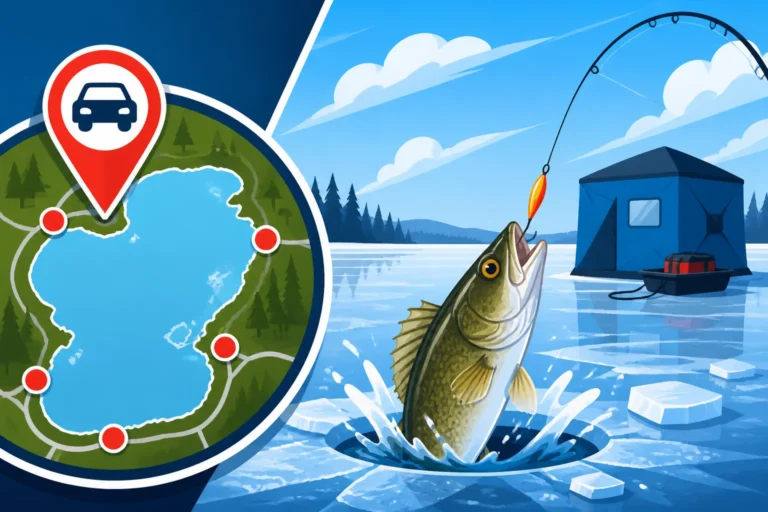
- Winter (December-March): Ice fishing is a popular activity in many provincial parks, offering a unique opportunity to catch Yellow Perch, Walleye, Northern Pike, and Lake Trout. Parks like Lake Simcoe Provincial Park (though not solely a fishing park, it offers great access to Lake Simcoe) or those around Thunder Bay are popular for ice fishing. Always check ice conditions and park specific ice fishing regulations. This is a great time to learn about Best Ice Fishing Lakes in Ontario.
Understanding the Ontario Fishing Season Dates by Zone for your chosen park's FMZ is critical, as seasons for different species open and close at different times. Planning around these seasons will significantly increase your chances of success.
Top Ontario Provincial Parks for Anglers
Ontario's provincial parks offer an incredible array of fishing experiences, from remote, paddle-in lakes teeming with native species to accessible drive-in spots perfect for a family outing. While every park has its charm, a few stand out as true angling destinations. These parks aren't just beautiful; they offer consistent, high-quality fishing opportunities that draw enthusiasts from across the globe.
Algonquin Provincial Park: A Fly Angler's Dream
Algonquin Provincial Park is arguably Ontario's most iconic wilderness park, and it's a phenomenal destination for anglers, particularly those who cherish the challenge of fly fishing. Spanning over 7,600 square kilometers, it boasts an incredible network of lakes and rivers, many of which are home to self-sustaining populations of Brook Trout and Lake Trout. What makes Algonquin truly special for trout fishing is its "put-grow-and-take" management strategy, which means many lakes are managed for wild, native fish populations rather than relying on stocking. This leads to incredibly rewarding, albeit sometimes challenging, fishing for robust, wild trout.
For the adventurous angler, the park offers countless portage routes, allowing access to remote, smaller lakes that see minimal fishing pressure. Imagine paddling across a glassy lake at dawn, portaging your canoe and gear through old-growth forests, and then casting a dry fly into a hidden pond where a Brook Trout eagerly rises. It's a truly immersive experience. While the park is famous for its trout, you can also find Smallmouth Bass in some of the larger, more accessible lakes. If you're planning a trip to this renowned wilderness, our dedicated Algonquin Park Fishing Guide provides an even deeper dive into what to expect. Remember, live bait is prohibited in much of Algonquin to prevent the spread of invasive species and diseases, so pack your lures and flies!
Killarney Provincial Park: Scenic Fishing for Lake Trout
Nestled on the shore of Georgian Bay, Killarney Provincial Park is renowned for its breathtaking white quartzite mountains, sparkling clear lakes, and stunning wilderness. Beyond its scenic beauty, Killarney offers exceptional fishing, particularly for Lake Trout. The park's deep, oligotrophic (nutrient-poor) lakes, such as George Lake and OSA Lake, provide ideal habitat for these cold-water predators. Fishing for Lake Trout in Killarney often involves trolling with spoons or crankbaits in deeper sections, or jigging vertically over submerged structures. The crystal-clear waters can make for challenging sight fishing on bright days, but the rewards of hooking into a powerful laker against a backdrop of towering white peaks are unparalleled.
Killarney also offers opportunities for Smallmouth Bass in some of its shallower, warmer bays and lakes, and even some Pike in certain areas. The park is a popular canoe-tripping destination, and combining a multi-day paddle through its stunning landscape with dedicated fishing sessions is a highlight for many visitors. The "La Cloche Silhouette Trail," a challenging backpacking route, also provides access to some remote lakes for those willing to hike in with ultralight gear. It's truly a bucket-list destination for anyone who appreciates both rugged beauty and the thrill of the catch.
Quetico Provincial Park: Wilderness Walleye and Pike
For those seeking a truly wild, remote fishing adventure, Quetico Provincial Park, located in Northwestern Ontario, is a destination like no other. This vast wilderness park, bordering Minnesota's Boundary Waters Canoe Area Wilderness, is characterized by its interconnected network of lakes and rivers, making it a paddler's and angler's paradise. Unlike many other parks, Quetico largely remains an undeveloped, road-free wilderness, requiring canoe or float plane access to its interior.
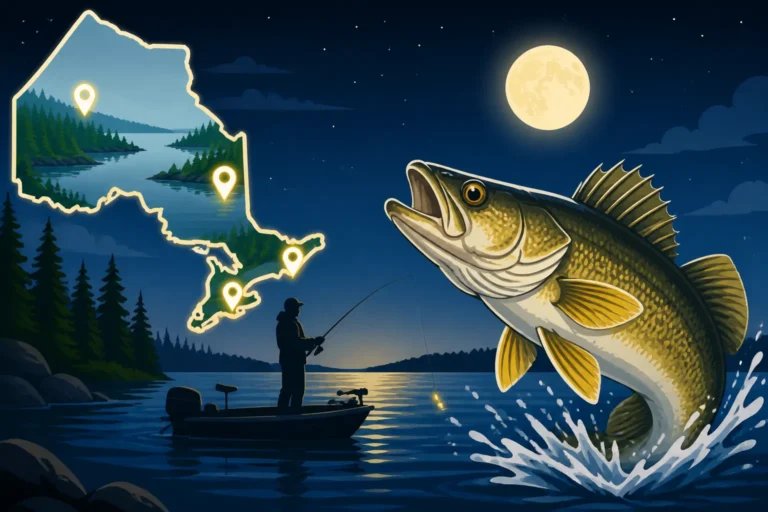
Quetico is famous for its abundant populations of Walleye and Northern Pike. The countless lakes, filled with diverse structures, weed beds, and rocky points, provide perfect habitat for these predatory species. Imagine paddling silently to a secluded bay, casting a jig or a spoon, and hooking into a feisty Walleye or a massive Pike, far from any signs of civilization. The sheer volume of water and the limited pressure mean that trophy-sized fish are a real possibility. Smallmouth Bass are also prevalent in many lakes. Because of its remote nature, trip planning for Quetico is more involved, often requiring a guide service or extensive wilderness canoeing experience. For serious anglers looking to disconnect and immerse themselves in a truly wild fishery, Quetico is an absolute must-visit. You might even consider using a service like FishingBooker to find experienced outfitters who specialize in Quetico trips.
Lake Superior Provincial Park: Cold Water Giants
Stretching along 100 kilometers of the dramatic eastern shore of Lake Superior, this provincial park offers a unique blend of stunning coastal scenery and diverse inland fishing opportunities. While Lake Superior itself is a fishing powerhouse for species like Lake Trout, Steelhead, and Salmon (Chinook and Coho), the park's numerous inland lakes and rivers also provide excellent angling. Many of the smaller lakes are stocked with Brook Trout, Rainbow Trout, and Splake, offering accessible stream and lake fishing for those looking for a different experience than the mighty big lake.
The rivers within the park, such as the Old Woman River and the Sand River, are known for their seasonal runs of Salmon and Steelhead, providing thrilling opportunities for fly anglers and spin casters alike during spring and fall migrations. Access to these rivers and some of the inland lakes is often via short hikes or paddle-ins, blending fishing with scenic wilderness exploration. Fishing the big lake itself, especially for larger species, typically requires a robust boat and experience with Great Lakes conditions. However, shore fishing from some of the park's beaches or accessible rocky points can yield success for various species, especially during the right conditions. This park is a testament to the diverse fishing experiences Ontario has to offer, from quiet trout streams to the immense power of the greatest of the Great Lakes.
Essential Gear and Techniques for Park Fishing
Heading into an Ontario Provincial Park for fishing means you need to be prepared. The gear you bring, and the techniques you employ, can drastically impact your success and overall enjoyment. Unlike highly developed areas, you often won't find a tackle shop just around the corner, so bringing the right equipment and knowing how to use it efficiently is paramount. Moreover, adopting sustainable fishing practices is especially important in these protected areas.
Recommended Tackle for Multi-Species Success
When packing for a provincial park fishing trip, versatility is key, especially if you're exploring multiple lakes or targeting different species. I usually recommend a balanced approach that can handle various situations.
For most general fishing in parks, a medium-light to medium power spinning rod (6'6" to 7' in length) paired with a 2500 or 3000 series spinning reel spooled with 8-15 lb braided line (with a fluorocarbon leader) is a fantastic all-around setup. This will cover everything from casting for Smallmouth Bass to jigging for Walleye or even trolling for smaller Lake Trout. Consider having a second rod if you're targeting specific species, for instance, a slightly heavier baitcasting setup if you plan to throw larger lures for Northern Pike or Muskie (though Muskie are generally less common in parks compared to the Northern Pike). If trout are your primary target, a 5 or 6-weight fly rod is a standard choice for most park streams and smaller lakes. Our guide on Best Fishing Rods for Ontario Lakes offers more detailed recommendations.
As for lures, a diverse selection is crucial.
- Jigs: From 1/8 oz to 1/2 oz, in various colours (white, black, chartreuse, green pumpkin), paired with plastic trailers like grubs, tubes, or paddletails. These are incredibly versatile for Walleye, Smallmouth Bass, and Perch.
- Crankbaits: A few shallow to medium-diving crankbaits in natural baitfish patterns and some brighter "attractor" colours.
- Spoons: Classic silver, gold, or five-of-diamonds spoons are deadly for Northern Pike and Lake Trout.
- Topwater lures: Poppers or walk-the-dog baits can provide explosive action for Smallmouth and Largemouth Bass, especially during low light.
- Flies (for fly anglers): A selection of dry flies (elk hair caddis, parachute Adams), nymphs (prince nymph, pheasant tail), and streamers (woolly bugger) will cover most trout situations.
Always bring extra line, leaders, hooks, sinkers, and a basic tackle repair kit. You don't want to run out of essentials deep in the backcountry.
Boat and Watercraft Considerations in Parks
How you get around on the water in a provincial park is a critical consideration. Many parks have restrictions on the type and size of boats allowed, particularly on interior lakes.
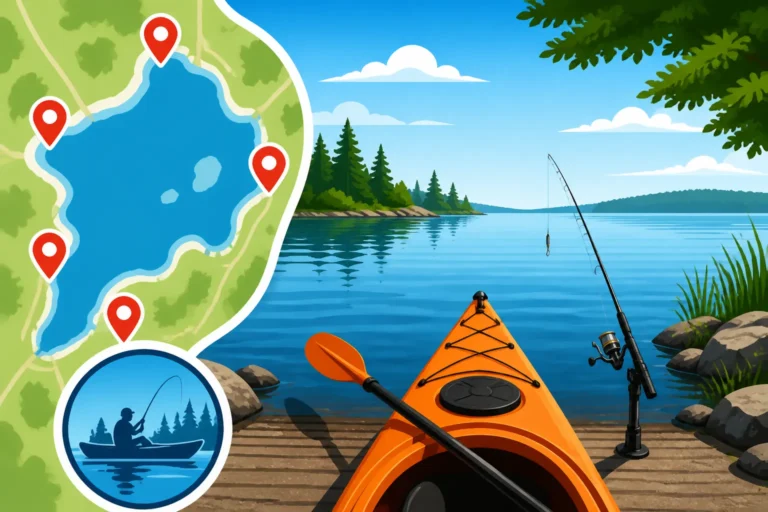
- Canoes and Kayaks: These are the most common and often the only permitted watercraft on many smaller, interior lakes. They offer quiet access, minimize environmental impact, and are perfect for exploring hidden bays. If you're planning a multi-day trip with portages, lightweight canoes or fishing kayaks are indispensable. Our Best Kayaks for Ontario Fishing guide might help you choose the right vessel.
- Small Aluminum Boats/Jon Boats: For larger, drive-in lakes, small aluminum boats (12-16 ft) are popular. However, many parks have restrictions on motor size (e.g., 9.9 HP limit) or prohibit gas motors entirely, allowing only electric trolling motors. Always check specific park rules.
- Larger Boats: On very large lakes or those with direct access to the Great Lakes (like Lake Superior Provincial Park), larger fishing boats might be suitable, but again, always confirm park-specific launch access and regulations.
Regardless of your watercraft, safety is paramount. Always have enough Life Jacket Requirements for Ontario Boaters for everyone on board, a bailing device, a whistle or horn, and other required safety equipment. Tell someone your float plan, especially if you're venturing into remote areas. Paddling skills, especially for longer trips or adverse weather, are crucial for safe and enjoyable trips.
Safe and Sustainable Fishing Practices
Fishing in provincial parks carries an added responsibility to practice safe and sustainable methods. These are often fragile ecosystems, and our actions can have a lasting impact.
- Catch and Release: Many anglers fishing in provincial parks choose to practice catch and release, especially for larger, older fish that are vital to the breeding population. If you do release fish, use proper techniques: wet your hands before handling, use barbless hooks (or pinch down barbs), minimize air exposure, and support the fish gently until it swims away on its own.
- Bait Restrictions: As mentioned, many parks restrict or prohibit live bait to prevent the introduction of invasive species or diseases. Always check. If live bait is allowed, never release unused bait into the water.
- Leave No Trace: This principle is especially important in parks. Pack out everything you pack in, including all fishing line, broken lures, and any trash. Do not leave fish guts or carcasses on shore; either take them out or dispose of them in deep water away from shorelines and campsites.
- Respect Wildlife: You're in their home. Store food properly to deter bears and other animals. Maintain a respectful distance from wildlife.
- Fishing Methods: Be mindful of your chosen fishing method. Snagging or using illegal methods is strictly prohibited. Understanding How to Catch Walleye in Ontario or How to Catch Lake Trout in Ontario ethically and legally is part of the experience.
Adhering to these practices not only helps preserve the natural beauty and health of the park's fisheries but also ensures that these incredible fishing opportunities remain available for future generations.
Unique Challenges and Rewards of Provincial Park Fishing
Fishing in Ontario's provincial parks isn't always easy, but that's part of its allure. The challenges often amplify the rewards, transforming a simple fishing trip into a profound wilderness experience. From navigating remote waters to encountering diverse wildlife, these parks offer a level of immersion that's hard to find elsewhere.
Navigating Remote Waters and Portages
Many of the most rewarding fishing spots in Ontario Provincial Parks are not easily accessible. They lie deep within the backcountry, reachable only by paddle and portage. A portage, for the uninitiated, is where you carry your canoe and gear over land from one body of water to another. This is where the true adventure begins, and where proper planning truly pays off.
Imagine launching your canoe onto a quiet lake, paddling for an hour, then pulling your boat onto a rocky shore. You unload all your gear, hoist your canoe onto your shoulders, and begin a trek through the forest, sometimes up steep, root-filled paths, other times through muddy bogs. After minutes or sometimes over an hour, you emerge at another pristine lake, untouched by motorboats, with fish that have rarely seen a lure. This isolation is the reward.
The challenge, however, is real. Overpacking is a common mistake; every ounce feels like a pound on a portage. Knowledge of basic navigation (map and compass, or a reliable GPS device) is essential, as cell service is often non-existent. Weather can change rapidly, turning a calm paddle into a wind-swept battle. But the satisfaction of reaching that remote lake, casting a line into its untouched waters, and catching a fish that fought hard in its natural habitat? That's the stuff of legends, making every bead of sweat on the portage worthwhile. Services like FishingBooker might connect you with outfitters who can plan and guide these multi-day wilderness canoe trips, making the logistics much easier.
Encountering Wildlife and Practicing Bear Safety
One of the undeniable aspects of fishing in a provincial park is the constant presence of wildlife. You might spot a moose wading in a marsh, an otter playing in a river, or hear the haunting call of a loon across the lake. These encounters are magical, a reminder that you're truly in nature's domain. However, some wildlife encounters require caution and preparation, particularly when it comes to bears.
Ontario is black bear country, and provincial parks are their natural habitat. While bears generally avoid humans, they are attracted to food. Practicing proper bear safety is non-negotiable. This means:
- Storing all food and scented items (toothpaste, bug spray, cooking gear) in bear-proof containers, hanging them from a tree using a bear hang, or storing them in your vehicle (if car camping). Never keep food in your tent.
- Cooking away from your tent and cleaning up thoroughly.
- Making noise while hiking to avoid surprising a bear.
- Carrying bear spray (and knowing how to use it) in bear-frequented areas, especially when portaging or hiking.
Understanding bear behaviour and taking preventative measures is key to a safe and stress-free trip. The reward is experiencing nature on its terms, sharing the landscape with incredible creatures, and coming away with stories far beyond just the fish you caught.
The Joys of Untouched Wilderness Fishing
Ultimately, the greatest reward of fishing in an Ontario Provincial Park is the unparalleled experience of untouched wilderness. It’s more than just fishing; it’s an opportunity to reconnect with nature, find solitude, and challenge yourself. The fish might be harder to find, the conditions more demanding, but the environment itself elevates the entire endeavour.
Imagine waking up to the sound of birdsong, a light mist rising off a perfectly still lake, the only human sound your canoe paddle gently slicing through the water. No roaring motorboats, no distant traffic, just the rhythmic dip of your paddle and the occasional splash of a jumping fish. The air smells of pine and fresh water, and the worries of urban life simply melt away. The fish you catch here, whether a feisty Smallmouth Bass or a vibrant Brook Trout, feel different. They are wild, strong, and a direct result of your effort and connection with the environment. This is why anglers endure portages, mosquitoes, and unpredictable weather – for the profound satisfaction of truly earning their catch in one of the most beautiful natural settings on Earth. It’s an escape, a challenge, and a rejuvenation all rolled into one.
Beyond the Catch: Other Park Activities and Considerations
While fishing might be the primary draw, Ontario Provincial Parks offer a wealth of other activities that can complement your angling adventure, creating a more holistic and memorable outdoor experience. These parks are multi-use spaces, and understanding how to combine activities and interact respectfully with other users is part of the provincial park ethos.
Combining Fishing with Camping and Hiking
Many anglers choose to integrate their fishing trips with camping and hiking, transforming a day on the water into a multi-faceted wilderness retreat.
- Camping: Setting up a basecamp allows you to maximize your fishing time, giving you easy access to prime morning and evening bites. Whether you opt for car camping at a developed campground with amenities or a more rugged backcountry site accessible by canoe or hike, camping deepens your connection to the park. Imagine cooking your fresh catch over a campfire (where permitted) as the sun sets over a tranquil lake. It's the quintessential Canadian outdoor experience. Always book your campsites well in advance, especially during peak season, and familiarize yourself with Ontario fishing regulations for provincial park lakes.
- Hiking: Provincial parks boast extensive trail networks, ranging from easy interpretive loops to challenging multi-day treks. Incorporating a hike can offer stunning panoramic views of the landscapes you're fishing, allow you to scout new fishing spots from shore, or simply provide a change of pace on a slow fishing day. For instance, a challenging hike to a remote lookout might reveal an untouched lake perfect for future exploration. It also allows you to stretch your legs after hours of sitting in a boat or kayak.
This combination of activities provides a well-rounded outdoor adventure, appealing to various interests within a group or family, ensuring everyone has something to enjoy.
Respecting the Environment and Fellow Park Users
Provincial parks are shared spaces, not just among people but with nature itself. Practicing respect for the environment and other park users is fundamental to ensuring everyone has a positive experience and that these precious areas are preserved.
- Noise Levels: While you might be excited about a big catch, be mindful of noise levels, especially in campgrounds or near other campsites. Many visitors seek the peace and quiet of nature, and loud music or conversations can detract from their experience.
- Wildlife Etiquette: As discussed earlier, respect wildlife by observing from a distance and never feeding animals. A fed animal is a dead animal.
- Shared Spaces: On trails and portages, yield to others and be courteous. If you're using a canoe launch, be efficient so others can also access the water. Be aware of swimmers or kayakers in fishing areas and give them plenty of space.
- "Take Only Pictures, Leave Only Footprints": This age-old adage perfectly encapsulates park etiquette. Do not disturb plants, collect rocks, or leave any garbage behind. Even biodegradable items like orange peels or apple cores take a long time to break down and can attract wildlife.
By being a responsible and respectful park user, you contribute to the overall enjoyment and preservation of these incredible natural assets, ensuring that future generations can experience the same pristine beauty and angling opportunities.
Local Services and Amenities Near Parks
While many provincial parks offer a wilderness experience, you don't always have to be completely off-grid. Many parks are situated close enough to small towns or communities that offer essential services and amenities, which can be invaluable for planning or resupplying your trip.
- Outfitters and Bait Shops: Before entering a park with specific bait restrictions, you can often find local bait and tackle shops in nearby towns. These shops are also fantastic sources for local fishing knowledge, bait recommendations, and even fishing reports. Some may even rent canoes or other gear.
- Grocery Stores and Restaurants: Need to restock food supplies or treat yourself to a hot meal after a long day of fishing? Nearby towns often have small grocery stores, diners, or even local pubs. This can be a welcome break from camp cooking, especially on longer trips.
- Accommodations: If camping isn't your style, or if you need a night before or after your park adventure, many communities surrounding parks offer motels, lodges, or quaint bed and breakfasts. Some may even cater specifically to anglers. You could explore options on platforms like FishingBooker to find accommodations that also connect you with local guides.
- Fuel and Supplies: Basic supplies like gas, ice, firewood, and even propane refills are often available in the towns bordering provincial parks. It's always a good idea to fuel up and grab any last-minute items before heading into the park interior.
Checking what services are available in the closest town to your chosen park can help you plan your logistics more efficiently and ensure you have everything you need for a comfortable and successful fishing trip.
| Provincial Park | Primary Fish Species | Accessibility | Motor Restrictions | Key Features for Anglers |
|---|---|---|---|---|
| Algonquin Provincial Park | Brook Trout, Lake Trout, Smallmouth Bass | Interior/Drive-in | Often electric only or limited HP on interior lakes | Vast canoe routes, wilderness trout, fly fishing paradise, diverse ecosystems |
| Killarney Provincial Park | Lake Trout, Smallmouth Bass, Pike | Interior/Drive-in | Limited HP or electric only | Stunning clear lakes, white quartzite mountains, remote canoe access |
| Quetico Provincial Park | Walleye, Northern Pike, Smallmouth Bass | Interior (Fly-in/Canoe) | Electric only or no motors | True wilderness, abundant game fish, portage network, remote fishing |
| Lake Superior Prov. Park | Lake Trout, Brook Trout, Rainbow Trout, Salmon, Steelhead | Drive-in/Coastal | Varies by lake, some coastal areas permit larger motors | Inland lakes, rivers for migratory fish, Great Lakes access for shore/boat fishing |
| Silent Lake Provincial Park | Lake Trout, Splake, Brook Trout | Drive-in | Electric motors only | Stocked lakes, great for families, quiet atmosphere, easy access |
| Sandbanks Provincial Park | Walleye, Smallmouth Bass, Pike, Panfish | Drive-in (Lake Ontario) | Large motors permitted (Lake Ontario) | Bay of Quinte access, shore fishing opportunities, popular for family camping |
Disclaimer
The information provided in this guide is for general informational purposes only and is subject to change. Fishing regulations, park rules, and permit requirements in Ontario can be updated frequently. Always consult the official Ontario Fishing Regulations Summary, the Ontario Parks website, and contact individual provincial parks directly for the most current and accurate information before planning your trip. It is your responsibility to understand and comply with all applicable laws and regulations.