Kawartha Lakes Fishing Guide
Navigating the vast, interconnected network of the Kawartha Lakes can feel overwhelming for even seasoned anglers, with so many incredible waters to explore and various species to chase. This guide is designed to cut through that confusion, offering you a comprehensive look at the unique fishing opportunities this beautiful region of Ontario provides, from bustling bass havens to secluded muskie hotbeds, ensuring your next trip is a resounding success.
Welcome to the Kawartha Lakes: A Jewel for Ontario Anglers
The Kawartha Lakes region, nestled in the heart of Ontario, isn't just a picturesque cottage country; it's an angler's paradise, a sprawling system of interconnected lakes and rivers that form a significant portion of the Trent-Severn Waterway. When you first look at a map, it can seem like an endless maze of water, and frankly, it is! This complexity, however, is precisely what makes it so thrilling. You're not just fishing one lake; you're accessing an entire aquatic highway system teeming with diverse fish populations. It’s a place where you can spend a lifetime exploring and still discover new honey holes.
Understanding the Kawartha Lakes Chain
At its core, the Kawartha Lakes are a chain of lakes linked by rivers and canals, all part of the larger Trent-Severn Waterway. This means that fish can travel freely between many of the lakes, creating a dynamic and healthy ecosystem. The chain stretches roughly from Lake Scugog in the south to Balsam Lake, which holds the distinction of being the highest point on the entire Trent-Severn Waterway. This unique geography means you can literally boat from one major lake to another, passing through charming towns and historic locks, making the journey as much a part of the fishing experience as the catch itself. Imagine setting out from Port Perry on Lake Scugog and making your way north, fishing a different lake each day. It’s a truly Canadian adventure.
From shallow, fertile waters rich with weeds to deeper, clearer lakes with rocky structures, the Kawarthas offer a huge range of habitats. This diversity is a major reason why so many different fish species thrive here, and why anglers keep coming back year after year. Understanding how these lakes connect and what each one offers is key to unlocking the full potential of this fishing mecca.
Why the Kawarthas are a Must-Fish Destination
So, what makes the Kawartha Lakes truly stand out from other Ontario fishing destinations? For starters, it’s the sheer variety of species. Unlike some regional fisheries that might specialize in one or two main targets, the Kawarthas boast robust populations of walleye, muskellunge, largemouth bass, smallmouth bass, northern pike, crappie, yellow perch, and bluegill. This means that no matter your preferred target or fishing style, you’ll find ample opportunity here. It’s a fantastic place for a mixed bag day, where you might pull in a hefty smallmouth in the morning and switch to walleye in the evening.
Beyond the incredible fish diversity, accessibility is another huge draw. Many of the Kawartha Lakes are relatively close to major population centers like Toronto, making them ideal for weekend trips or even day trips for those craving a quick escape to the water. There are numerous public boat launches, marinas, and lakeside accommodations that cater to anglers. Plus, for those who prefer to leave the navigation to the experts, there are plenty of experienced local guides who know these waters intimately. You can even find and book local guides through platforms like FishingBooker, which can connect you with charter services right in the heart of cottage country. Whether you're a seasoned pro with your own rig or a beginner looking for a guided experience, the Kawarthas welcome you with open arms and a whole lot of fish.
Top Fish Species to Target in the Kawartha Lakes
The Kawartha Lakes system is renowned for its incredible diversity, offering a smorgasbord of angling opportunities. Knowing what fish thrive where, and what they prefer to eat, is half the battle when planning your trip. From trophy hunters to those just looking for a tasty meal, there's a species for every angler here.
Walleye: The Golden Opportunity
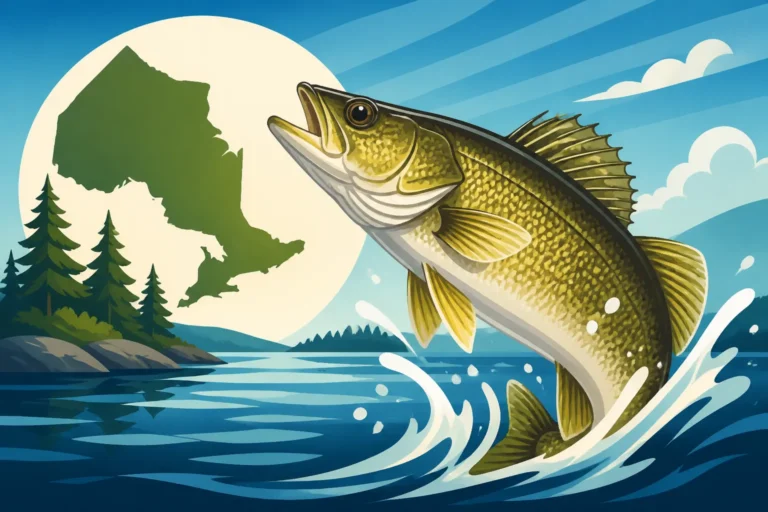
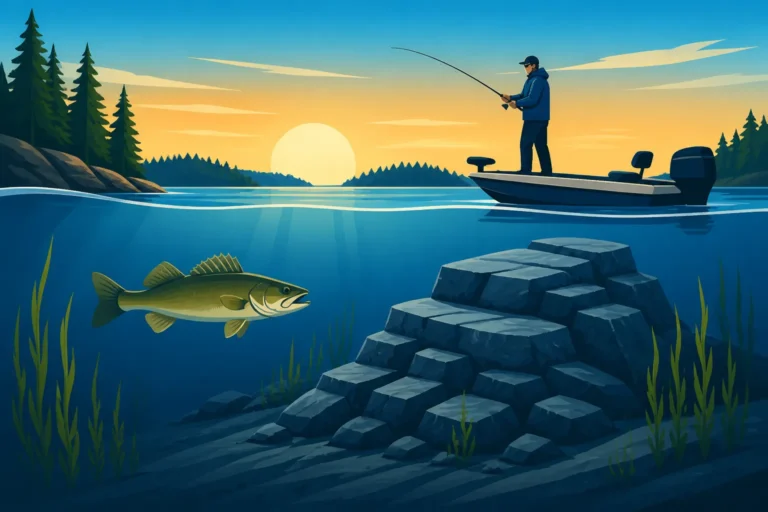
Walleye, often called pickerel in Canada, are arguably one of the most sought-after game fish in the Kawartha Lakes, and for good reason. These delicious predators are challenging to catch but incredibly rewarding, especially when you find a schooling bite. They prefer cool, somewhat turbid waters and tend to hang around structural elements like rock piles, humps, weed lines, and current breaks. Early morning and late evening are prime times, as walleye are low-light feeders, but they can be caught during the day, especially if it’s overcast or if you’re fishing deeper water.
Many anglers find success using a variety of techniques for walleye in the Kawarthas. Jigging with minnows, worms, or soft plastics is consistently effective, particularly when targeting specific structures. Trolling crankbaits or crawler harnesses can also cover a lot of water and help locate schools, especially on larger lakes like Chemong or Pigeon. Understanding when the walleye opener dates for your specific zone in Ontario are is crucial, as regulations vary and missing the prime early season bite would be a shame. These fish fight hard and taste even better, making them a true golden opportunity for any Kawartha angler.
Largemouth and Smallmouth Bass: A Double Delight
The Kawartha Lakes are a bass angler's dream, offering both species in abundance. Largemouth bass, known for their aggressive strikes and affinity for heavy cover, thrive in the shallower, weedy bays and warm, slow-moving sections of the system. Think lily pads, dense coontail, and fallen timber. They love to ambush prey from concealment, so flipping jigs, working soft plastics, or throwing topwater frogs over weed mats are incredibly exciting and effective techniques. Lakes like Scugog and Rice Lake are famous for their largemouth populations.
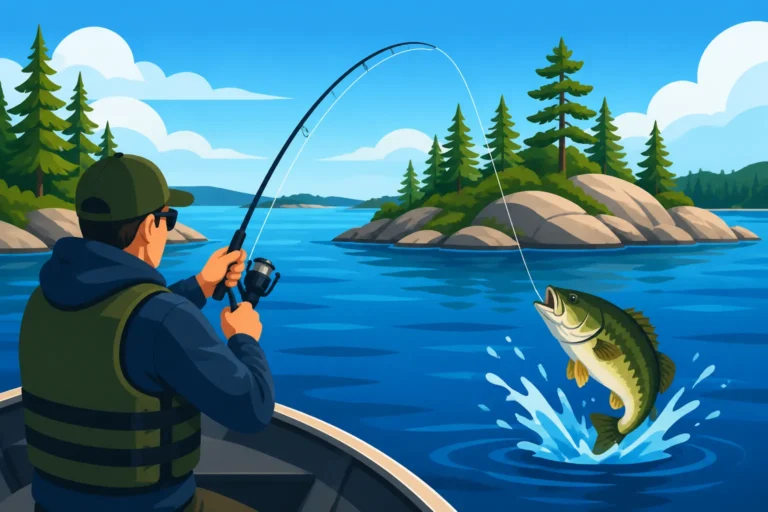
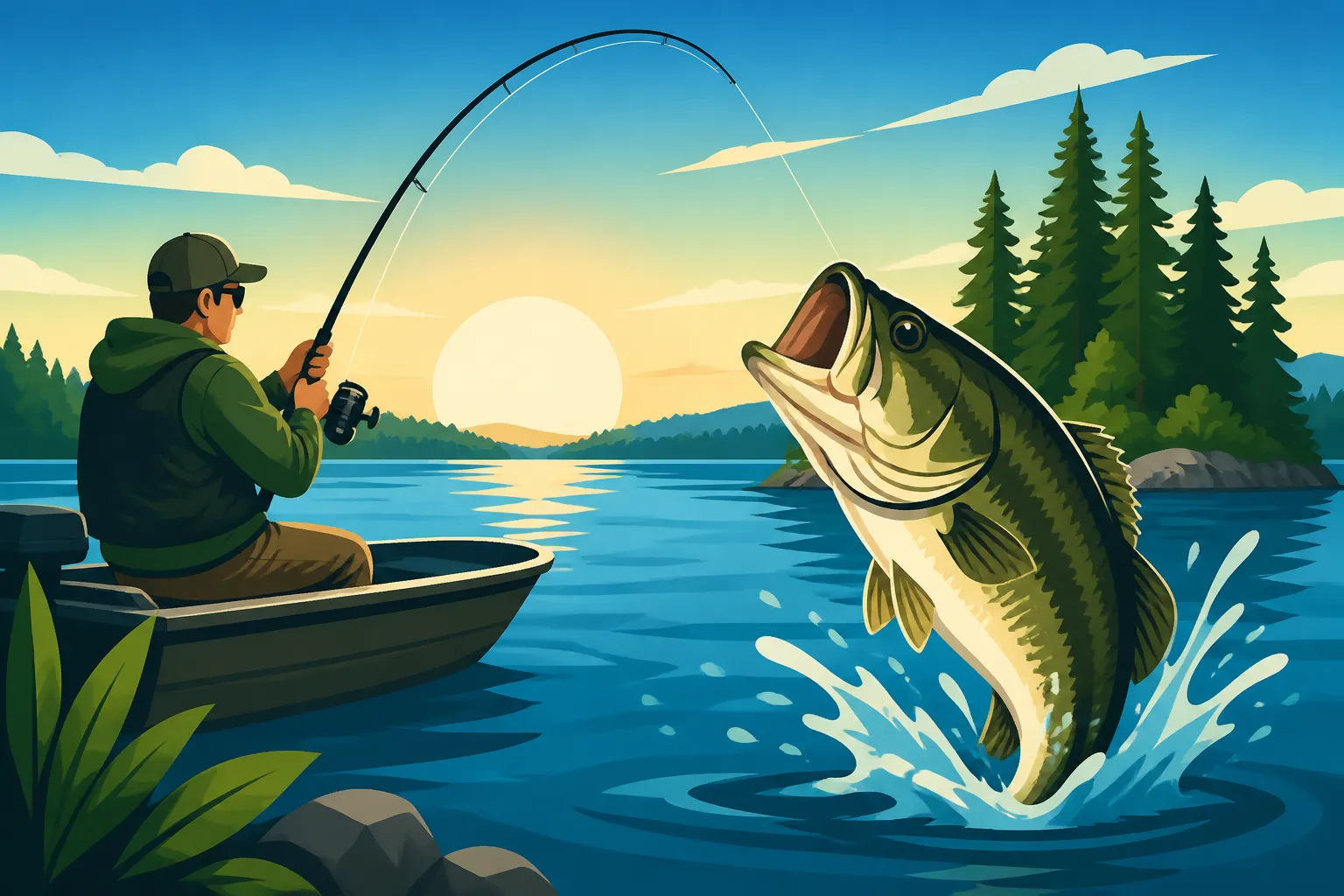
Smallmouth bass, on the other hand, prefer clearer, deeper water with rocky bottoms and plenty of offshore structure. They are powerful fighters, often making spectacular leaps when hooked, and provide an exhilarating challenge. Look for them around rocky points, shoals, humps, and current seams in lakes like Balsam or Sturgeon. Drop-shotting, throwing tube jigs, or working crankbaits are excellent ways to entice these bronze bombers. The transition areas where rock meets weeds can also be incredibly productive for both species. The Kawarthas truly offer a double delight for any bass enthusiast.
Muskie: The Apex Predator's Domain
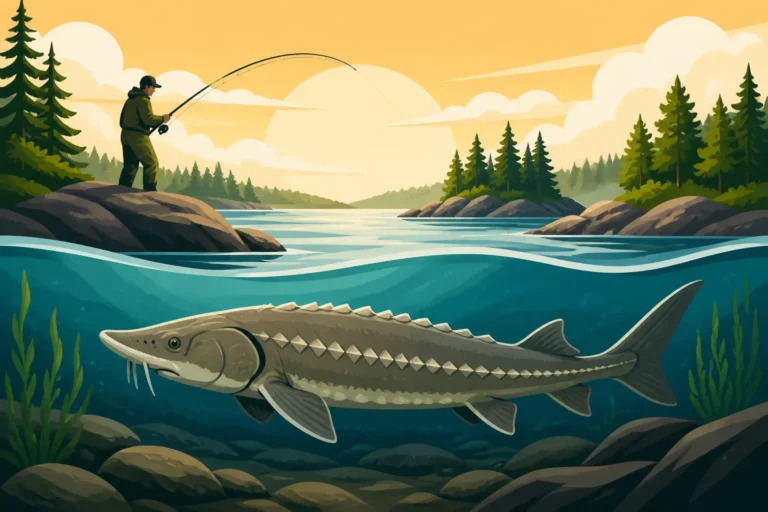
For those chasing a true freshwater leviathan, the Kawartha Lakes are a prime destination for muskellunge. These formidable apex predators are often referred to as "the fish of 10,000 casts," a testament to their elusive nature, but hooking into one is an unforgettable experience. Muskie are present throughout the system, with some lakes holding truly massive specimens. They prefer large forage, often lurking in ambush points along weed lines, rocky ledges, or deep current breaks.
Targeting muskie requires specialized gear and a lot of patience. Large bucktail spinners, jerkbaits, glide baits, and topwater lures are common choices, often fished on heavy-duty rods and reels. Trolling large crankbaits can also be effective in covering water and finding active fish, especially during the fall. Lakes like Sturgeon Lake, the Otonabee River, and parts of Lake Scugog are known muskie hotspots. Many anglers will spend days focusing solely on these toothy giants, and for good reason – the thrill of a muskie strike is unparalleled. If you're serious about your muskie fishing in Ontario, the Kawarthas should be high on your list. For a deeper dive into how to catch muskie in Ontario, there are many resources available.
Panfish Perfection: Crappie, Perch, and Bluegill
While the Kawarthas are famous for their trophy game fish, they also offer fantastic opportunities for panfish, making them a superb destination for families and those looking for consistent action. Black crappie, yellow perch, and bluegill are abundant throughout the system and provide excellent sport, especially for younger anglers or those seeking a delicious shore lunch.
Crappie are particularly popular, known for their schooling behavior and willingness to bite small jigs or minnows under a float. They often concentrate around submerged brush piles, docks, and weed edges, especially in spring and fall. Lakes Scugog and Rice Lake are particularly renowned for their crappie fishing. Yellow perch are another ubiquitous species, found almost everywhere, and are a staple for ice fishing. They often school in large numbers, making for fast and furious action when you find them. Bluegill, with their vibrant colors and aggressive nature, are perfect for light tackle and can be found in virtually any weedy, shallow area. For a fun, action-packed day, don't overlook the panfish opportunities the Kawarthas provide.
Prime Fishing Spots and Access Points Across the Kawarthas
The Kawartha Lakes comprise a diverse collection of interconnected bodies of water, each with its own unique characteristics and resident fish populations. Knowing which lake to focus on for your desired species can make all the difference. While the entire chain offers fantastic fishing, some lakes have truly earned their reputation.
Lake Scugog: Southern Gem for Bass and Crappie
Situated at the southern end of the Kawartha Lakes chain, Lake Scugog is often praised as a shallow-water paradise, particularly for largemouth bass and black crappie. With an average depth of only around 4 to 6 feet, it warms up quickly in the spring, which triggers early spawning activity and gets the fish active sooner than in deeper lakes. This makes it an excellent choice for early season fishing. The lake is characterized by extensive weed beds, lily pads, and plenty of submerged timber, creating ideal ambush cover for largemouth bass. Anglers frequently target the many bays and coves using topwater lures, spinnerbaits, and soft plastics.
For crappie, Lake Scugog is simply outstanding. These schooling fish congregate around submerged structures, especially brush piles and fallen trees, offering fantastic action, particularly during the spring and fall. Many local anglers have their favorite crappie holes, and with a bit of exploration, you can find yours too. The town of Port Perry offers excellent amenities, including tackle shops and boat launches, making it a convenient base for exploring this fertile fishing ground.
Balsam Lake: Deep Waters, Big Fish
As the highest point on the Trent-Severn Waterway, Balsam Lake offers a completely different fishing experience compared to its shallower counterparts. It’s a deeper, clearer lake with a mix of rocky and sandy bottoms, making it a prime destination for smallmouth bass and lake trout, although lake trout fishing here requires specific deep-water techniques. The numerous shoals, rocky points, and offshore humps provide ideal habitat for smallmouth, which grow to impressive sizes in these waters. Drop-shotting, deep cranking, and jigging around these structures are highly effective.
While not as heavily populated with walleye as some other Kawartha lakes, Balsam still holds a respectable population, particularly in deeper basin areas. Muskie are also present and can grow quite large, making it a challenging but rewarding target for trophy hunters. The relatively clear water demands a stealthier approach, but the rewards can be substantial. There are several public access points and marinas around the lake, including the popular Balsam Lake Provincial Park, which provides excellent camping and boat launch facilities.
Chemong Lake & Pigeon Lake: Walleye and Panfish Hotbeds
Chemong Lake and Pigeon Lake are often spoken of together, as they are directly connected and share similar characteristics, making them standout locations for walleye and a variety of panfish. These lakes are part of the central Kawarthas, characterized by their diverse bottom structures, including rocky shoals, weed beds, and gradual slopes. Walleye are abundant here, and anglers often find success trolling crankbaits or drift-fishing with jigs and live bait along drop-offs and main lake points. The numerous bays and islands provide excellent sheltered areas that often hold feeding fish.
Beyond walleye, both lakes are phenomenal for panfish. Large schools of crappie and yellow perch can be found around docks, weed edges, and submerged brush, offering consistent action. These lakes are particularly popular for ice fishing, with many ice hut operators on both Chemong and Pigeon providing comfortable ways to enjoy winter angling. Towns like Bridgenorth and Omemee offer convenient access, boat launches, and local services. For anyone looking for reliable walleye action combined with plentiful panfish opportunities, Chemong and Pigeon Lakes are top-tier choices.
Rice Lake: Shallow Waters, Prolific Fishing
Often described as one of the most prolific fisheries in Ontario, Rice Lake is another shallow, fertile lake located at the southeastern end of the Kawartha Lakes chain. Its extensive weed beds and abundant forage base make it a phenomenal destination for a wide variety of species, but it's particularly famous for its incredible populations of largemouth bass, crappie, and walleye. The lake's average depth is quite shallow, similar to Lake Scugog, which leads to rapid warming and a highly active ecosystem.
Largemouth bass fishing on Rice Lake is legendary. Anglers can spend entire days flipping and pitching jigs into dense weed mats, or working topwater lures over lily pads. The crappie fishing is equally impressive, with large schools concentrated in the countless bays and protected areas. Walleye also thrive here, often found in deeper channels or along the edges of weed lines, and can be caught by trolling or jigging. Furthermore, Rice Lake is a sleeper pick for big northern pike and offers excellent populations of bluegill and pumpkinseed. Its numerous lodges and resorts cater specifically to anglers, making it a fantastic destination for a multi-day fishing adventure. If you're looking for high-numbers fishing and a great variety, Rice Lake delivers.
Essential Techniques and Seasonal Strategies for Success
To truly master fishing the Kawartha Lakes, understanding how to adapt your techniques to the changing seasons and specific fish behaviors is paramount. What works in spring might be completely ineffective in the heat of summer. Let's break down some essential strategies to help you fill your livewell (or just your photo album!).
Spring Tactics: Post-Spawn Feasts
Spring in the Kawartha Lakes is a time of renewal and incredibly active fishing, especially after the ice-out and once the various species have completed their spawning rituals. This is when fish are often recuperating and aggressively feeding, making them more predictable and easier to catch. For walleye, the early spring bite, often coinciding with their post-spawn recovery, is legendary. They'll often be found in shallower, warmer bays or near river mouths, staging to feed. Jigging with minnows or soft plastics, or slowly trolling small crankbaits, can be incredibly effective. Understanding the Ontario walleye opener dates by zone is critical to hitting this peak window.
Bass, both largemouth and smallmouth, also become very active post-spawn. Largemouth will be patrolling shallow, weedy areas, while smallmouth will start to move out to rocky points and shoals. Topwater lures, spinnerbaits, and jerkbaits work wonders for these hungry fish. Crappie, too, are a major target in spring, schooling up in shallow bays with emergent vegetation or around docks, often eager to hit tiny jigs or minnows under a float. The key to spring success is focusing on warmer water and targeting fish in their immediate post-spawn feeding patterns.
Summer Strategies: Structure and Submerged Cover
As the Kawartha Lakes warm up through the summer months, fish behavior shifts dramatically. Many species will move to deeper water or seek out dense overhead cover to escape the heat and bright sunlight. This means anglers need to focus on structure – whether it's rock piles, submerged humps, weed lines, or even deep timber – and target specific areas rather than broad flats. For walleye, this often means moving offshore to deep humps or rock piles, or focusing on points where cooler water and current bring them food. Vertical jigging with spoons or heavier jigs, or deep trolling with large crankbaits, becomes more effective.
Largemouth bass will often bury themselves in the thickest weed mats, under lily pads, or within submerged wood. Flipping and pitching jigs or heavy Texas-rigged plastics into this dense cover is a popular technique. Topwater frogs or walking baits can also be exhilarating during low-light conditions. Smallmouth bass will concentrate on deeper rock formations, main lake points, and drop-offs. Drop-shotting, tube jigs, and Carolina rigs are excellent choices. Using modern fish finders becomes invaluable during summer to locate these deeper structures and schools of fish. For an in-depth look, learning how to read structure for walleye on Lake Erie can offer transferable skills for many deeper Kawartha walleye spots.
Fall Fishing: Muskie Madness and Walleye Runs
Fall fishing in the Kawartha Lakes is often overlooked by some, but it can be one of the most productive and exciting times of the year, particularly for trophy fish. As water temperatures begin to drop, many species enter a "feeding frenzy" phase, bulking up for the long winter ahead. This is prime time for muskie, as these giants become incredibly aggressive, often chasing large baits with reckless abandon. Larger bucktails, glide baits, and crankbaits become the go-to lures, fished along deep weed edges, rocky points, and steep breaks. Many dedicated anglers consider fall to be the best time to catch muskie in Ontario.
Walleye also experience a strong fall bite, often schooling up in deeper transition areas or congregating near river mouths. Trolling crankbaits or jigging spoons can be highly effective. The cooler water also means they might feed more consistently throughout the day. Bass, especially smallmouth, will also move deeper, feeding heavily on baitfish, and can be caught using techniques like deep cranking or blade baits. Fall colors paint the landscape, making the experience even more enjoyable. Exploring best techniques for fall muskie fishing can significantly boost your success during this prime season.
Ice Fishing Adventures: Winter Wonders
When the Kawartha Lakes freeze over, a whole new world of angling opportunities opens up: ice fishing. This popular winter pastime allows access to areas unreachable by boat during open water, and the fishing can be fantastic. The Kawarthas are particularly famous for their ice fishing, especially for panfish like yellow perch and crappie, but also for walleye, northern pike, and even lake trout in certain deep-water lakes.
For perch and crappie, small jigs tipped with live minnows, wax worms, or soft plastics are deadly. These fish often school, so once you find them, the action can be non-stop. Walleye can be caught through the ice using jigging spoons, lipless crankbaits, or dead sticks rigged with live minnows. Northern pike are often found in shallower, weedy bays, hitting tip-ups rigged with large dead bait. Some deeper Kawartha lakes like Balsam offer opportunities for lake trout, often caught by jigging heavy spoons. Popular ice fishing lakes include Simcoe, Chemong, Pigeon, and Rice Lake, with many local operators providing heated huts and services. Be sure to check ice conditions meticulously before venturing out, and always prioritize safety. For safety and strategy, there are many resources available on ice fishing in Ontario.
Navigating the Kawarthas: Boating and Accessibility Tips
The Kawartha Lakes are a boater's paradise, offering hundreds of kilometers of navigable waterways. However, due to the interconnected nature of the Trent-Severn Waterway, there are some unique considerations and tips that can enhance your experience and ensure a smooth, safe trip.
Understanding the Trent-Severn Waterway Locks
One of the defining features of the Kawartha Lakes system is its integration with the Trent-Severn Waterway, a historic canal system that uses a series of locks to raise and lower boats between different water levels. If you plan on traveling between lakes like Sturgeon and Pigeon, or Sturgeon and Cameron, you'll inevitably encounter these locks. While they might seem daunting at first, they're generally easy to navigate and add a unique charm to your journey.
Before you go, it's wise to familiarize yourself with the lock operating procedures and schedules. You'll need to purchase a Waterway Pass, which can be done online or at the lock stations. When approaching a lock, look for the designated waiting areas and follow the instructions of the lock staff. Inside the lock chamber, tie up to the floating bollards, keep your boat away from the walls, and follow all safety instructions. It’s a bit of a dance, but once you’ve done it a couple of times, it becomes second nature. Always remember to practice good boating etiquette and be patient, especially during busy periods. For general regulations, a review of Ontario boating laws for anglers is always a good idea.
Boat Launches and Rental Options
Across the Kawartha Lakes, you'll find a plethora of boat launches, ranging from basic public ramps to full-service marinas. Most major lakes have multiple access points, often located in or near towns like Port Perry, Lindsay, Fenelon Falls, Bobcaygeon, and Buckhorn. These launches vary in terms of parking availability and ramp condition, so it's a good idea to scout them out beforehand or check online resources for current information. For larger boats, look for municipal launches or full-service marinas which can handle bigger rigs and offer amenities like fuel and bait.
If you don't own a boat or prefer not to trailer yours, there are numerous rental options throughout the region. Many resorts, marinas, and local businesses offer everything from small fishing boats with outboards to pontoon boats. This is a fantastic way to experience the Kawarthas without the hassle of ownership. You can also look into booking a guided trip through platforms like FishingBooker, where local charter captains provide all the necessary gear and boat, allowing you to focus purely on fishing. Choosing the best fishing boats for Ontario lakes and rivers really depends on the size and type of water you plan to fish, but rentals offer great flexibility.
Shoreline and Kayak Fishing Opportunities
While boating is a popular way to explore the Kawartha Lakes, you don't always need a big rig to have a successful day. Shoreline fishing is surprisingly productive in many areas, especially in smaller canals, river sections, and around public docks and parks in towns. Places like Little Lake in Peterborough (connected to the Otonabee River) or various municipal parks along the lakes often provide excellent shore access. You might not cover as much water, but you can still catch a wide variety of panfish, bass, and even walleye, especially during low-light conditions.
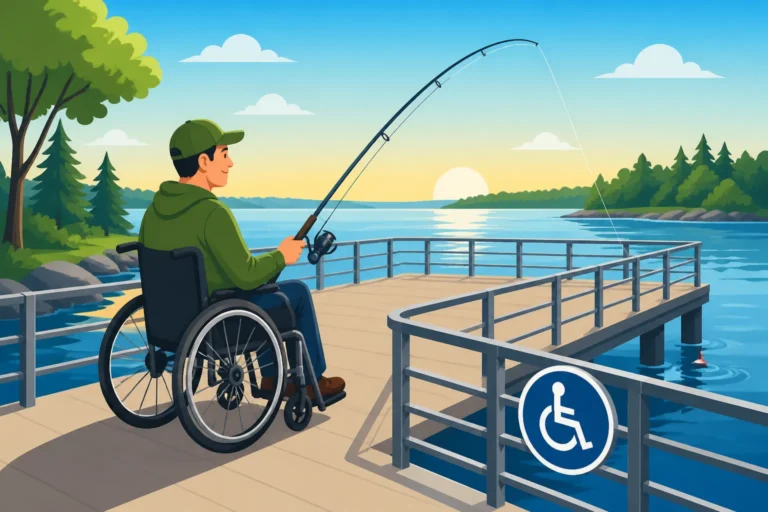
Kayak and canoe fishing are also booming in the Kawarthas, offering a quiet, environmentally friendly way to access prime fishing spots. These smaller crafts allow you to navigate shallow back bays, dense weed beds, and narrow channels that larger boats can't reach. The Kawarthas have countless protected areas perfect for paddling, and a good fishing kayak can be rigged with rod holders, a fish finder, and ample storage for a full day on the water. Just remember to always wear your life jacket and be mindful of larger boat traffic, especially in busy channels. Whether you're casting from a dock or paddling silently through a secluded cove, the Kawarthas offer accessible fishing for all.
Kawartha Lakes Fishing Regulations and Best Practices
Fishing in Ontario, especially in a popular and diverse system like the Kawartha Lakes, comes with its share of rules and responsibilities. These regulations are in place to protect the fishery, ensure sustainability, and provide enjoyable angling for generations to come. Understanding them is not just about avoiding fines; it's about being a responsible steward of our natural resources.
Key Regulations to Keep in Mind
The Kawartha Lakes fall primarily within Fishing Management Zone (FMZ) 17, but given its vastness and interconnectedness, it's always crucial to double-check the specific regulations for the precise body of water you're fishing. Key regulations to pay attention to include:
- Fishing License: Every angler aged 18 to 64 (inclusive) needs an Ontario fishing license guide for 2026 and an Outdoors Card. Seniors over 65 and youth under 18 have specific exemptions, but it’s still wise to carry ID.
- Seasons: Specific opening and closing dates for various species (e.g., walleye, bass, muskie) vary by FMZ and even specific lakes. Always consult the current Ontario fishing season dates by zone for FMZ 17 or any special regulation waters within the Kawarthas.
- Bag and Possession Limits: There are strict limits on the number of fish you can catch and keep (daily bag limit) and the number you can have in your possession, including at home (possession limit). These also vary by species and whether you have a Sport or Conservation license. For instance, understanding Ontario walleye daily limit is critical.
- Size Restrictions: Some species have minimum or maximum size limits, or even slot limits (e.g., you can keep fish below a certain size and above another, but not in between). Always measure your fish carefully.
- Bait Restrictions: Certain waters might have restrictions on live bait, or specific types of bait (e.g., no live minnows in some trout-designated waters).
It's highly recommended to consult the official Ontario Fishing Regulations Summary every year, available online from the Ministry of Natural Resources and Forestry (MNRF) or at license vendors. This document is your ultimate authority on the rules, and a quick read can save you a lot of grief. Don't rely on old knowledge or hearsay; regulations can and do change.
Conservation and Responsible Angling
Beyond simply following the rules, practicing responsible angling is vital for maintaining the health of the Kawartha Lakes fishery. This means embracing conservation-minded practices that help protect fish populations and their habitats.
One of the most important aspects is catch and release, especially for larger, older fish that are critical for breeding, or for species with low population numbers. When practicing catch and release, handle fish gently with wet hands, minimize their time out of water, and use appropriate tools like de-hookers. Avoid "hero shots" that hold fish horizontally by the jaw, as this can cause serious damage.
Consider using a conservation license if you only plan to keep a few fish for a meal. This license has lower bag and possession limits but also costs less, aligning with a more conservative approach to harvesting. Also, be mindful of your boating impact; avoid excessive speed in shallow areas to protect sensitive weed beds and spawning grounds, and always use designated boat launches to prevent the spread of invasive species. Cleaning your boat, trailer, and gear thoroughly between waterways is a simple yet incredibly effective way to prevent the spread of aquatic invaders like zebra mussels or Eurasian watermilfoil, which can devastate local ecosystems.
Finally, always pack out everything you pack in. Leave no trace of your visit, ensuring that the beautiful Kawartha Lakes remain pristine for all to enjoy. Responsible angling ensures that this incredible fishing destination continues to thrive for future generations of anglers.
| Lake Name | Primary Fish Species Targeted | Key Characteristics | Best Fishing Seasons |
|---|---|---|---|
| Lake Scugog | Largemouth Bass, Black Crappie, Walleye | Shallow, heavily weeded, excellent panfish | Spring, Summer, Fall |
| Balsam Lake | Smallmouth Bass, Lake Trout, Muskie, Walleye | Deepest lake on TSW, clear water, rocky structure | Summer, Fall, Winter |
| Sturgeon Lake | Walleye, Muskie, Smallmouth/Largemouth Bass | Diverse structure, popular for muskie | Spring, Summer, Fall |
| Cameron Lake | Smallmouth Bass, Walleye, Muskie | Rocky shoals, good depth transitions | Summer, Fall |
| Pigeon Lake | Walleye, Crappie, Perch, Muskie, Smallmouth Bass | Varied structure, popular for ice fishing | Spring, Fall, Winter |
| Chemong Lake | Walleye, Crappie, Perch, Bass | Connected to Pigeon, similar fisheries, accessible | Spring, Fall, Winter |
| Buckhorn Lake | Muskie, Smallmouth/Largemouth Bass, Walleye | Rocky shoreline, islands, good muskie | Summer, Fall |
| Upper/Lower Buckhorn Lake | Muskie, Smallmouth/Largemouth Bass, Walleye | Similar to Buckhorn, good bass/muskie structure | Summer, Fall |
| Rice Lake | Largemouth Bass, Crappie, Walleye, Northern Pike | Shallow, very fertile, prolific numbers | Spring, Summer, Fall |
| Otonabee River | Walleye, Muskie, Smallmouth Bass | Riverine sections, current breaks | Spring, Fall |
Disclaimer
The information provided in this guide is for general informational purposes only and is subject to change. Fishing regulations, season dates, and limits are set by the Ontario Ministry of Natural Resources and Forestry (MNRF) and can vary. Always consult the most current official Ontario Fishing Regulations Summary before heading out on the water. Angling involves inherent risks; please exercise caution and prioritize safety at all times.