Best multi-day paddle fishing trips in Ontario
Feeling trapped in the same old fishing spots, constantly bumping elbows with other anglers, and craving a deeper connection to Ontario's wild beauty? It's a common frustration when you just want to get away from it all and truly immerse yourself in a fishing adventure. This comprehensive guide will walk you through everything you need to know about planning and enjoying the best multi-day paddle fishing trips across Ontario, helping you escape the crowds and discover incredible angling experiences.
The Allure of Multi-Day Paddle Fishing Adventures
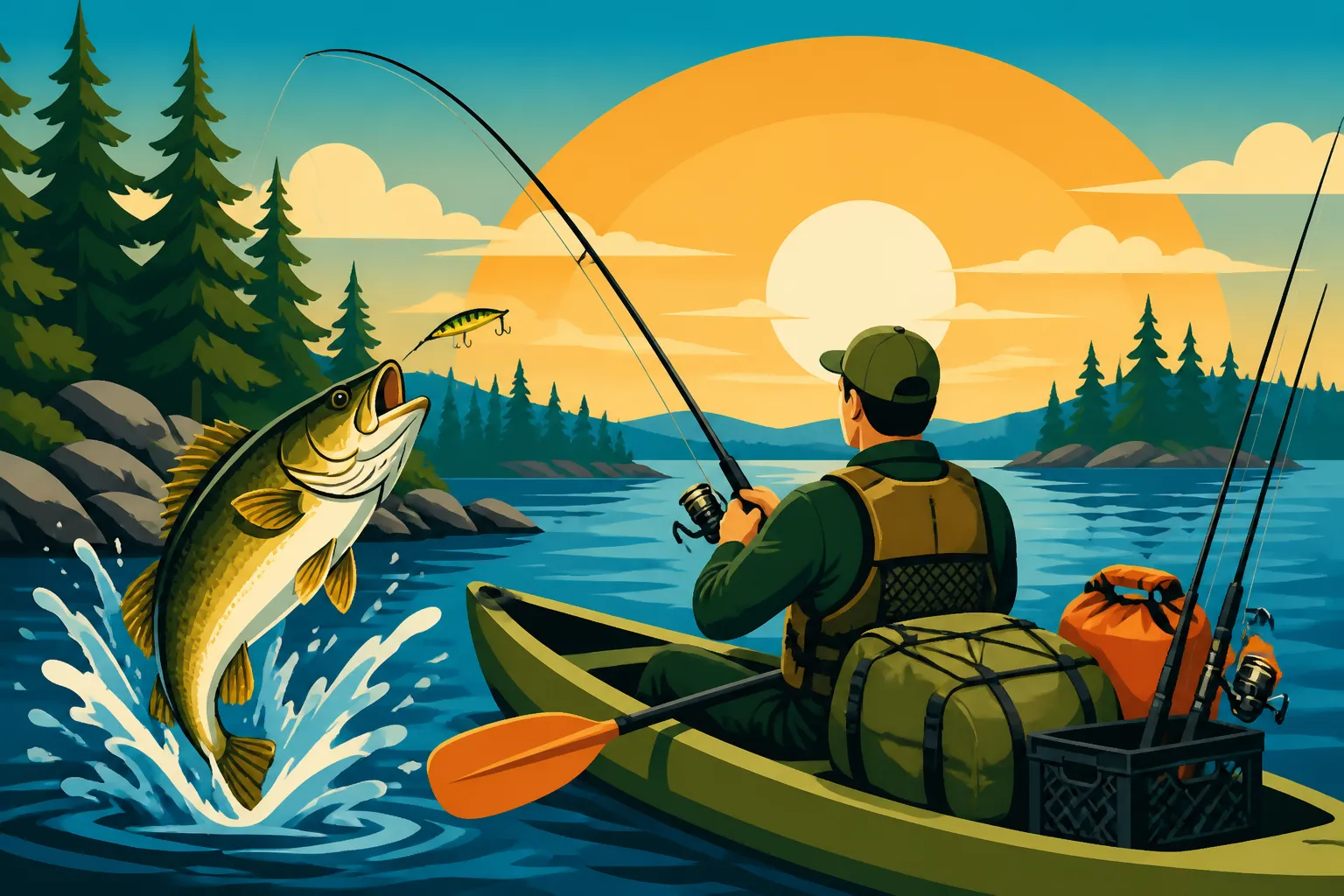
There's something uniquely captivating about packing up your canoe or kayak and heading into the wilderness for several days of fishing. It’s not just about catching fish; it’s about the journey, the solitude, and the raw, unfiltered experience of nature. For many, this kind of trip is the ultimate escape, offering a blend of physical challenge, mental rejuvenation, and unparalleled fishing opportunities that you just can’t get on a day trip.
Escaping the Crowds and Finding Solitude
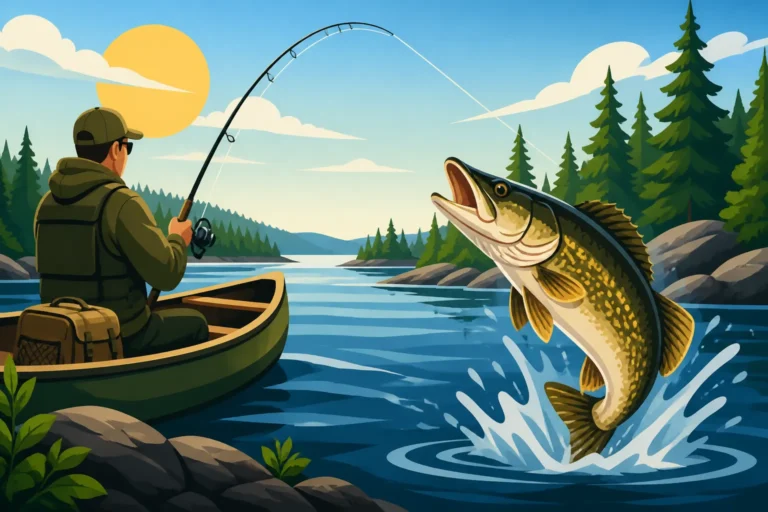
One of the biggest draws of a multi-day paddle fishing trip is the ability to truly get off the beaten path. While popular boat launches and easily accessible lakes can be fantastic for a quick outing, they often come with company. When you commit to paddling deeper into a wilderness area, the crowds thin out dramatically, leaving you with pristine waters and quiet shores. Imagine casting into a glassy lake at sunrise, the only sound being the dip of your paddle or the splash of a rising fish. This solitude allows for a deeper connection with the environment, sharpening your senses and making every catch feel like a personal triumph in a truly wild setting. You’re not just fishing; you're exploring.
Diverse Fishing Opportunities in Remote Waters
Remote waters often hold some of Ontario's most exciting fishing opportunities. Without constant pressure from numerous anglers, fish populations can be healthier, larger, and less wary. On a multi-day trip, you have the luxury of targeting various species across different habitats as you travel. You might start your day casting for aggressive Northern Pike in a weedy bay, then transition to jigging for deep-water Lake Trout in the afternoon, and finish by chasing Smallmouth Bass along rocky points. These remote areas frequently boast an incredible variety of fish, allowing you to adapt your techniques and truly test your angling skills. You might even stumble upon some phenomenal Brook Trout in Ontario's Crown Land Lakes in an untouched stream feeding a larger lake.
Deepening Your Connection with Nature
Beyond the fishing itself, these trips offer an incredible opportunity to deepen your connection with nature. Spending multiple days immersed in the wilderness forces you to slow down, observe, and appreciate the subtle rhythms of the natural world. You'll witness stunning sunsets and sunrises, hear the haunting calls of loons, and perhaps even spot wildlife like moose, eagles, or bears from the safety of your watercraft. Each night spent under the stars, away from city lights, offers a clarity of mind that's hard to replicate elsewhere. It's a chance to disconnect from technology and reconnect with yourself, your companions, and the raw beauty of Ontario's landscapes. The simple act of paddling, setting up camp, and preparing meals over an open fire becomes a meditative experience, fostering a profound sense of peace and accomplishment.
Planning Your Ontario Paddle Fishing Expedition
Embarking on a multi-day paddle fishing trip in Ontario requires careful planning to ensure safety, comfort, and success. From choosing your route to understanding permits, every detail contributes to a memorable adventure. Don't underestimate the prep work; it's the foundation of a great trip.
Choosing Your Route and Destination
Ontario boasts an incredible array of lakes and rivers suitable for paddle fishing, each offering a unique experience. When selecting your route, consider the type of fishing you want to do, your group's paddling experience, and the desired level of wilderness immersion. Are you looking for big water challenges, calm river flows, or a chain of portage-heavy lakes?
For those seeking truly wild experiences, areas like Quetico Provincial Park in Northwestern Ontario or the more accessible sections of Algonquin Provincial Park offer extensive canoe routes with designated campsites. Quetico, in particular, is renowned for its remote, pristine lakes holding trophy Walleye, Lake Trout, and Northern Pike. The French River, a historic waterway, combines incredible scenery with fantastic fishing for Muskie and Walleye, with numerous options for multi-day loops. For a comprehensive overview of regulations that might affect your choice, check out the Ontario Fishing Regulations Explained.
Table: Popular Multi-Day Paddle Fishing Destinations in Ontario
| Destination | Key Fish Species | Typical Trip Length | Difficulty (Paddling/Portaging) | Permit Requirements |
|---|---|---|---|---|
| Algonquin Provincial Park | Lake Trout, Brook Trout, Bass, Walleye | 3-7 days | Moderate | Park permit, campsite reservations |
| Quetico Provincial Park | Walleye, Lake Trout, Northern Pike, Smallmouth Bass | 5-10+ days | Challenging | Park permit, backcountry reservations |
| French River Provincial Park | Muskie, Walleye, Northern Pike, Bass, Panfish | 3-6 days | Easy to Moderate | Park permit, campsite reservations (some free Crown Land) |
| Kawartha Highlands Provincial Park | Smallmouth Bass, Largemouth Bass, Walleye, Pike | 2-5 days | Easy to Moderate | Park permit, backcountry reservations |
| Temagami Region (Crown Land) | Lake Trout, Walleye, Northern Pike, Brook Trout | 4-8+ days | Moderate to Challenging | Crown Land camping permit (free for residents up to 21 days) |
When considering which route to take, look at detailed maps and route guides. Reputable outfitters often have pre-planned routes or can help customize one for your group's skill level and fishing interests. Websites like PaddlePlanner or various provincial park resources are invaluable. You can even consult with local fishing guides, some of whom list their services on platforms like FishingBooker, for insights into specific routes or fishing hotspots within these regions. They might offer a one-day guided trip to give you a taste of the area before you commit to a longer paddle-in adventure.
Permits, Regulations, and Safety Considerations
Navigating the various rules and regulations is crucial for a smooth and legal trip. If you’re paddling through a Provincial Park, you’ll need backcountry permits and campsite reservations, which can often be booked online months in advance, especially for popular routes. For Crown Land fishing, which offers a more remote experience, Canadian residents typically don't need a permit for camping up to 21 days in one spot, but non-residents require a Crown Land camping permit. However, all anglers, regardless of residency, must possess a valid Ontario fishing license and an Outdoors Card. Understanding the specific Ontario Fishing License Guide for 2026 is your first step.
Beyond permits, familiarizing yourself with Ontario Fishing Regulations Explained for your specific Fisheries Management Zone (FMZ) is non-negotiable. This includes understanding catch and possession limits, size restrictions, and season dates for species like Walleye, Muskie, and Lake Trout. Safety should always be paramount. This means carrying appropriate safety gear like PFDs (personal flotation devices, required for all occupants in a boat), a bailer, a throw rope, and a sound-signaling device. A satellite communication device (like a Garmin inReach or Zoleo) is highly recommended for remote areas without cell service, allowing you to call for help in an emergency. Always file a float plan with someone reliable who knows your route and expected return date.
Physical Preparation and Group Dynamics
A multi-day paddle fishing trip, especially one involving portaging, can be physically demanding. It’s not just about paddling; it’s about loading and unloading gear, carrying canoes over uneven terrain, and setting up camp. Start a fitness regimen well in advance that includes cardio, strength training, and flexibility exercises. Practice paddling and portaging with a loaded canoe or kayak if possible. Even a short trip down a local river can help you assess your gear and endurance.
Group dynamics are equally important. Choose companions who share a similar enthusiasm for the outdoors, a willingness to work together, and a compatible pace. Discuss expectations regarding fishing styles, meal preferences, and daily routines before you even leave. Assigning roles (e.g., navigator, camp chef, fire master) can help with efficiency and prevent conflicts. Everyone should understand the importance of Leave No Trace principles, ensuring that the wilderness remains pristine for future adventurers. Planning is a group effort, and the more prepared everyone is, the more enjoyable the trip will be.
Top Multi-Day Paddle Fishing Destinations in Ontario
Ontario is a vast province, and its diverse geography offers an incredible range of paddle fishing adventures. From rugged Precambrian Shield lakes to winding boreal forest rivers, there’s a perfect spot for every angler seeking a multi-day escape. Let’s dive into some specific examples that truly shine for this kind of trip.
Quetico Provincial Park: Wilderness and Trophy Fish
If you’re seeking a truly wild, remote, and challenging multi-day paddle fishing experience, Quetico Provincial Park in Northwestern Ontario is an undisputed gem. Known for its rugged beauty, ancient portage routes, and crystal-clear lakes, Quetico offers an unparalleled wilderness experience. The park is a canoe-only area, with strict regulations to maintain its pristine nature, meaning no motorboats are allowed, and you'll often have entire lakes to yourself. The fishing here is legendary, particularly for trophy Walleye and Lake Trout. Imagine paddling across an expansive lake, spotting a massive rock structure, and dropping a jig to pull up a powerful Lake Trout from the depths. The park also holds impressive Northern Pike and Smallmouth Bass.
Planning a Quetico trip involves meticulous route selection, often with multiple portages connecting lakes. It requires a high level of self-sufficiency, as there are no services once you enter the park. Outfitters in gateway towns like Atikokan can provide everything from canoe rentals and shuttle services to detailed map consultation. For those truly passionate about finding the best angling spots, some local guides, sometimes found through services like FishingBooker, specialize in Quetico's unique challenges and can offer invaluable insights on where to find the biggest fish, even if you’re just looking for tips for your self-guided paddle. Remember that Ontario Lake Trout Limit and Possession Rules will apply, so check the regulations for FMZ 5, 6, or 7 which cover Quetico.
Algonquin Provincial Park: Accessible Wilderness Fishing
Algonquin Provincial Park, while more accessible than Quetico, still offers vast opportunities for multi-day paddle fishing trips that can get you deep into the backcountry. With thousands of lakes and an extensive network of canoe routes and portages, Algonquin is perfect for those looking for a mix of stunning scenery and fantastic fishing without venturing too far off the grid. The park is particularly famous for its Brook Trout and Lake Trout, especially in the smaller, colder lakes that are only accessible by paddle and portage. Early season (May-June) or fall (September-October) are prime times for these species. You can also find good populations of Smallmouth Bass and Northern Pike in many of the park's larger lakes and rivers.
Routes in Algonquin range from relatively easy two-day loops to challenging week-long expeditions with numerous portages. Outfitters like Algonquin Outfitters or The Portage Store provide canoe rentals, gear, and route planning assistance, often based on specific fishing interests. They can also advise on areas known for specific species. As a provincial park, Ontario Provincial Park Fishing Guide details will apply, and you'll need to secure backcountry permits and reserve campsites well in advance, especially for popular summer weekends. The beauty of Algonquin lies in its balance: wild enough for true adventure, but with enough infrastructure and support to make planning manageable for a wide range of skill levels.
French River Provincial Park: Historic Waters and Muskie Dreams
The French River, designated a Canadian Heritage River, offers a unique blend of history, stunning scenery, and incredible fishing for multi-day paddle trips. Flowing from Lake Nipissing to Georgian Bay, the river is known for its wide channels, intricate island systems, and the thrill of Muskie fishing. Beyond Muskie, anglers can target Walleye, Northern Pike, and various Bass species. The river's character changes as you paddle downstream, offering everything from calm, lake-like sections to swifter currents and exhilarating rapids (many of which have portage options).
Numerous access points and a mix of Crown Land and Provincial Park campsites make planning flexible. You can opt for shorter loops or extended trips that explore the entire length of the river. Outfitters like French River Adventures can assist with canoes, gear, and shuttle services. The French River is an excellent choice for anglers who want a good chance at a trophy fish while enjoying a rich historical landscape. It’s also a fantastic place to practice Float Fishing the French River techniques for Walleye. Remember to review Ontario Muskellunge Season Dates and Limits before you go, as Muskie are strictly regulated.
Essential Gear and Supplies for Your Journey
Preparing for a multi-day paddle fishing trip isn't just about throwing some tackle in a bag; it's about thoughtful consideration of everything you'll need to be safe, comfortable, and successful for several days in the wild.
Paddling and Camping Equipment
Your canoe or kayak is obviously the star of the show. For multi-day trips, a sturdy, stable canoe (like a prospector-style or similar touring model) is often preferred for its cargo capacity, especially if you're portaging. If solo, a dedicated touring kayak can work too. Ensure your chosen craft is suitable for the water conditions you anticipate. Don’t forget comfortable paddles and spare paddles!
For camping, a reliable tent is crucial – make sure it’s waterproof and has good ventilation. Sleeping bags appropriate for the forecasted night temperatures, sleeping pads for comfort, and a tarp for extra shelter are also essential. A compact, lightweight camp stove and fuel (like a MSR WhisperLite or Jetboil) are indispensable for cooking, though a small campfire is often part of the experience where permitted. A high-quality water filter or purification tablets are non-negotiable for safe drinking water. Don’t forget dry bags or waterproof barrels for all your gear to keep it safe and dry, no matter the weather. Consider reviewing specific advice on Life Jacket Requirements for Ontario Boaters to ensure everyone has an approved PFD.
Fishing Tackle and Techniques
Packing your fishing gear wisely means balancing versatility with portability. You won’t have the luxury of bringing your entire tackle box. Instead, focus on a selection of baits and lures known to be effective for the target species in your chosen area. For example, if you’re targeting Walleye and Northern Pike, a selection of jig heads, soft plastics, crankbaits, and spoons in various sizes and colours will cover most situations. If Lake Trout are on the menu, heavier spoons, jigs, and perhaps a small trolling setup (if your craft allows) would be wise.
Consider bringing 2-3 rod and reel combos: a medium-heavy spinning or baitcasting setup for casting larger lures and fighting bigger fish, and a lighter spinning combo for finesse presentations or smaller species like panfish. A portable fish finder can be invaluable for locating structure and fish, even in a canoe or kayak. Pack a good quality landing net (appropriate size for your target species, perhaps a Best Landing Net for Muskie if that's your goal), a multi-tool with pliers, line cutters, and a small first-aid kit. Don't forget extra line, leader material, and plenty of terminal tackle. You'll want to be prepared for everything from How to Catch Walleye in Ontario to chasing trophy Muskie.
Food, Water, and Safety Essentials
For food, think lightweight, non-perishable, and high-energy options. Dehydrated meals are popular, but you can also pack staples like oatmeal, pasta, rice, granola bars, nuts, and dried fruit. Fresh food can be brought for the first day or two if properly stored in a cooler. Plan out every meal and bring a little extra, just in case. As mentioned, a reliable water filtration system or purifying tablets are vital, along with backup options. Never rely on boiling water as your only purification method.
Safety essentials include a comprehensive first-aid kit, navigational tools (map, compass, and GPS device with pre-loaded routes), a knife, fire starters (waterproof matches, lighter, ferro rod), a headlamp or flashlight with extra batteries, and a small repair kit for your canoe/kayak and other gear. Sun protection (hat, sunglasses, sunscreen) and insect repellent are also crucial for comfort. For absolute peace of mind, especially in remote areas, consider renting or purchasing a satellite communication device. And before you head out, it can be useful to know some Ontario Boating Laws for Anglers, especially regarding vessel registration and safety requirements. If you're looking to book a last-minute outfitter or guide for specific gear advice, sometimes FishingBooker lists local experts who can help.
Disclaimer
The information provided in this guide is for general informational purposes only and does not constitute professional advice. Fishing regulations, safety protocols, and wilderness conditions can change rapidly. Always consult the most current official Ontario Ministry of Natural Resources and Forestry (MNRF) regulations, provincial park guidelines, and local weather forecasts before embarking on any fishing trip. Ensure you have the appropriate licenses, permits, and safety equipment. Engaging in outdoor activities carries inherent risks, and personal responsibility for safety is paramount.