Best fishing spots in Muskoka cottage country
Navigating the vast and popular waters of Muskoka can feel a bit overwhelming, especially when you're looking for those prime fishing spots away from the cottage bustle and endless boat traffic. It's a gorgeous region, no doubt, but finding quiet, productive waters that aren't already heavily pressured is a genuine challenge. This guide is here to cut through the noise, offering you the insider scoop on Muskoka's best fishing locales and the strategies you need to make your next angling adventure truly unforgettable.
Understanding Muskoka's Unique Fishing Landscape
Muskoka isn't just a picturesque playground for cottagers; it's a fascinating and complex fishery with a distinct character shaped by its ancient geology and the activities of its human visitors. If you just show up with a generic game plan, you might be left scratching your head.
More Than Just Cottages: The Diverse Ecosystem
The bedrock of Muskoka is primarily Precambrian Shield, which means you're looking at a landscape carved by glaciers, featuring clear, often deep, and sometimes nutrient-poor lakes. These aren't the fertile, weedy, shallow lakes you might find elsewhere in Ontario. Instead, you'll encounter a lot of rocky shorelines, steep drop-offs, and numerous islands—habitat features that are absolute magnets for certain fish species. The water clarity is usually exceptional, which sounds great, but it also means fish can be spookier and more discerning about your presentation.
However, this pristine beauty also comes with significant recreational pressure. In peak summer, some of the larger lakes can be incredibly busy with pleasure craft, personal watercraft, and swimmers. This means understanding when and where to fish becomes even more critical. Early mornings, late evenings, and targeting less accessible areas or deeper waters during the day can make all the difference. The interconnectedness of many of these lakes, forming vast chains, also creates unique current patterns and thermal stratification that influence where fish hold throughout the seasons. Knowing your Ontario Fisheries Management Zones, Explained is crucial, as regulations can sometimes differ even within this interconnected system, mainly FMZ 15.
Key Fish Species to Target in Muskoka
Muskoka is renowned for offering a diverse range of fishing opportunities, catering to different angler preferences. Knowing what swims beneath the surface and what they prefer will definitely improve your chances.
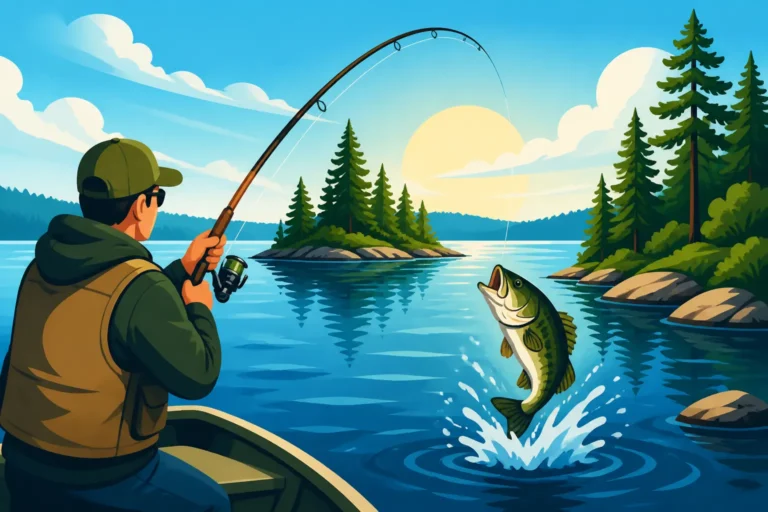
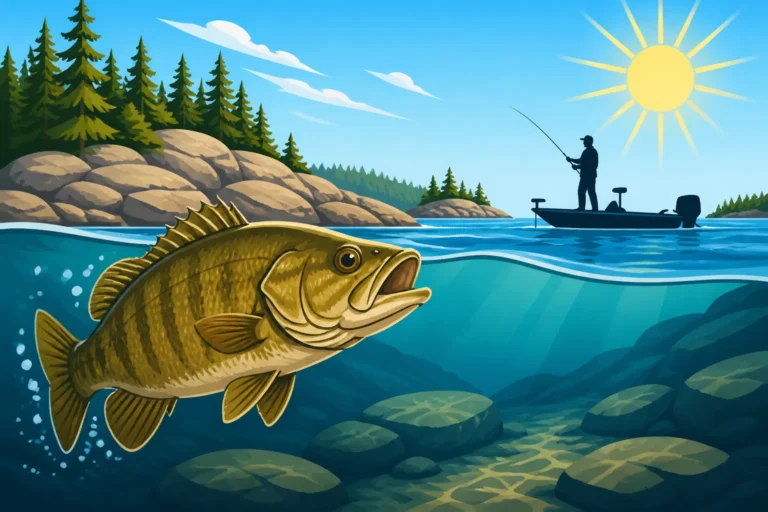
- Smallmouth Bass: These bronze bombers are perhaps the most sought-after species in Muskoka's clear, rocky lakes. They thrive in the abundant rock piles, shoals, and points. You'll find them aggressive and hard-fighting, making them a favourite for many. Techniques for How to Catch Smallmouth Bass in Ontario are often refined in these very waters.
- Largemouth Bass: While less prevalent than smallmouth in the biggest, clearest lakes, largemouth bass can be found in shallower bays, weedier backwaters, and smaller, more sheltered lakes within the region. They prefer cover like lily pads, docks, and fallen timber.
- Walleye: The elusive walleye is present in many Muskoka lakes, though often in more moderate numbers compared to some of Ontario's northern walleye factories. They prefer deeper, cooler water, especially during the day, and are often targeted during low-light conditions or specific seasonal migrations.
- Lake Trout: Being a deep, cold-water species, lake trout are perfectly at home in Muskoka's numerous deep lakes. They provide an exciting challenge, particularly for those who enjoy trolling or deep-water jigging. For tips, you might want to read up on How to Catch Lake Trout in Ontario.
- Northern Pike: Aggressive and opportunistic, northern pike inhabit many of Muskoka's lakes, often found lurking in weed beds, around fallen trees, or along transitional areas where shallow water drops off into deeper sections. They are a blast to catch and are often quite willing to bite.
- Panfish: Don't overlook the panfish! Crappie, perch, and sunfish are abundant in many areas, providing excellent opportunities for family fishing or a relaxed day on the water. They're often found in shallower, sheltered bays.
Top Lakes for Every Angler in Muskoka
While the entire Muskoka region offers fishing, some lakes stand out for their consistent action, diverse species, or unique charm. It’s not just about size; sometimes the hidden gems offer the best experiences.
Lake Muskoka: The Big Water Experience
Lake Muskoka is the largest of the "Big Three" (Muskoka, Rosseau, Joseph) and offers an expansive fishing ground. Its sheer size means you'll find a variety of habitats, from shallow, weedy bays to vast, deep basins. For anglers looking for serious action, a dedicated Lake Muskoka Fishing Guide can really help narrow down the hotspots.
- Smallmouth Bass: Look for smallmouth around the numerous rocky islands, main lake points, and sudden drop-offs. Areas like the Bracebridge Narrows or the shoals near Bala are historically productive. Spinnerbaits, crankbaits, and tube jigs worked along contours are often very effective.
- Lake Trout: The deep, cold waters of Lake Muskoka are prime lake trout territory. They'll often suspend over structure in the deeper sections, particularly during summer. Trolling with downriggers or heavy spoons and crankbaits is a popular method. Vertical jigging over deep humps and rock piles can also produce.
- Walleye & Pike: While not as dominant, walleye can be found in deeper breaks, especially near river mouths or areas with current. Northern pike often patrol the edges of weed beds in shallower bays, ready to ambush unsuspecting baitfish.
Lake Rosseau and Lake Joseph: Pristine and Productive
Connected to Lake Muskoka, Rosseau and Joseph offer similarly stunning scenery and excellent fishing. These lakes are known for their incredibly clear water and often have a reputation for larger, more challenging fish duedue to the clarity and fishing pressure.
- Smallmouth Bass: These two lakes are arguably even better for smallmouth than Lake Muskoka, with countless rocky shoals, underwater points, and granite islands. The clarity here means longer casts and more subtle presentations often pay off. Topwater lures at dawn and dusk can be explosive, while drop shots and Ned rigs are excellent choices during the day.
- Lake Trout: Like Lake Muskoka, these lakes have significant lake trout populations in their deep basins. The waters here are cool and oxygen-rich, providing ideal conditions. Again, trolling is the go-to, but if you can locate deep schooling baitfish, jigging can be phenomenal.
- Muskellunge: These lakes also have a respectable muskie population, particularly in areas with a mix of deep water and adjacent weed lines or rocky structure. Landing a trophy muskie is a challenge, but these waters certainly hold them. Anglers often employ large jerkbaits and bucktails. If you're considering targeting this challenging fish, diving into the specifics of Muskellunge Fishing in Ontario would be a great next step.
Smaller, Often Overlooked Gems
While the "Big Three" get most of the attention, don't dismiss the region's numerous smaller lakes. These often offer a more intimate fishing experience and can sometimes be less crowded, especially during peak season.
- Lake of Bays: Northeast of the main Muskoka lakes, Lake of Bays is a significant body of water in its own right, known for excellent smallmouth and lake trout fishing. It also has a good population of northern pike. Its irregular shape, with numerous bays and points, provides diverse habitat.
- Gull Lake (Gravenhurst): This smaller lake is easily accessible from Gravenhurst and offers good fishing for smallmouth bass, largemouth bass, walleye, and pike. It's a great option for a day trip, perhaps with a smaller boat or even shore fishing in designated areas. It often warms up quicker in spring, offering earlier opportunities.
- Numerous Back Lakes: Scattered throughout the region are countless smaller lakes, some publicly accessible, others requiring a bit more effort to reach. These can be incredible for panfish, bass, and sometimes even wild brook trout in specific, spring-fed systems. Exploring these can reveal true hidden treasures, often with less competition. You can often find fantastic opportunities using services like FishingBooker to connect with local guides who know these less-pressured spots.
Here's a quick comparison of some popular Muskoka fishing destinations:
| Lake Name | Primary Target Species | Typical Depth Range | Key Features | Best for |
|---|---|---|---|---|
| Lake Muskoka | Smallmouth Bass, Lake Trout, Pike | 10-240 ft | Large, rocky, many islands, diverse habitat | Trolling, exploring vast areas |
| Lake Rosseau | Smallmouth Bass, Lake Trout, Muskie | 10-220 ft | Clear, deep, rocky shoals, high-end cottages | Finesse bass fishing, trophy trout/muskie |
| Lake Joseph | Smallmouth Bass, Lake Trout, Muskie | 10-270 ft | Very clear, deepest of the "Big Three", rocky | Challenging bass, deep trout, less pressure than Rosseau |
| Lake of Bays | Smallmouth Bass, Lake Trout, Pike | 10-180 ft | Irregular shape, many bays, good structure | Diverse angling, less crowded than "Big Three" |
| Gull Lake | Bass, Walleye, Pike, Panfish | 5-50 ft | Accessible, varied structure, family-friendly | Day trips, multi-species, easier access |
Essential Gear and Techniques for Muskoka Success
Fishing in Muskoka’s clear, rocky environments often requires a slightly different approach than typical Ontario fishing. Your gear choices and techniques need to match the conditions.
The Right Tackle for Clear Water Conditions
When fish can see your line, they're often much more cautious. This necessitates some adjustments to your setup.
- Line Choice: Fluorocarbon leaders are your best friend here. Their low visibility underwater makes a huge difference, especially for sensitive species like smallmouth bass and lake trout. Consider a 6-10 lb fluorocarbon leader on your spinning setup for bass, and heavier for pike or muskie. Braid as a main line is great for sensitivity and long casts, but always tie on a fluorocarbon leader.
- Lure Colors: Natural colours tend to perform well in clear water. Think greens, browns, silvers, and transparent options. However, don't shy away from throwing a splash of chartreuse or orange if the fish are aggressive or the light conditions are low. Experimentation is key!
- Rod Action: A medium-light to medium power spinning rod with a fast action is versatile for most bass and walleye fishing in Muskoka. It provides the sensitivity for light bites and the backbone to fight strong fish. For lake trout, a medium-heavy rod is better suited for handling heavier weights and larger fish.
- Electronics: A quality Best Fish Finders for Ontario Lakes is practically essential, especially on the larger, deeper lakes. Side imaging and down imaging can help you locate those hidden rock piles, ledges, and schools of baitfish that hold trophy fish. They're invaluable for identifying structure in these clear waters.
Navigating and Fishing Smart
Beyond your tackle, your approach to fishing in Muskoka needs to be strategic. The popularity of the area means being mindful and adapting to conditions.
- Boat Etiquette & Safety: The Muskoka lakes can get busy. Always be aware of other boaters, swimmers, and personal watercraft. Maintain safe speeds and distances, especially in busy channels. Knowing Ontario Boating Laws for Anglers is not just good practice, it's mandatory. Also, ensure you have the Ontario Pleasure Craft Operator Card Requirement if you're operating a motorized vessel. Consider a stable fishing platform; there are many Best Boats for Ontario Lakes and Rivers suited to these conditions, from smaller aluminum boats to larger deep-V hulls.
- Stealth and Presentation: In clear water, fish have a longer "detection range." Longer casts help keep your boat or kayak away from spooky fish. Pay attention to your boat's shadow and try to keep a low profile. Precise lure presentation, whether it's dropping a tube jig onto a specific rock or trolling a spoon at a precise depth, is paramount.
- Adapting to Pressure: If your favourite spot is already crowded, have a backup plan. Explore less obvious structure, fish deeper, or try different times of day. Sometimes a short paddle into a quiet bay or an early morning start can yield incredible results. Early morning and late evening often offer respite from recreational boat traffic and can be prime feeding times.
Planning Your Muskoka Fishing Adventure
A successful trip to Muskoka involves more than just picking a lake and showing up. A little planning goes a long way to ensure you're in the right place at the right time.
Best Times to Visit for Specific Species
Understanding the seasonal patterns of fish in Muskoka is crucial. The region’s Ontario Fishing Season Dates by Zone will give you the precise legal dates for targeting specific species.
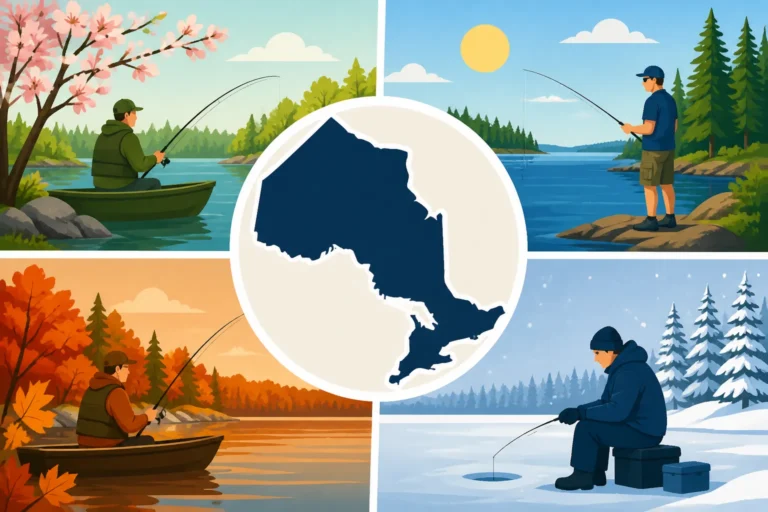
- Spring (May-June): This is prime time! As the ice comes off, walleye and northern pike become very active in shallower, warming bays. Smallmouth bass season typically opens later in June, but when it does, they're often still relatively shallow and aggressive, recovering from the spawn. Lake trout are also higher in the water column and accessible to more techniques before the thermocline fully sets.
- Summer (July-August): While busy, summer fishing can be fantastic. Early mornings and late evenings are key for bass, as they move shallower to feed. During the day, smallmouth often retreat to deeper rock piles and ledges, while lake trout go deep, requiring trolling or deep jigging. Panfish are abundant and provide consistent action.
- Fall (September-October): This is a favourite time for many experienced anglers. The crowds thin out, and many species go on a feeding frenzy before winter. Lake trout become more active higher up, smallmouth are aggressive on main lake structure, and muskie fishing can be outstanding. Fall colors add to the incredible scenery, making it one of the Best Time of Year to Fish in Ontario.
Access and Accommodation Considerations
Muskoka is a well-developed tourist region, so you have plenty of options for where to stay and how to access the water.
- Public Boat Launches: There are numerous public boat launches across the major lakes and many smaller ones. Be aware that during peak summer weekends, these can get very busy, so plan to arrive early or go during off-peak hours.
- Resorts and Lodges: Muskoka is famous for its resorts, many of which are situated directly on the water and offer boat rentals, guided fishing trips, and private docks. This can be a great option for a hassle-free fishing vacation.
- Cottage Rentals: Renting a cottage provides flexibility and the comfort of home. Many rentals come with private docks, allowing for convenient boat mooring and easy access to the water.
- Guided Fishing Trips: If you’re unfamiliar with the area or simply want to maximize your chances, consider hiring a local fishing guide. They know the hotspots, the seasonal patterns, and can provide all the necessary gear. Services like FishingBooker can help you find experienced guides in the Muskoka region, ensuring you get on the fish and learn the nuances of these beautiful waters. They can save you a lot of time learning the ropes of a new body of water.
No matter your preference, Muskoka offers a fishing experience that can be as serene or as action-packed as you make it. Just remember to respect the waters, abide by the Ontario Fishing Regulations Explained, and soak in the beauty of cottage country.
Disclaimer
The information provided in this guide is for general informational purposes only. Fishing conditions, regulations, and access points can change. Always consult the most current Ontario Fishing Regulations Summary for the specific Fisheries Management Zone you plan to fish in before heading out. Exercise caution and practice safe boating and fishing habits.