St Lawrence River walleye fishing access
Trying to find great walleye fishing spots on a massive river like the St. Lawrence can feel like searching for a needle in a haystack. With its immense size, powerful currents, and complex structures, knowing where to start your walleye quest is often the biggest hurdle. This guide is here to break down the daunting task, pinpointing key access points, effective techniques, and crucial local insights to help you unlock the fantastic walleye opportunities on the St. Lawrence River.
Understanding the St. Lawrence River for Walleye Fishing
The St. Lawrence River isn't just a river; it's an enormous, dynamic ecosystem that presents both challenges and incredible rewards for walleye anglers. It's truly unlike fishing a quiet inland lake, demanding a different approach and a keen understanding of its unique characteristics.
Unique Characteristics of the St. Lawrence Walleye Fishery
When you think of the St. Lawrence, visualize not just a river, but a series of interconnected lakes and channels, punctuated by islands, deep shipping lanes, and powerful currents. This isn't your average meandering stream; it's a major artery of North America, carrying vast volumes of water from the Great Lakes out to the Atlantic. What does this mean for walleye? It means they are incredibly strong, well-fed fish, accustomed to battling current and often growing to impressive sizes. The sheer scale of the water, coupled with depths that can plunge well over a hundred feet, demands robust gear and a willingness to cover water.
The water clarity here can vary quite a bit depending on the section and recent weather, but much of the St. Lawrence, especially upstream from Cornwall, tends to be quite clear. This can make walleye a bit more spooky, particularly during daylight hours, often pushing them deeper or into cover. The constant current dictates where baitfish congregate and, by extension, where walleye will set up ambush points. Understanding these current breaks, eddies, and subtle changes in flow is absolutely paramount to consistent success. It’s a complex puzzle, but when you crack it, the walleye fishing can be phenomenal.
Key Walleye Habitat in the River System
Walleye in the St. Lawrence are creatures of structure and current. They aren't just swimming aimlessly; they are actively seeking out areas that provide them with an advantage for feeding or offer respite from the strong flow. Think about how the river bends, where it narrows, or where islands break up the current. These are prime areas. Eddies, those swirling pockets of calmer water often found downstream of points or obstructions, are classic walleye holding zones. They allow walleye to conserve energy while waiting for prey to be swept by in the main current.
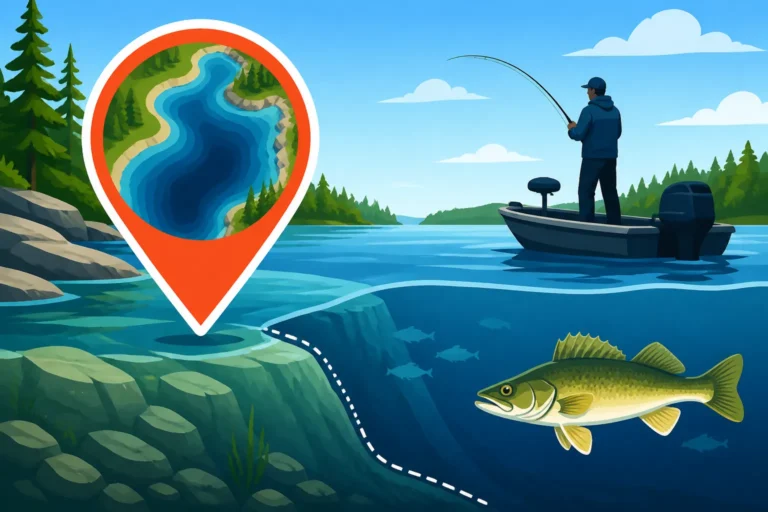
Similarly, current seams – the distinct lines where fast-moving water meets slower water – are incredibly productive. Walleye will position themselves right on that seam, darting into the faster water to snatch a passing meal before retreating to the calmer side. Shoals, submerged humps, and deep channels are also critical. Many walleye will relate to the edges of these channels, especially where there's a sharp drop-off. Transition areas, where a rocky bottom gives way to sand or weeds, are also often overlooked hotspots. During different times of the year, walleye will shift between these habitats, moving shallower in spring and fall, and often hunkering down in deeper areas during the summer heat. Using tools like Navionics or the Ontario Fish ON-Line Interactive Zone Map, Explained can help immensely in identifying these underwater structures.
Prime Public Access Points for Walleye Anglers
Given the immense size of the St. Lawrence, knowing where to put in your boat or cast from shore is half the battle. Fortunately, Eastern Ontario offers several excellent public access points that can get you onto productive walleye waters.
Eastern Ontario's Shoreline and Boat Launches
When planning a walleye trip on the St. Lawrence, several towns stand out for their accessibility and proximity to good fishing grounds. Kingston, often considered the gateway to the Thousand Islands, offers excellent access. Its waterfront, including the bustling Portsmouth Olympic Harbour, provides ample launching facilities. From Kingston, you can explore the confluence of Lake Ontario and the St. Lawrence, an area known for strong currents and diverse structure that holds big walleye. Further east, Brockville boasts the popular Blockhouse Island Parkway, which offers boat launches and even some shore fishing opportunities along its scenic path. It's a fantastic spot to launch and explore the numerous islands and shoals in that stretch.
Gananoque, nestled right in the heart of the picturesque Thousand Islands, is another prime location. The Gananoque Municipal Marina provides convenient access, putting you right into one of Ontario's most famous fishing regions. This area is a labyrinth of islands, deep channels, and current-swept shoals—perfect walleye territory. Lastly, Prescott, with its Sandra S. Lawn Harbour, offers a solid base to fish the narrower, faster-flowing sections of the river, which can be incredibly productive, especially during the spring and fall runs. While shore fishing directly for walleye can be challenging on such a large, deep river, some municipal parks and piers in these towns might offer opportunities, particularly around dusk or dawn. If you're looking for an expert to show you the ropes, or want to explore from a comfortable charter, platforms like FishingBooker can connect you with local guides who specialize in St. Lawrence walleye.
Identifying Productive Stretches and Structures
Once you've launched your boat, the real work begins. The St. Lawrence River isn't a place where you can just randomly cast and expect consistent results. You need a strategy, and that involves understanding where walleye will hold. The Thousand Islands region, stretching from Kingston to Brockville, is arguably the most famous walleye hotspot. Here, the numerous islands create countless current breaks, eddies, and points where walleye will ambush baitfish. Look for bridge pilings, especially around the Thousand Islands Bridge, as these create significant current breaks and offer deep water nearby. Submerged islands, often revealed on good navigation charts, are also high-percentage targets, particularly their upstream and downstream edges.
Drop-offs, where shallow flats suddenly plunge into deeper channels, are classic walleye magnets. These transitions provide both feeding opportunities and thermal cover. Weed edges, especially in the shallower bays and protected areas, can also hold walleye, particularly during low-light conditions. When researching your trip, take advantage of the Best Fishing Rivers in Ontario information available to compare tactics. Using a reliable fish finder is non-negotiable here; it will help you locate these subtle underwater features and mark concentrations of baitfish or walleye. Remember that walleye will often relate to the bottom, so understanding the contours and composition of the riverbed is crucial.
Essential Techniques and Tackle for St. Lawrence Walleye
Fishing the strong currents of the St. Lawrence demands specific techniques and robust tackle to effectively target walleye. What works on a small, calm lake might not cut it here.
Effective Walleye Presentations in Current
The key to success on the St. Lawrence is presenting your lure or bait naturally in the current, mimicking the movement of baitfish that walleye are accustomed to preying on. Jigging is perhaps one of the most versatile and effective techniques. Blade baits, like the popular Silver Buddy or Vibrato, are fantastic for vertical jigging over deep structure. Their vibration and flash in the current are irresistible. Swim jigs, tipped with soft plastics or even a live minnow, can also be worked effectively, especially around current seams or the edges of weed beds. Traditional jigs, paired with plastics like Berkley Gulp! Minnows or real minnows, are a staple, but you'll often need heavier jig heads (1/2 oz to 1 oz or more) to maintain bottom contact in the strong current.
Trolling is another highly productive method, especially for covering large expanses of water and finding active fish. Deep-diving crankbaits that can reach depths of 15 to 30 feet or more are essential. Brands like Rapala, Reef Runner, and Berkley offer excellent options in a variety of sizes and colours. Experiment with different speeds and depths until you find the fish. Crawler harnesses, sometimes called "worm harnesses," are also deadly, especially when pulled behind bottom bouncers. The spinner blade adds attraction, and the live worm provides a natural scent and action. For shallower areas or around distinct structures, casting stickbaits or swimbaits can entice aggressive walleye, particularly during low-light hours. The crucial part is to adjust your weight, lure size, and presentation speed to match the current and depth you're fishing. It's often a game of trial and error until you dial in what the fish want on a given day.
Recommended Gear and Tackle for River Walleye
Because of the size of the river and the potential for large, strong walleye (and often incidental catches of northern pike or even muskie!), you'll want to gear up accordingly. A medium-heavy power spinning or baitcasting rod, typically 6'6" to 7'6" in length, will give you the backbone needed to fight fish in current and handle heavier lures. Pair this with a reliable reel spooled with 15-20 lb braided line. Braided line offers superior sensitivity, allowing you to feel subtle bites in deep water and heavy current, and its lack of stretch provides powerful hooksets. Always use a fluorocarbon leader (10-15 lb test) about 3-6 feet long; its invisibility in clear water is a huge advantage, and it offers abrasion resistance against rocky bottoms.
When it comes to lures, have a good selection. For jigging, include jigs ranging from 1/2 oz to 1 oz, with various soft plastics in natural colours (perch, smelt) and brighter ones (chartreuse, orange) for stained water. Blade baits in silver, gold, and fire tiger are always good to have. For trolling, a selection of deep-diving crankbaits in different sizes and colour patterns (matching local baitfish like emerald shiners or gobies, as well as bright attractor colours) is crucial. Don't forget some bottom bouncers (1-2 oz) and crawler harnesses for a live bait option. A good Best Fish Finders for Ontario Lakes will be your best friend, helping you locate the precise depth, structure, and even schools of baitfish where walleye are lurking. Always have spare line, extra leaders, and a sturdy pair of pliers for unhooking fish. You might also want to look into How to Catch Walleye in Ontario for more general tips that can be applied to the St. Lawrence.
| Access Point | Location | Features | Best For | Notes |
|---|---|---|---|---|
| Portsmouth Olympic Harbour | Kingston | Multi-lane boat launch, parking, marina facilities | Boating, accessing Lake Ontario confluence and upper St. Lawrence | Can be busy, but offers access to diverse structure and deeper water. |
| Blockhouse Island | Brockville | Boat launch, parking, shore access, picnic areas | Boating, exploring Thousand Islands, some shore casting | Scenic location, good for families, provides access to islands and shoals. |
| Gananoque Municipal Marina | Gananoque | Boat launch, transient dockage, fuel, close to downtown shops | Boating, targeting Thousand Islands walleye | Puts you directly into the heart of the Thousand Islands. |
| Sandra S. Lawn Harbour | Prescott | Boat launch, ample parking, nearby amenities | Boating, fishing faster currents, exploring narrower river sections | Excellent for spring/fall runs, good access to deep channels. |
| Crysler Park Marina | Morrisburg | Boat launch, campground, historical park, close to Long Sault Parkway | Boating, accessing deeper mid-river sections | Further east, can offer good fishing in less crowded waters, particularly for deeper walleye. |
Navigating Regulations and Best Practices
Fishing on a large, international waterway like the St. Lawrence River isn't just about knowing where and how to fish; it's also about understanding the rules and prioritizing safety and conservation. The regulations can be a bit more complex here due to its size and shared border.
Understanding Ontario Fishing Regulations on the St. Lawrence
First and foremost, you absolutely need a valid Ontario fishing license. The St. Lawrence River falls primarily within Ontario Fisheries Management Zones, Explained, specifically FMZ 20 for much of its length from Lake Ontario eastward. This means you must adhere to the specific season dates, slot sizes, and Ontario Walleye Limit and Possession Rules for FMZ 20. It's not uncommon for anglers to overlook these details, which can lead to hefty fines. Before heading out, always consult the most current version of the Ontario Fishing Regulations Explained summary, as rules can change annually.
It’s important to remember that the St. Lawrence River forms part of the international border with New York State. While there are reciprocal agreements for certain boundary waters, it's generally safest to assume you need an Ontario license if you're fishing on the Canadian side, and a New York license if you're on the U.S. side. Crossing the invisible border can sometimes happen without you even realizing it! Make sure you have your Ontario Outdoors Card, Explained and your valid fishing license printed or digitally accessible. If you haven't bought yours yet, check out How to Buy an Ontario Fishing License Online for a convenient process. Don't take chances; a simple mistake can turn a great fishing day into a costly one.
Safety and Conservation on the Mighty River
The St. Lawrence is a magnificent body of water, but it demands respect. Its strong currents, large shipping traffic, and unpredictable weather can create hazardous conditions quickly. Always check the marine forecast before you head out, and be prepared for rapidly changing conditions. Boating safety is paramount: ensure your vessel is properly equipped with all required safety gear, including enough Life Jacket Requirements for Ontario Boaters for everyone onboard. Understanding navigation markers and staying clear of shipping lanes is critical for your safety and the safety of commercial vessels. Familiarize yourself with Ontario Boating Laws for Anglers before your trip.
From a conservation standpoint, the St. Lawrence offers incredible fishing, and we want to keep it that way. Practice responsible catch and release, especially for larger walleye which are often the prime breeders. Handle fish gently, minimize their time out of water, and use appropriate landing nets (rubberized mesh is best to protect fins and slime coat). Consider using single, barbless hooks, which make release easier. Only keep what you intend to eat within the legal limits, and don't waste fish. By respecting the resource and adhering to safety protocols, you'll ensure that the St. Lawrence River continues to provide fantastic walleye fishing experiences for generations to come.
Disclaimer
Please note that fishing regulations and conditions can change. Always consult the most current Ontario Fishing Regulations Summary and local advisories before heading out on the water. This guide is for informational purposes only and does not constitute legal advice or an exhaustive list of regulations. Stay safe and fish responsibly.