Best whitefish spots on Lake Huron
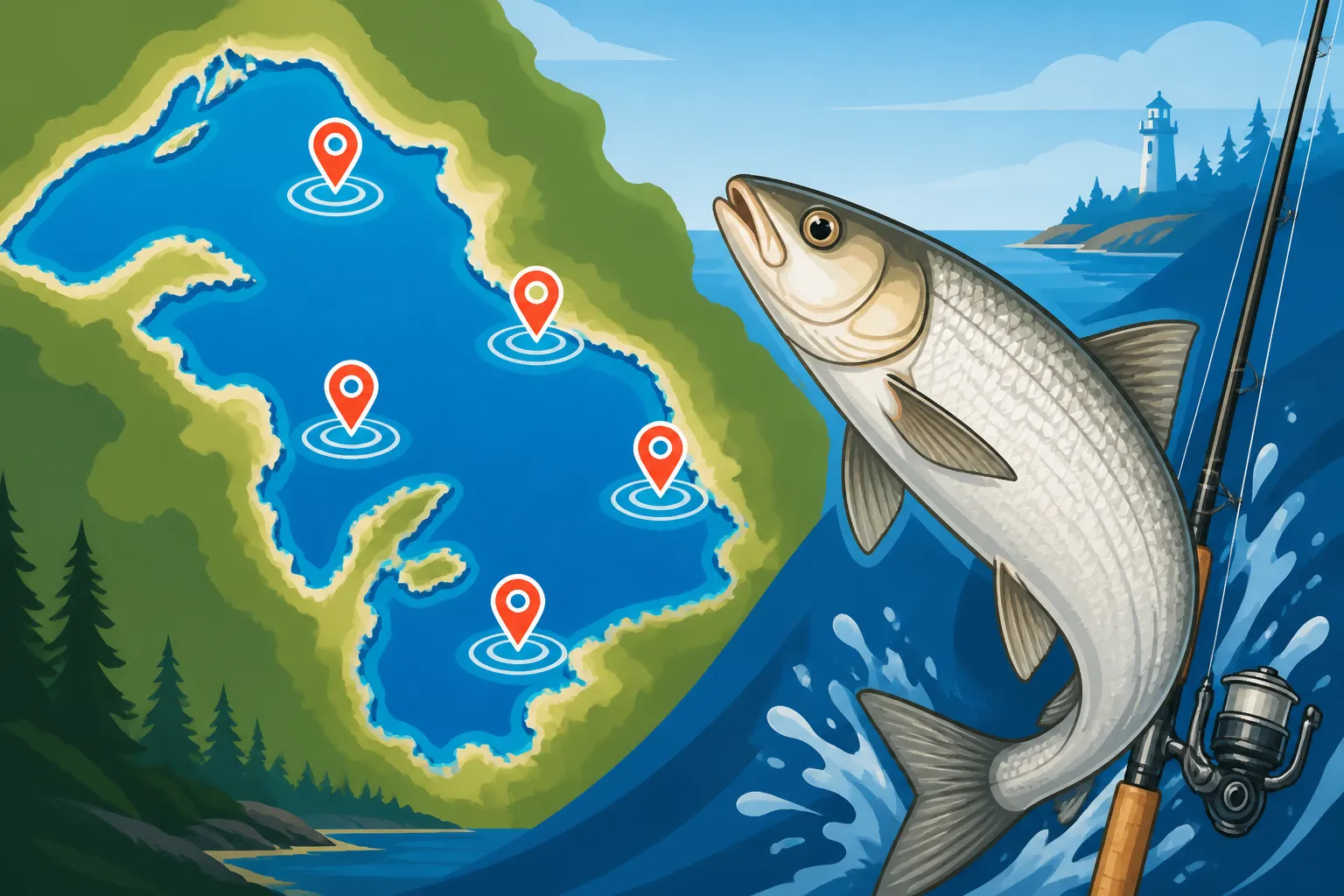
For many anglers, finding whitefish on Lake Huron can feel like searching for a needle in a vast, blue haystack. These elusive, deep-water dwellers are a prized catch, offering both a rewarding fight and excellent table fare, but their preference for cold, often remote depths makes locating them a genuine challenge. This comprehensive guide will illuminate the best whitefish spots on Lake Huron, delve into their seasonal movements, and equip you with the techniques and knowledge to consistently bring these silver beauties to your net.
Understanding Lake Huron Whitefish Behavior
Before we can even begin talking about specific spots, it's crucial to understand what makes a whitefish tick. These aren't your typical shoreline bass or panfish; they thrive in a very particular environment and behave differently throughout the year. Knowing their habits is half the battle when trying to pinpoint them in such a massive body of water as Lake Huron.
Whitefish Biology and Preferred Habitat
Lake Huron whitefish (Coregonus clupeaformis) are members of the salmon family, known for their streamlined bodies and silvery scales. They are perfectly adapted for life in deep, cold, oxygen-rich waters. While you might occasionally find them shallower, their comfort zone is typically in areas where the water temperature remains consistently cool, often ranging from 40-55°F (4-13°C).
Their diet consists primarily of benthic invertebrates – creatures that live on or near the lakebed. Think aquatic insects, small crustaceans like amphipods, and even tiny gobies or sculpins. This means they spend a lot of time "bottom feeding," which is a key piece of information for anglers. They're not often chasing flashy baitfish near the surface like salmon or aggressive pike. Their mouths are relatively small and soft, designed for sucking up small organisms rather than engulfing large prey. This explains why small, subtle baits and presentations often work best.
When it comes to structure, whitefish are drawn to specific features in the lakebed. Look for deep shoals, submerged humps, rocky ledges, and sharp drop-offs that transition from shallower flats into deeper troughs. These areas provide cover, current breaks, and prime feeding grounds where invertebrates congregate. Unlike some species that might prefer dense weed beds, whitefish are more typically associated with hard, rocky bottoms, gravel, or even sand, as long as it's deep and cool. The sheer vastness of Lake Huron means these features are often found far from shore, necessitating boat access and good electronics to locate them effectively.
Seasonal Movements of Lake Huron Whitefish
Whitefish are constantly on the move, dictated largely by water temperature, food availability, and spawning cycles. Understanding these seasonal migrations is paramount to finding them.
- Spring (Ice-out to early June): As the ice recedes and the lake begins to warm slightly, whitefish might move into slightly shallower waters, especially around larger bays and river mouths, seeking out food sources that are becoming active. However, "shallower" for a whitefish can still mean 30-60 feet of water. They're still cold-water creatures. This can be a great time for jigging or even some shallow trolling before they descend to their summer haunts.
- Summer (June to August): This is when whitefish typically seek the deepest, coolest parts of the lake. They'll congregate around prominent deep-water structures like offshore humps, deep-water reefs, and steep drop-offs into very deep basins. Depths of 80-150 feet are common, and sometimes even deeper in the largest sections of Lake Huron. Locating these schools with a good Best Fish Finders for Ontario Lakes is essential, as they can be tightly schooled. If you're looking for How to Catch Lake Trout in Ontario, you might often find whitefish in similar deep, cold environments, though their feeding preferences differ slightly.
- Fall (September to November): As the water temperatures begin to cool significantly, whitefish become more active and start to move back towards shallower spawning grounds, usually in late fall. Spawning typically occurs over rocky shoals and reefs in depths ranging from 10 to 50 feet. This can offer some fantastic fishing opportunities, both for anglers targeting pre-spawn fish that are feeding aggressively, and later for those targeting the spawners themselves. This period is often a favorite for many veteran whitefish anglers due to the increased activity.
- Winter (Ice-over): Where safe ice forms, especially in protected bays like those found in Georgian Bay, whitefish become a prime ice fishing target. They'll often be found near the same deep-water structures they occupied in the fall, or even slightly deeper. Ice fishing for whitefish demands precision and patience, often with tiny baits and a very sensitive rod, making it a unique challenge. For more on this, check out our guide on Ice Fishing in Ontario.
Prime Whitefish Hotspots on Lake Huron
Lake Huron is a vast fishery, but certain areas consistently produce excellent whitefish catches due to their unique geological features and cold, clean waters. Knowing these areas can significantly cut down your search time. Remember, fishing regulations, including bag and possession limits, can vary by Fisheries Management Zone (FMZ). You can learn more by consulting the Ontario Fisheries Management Zones, Explained guide, or our comprehensive article on Ontario Fishing Regulations Explained.
Georgian Bay's Deeper Waters
Georgian Bay, often considered the "sixth Great Lake" due to its immense size and depth, is arguably one of the best whitefish destinations on Lake Huron. Its rugged Canadian Shield geology has created an intricate underwater landscape of deep channels, numerous islands, submerged humps, and vast basins – all prime whitefish habitat.
The sheer volume of deep, cold water here means whitefish populations thrive. When you're out on Georgian Bay, especially if you're exploring Georgian Bay Muskie Fishing spots, you'll find that muskie often feed on whitefish, indicating their abundance.
- Manitoulin Island Area: The waters around Manitoulin Island, particularly its northern and western shores, offer excellent deep-water access. Look for areas where the lakebed drops sharply from the island's perimeter into deeper channels. The North Channel itself is a fantastic whitefish fishery, with numerous deep shoals and reefs. Using a high-quality fish finder to mark schools suspended over structure in 80-150 feet of water is a common tactic here. Chartered trips available through services like FishingBooker often target these productive zones, with experienced captains who know the specific contours of the lakebed.
- Parry Sound to Pointe au Baril: This section of Georgian Bay is characterized by thousands of islands and deep, intricate channels. Whitefish will school up on the many submerged humps and rock piles that rise from the depths. Areas like the Rose Island Channel or the deeper waters north of Sans Souci are known producers. Anglers often target depths of 60-120 feet in summer, sometimes shallower in spring and fall. These spots often require a boat capable of navigating rough Georgian Bay waters; for advice on this, check out our Best Fishing Boats for Georgian Bay article.
- Offshore of the Eastern Shoreline (Owen Sound to Tobermory): While the immediate shoreline here can be shallower, venturing offshore from ports like Owen Sound, Meaford, or Wiarton will bring you into deep whitefish territory. Look for the massive deep-water basins and the edges of the Niagara Escarpment where it plunges into Lake Huron. This area can be particularly productive in the fall as whitefish move towards spawning areas.
Eastern Shoreline and Saugeen Bruce Peninsula
Moving south along Lake Huron's eastern shore, the Saugeen Bruce Peninsula and the coastline stretching down to Goderich also offer solid whitefish opportunities. While perhaps not as famed as Georgian Bay for its sheer volume, these areas provide more accessible options from various port towns.
- Kincardine and Port Elgin: The waters off Kincardine and Port Elgin are known for their deep-water access relatively close to shore. Anglers often launch from these marinas and head out to target depths of 60-120 feet, especially in summer. Whitefish here tend to hold near pronounced drop-offs and gravelly bottoms. Trolling with downriggers or vertical jigging over marked schools are popular and effective methods.
- Goderich to Grand Bend: Further south, the lake bottom becomes somewhat less rugged, but deep-water trenches and subtle humps still exist. Whitefish can be found here, often at similar depths. The key is to use your electronics diligently to locate schools or individual fish near the bottom. These areas can be excellent during the fall transition when whitefish might be found slightly shallower, making them easier to target. Services like FishingBooker can help you connect with local guides who specialize in these specific stretches of Lake Huron.
North Channel and Beyond
For those seeking a more remote and less pressured whitefish experience, the North Channel, extending westward from Georgian Bay towards Sault Ste. Marie, holds incredible potential. This area, bordered by Manitoulin Island to the south and the mainland to the north, is a vast, pristine wilderness.
- St. Joseph Island and Surrounding Waters: The deep, cold waters around St. Joseph Island and the passages leading into the main body of Lake Huron offer fantastic whitefish habitat. These areas are characterized by deep trenches, rocky points, and expansive shoals. Fishing pressure is generally lighter here, making for a potentially more productive experience if you're willing to venture further.
- The Deeper Main Lake Basin: Further west into the main body of Lake Huron, particularly towards the Michigan border, the lake opens up into immense deep-water basins. While these areas are vast and can be challenging to navigate without large, capable boats, they hold truly massive populations of whitefish. This is often the realm of commercial fishing operations, but recreational anglers with the right gear and knowledge can also find success, especially in areas with distinct underwater topographical features. For a more general overview of where to fish in the region, consult our Lake Huron Fishing Spots guide.
Here's a quick summary of some prime whitefish locations on Lake Huron:
| Location | Primary Depths (Summer) | Key Features | Best Seasons | Notes |
|---|---|---|---|---|
| Manitoulin Island Area | 80-150+ feet | Deep channels, offshore humps | Fall, Summer, Winter | Requires good electronics; charters often available. |
| Parry Sound to Pt. au Baril | 60-120 feet | Island maze, submerged rock piles | Spring, Fall, Summer | Navigate with caution; excellent structural fishing. |
| Kincardine/Port Elgin | 60-120 feet | Deep drop-offs, gravelly bottoms | Summer, Fall, Winter | Accessible from municipal marinas. |
| Goderich Offshore | 70-130 feet | Deep trenches, subtle humps | Fall, Summer | More open water; focus on bottom transitions. |
| North Channel (St. Joe) | 50-100+ feet | Deep passages, rocky points | Spring, Fall, Summer | Remote, less pressure; rewards persistent anglers. |
Effective Techniques for Lake Huron Whitefish
Once you've located a promising whitefish spot, the next hurdle is presenting your bait in a way that entices these often finicky eaters. Whitefish fishing is less about aggressive strikes and more about subtle presentations.
Vertical Jigging and Dropping
This is arguably the most popular and effective method for targeting whitefish, especially when they are schooled up over specific structures. The key is to get your bait directly to the bottom where they feed and impart subtle action.
- Tackle: You'll want a sensitive medium-light to medium-power spinning rod, typically 6'6" to 7' in length, paired with a small, smooth spinning reel. Spool up with 6-10 lb braided line for maximum sensitivity, tied to a 6-10 lb fluorocarbon leader. A good leader material, like Seaguar InvizX, helps with abrasion resistance against rocky bottoms and provides stealth in clear Lake Huron waters.
- Baits: Small lures are paramount. Think 1/8 to 1/4 ounce tube jigs (white, pearl, or natural colors), small dropshot weights with tiny plastics (e.g., Berkley Gulp! Minnows or Trigger X Panfish Baits), Swedish Pimples, or even small jigging Rapalas. Some anglers also swear by small spoons like the Williams Wabler, especially tipped with a piece of minnow or a single maggot for added scent. These can be particularly effective during various Ontario Fishing Seasons by Zone and Month.
- Presentation: Drop your lure to the bottom, then reel up a foot or two to clear any snags. The technique involves a lot of subtle lifts and drops, barely moving the rod tip. Whitefish often "mouth" the bait, and the bite can feel like a slight increase in weight, a subtle tap, or even just slack line. Pay extremely close attention to your rod tip and line. If you're struggling to feel bites, try a slightly lighter jig. You might find similar techniques useful if you're exploring Trolling Techniques for Ontario Lake Trout.
- Electronics: A quality fish finder is non-negotiable for vertical jigging. You need to see the bottom structure, mark individual fish, and ensure your lure is getting to the correct depth. Many times, whitefish will suspend just off the bottom or hug it tightly.
Downrigging and Trolling
When whitefish are scattered over large, relatively flat deep-water areas, or when you're trying to cover a lot of ground to find them, trolling with downriggers can be highly effective. This method allows you to present lures at precise depths.
- Tackle: Heavier trolling rods are typically used, with line counters on reels to monitor lead lengths. Downriggers are essential to get your lures to the significant depths where whitefish reside.
- Baits: Small spoons (e.g., Northern King, Dreamweaver, Little Cleo) or dodgers paired with small flies or squid imitations are popular choices. Colors vary, but silver, blue/silver, green/silver, and chartreuse are often productive in clear Lake Huron waters.
- Depth Control: Whitefish are often found very close to the bottom. Your downrigger balls should be running just above or occasionally ticking the lakebed. Speed is also critical; a slow, deliberate troll (around 1.5-2.5 mph) is usually best. Experiment with different depths and speeds until you find what triggers bites.
- Side Planers: While downriggers get the lures deep, side planers can be used to spread out lines closer to the surface in conjunction with smaller weights, especially if whitefish are suspending higher or if you're targeting other species alongside them.
Ice Fishing for Whitefish
Once safe ice forms on Lake Huron, particularly in protected bays and inlets of Georgian Bay, whitefish become a prime target for ice anglers. The same principles of deep-water, subtle presentations apply.
- Gear: A sensitive ice rod (medium-light to medium action, 28-36 inches), a small spinning reel, 6-8 lb braided line with a fluorocarbon leader, and an ice auger capable of drilling through thick ice are standard. A portable fish finder or "flasher" is crucial for seeing your lure and marking fish.
- Lures: Small jigging spoons (1/8-1/4 oz) like Swedish Pimples, slender Hali jigs, or small Jigging Rapalas are common. Tipping these with a maggot, wax worm, or a small piece of minnow can significantly increase strikes.
- Technique: Similar to open-water jigging, subtle lifts and drops are key. Many anglers will try a "dead stick" approach with a second rod, leaving a baited hook suspended just above the bottom while actively jigging with the other. Watch your flasher for fish approaching your lure and adjust your presentation accordingly. Sometimes a sharp, aggressive jig will call them in, and then a subtle quiver will seal the deal. Remember to always be aware of Ontario Bag and Possession Limits by Species for whitefish before heading out.
Best Times and Conditions for Whitefish
Timing and environmental conditions play a huge role in successful whitefish angling on Lake Huron. Knowing when they're most active and what conditions they prefer can give you a significant advantage.
Seasonal Best Bets
As mentioned, whitefish movements are heavily tied to the seasons.
- Late Fall (October-November): This is arguably the absolute best time for whitefish on Lake Huron. As water temperatures drop, whitefish move towards their spawning grounds on rocky shoals and reefs, often in more accessible depths (20-50 feet). They are also actively feeding to build up energy for spawning. This period offers fantastic opportunities for jigging and even some shallow trolling. The fish are often more aggressive and concentrated.
- Early Spring (May-Early June): After ice-out, whitefish can be found moving into slightly shallower areas as the lake begins to warm up. They are often hungry after a long winter and will feed actively. While they may still be in deeper water, they're often more responsive to lures than in the dog days of summer.
- Hardwater Season (January-March): For dedicated ice anglers, winter provides excellent whitefish action, especially in Georgian Bay's protected areas. While the conditions can be harsh, the fish are often schooled and can be targeted effectively with appropriate ice fishing gear and techniques.
Weather and Water Conditions
Whitefish are sensitive creatures, and external conditions can greatly influence their activity levels.
- Water Clarity: Lake Huron is known for its exceptionally clear waters, and whitefish generally prefer it this way. This means stealthy presentations and good fluorocarbon leaders are crucial. After heavy rains that might muddy shallower areas, whitefish often retreat to deeper, clearer water.
- Temperature: Consistent, cold water is what whitefish crave. Sudden drops in air temperature (a cold front) can sometimes slow them down, making bites more subtle. Conversely, stable weather patterns with consistent barometric pressure often lead to more active feeding.
- Time of Day: While whitefish can be caught throughout the day, early morning and late afternoon/dusk often see increased feeding activity. In some cases, night fishing can be productive, especially if you're targeting them closer to the surface in shallower areas during fall. However, for deep-water whitefish, daylight is usually preferred for precise depth control and locating schools with electronics.
- Wind and Waves: For open-water boat fishing, calm to moderate conditions are preferable, not just for safety but for ease of fishing. Strong winds and heavy chop make it difficult to maintain precise depth control for jigging and can obscure subtle bites. However, some anglers report that a slight chop on the water can actually help diffuse light and make whitefish less wary, as long as it doesn't hinder your presentation.
Finding the best whitefish spots on Lake Huron is a rewarding challenge that combines understanding fish biology, using advanced electronics, and honing precise fishing techniques. By focusing on the deep, cold, structured waters of Georgian Bay, the Saugeen Bruce Peninsula, and the North Channel, and timing your trips with the most active seasons, you'll significantly increase your chances of landing these prized Great Lakes fish. Whether you're hiring a local guide through FishingBooker or heading out on your own adventure, the thrill of hooking into a hard-fighting Lake Huron whitefish is an experience every angler should cherish.
Disclaimer
Fishing regulations can change frequently. Always consult the latest official Ontario Fishing Regulations Summary before heading out on the water to ensure you are compliant with all rules and limits for your specific zone and target species. The information provided here is for general guidance only.