Best fishing spots between Kingston and the Thousand Islands
Trying to navigate the incredible fishing opportunities between Kingston and the Thousand Islands can feel overwhelming, with so much water to explore and so many species to target. It's easy to get lost in the sheer scale of it all, wondering where to even begin for a truly productive day on the water. This guide is here to cut through the confusion, offering a detailed breakdown of the best spots and strategies to make your angling adventure in this iconic region a resounding success.
Understanding the Unique Waters of Kingston and the Thousand Islands
The stretch of water connecting Kingston to the legendary Thousand Islands is more than just a scenic wonderland; it's a dynamic and incredibly rich fishery. This region marks a pivotal transition point where the vast, deep waters of Lake Ontario narrow into the majestic St. Lawrence River, creating a unique hydrological system that supports an astounding diversity of fish species. It’s not just one type of water; it’s a mosaic of different environments, each with its own quirks and inhabitants.
A Confluence of Major Waterways
Picture this: you're sitting in a boat, and beneath you, the deep, clear, often chilly waters of Lake Ontario are meeting the slightly warmer, more current-driven flow of the St. Lawrence River. This isn't a gentle merge; it's a powerful interaction that sculpts the underwater landscape and dictates where fish live and feed. The Kingston Basin, right at the start, still carries much of Lake Ontario's character, featuring significant depth, rocky shoals, and abrupt drop-offs. As you move eastward towards places like Gananoque and Brockville, the river characteristics become more pronounced – think faster currents, intricate island systems, and narrower channels. This constant flow brings in nutrients, oxygen, and baitfish, creating a vibrant ecosystem. Understanding this fundamental shift from lake to river dominance is key to unlocking the region's fishing potential.
Diverse Habitats for Diverse Fish
The geological history of the Thousand Islands region has left behind an underwater playground of epic proportions. We're talking about submerged rock piles, intricate weed beds in shallower bays, sharp current seams around islands, deep shipping channels, and expansive flats. Each of these habitats attracts different species seeking food, shelter, or spawning grounds. For instance, the sheer cliffs and deep pockets around Wolfe Island might hold monster lake trout, while the extensive weed lines in quieter bays are prime territory for largemouth bass or northern pike. The current-swept shoals, on the other hand, are classic walleye country. This incredible variety means you can often target multiple species in a single day, simply by moving from one type of structure to another. The fishing here is rarely boring because the landscape itself is so varied and full of surprises.
Prime Locations for Angling Success
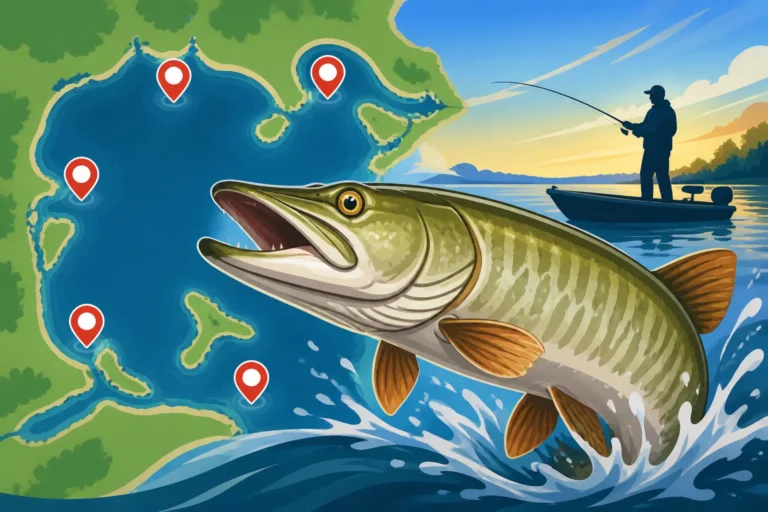
When you're looking at a map of this stunning corridor, it's easy to see just how many islands, bays, and channels there are. Knowing where to focus your efforts can save you a lot of time and lead to a lot more fish. From the deep basin near Kingston to the intricate island mazes, each segment of this journey offers distinct opportunities for anglers.
The Kingston Basin: Deep Water and Structure
The area immediately surrounding Kingston, often referred to as the Kingston Basin, is essentially the easternmost finger of Lake Ontario before it fully transitions into the St. Lawrence River. This means you'll find deeper water here, often exceeding 100 feet in places, with a prominent presence of baitfish like alewives and smelt, which draw in larger predators. Target species here often include lake trout, especially in the cooler months, and impressive walleye, which relate to the extensive deep-water structure. Look for underwater humps, points, and sudden drop-offs where baitfish congregate. The mouths of rivers like the Cataraqui River also offer fantastic opportunities, particularly during spring and fall migrations. Trolling with downriggers or heavy spoons is a common tactic for lake trout, while vertical jigging or drifting with bottom bouncers can be deadly for walleye. This area also sees excellent smallmouth bass fishing around rocky shorelines and submerged shoals, especially when they move shallower in warmer weather.
Gananoque and the Central Thousand Islands
As you move east from Kingston, past Wolfe Island and its vast expanse, you enter the heart of the Thousand Islands, with Gananoque serving as a fantastic hub. This is where the St. Lawrence River truly begins to assert its identity, and the islands multiply, creating a labyrinth of channels, bays, and rocky points. The fishing here is exceptionally diverse. Smallmouth bass absolutely thrive in the rocky, current-swept environments, often found near points, around islands, and over broken rock bottoms. Largemouth bass will be tucked away in shallower, weedier bays, particularly those with docks or fallen timber. This area is also renowned for its muskellunge fishing, with anglers often targeting them around weed edges, rocky reefs, and current breaks. The sheer amount of structure means that a good fish finder is invaluable for locating submerged features. Charter services and guides operating out of Gananoque, many of whom you can find on platforms like FishingBooker, have an intimate knowledge of these complex waters. Remember to check the Ontario Smallmouth Bass Slot Limits and Ontario Muskellunge Season Dates and Limits to ensure you're fishing legally.
The Upper St. Lawrence: Current and Channels
Further east, past the major clusters of islands, the St. Lawrence River continues its journey, characterized by strong currents, deeper main channels, and slightly fewer, but often larger, islands. This stretch, leading towards Brockville and beyond, is a fantastic locale for river-dwelling species. Walleye fishing can be phenomenal here, especially in areas with current breaks, eddies, and subtle depth changes along the main channel. Look for areas where the river flow slows down, creating feeding zones. Northern pike are also prevalent, often lurking in ambush points along weed lines or near structures like old bridge piers. The river's strong currents also make for exhilarating fights, so be prepared with appropriate gear. St Lawrence River walleye fishing access and St Lawrence River muskie fishing access are popular search terms for anglers looking to pinpoint specific entry points and hotspots in this area. Boaters should be particularly mindful of navigation, as currents can be deceptive and the main shipping channel sees heavy traffic.
Targeting Key Fish Species in the Region
With such a diverse underwater landscape, it's no surprise that the Kingston to Thousand Islands region is home to a wide array of sought-after game fish. Each species has its preferred habitat, feeding patterns, and best times to bite, making it a truly dynamic fishery. Knowing what you're after can help you tailor your approach and improve your success rate.
Walleye: The Golden Opportunity
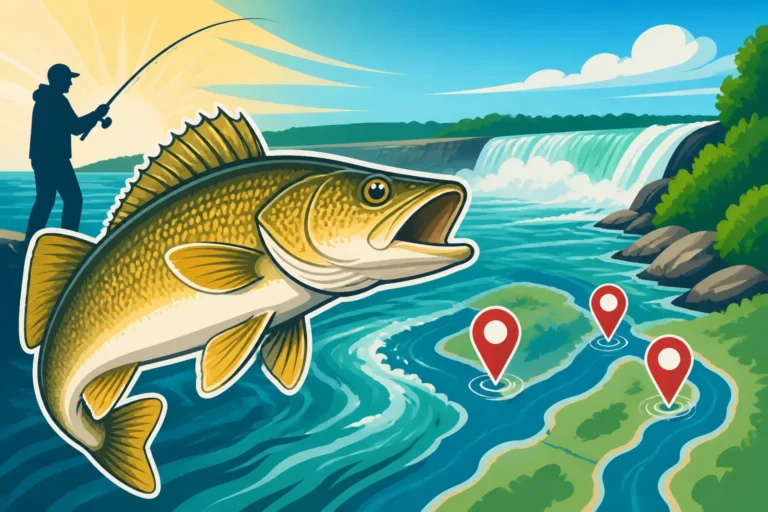
Walleye are undoubtedly one of the stars of the show in this region, particularly in the St. Lawrence River sections. These elusive fish prefer cool, oxygen-rich waters and are often found relating to structure near current. In the Kingston Basin, they might hold in deeper water over humps and reefs. As you move into the river system, they'll congregate in current seams, behind islands, and along the edges of the main shipping channel. Early morning, late evening, and even night fishing are often the most productive times, as walleye are notoriously light-sensitive. Popular techniques include jigging with soft plastics or blade baits, trolling with crankbaits (especially those mimicking alewives or perch), and drifting with worm harnesses. The Ontario Walleye Opener Dates by Zone are crucial to know before planning your trip, as fishing seasons can vary. For more in-depth strategies, explore resources like How to Catch Walleye in Ontario.
Smallmouth Bass: Bronze Back Brawlers
If you love a hard-fighting fish that jumps and pulls, the smallmouth bass in the Thousand Islands will quickly become your favourite. This region is famous for its abundant and robust smallmouth population. They thrive in the rocky, clear water environments characteristic of the islands, gravitating towards points, shoals, drop-offs, and current breaks. You'll find them shallower during the spring and early summer, especially around spawning beds, and then moving to deeper structures as the water warms. Effective techniques include casting tube jigs, Ned rigs, drop shots, and small crankbaits or jerkbaits. Topwater lures can be incredibly exciting during calm mornings or evenings when bass are actively feeding on the surface. When targeting these feisty fish, it's always good to review the specific regulations in the Ontario Fishing Regulations Explained to ensure you're compliant with catch limits and size restrictions for this popular species.
Northern Pike and Muskellunge: Apex Predators
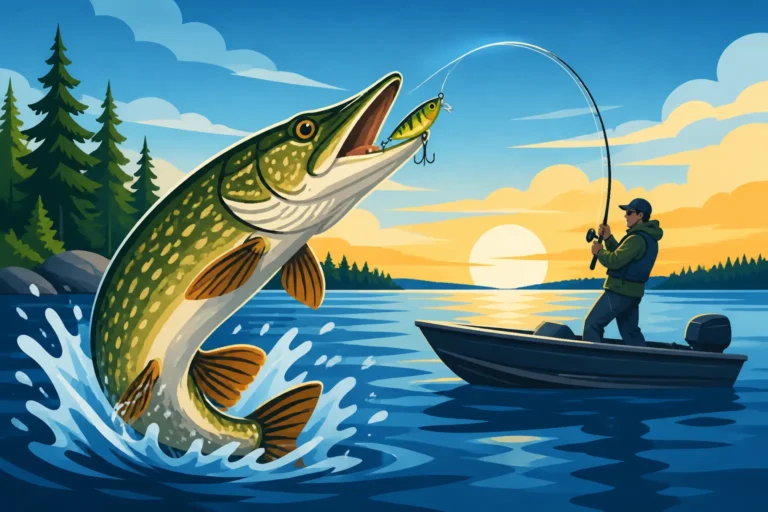
For those seeking a true adrenaline rush, the Kingston to Thousand Islands corridor offers exceptional opportunities for both northern pike and the majestic muskellunge. Pike are widespread throughout the region, often found in weed beds, around submerged timber, and in shallower bays where they can ambush prey. Muskies, on the other hand, are the undisputed kings of these waters, growing to immense sizes and offering a challenge that few other fish can match. They are often found in similar habitats to pike but tend to relate to larger, more significant structure like vast weed flats, rocky points, and current breaks in deeper water. Large inline spinners, jerkbaits, glide baits, and soft plastic swimbaits are standard muskie fare. The key to muskie fishing is persistence and specialized gear. Consider chartering a guide through platforms like FishingBooker for a dedicated muskie hunt, as their expertise can significantly increase your chances. Always have a large Best Landing Net for Muskie and long-nosed pliers ready for safe handling and release, as these giants require careful management.
Panfish and Perch: Family Fun
While the trophy fish get a lot of attention, this region also offers fantastic opportunities for panfish and yellow perch, making it an excellent destination for family outings or beginners. Crappie, bluegill, and sunfish can be found in abundance in the shallower, weedier bays and around docks throughout the islands. Yellow perch are prolific in both the lake and river sections, often schooling in large numbers over sandy or muddy flats, and around weed lines. These species are perfect for light tackle, offering consistent action and a great way to introduce new anglers to the sport. A simple worm under a bobber, small jigs, or tiny spinners are all you need to have a successful day catching panfish. Plus, a fresh catch of yellow perch makes for an incredibly delicious shore lunch!
Essential Tips for Fishing the Kingston to Thousand Islands Corridor
Fishing in such a unique and expansive area requires a bit more preparation and knowledge than your average local pond. The combination of big water, strong currents, and intricate navigation means that a well-thought-out approach will always yield better results and a safer, more enjoyable experience.
Navigating the Waters Safely
The Thousand Islands stretch of the St. Lawrence River is known for its beauty, but also for its complexity. The sheer number of islands, shoals, and hidden rocks means that navigation can be tricky, especially if you're unfamiliar with the area. Always consult up-to-date nautical charts and, if you're operating a motorized vessel, ensure you have your Ontario Pleasure Craft Operator Card Requirement. The main shipping channel is heavily used by large freighters, creating significant wakes and requiring constant vigilance. Furthermore, currents can be strong, especially after heavy rains or closer to rapids. It's not uncommon for recreational boats, even those booked through services like FishingBooker, to have advanced GPS and Best Fish Finders for Ontario Lakes to aid in safe passage and to locate prime underwater structure. Always let someone know your float plan, carry all required safety equipment, and adhere to Ontario Boating Laws for Anglers and Life Jacket Requirements for Ontario Boaters.
Best Practices for Gear and Technique
Given the diversity of species and environments, a versatile tackle box is a must. For the deeper, open waters of the Kingston Basin and for targeting large predators, consider heavier spinning or baitcasting setups. For the intricate island channels and bass fishing, medium-light to medium-heavy rods will offer more sensitivity and control. Braided line with a fluorocarbon leader is a popular choice for its strength and invisibility in clear waters. Don't forget a selection of lures that mimic common baitfish like perch, smelt, and alewives. For walleye, lipless crankbaits and jigs are staples. For smallmouth, tubes, drop shots, and topwaters are key. For muskie and pike, large bucktails, jerkbaits, and soft plastics are necessary. Having a good understanding of Best Fishing Rods for Ontario Lakes and Best Boats for Ontario Lakes and Rivers can help you select the right equipment. Carrying a variety of weights and hook sizes will also ensure you're prepared for different depths and species.
Seasonal Considerations for Peak Fishing
The fishing in the Kingston to Thousand Islands region changes dramatically with the seasons, making it a year-round destination for dedicated anglers.
- Spring (Ice-out to late May): This is prime time for walleye and pike as they emerge from their winter haunts and become very active. Water temperatures are cooler, and fish are often shallower. Post-spawn smallmouth bass also begin to feed aggressively, though a catch-and-release period might be in effect to protect spawning fish.
- Summer (June to August): The warmer months offer fantastic smallmouth and largemouth bass action, especially with topwater lures in the mornings and evenings. Walleye often move to deeper current-swept structures. Muskie activity picks up significantly, with dedicated anglers spending long hours chasing these giants. Panfish are abundant and provide consistent action.
- Fall (September to November): This is arguably the best time for trophy hunters. Cooler water temperatures spark intense feeding frenzies for walleye, pike, and especially muskie, as they fatten up for winter. Smallmouth bass also school up and become aggressive, offering some of the best fishing of the year. Lake trout fishing in the Kingston Basin can also be exceptional.
- Winter (December to March): While not as widely publicized, ice fishing can be productive in certain bays and shallower areas that freeze over, particularly for perch and pike. However, due to the constant current in the St. Lawrence River, stable ice conditions are less common than on other Ontario lakes, and extreme caution is advised. Always check local ice conditions before venturing out.
To make sure you're always fishing within the rules, a quick glance at the Reading the Ontario Fishing Regulations Summary before each trip is highly recommended.
Here's a quick overview of some prime spots and what you might find there:
| Location / Feature | Primary Species Targeted | Best Techniques | Key Characteristics |
|---|---|---|---|
| Kingston Basin / Wolfe Island area | Walleye, Lake Trout, Smallmouth | Trolling, Jigging, Drifting | Deep water, rocky shoals, significant current |
| Gananoque River Mouth | Walleye, Pike, Bass | Casting, Jigging | Transition zone, current breaks, varied structure |
| Thousand Islands National Park (various islands) | Smallmouth Bass, Muskie, Pike | Casting, Trolling (for Muskie) | Rocky islands, submerged structure, current seams |
| Ivy Lea / Rockport Channels | Walleye, Smallmouth Bass, Muskie | Jigging, Trolling, Casting | Strong currents, deep channels, rocky points |
| Weed beds in sheltered bays | Largemouth Bass, Pike, Panfish | Topwater, Spinnerbaits, Jigs | Shallow, dense vegetation, calmer water |
Disclaimer
Please be aware that fishing regulations in Ontario, including seasons, limits, and licensing requirements, can change. Always consult the most current official Ontario Fishing Regulations Summary before heading out on your fishing trip to ensure compliance. This guide is for informational purposes only and does not supersede government regulations.