Best time to fish Lake Erie in summer
Summer fishing on Lake Erie can often feel like a roll of the dice. One day, you're reeling in fish after fish, and the next, it feels like the lake has swallowed every last one, leaving you wondering if you're even fishing at the right time. It's a massive, dynamic body of water, and understanding its rhythms, especially during the warmer months, is key to turning those frustrating days into memorable catches. This guide is all about demystifying summer fishing on Lake Erie, helping you pinpoint those prime windows for success.
Understanding Lake Erie's Summer Dynamics
Lake Erie in the summer is a completely different beast than it is in the spring or fall. The water warms up significantly, especially in the shallower western basin, and this heat profoundly impacts where fish are, what they're eating, and when they're most active. Ignoring these fundamental changes is a common mistake many anglers make, leading to endless hours of fruitless casting. To truly unlock the lake's potential, you need to think like a summer fish.
Thermal Stratification and Baitfish Patterns
As the summer progresses, Lake Erie, particularly its deeper central and eastern basins, undergoes a process called thermal stratification. This means the water column divides into distinct layers: a warm surface layer (epilimnion), a transition layer with rapid temperature change (thermocline), and a cold bottom layer (hypolimnion). For many of our target species, like walleye and lake trout (though less common in Erie), the thermocline becomes a crucial zone. It offers cooler, more comfortable temperatures and often concentrates baitfish, which are drawn to plankton blooms at this depth.
However, the shallower western basin often doesn't stratify significantly due to its depth and constant mixing from wind and current. Here, fish react more to overall water temperature and oxygen levels. Baitfish, primarily emerald shiners and gizzard shad, will also move into different areas. They might be found schooled up over open water, tucked into weed edges in shallower bays, or migrating with subtle currents. Understanding these patterns is like having an insider tip; if you can locate the bait, you're often not far from the predators. For a more comprehensive look at fishing this incredible body of water, check out our full Lake Erie Fishing Guide.
The Impact of Summer Pressure
Let's be real, Lake Erie is popular, especially in the summer. Weekends, in particular, see a huge increase in boat traffic, from pleasure cruisers to dedicated fishing charters. This intense pressure can make fish more wary and push them into deeper, less disturbed areas or cause them to feed during less conventional times. Early mornings and late evenings become even more critical because that's when the human activity often dies down.
Imagine being a walleye, constantly hearing boat engines, feeling vibrations, and seeing hundreds of lines in the water. It’s enough to make anyone shy! Experienced anglers know that adapting to this pressure is crucial. This might mean getting out before sunrise, staying out after sunset, or even focusing on weekdays if your schedule allows. It also means being more stealthy in your approach, whether that's using lighter line, smaller presentations, or simply being quieter on the water.
Prime Fishing Windows: Best Times of Day for Summer Fishing
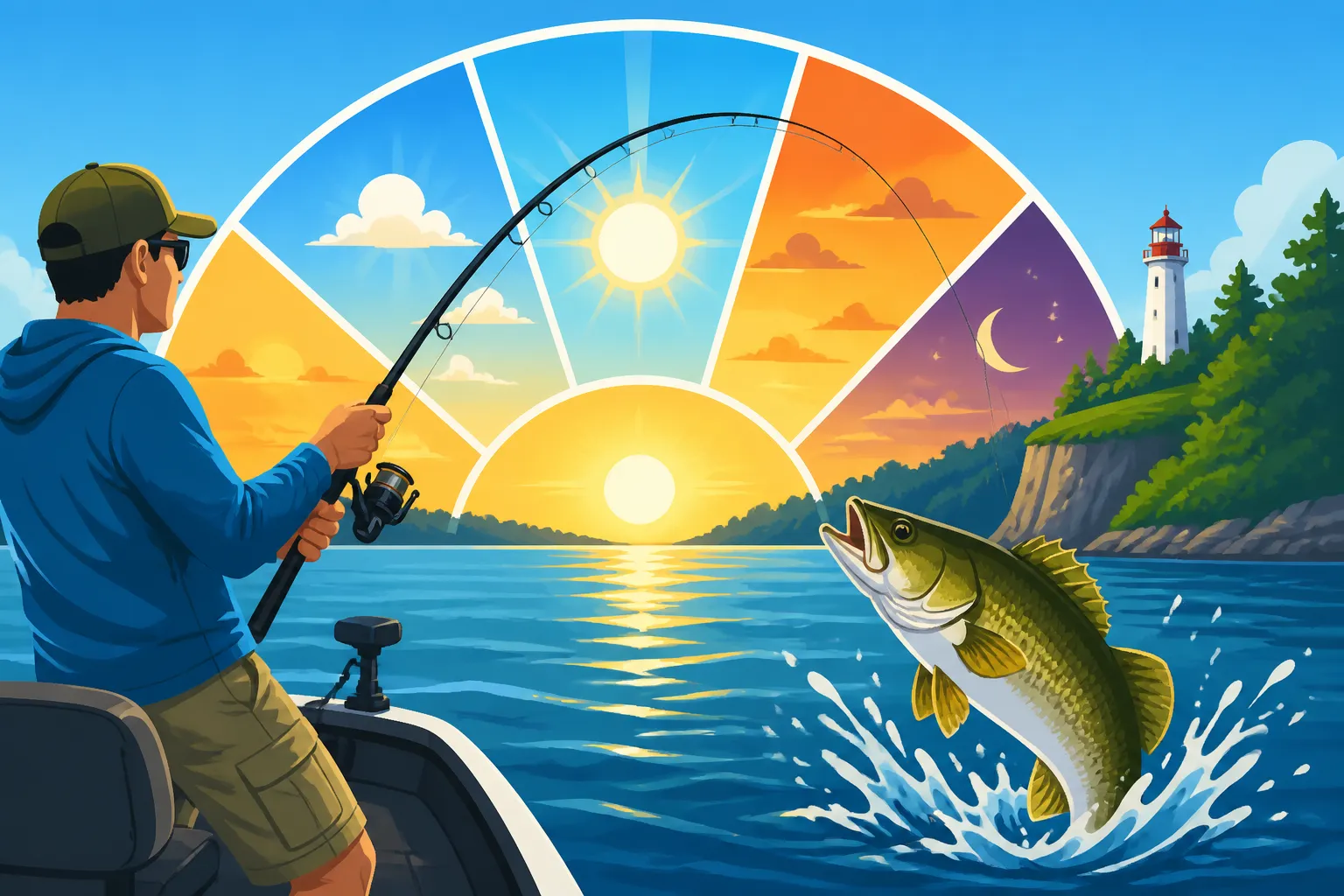
When it comes to the "best time," many anglers immediately think of time of day, and for good reason. The sun's position, temperature fluctuations, and light penetration play a huge role in fish behavior. While there's no magic bullet for every single day, there are certainly peak windows that statistically yield more bites.
Dawn and Dusk: The Golden Hours
Ah, the "golden hours" – this isn't just a romantic notion for photographers; it's a cold, hard fact for summer anglers on Lake Erie. Both dawn and dusk offer significantly lower light levels and cooler water temperatures, especially closer to the surface. These conditions often trigger aggressive feeding behaviors in many species, particularly walleye.
As the sun begins to peek over the horizon, or dips below it, fish that have been lying dormant in deeper water or heavy cover often push into shallower feeding flats or suspend higher in the water column to ambush baitfish. This is your prime opportunity for actively casting baits or trolling crankbaits through these transition zones. For an in-depth look at this particular timing, you might find our article on the Best Time of Day to Catch Walleye incredibly useful. The reduced boat traffic during these times also contributes to a more relaxed feeding environment for the fish.
Midday Strategies: Beating the Heat and the Sun
Let's face it, not everyone can be a dawn patrol or twilight troller. Life happens, and sometimes midday is the only time you can get out on the water. While it can be more challenging, it's certainly not impossible to find success. The key is to adapt your tactics to the harsh midday sun and warmer water.
During the brightest, warmest parts of the day, many fish will retreat to deeper, cooler waters or seek out shade and structure. This means shifting your focus to the thermocline (if present) or searching for underwater humps, rock piles, or channel edges in deeper basins. Trolling becomes an even more dominant technique, allowing you to cover vast amounts of water at specific depths with precision. Using your electronics to mark baitfish and structure is absolutely paramount during these hours. You might also consider slowing down your presentation, as fish can be more lethargic.
Targeting Key Species: Walleye and Yellow Perch
Lake Erie is famous for its incredible walleye and yellow perch fisheries. Each species has its own quirks and preferences, especially during the summer, and understanding these can drastically improve your catch rates.
Summer Walleye Strategies
Walleye are the undisputed kings of Lake Erie, and summer offers some fantastic opportunities to target them, though they'll often be found deeper than in spring. As temperatures climb, walleye typically move away from shallow spawning grounds and into deeper, cooler open water, often suspending near the thermocline or holding tight to bottom structure in 30-70 feet of water.
This makes trolling one of the most effective techniques. Anglers use a variety of lures, from deep-diving crankbaits to crawler harnesses, often deployed with planer boards to cover a wide swath of water. Matching your lure depth to the fish and bait you're marking on your fish finder is crucial. For detailed insights into the best offerings, check out our guide on the Best Baits for Walleye on Lake Erie. Brands like Rapala, Bandits, and Reef Runner are perennial favorites among Lake Erie walleye anglers, and you can find a huge selection of these on Amazon. The clearer eastern basin might require longer leads and more natural colours, while the western basin often produces on brighter, bolder hues.
Targeting Lake Erie Yellow Perch
While walleye steal a lot of the headlines, Lake Erie's yellow perch fishery is phenomenal, and summer is a fantastic time to fill a cooler with these tasty panfish. Perch are schooling fish, so when you find one, you've often found many. In summer, they tend to congregate over soft bottom areas, often near submerged weed beds, rock piles, or channel edges, typically in 20-50 feet of water.
The best time to target perch is often early morning or late afternoon when they are actively feeding. However, during cloudy days or when conditions are just right, they can bite all day long. Simple techniques like a drop-shot rig or a basic spreader rig tipped with emerald shiners, minnows, or even small pieces of worm are incredibly effective. Drifting slowly with the current or anchoring over a known perch hot spot are common methods. Always remember to check the Ontario Yellow Perch Limit on Lake Erie and Simcoe before you head out, as limits can vary. If you're in need of new rods for perch fishing, many excellent choices can be found on Amazon, often in lighter actions perfect for detecting those subtle perch bites. You can dive deeper into specific tactics with our Lake Erie Yellow Perch Fishing guide.
Weather and Water Conditions: Reading the Signs
Beyond the clock, Mother Nature has a significant say in when the "best time" to fish truly is. Ignoring her signals can leave you frustrated, while understanding them can give you a significant advantage.
Reading the Wind and Waves
Wind is arguably the single most important factor after temperature on Lake Erie. It can determine where baitfish are pushed, how currents flow, and even dictate what areas of the lake are safe to fish. A good, consistent breeze can be fantastic, creating a "walleye chop" that breaks up the light and makes fish more comfortable feeding higher in the water column. However, too much wind can make fishing impossible or even dangerous.
North, west, or southwest winds are often preferred for certain areas, as they can push warmer surface water and baitfish towards productive structures or shorelines. Heavy east winds, on the other hand, can create challenging waves and churn up bottom sediments, reducing visibility. Always check the marine forecast before heading out. Safety on Lake Erie is paramount, so ensure you're familiar with Ontario Boating Laws for Anglers and that everyone on board has a properly fitted life jacket. You can easily find comfortable, PFD-compliant life jackets on Amazon.
Post-Front Conditions and Pressure Changes
Every angler has experienced the frustration of a "post-front" bite, or rather, the lack thereof. After a strong cold front passes through, bringing clear skies, high pressure, and often a shift to cooler temperatures, fishing can become notoriously tough. Fish often become lethargic and less willing to bite. This isn't just an old wives' tale; it's a real phenomenon.
During these challenging periods, fish often retreat to deeper water, become less aggressive, and may only bite during very short windows. The best strategy is often to slow down your presentation, use more subtle baits, and thoroughly work smaller areas where fish might be concentrated. Sometimes, waiting a day or two after a strong front passes for the conditions to stabilize can make a huge difference. Don't be afraid to try different depths or areas, even those you might typically overlook. A good fish finder, perhaps one of the advanced models you can find on Amazon, can be invaluable for locating these tucked-away fish.
Optimal Summer Fishing Table for Lake Erie
To help consolidate some of this information, here's a quick reference table for general summer fishing conditions on Lake Erie:
| Species | Best Time of Day | Preferred Depth (Avg) | Best Conditions | Key Techniques |
|---|---|---|---|---|
| Walleye | Dawn, Dusk, Overcast Days | 30-70 feet | Light chop, stable barometer | Trolling (crankbaits, harnesses) |
| Yellow Perch | Early Morning, Late Afternoon | 20-50 feet | Calm to light chop, stable conditions | Drifting/Anchoring (minnows, worms) |
| Smallmouth Bass | Early Morning, Evening, Cloudy | 10-30 feet | Light chop, clear water | Drop-shot, Tubes, Crankbaits |
Note: These are general guidelines; local conditions, specific locations, and baitfish presence can always influence fish behavior.
Essential Gear and Tactics for Summer Success
Having the right gear is non-negotiable for summer fishing on Lake Erie. This massive lake demands robust equipment that can handle big fish and challenging conditions.
Selecting the Right Rods and Reels
For walleye, a medium-heavy action trolling rod is often preferred when pulling planer boards or downriggers, allowing for enough backbone to handle a fighting fish while providing sensitivity to detect subtle bites. If you're jigging or casting, a medium-light to medium-action spinning rod around 6'6" to 7' is a versatile choice. For perch, lighter gear is generally better – a light to ultralight spinning combo will make those perch feel like giants and increase your sensitivity.
The right rod can make all the difference, and a wide variety of excellent options, suitable for all budgets, can be browsed on Amazon. You can also gain further insights from our article on the Best Fishing Rods for Ontario Lakes. Pairing your rod with a reliable reel spooled with either monofilament, fluorocarbon, or braided line (depending on your technique) is crucial. For walleye, 10-20 lb braid with a fluorocarbon leader is a popular choice for sensitivity and strength.
The Power of Modern Electronics
In a lake as vast and deep as Lake Erie, a quality fish finder is not just a luxury; it's a necessity. Modern sonar units with CHIRP, Down Imaging, and Side Imaging capabilities can help you quickly locate baitfish schools, identify changes in bottom contour, and even spot individual fish holding to structure or suspended in the water column.
Learning to interpret what your fish finder is telling you will drastically cut down on wasted fishing time. Look for those "arches" that indicate fish, and pay attention to bait balls, as predators are rarely far behind. Brands like Humminbird and Lowrance offer fantastic units that are worth the investment. You can find many models and accessories for them on Amazon, enabling you to dial in your setup perfectly. For those looking to upgrade, our guide to the Best Fish Finders for Ontario Lakes offers a detailed breakdown. If you're primarily a solo angler, you might also consider a Best Kayak for Lake Erie setup, as many modern fishing kayaks can be equipped with advanced electronics to give you an edge.
Conclusion
Summer fishing on Lake Erie is an incredible experience, offering the chance to catch some truly impressive fish. While it can sometimes feel daunting due to the sheer size of the lake and the influence of changing weather, by understanding the lake's dynamics, targeting those prime dawn and dusk windows, adapting your techniques for specific species like walleye and yellow perch, and paying close attention to environmental factors, you can significantly increase your success. It's all about being prepared, being observant, and having a realistic approach to this magnificent fishery. Get out there, enjoy the beauty of the lake, and tight lines!
Disclaimer
The information provided in this guide is for general informational purposes only and is subject to change. Always consult the official Ontario Fishing Regulations Summary for the most current rules and regulations before heading out on your fishing trip. Fishing conditions can vary, and personal safety should always be your top priority.