Best technique for high water spring walleye fishing
Oh, spring walleye fishing in Ontario can be an absolute dream, but let's be real, it can also be a maddening puzzle, especially when the spring melt turns our beautiful rivers and lakes into a torrent of high, often murky water. You've been planning this trip all winter, picturing those golden fins, only to arrive and see a raging, brown mess. It's frustrating, I know, but don't hang up your rod just yet! This guide is all about equipping you with the best techniques to not just survive, but to truly thrive when facing those challenging high-water spring walleye conditions in Ontario.
Understanding High Water Challenges in Spring
Spring high water isn't just about a higher water level; it fundamentally changes the entire fishing dynamic. It's like the lake or river you know so well suddenly became a completely different beast, and understanding these shifts is your first step to success.
The Impact of Runoff on Walleye Behavior
When the snow melts and spring rains hit, our Ontario waterways swell, bringing a rush of cold, often sediment-laden water. This massive influx changes everything for walleye. Firstly, the increased current can disorient and scatter fish. Walleye, being opportunistic feeders, prefer to expend as little energy as possible, so they'll actively seek out areas where the current is less aggressive. This means they'll move out of the main channel and into calmer, more protected zones. Think about it: would you want to swim against a strong current all day just to grab a snack? Neither do they!
Secondly, this runoff often brings a significant drop in water temperature, especially if it's snowmelt. Walleye are cold-blooded, and their metabolism slows down in colder water. This translates to less aggressive feeding, a smaller strike zone, and a preference for slower-moving prey. They're not going to chase a fast-moving bait in these conditions; they're looking for an easy meal right in front of their noses. Understanding their natural instincts to conserve energy and find comfort is key to predicting where they'll be and what they'll eat.
Water Clarity and Temperature Swings
One of the most noticeable impacts of spring runoff is the dramatic change in water clarity. That beautiful, clear water you remember from last fall might now be the color of chocolate milk. This reduced visibility means walleye rely much more heavily on their other senses – their lateral line to detect vibrations and their keen sense of smell. They can't see your bait from a distance anymore, so you need to bring it directly to them, and it needs to make an impression.
Beyond clarity, the temperature swings can be quite drastic. Cold meltwater mixing with existing warmer water creates distinct thermal layers or pockets. Walleye, especially post-spawn, will actively seek out these warmer pockets, which might only be a degree or two warmer, but make all the difference to their comfort and activity levels. These pockets often form in shallower bays, protected coves, or where smaller, warmer tributaries enter the main body of water. Constantly monitoring your electronics for temperature readings can give you a significant advantage in locating these crucial zones. You'll often find that the Best water temperature for walleye fishing is a critical factor, and high water can throw a wrench into those ideal ranges.
Essential Gear for High Water Walleye
Dealing with high water means you need to adjust your arsenal. Your usual light tackle might not cut it when you're battling strong currents and trying to get a heavy bait down to the fish.
Rods, Reels, and Line Choices
When facing high water and increased current, your gear needs to be robust and provide maximum sensitivity and control. For rods, I'd lean towards something with a medium-heavy to heavy power, especially if you're dealing with a strong current or fishing larger baits. A longer rod, say 7 to 7.5 feet, can also give you better line control and allow for longer casts to reach those critical current breaks. Graphite rods offer excellent sensitivity, helping you detect those subtle walleye bites in murky water.
For reels, a sturdy spinning reel in the 3000-4000 series or a baitcasting reel with a reliable drag system is essential. When it comes to line, many anglers swear by braided line for its incredible sensitivity and zero stretch, which is a huge advantage when fishing in high current or deep water. It helps you feel every bump and subtle bite, even from a cautious walleye. I'd typically pair that with a fluorocarbon leader, anywhere from 10 to 20lb test, depending on the conditions. Fluorocarbon is nearly invisible underwater, offers good abrasion resistance against rocks and debris, and can be easily found on platforms like Amazon for a wide selection. When you're dealing with the power of high water, the right line makes all the difference in keeping your bait in the strike zone and feeling those light bites.
Lures and Baits That Shine in Murky Conditions
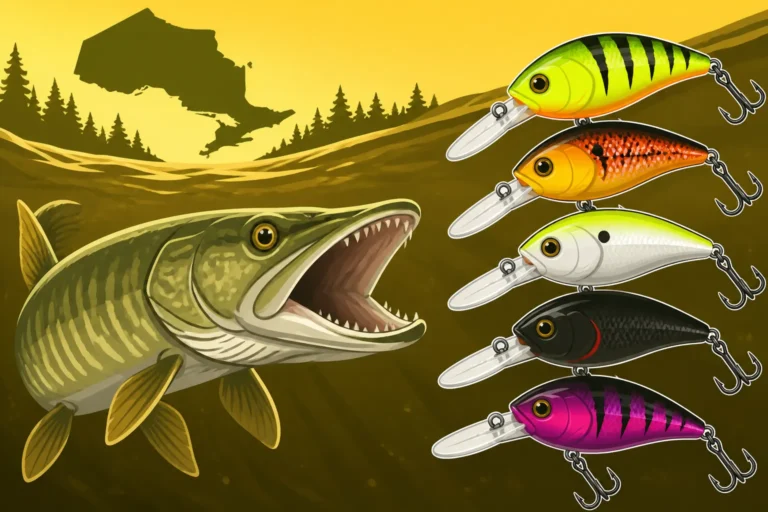
In high, often murky spring waters, sight isn't the primary sense walleye are using. Instead, you need lures and baits that appeal to their lateral line (vibration) and sense of smell. Larger, bulkier crankbaits with aggressive wobbles and rattles are fantastic. Think deep-diving models like the Rapala Shad Rap, Berkley Flicker Shad, or the ever-popular Reef Runner. Colors should be bright and contrasting – chartreuse, firetiger, hot orange, or even dark colors that create a strong silhouette against the lighter sky can be highly effective. For more specific color recommendations, you might want to check out Best lure color for muddy water walleye fishing.
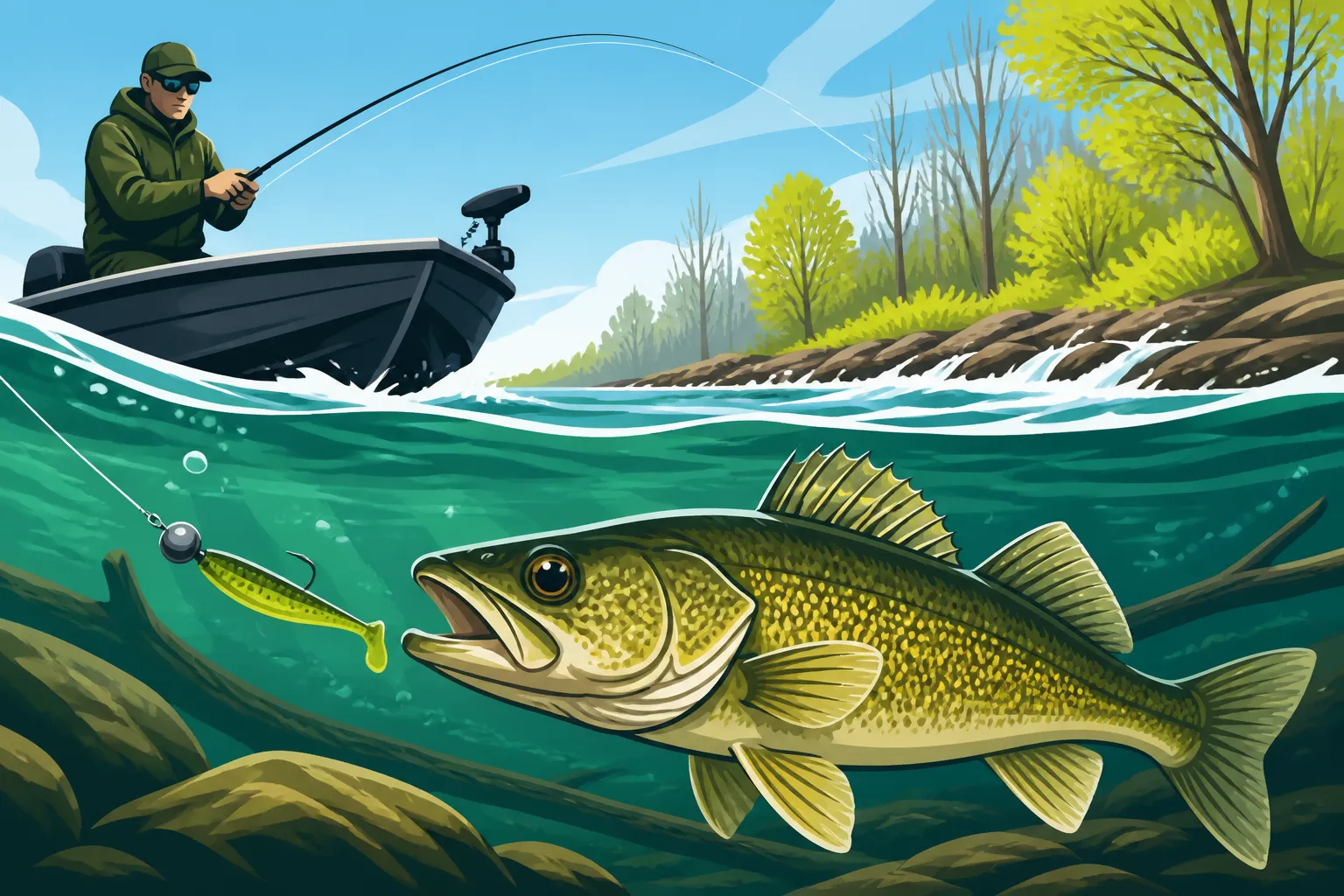
Jigs are another classic walleye killer, and in high water, you'll want heavier jigs (1/4 oz to 3/4 oz, sometimes even heavier in strong current) to ensure they get to the bottom and stay there. Tip them with scented soft plastics that have paddle tails or larger profiles to create more vibration. Brands like PowerBait or Gulp! are excellent choices, available through retailers like Amazon, as their scent dispersion can draw in walleye from a greater distance in low visibility. Blade baits, like the Johnson Thinfisher or Sebile Vibrato, also create incredible vibration and flash, making them excellent search baits when you're trying to locate fish. And let's not forget live bait! Minnows, leeches, or nightcrawlers fished on a jig or a bottom-bouncing rig are almost always effective, as their natural scent and subtle movements are irresistible to walleye, especially when they're not actively chasing. This is particularly true during the Spring Walleye Fishing Techniques for Ontario as fish are transitioning from spawn.
| Lure Type | Best Conditions in High Water | Why It Works |
|---|---|---|
| Deep-Diving Crankbaits | Murky, moderate to strong current | Strong vibration, loud rattles, covers water, reaches depth quickly. |
| Jigs with Soft Plastics | Murky, moderate current, targeting structure | Excellent vibration, scent options, can be worked slowly on bottom, versatile. |
| Blade Baits | Murky to stained, active fish | High vibration, flash, mimics distressed baitfish, good for vertical jigging. |
| Bottom Bouncers with Live Bait | Any clarity, strong current, targeting specific depth | Keeps bait on bottom, natural scent, slow presentation, highly effective. |
| Spinner Rigs (e.g., Lindy Rig) | Stained to clear, drifting/slow troll | Natural presentation of live bait, covers water slowly, subtle action. |
Proven Techniques for High Water Walleye Success
Once you've got your gear dialed in, it's time to put some proven strategies into action. High water demands a more intentional and often slower approach.
Focusing on Current Breaks and Slack Water
This is arguably the most critical technique for high-water walleye. Walleye will not fight a strong current if they don't have to. Instead, they'll tuck into any area that offers a reprieve from the flow. Think about features like the downstream side of islands, large boulders, bridge pilings, submerged logs, or even subtle changes in the riverbed contour that create an eddy or a "slack water" pocket. These are the sweet spots where walleye can rest, ambush prey, and escape the brunt of the current.
To fish these areas effectively, you need to position your boat (or yourself, if shore fishing) upstream and cast into or just above the current break. Allow your lure to drift naturally into the calmer water, imitating an injured baitfish getting swept into the refuge. For example, if you're fishing a point, cast up-current of the point and let your jig or crankbait swing into the eddy behind it. This presentation allows the walleye to easily grab the bait without having to fight the current themselves. Remember, the fish are often right on the edge of the current seam, waiting for an easy meal to pass by. Keeping your bait in this zone for as long as possible is key. You'll find many of these principles apply when trying to understand How to Catch Walleye in Ontario regardless of the water level.
Slow and Low Presentations
Given the colder water temperatures and reduced visibility, walleye in high spring water are generally less active. This means your presentations need to slow down significantly. Fast retrieves or quickly ripping baits through the water will likely be ignored. Instead, focus on techniques that keep your lure in the strike zone for extended periods and mimic a slow, struggling baitfish.
One excellent method is slow vertical jigging. Use those heavier jigs we talked about earlier, tipped with a scented soft plastic or live minnow. Drop your jig to the bottom, then lift it slowly a few inches or a foot, letting it fall back on a controlled slack line. The goal is to keep it hovering or slowly bouncing right where the walleye are holding. Another effective approach is dragging or slowly "grubbing" jigs along the bottom, creating puffs of sediment that can attract attention in murky water. For those using bottom bouncers with live bait, a super-slow troll or controlled drift is paramount. You want your bait barely moving, allowing its natural scent to disperse and entice a bite. Patience is a virtue here, as bites might be incredibly subtle, feeling like just a slight weight or a spongy resistance. Sometimes, these slow approaches are the only way to get a bite, especially when you're fishing How to fish right after the walleye opener.
Trolling and Drifting Strategies
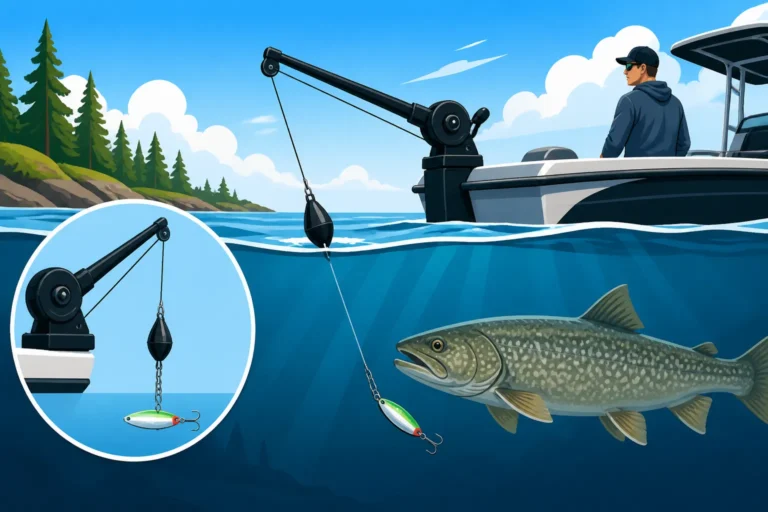
While precision casting to current breaks is crucial, sometimes walleye are more scattered, especially in larger rivers or early spring lakes with less distinct structure. This is where controlled trolling or drifting comes into its own. Trolling with deep-diving crankbaits (again, those with strong vibration and rattles) allows you to cover vast amounts of water efficiently, searching for those active fish. Use your depth finder to identify subtle changes in depth, submerged channels, or transitions from soft to hard bottom, as walleye will often relate to these features even in high water. Pay close attention to your speed – usually much slower than you'd troll in warmer, clearer conditions. You can find a vast array of crankbaits for different depths and speeds on Amazon, which can be really helpful for experimentation.
Controlled drifting is another powerful tactic, especially in rivers. This involves using your boat's motor (or a drift sock) to slow your drift speed, matching it to the current. You can then present jigs, bottom bouncers, or live bait rigs, allowing them to sweep through known walleye holding areas. The key is to maintain constant bottom contact or keep your bait just above the bottom, where walleye are most likely to be hunkered down. If you're drifting through a productive stretch, don't be afraid to make multiple passes, slightly adjusting your line or lure on each pass until you pinpoint what the walleye are reacting to. Understanding Ontario Boating Laws for Anglers is also important to ensure safe and legal operations while trolling or drifting.
Reading the Water and Adapting Your Approach
Walleye fishing in high water demands constant observation and a willingness to adapt. The fish aren't always where you expect them, and conditions can change rapidly.
Spotting Prime Walleye Holding Areas
Reading the water is a skill developed over time, but there are definite visual cues you can look for. Beyond the obvious current breaks, pay attention to inflows from smaller creeks or ditches. These might bring in slightly warmer water or baitfish, concentrating walleye. Look for areas where the murky main river meets slightly clearer backwater – the "mud line." Walleye will often patrol these transition zones, using the murk for cover and ambushing prey moving between the two water types.
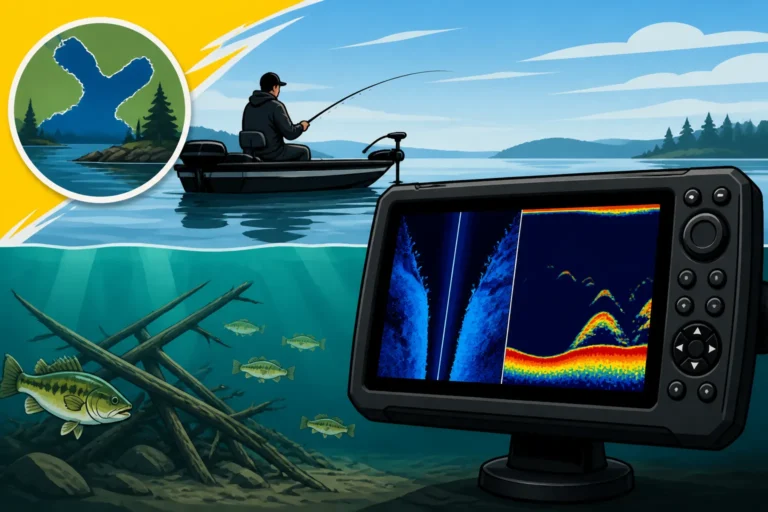
Your electronics are your best friend here. Use your fish finder to identify sudden depth changes, drop-offs, underwater humps, or submerged timber that breaks the current. Walleye will often stack up on the downstream side of these structures. Also, keep an eye out for baitfish schools; where there's bait, walleye are usually not far behind. Don't be afraid to start shallow, especially in protected bays or shoreline eddies, as these areas often warm up faster. If you don't find fish there, gradually work your way to deeper current breaks or channel edges. Being able to effectively use tools like the Ontario Fish ON-Line Interactive Zone Map, Explained can also help you identify potential holding areas before you even get on the water.
Experimentation and Patience
More than almost any other time of year, high-water spring walleye fishing calls for a generous dose of experimentation and, above all, patience. It's easy to get discouraged when the water looks like coffee and the bites are few and far between. But remember, the walleye are there; they're just playing hard to get. Don't be afraid to switch up your lure colors frequently. If firetiger isn't working, try a darker blue-silver or a completely different bright color like chartreuse. Change your retrieve speed, try a different jigging motion, or even switch from artificial lures to live bait if things are slow. Many anglers have a tackle box full of options acquired from places like Amazon that allow for this necessary flexibility.
Sometimes, the bite window might be incredibly short, maybe just a half-hour around dawn or dusk, or even a sudden burst of activity in the middle of the day. Stick with it. Make a mental note, or better yet, keep a fishing log of what worked (and what didn't), at what depth, with what lure, and under what conditions. The more you learn to read the specific conditions on your chosen body of water and adapt your approach, the more successful you'll become at mastering those challenging, yet incredibly rewarding, high-water spring walleye fisheries in Ontario. Even minor shifts in Best Time of Day to Catch Walleye can make a difference in tough conditions.
Disclaimer
The information provided in this guide is for general informational purposes only and is not intended as legal advice. Fishing regulations in Ontario can change, and it is the responsibility of each angler to consult the most current Ontario Fishing Regulations Summary and local authorities before fishing. Always prioritize safety on the water.