How to read structure for walleye on Lake Erie
It’s a tale as old as time for any angler on Lake Erie: you’re out on that vast expanse of water, surrounded by seemingly endless possibilities, but the walleye just aren't biting. You know they're there, but finding them can feel like searching for a needle in a haystack. The secret often lies not just in where you fish, but how you read the underwater world. This guide will dive deep into understanding and interpreting structure on Lake Erie to help you consistently locate those elusive walleye.
Understanding Lake Erie's Diverse Walleye Habitat
Lake Erie is a truly incredible fishery, but it's far from uniform. Its diverse bottom topography and characteristics across its three main basins – western, central, and eastern – play a huge role in where walleye will congregate. If you want to consistently find fish, you've got to understand the terrain they call home.
Western Basin Reefs and Shoals
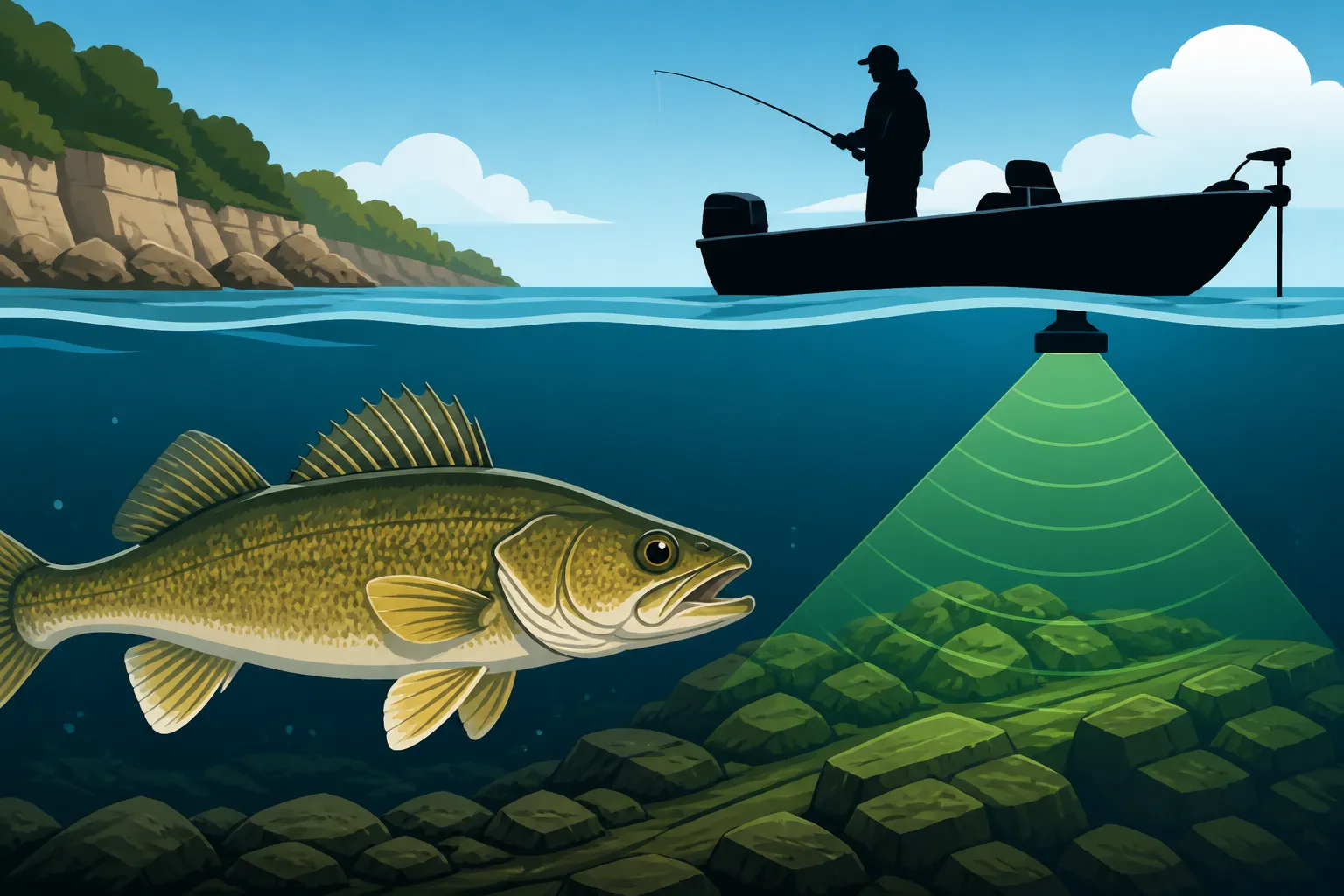
The Western Basin of Lake Erie is often described as the "walleye capital" for a very good reason. It's shallower, warmer, and absolutely packed with fertile fishing grounds. Here, walleye are heavily associated with reefs and shoals. These aren't just random bumps on the bottom; they're complex underwater landscapes that provide everything a walleye needs: food, shelter, and current breaks. Think of places like the famous Camp Perry reef complex near Port Clinton, Ohio, or the many shoals dotting the waters near Pelee Island in Ontario. These rocky outcroppings are prime habitat, especially during the spring spawn and subsequent post-spawn feeding frenzy. Walleye will use the edges of these reefs, the troughs between them, and the top of the structures themselves to ambush baitfish. Understanding the specific contours and drop-offs around these natural rock piles is paramount.
Central and Eastern Basin Transitions
As you move east into the Central and Eastern Basins, the lake changes dramatically. The Central Basin is known for its vast mudflats, interspersed with subtle humps and depressions. Walleye here often relate to the thermocline in summer, suspended above deeper water, but they will still use subtle bottom transitions. The Eastern Basin, being the deepest, features more dramatic contours, including steep drop-offs, underwater points, and deep ledges. In these areas, walleye might be found closer to the bottom along these breaks, or suspended over deep water, following schools of bait like emerald shiners or smelt. Look for changes in bottom composition – a hard-bottom area adjacent to a soft mudflat, for instance – or subtle rises and falls in depth. These transitions, even if only a few feet, can be exactly what walleye are looking for.
Essential Electronics for Finding Structure
Fishing Lake Erie effectively without good electronics is like trying to navigate a dark room blindfolded. Modern sonar and GPS technology have revolutionized how we locate and target fish, especially when it comes to understanding underwater structure. Investing in quality equipment and, more importantly, learning how to use it, will dramatically improve your success.
Fish Finders and Chartplotters
A quality fish finder with a chartplotter is your window into the underwater world. Look for units that offer multiple sonar technologies, such as 2D sonar, Down Imaging (also known as DownScan), and especially Side Imaging (or SideScan). Brands like Humminbird with their MEGA Imaging, Lowrance with their ActiveTarget, and Garmin with their LiveScope are leading the charge. 2D sonar is great for showing you fish arches and basic bottom contours directly beneath your boat. Down Imaging provides a photographic-like view directly below, helping you distinguish between rock, wood, and baitfish. Side Imaging, however, is the real game-changer for structure fishing on Lake Erie. It allows you to scan wide swaths of the bottom on either side of your boat, revealing reefs, humps, wrecks, and even schools of baitfish that you might otherwise drive right over. Many anglers buy their units, transducers, and even accessories like mounting brackets from reputable online retailers like Amazon, often finding competitive prices and quick delivery. Learning to interpret these varied displays is crucial; watch tutorials, read your manuals, and spend time on the water experimenting. If you want to really get into the specifics of what's out there, checking out a guide on the Best Fish Finders for Ontario Lakes can provide invaluable insights.
Lake Charts and Mapping Software
While your fish finder shows you what's currently beneath your boat, detailed lake charts and mapping software give you the bigger picture. Navionics, C-MAP, and Lowrance Insight Genesis are popular choices that offer highly detailed bathymetric maps of Lake Erie. These maps highlight depth contours, bottom composition, navigation hazards, and often known fishing hot spots. Integrating these charts with your chartplotter allows you to plot courses, mark waypoints on promising structures, and visualize the underwater topography before you even cast a line. You can scout potential areas from home, identifying offshore humps, deep weed lines (if present), and sharp drop-offs. Always keep your mapping software updated, as lake beds can shift and new features might be added.
Trolling Motors with Spot-Lock
For truly effective structure fishing, especially when you find a productive area, a trolling motor with a GPS-guided spot-lock feature is an absolute must. Brands like Minn Kota's Ultrex or Terrova with i-Pilot Link, or Lowrance's Ghost, allow you to precisely hold your boat's position over a specific piece of structure, even in wind and current. This is invaluable when you want to make multiple passes over a productive hump, hold on a subtle break line, or jig vertically on a specific walleye school you've marked. Trying to hold a position manually with your main engine can be exhausting and far less accurate, often spooking fish. This technology helps you present your baits more effectively and keep them in the strike zone longer.
Interpreting Different Types of Walleye Structure
Once you have your electronics dialed in, the next step is to understand what you're actually seeing on the screen and how walleye relate to it. Structure isn't just about depth; it's about changes in depth, bottom composition, and how those factors interact with current and baitfish.
Reading Sonar for Walleye and Baitfish
Learning to distinguish between a rock, a school of baitfish, and a walleye on your sonar screen takes practice. On 2D sonar, walleye typically appear as strong, distinct arches, often tight to the bottom or slightly suspended. The thickness and intensity of the arch usually indicate the size of the fish. Baitfish schools will show up as dense clouds, sometimes appearing as a "Christmas tree" shape if the boat passes over a large, tightly packed school. With Down Imaging, walleye often look like distinct, elongated blobs, while baitfish appear as a haze or scattered dots. Side Imaging, as mentioned, excels at revealing the broader picture. You might see a dark, hard return indicating a rocky reef, surrounded by softer, lighter returns of mud. Walleye themselves might show up as bright dots or streaks on Side Imaging, often lurking on the edges of cover or near bait. If you mark a cluster of strong arches or bright dots relating to a break or a hump, you're likely in the strike zone. Pay attention to how high off the bottom the fish are, as this will dictate your presentation. For a more comprehensive understanding of what to look for when walleye are feeding, consider reviewing the Best Baits for Walleye on Lake Erie.
Understanding Current and Wind Effects on Structure
Walleye are opportunistic predators, and they'll often position themselves in areas where current and wind can funnel baitfish to them with minimal effort. Think about how a river bend creates slack water on the inside turn – underwater structure on Lake Erie behaves similarly. A hump or reef might create an eddy or a current break on its downstream side, concentrating baitfish and providing an ideal ambush point for walleye. Wind creates surface currents that can stack baitfish against a particular side of an island, a shoal, or a deep water point. If you find a good piece of structure, consider its orientation to the prevailing wind and current. Walleye will often be on the "down-current" or "down-wind" side, sheltered from the main flow but ready to dart out and grab passing prey. This positioning can change throughout the day, so staying mobile and checking different sides of the structure is key.
Seasonal Walleye Movements and Structure
The way walleye use structure shifts dramatically with the seasons. In early spring, after the ice recedes, walleye move into shallower, rocky reefs and shoals in the Western Basin for their spawning rituals. Post-spawn, they'll often linger on these same structures, feeding aggressively to regain energy. As summer progresses and water temperatures rise, many walleye, especially in the Central and Eastern Basins, will move offshore, suspending over deeper water or relating to subtle humps and changes in bottom composition. During this time, they often follow the thermocline, which is the layer of water where the temperature changes rapidly. Your electronics can help you locate this thermocline, and often, walleye will be found just above, below, or directly within it. In the fall, as waters cool, walleye will often move back to shallower structures and points, feeding heavily in preparation for winter. Understanding these seasonal migrations and how they relate to the available structure on Lake Erie is a crucial part of becoming a successful walleye angler. Keeping track of Ontario Fishing Seasons by Zone and Month can help you predict these shifts.
Advanced Strategies for Structure Fishing
Once you've mastered the basics of identifying and interpreting structure, it's time to refine your approach with advanced tactics. This involves precise boat control, careful bait presentation, and a keen eye for patterning fish behavior.
Precision Trolling and Drifting Techniques
When targeting walleye on specific structures, precision is paramount. For trolling, use your chartplotter to follow depth contours exactly. If walleye are holding on a break line at 25 feet, keep your boat precisely at that depth, or just slightly inside or outside it, letting your lures run right through the strike zone. Utilize planer boards to spread your lines out, covering a wider swath of the structure. Experiment with varying lead lengths and lure depths until you hit fish. For drifting, especially in the Western Basin over reef complexes, use your trolling motor to control your drift speed and direction. Again, try to keep your boat moving along the productive contours or across specific humps. If you mark fish on your sonar, use your GPS to mark that spot and make another drift over it. Pay attention to drift socks or sea anchors to slow your boat down if the wind is too strong. Even for deeper species like lake trout, the principles of Trolling Techniques for Ontario Lake Trout can apply to walleye when they are suspended or relating to deep structures.
Jigging and Vertical Presentation on Structure
Sometimes, walleye on structure are tight-lipped or holding so tightly to the bottom that trolling just doesn't cut it. This is where vertical jigging and precise presentations come into play. If your electronics show walleye stacked on a specific hump, a rocky point, or even a wreck, dropping a jig or a spoon directly down to them can be incredibly effective. Use your trolling motor with spot-lock to hold your boat perfectly still over the fish you've marked. Then, carefully lower your bait, watching your sonar screen to ensure your lure is descending right into the strike zone. Experiment with different jigging motions – short, sharp snaps; long, slow lifts; or just barely bouncing the bait off the bottom. Blades baits, jigs tipped with plastic, or even a simple worm harness can be deadly when presented vertically. This is a very hands-on approach that requires constant attention to your electronics and feel for your rod.
Patterning the Walleye Bite on Structure
Finding one walleye on structure is great, but finding a consistent bite means you need to pattern them. This means identifying common denominators when you do catch fish. Ask yourself: What type of structure were they on (rock, mud, sand)? What depth were they holding at? What was the current or wind doing? What was the water temperature? Were they on the top of the structure, the face, or the base? Were they relating to baitfish? Keep a fishing log to track these details. Over time, you'll start to notice patterns emerge. For example, you might discover that on sunny, calm days, walleye relate to the deeper, shaded side of a specific reef, while on windy, overcast days, they might be on the wind-blown side, shallower. This iterative process of observation, experimentation, and record-keeping is how truly successful anglers consistently put fish in the boat. Understanding the Best Time of Day to Catch Walleye can also be a key piece of the puzzle in developing your patterns.
Here's a quick look at how different structures on Lake Erie tend to produce:
| Structure Type | Location on Lake Erie | Typical Depth Range | Best Season(s) | Key Characteristics for Walleye |
|---|---|---|---|---|
| Reefs & Shoals | Western Basin | 10-30 feet | Spring, Fall | Rocky, current breaks, spawning grounds, baitfish magnet |
| Offshore Humps | Central/Eastern Basin | 30-70+ feet | Summer | Subtle rises in deep water, often attracting suspended walleye, baitfish schools |
| Mudflats | Central Basin | 40-60 feet | Summer | Vast soft bottom, walleye often suspended above or near subtle transitions |
| Deep Ledges/Breaks | Eastern Basin | 50-100+ feet | Summer, Fall | Sharp depth changes, ambush points, often hold bait and bigger fish |
| Channel Edges | Western Basin | 15-40 feet | Spring, Fall | Defined drop-offs, current, travel corridors for walleye |
Disclaimer
Fishing regulations and conditions in Ontario can change. Always consult the most current Ontario Fishing Regulations Summary before heading out. This guide is for informational purposes only and does not constitute legal advice.