Best time to nymph for trout on Crown land streams
The vastness of Ontario's Crown land streams can be both a blessing and a challenge for trout anglers. You've found these hidden gems, often teeming with wild brook trout or even some resident browns, but the million-dollar question always looms: when is the absolute best time to hit them with nymphs? It's not always straightforward, with constantly changing conditions, but understanding the nuances of trout behavior and environmental factors will drastically improve your success. This guide will help you decipher those prime nymphing windows, making your efforts more fruitful and your time on the water truly rewarding.
The Rationale Behind Nymphing for Trout on Crown Land Streams
Let's face it, most of us dream of trout rising to dry flies, sipping delicate mayflies off the surface. It's the picture-perfect scene. But the reality, especially on wild, lesser-pressured Crown land streams in Ontario, is that trout spend the vast majority of their lives feeding subsurface. This is where nymphs come into play – they're the bread and butter of a trout's diet, and understanding this fundamental truth is the first step to consistent success.
Why Nymphs are a Trout's Mainstay
Think about it from a trout's perspective: an insect hatching on the surface is a fleeting moment, a brief opportunity. But beneath the water's surface, nymphs, larvae, and other aquatic invertebrates are a constant, reliable food source, available year-round. These creatures are the slow-moving, high-calorie meals that keep trout alive and growing, regardless of what's happening on the water's surface.
On Crown land streams, where natural forage is often abundant and trout face less fishing pressure than in easily accessible, stocked waters, they're perfectly adapted to this subsurface buffet. They're not "picky" eaters in the way a heavily pressured trout might be during a specific hatch on a famous river. Instead, they're opportunistic. If a juicy nymph drifts by, looking natural and unthreatening, they're likely to take it. This makes nymphing an incredibly effective strategy for these wild, often robust fish that are constantly searching for their next meal in the currents.
Understanding Trout Feeding Behavior Subsurface
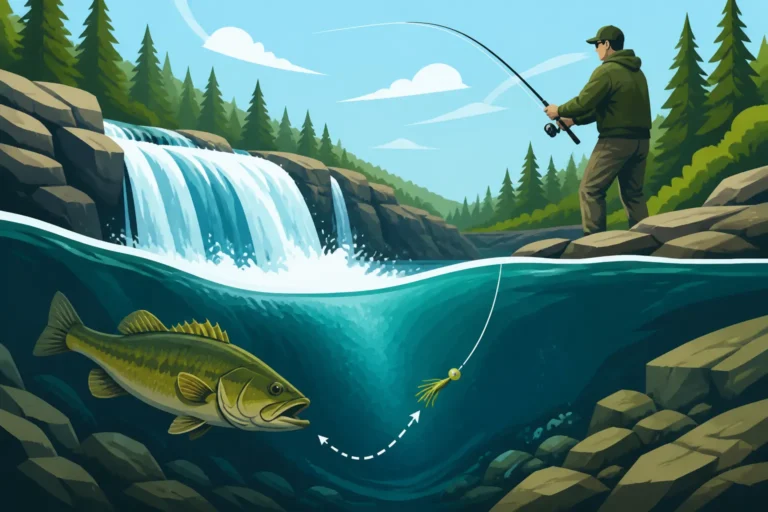
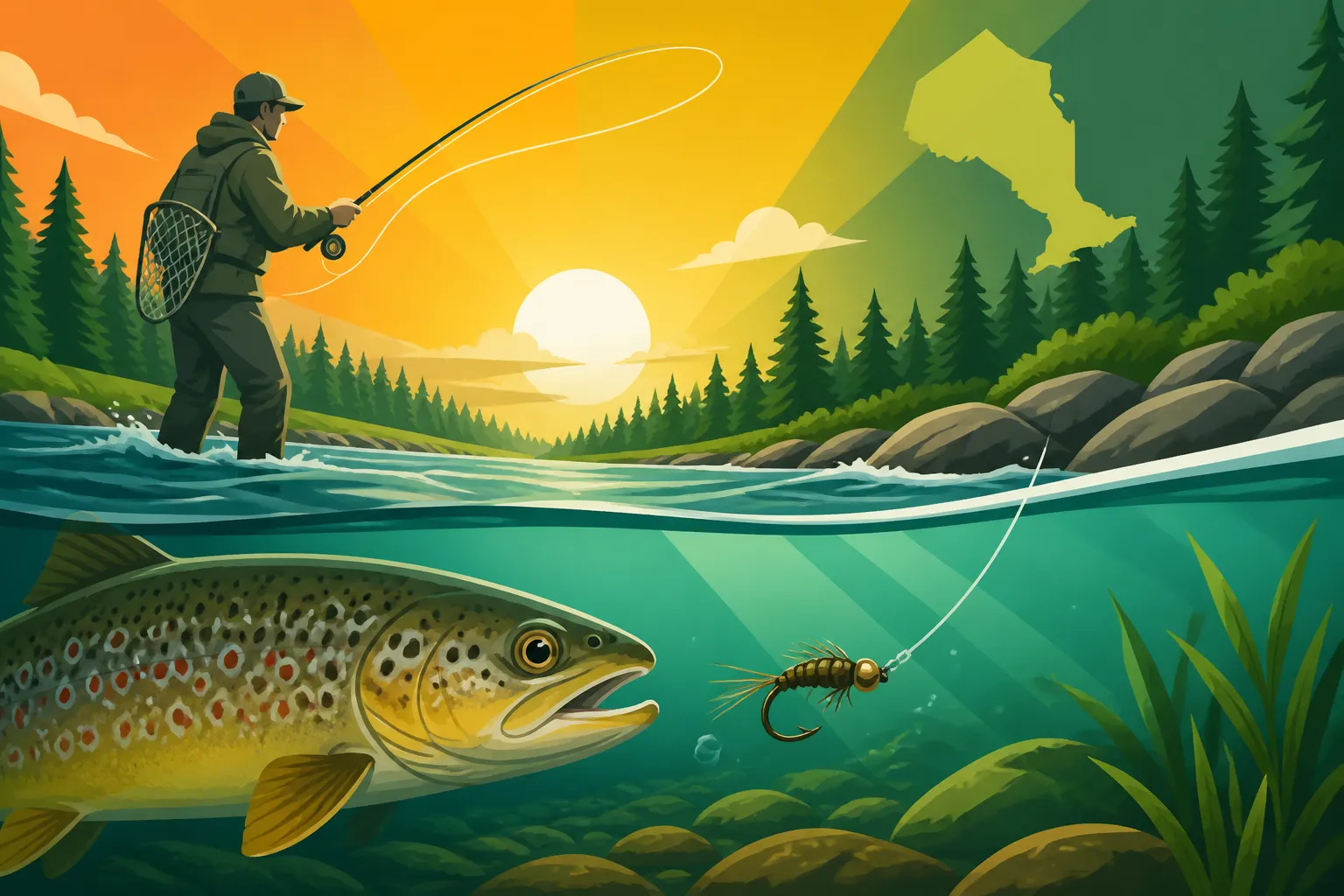
To nymph effectively, you need to think like a trout. Imagine yourself holding in a current, head pointed upstream, waiting for food to drift by. Trout position themselves strategically, expending minimal energy while maximizing their feeding opportunities. They'll often sit in "feeding lanes" – seams where faster current meets slower water, allowing nymphs to tumble directly into their strike zone. Riffles and runs, the classic "fast water" areas, are prime nymphing spots because these currents dislodge insects from the bottom, sending them downstream as easy prey.
But don't overlook the deeper, slower pools and the quiet water along undercut banks or fallen logs. These spots offer shelter and a different kind of food delivery system, where nymphs might slowly tumble or get dislodged by subtle disturbances. In these areas, trout can hold with even less effort, waiting for a meal. The key is presenting your nymph naturally, mimicking a dislodged insect, allowing it to drift freely with the current, rather than dragging unnaturally. This "drag-free drift" is the holy grail of nymphing, and it's what ultimately convinces a wary wild trout to open its mouth.
Seasonal Strategies for Nymphing Success in Ontario's Crown Land
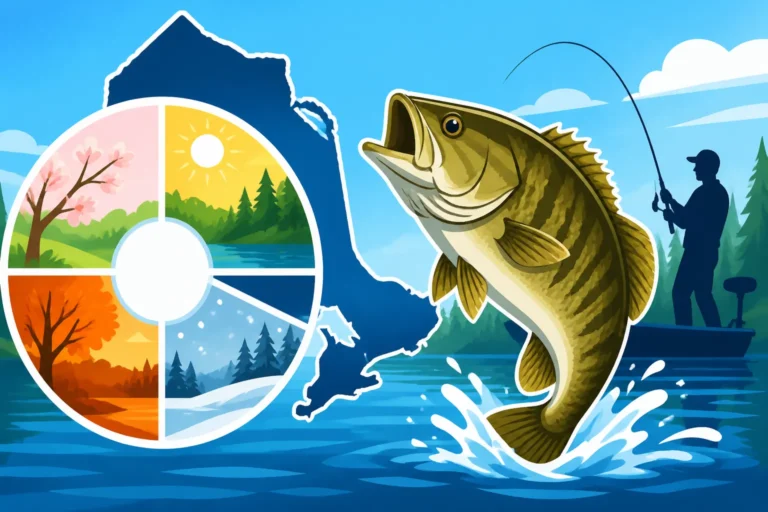
The best time to nymph for trout in Ontario's Crown land streams isn't a single day or even a single month; it's a dynamic window that shifts with the seasons. Each period presents its own challenges and opportunities, driven by water temperatures, insect life cycles, and trout metabolism. Understanding these seasonal nuances will give you a significant edge.
Spring: Post-Thaw & Early Season Bounty
Ah, spring! After the long, cold grip of winter, the first signs of melt and warming temperatures send a thrill through every angler. For nymphing on Crown land streams, spring is a fantastic time. As the ice recedes and water temperatures begin to climb into the 40s and 50s Fahrenheit (4-13°C), trout become much more active. They've been relatively dormant, conserving energy, and now they're hungry.
Early spring often means higher, murkier water from snowmelt and spring rains. This increased flow dislodges a ton of aquatic insects from the stream bottom, creating a natural buffet for trout. This is a prime time for larger, heavier nymphs like stoneflies (e.g., a Pat's Rubber Legs or Kaufmann's Stone), caddis larvae, and even some larger mayfly patterns. The trout aren't often looking up for hatches yet; they're hunkered down, focused on the easy meals tumbling by on the bottom. You'll need to use heavier nymphs or add split shot to get your flies down quickly in the strong currents. Focus on the edges of the main current, behind boulders, or in slower eddies where trout can rest out of the main flow but still intercept food. For more general insights into the fishing calendar, you might want to review the Ontario Fishing Seasons by Zone and Month.
Summer: The Subtle Art of Mid-Season Nymphing
Summer brings longer, warmer days, but often presents a different set of challenges for nymphing on Crown land streams. Water levels can drop, and temperatures can rise, especially in smaller, exposed streams. While trout are still feeding subsurface, they might become more selective or move to cooler, deeper water.
During the height of summer, often from late June through August, trout metabolism is high, but they're also more wary in clearer, lower water. This is when smaller, more delicate nymph patterns shine – think tiny Pheasant Tail nymphs, Baetis imitations, or midge larvae. Presentations need to be impeccable, with light tippets and drag-free drifts being paramount. Focus your efforts on the cooler parts of the day: early mornings, late evenings, or even after a summer rain that might cool the water and increase flows. Look for shaded pools, undercut banks, and spring-fed tributaries where water temperatures remain more stable. It's also a time when terrestrials like grasshoppers and ants become important, and while you're nymphing, don't be surprised if a larger trout slurps a hopper off the surface near your drift! Be mindful that some smaller trout streams can get too warm for trout activity; if you're concerned about fish health, consider if When Ontario trout streams get too warm to fish is a factor for your chosen water.
Fall: Pre-Winter Fueling Frenzy
Fall is, without a doubt, one of the most productive and enjoyable times to nymph for trout in Ontario's Crown land streams. As water temperatures begin to cool but remain above freezing, trout enter a crucial pre-winter feeding phase. They need to pack on calories to survive the lean winter months, and their aggression levels can be remarkably high.
You'll often find excellent nymphing from September through November, right up until ice-up. Trout are less selective than in summer and will readily take a variety of nymph patterns. Larger stoneflies, caddis, and even egg patterns (especially if salmon or resident trout are spawning in the system) can be incredibly effective. Look for trout holding in deeper pools, runs, and current seams, actively searching for food. The cooler water also means trout can hold in faster currents for longer periods without tiring, so don't be afraid to probe those quicker riffles and runs. The vibrant fall colours and fewer bugs (less biting!) make for a truly spectacular fishing experience. Learning How to fish a run and pool trout stream can be particularly beneficial during this energetic fall period.
Winter: Cold Water Patience
Nymphing in winter on Ontario's Crown land streams is definitely for the dedicated angler. Many smaller streams will be completely frozen over, or water temperatures will be so low that trout metabolism grinds to a near halt. However, for those willing to brave the cold on larger, spring-fed streams or tailwaters that remain ice-free, there are opportunities.
Success in winter nymphing demands extreme patience and precision. Trout will be holding in the deepest, slowest pools, expending minimal energy. Their feeding windows are short, and they're looking for tiny, subtle meals. Midge larvae and pupae in sizes 18-22 are often the most effective patterns. Presentation must be painstakingly slow and deep, with minimal movement. A sensitive strike indicator and light tippet are crucial, as takes will be incredibly subtle. While not for everyone, landing a robust wild trout against a snowy backdrop is an unforgettable reward. Always prioritize safety in winter; cold water is no joke.
Daily and Environmental Factors for Optimal Nymphing
Beyond the seasons, daily conditions play an enormous role in determining when trout are most receptive to a nymph. Paying close attention to water temperature, clarity, and even the weather can turn an average day into an exceptional one.
Water Temperature and Clarity
These two factors are perhaps the most critical for nymphing success on a daily basis. Trout are cold-blooded, so their activity levels are directly tied to the water temperature.
- Water Temperature: Generally, trout are most active and feed aggressively when water temperatures are in their preferred range, which typically falls between 45-65°F (7-18°C). Below this, they become sluggish, and above it, they become stressed and seek cooler water. In spring, warming water gets them going. In summer, you're looking for cooler morning and evening temperatures. In fall, cooling water invigorates them. Always carry a stream thermometer to understand what the fish are experiencing. If the water is too cold, present your nymphs slowly and deep. If it's too warm, consider focusing on shaded areas or resting the stream altogether to avoid stressing the fish.
- Water Clarity: Clarity dictates how visible your nymph and your leader are to the trout. In clear water, smaller, more natural-looking nymphs on finer tippets are essential. Trout have excellent eyesight, and on Crown land streams, they're often less tolerant of sloppy presentations. In murkier water – think post-rain runoff – trout are less visual and more reliant on scent and vibration. This is when slightly larger, darker, or flashier nymphs can be effective, as they offer a better silhouette. However, if the water is chocolate milk, fishing is likely a waste of time as the trout can't see anything.
Weather Patterns and Barometric Pressure
While you might not think about weather as much when nymphing compared to dry fly fishing, it still has a profound impact on trout behavior.
- Overcast Days: Often fantastic for nymphing. The diffused light makes trout feel more secure and less wary, encouraging them to move out from cover and feed more actively.
- Rainy Days: Light rain can be a boon! It washes terrestrials into the water, dislodges aquatic insects, and often cools the water slightly. Heavy rain, however, can blow out a stream, making it unfishable due to high, muddy flows.
- Bright Sun: Can make trout skittish, driving them into deeper pockets or heavy cover. You'll need more stealth and refined presentations on bright days.
- Barometric Pressure: This is a subtle but impactful factor. A steady or rising barometer often correlates with active fish, as it signals stable or improving weather. A rapidly falling barometer, indicative of an approaching storm front, can sometimes trigger a pre-front feeding binge, but often results in sluggish fish during and after the storm. The same principles apply whether you're chasing trout or trying to figure out How barometric pressure affects Ontario walleye fishing – fish react to changes in their environment.
Understanding Insect Hatches (Even When Nymphing)
Even when trout aren't visibly rising to consume surface insects, understanding the daily or seasonal hatch schedule of a Crown land stream is incredibly important for nymphing. Why? Because a hatch starts below the surface.
When insects begin to prepare for their emergence, they become more active, moving around on the bottom and drifting in the current as they ascend. This makes them highly vulnerable and an easy target for trout. So, even if you see no rises, knowing that a caddis hatch is imminent means that caddis larvae and pupae patterns are probably your best bet. Conversely, a post-hatch period can also be good for nymphing, as newly laid eggs or exhausted adults may sink, providing another easy meal. Keeping a simple fishing journal to note hatches and nymphing success can build a valuable database for your specific Crown land stream spots. For a deeper dive into what insects might be active, check out Fly Patterns for Ontario Trout Streams.
Essential Gear and Tactics for Effective Nymphing on Crown Land
Having the right tools and knowing how to use them are paramount for consistent nymphing success, especially on the rugged and often unpredictable Crown land streams of Ontario. From your rod setup to the specific flies you choose, every detail can make a difference.
Rods, Reels, and Lines for Subsurface Presentation
Choosing the right gear can significantly enhance your nymphing game. You're looking for a setup that allows for sensitive strike detection and precise control over your drift.
- Rods: For most Ontario Crown land streams, a fly rod in the 3- to 5-weight range, between 9 and 10 feet long, is ideal. The extra length helps with line control, mending, and reaching across currents for longer, drag-free drifts. A rod with a sensitive tip is crucial for feeling those subtle takes that often characterize nymph fishing. When considering options, there are many excellent choices, and you can find a comprehensive breakdown in our guide to Best Fly Rods for Ontario Trout Streams.
- Reels: Your reel for nymphing doesn't need to be a high-tech drag monster. Any reliable single-action fly reel that balances your rod and holds your fly line and backing comfortably will do the trick. Its primary purpose is line storage.
- Lines: While a standard weight-forward floating fly line works fine, some anglers prefer specialized nymphing lines or a Euro Nymphing setup. These often feature thinner diameters for less drag and more direct contact with your flies. Alternatively, you can use a standard floating line with a longer leader system. Speaking of lines, knowing the Best Fly Line for Small Crown Land Streams can make a huge difference in delicate presentations.
- Leaders and Tippet: A long leader, often 9-12 feet, tapered down to a fine tippet (5x, 6x, or even 7x for super clear water or spooky fish) is standard. For Euro nymphing, even longer, specialized leaders with sighters are used. The fine tippet material reduces visibility and allows for a more natural drift.
Many anglers build their nymphing setups piece by piece, but it's also possible to find great starter combos, or specific components like specialized lines or indicators, on platforms like Amazon if you're looking for convenience and selection.
Choosing the Right Nymph Patterns
This is where many anglers get overwhelmed, but it doesn't have to be complicated. While matching the hatch is always a good idea, a handful of "generalist" nymph patterns will serve you well on most Ontario Crown land streams.
- Stoneflies: Patterns like the Pat's Rubber Legs (black or brown), Kaufmann's Stone, or a Prince Nymph are excellent for imitating larger stonefly nymphs, especially in higher flows or during spring and fall.
- Mayflies: The Pheasant Tail Nymph and Hare's Ear Nymph are classic imitations for a vast array of mayfly species. Vary sizes from #12 down to #20. A well-tied Copper John also often fools fish.
- Caddis: Green Caddis Larvae, Tan Caddis Pupa, or a LaFontaine's Sparkle Pupa are great for mimicking the plentiful caddis in many streams.
- Midges: Don't underestimate tiny midges, especially in colder water or when trout are highly selective. Zebra Midges and RS2s in sizes #18-24 can be absolute lifesavers.
- Scuds/Sowbugs: If your stream has these crustaceans, patterns like a Grey Scud or Sowbug can be very effective.
Often, you'll fish two nymphs at once (where regulations allow), sometimes a heavier "point" fly to get down and a smaller "dropper" nymph behind it. Don't be afraid to experiment with size and color until you find what the trout are keying in on. For more specific local patterns and recommendations, you can consult resources like Best fly patterns for brook trout on Crown land lakes for ideas applicable to stream fishing. You can even find comprehensive fly assortments from various reputable brands sold on Amazon, giving you a good starting point.
Mastering Nymphing Techniques
Having the right gear and flies is only half the battle; knowing how to present them effectively is the true art of nymphing.
- Indicator Nymphing: This is perhaps the most common technique. A strike indicator (like a Thingamabobber or a yarn indicator) is attached to your leader, and your nymphs hang below it. The indicator shows you when your flies are drifting naturally (without drag) and, crucially, signals a strike. It's a fantastic technique for beginners and allows you to cover water effectively.
- Tightline Nymphing (Euro Nymphing): This technique has gained massive popularity for its direct feel and superior strike detection. It involves using a longer, specialized leader with no external indicator. The angler maintains a direct connection to the nymphs, feeling for subtle taps and pauses. It's incredibly effective in faster, complex currents. We have a detailed guide on Euro Nymphing Ontario Trout Streams if you're interested in diving deeper into this advanced method.
- Dry-Dropper Rig: This setup combines the best of both worlds. A buoyant dry fly (like a larger stimulator or hopper) acts as your indicator, with a nymph tied off the bend of its hook (the dropper). It's great for covering shallower water or when you suspect trout might occasionally look up.
Regardless of the technique, the core principle is a drag-free drift. Your nymphs must tumble along at the exact same speed as the natural current, making them indistinguishable from real insects. Constant line mending, upstream casts, and carefully positioned casts are all part of achieving this. Specialized tools like high-visibility sighter material for tightline nymphing can also be found on Amazon, aiding in strike detection.
Staying Comfortable and Safe
Fishing Crown land streams often means being in remote areas, sometimes with slippery footing and unpredictable weather. Your personal comfort and safety are paramount.
- Waders and Wading Boots: High-quality breathable chest waders are essential for staying dry and warm. Pair them with sturdy wading boots that offer excellent grip on slippery rocks and uneven stream bottoms. Felt soles offer superior grip on wet rocks but can track invasive species, so rubber soles with studs are often preferred, especially if moving between different watersheds. For guidance, check out our articles on Best Waders for Ontario Trout Streams and Best Wading Boots for Rocky Streams.
- Wading Staff: A collapsible wading staff is a non-negotiable safety item. It provides crucial stability in strong currents and on uneven terrain, preventing falls that can range from annoying to truly dangerous.
- Layers: Dress in layers, even on seemingly warm days, as temperatures can fluctuate. A waterproof rain jacket is always a good idea.
- Navigation and Communication: Bring a map, compass, or a fully charged GPS device/phone. Cell service can be spotty or non-existent in many Crown land areas. Consider a satellite messenger for emergencies.
- First Aid Kit: A basic first aid kit is essential, especially for remote trips.
- Hydration and Snacks: Always carry enough water and high-energy snacks.
Investing in quality safety and comfort gear is never a wasted expense, especially when you're exploring the wilder corners of Ontario. You'll find a wide range of reliable wading gear, safety equipment, and outdoor essentials readily available on Amazon, allowing you to gear up appropriately for your next adventure.
Disclaimer
The information provided in this guide is for general informational purposes only and does not constitute professional advice. Fishing regulations, seasons, and licensing requirements can change, and it is the angler's responsibility to consult the most current Ontario fishing regulations summary and local bylaws before fishing. Always prioritize safety and practice ethical angling, including catch-and-release practices, to help preserve Ontario's valuable fisheries.