Best technique for pre-spawn crappie
It's that time of year again when the snow finally melts away, the ice recedes, and our thoughts turn to those beautiful, speckled panfish – crappie! Many anglers find the pre-spawn period to be one of the most exciting, yet sometimes frustrating, times to target crappie. They're moving, they're feeding, but they can be incredibly finicky if you don't know where to look or what presentation they're craving. This guide is all about equipping you with the best techniques to consistently find and catch pre-spawn crappie across Ontario's diverse waters, turning those finicky fish into fantastic catches.
Understanding Pre-Spawn Crappie Behavior in Ontario
Before you even think about casting a line, understanding what makes pre-spawn crappie tick is absolutely crucial. They're not just swimming aimlessly; they're driven by biological urges to feed heavily and prepare for the upcoming spawn. Their locations, their feeding habits, and their general mood are all dictated by the water temperature and the availability of food. Ignoring these factors is a surefire way to come home empty-handed.
The Influence of Water Temperature
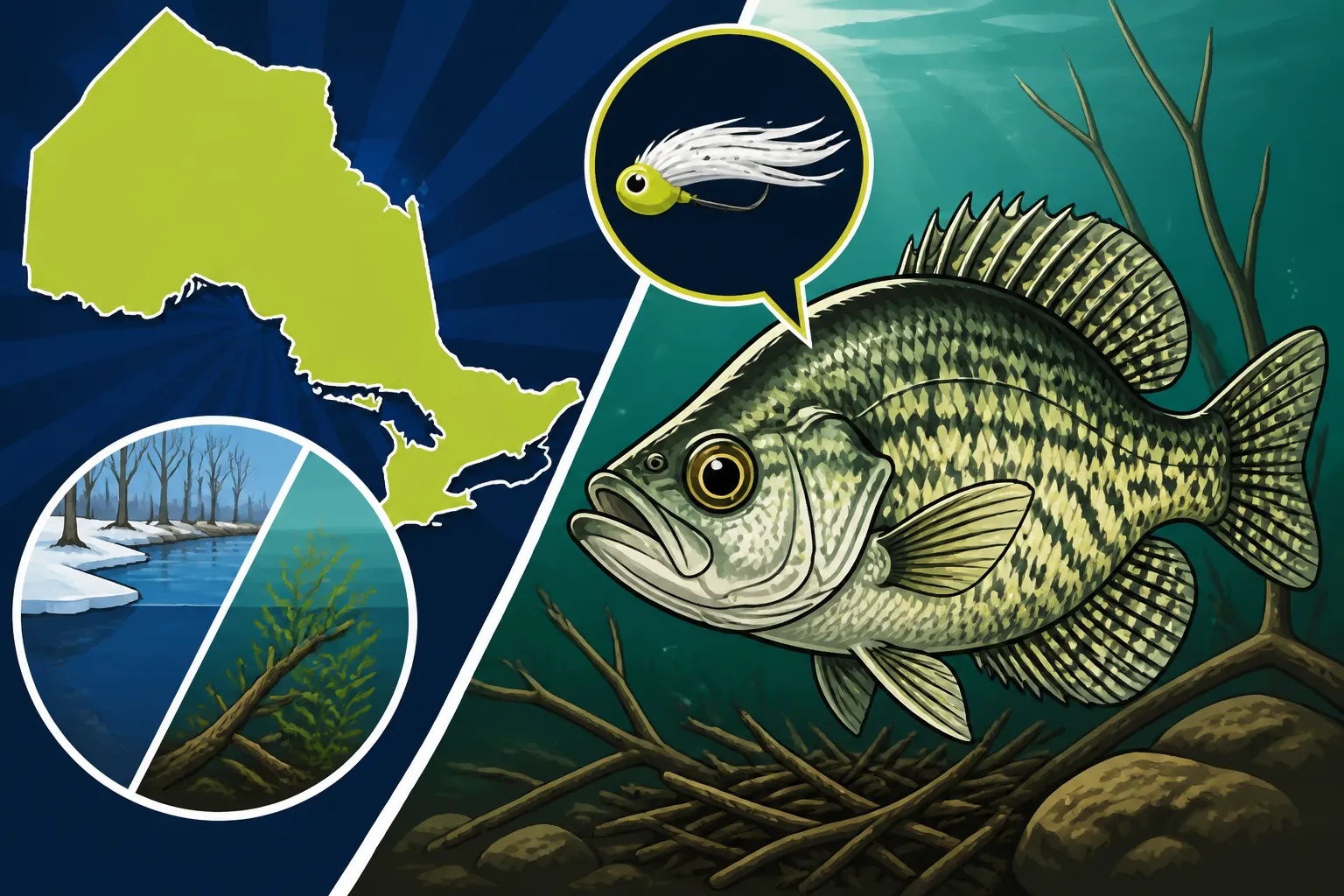
Water temperature is the undisputed king when it comes to pre-spawn crappie activity. As ice melts and spring rains begin, the water slowly starts to warm, usually reaching that magic 45-55°F (7-13°C) range where crappie really start to get active. Below this, they can be sluggish and tightly schooled in deeper water. Above it, and they're either already spawning or have moved to their post-spawn patterns. This warming trend is what triggers their migration from deeper winter haunts to shallower, warmer staging areas.
Think of it like this: in early spring, right after ice-out, the shallowest parts of a lake, especially those with dark bottoms or northern exposure, will warm up first. Crappie will follow these warmer water pockets. These areas, often bays or channels, act like a thermal highway, guiding them towards their eventual spawning grounds. It's not just about comfort; warmer water also means a higher metabolism, and a higher metabolism means more aggressive feeding.
Tracking water temperature isn't just for advanced anglers with fancy electronics. Even a simple thermometer can give you an edge. Many anglers overlook this simple step, but knowing the precise water temperature can help you pinpoint exactly where crappie are likely to be holding, whether it's still deep or they've pushed up into that warm, shallow bay.
Where to Find Pre-Spawn Crappie
Pre-spawn crappie are all about transition. They're not in their deep winter holes, and they're not yet on their shallow spawning beds. Instead, they're in those "in-between" staging areas, often relating to submerged cover. Think about areas that offer both deeper water access and proximity to eventual spawning grounds. These locations provide safety from predators, abundant food, and a quick escape route if conditions change.
Common hotspots include the edges of main lake basins, channel bends, submerged weed lines, and brush piles near deeper drops. Marinas, boat docks, and bridge pilings can also be goldmines, especially if they offer shade or vertical structure. For example, on a lake like Lake Simcoe, you might find them staging just off the main lake in a protected bay that has both deep access and old docks or fallen trees. These spots offer refuge and ambush points for baitfish, which are a crappie's primary food source during this crucial feeding period.
Don't be afraid to explore. Sometimes, the best spots are those less obvious transitions, like a subtle depth change near a prominent shoreline feature. These fish are looking for comfort and calories, so any structure that offers both is worth investigating. Always remember, the goal is to intercept them as they move from deep to shallow, so casting towards the deeper edge of these structures and working your bait into the shallows is a smart approach.
Preferred Food Sources
During the pre-spawn, crappie are trying to pack on as much weight as possible to fuel the energy-intensive spawning process. This means they're actively hunting for high-protein meals. Their diet primarily consists of small baitfish like minnows, juvenile perch, and shiners, as well as insects and their larvae. Knowing what they're eating helps you choose the right lure size, profile, and colour.
For instance, if a lake is known for having a healthy population of golden shiners, using a silver or gold jig with a shiner-like profile can be incredibly effective. If insect hatches are starting, smaller, more subtle presentations might be the ticket. They'll also feed on zooplankton, especially the smaller crappie, but larger crappie are usually focused on bigger prey.
It's a good idea to pay attention to what's going on around you. Are you seeing schools of minnows flickering in the shallows? Are there any insect hatches happening? These observations can give you valuable clues about what the crappie are keying in on. Sometimes, even the smallest details, like matching the size of the jig to the size of the local baitfish, can make a huge difference in getting those finicky pre-spawn bites.
Essential Gear for Pre-Spawn Crappie Success
Having the right tackle can make a monumental difference when chasing pre-spawn crappie. These fish can have incredibly soft bites, especially when the water is still chilly, and presenting your bait effectively is paramount. You don't need a boatload of expensive gear, but a few key items will certainly stack the odds in your favour.
Rod and Reel Setup
For pre-spawn crappie, an ultralight or light action spinning rod is practically mandatory. These rods are incredibly sensitive, allowing you to feel even the most subtle taps, which is often all you'll get from a cold-water crappie. A rod in the 5'6" to 6'6" range is typically ideal, offering a good balance of casting distance and control. Paired with a small spinning reel, often a 500 or 1000 series, you'll have a perfectly balanced setup that's a joy to fish.
The beauty of an ultralight rod is its flexibility. It loads up easily with light lures, allowing for longer, more accurate casts with those tiny jigs and plastics. The soft tip will also protect light lines from breaking when a feisty crappie makes a run, absorbing the shock far better than a stiffer rod would. When you're dealing with light line and small hooks, that forgiving rod action is a true lifesaver.
Many anglers swear by specific brands, but the key is finding a rod that feels comfortable in your hand and has a fast, sensitive tip. Look for something that can handle a lure weight range from 1/32 oz to 1/8 oz. You might find a great option on Amazon that fits your budget and sensitivity requirements, ensuring you don't miss those light bites.
Line Choices
When it comes to line for pre-spawn crappie, stealth and sensitivity are your top priorities. Most anglers opt for monofilament or fluorocarbon lines, typically in the 2-6 pound test range. Monofilament offers a bit of stretch, which can be forgiving when fighting fish, and it's generally more buoyant, which can be useful for certain presentations. However, its stretch can reduce sensitivity.
Fluorocarbon, on the other hand, has very little stretch, providing excellent sensitivity. It's also nearly invisible underwater, which can be a huge advantage in clear spring waters where crappie might be easily spooked. The downside is it can be a bit stiffer and sometimes harder to manage on ultralight reels. A good compromise for many is to use a monofilament main line with a short fluorocarbon leader for that extra bit of invisibility and sensitivity where it counts.
Regardless of your choice, ensure your line is fresh and free of nicks or abrasions. Light line is prone to breaking, and losing a trophy crappie because of old line is a truly frustrating experience. Regularly check the first few feet of line for wear, especially after fishing around abrasive structures like docks or rocky bottoms.
Lures and Baits
This is where the fun really begins! Pre-spawn crappie love small, subtle presentations. The most common and effective lures are small jigs tipped with soft plastics, live minnows, or even small inline spinners. The key is to match the hatch, both in terms of size and colour, to what the crappie are feeding on in that particular body of water.
Soft Plastics: These are incredibly versatile. Tiny tube jigs, grubs, and small minnow imitations in sizes from 1/32 oz to 1/8 oz are perfect. Colours can vary, but chartreuse, white, black, and various shades of glitter-infused plastics are consistent producers. Experimentation is key; sometimes a subtle smoke colour will outperform a vibrant pink. Many anglers have a wide assortment of soft plastics, often purchased in multi-packs from retailers like Amazon, to cover all their bases.
Live Bait: Nothing beats a live minnow, especially when crappie are being finicky. Small fathead minnows or shiners hooked lightly through the lip or dorsal fin and suspended under a bobber or slowly retrieved on a plain hook are deadly. The natural movement and scent of live bait are often irresistible.
Jig Heads: Pair your soft plastics with ultra-sharp jig heads. The weight of the jig head will determine your sink rate and how easily you can maintain contact with your lure. In shallower water (under 10 feet), 1/32 oz or 1/16 oz might be perfect. In deeper or windier conditions, you might need to bump up to 1/8 oz to feel the bite and keep your bait in the strike zone. Having a variety of jig head weights is important for adapting to different conditions and depths, as even a slight difference can be felt by a fish.
| Lure Type | Best Use Case | Preferred Size/Weight | Recommended Colours | Key Benefit |
|---|---|---|---|---|
| Soft Plastics | Versatile, active presentation | 1-2 inches / 1/32-1/8 oz | Chartreuse, White, Black, Smoke, Pearl | Mimics various baitfish/insects |
| Live Minnows | Finicky crappie, slow bite | 1-2 inches | Natural minnow colour | Irresistible scent and natural movement |
| Small Jigs | Vertical jigging, under bobber | 1/32-1/8 oz | Bright colours, subtle patterns | Direct control, good for targeting structure |
| Small Spinners | Covering water, active fish | Size 0-1 | Silver, Gold, Chartreuse | Flash and vibration attracts from a distance |
Top Techniques for Targeting Pre-Spawn Crappie
Once you've got your gear sorted, it's time to put those techniques into action. Pre-spawn crappie can be found in a variety of places, from deep breaks to shallow cover, so having a few different presentations in your arsenal will significantly increase your success rate. Remember, persistence and observation are key.
Slow Trolling and Drifting
When crappie are spread out over a flat or along a gradual break, slow trolling or drifting can be incredibly effective for covering water and finding active fish. This technique allows you to present your bait at a consistent depth over a large area, essentially dragging a series of lures through potential crappie holding zones. This is especially useful in larger bodies of water where crappie might be staging in less defined patterns.
Set up multiple rods with different jig weights or lure types to figure out what the crappie prefer on that particular day. You can use a simple jig and plastic, a live minnow rig, or even small crankbaits designed for panfish. The key is slow. We're talking barely moving, sometimes as slow as 0.5 to 1.0 mph. The slower you go, the more time the crappie have to see and react to your bait, especially in colder water when their metabolism isn't at its peak.
If you're in a boat, a bow-mounted trolling motor is invaluable for maintaining precise control over your speed and direction. Without one, drifting with the wind can still be effective, but you'll need to adjust your weights to keep your bait in the strike zone. Once you get a bite, mark the spot on your GPS or mentally note prominent landmarks. There's a good chance there are more crappie in that same area. This method is a fantastic way to locate schools of fish before committing to a stationary approach.
Vertical Jigging and Bobber Fishing
For crappie holding tight to structure like brush piles, submerged logs, or dock pilings, vertical presentations are often the way to go. This allows you to precisely place your bait directly into the fish's zone and keep it there. You can either use a small jig and plastic, meticulously dropping it down and working it with subtle lifts and drops, or suspend a live minnow under a bobber.
When vertical jigging, the goal is to keep your bait hovering just above or within the structure. Crappie often look up for their food, so presenting a bait slightly above them can be very effective. Use your fish finder to locate schools of crappie or submerged brush, then position your boat directly over them. The retrieve should be subtle – tiny twitches, pauses, and very slow lifts. Many bites will feel like a slight "tick" or simply a feeling of added weight.
Bobber fishing is perfect for targeting stationary crappie, especially when they're shy. Set your bobber stop so your bait is suspended at the depth where you're seeing crappie on your sonar, or just above the top of a brush pile. The bobber acts as a visual strike indicator, making it easy to spot even the lightest bites. This method is particularly effective for those finicky days when they won't chase a moving lure. For detailed information on depths and locations, check out a guide on How to Locate Crappie in Ontario Lakes.
Casting and Retrieving
Sometimes, crappie will spread out along a weed line or a shallow flat, actively cruising for food. In these situations, casting and retrieving small jigs or spinners can be very productive. This technique is all about covering water quickly and enticing a reaction strike from more active fish. It's often employed when the water temperatures have warmed up a bit more within the pre-spawn window, making crappie more willing to chase.
Use a light jig head (1/16 oz or 1/8 oz) tipped with a small grub or tube bait. Cast it out and retrieve it with a slow, steady pace, adding occasional pauses or subtle twitches. The idea is to make your lure look like a wounded baitfish or an easy meal. If you're fishing near a prominent weed line, cast parallel to the edge to keep your bait in the strike zone for as long as possible.
Small inline spinners, like those you might find on Amazon, can also be fantastic for casting and retrieving, especially when crappie are aggressively feeding. The flash and vibration they produce can call fish in from a distance. Again, a slow retrieve is usually best, allowing the blades to spin just enough to create that enticing action without overpowering the fish. Don't be afraid to experiment with different retrieve speeds and cadences until you find what the fish prefer. This technique is excellent for those slightly warmer pre-spawn days where fish are a bit more spread out and willing to chase.
Finding Those Elusive Pre-Spawn Hotspots
It’s one thing to know the techniques, but it’s another entirely to find the crappie in the first place. Pre-spawn crappie can be nomadic, moving with the warming water and baitfish concentrations. Successful crappie anglers know how to read the water, identify key structures, and use available tools to pinpoint those sweet spots. Patience and a willingness to move are essential during this transitional period.
Using Electronics to Your Advantage
Modern fish finders are a game-changer for pre-spawn crappie fishing. Side-imaging and down-imaging technologies can help you quickly locate submerged brush piles, weed lines, and even schools of crappie that might otherwise go unnoticed. When you're trying to find scattered fish in deeper staging areas, covering water with your electronics is far more efficient than blind casting.
Look for schools of baitfish, as crappie are rarely far behind their food source. Once you mark a school of crappie or a promising piece of structure, use your traditional 2D sonar to pinpoint their exact depth. This allows you to present your bait accurately, avoiding wasted casts. Some anglers even use their forward-facing sonar to observe how crappie react to their bait in real-time, helping them fine-tune their presentation.
Don't have a high-tech unit? Even a basic portable fish finder can help you identify depth changes and detect schools of fish beneath your boat. The key is learning how to interpret what your screen is telling you. Understanding how to use the Fish ON-Line interactive zone map in conjunction with your on-water electronics can give you a significant leg up in scouting potential locations before you even launch the boat.
Identifying Key Structures and Cover
Pre-spawn crappie are magnets for structure and cover. They use these features for protection, ambush points, and often, as navigation highways towards their spawning grounds. Start by focusing on the transition zones between deep and shallow water. These could be subtle points, inside turns of bays, or channel edges.
Look for areas with submerged wood like fallen trees, brush piles, or old stumps. Docks, especially those that extend into deeper water or have cribs underneath, are prime crappie real estate. Bridge pilings and culverts can also hold significant numbers of fish. In many of Ontario's lakes, you'll find these fish congregating around the initial break lines leading into shallower bays, places where they can sun themselves and absorb that precious spring warmth, yet quickly retreat to deeper water if a predator looms.
Weed lines, particularly those comprised of healthy, green vegetation that's just starting to grow, provide excellent cover and attract baitfish. The type of vegetation can also matter; coontail and pondweed often provide ideal cover. The best advice is to spend time studying maps, both topographical and satellite, to identify potential crappie hotspots before you even leave home. This pre-trip scouting can drastically cut down on unproductive fishing time. For more information on identifying prime locations, you might find our guide on Where to Find Walleye in Ontario helpful, as many of the principles of finding structure apply to crappie too.
Timing Your Outings
Just like with other species, timing is critical for pre-spawn crappie. The first few weeks after ice-out, when water temperatures are creeping into that mid-40s range, can be phenomenal. Look for stable weather patterns; a sudden cold front can shut crappie down instantly, pushing them back to deeper water. Overcast days with a light drizzle can often be very productive, as the low light encourages crappie to move shallower and feed more aggressively.
The time of day also plays a role. In early spring, the sun beating down on shallow, dark-bottomed bays can warm the water by a few degrees, concentrating crappie there, especially in the afternoon. As the water warms slightly further into the pre-spawn period, the early morning and late evening bites can become more consistent. However, always be willing to adapt. If the fish aren't biting in the shallows, don't be afraid to try deeper edges.
Monitoring local conditions is vital. Check weather forecasts, water temperatures, and even moon phases (though less critical for crappie than some other species, it can still play a role). Understanding Best Time of Year to Fish in Ontario and more specifically, the nuances of the pre-spawn period, will significantly boost your chances of finding those big, slab crappie. Remember, crappie are often schooling fish, so when you find one, there are likely many more nearby!
Disclaimer
This article is for general informational purposes only and does not constitute professional advice. Laws, prices and regulations vary by location and change over time. Consult a qualified professional for guidance on your specific situation.