Best time to fish a stocked lake
It can be incredibly frustrating to head out to a beautiful stocked lake, full of hope, only to find yourself casting into seemingly empty water or getting no bites. You know the fish are there because the lake was just stocked, right? But what many anglers don't realize is that even in a stocked fishery, timing is absolutely everything. This guide will walk you through the optimal times to hit those stocked lakes in Ontario, helping you understand fish behaviour, environmental factors, and even stocking schedules so you can maximize your chances of a successful and enjoyable day on the water.
Understanding Stocking Programs in Ontario
Before we dive into the "when," let's talk a little about the "why" and "what" of stocked lakes in Ontario. It's a critical piece of the puzzle to understand if you want to fish them effectively.
Why Ontario Stocks Lakes
Ontario's extensive fish stocking program isn't just about throwing a bunch of fish into a lake and calling it a day. It's a carefully managed effort, primarily run by the provincial government, with a few key goals. First and foremost, it's about enhancing recreational fishing opportunities for residents and visitors alike. Imagine a small urban lake that couldn't sustain a natural population of trophy-sized trout; stocking allows it to become a vibrant fishery where families can create lasting memories. It also plays a vital role in conservation, sometimes bolstering populations in areas where natural reproduction is limited or creating new fisheries to ease pressure on wild stocks. It's a way to ensure that the joy of fishing remains accessible and sustainable across the province, contributing significantly to local economies in many smaller communities. The provincial government manages various hatcheries that raise millions of fish each year for this purpose.
Types of Fish Commonly Stocked
When we talk about stocked lakes in Ontario, we're usually talking about certain species that thrive in hatchery environments and adapt well to new waters. The most common "stockers" are various types of trout, and for good reason! Rainbow Trout are probably the most prevalent, known for their spirited fight and willingness to bite a variety of lures and baits. You'll also frequently find Brook Trout, especially in smaller, colder lakes, and sometimes even Splake, which is a hybrid cross between a Lake Trout and a Brook Trout, valued for its fast growth and good eating qualities. Less commonly, some lakes might receive Bass or Walleye, but the vast majority of dedicated "stocked lakes" are focused on trout species. Understanding what species are stocked helps you tailor your approach, as different fish will react slightly differently to stocking events and seasonal changes. If you're looking for more details on specific species, checking out resources like Rainbow Trout Stocking in Ontario can be really helpful.
Immediate Post-Stocking: The Gold Rush Window
This is often the most productive, albeit sometimes fleeting, period to fish a stocked lake. If you can time it right, you're in for some fast action!
The Initial Feeding Frenzy
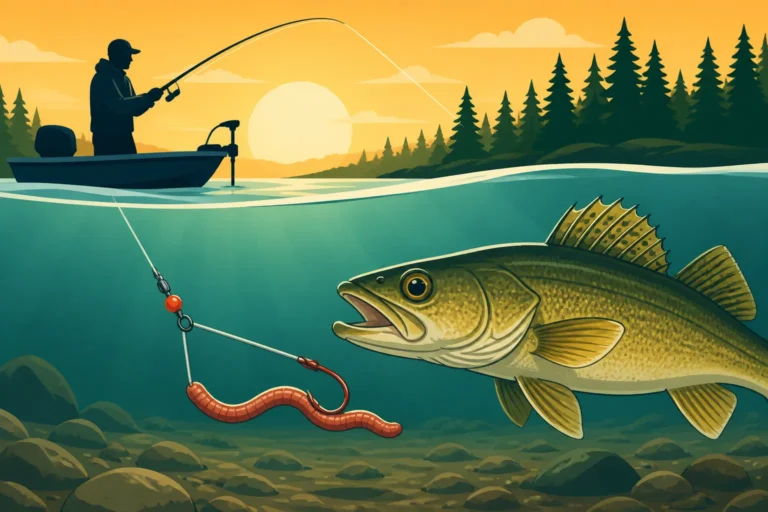
Picture this: hundreds, or even thousands, of fish have just been transported from a relatively confined hatchery environment into a sprawling new lake. They are often disoriented, stressed from the journey, and most importantly, hungry. They're used to a consistent feeding schedule and easily accessible food. This leads to a frantic feeding frenzy in the days immediately following a stocking event. The fish haven't yet learned to be wary of predators (or anglers!), and they're actively searching for an easy meal. During this "gold rush" window, your chances of success are incredibly high, and you often don't need highly specialized tactics. Simple baits like PowerBait, corn, worms, or small shiny spoons and spinners can be incredibly effective. The bites can be aggressive, and it's not uncommon to limit out quickly if you're there at the right time. However, this window can be short-lived, sometimes lasting only a few days to a week, especially in heavily pressured lakes.
Finding Stocking Schedules
This is where things can get a little tricky, as official stocking schedules aren't always widely publicized with exact dates and times. The provincial Ministry of Natural Resources and Forestry (MNRF) often keeps specific stocking dates confidential until after the fact, for a few good reasons, including preventing over-crowding and pressure on newly introduced fish, and ensuring fair access for all anglers. However, it's not impossible to get a general idea. Local tackle shops are often "in the know" about general stocking periods for nearby lakes. Conservation Authority websites for certain regions might offer some clues. Sometimes, a quick search on forums or local fishing social media groups can reveal patterns or hints from other keen anglers. Many stocked lakes follow a fairly predictable annual schedule, often in spring and fall. Keeping an eye on these general trends, or even just driving by a popular stocked lake a few times a week, can sometimes give you the heads-up you need. If you're looking to purchase some standard trout baits or a new spinning reel for such an occasion, checking a broad retailer like Amazon might offer a convenient way to get your gear quickly before you head out.
Mid-Season: Adapting to Pressure and Naturalization
Once the initial post-stocking excitement wears off, the dynamics of a stocked lake change significantly. The fish are still there, but catching them requires a more nuanced approach.
Fish Adjusting to Their New Home
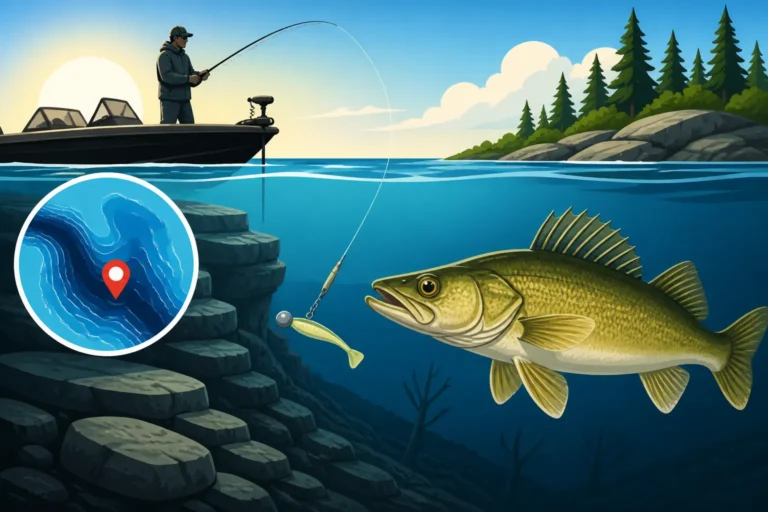
After the initial feeding spree, the stocked fish start to get their bearings. They begin to disperse from the stocking point, seeking out cover like submerged logs, weed beds, drop-offs, or rocky structures where they feel safer and where natural food sources are more abundant. Their diet will gradually shift from whatever they were fed in the hatchery to insects, crustaceans, and smaller baitfish present in the lake. This "naturalization" process makes them much more challenging to catch. They become wary, more sensitive to shadows, noises, and unnatural presentations. You'll need to start thinking more like a hunter, observing the water for signs of activity, and adapting your lures and techniques to mimic the natural forage. This means moving away from those simple baits that worked wonders right after stocking and trying more imitative presentations.
Dealing with Angler Pressure
Mid-season often brings increased angler pressure, especially on easily accessible stocked lakes. When a lot of people are fishing the same water, the fish quickly become educated. They learn to associate certain sounds, colours, or movements with danger. This means you'll need to be stealthier, cast further, use lighter line, and downsize your baits. Sometimes, the fish will hold in deeper water during the day to avoid the commotion, moving into shallower feeding areas only during low-light periods. Pay attention to what other anglers are doing, but don't just copy them – try something different! Often, a subtle presentation that nobody else is trying can be the key. For example, a small jig fished very slowly along the bottom might entice a wary trout that's seen a hundred spinners already. Having a good quality pair of polarized sunglasses, which you can often find a wide selection of on Amazon, can also be invaluable for spotting fish or submerged structure in clear water, helping you identify where fish might be hiding from pressure. Getting familiar with Ontario Fishing Regulations Explained can also help you understand any specific rules for pressured waters.
Late Season & Fall: The Cooler Water Advantage
Many anglers overlook the late season, especially fall, for stocked lakes. But if you're a fan of trout, this can be an incredibly rewarding time.
Cooler Water, Happier Fish
As summer heat gives way to the crisp days of autumn, water temperatures in Ontario's lakes begin to drop significantly. For many of the cold-water species commonly stocked, like Rainbow Trout and Brook Trout, this is fantastic news. They become much more active, their metabolism picks up, and they feel less stressed than they might have during the warmer months. This increased comfort leads to more aggressive feeding. You'll find them more willing to chase lures and take baits, and they might even move into shallower areas for longer periods during the day, making them more accessible. This is a great time to experiment with slightly larger or more active presentations, as the fish are less lethargic and more inclined to expend energy to feed. This extended period of activity often lasts right up until ice forms, offering some prime angling opportunities. Understanding the general patterns for Best Time of Year to Fish in Ontario will reinforce why fall is often a top contender.
Pre-Winter Feeding
Just like many other wildlife, fish in Ontario's stocked lakes have an instinct to feed heavily before winter sets in. They need to pack on fat reserves to sustain themselves through the leaner, colder months under the ice. This means that as fall progresses, there's often another surge in feeding activity. The fish are actively gorging themselves, making them excellent targets for anglers. This can be a prime time for catching larger, healthier fish that have had a season to grow and naturalize. While the weather might be a bit colder and you'll definitely want to layer up, the fishing can be exceptionally good. Think about using baits that offer a good caloric punch, or lures that imitate abundant fall baitfish. If you're planning a trip, make sure you've got appropriate gear, like a good quality fishing jacket that can handle cooler temperatures. You can find robust options from brands offered on Amazon that will keep you comfortable on those chilly autumn mornings.
Daily Timing Considerations for Stocked Lakes
Beyond the season and the stocking event itself, the time of day also plays a huge role in your success on stocked lakes.
Dawn and Dusk: The Classic Windows
This might sound like a broken record to experienced anglers, but for stocked lakes, the old adage about dawn and dusk holds particularly true. These low-light periods offer several advantages. First, cooler air and water temperatures at these times are generally preferred by stocked trout, making them more active and willing to feed. Second, the reduced light provides a natural camouflage, making the fish feel safer from overhead predators and less visible to sharp-eyed anglers. This encourages them to move into shallower feeding areas where they might be hesitant during bright daylight hours. Finally, these are often periods of lower angler traffic, which means less pressure on the fish. An hour or two around sunrise and sunset can often out-produce the entire midday period combined. Even if you're just using a simple Best Spinning Rods for Walleye setup, these hours can be magical for a stocked lake.
Overcast Days and Rain
Don't let a bit of cloud cover or a light drizzle deter you from hitting a stocked lake! In fact, these conditions can often trigger some of the best fishing. Overcast skies reduce light penetration into the water, effectively extending those "low-light" conditions throughout the day. Fish feel more comfortable and safer feeding in these conditions, and you'll often find them more active at midday than on a bright, sunny afternoon. Light rain can also be beneficial, as it can wash terrestrial insects into the water, creating a natural food source and triggering a feeding response. The sound of rain on the water can also help muffle your presence, allowing for a stealthier approach. Of course, safety first – heavy storms, lightning, or torrential downpours are never a good idea. But a gloomy, drizzly day can be a fantastic time to find active fish in a stocked lake. Just make sure you have reliable rain gear; a good quality waterproof jacket and pants are essential for comfort, and many anglers find great options for these on Amazon.
To summarize, here's a quick overview of the best times and considerations:
| Time Period | Key Characteristics | Fish Behaviour | Angler Strategy |
|---|---|---|---|
| Immediate Post-Stocking | Days to a week after fish are introduced. | Disoriented, hungry, less wary, actively seeking food. | Simple baits (PowerBait, worms, corn), small lures (spinners, spoons). Fish near stocking points. |
| Mid-Season | Weeks after stocking, fish have settled in. | More naturalized, seeking cover, wary of pressure, feeding on natural forage. | Stealthy approach, lighter line, smaller, imitative lures/baits. Fish structures and deeper water during daylight. |
| Late Season/Fall | Water temperatures cooling, before ice forms. | Active, comfortable in cooler water, pre-winter feeding urge. | More aggressive presentations possible, focus on areas with natural forage. Layer up for comfort. |
| Daily: Dawn/Dusk | Low light, cooler temperatures. | Increased activity, move to shallower feeding areas, feel safer. | Be present during these windows, focus on transitions. |
| Daily: Overcast/Rain | Reduced light penetration, potential for insects washed in. | More active at midday, feel safer, feeding response to natural food. | Don't shy away from dreary weather. Use natural baits or imitative flies. Consider Fly Fishing for Trout in Ontario. |
Always remember to check the current Ontario Fishing License Guide for 2026 and local regulations before heading out, as rules can vary by water body and species. And most importantly, enjoy the beautiful experience of fishing in Ontario!
Disclaimer
This article is for general informational purposes only and does not constitute professional advice. Laws, prices and regulations vary by location and change over time. Consult a qualified professional for guidance on your specific situation.