Ontario record smallmouth bass weight
It's that electrifying moment when you hook into something truly special, something that pulls back with an incredible fight, and you just know it's a giant. Every dedicated smallmouth angler in Ontario dreams of landing that one fish that pushes the limits, a true bronzeback monster. This guide dives deep into the legendary weight of Ontario's record smallmouth bass, what it takes to catch such a behemoth, and how you can join the ranks of those who pursue these incredible fish.
The Allure of Trophy Smallmouth Bass in Ontario
There’s something uniquely captivating about smallmouth bass. They aren't just fish; they're tenacious fighters, cunning predators, and incredibly beautiful creatures with their distinctive bronzed scales and fierce eyes. For many anglers, the pursuit of a trophy smallmouth is a lifelong quest, a blend of strategy, skill, and a little bit of luck. Ontario, with its vast network of clear, rocky lakes and rivers, is truly a paradise for those who chase these finned gladiators.
Why Smallmouth Bass Captivate Anglers
Smallmouth bass, often affectionately called "bronzebacks," are renowned for their incredible fighting spirit. Unlike some other species that might make a few strong runs and then give up, a smallmouth will fight dirty, jumping clear of the water, making powerful headshakes, and diving deep into structure until the very last second. This relentless energy makes every hook-up an adrenaline-pumping experience, etching it into an angler's memory. You never truly feel safe until that fish is in the net.
Their intelligence and adaptability also add to their allure. Smallmouth bass are highly sensitive to changes in weather, water temperature, and pressure, requiring anglers to constantly adapt their strategies. They are masters of their environment, using rocky reefs, submerged logs, and sharp drop-offs as ambush points. Understanding their habits and successfully fooling a wary bronzeback feels like a genuine achievement, far more rewarding than simply reeling in a passive fish. It's a thinking person's game, and that's part of the fun.
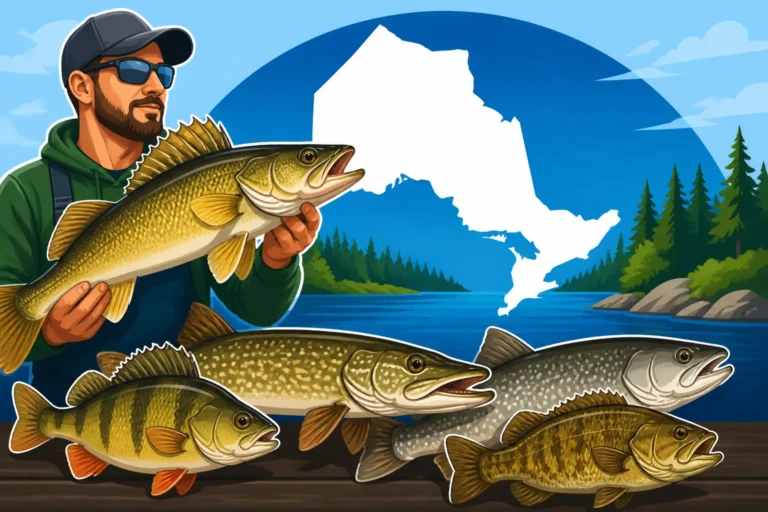
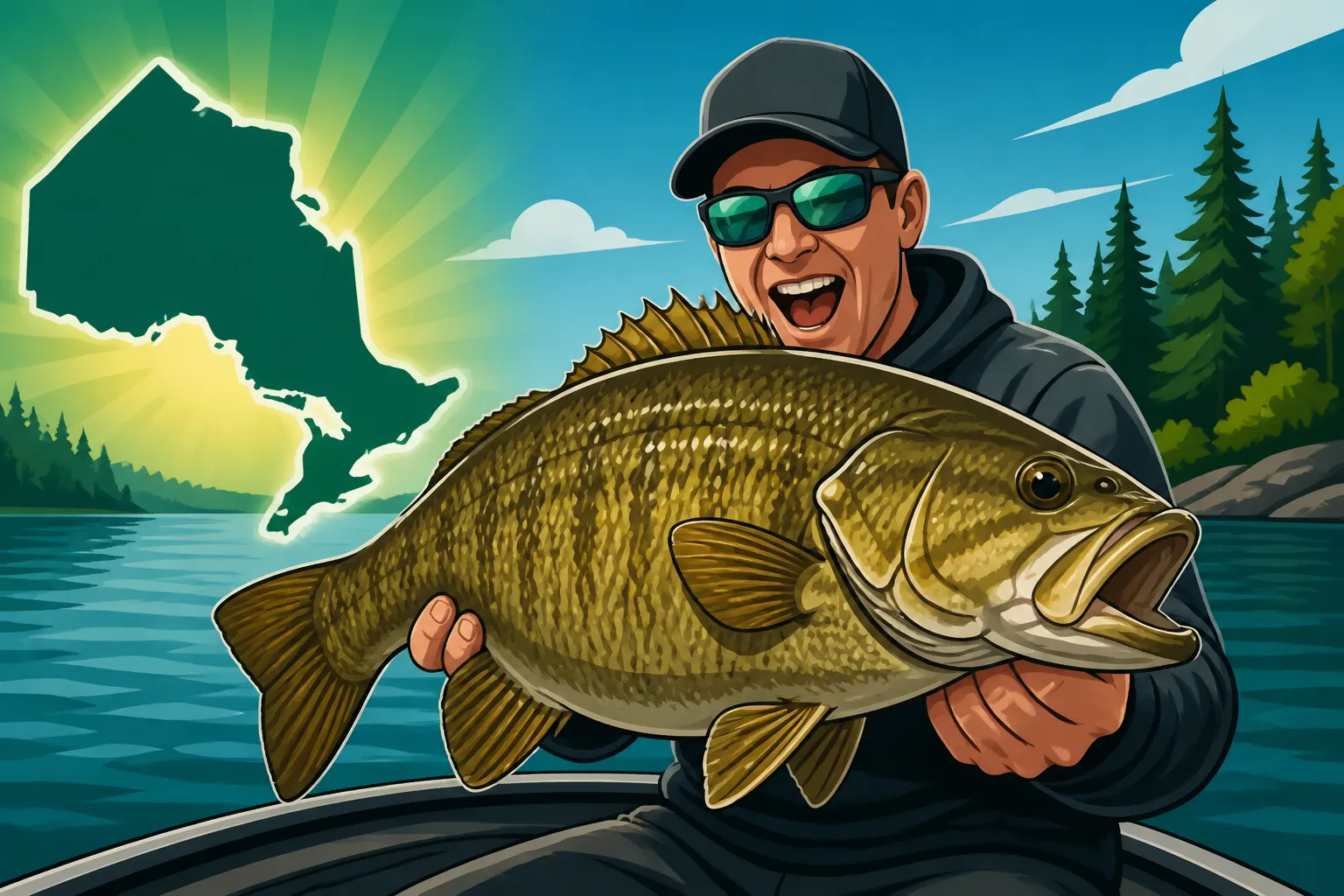
Beyond their fighting prowess, the sheer beauty of a smallmouth bass is undeniable. Their iridescent bronze, green, and gold hues, coupled with those striking vertical bars and crimson eyes, make them incredibly photogenic. Catching a large, healthy smallmouth is not just about the weight; it's about holding a piece of natural art in your hands, a testament to Ontario's vibrant freshwater ecosystems. It's a privilege to encounter such magnificent creatures.
What Defines a "Trophy" Smallmouth
While the official provincial record is the ultimate benchmark, many anglers consider a smallmouth bass of a certain size to be a "trophy" in its own right, depending on the body of water. Generally speaking, a smallmouth bass weighing five pounds or more is widely regarded as a trophy in Ontario. These fish are typically older, wiser, and have survived countless fishing pressures and natural challenges, making their capture a significant accomplishment.
On some highly productive lakes, a "trophy" might stretch to six or seven pounds, while on other, less fertile waters, a four-pound smallmouth could be considered a true giant. The term "trophy" is subjective but always implies a fish of exceptional size and maturity that represents the peak potential of the species in a given area. It's about recognizing the rarity and significance of catching a truly magnificent specimen.
The pursuit of these larger fish often dictates different angling strategies. You're not just looking for any smallmouth; you're actively targeting the biggest ones in the system, which requires specialized tactics, heavier gear, and an understanding of where these giants might hold. It’s a game of patience and persistence, knowing that the biggest fish are often the most elusive. For more on what makes smallmouth so special, check out our guide on Smallmouth Bass Fishing in Ontario.
The Official Ontario Record Smallmouth Bass Weight
For decades, this particular record has stood as a beacon for smallmouth enthusiasts across the province, a testament to the incredible potential of Ontario's waters. It represents the pinnacle of smallmouth bass fishing achievement in the region, a truly monumental catch that has inspired countless anglers to push their own limits.
Unveiling the Record
The official Ontario record for smallmouth bass stands at a remarkable 10.43 pounds. This incredible fish shattered previous benchmarks and set a standard that has remained unchallenged for a very long time. Imagine the sheer power and size of a smallmouth bass weighing over ten pounds—it’s a fish that would fill a net and leave an angler breathless. This weight is significant not just for Ontario, but it stands tall among North American smallmouth records, showcasing the world-class fishery we have right here.
This record-setting catch wasn't just a fluke; it came from a lake known for its productive waters and the potential for giant fish. Every angler who heads out on the water with dreams of a new record has this number in the back of their mind, a constant reminder of what’s truly possible. It underscores the fact that with the right conditions and a little luck, anyone could potentially stumble upon the next record-breaker. It's a source of both challenge and inspiration.
The Story Behind the Catch
The legendary smallmouth bass weighing 10.43 pounds was caught by David Hayes on Rose Lake back in 1954. This makes it one of the older, most enduring records in Ontario's fishing history. Rose Lake, located in the northeastern part of Ontario, proved to be the perfect environment for this bronzeback to reach such an astonishing size. The details of the actual catch are often steeped in a bit of legend, but the fact remains that Hayes landed a fish that solidified its place in angling lore.
It's a testament to the pristine, untouched nature of some of Ontario's waters, even decades ago. A fish like this would have fed extensively on crayfish and abundant baitfish, growing slowly over many years in a rich, healthy ecosystem. The long-standing nature of this record highlights how rare such a specimen truly is, even in a province renowned for its incredible smallmouth fishing. It makes you wonder what other giants might still be lurking in our deep, clear lakes.
While the methods used back in 1954 might seem simple compared to today's high-tech approaches, it speaks to the fundamental truth of fishing: sometimes, the most basic presentation can fool the biggest fish. David Hayes's catch reminds us that skill, patience, and being on the right water at the right time are timeless ingredients for success. It also adds to the mystique of Rose Lake, solidifying its place in Ontario's fishing heritage.
Chasing Your Own Ontario Trophy Smallmouth
While breaking a record is an astronomical feat, consistently catching five, six, or even seven-pound smallmouth bass is an achievable goal for dedicated anglers in Ontario. It requires understanding their habitat, preferred forage, and employing the right gear and techniques. It's a journey of continuous learning and adapting to the dynamic conditions of our diverse lakes and rivers.
Key Factors for Finding Big Smallmouth
Big smallmouth bass aren't found just anywhere; they have specific preferences that dictate their whereabouts. They generally favor clear, cool water with abundant rocky structure. Think of deep rock piles, underwater points, steep drop-offs, and humps where they can ambush prey and quickly retreat to deeper, cooler water. These structures provide both shelter and prime hunting grounds. Lakes like Georgian Bay, Lake Erie, and the vast waters of Lake of the Woods are prime examples of places where these conditions are met, leading to consistent trophy opportunities. Explore some of these locations in our guide to the Best Fishing Lakes in Ontario.
Forage is another critical factor. Big smallmouth need big meals to sustain their growth. Their diet often includes crayfish, various baitfish like ciscoes, smelt, and shiners, and in some Great Lakes regions, invasive species like round gobies have become a significant food source. Understanding what the fish are eating in a particular lake will help you select the most effective lures and presentations. Scout for these food sources using your electronics or by observing the shoreline.
Seasonal movements also play a huge role. In spring, after ice-out, smallmouth move shallower to spawn, making them more accessible. During the summer, they retreat to deeper, cooler waters, often suspending over structure or holding tight to thermoclines. Fall sees them aggressively feeding in preparation for winter, often returning to shallower rocky areas before settling into their deep wintering holes. Adapting your approach to these seasonal patterns, as detailed in Ontario Fishing Seasons by Zone and Month, is crucial for consistent success.
Essential Gear and Techniques
When targeting trophy smallmouth, your gear needs to be up to the task. These fish fight hard, and lighter tackle can quickly lead to heartbreak. A medium-heavy to heavy power spinning rod (7' to 7'6" in length) or a baitcasting setup with a fast action tip is ideal. Pair this with a reliable spinning reel in the 2500-3000 size range or a sturdy baitcasting reel capable of handling heavy lines. For line, 10-20 lb braided line with a 10-15 lb fluorocarbon leader is a popular choice, offering sensitivity, strength, and invisibility in clear water. Many anglers looking for quality options find a wide array of choices on Amazon, from rods to reels.
When it comes to lures, versatility is key. Jigs are perennial favorites, especially tube jigs and football head jigs tipped with soft plastic crayfish imitations. Drop shot rigs are incredibly effective for targeting fish holding on deep structure, allowing you to present a small bait precisely at their depth. Crankbaits, especially those designed to dive to specific depths, can cover a lot of water and provoke aggressive strikes, particularly during warmer months. Topwater lures like poppers and walk-the-dogs create explosive strikes during low light conditions or when fish are feeding actively near the surface. You can find many of these specific lure types on Amazon as well.
Reading your electronics is paramount for deep-water smallmouth. A good fish finder will help you locate subtle structure, identify baitfish schools, and even mark individual fish. Once you've found a promising spot, careful boat positioning and precise casting are essential. Experiment with retrieve speeds and jigging motions until you figure out what triggers bites. Remember, smallmouth often bite on the fall, so pay close attention to your line as your lure descends. For more tactical advice, explore resources like How to Catch Smallmouth Bass in Ontario.
Responsible Angling and Record Keeping
Chasing trophy fish comes with a responsibility to protect these magnificent creatures for future generations. While the dream of breaking a record is powerful, ensuring the long-term health of the fishery should always be paramount.
Practicing Catch and Release for Giants
Catching a truly massive smallmouth bass is an incredible achievement, and for many, the greatest reward is the photo and the knowledge that such a fish exists. Practicing proper catch and release is absolutely critical, especially for large, older fish that are vital to the breeding stock. Handle the fish gently, minimizing its time out of the water. Support its body horizontally, avoiding hanging it vertically by the jaw, which can cause internal damage.
Use a large, rubberized landing net to safely bring the fish aboard and keep it in the water as much as possible while removing the hook. Barbless hooks can make hook removal much easier and reduce stress on the fish. If you plan to weigh the fish, use a cradle or a weighing sling rather than just a lip grip, which can be stressful for heavy fish. Take your measurements and photos quickly and then gently release the fish, ensuring it swims away strongly. This ensures that these genetic giants can continue to contribute to the fishery.
Many anglers are now focusing on replica mounts, where you take careful measurements and high-quality photographs, and then have a taxidermist create a stunning, lifelike reproduction without harming the fish. This allows you to celebrate your catch for years to come while ensuring the original fish lives to fight another day, possibly even setting a new record for someone else down the line.
How Records Are Verified in Ontario
If you believe you've caught a potential provincial record, the process for verification is stringent and designed to ensure accuracy and fairness. First and foremost, the fish must be legally caught according to all current Ontario Fishing Regulations Explained. Any infractions can disqualify the catch, no matter how big it is.
To have a fish officially recognized, you'll need to adhere to specific guidelines. This typically involves weighing the fish on a certified scale, usually one found at a tackle shop, marina, or official weigh station, often with witnesses present. Detailed photographs are crucial, showing the entire fish, close-ups of identifying features to confirm the species (e.g., to distinguish it from a largemouth bass – see How to tell a largemouth from a smallmouth bass), and often a photo with the fish beside a measuring device. The length and girth measurements are also required.
It's also essential to contact the appropriate provincial authorities (like the Ministry of Natural Resources and Forestry or the relevant angling associations) as soon as possible after the catch. They will provide the official paperwork and guide you through the submission process. While the dream is alive for every angler, understanding and respecting the rules of record-keeping is just as important as the catch itself. For more on how Ontario tracks its fish, you might find Ontario Provincial Fish Records by Species an interesting read.
Trophy Smallmouth Bass Weight Tiers in Ontario
To put the Ontario record into perspective and help you gauge your own trophy catches, here's a general guide to smallmouth bass weight tiers in the province. These are not official categories but rather commonly understood benchmarks among experienced anglers.
| Weight Range (Pounds) | Description & Significance | Common Locations for Catches |
|---|---|---|
| < 3 lbs | Standard Catch | Most Ontario Lakes & Rivers |
| 3 – 4 lbs | Good Solid Fish | Many Productive Waters |
| 4 – 5 lbs | Excellent, Quality Fish | Well-Managed Lakes & Rivers |
| 5 – 6 lbs | Trophy Caliber | Georgian Bay, Lake Erie, Lake of the Woods, Lake Simcoe, some Northern Lakes |
| 6 – 7 lbs | Exceptional Trophy | Top Tier Trophy Waters |
| 7+ lbs | Giant/Potential Record | Extremely Rare, Specific Lakes |
| 10.43 lbs | Ontario Provincial Record | Rose Lake (David Hayes, 1954) |
This table provides a snapshot of what anglers consider a trophy. While a 5-pounder is a fantastic catch anywhere, a 7-pound smallmouth is truly a fish of a lifetime for most, pushing the limits of what's possible in Ontario's incredible smallmouth fisheries. So get out there, study the water, hone your techniques, and who knows—you might just be the next angler to hoist a true Ontario giant!
Disclaimer
This article is for general informational purposes only and does not constitute professional advice. Laws, prices and regulations vary by location and change over time. Consult a qualified professional for guidance on your specific situation.