Ontario record rainbow trout weight
For many anglers, the dream of hooking into a truly monstrous fish isn't just a fantasy; it's the driving force behind countless early mornings and late nights on the water. When it comes to rainbow trout in Ontario, these vibrant, hard-fighting fish can grow to impressive sizes, leaving many to wonder just how big they really get. This guide dives deep into the legendary Ontario record rainbow trout, exploring what it takes to land such a magnificent specimen and how you might just chase your own trophy rainbow.
The Ontario Record Rainbow Trout: Unpacking the Legend
Every province has its fishing legends, and in Ontario, the story of the record rainbow trout is one that captivates many. It’s a testament to the incredible fisheries we have, from the Great Lakes to our smaller, pristine streams. Anglers often spend years, even decades, pursuing that one exceptional catch, and the record rainbow serves as a powerful reminder of what's possible when conditions, skill, and a little bit of luck align perfectly.
The sheer size of a record fish can be hard to fathom if you're used to catching smaller pan-sized trout. We're talking about a fish with immense power, one that can strip line and test your tackle to its absolute limits. Imagine the fight, the adrenaline, and the moment that magnificent creature finally comes to the net. It's the stuff of dreams for any dedicated trout angler.
The Weight of a Giant
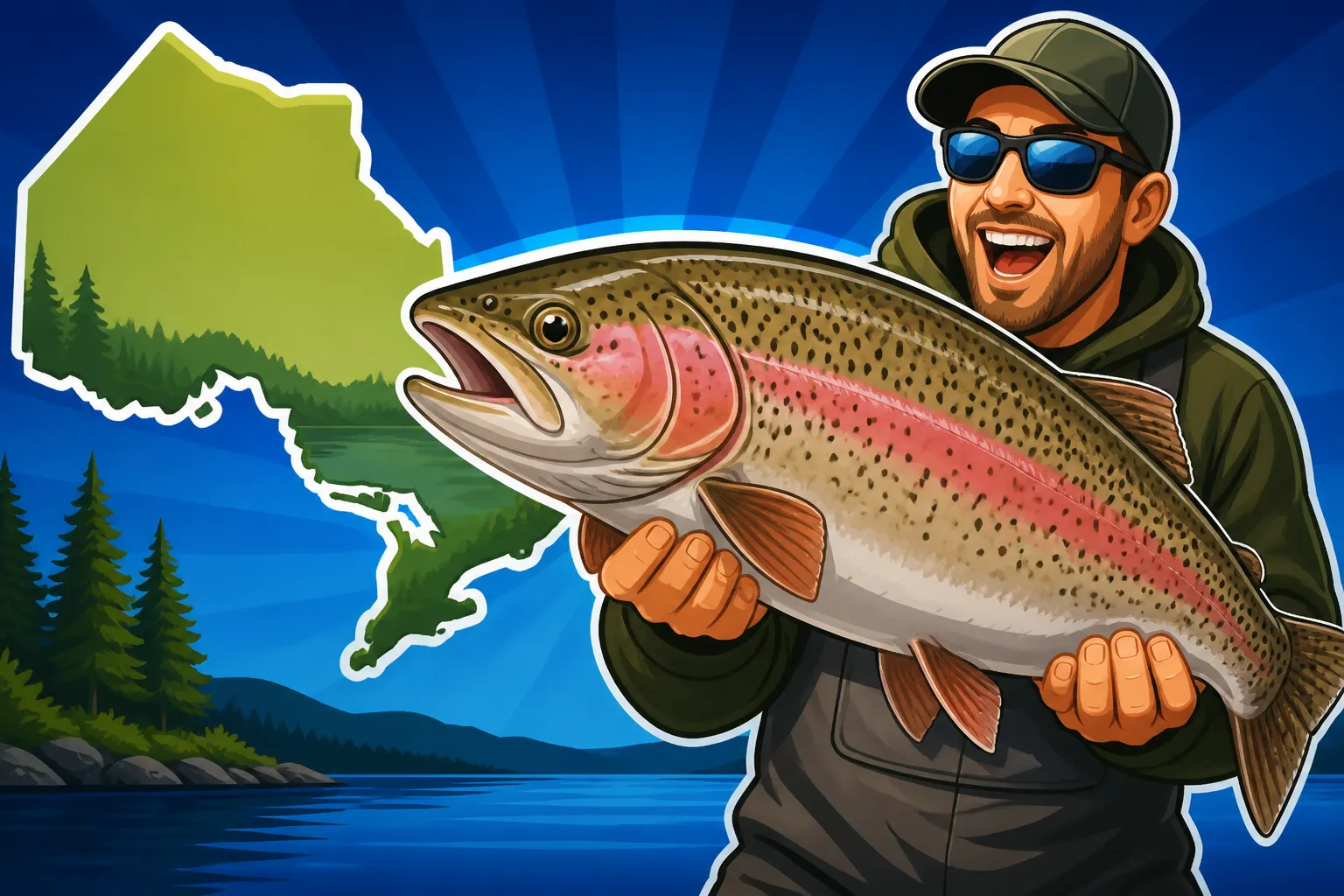
The official Ontario record rainbow trout stands at a truly astounding weight. This magnificent fish tipped the scales at 30.5 pounds, a colossal specimen that truly lives up to the "trophy" designation. This record-breaking catch came from Lake Superior, a body of water renowned for its massive lake trout and salmon, but also capable of producing incredible rainbow trout, often referred to as "steelhead" when they migrate from the Great Lakes into tributaries to spawn.
When you think about the average rainbow trout caught in many of our rivers and smaller lakes, which might be in the 1-5 pound range, a 30.5-pound fish is in a league of its own. It speaks volumes about the rich forage base, the cold, oxygenated waters, and the potential for these fish to grow to truly epic proportions in specific environments. It's a weight that inspires awe and encourages countless trips in hopes of encountering its equal.
The Story Behind the Catch
While the exact details of every record catch can sometimes fade into the mist of time, the 30.5-pound rainbow trout from Lake Superior is a celebrated achievement in Ontario fishing history. Record-setting fish rarely come easy; they're often the result of immense patience, specialized techniques, and being in the right place at the right time. For such a large fish, it was likely caught by an angler specifically targeting large migratory trout or salmon, often using heavy-duty gear designed to withstand the brutal power of these freshwater giants.
Lake Superior, being one of the largest and deepest freshwater lakes in the world, offers unique challenges and incredible rewards. Its vastness means fish have ample space to roam and feed, building up incredible size and strength. The cold, clear water is ideal for trout, providing the perfect habitat for them to thrive. The conditions that lead to a record-breaking fish involve not just the fish's age and genetics, but also years of abundant food, a healthy ecosystem, and favorable environmental conditions that allow them to reach such monumental sizes.
What Makes a Trophy Rainbow Trout?
Beyond the provincial record, many anglers simply aspire to catch a "trophy" rainbow trout. What constitutes a trophy often varies from person to person, but generally, it refers to a fish significantly larger than average for its species in a given water body. For rainbow trout in Ontario, a trophy might start anywhere from 5-10 pounds in smaller rivers, extending much higher in the Great Lakes system.
These fish aren't just big; they're often older, wiser, and incredibly challenging to catch. They've survived numerous seasons, evaded countless predators, and learned to be wary of anglers. Targeting them requires a different approach than simply trying to fill a cooler with smaller pan-sized fish. It's about strategy, precision, and understanding the habits of these larger, more elusive specimens.
Factors Influencing Size and Growth
Several key factors contribute to a rainbow trout's potential to grow to trophy size in Ontario. Firstly, genetics play a role; some strains of rainbow trout simply have the genetic predisposition to grow larger and faster. Secondly, the food source is paramount. Lakes and rivers with abundant forage, such as smelt, shiners, sculpins, or even other smaller fish, allow trout to pack on weight quickly. The Great Lakes, for instance, are rich in baitfish, which is why they produce such massive trout and salmon.
Water quality and temperature are also crucial. Rainbow trout thrive in cold, clean, oxygen-rich water. Stable water temperatures within their preferred range allow for optimal metabolism and growth. Places like Lake Superior offer vast expanses of deep, cold water that remain suitable for large trout year-round, unlike some shallower lakes that might warm up too much in the summer. Finally, fishing pressure and regulations indirectly influence trophy potential. Waters with catch-and-release policies or strict slot limits help ensure that larger, older fish are conserved, giving them more time to grow into true giants. For instance, understanding Ontario Bag and Possession Limits by Species is vital.
Identifying a True Monster Rainbow
When you hook into a big rainbow, you'll often know it immediately. The initial run is usually explosive, powerful, and relentless. They'll strip line at an alarming rate, often leaping dramatically out of the water in an attempt to shake the hook. Their broad shoulders and deep bodies give them incredible leverage against your tackle. Visually, a true monster rainbow trout will have a thick, muscular build, often with vibrant colours – a deep olive back, distinct black spots, and the characteristic iridescent pink or red stripe along its flanks.
The head will be proportionately larger, and the tail fin will be powerful and broad, built for speed and endurance. These are not your average stocker trout; they are apex predators of their environment. Pay attention to the overall girth of the fish, not just its length. A truly heavy fish will have a significant amount of "belly" and broadness that speaks to its years of successful feeding. Having a good Best Landing Net for Trout is essential for securing such a prize.
Chasing Giants: Strategies for Ontario's Big Rainbows
So, you're ready to chase your own monster rainbow? It's an exciting pursuit that requires dedication, the right gear, and a solid understanding of where and how these magnificent fish live. While the provincial record might be a once-in-a-lifetime anomaly, consistently catching large rainbow trout is an achievable goal with the right approach.
Many anglers focus their efforts on the Great Lakes and their tributaries, particularly Lake Superior, Lake Huron, and Lake Ontario, during their migratory runs. These "steelhead" offer some of the most thrilling and challenging trout fishing experiences in the province. But even inland, some larger, deep lakes can hold impressive resident rainbows, especially if they are well-managed and have good forage.
Targeting Great Lakes Steelhead
Fishing for Great Lakes steelhead in Ontario is often a seasonal affair, primarily focusing on their runs up tributary rivers in the spring and fall. These fish are incredibly strong, having spent years gorging themselves in the vastness of the Great Lakes. During these migrations, they can be targeted using various methods, from float fishing with roe bags or worms to drift fishing with artificial baits. Fly fishing is also extremely popular, with anglers using nymphs, streamers, and egg patterns.
One of the most effective strategies is to cover a lot of water. Steelhead are often on the move, so working your way along a river, hitting pools, runs, and riffles, increases your chances. Pay close attention to water temperature and clarity, as these can significantly impact their behaviour. Many dedicated steelhead anglers will spend countless hours scouting rivers and observing conditions. Essential gear often includes specialized float rods, quality reels with strong drag, and fluorocarbon leaders, which you can often find readily available on Amazon. For specific tactics, consider researching Wading Techniques for Ontario Trout Streams.
Gear and Tactics for Trophy Trout
Landing a 30-pound rainbow trout isn't going to happen on ultralight tackle. You need robust gear designed for powerful fish. This includes medium-heavy to heavy action rods, capable of handling large lures and heavy fish. Reels should have a smooth, powerful drag system and enough line capacity for those blistering runs. Many anglers opt for braided main lines with fluorocarbon leaders for sensitivity and strength. You can find a wide range of suitable rods, reels, and lines on Amazon, often with helpful reviews from other anglers.
| Gear Item | Recommended Features for Trophy Rainbows | Why It Matters |
|---|---|---|
| Rod | 9-11 ft. Medium-Heavy to Heavy action, fast tip | Longer rods provide better line control, shock absorption, and casting distance. |
| Reel | Quality spinning or baitcasting reel with smooth, powerful drag, high line capacity | Strong drag is crucial for battling powerful runs; high capacity for long fights. |
| Line | 15-30 lb braided main line; 8-15 lb fluorocarbon leader | Braid offers sensitivity and strength; fluoro leader is nearly invisible and abrasion resistant. |
| Lures/Baits | Large spoons, crankbaits, swimbaits, roe bags, worms, large nymphs, streamers | Match the size of the forage and appeal to larger, more aggressive fish. |
| Net | Large, deep-hooped landing net with rubberized mesh | Prevents harm to the fish for catch and release and securely lands the catch. |
When it comes to tactics, patience and persistence are key. Big fish often hold in deeper, less accessible water. They may be less active during certain times of the day or in specific weather conditions. Varying your retrieve speed, trying different lure colours, and experimenting with depths can often be the difference between a slow day and a memorable catch. Understanding local regulations, like those covered in Ontario Fishing Regulations Explained, is also vital for successful and legal fishing.
Beyond the Record: Other Notable Trout in Ontario
While the rainbow trout holds its own special place, Ontario is a province rich in diverse and magnificent trout species, each offering its unique challenge and beauty. From the native brook trout to the elusive lake trout, there's a world of trout fishing to explore beyond the quest for the biggest rainbow.
Exploring these other species can broaden your angling horizons and introduce you to different fishing environments and techniques. It also highlights the incredible biodiversity of Ontario's waters and the importance of conservation efforts to protect these precious resources for future generations.
Ontario's Native Brook Trout
The brook trout, with its stunning colours and aggressive takes, is a cherished native species in Ontario. While they don't typically reach the colossal sizes of Great Lakes steelhead, a large brook trout in a remote Crown land lake or pristine stream is a highly prized catch. These fish are often found in cold, clear, oxygenated waters, and their pursuit can take you to some of the most beautiful and untouched wilderness areas in the province.
Targeting brook trout often involves lighter tackle, focusing on small spinners, spoons, or delicate fly patterns. Fly fishing for brook trout in Ontario's northern streams and lakes is a quintessential Canadian experience. They are incredibly feisty for their size and provide an exhilarating fight on appropriate gear. Learning about Brook Trout Native Range in Ontario can guide you to some exceptional wilderness experiences.
The Mighty Lake Trout
If you're truly after a heavyweight trout, the lake trout is another incredible species found in many of Ontario's deeper, colder lakes. These fish can grow to enormous sizes, often exceeding 20 or even 30 pounds in the right conditions, and are known for their immense power and deep-water habits. Lake trout are often caught by trolling large spoons, crankbaits, or bait rigs in deep water, or by jigging through the ice in winter.
They are a majestic fish, built for life in the depths, and offer a completely different angling challenge than river-dwelling rainbows. Places like Lake Superior, Lake Huron, and Lake Nipigon are legendary for their giant lake trout. For those interested in pursuing these deep-water giants, exploring resources like Trolling Techniques for Ontario Lake Trout can be incredibly valuable.
Rainbow Trout Stocking Programs
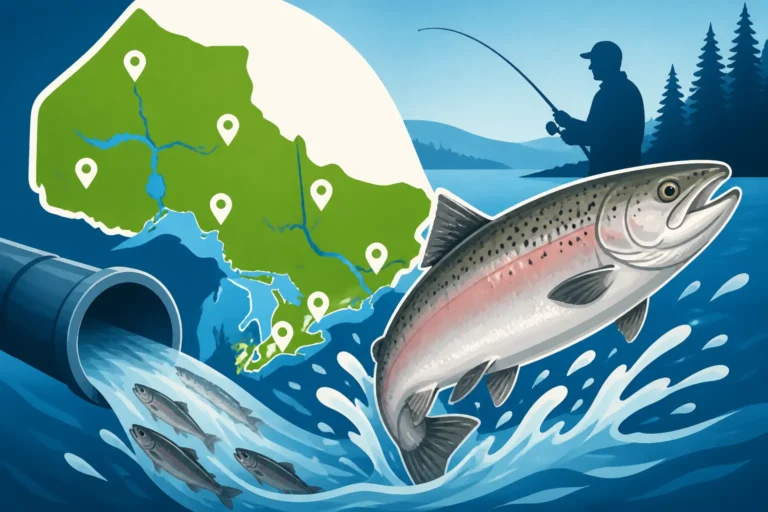
Beyond the wild, migratory steelhead, Ontario also has extensive stocking programs for rainbow trout, introducing them to many inland lakes and ponds. These programs provide excellent fishing opportunities, especially for families and beginners, and often offer more accessible fishing experiences closer to urban centres. While these stocked fish typically don't reach record-breaking sizes, they still provide fantastic sport and a chance to hone your trout fishing skills.
These stocked fish are generally eager to bite and can be caught using a variety of baits and lures. Worms, corn, power bait, and small spinners are often effective. It’s a great way to introduce new anglers to the thrill of trout fishing without the complexities of chasing wild, migratory fish. Learning about Rainbow Trout Stocking in Ontario can help you find these accessible fishing spots.
Disclaimer
This article is for general informational purposes only and does not constitute professional advice. Laws, prices and regulations vary by location and change over time. Consult a qualified professional for guidance on your specific situation.