Where brook trout still live wild in Ontario
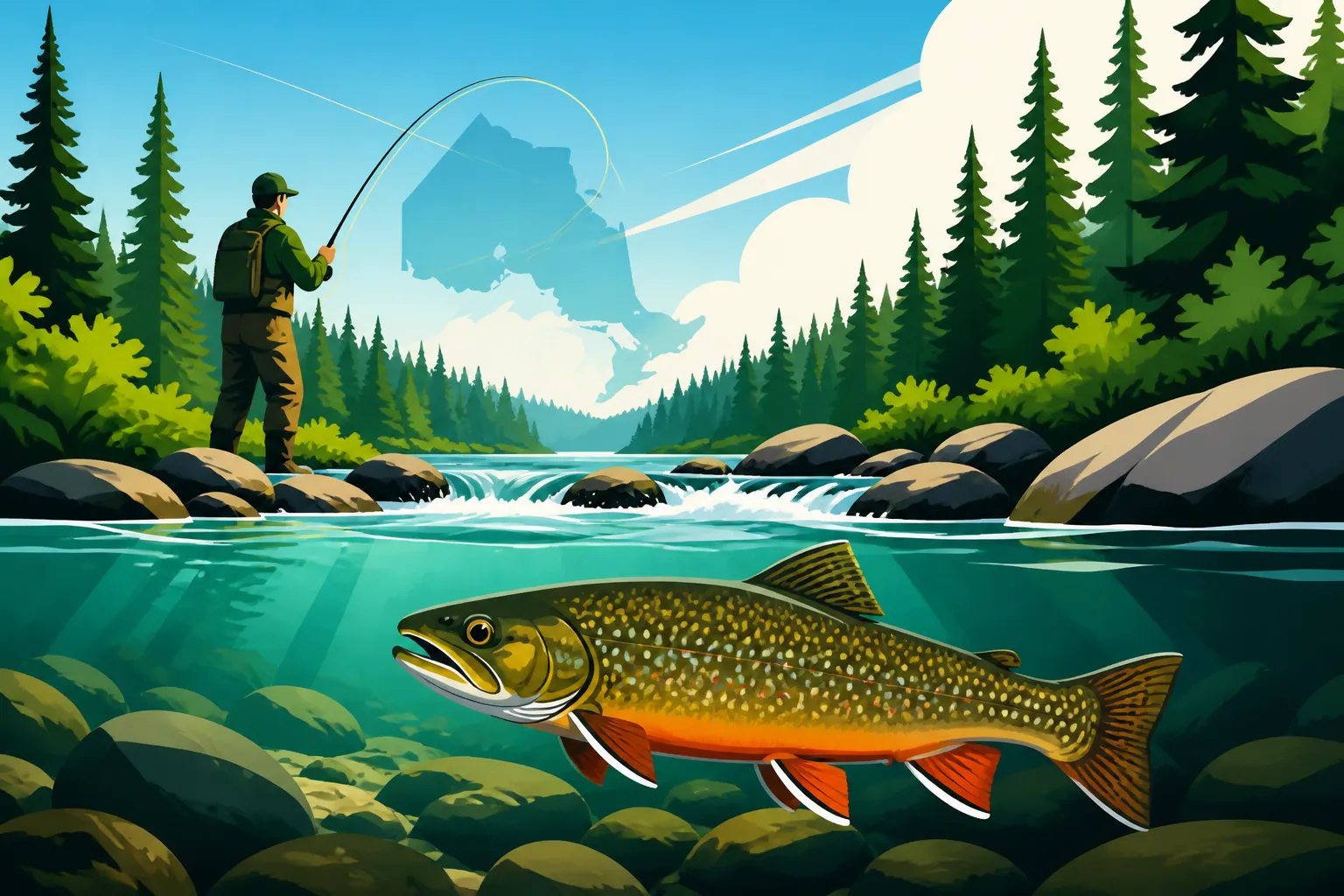
If you've ever dreamt of casting a line into a pristine, cold stream and pulling out a vibrant, feisty brook trout, you're not alone. But for many anglers, especially in busy Southern Ontario, finding truly wild brook trout can feel like searching for a needle in a haystack. So much of our fishing opportunities these days revolve around stocked fish, which are wonderful in their own right, but lack that untamed spirit. This guide is here to cut through the confusion and point you toward those elusive, ancient places where Ontario's wild brook trout still thrive, offering a glimpse into what angling was like generations ago.
The Allure of Wild Brook Trout in Ontario
There's something uniquely captivating about wild brook trout. They are, in many ways, a living testament to the health and purity of Ontario's most untouched waterways. These aren't just fish; they're indicators of robust, pristine ecosystems, and connecting with them offers an experience that goes far beyond simply catching a fish.
Why "Wild" Makes a Difference
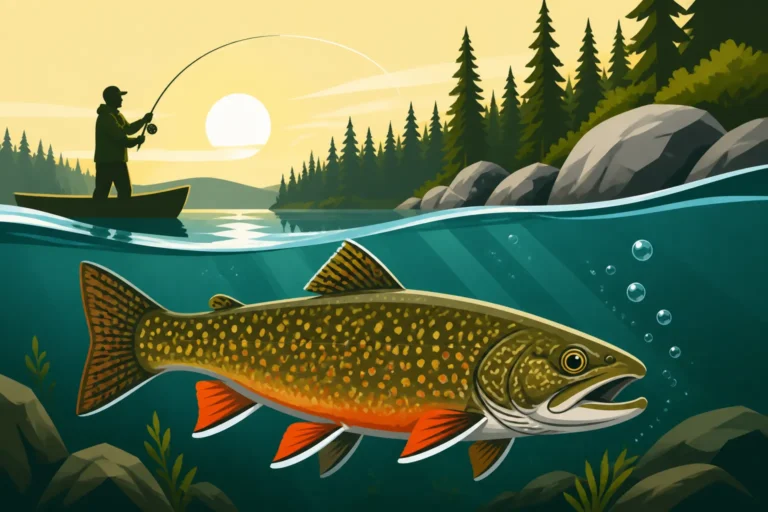
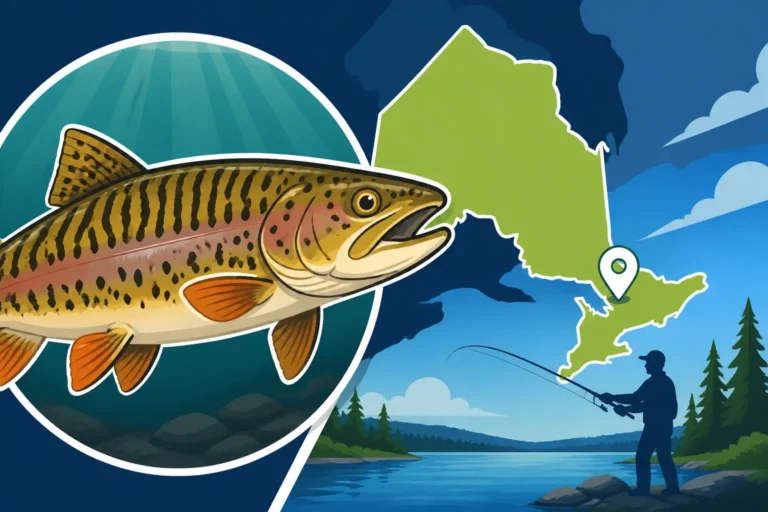
When we talk about "wild" brook trout, we're not just being poetic. We're talking about fish that have completed their entire life cycle in their natural habitat, without human intervention. They've hatched from eggs laid in the gravel of a cold, clear stream or lake, survived as fry, and grown to adulthood by outsmarting predators and finding their own food. This innate hardiness and natural selection process results in fish that are often more vibrant in colour, more wary, and incredibly strong for their size. A wild brook trout, with its deep red belly, intricate vermiculation, and ivory-tipped fins, is a creature of breathtaking beauty, a true jewel of the Canadian Shield.
Beyond their stunning aesthetics, wild brook trout offer a different kind of angling challenge. They are often more sensitive to pressure and require a more stealthy approach. Their bites can be subtle, and their fight, though perhaps not as explosive as a bigger species, is tenacious and spirited. Landing one feels like a significant accomplishment, a reward for your patience, skill, and willingness to venture into less-frequented areas. It's a connection to the wild that stocked fish, no matter how healthy, simply can't replicate. It reminds us of the delicate balance of nature and the importance of preserving these untouched pockets.
The Challenges of Finding Wild Brook Trout
Let's be honest, finding wild brook trout isn't always easy, and that's precisely why it's such a rewarding pursuit. Over the past century or more, these native fish have faced an uphill battle. Habitat loss is a huge factor; logging, development, agriculture, and road building can all degrade the cold, clear water they desperately need. Siltation from erosion smothers spawning beds, and warmer water temperatures, especially in Southern Ontario, can make many streams uninhabitable.
Then there's the issue of competition. Many Ontario waters have been stocked with non-native species like rainbow trout or brown trout, which can outcompete brook trout for food and habitat, or even prey on their young. And of course, human fishing pressure plays a role. Wild brook trout populations, especially in smaller, more accessible streams, are fragile. They can be quickly depleted if anglers aren't careful with catch-and-release practices. It's this combination of environmental pressures and historical angling practices that makes discovering a healthy, self-sustaining population of wild brook trout such a special event.
Prime Habitats for Wild Brook Trout
So, where do you begin your search for these elusive gems? You need to think like a brook trout. They are creatures of cold, clean water, thriving in environments that most other fish species find too harsh or inaccessible. Their preferred homes are often far from human development, nestled deep within Ontario's vast wilderness.
Northern Shield Lakes and Rivers
The Canadian Shield is the undisputed heartland of wild brook trout in Ontario. This vast geological formation, characterized by ancient granite, countless lakes, and dense boreal forests, provides the perfect conditions. Here, you'll find an abundance of cold, clear, oligotrophic (nutrient-poor) lakes, often interconnected by pristine rivers and creeks. These waters are typically deep enough to maintain cold temperatures year-round, even through the summer months, and their rocky, gravelly bottoms provide ideal spawning habitat.
Think about the characteristics:
- Cold water: Brook trout absolutely need consistently cold water, ideally below 20°C (68°F), and often much colder. Springs and deep lake pockets are crucial.
- High oxygen levels: Cold water naturally holds more oxygen, which brook trout require.
- Complex cover: Downed trees, undercut banks, boulders, and dense aquatic vegetation offer protection from predators and ambush points for food.
- Clean gravel bottoms: Essential for successful spawning. Silt-free areas ensure eggs can develop properly.
Regions like the Algoma Highlands, the Temagami area, and the vast expanse of Algonquin Provincial Park are classic examples of Shield country where these conditions are prevalent. The sheer remoteness of many of these locations acts as a natural guardian, protecting them from excessive fishing pressure and development. You might have to work for it, paddling canoes, portaging, or even flying into remote lakes, but the reward is often a truly unforgettable experience. To explore the diverse options available, check out our guide on the Best Fishing Lakes in Ontario or Best Fishing Rivers in Ontario.
Headwater Streams and Spring-Fed Creeks
Even in more developed areas, pockets of wild brook trout can persist in the hidden sanctuaries of headwater streams and spring-fed creeks. These are the small, often overlooked trickles that form the beginnings of larger river systems. The key here is the influence of groundwater. Cold springs bubble up from underground aquifers, maintaining a consistent, low temperature even during heatwaves when other streams become too warm.
These creeks are often characterized by dense tree cover, forming a protective canopy that shades the water and keeps it cool. The substrate is typically a mix of gravel and small rocks, perfect for spawning and providing habitat for the insects that form the brook trout's diet. You'll often find these small brooks winding through ravines, undeveloped woodlots, or even agricultural lands where a narrow buffer strip has been left intact. While individual fish in these tiny waters might not be giants, finding a thriving population here is a testament to the resilience of nature and the power of cold, clean groundwater. These often fall under special regulation waters, so always be sure to consult Ontario Fishing Regulations Explained before you cast a line.
Provincial Parks and Crown Land: Sanctuaries for Wild Fish
Ontario's vast network of Provincial Parks and Crown Land are arguably the most important strongholds for wild brook trout populations. These protected areas limit development and often manage access, creating havens where native fish can thrive. Within these boundaries, you'll find lakes and streams that have seen minimal human impact, allowing the delicate ecosystems that brook trout depend on to flourish.
Consider places like Algonquin Provincial Park. It's not just a park; it's a massive wilderness area with thousands of lakes and rivers, many of which are only accessible by canoe and portage. The further you're willing to paddle and carry your gear, the greater your chances of finding untouched waters teeming with wild brook trout. You can find detailed information in our Algonquin Park Fishing Guide. Beyond the well-known parks, vast tracts of Crown Land throughout Northern and Central Ontario offer similar opportunities. These areas are generally unmanaged for specific recreational purposes, meaning you have to be self-sufficient and understand backcountry navigation, but they hold some of the province's truest wilderness fishing experiences. However, accessing and navigating these remote areas often requires preparation. For instance, you'll want reliable gear, like a good quality backpack and perhaps a satellite communication device, both readily available on platforms like Amazon.
Identifying Key Regions for Wild Brook Trout Populations
Ontario is a huge province, and while wild brook trout can be found, they aren't evenly distributed. Certain regions stand out as perennial hotspots, offering the best chances for a genuine wild brook trout experience.
Algoma and Northeastern Ontario
If you're truly seeking a wilderness brook trout adventure, the Algoma region and the broader expanse of Northeastern Ontario should be at the top of your list. This area, stretching from the eastern shores of Lake Superior deep into the boreal forest, is characterized by its rugged terrain, countless remote lakes, and a relatively low population density. It's classic Canadian Shield country, boasting an incredible abundance of the cold, clear, rocky waters that brook trout adore.
Within Algoma, the highlands are particularly renowned. You'll find a labyrinth of interconnected lakes and rivers, many of which are only accessible via arduous portages, float planes, or by navigating complex logging road networks. This inherent difficulty in access serves as a natural barrier, protecting many populations from overfishing. Anglers often target specific "heritage" brook trout lakes that are managed specifically for wild populations, sometimes with unique regulations like barbless hooks or specific size restrictions. These areas are a testament to the Brook Trout Native Range in Ontario and offer a truly wild fishing experience. When planning such a trip, consider investing in robust, waterproof gear—you can find excellent options for dry bags and sturdy tackle boxes on Amazon, essential for protecting your equipment from the elements.
Central Ontario Highlands (e.g., Algonquin Park, Haliburton)
Closer to Southern Ontario's major population centers, the Central Ontario Highlands still hold significant wild brook trout populations. This region, encompassing areas like Algonquin Provincial Park and parts of the Haliburton Highlands, offers a mix of relatively accessible and deeply remote waters. While some lakes here are stocked, many others, particularly those requiring effort to reach, maintain healthy wild populations.
Algonquin Park is a prime example. While it attracts many visitors, its sheer size and emphasis on canoe-based travel means that thousands of lakes and streams within its boundaries are relatively untouched. The more you're willing to portage and explore, the better your chances of encountering native brook trout. Lakes with difficult access points, small headwater streams feeding into larger systems, and those found deep within the interior offer excellent opportunities. Similarly, in the Haliburton region, diligent research of topographic maps can reveal small, spring-fed creeks or tucked-away lakes that still harbour wild brook trout. These areas present a fantastic opportunity to combine a wilderness camping trip with rewarding angling. Just remember to pack light but efficiently; compact camp stoves and high-energy trail foods are easy to source online, perhaps even through an Amazon order, before you head out. For specific intel on locations, dive into our Algonquin Park best fishing lakes article.
Lesser-Known Southern Ontario Pockets
For those living in Southern Ontario, finding truly wild brook trout can feel like an impossible task. However, scattered across the region, there are indeed a few, very localized, and often fiercely protected pockets where native brook trout still cling on. These are typically tiny, cold, spring-fed creeks that flow through undisturbed woodlots, deep ravines, or conservation lands.
The populations in these waters are incredibly sensitive and often consist of smaller fish, but their existence is a marvel. These creeks often have strong groundwater input, dense canopy cover, and minimal human disturbance. They are often "fly-fishing only" or "catch-and-release only" zones, with extremely stringent regulations to protect their fragile populations. Access might be limited to walk-in only, and often requires intimate local knowledge. These spots are not widely publicized, and for good reason – their survival depends on low pressure. If you do find such a treasure, treat it with the utmost respect. Practicing ethical angling and strict catch and release is paramount. This is where a compact fly rod and a small box of local fly patterns, often sold by specialty shops, but also found on Amazon, can be perfect companions for a quiet afternoon of exploration. Our guide to Ontario Catch and Release Only Waters provides more context on these sensitive areas.
How to Research and Locate Wild Brook Trout Waters
Finding these wild havens isn't just about showing up with a rod. It requires careful research, a good understanding of brook trout habitat, and a willingness to explore. It's part of the adventure!
Topographic Maps and Satellite Imagery
Before you even step foot outside, your best friends will be detailed topographic maps and modern satellite imagery. These tools are indispensable for identifying potential brook trout waters. On topographic maps, look for:
- Contour lines: Identify areas with steep gradients, indicating fast-flowing, oxygenated water in streams, or deep, cold pockets in lakes.
- Spring symbols: While not always present, sometimes maps will denote natural springs, which are crucial for cold water input.
- Lack of roads/development: The more remote an area appears, the higher the likelihood of undisturbed habitat.
- Headwater areas: Trace streams back to their origins. Small, high-elevation creeks are often ideal.
Satellite imagery, particularly high-resolution versions, can reveal details maps might miss. Look for:
- Dense tree canopy: This indicates shade, which keeps water temperatures down.
- Clear water: If you can see bottom structure in a stream, it suggests good water quality.
- Lack of human disturbance: Roads, clear-cuts, or significant development are red flags.
- Beaver activity: Beaver dams can create cold, deep pools and provide excellent cover, often in remote locations.
Cross-referencing these tools allows you to identify promising candidates. Once you have a few spots in mind, you can then plan your approach, considering how you'll access the water and what challenges you might face. These maps are great for planning your trek.
Ontario Ministry of Natural Resources and Forestry Resources
The Ontario Ministry of Natural Resources and Forestry (MNRF) is an invaluable resource for anglers. They are responsible for managing Ontario's fisheries and publish a wealth of information, though you might need to dig for specifics. Their online tools and publications can offer clues about wild brook trout populations.
One of the most useful tools is often an interactive map, like the Ontario Fish ON-Line Interactive Zone Map, Explained. While it may not explicitly label "wild brook trout" lakes, it can show you designated trout lakes, stocking records, and special regulations for specific waterbodies. By looking for lakes that aren't stocked, especially in remote areas or those with specific restrictions, you might be able to infer the presence of wild populations. Local MNRF offices or district managers also hold a great deal of knowledge, though specific sensitive information might not be publicly disclosed to protect fragile fisheries. Don't be afraid to read through the annual fishing regulations summary; it often contains crucial details about specific zone regulations and exceptions that can apply to brook trout waters. Reading the Ontario Fishing Regulations Summary is a must for any serious angler.
Local Knowledge and Outpost Camps
Sometimes, the best information doesn't come from a map or a government website, but from the people who live and breathe the local environment. Connecting with local tackle shops, bait and tackle stores, or outfitters in regions known for brook trout can provide invaluable insights. They often have firsthand knowledge of remote lakes and streams, or at least can point you in the right direction.
Similarly, booking a trip to an outpost camp in Northern Ontario can be a fantastic way to access truly remote, wild brook trout waters. These camps often operate on exclusive lake systems or have permits for specific areas where they guide anglers to pristine spots. The guides and camp owners have spent decades on these waters and understand the nuances of the fishery, the best times to go, and the most productive techniques. While it's an investment, it's often the quickest and most comfortable way to experience some of Ontario's most spectacular wild brook trout fishing. Many of these camps are so remote you'd want to stock up on essentials beforehand, and Amazon often has a good selection of durable camping and fishing supplies.
| Habitat Type | Key Characteristics | Typical Location | Accessibility | Fish Size (Avg.) |
|---|---|---|---|---|
| Northern Shield Lakes | Cold, clear, deep, rocky bottom, remote | Algoma, Temagami, Northwest Ontario | Often remote, float plane, long portage | Medium to Large |
| Headwater Streams | Cold springs, dense canopy, small, high oxygen | Central/Northern Ontario, hidden Southern ravines | Walk-in, often overgrown, sometimes limited access | Small to Medium |
| Provincial Park Waters | Managed protection, varied access, conservation focus | Algonquin, Killarney, Quetico Provincial Parks | Canoe, portage, some car camping access | Small to Large |
| Crown Land Tributaries | Unmarked, natural flow, often undisturbed | Vast tracts across Northern & Central Ontario | Bushwhacking, remote road networks, self-sufficient | Small |
Conservation and Ethical Angling for Wild Brook Trout
When you do find these special places, remember that you're interacting with a delicate and precious resource. Our actions as anglers have a direct impact on the future of wild brook trout in Ontario. It's crucial to adopt conservation-minded practices to ensure these populations not only survive but thrive for generations to come.
Practicing Catch and Release
For wild brook trout, catch and release is not just a suggestion; it's almost a necessity. These populations are often much more sensitive to harvest pressure than robust, stocked fisheries. Every wild brook trout you release successfully is an individual that can grow larger, spawn, and contribute to the next generation. If you intend to target these fish, you should be fully prepared to release them unharmed.
To maximize survival rates when practicing catch and release:
- Use barbless hooks: Pinch down barbs on your hooks or use hooks that are manufactured barbless. This makes removal much easier and reduces tissue damage.
- Minimize handling: Keep the fish in the water as much as possible. Avoid touching their delicate scales and slime coat, which protects them from disease.
- Wet your hands: If you must handle the fish, wet your hands thoroughly first to further protect its slime coat.
- Use appropriate gear: Don't "fight" a small fish on heavy gear for too long, tiring it out unnecessarily. Conversely, don't use ultralight gear that prolongs the fight with a larger fish to the point of exhaustion.
- Proper netting: Use a rubber or knotless mesh net (often available on Amazon) that is gentle on fish scales and fins. Avoid traditional knotted nets that can abrade or damage fish. Our guide Best Landing Net for Trout provides great options.
- Revive gently: If the fish seems sluggish, hold it gently in the water, facing upstream in a current, until it can swim away under its own power. Don't pump it back and forth; this can push water the wrong way through its gills.
- Know the regulations: Always adhere to any specific catch and release regulations or size limits for the waterbody you are fishing, as outlined in Ontario Bag and Possession Limits by Species.
Minimizing Your Impact on Remote Ecosystems
Beyond the fish themselves, it's vital to minimize your overall footprint in these remote and often fragile ecosystems. Remember the Leave No Trace principles:
- Plan Ahead and Prepare: Research the area, pack out everything you pack in, and know the regulations.
- Travel & Camp on Durable Surfaces: Stick to existing trails, campsites, or rock/gravel surfaces.
- Dispose of Waste Properly: Pack out all garbage, food scraps, and even human waste where facilities are absent.
- Leave What You Find: Don't disturb plants, rocks, or historical artifacts.
- Minimize Campfire Impacts: Use established fire rings, keep fires small, and ensure they are fully extinguished.
- Respect Wildlife: Observe from a distance and avoid disturbing animals.
- Be Considerate of Other Visitors: Maintain quiet and respect privacy in shared wilderness areas.
One often overlooked impact is the spread of invasive species. Before entering any new waterbody, especially remote ones, ensure your waders, boots, and boat (if applicable) are thoroughly cleaned and dry. Microscopic organisms, plant fragments, and even tiny fish eggs can be inadvertently transported from one lake or stream to another, potentially devastating a wild brook trout population. This includes thoroughly checking your gear, including fishing vests and tackle bags which can be great for carrying all your essentials. You can find specialized cleaning kits and brushes, or even quick-dry wading boots to help with this, on platforms like Amazon.
Understanding Specific Regulations
Ontario's fishing regulations are designed to protect its diverse fisheries, and this is especially true for sensitive species like wild brook trout. You must be intimately familiar with the specific regulations for the precise waterbody you intend to fish. Ontario is divided into numerous Fisheries Management Zones (FMZs), and within each zone, there can be additional specific regulations for individual lakes or streams.
These regulations might include:
- Closed seasons: Certain times of the year when fishing for brook trout is prohibited to protect spawning fish.
- Size limits: Minimum or maximum sizes of fish that can be kept (though for wild brook trout, catch and release is generally best practice).
- Bag and possession limits: The number of fish you can catch and keep per day, and the total number you can have in your possession.
- Specific gear restrictions: Some waters might be "fly-fishing only," or prohibit the use of live bait. Best Fly Fishing Rivers in Ontario details some of these areas.
- Aurora Trout rotational closures: Ontario even has unique rotational closures for its rare Aurora Trout: Ontario's Rare Rotational Species, which are a unique variant of brook trout.
Always purchase your Ontario Fishing License Guide for 2026 and consult the most current version of the Ontario Fishing Regulations Summary, available online through the MNRF website or at license vendors. Ignorance of the rules is not an excuse, and penalties for violations can be significant. By understanding and adhering to these regulations, you become a responsible steward of these invaluable wild brook trout fisheries.
Disclaimer
This article is for general informational purposes only and does not constitute professional advice. Laws, prices and regulations vary by location and change over time. Consult a qualified professional for guidance on your specific situation.