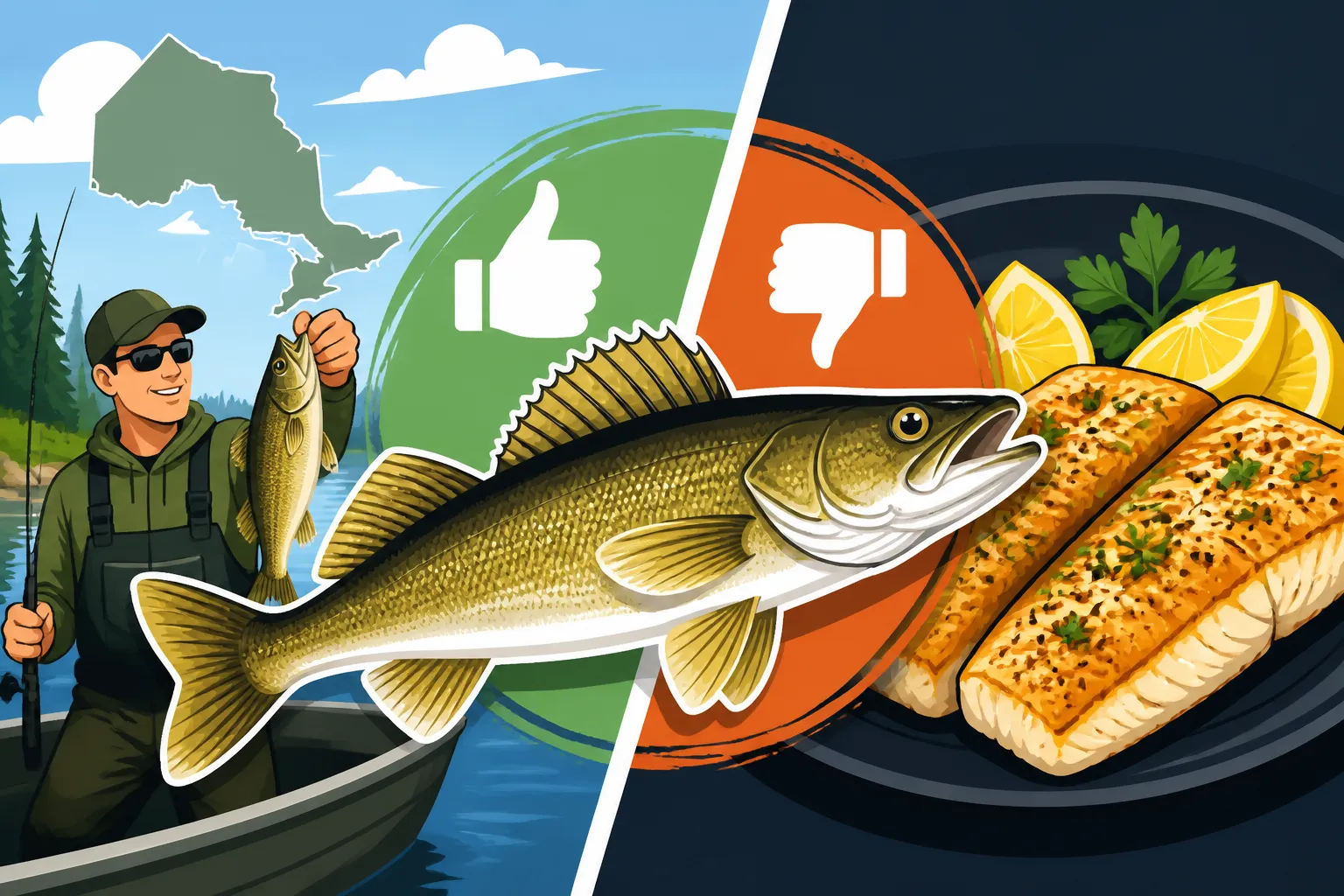
Is Walleye Good to Eat?
Many anglers, especially those new to Ontario's incredible fishing scene, often wonder if the highly sought-after walleye lives up to its reputation not just as a thrilling catch, but also as a delectable meal. It's a valid question, particularly when you’re putting in the effort to land one, and you want to ensure it's worth the trip from the lake to your plate. This comprehensive guide will dive deep into everything you need to know about the culinary merits of walleye, from its renowned taste and texture to best preparation methods and important consumption advisories in Ontario, ensuring you can confidently enjoy your catch.
The Unmistakable Appeal: Why Walleye Reigns Supreme on the Dinner Plate
Walleye, often called "pickerel" by many in Ontario, holds a special place in the hearts (and stomachs) of Canadian anglers and food enthusiasts alike. It's not just another fish; it’s a freshwater delicacy, revered for characteristics that make it stand out from many other species found in our bountiful lakes and rivers. If you've ever heard someone rave about a walleye dinner, they weren't exaggerating – there's a good reason for the hype.
A Taste Profile That Delights
When it comes to flavor, walleye is consistently praised for its incredibly mild, delicate taste. Unlike some freshwater fish that can carry a "fishy" or muddy flavour, walleye has a clean, almost sweet undertone that makes it exceptionally palatable, even for those who might be hesitant about eating fish. This subtle flavour profile means it doesn't overpower other ingredients but rather complements them, making it a dream for cooks who enjoy experimenting with different seasonings and sauces. It’s light and fresh, a true taste of the pristine waters it comes from, which is why it often finds itself on restaurant menus across the province, particularly in regions known for their excellent fishing.
Imagine pulling a freshly caught walleye from Lake Erie or Lake Nipissing, cleaning it carefully, and then having it for dinner that very night. The difference in taste compared to commercially processed fish is simply astounding. The freshness is unparalleled, and the mild flavour really shines through, making it a memorable meal. It’s often compared to other white fish like cod or haddock, but many argue that walleye possesses a finer, more refined taste that sets it apart.
The Coveted Flaky, White Flesh
Beyond its delightful taste, the texture of walleye is another major selling point. Its flesh is notably firm yet incredibly flaky when cooked, separating into beautiful, succulent pieces. The meat is pure white, which is a visual indicator of its clean flavour and high quality. This firm texture means it holds together well during various cooking methods, whether you're pan-frying, baking, or grilling, reducing the frustration of delicate fillets falling apart.
When you take a bite, the tenderness is immediately apparent, melting in your mouth while still offering a satisfying chew. This combination of firmness and flakiness is highly desired, making it a very versatile fish in the kitchen. There’s nothing quite like that perfectly cooked walleye fillet, golden brown on the outside, steamy white and tender within. For many, it’s the ultimate reward after a successful day on the water, a truly satisfying experience that speaks to the quality of Ontario's fisheries. If you're looking for What walleye eat in Ontario lakes, you'll find their diet contributes to their excellent flesh quality.
A Culinary Tradition in Ontario
Eating walleye isn't just about the taste; it's a deep-rooted part of the angling culture in Ontario. For generations, families have gathered around tables piled high with freshly cooked walleye, celebrating successful fishing trips and creating lasting memories. It's a tradition that speaks to the abundance and quality of our provincial waters. From remote fishing lodges in Northern Ontario where shore lunches featuring fresh walleye are a highlight, to backyard BBQs across the south, walleye is a staple.
This tradition also fosters a sense of community among anglers, who often share tips on the best spots to catch them, like those covered in our guide to Where to Find Walleye in Ontario, and the best ways to prepare them. The shared experience of catching, cleaning, and cooking walleye connects us to the land, the water, and each other. It’s more than just food; it’s a celebration of the outdoors, the bounty of nature, and the simple joy of a well-earned meal. Many of us grew up with these experiences, and passing them down to new generations is part of the magic of fishing in Ontario.
From Water to Whisk: Preparing Your Ontario Walleye for a Feast
So, you've decided to keep a few walleye for dinner – excellent choice! Now comes the fun part: turning your catch into a delicious meal. The way you handle and prepare your walleye from the moment it leaves the water to when it hits the pan can significantly impact its final taste and texture. Don't worry, it's not overly complicated, but a few key steps will ensure you get the most out of this prized fish.
Mastering the Art of Filleting
Proper filleting and cleaning are paramount for optimal taste. The goal is to remove all bones and skin, leaving you with pure, pristine fillets. First things first: keep your fish cold! As soon as you catch a walleye you intend to keep, get it on ice. This maintains the quality of the flesh and prevents any unwanted flavours from developing. A good, sharp fillet knife is your best friend here. You can find excellent fillet knife sets on Amazon, often bundled with sharpening tools, which are essential for clean cuts.
When filleting, start by making a cut behind the gill plate, down to the backbone. Then, turn your knife and run it along the backbone towards the tail, carefully separating the fillet. Once you have the fillet, you’ll typically need to remove the rib bones and the skin. Removing the skin is usually done by holding the fillet by the tail and running the knife carefully between the skin and the flesh. There are plenty of great online tutorials for filleting walleye, and with a little practice, you'll be a pro in no time. The cleaner the fillet, the better the eating experience, free from any scales or bones.
Classic and Creative Cooking Methods
Walleye's firm, flaky flesh makes it incredibly versatile in the kitchen. Here are some of the most popular and delicious ways to prepare it:
- Pan-Frying (The Classic): This is arguably the most common and beloved method. Lightly dredge your fillets in seasoned flour, cornmeal, or a breadcrumb mixture, and pan-fry them in butter or oil until golden brown and cooked through. The result is a crispy exterior and a moist, tender interior. This method truly highlights the walleye's delicate flavour. For a truly Canadian touch, try using a blend of seasoned flour with a touch of cornmeal for extra crispiness.
- Baking/Broiling: For a healthier option, baking or broiling walleye fillets is fantastic. Place them on a baking sheet, brush with a little olive oil or melted butter, season with salt, pepper, lemon, and your favourite herbs (dill and parsley work wonderfully), then bake until flaky. Broiling gives it a nice golden crust quickly. This method is great for keeping the fish incredibly moist and tender.
- Grilling: Grilling walleye offers a lovely smoky flavour, especially if you use a cedar plank. Be mindful not to overcook, as grilled fish can dry out quickly. A little lemon and butter brushed on during cooking will keep it succulent. If you’re grilling directly on grates, a fish basket can prevent the delicate fillets from sticking or breaking apart.
- Deep Frying (Fish and Chips Style): For a decadent treat, battered and deep-fried walleye is absolutely divine, reminiscent of classic fish and chips. A light, crispy batter complements the mild fish perfectly. Ensure your oil is at the right temperature for a golden, crunchy coating.
No matter your chosen method, remember that walleye cooks quickly. Overcooking is the biggest mistake you can make, as it will dry out the delicate flesh. Cook until the fish flakes easily with a fork, and it’s done! For specific techniques on getting that perfect catch, check out How to Catch Walleye in Ontario.
Perfect Pairings and Presentation
Walleye's mild flavour makes it incredibly adaptable to various culinary companions. It pairs beautifully with fresh, bright flavours like lemon, dill, parsley, and chives. A simple squeeze of fresh lemon juice after cooking often enhances its natural sweetness. Light, creamy sauces also work wonderfully, as do herbaceous butters.
For side dishes, think fresh and complementary. A crisp green salad, roasted asparagus, steamed green beans, wild rice pilaf, or even a simple baked potato are all excellent choices. If you’re going for a pan-fried approach, homemade coleslaw and crispy fries are a classic combination that never disappoints. Consider a light white wine, such as a Sauvignon Blanc or Pinot Grigio, to accompany your meal. Presentation doesn't have to be fancy; a sprinkle of fresh herbs and a lemon wedge can elevate even the simplest preparation. Having a sturdy cutting board and a good set of kitchen utensils, easily found on Amazon, will make your preparation process much smoother.
Navigating Consumption: Health Benefits and Advisories for Ontario Walleye
While walleye is undoubtedly delicious, it's also important to be aware of the health benefits it offers and, crucially, to understand Ontario's fish consumption advisories. These advisories are put in place to help anglers make informed choices about how much fish to eat from specific bodies of water, ensuring your enjoyment is safe and healthy.
The Nutritional Powerhouse Behind the Flavor
Beyond its delightful taste and texture, walleye is a nutritional powerhouse. It's an excellent source of lean protein, which is essential for muscle growth and repair, and for keeping you feeling full and satisfied. Furthermore, walleye is rich in essential vitamins and minerals, including B vitamins, phosphorus, and selenium.
One of its most significant nutritional benefits comes from its healthy fats, particularly omega-3 fatty acids. These "good fats" are crucial for heart health, brain function, and reducing inflammation throughout the body. While not as high in omega-3s as some fatty ocean fish like salmon, walleye still contributes meaningfully to your dietary intake. Choosing walleye for your dinner plate means you're not just enjoying a tasty meal, but also nourishing your body with high-quality nutrients. It's truly one of the Best eating fish species from Ontario lakes for both taste and health.
Understanding Ontario's Fish Consumption Guidelines
Ontario takes the health of its residents seriously, which is why the province provides comprehensive fish consumption advisories through its "Guide to Eating Ontario Fish" program. These advisories are designed to help you understand the potential risks associated with consuming fish from various lakes and rivers, primarily concerning contaminants like mercury, PCBs, and sometimes pesticides. It's crucial to understand that these are advisories, not outright prohibitions, and they are based on conservative estimates to protect even the most vulnerable populations.
The advisories are constantly updated and can vary significantly from one body of water to another, and even within different areas of the same large lake. They account for factors like the species of fish, its size, and how frequently you plan to eat it. For example, a walleye from a pristine northern lake might have different recommendations than one caught from a more industrialized southern waterway. Always consult the official "Guide to Eating Ontario Fish" before planning your meal, which you can typically find on the Ontario government's website. This resource is invaluable for making safe, informed decisions about your catch, and it's essential for all anglers in the province to be familiar with it. Knowing about Which Ontario waters have fish consumption advisories is part of responsible angling.
Interpreting Advisories by Location and Size
When you look at the consumption advisories, you'll notice a few key factors that influence the recommendations:
- Location: Different lakes and rivers have varying levels of contaminants. For instance, fish from some of the Great Lakes might have different advisories than those from remote, inland lakes in Northern Ontario. The guide provides specific advice for hundreds of water bodies.
- Fish Size: Larger, older fish tend to accumulate more contaminants over their lifespan. Therefore, smaller walleye often have higher recommended consumption limits than very large trophy-sized fish. This is why you'll often see recommendations like "eat up to 8 meals per month" for smaller fish, but "eat no more than 1 meal per month" for larger specimens of the same species from the same water.
- Target Consumer: The advisories often distinguish between the general population, pregnant women, women of child-bearing age, and young children, providing more conservative recommendations for vulnerable groups.
It's a really good idea to print out the relevant section of the guide or have it accessible on your phone when you're heading out fishing. If you're planning on keeping fish, this information is just as important as knowing the Ontario Bag and Possession Limits by Species. Don't let these advisories deter you; they are there to empower you to enjoy Ontario's natural bounty responsibly.
Here's a simple table to illustrate common cooking methods and their characteristics:
| Cooking Method | Characteristics | Best For | Flavor Profile Notes |
|---|---|---|---|
| Pan-Frying | Crispy exterior, tender interior | Classic preparation, quick meals | Enhances mildness, can be seasoned heavily for variety |
| Baking/Broiling | Moist, tender, healthy | Lighter fare, minimal oil, easy cleanup | Delicate, allows fish's natural flavour to shine |
| Grilling | Smoky flavour, firm texture | Outdoor cooking, quick sear | Adds depth, pair with citrus to prevent dryness |
| Deep Frying | Crunchy batter, juicy fish | Comfort food, "fish and chips" style | Rich, satisfying, good with tartare sauce |
| Steaming | Very light, preserves natural moisture | Health-conscious, delicate presentation | Pure walleye flavour, excellent with light herbs |
Sustaining the Harvest: Responsible Walleye Enjoyment
Enjoying walleye culinarily goes hand-in-hand with responsible angling practices. To ensure that future generations can continue to experience the thrill of catching and the delight of eating this incredible fish, we all have a part to play in conservation. This isn't just about following rules; it's about being good stewards of our natural resources.
Adhering to Regulations for Sustainable Enjoyment
Ontario has a robust set of fishing regulations designed to protect fish populations and ensure sustainable fisheries. These regulations cover everything from Ontario Fishing Season Dates by Zone to size limits and catch limits (bag and possession limits) for different species in various Fisheries Management Zones (FMZs). For walleye, these limits are particularly important, as they are a highly pressured species in many areas.
Before you even cast a line, it's essential to check the current Ontario Fishing Regulations Explained summary. This document will tell you how many walleye you can keep (your daily bag limit) and how many you can have in your possession at any given time (your possession limit). Often, there are also size restrictions, such as slot limits, which require you to release fish that are too small or too large, protecting prime breeding stock. Failing to adhere to these rules can result in significant fines and penalties, but more importantly, it undermines the collective effort to keep our fisheries healthy. Always carry your valid Ontario fishing license and be aware of the specific rules for the water body you are fishing. For purchasing your license, you can refer to our guide Where and How to Buy an Ontario Fishing License.
The Balance of Keeping and Releasing for Culinary Delights
Responsible angling involves a thoughtful approach to keeping and releasing fish. While the taste of fresh walleye is undeniable, it's not always necessary or advisable to keep every legal fish you catch. Practicing selective harvesting means choosing to keep fish within the regulated limits that are appropriate for consumption, while carefully releasing others, especially larger breeding fish or smaller fish that haven't had a chance to reproduce.
Many anglers adopt a "catch and release" mentality for larger walleye, particularly those prized trophy fish, opting instead to keep smaller, often more numerous, "eater" size fish for their dinner. This practice helps ensure that the larger, more experienced breeders remain in the population to contribute to future generations of walleye. When you do choose to release fish, it's vital to handle them with care to maximize their survival chances. Minimize their time out of water, use de-hooking tools, and revive them gently before letting them go. Finding that perfect balance allows you to enjoy the culinary rewards of walleye while actively contributing to the long-term health and abundance of Ontario's incredible fisheries.
Disclaimer
This article is for general informational purposes only and does not constitute professional advice. Laws, prices and regulations vary by location and change over time. Consult a qualified professional for guidance on your specific situation.