Best headlamp for night walleye fishing
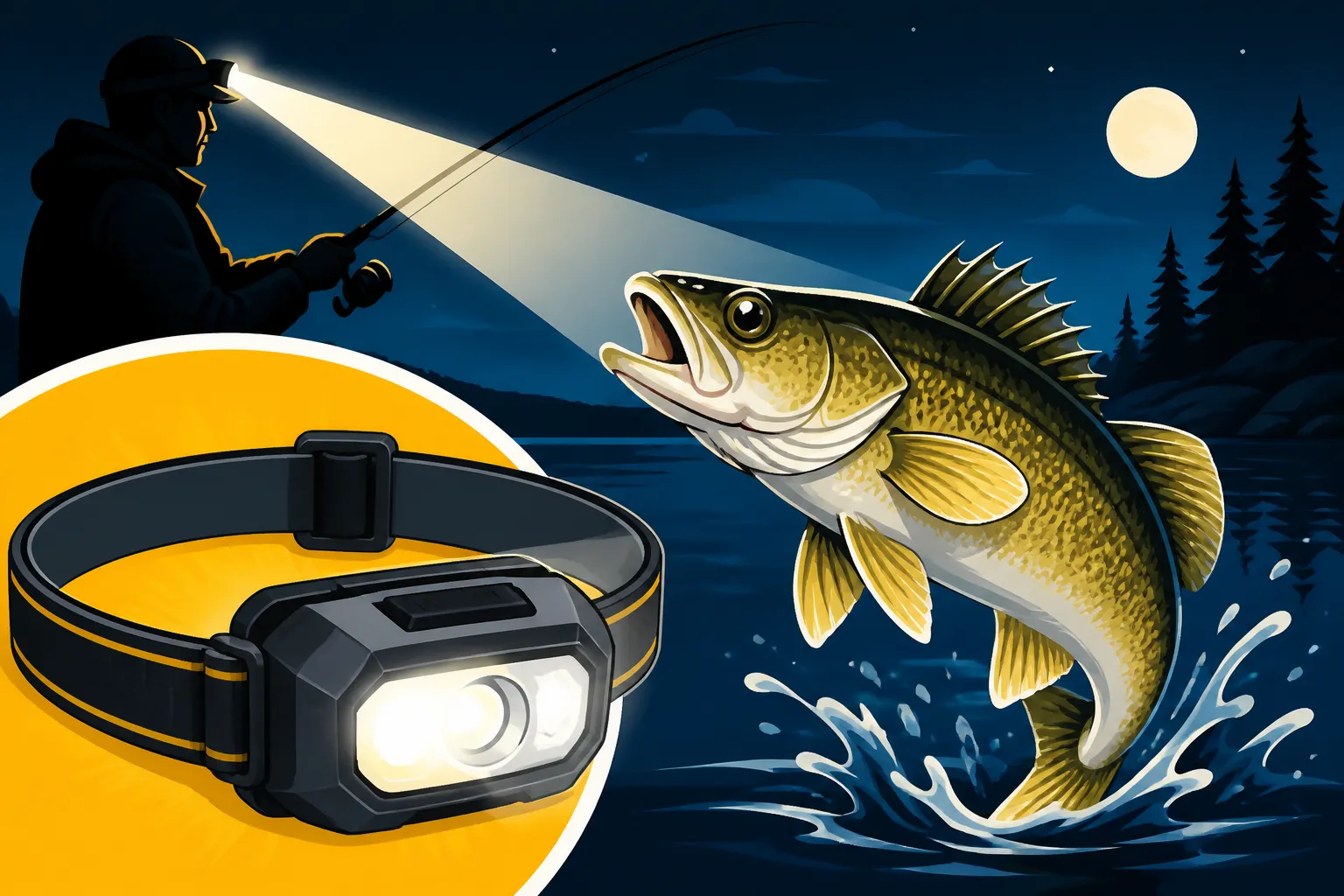
There's nothing quite like the thrill of chasing walleye under the cloak of darkness here in Ontario. The quiet solitude, the crisp night air, and the anticipation of that tell-tale tap on your line are truly special. However, the biggest frustration is often battling the darkness itself – trying to tie a knot, unhook a feisty walleye, or navigate your boat when you can barely see your hand in front of your face. This comprehensive guide is going to shed some much-needed light on how to choose the best headlamp for your night walleye fishing adventures, ensuring you stay safe, efficient, and stealthy on the water.
Why a Dedicated Headlamp is Essential for Night Walleye Fishing
You might think a flashlight or your phone's light is enough, but trust me, when you're out on a sprawling Ontario lake like Erie or Nipissing after sunset, a dedicated headlamp makes all the difference. It's not just about seeing; it's about seeing safely, efficiently, and in a way that doesn't ruin your night vision or spook the fish.
The Dangers of Darkness on the Water
Fishing at night introduces a whole new set of safety concerns. Without proper illumination, even familiar waters can become treacherous. Imagine reaching for your tackle box and accidentally knocking your favourite rod overboard, or worse, fumbling with a sharp hook in the dark. Navigation becomes exponentially harder when you can't clearly see shoreline markers, submerged hazards, or even other boats. A sudden squall, a broken motor, or an unexpected patch of weeds can turn a relaxing trip into a high-stress situation if you're not properly equipped to see what's happening around you. Your headlamp ensures that you have hands-free light precisely where you need it, making tasks like tying knots, re-rigging, or even just checking your watch far less prone to mishap. It's a critical piece of safety gear, right up there with having a Life Jacket Requirements for Ontario Boaters readily available.
Enhancing Efficiency and Focus
Night fishing requires precision, and you simply can't achieve that fumbling in the dark. Consider these common scenarios: a walleye strikes, and you need to quickly unhook it, measure it, and decide whether it's a keeper or needs to go back. Doing this efficiently means less stress on the fish and a quicker return to fishing for you. A headlamp allows you to see small details, like the barb of a hook or the delicate line knot. You can easily find that specific crankbait in your tackle box, bait your hook without pricking yourself, or adjust your electronics settings. It's about maintaining flow and focus when the bites are hot. Without a reliable light source, these simple tasks become frustrating, time-consuming, and can even cost you precious fishing time when the walleye are on the bite. This kind of attention to detail is paramount, especially when you're using specific rigs like How to fish a crawler harness for walleye in the dark.
Maintaining Stealth and Preserving Night Vision
This is arguably one of the most important aspects for night anglers. Walleye are often more active and less wary after dark, but they are still sensitive to light. Blasting a bright white light directly onto the water is a sure-fire way to send them scattering. A good headlamp will offer a red light mode. Why red light? Because it has a minimal impact on your natural night vision. Your eyes adapt to the dark by dilating pupils, allowing more light in. White light instantly constricts them, forcing you to constantly re-adapt to the darkness when you turn it off. Red light, on the other hand, allows you to perform necessary tasks like tying a knot or rummaging in your bag without losing your hard-earned night vision. This stealth factor is crucial for success, especially if you're targeting those elusive big walleye after the sun dips below the horizon. Understanding Night Fishing for Walleye in Ontario often means mastering the art of minimal light.
Key Features to Look for in a Night Walleye Fishing Headlamp
Choosing the right headlamp isn't just about picking the brightest one on the shelf. There are several nuanced features that can make or break your night fishing experience. Let's dive into what truly matters.
Brightness and Beam Type (Lumens and Patterns)
When we talk about brightness, we're talking lumens. For most night fishing tasks, you'll want a headlamp that offers a range, typically from a low, ambient setting (around 5-20 lumens) up to a much brighter, long-distance beam (200-500+ lumens). The lower settings are perfect for tying knots, looking in your tackle box, or moving around the boat without disturbing the fish or your fishing partners. The higher settings are for spotting distant markers, navigating unfamiliar terrain, or perhaps identifying a splash far off.
But lumens aren't the whole story; beam type is equally important.
- Flood Beam: This provides a wide, diffused light, great for illuminating your immediate workspace – your hands, your rod, your tackle. It's like a broad lantern for your head.
- Spot Beam: This is a more focused, narrow beam that travels a longer distance. Excellent for spotting buoy markers, scanning the distant shore, or following your line if you're casting a long way out.
Many quality headlamps will offer both beam types, often adjustable, allowing you to switch between them or even combine them depending on the situation. For serious anglers, having this versatility is key. You can find headlamps with these features at reputable outdoor retailers like Bass Pro Shops or even through online vendors like Amazon, where you can easily compare specifications.
Battery Life and Power Source
There's nothing worse than your light dying halfway through a productive night of fishing. Pay close attention to battery life specifications. Headlamps typically use either disposable AA/AAA batteries or rechargeable lithium-ion battery packs.
- Disposable Batteries: These are convenient for short trips or as backup, as you can easily carry spares. However, they can add up in cost over time, and you're left with battery waste.
- Rechargeable Batteries: Many modern headlamps come with integrated rechargeable battery packs, often charged via USB. These are usually more eco-friendly and cost-effective in the long run. Look for models that offer good battery life on medium settings (at least 6-8 hours for a typical night out) and have a battery indicator so you know exactly how much juice you have left. For extended trips or multi-day excursions, a headlamp with a swappable rechargeable battery or the ability to run on disposable batteries in a pinch is a huge advantage. Always carry a fully charged spare or a portable power bank if you rely on rechargeable units. Think about how long you plan to be out there, especially if you're hitting the water for the Ontario Walleye Opener Dates by Zone, when you might be out from dusk until dawn.
Durability and Water Resistance
Ontario weather can be unpredictable, and fishing boats are wet environments. Your headlamp needs to be able to withstand splashes, rain, and the occasional drop. Look for an IP (Ingress Protection) rating.
- IPX4: This means it's resistant to splashing water from any direction, which is generally sufficient for light rain or splashes.
- IPX7 (or higher): This rating means the headlamp can be submerged in water (typically up to 1 meter for 30 minutes) without damage. This is ideal for fishing, as accidental drops are a real possibility.
A robust casing that can handle bumps and drops is also crucial. Rubberized finishes or reinforced plastic construction will add to the longevity of your investment. It’s a tool, and like your Best Fishing Rods for Ontario Lakes, it needs to stand up to the elements.
Comfort and Fit
You'll be wearing this thing for hours, sometimes under a hat or toque in colder weather. Comfort is paramount.
- Adjustable Strap: Look for a strap that is easily adjustable, ideally with two points of adjustment (over the top of the head and around the sides) for maximum stability. A wider strap often distributes weight better and feels more comfortable.
- Lightweight Design: A heavy headlamp can cause neck strain and become distracting. Opt for a lightweight model that you'll barely notice is there.
- Balanced Weight: Some powerful headlamps might have the battery pack at the back of the head strap, which can help balance the weight more evenly rather than having all the bulk on your forehead.
Try it on, if possible, or read reviews specifically mentioning comfort during extended wear. It needs to stay put without constant adjustment, even when you're vigorously fighting a fish or reeling in your line.
Red Light Mode (Crucial for Anglers)
As mentioned, this isn't just a nice-to-have; it's a must-have for night walleye fishing. The red light mode allows you to preserve your night vision, which is essential for safely navigating and being aware of your surroundings without spooking fish. When you switch on a white light, your pupils constrict immediately, and it can take up to 20-30 minutes for your eyes to fully readjust to the darkness once the white light is off. Red light prevents this "night blindness" effect. Use the red light for anything that requires close-up vision, like tying on a new lure, checking your phone, or grabbing a snack. Only use the white light when absolutely necessary for longer distance illumination.
Recommended Headlamp Features and Considerations
Beyond the core essentials, a few other features can significantly enhance your night walleye fishing experience, making your time on the water more enjoyable and productive.
Hands-Free Operation and Tilt Functionality
The beauty of a headlamp is its hands-free nature, but true hands-free operation means more than just wearing it.
- Easy Controls: Look for buttons that are large enough and intuitive enough to operate with cold or wet fingers, or even with gloves on. Fumbling with tiny buttons in the dark is frustrating.
- Tilt Mechanism: A headlamp that allows you to tilt the beam up or down is invaluable. You can direct the light exactly where you need it – whether that's down to your hands to tie a leader or straight ahead to scan the water for approaching debris. This flexibility means you're not constantly craning your neck or adjusting the entire unit, which saves energy and keeps you focused on the fishing.
Ease of Use with Gloves
Ontario nights, especially in spring and fall, can get surprisingly chilly. You'll likely be wearing gloves, at least part of the time. Imagine trying to press a small, recessed button with thick insulated fishing gloves – it's a nightmare! Headlamps designed with anglers in mind often have larger, more tactile buttons or even touch-sensitive controls that are easier to operate when your dexterity is limited by cold hands or protective gear. Simple, straightforward operation minimizes frustration and keeps your focus on the fish.
Weight and Balance
While touched on earlier with comfort, the overall weight and how it's distributed really matters over a long night. A poorly balanced headlamp can feel heavy on your forehead, causing discomfort and even headaches after a few hours. Some models, especially those with larger battery packs, might place the battery unit at the back of the head, distributing the weight more evenly and improving stability. Others might be incredibly lightweight across the front. When you’re spending hours perched on a boat seat, waiting for that next bite, the last thing you want is a piece of gear that’s constantly nagging you. Think about how many hours you typically spend Best Time of Day to Catch Walleye which can extend well into the night.
Pricing and Value
Headlamps come in a wide range of price points. While it might be tempting to go for the cheapest option, remember that a reliable headlamp is a safety device and a crucial tool for efficiency. Spending a bit more on a quality product from a reputable brand (like those often carried by Bass Pro Shops or found with good reviews on Amazon) can save you headaches and potential safety risks down the line. Consider it an investment. A mid-range headlamp often strikes the best balance, offering excellent features, durability, and battery life without breaking the bank. Evaluate the features against your specific needs: if you only fish occasionally at night in calm waters, a simpler model might suffice. If you're a hardcore night angler hitting big waters regularly, then investing in a more robust, feature-rich headlamp is certainly worth it.
| Feature | Importance for Night Walleye Fishing | Notes |
|---|---|---|
| Brightness (Lumens) | High (200-500+ for distance, 5-20 for close) | Versatile settings crucial for different tasks. |
| Beam Type | High (Both flood and spot) | Flood for hands-on tasks, spot for navigation. |
| Red Light Mode | Critical | Preserves night vision, maintains stealth. |
| Battery Life | High (6-8+ hours on medium) | Essential for long nights; consider rechargeable with spares. |
| Water Resistance | High (IPX4 minimum, IPX7 ideal) | Protects against splashes and accidental submersions. |
| Durability | High | Withstands bumps, drops, and general wear and tear on the boat. |
| Comfort/Fit | High | Adjustable, lightweight, stable for extended wear. |
| Tilt Function | High | Directs light precisely where needed, hands-free. |
| Glove-Friendly Buttons | High | Easy operation in cold weather with limited dexterity. |
| Weight Balance | Medium | Affects comfort over long periods; rear battery pack can help. |
Setting Up and Using Your Headlamp for Night Walleye Fishing
Having the best headlamp in the world won't do you much good if you don't use it wisely. Strategic preparation and mindful usage on the water are key to maximizing its benefits.
Pre-Trip Checks and Battery Management
Before you even leave the driveway, make sure your headlamp is ready for action. This is a step many anglers overlook in their excitement, and it can lead to frustration on the water.
- Charge It Up: If your headlamp uses a rechargeable battery, ensure it's fully charged. This might seem obvious, but it's the most common oversight.
- Pack Spares: Always, always, always bring extra batteries, whether they're fresh disposables or a fully charged spare battery pack. Batteries can drain faster in cold weather, and you never know when an emergency might require extended light usage. A small, portable power bank is also a great idea for USB-rechargeable models.
- Test It Out: Before you head out, do a quick test in a dark room or your backyard. Make sure all light modes work, especially the crucial red light. Check the beam adjustments and tilt mechanism. This simple check can prevent surprises later.
Having a robust overall gear strategy is important for any fishing trip. Just like you'd ensure your Best Tackle for Ontario Walleye is organized, your headlamp should be part of that readiness routine.
Strategic Light Use on the Water
Once you're on the water, exercising discipline with your headlamp is vital for success.
- Minimal White Light: Resist the urge to constantly use your bright white light. Every time you flash it, you're potentially disturbing the fish and compromising your own night vision.
- Red Light First: Default to your red light mode for almost all close-up tasks: tying knots, baiting hooks, handling fish, looking in your cooler or tackle box. This allows your eyes to stay adjusted to the darkness, making it easier to spot subtle cues on the water or navigate with your peripheral vision.
- Aim Away from Water: If you absolutely need to use white light, aim it away from the immediate fishing area. For instance, direct it towards the boat's floor or a distant shoreline. Only use a focused white beam for distant navigation, and even then, do so sparingly. Think of it like a quick, purposeful flash rather than sustained illumination.
- Communicate with Partners: If you're fishing with others, let them know when you're about to use white light so they can look away or prepare their own eyes to adjust. A quick "white light coming on!" can save a lot of frustration. This courtesy extends to other boaters too; avoid shining bright lights directly at them.
Maintenance and Storage Tips
Taking care of your headlamp ensures it will serve you well for many seasons to come.
- Clean Regularly: After a night of fishing, especially in damp conditions, gently wipe down your headlamp with a damp cloth to remove any dirt, salt spray, or fish slime. Pay attention to the lens, ensuring it's clear for optimal light output.
- Dry Thoroughly: Allow it to air dry completely before storing to prevent mildew or corrosion, especially in battery compartments. If it's truly waterproof (IPX7+), you can give it a quick rinse under freshwater if it's been exposed to saltwater.
- Proper Storage: Store your headlamp in a cool, dry place, ideally in a protective case or pouch to prevent the lens from getting scratched or the buttons from accidentally being pressed, which can drain batteries. If storing for extended periods, remove disposable batteries to prevent leakage. For rechargeable units, it's often best to store them with a partial charge (around 50-70%) rather than fully charged or completely drained, as this can extend battery life.
By following these guidelines, you'll be well-prepared to tackle those dark Ontario waters, confident in your ability to see what you're doing and reel in those elusive night-feeding walleye. It's a small piece of gear that makes a huge difference, ensuring you can enjoy every moment of your Best Time of Year to Fish in Ontario adventure, even after the sun goes down.
Disclaimer
This article is for general informational purposes only and does not constitute professional advice. Laws, prices and regulations vary by location and change over time. Consult a qualified professional for guidance on your specific situation.