Lake Nipissing Walleye Fishing
Lake Nipissing can be a truly magical place for walleye anglers, but let's be real: sometimes it feels like those golden-sided beauties are playing hide-and-seek. The sheer size of this lake can be intimidating, leaving many folks wondering where to even begin their search for a productive walleye bite. This comprehensive guide is here to cut through the confusion, offering you an insider's look at how to tackle Lake Nipissing and consistently put walleye in the boat, regardless of the season.
Understanding Lake Nipissing's Walleye Habitat and Behavior
Lake Nipissing isn't just a big body of water; it's a dynamic ecosystem with specific features that walleye absolutely thrive in. Knowing these characteristics is your first step to unlocking its secrets.
Geographical Layout and Key Structures
Imagine a vast, shallow saucer, dotted with countless islands, submerged shoals, and intricate bays. That's Lake Nipissing. It's Ontario's third-largest lake, and while its surface area is massive, its average depth is quite shallow, around 4.5 meters (15 feet), with a maximum depth of about 52 meters (170 feet). This unique topography creates an incredible amount of diverse habitat for walleye, but it also means you can't just blindly motor around hoping for the best.
The lake is broadly divided into several distinct sections. The West Bay, around Sturgeon Falls, is shallower and often stained, with lots of weed growth and river influences. The South Bay, near Callander, offers deeper water, rocky points, and prominent humps. The central basin, stretching between North Bay, Sturgeon Falls, and Callander, features expansive mud flats, scattered rock piles, and a labyrinth of islands. These islands, like those in the Manitou Islands group, create current breaks and structure that actively attract baitfish and, consequently, walleye. You'll find everything from subtle depth changes on vast flats to dramatic rock walls. Walleye here often relate to these varied structures, using them as ambush points or resting areas. Understanding the general Lake Nipissing Fishing Guide is crucial for getting your bearings.
Walleye Forage and Seasonal Movements
Walleye are opportunistic feeders, and on Lake Nipissing, they have a smorgasbord of options. Their primary diet largely consists of various baitfish species. Yellow perch are absolutely foundational to the Nipissing walleye diet, along with cisco (lake herring) and various shiner species. This abundance of forage is why the walleye here grow so large and healthy.
Their movements throughout the year are directly tied to these food sources and their spawning cycles. In the spring, after the ice-out, walleye will congregate in shallower, warmer waters, particularly near river mouths and rocky points for their spawning ritual. Once spawning is complete, they disperse, but still tend to stay in shallower areas, feeding aggressively to recover. As summer progresses and water temperatures rise, many walleye will move to deeper, cooler sections of the lake, relating to deep humps, main lake reefs, and the edges of expansive mud flats where cisco might be holding. They'll follow schools of perch into deeper water or utilize transition areas between deep and shallow. Come fall, as water temperatures begin to drop again, walleye become incredibly active, making their way back to shallower structures, congregating on points, reefs, and even along shorelines to feed heavily in preparation for winter. It's a constant dance between temperature, forage, and available structure.
Water Clarity and Bottom Composition
Lake Nipissing's water clarity can vary significantly, which directly impacts walleye behavior and, subsequently, your fishing strategy. Generally, the lake has a slightly stained, tea-coloured tint, especially in the western and northern bays, which are influenced by numerous rivers. This stained water often means walleye are more comfortable feeding throughout the day, as the lower light penetration makes them less shy. In some areas, particularly parts of the South Bay, the water can be clearer, demanding a more subtle approach, especially on bright, sunny days.
The bottom composition is equally varied and important. You'll encounter vast stretches of soft, silty mud, especially in the central basin. While walleye don't necessarily prefer to lie in the mud, these areas are crucial because they hold invertebrates and often support schools of baitfish. Interspersed within these mud flats are countless rock piles, gravel beds, and hard bottom areas – these are absolute magnets for walleye. They use these harder structures as ambush points and for spawning. Weed beds, particularly coontail and cabbage, are also prevalent in shallower bays and provide excellent cover for both walleye and their prey. Learning to "read" your electronics to identify these bottom transitions is key to successful walleye fishing on Nipissing. It's not just about finding fish, but finding the right kind of bottom that holds them.
Prime Seasons and Hotspots for Walleye Fishing on Lake Nipissing
Timing is everything, and on Lake Nipissing, understanding the seasonal patterns of walleye can turn a slow day into a banner one.
Spring Opener and Post-Spawn Tactics
The spring walleye opener on Lake Nipissing is nothing short of legendary. Anglers eagerly await the Ontario Walleye Opener Dates by Zone, as it marks the official start of the season, typically in mid-May for FMZ 11. Right after the ice-out and following their strenuous spawning activities, walleye are hungry and often in predictable locations. They'll be found in shallower waters, often no deeper than 10-15 feet, especially around river mouths like the Sturgeon River, South River, and Callander Bay. These areas warm up faster and hold abundant forage.
Your best bet in spring is often casting or slow-trolling shallow-running crankbaits, jigs tipped with a minnow, or a simple worm harness. Focus on areas with a mix of rock and sand, and the edges of emerging weed beds. The walleye might still be a bit sluggish, so a slower retrieve is often more effective. Don't be afraid to experiment with brighter colours in the stained water. Many anglers find success drifting along contours or slowly working points and shoals that quickly drop into deeper water. Remember, while they are post-spawn, they are still recovering and might not chase a lure aggressively. A subtle presentation is often key. This is also when you'll often encounter some of the biggest fish of the season, as they're still in shallower, accessible areas before dispersing.
Summer Deep Water and Structure Fishing
As the summer sun beats down and water temperatures climb, Lake Nipissing's walleye will move to their deeper, cooler summer haunts. This is when the lake's diverse underwater structure becomes your best friend. Look for them concentrated on main lake reefs, submerged humps, and the deep edges of vast mud flats in 20 to 45 feet of water, sometimes even deeper. Key areas include the deeper sections of the South Bay, the structure around the Manitou Islands, and the numerous rock piles scattered across the central basin.
Trolling is a highly effective technique during the summer, allowing you to cover vast amounts of water and present lures at precise depths. Deep-diving crankbaits in natural colours that mimic perch or cisco are excellent. Another highly productive method is using bottom bouncers with crawler harnesses, especially when fished slowly along contours or over subtle structural changes. Jigging spoons or heavy jigs tipped with a Berkley Gulp! minnow can also be deadly when you mark schools of fish on your electronics. Pay close attention to your fish finder; walleye will often suspend just off the bottom or hug tight to specific pieces of structure. Knowing how to use Best Fish Finders for Ontario Lakes can truly make or break your summer walleye success here.
Fall Transition and Pre-Winter Feeding Frenzy
Autumn on Lake Nipissing offers some of the most exciting walleye fishing of the year. As temperatures drop, walleye begin to transition back to shallower feeding grounds, stocking up on calories before winter. This is a time of aggressive feeding, and the fish can be found in a variety of depths, often moving in and out of shallower bays and onto prominent main lake structures. Focus on rocky points, prominent reefs, and the edges of channels. Areas like Cache Bay, the vicinity of the Manitou Islands, and the numerous points in the central and eastern portions of the lake can be exceptionally productive.
During this pre-winter feeding frenzy, walleye are often more willing to chase. Trolling crankbaits, both shallow and deep runners depending on the depth you're targeting, remains a staple. Jigging becomes incredibly effective as well, especially with heavier jigs tipped with soft plastics or live minnows. Look for schools of baitfish, as walleye will never be far behind. Sometimes, a faster retrieve or a more aggressive jigging motion will trigger a strike that a slower presentation might miss. This is a fantastic time to land a true trophy walleye, as they are at their heaviest and most active. Many anglers enjoy the tranquil beauty of the lake in fall, and with fewer boats, it can be a truly rewarding experience.
Essential Techniques and Lures for Lake Nipissing Walleye
Mastering a few key techniques and having the right lures in your tackle box will give you a significant advantage on Lake Nipissing.
Trolling for Covering Water
Trolling is arguably the most consistent method for catching walleye on Lake Nipissing, especially during the summer and fall. It allows you to systematically cover large areas of water, test different depths, and find active fish. The goal is to present your lure at the exact depth where walleye are holding.
When trolling, your speed is critical. Generally, a speed between 1.0 to 2.5 miles per hour is effective, but you'll need to adjust based on water temperature, lure type, and walleye activity. For deeper presentations, crankbaits with long diving lips like Berkley Flicker Shad, Rapala Deep Husky Jerks, or Reef Runner 800 series are excellent choices. Experiment with natural colours like perch, firetiger, or clown patterns, which often work well in Nipissing's stained waters. Using planer boards can help you spread your lines out, covering a wider swath and preventing tangles, especially when fishing with multiple rods. Another highly effective trolling setup is a bottom bouncer rig, which consists of a heavy lead weight designed to drag along the bottom, followed by a snelled hook with a live worm (a "crawler harness") or a minnow. This is incredibly effective for fishing contours and structural edges. Remember to vary your speed and turn subtly; these changes in action can often trigger a strike from a following fish.
Jigging and Live Bait Presentations
For a more hands-on approach, or when targeting specific structure, jigging with live bait is hard to beat. This technique allows for precise control over your presentation, which is vital when walleye are hugging tight to the bottom or are less aggressive.
The most common setup is a lead head jig, typically ranging from 1/4 to 1/2 ounce, tipped with a lively minnow, a piece of nightcrawler, or a leech. In spring and fall, when walleye are often shallower, a lighter jig can be effective. As fish move deeper in summer, you'll need heavier jigs to maintain bottom contact, especially if there's any current or wind. Vertical jigging directly over marked fish or structure is a killer technique. Drop your jig to the bottom, reel up a few inches, and use short, sharp lifts and drops to impart action. Always keep a tight line so you can detect those subtle walleye bites, which often feel like a slight "thump" or just added weight. You can also cast jigs into shallower bays or along weed lines, using a slow, hopping retrieve. Natural colours like black, brown, and green pumpkin are often preferred, but bright colours can work well in stained water or low light. Having a good selection of Best Jigs for Ontario Muskie (or more appropriately, walleye!) in various weights and colours is essential for adapting to different conditions.
Casting and Vertical Presentations
Beyond traditional trolling and jigging, casting and targeted vertical presentations offer versatility, particularly in specific situations. Casting is superb for working shallow bays, weed edges, and rocky points, especially during low light conditions or when walleye are actively feeding near shorelines.
Shallow-running crankbaits, stickbaits, and even spinnerbaits can be highly effective when casting into these areas. Look for transition zones where weeds meet open water, or where rocky structure quickly drops off. Make long casts, allowing your lure to dive, and then use a steady retrieve with occasional pauses or twitches to mimic an injured baitfish. For deeper water and precisely located fish, vertical jigging isn't just for live bait. You can use jigging spoons, like the Silver Streak or Rapala Jigging Rap, to target fish you mark on your fish finder. Drop the spoon directly to the depth where the fish are, and use aggressive lifts and drops, letting the spoon flutter down like a wounded baitfish. This can be particularly effective during summer when walleye are suspended over deep structure. A sensitive rod is paramount for feeling these subtle strikes, especially with vertical presentations. Remember, walleye often hit on the fall, so pay close attention as your lure descends.
Navigational Considerations and Safety on Lake Nipissing
Lake Nipissing is a beautiful, expansive lake, but its size and sometimes unpredictable weather demand respect and proper preparation.
Charting and GPS for Structure Identification
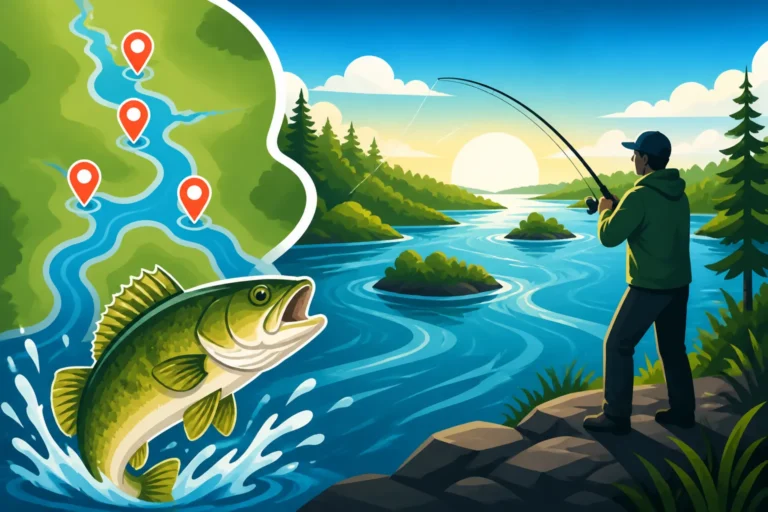
Navigating Lake Nipissing without a reliable chartplotter and GPS is like trying to find a needle in a haystack blindfolded. With its immense size, numerous islands, and countless submerged shoals and humps, electronic navigation is not just a convenience, it's a necessity. Good quality charts, like those offered by Navionics or Lakemaster, will depict contours, depths, rock hazards, and key structural elements with incredible detail.
Your GPS allows you to mark waypoints for productive spots, navigate safely between locations, and return to specific areas with precision. Pay close attention to subtle depth changes, humps that rise out of vast flats, and the edges of channels. These are often walleye highways. Mark any baitfish schools you find, as walleye are often nearby. If you're new to the lake, consider spending some time just exploring with your electronics, "mapping" potential spots even before you cast a line. This approach, combined with studying a detailed Ontario Fish ON-Line Interactive Zone Map, Explained, will save you countless hours and frustration, directing you to where the fish are most likely to be holding.
Weather Awareness and Open Water Safety
Lake Nipissing can go from calm to chaos in a hurry. Its shallow nature and vast open expanses, particularly in the central basin, mean that even moderate winds can quickly whip up significant waves. I've seen perfectly calm mornings turn into white-capping nightmares by noon. This is not a lake to take lightly, especially if you're venturing out in a smaller boat.
Always check the marine weather forecast before heading out, and be prepared for rapidly changing conditions. Dress in layers, and make sure you have appropriate rain gear, even on a sunny day. A good quality personal flotation device (PFD) is non-negotiable for everyone on board, and ideally, wear it at all times. Equip your boat with all the required safety equipment, including paddles, a bailing device, a sound-signalling device, and a fully charged cell phone. If you're unfamiliar with Ontario Boating Laws for Anglers, it's vital to review them before launching. If the wind picks up significantly, don't be a hero; head for sheltered waters or call it a day. There are plenty of fantastic bays and river sections that offer protection when the main lake becomes too rough. Your safety and that of your companions always comes first.
Understanding Local Regulations and Catch Limits
Fishing on Lake Nipissing, like any other body of water in Ontario, requires adherence to specific rules and regulations. This means having a valid Ontario Fishing License Guide for 2026 and understanding the nuances of the local zone. Lake Nipissing falls within Fishing Management Zone 11 (FMZ 11), and it has very specific regulations for walleye, often different from other parts of the province.
It's absolutely critical to consult the most current Reading the Ontario Fishing Regulations Summary before you hit the water. Pay close attention to the open season dates for walleye, as well as the daily catch and possession limits. For example, Lake Nipissing often has a slot size limit for walleye, meaning fish within a certain size range must be immediately released. This is designed to protect crucial spawning stock and maintain a healthy fishery. Always measure your fish carefully and handle them gently, especially if you intend to release them. Misunderstanding or ignoring these rules can lead to significant fines and penalties, which nobody wants. When in doubt, always err on the side of caution or ask a local outfitter or guide for clarification.
Planning Your Lake Nipissing Walleye Trip
A successful fishing trip isn't just about what happens on the water; it's also about solid preparation beforehand.
Choosing Accommodations and Outfitters
Lake Nipissing is surrounded by a wealth of options for accommodations, from rustic fishing lodges to cozy lakeside cottages and modern hotels in the towns of North Bay, Sturgeon Falls, and Callander. If you're looking for a full-service experience where everything is taken care of, a dedicated fishing lodge might be perfect. Many offer packages that include boats, guides, and meals. For a more independent adventure, renting a cottage gives you the flexibility to cook your own meals and set your own schedule.
If you're new to the lake, or just want to maximize your chances of success, consider hiring a local fishing guide. A good guide knows the lake like the back of their hand, understands current walleye patterns, and can put you on fish quickly. They'll also be invaluable for teaching you the specific techniques that work best on Nipissing. Websites like FishingBooker can be an excellent resource for finding reputable local guides and charters who specialize in Lake Nipissing walleye. They can provide insights into specific hotspots, current conditions, and help you navigate the nuances of this incredible fishery. Don't underestimate the value of local knowledge!
Boat Rentals and Launch Access
If you're not bringing your own boat, or simply prefer to rent one, Lake Nipissing has numerous options. Many resorts and lodges offer boat rentals, often including basic fishing boats with small outboard motors. There are also independent marinas and rental operations in the surrounding towns. When renting, make sure the boat is appropriately sized for the lake and includes all necessary safety equipment. If you plan on venturing out into the larger, more open areas, a bigger, more stable boat is always a safer bet.
For those bringing their own vessel, public boat launches are plentiful around the lake. In North Bay, you'll find several excellent launches, including the one at the waterfront. Sturgeon Falls and Callander also have municipal launches, as do various provincial parks and smaller communities dotting the shoreline. Be aware that some launches may have a fee, and others might be busier during peak season. Always give way to others, launch and retrieve efficiently, and park your trailer responsibly. Familiarize yourself with the closest launch to your chosen fishing area to minimize travel time on the water.
Preparing Your Gear and Tackle Box
Alright, let's talk gear! You don't need a thousand lures, but having the right selection for Lake Nipissing's walleye is crucial. For rods, a medium-light to medium power spinning rod, around 6'6" to 7' long, paired with a 2500 or 3000 series spinning reel, is a versatile setup. Load it with 10-15 lb braided line, and bring a selection of 8-12 lb fluorocarbon or monofilament leaders. If you plan on doing a lot of trolling with heavier crankbaits or bottom bouncers, a medium-heavy baitcasting setup might be more appropriate. You can find excellent advice on Best Fishing Rods for Ontario Lakes to help make your selection.
Your tackle box should definitely include:
- Jigs: A variety of 1/4 to 3/4 oz jigs in natural colours (green pumpkin, black, brown) and some brighter options (chartreuse, orange).
- Soft Plastics: Paddle tails, grubs, and worm-imitations to tip your jigs.
- Crankbaits: Both shallow and deep-diving models in perch, cisco, firetiger, and clown patterns. Rapala, Berkley Flicker Shad, and Reef Runner are popular choices.
- Crawler Harnesses: Pre-tied or components to make your own.
- Bottom Bouncers: Various weights (1 oz to 3 oz) for different depths.
- Live Bait: Minnows (shiners or chubs are great), nightcrawlers, and leeches if available. Keep them lively!
- Terminal Tackle: Swivels, snap swivels, extra hooks, sinkers, and bobbers.
Don't forget essentials like a good pair of pliers, line cutters, a measuring tape, a landing net (a rubberized net is better for fish care), a cooler with ice, sunscreen, bug spray, and a camera to capture those memories. And of course, a proper life jacket for everyone on board! For even more specific recommendations, check out a guide on Best Tackle for Ontario Walleye.
| Season | Primary Location | Preferred Depths | Recommended Techniques | Key Lures/Baits |
|---|---|---|---|---|
| Spring | River mouths, rocky points, shallow bays | 5-15 feet | Casting, slow trolling, vertical jigging | Jigs (1/4-3/8 oz) w/minnow, shallow crankbaits |
| Summer | Main lake reefs, submerged humps, deep mud edges | 20-45+ feet | Trolling (crankbaits/crawler harnesses), vertical jigging | Deep-diving crankbaits, bottom bouncers, jigging spoons |
| Fall | Rocky points, transitional reefs, deeper weed lines | 10-30 feet | Trolling, casting, jigging | Crankbaits (various depths), jigs w/minnow/plastics |
Disclaimer
The information provided in this guide is for general informational purposes only and is subject to change. Fishing regulations, season dates, and limits can be updated by the Ontario Ministry of Natural Resources and Forestry (MNRF). Always consult the most current official Ontario Fishing Regulations Summary before heading out on the water. Safety on the water is paramount; ensure you have all required safety equipment and are aware of current weather conditions.