Lake Muskoka Fishing Guide
Lake Muskoka, with its sprawling waters and intricate shorelines, can feel like an intimidating giant to even the most seasoned angler. It's easy to pull up to a public launch, look out over those endless ripples, and wonder where on earth to even begin. But don't let its size fool you; beneath that beautiful surface lies a vibrant fishery, teeming with opportunities if you know where to look. This guide will help you decode Lake Muskoka, sharing local insights and strategies to make your next fishing adventure a success, whether you're a first-timer or a returning veteran.
Understanding Lake Muskoka's Unique Fishery
Lake Muskoka isn't just a body of water; it's a dynamic ecosystem, part of the famous "Big Three" lakes in the region, alongside Lake Rosseau and Lake Joseph. Its distinct characteristics shape everything from fish behavior to the best fishing strategies, and understanding these nuances is key to unlocking its potential.
More Than Just a Pretty Face: Lake Characteristics
Lake Muskoka is a truly grand lake, spanning approximately 117 square kilometers (about 45 square miles), with an average depth of around 18 meters (60 feet) and reaching depths over 60 meters (200 feet) in some areas. This makes for a complex environment, offering everything from shallow, weedy bays to deep, cold-water sanctuaries. The water itself is generally clear, especially in the main lake basins, which means fish can be spooky, and you'll often need to adjust your approach with lighter lines or longer casts.
The lake's structure is incredibly varied, featuring countless rocky points, submerged humps, steep drop-offs, and plenty of weed beds, particularly in the shallower arms and bays. This diverse topography provides ample habitat for a wide array of fish species, each preferring different types of cover and depth depending on the season and time of day. Knowing how to read a contour map and understanding where these structural elements lie will be invaluable to your success.
Key Fish Species to Target
Lake Muskoka boasts an impressive roster of sport fish, offering something for every angler. Whether you’re after the thrill of a hard fight or the reward of a tasty meal, you’ll find it here.
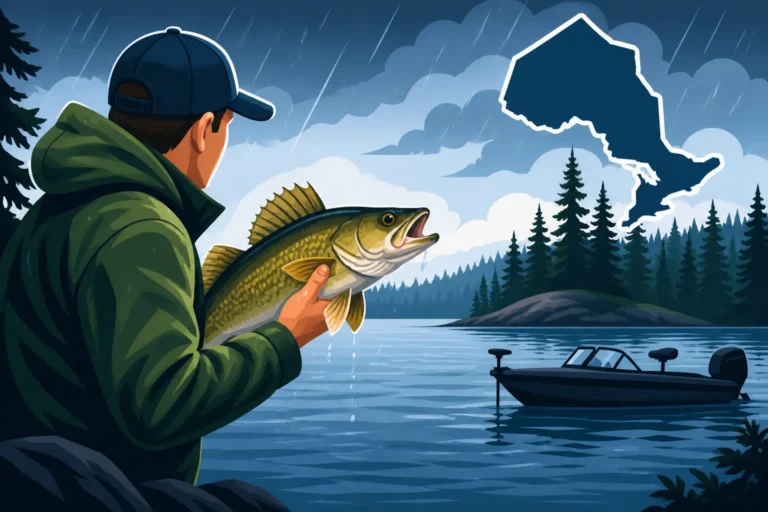
For many, the elusive walleye is the holy grail. These schooling fish thrive in Muskoka's varied depths, often found near deep-water humps or congregating around river mouths. They offer excellent table fare and a satisfying challenge.
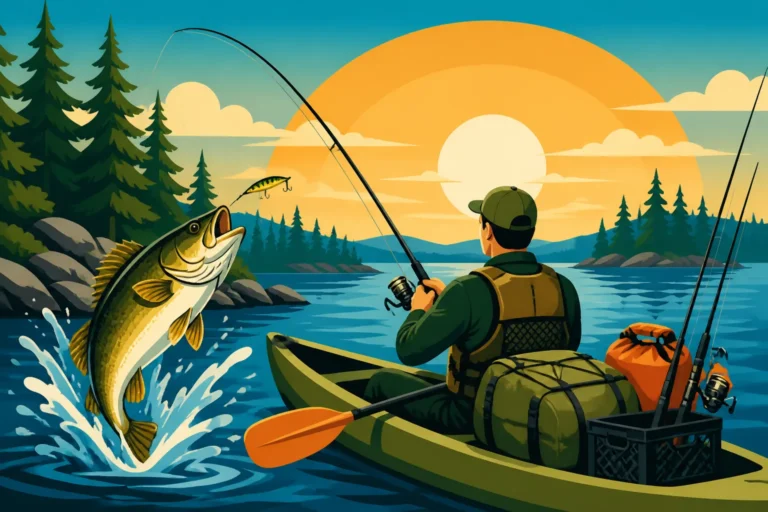
Smallmouth bass are another huge draw, known for their aggressive strikes and acrobatic fights. You'll typically find them patrolling rocky shorelines, points, and shoals, especially during the warmer months. Their bronzed backs and powerful pulls make them a favourite for many.
While perhaps less abundant, largemouth bass can also be found, usually lurking in the shallower, weedier bays and along docks. They prefer dense cover and will ambush prey, offering a different kind of fight than their smallmouth cousins.
For those who love deep-water pursuits, lake trout are a prime target. These cold-water residents inhabit the deeper parts of Lake Muskoka, especially during summer, and require specialized techniques like trolling or vertical jigging to reach them. If you're looking for a genuine trophy, these are your fish. You can learn more about how to catch these majestic fish in our dedicated guide on Lake Trout Fishing in Ontario.
Finally, northern pike are always a blast, especially for anglers who enjoy aggressive bites and powerful runs. They're often found in the same weedy bays and shallow areas as largemouth bass, ready to strike at almost anything that moves. For a bit of family fun, don't overlook the abundant panfish, such as yellow perch and black crappie, which can provide continuous action for younger anglers or those simply looking for a relaxed day on the water.
Best Times and Seasons to Fish Lake Muskoka
Lake Muskoka’s fishery changes dramatically with the seasons, offering distinct opportunities throughout the year. Understanding these patterns is critical to maximizing your catch rates and enjoying your time on the water.
Seasonal Hotspots and Strategies
Each season presents unique challenges and rewards on Lake Muskoka:
Spring: As the ice recedes, spring kicks off with a burst of activity. Post-spawn walleye and pike become active, often moving into shallower bays and river mouths, such as where the Muskoka River flows in, to feed heavily. Smallmouth bass will also begin to stage on rocky points and flats before their spawn, becoming incredibly aggressive. This is a fantastic time for casting jigs and crankbaits in shallower water or slowly trolling deeper edges. Water temperatures are still cool, so fish may be a bit lethargic, but their hunger often overrides it.
Summer: Summer on Lake Muskoka is beautiful but also brings increased boat traffic and warmer surface temperatures. This pushes many species deeper. Lake trout will retreat to the coldest, deepest parts of the lake, often requiring downriggers and precise depth control. Walleye will move to main lake humps and deep breaklines, best targeted early mornings, late evenings, or even at night. Smallmouth bass can still be found on rocky points and shoals, but you might need to target them during low light conditions or use deep-diving crankbaits and soft plastics. Largemouth bass will be tucked into dense weed beds and under docks in the warmer, shallower bays.
Fall: As water temperatures cool, fish enter a pre-winter feeding frenzy, making fall arguably one of the best times to fish Lake Muskoka. All species become incredibly aggressive as they fatten up for the cold months ahead. Walleye will school up on main lake structures and along deeper breaks, often more willing to strike during daylight hours. Smallmouth and largemouth bass will move shallower again, gorging on baitfish, and can be caught with a variety of presentations. Pike, too, will be very active in weed edges. This season offers a fantastic opportunity for trophy fish, as larger individuals become more active.
Winter (Ice Fishing): When Lake Muskoka freezes over, a whole new world of angling opens up. Ice fishing is popular for yellow perch, walleye, and even lake trout. Popular bays like Bracebridge Bay or specific mid-lake humps become hubs of activity. For perch, look to shallower to mid-depths over soft bottoms. Walleye will often be found near deeper structure or current areas. Lake trout, surprisingly, can be caught ice fishing over very deep water, requiring specialized tactics like heavy spoons or tube jigs fished vertically. Remember to always check ice conditions carefully before venturing out.
Navigating Opening and Closing Dates
One of the most crucial aspects of fishing anywhere in Ontario, and certainly on Lake Muskoka, is understanding the specific fishing seasons. These dates vary by species and are designed to protect fish populations during critical spawning periods. It’s absolutely essential to consult the most current Ontario Fishing Regulations Summary before you head out.
For Lake Muskoka, which falls within Fisheries Management Zone 15, common opener dates typically see walleye and northern pike seasons begin in mid-May, while smallmouth and largemouth bass usually open in late June. Lake trout often have a longer season, but it's important to verify. Ignoring these regulations can lead to significant fines and penalties. Familiarize yourself with the Ontario Fishing Season Dates by Zone to ensure you're fishing legally and responsibly.
| Species | Typical Season (FMZ 15) | Prime Techniques | Prime Locations |
|---|---|---|---|
| Walleye | Mid-May to mid-December | Jigging, Trolling Crankbaits, Slip Bobbers | Deep humps, river mouths, main lake breaks |
| Smallmouth Bass | Late June to mid-December | Topwater, Soft Plastics, Crankbaits, Jigs | Rocky points, shoals, islands, clear main lake |
| Largemouth Bass | Late June to mid-December | Soft Plastics, Jigs, Frogs, Spinnerbaits | Weedy bays, lily pads, docks, shallow cover |
| Lake Trout | Varies (check regulations) | Trolling with Downriggers, Vertical Jigging | Deep main lake basins, thermocline depths |
| Northern Pike | Mid-May to mid-December | Spinnerbaits, Large Spoons, Jerkbaits, Topwater | Weedy bays, shallow flats, river confluence |
| Yellow Perch | Open Year-Round | Small Jigs, Minnows, Worms | Weedy areas, drop-offs, ice fishing |
Prime Fishing Locations on Lake Muskoka
With its vastness, pinpointing prime fishing locations on Lake Muskoka can feel overwhelming. However, by understanding the types of structures and areas that consistently hold fish, you can break the lake down into manageable and highly productive zones.
Exploring the Bays and Inlets
The many bays and inlets of Lake Muskoka are often the first place anglers look, especially during the spring and fall, or for species that prefer shallower, warmer water. These areas offer protection from wind and boat traffic, and often contain abundant forage.
Bracebridge Bay: Located where the Muskoka River enters the lake, Bracebridge Bay is a classic example of a productive inlet. The river current brings nutrients, attracting baitfish and, in turn, walleye and pike. The bay itself has a mix of docks, weed beds, and rocky transitions, making it excellent for largemouth bass and panfish. In spring, this area can be a walleye magnet as they move in from the deeper lake.
Beaumaris: This historic area near the centre of the lake features a mix of rocky shorelines, deeper water access, and some prominent points. It's excellent for smallmouth bass and offers quick access to deeper water for lake trout. The varied structure here means you can spend an entire day exploring different depths and cover types.
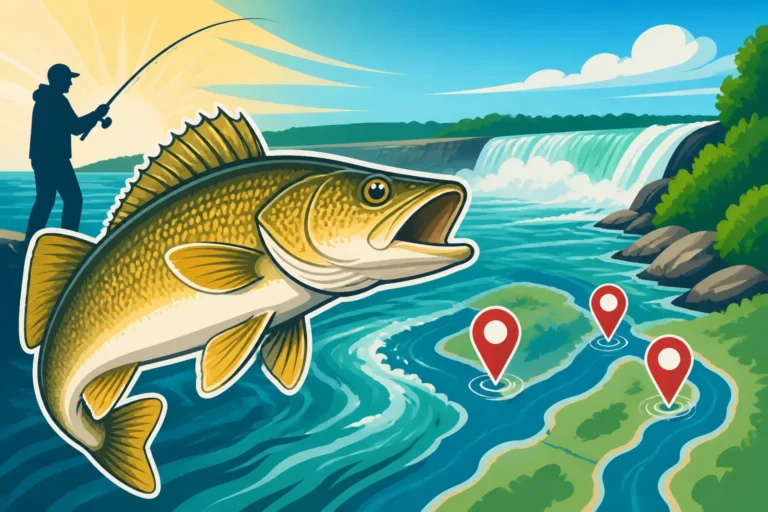
Bala Bay: Situated at the southwestern end of the lake, near the outlet to the Moon River via Bala Falls, this bay is another hotspot for current-loving species. Walleye often congregate here, especially in cooler water periods. The mix of rock and current makes it ideal for smallmouth bass, and the occasional pike will be lurking in ambush spots. The moving water keeps things interesting, drawing in a continuous supply of bait.
Port Carling Narrows: This bustling area connecting Lake Muskoka to Lake Rosseau isn't just for boat traffic. The currents and structural changes around the locks and bridges create fantastic ambush points for pike and walleye. Smallmouth bass also love the rocky eddies and swift water. It's a high-energy spot, but one that can yield impressive catches for those who learn to navigate it.
Mortimer's Point: Offering a mix of rocky shoreline, shallow weed flats, and proximity to deeper water, Mortimer's Point on the eastern side of the lake provides diverse opportunities. It's known for smallmouth bass around the points and can also hold walleye on nearby deep transitions. The calmer waters of some of its smaller coves can also be good for largemouth and panfish.
Deep Water Structures and Shoals
While the bays offer shallow water action, Lake Muskoka's true giants often lurk in its deeper realms. Targeting these deep-water structures and shoals is essential for lake trout and deeper-holding walleye, especially during the summer months.
Look for prominent underwater humps and islands. These structures act like magnets, attracting baitfish and providing prime ambush points for predatory species. Use your fish finder to identify these elevated features, noting any sharp drop-offs or transition zones where hard bottom meets soft bottom. Often, the sides of these humps, rather than the very top, are the most productive, especially where they meet the thermocline in summer.
Steep breaklines, where the lake bottom drops rapidly from shallow to deep, are also crucial. Walleye often patrol these breaks, moving up and down the contours in search of food. Lake trout will hold directly on or just below these breaks in the cooler water. Pay attention to changes in depth, as subtle variations can hold schools of fish. Modern sonar units are indispensable here; a good Best Fish Finders for Ontario Lakes can reveal these hidden underwater worlds. Many reputable guides listed on services like FishingBooker will have top-of-the-line electronics and know these deep honey holes like the back of their hand.
River Mouths and Connecting Waters
Lake Muskoka is fed by several rivers, most notably the North and South Branches of the Muskoka River. These river mouths and the connecting channels act as critical highways for fish movement and often provide unique fishing opportunities.
The areas where the Muskoka River enters the lake, particularly near Bracebridge, are key locations, especially in spring and fall. The influx of fresh water, combined with often warmer water temperatures in spring, draws in walleye and pike looking to spawn or feed. Smallmouth bass will also concentrate here.
The channel connecting Lake Muskoka to Lake Rosseau through Port Carling and the outlet towards Bala Falls are also highly productive. The constant flow of water attracts bait and acts as a migration route. Fishing the eddies, current seams, and structural elements around these areas can be incredibly effective, but you'll need to pay close attention to your boat positioning and lure presentation to combat the current. These areas are dynamic, with fish moving in and out, so persistent effort often pays off.
Recommended Techniques and Gear for Success
Fishing Lake Muskoka successfully requires a blend of appropriate techniques and the right gear for its varied conditions and diverse fish species. Being prepared for different scenarios will significantly increase your chances of a memorable day on the water.
Top Techniques for Muskoka's Prized Catches
Each target species in Lake Muskoka responds best to particular approaches:
Walleye: For these sought-after fish, versatility is key. Jigging with scented soft plastics like Berkley Gulp! minnows or a live minnow on a jig head is deadly, especially when fish are relating to structure. Look for drop-offs, humps, and points. Trolling crankbaits like Rapala Deep Tail Dancers or Flicker Shads is effective for covering water and finding active fish, particularly over flats or along deeper breaklines. Vary your speed and depth until you hit the sweet spot. When fish are finicky or suspended, a slip bobber rig with a live leeches or minnows can be incredibly effective, allowing you to present bait at a precise depth. Learn more in our How to Catch Walleye in Ontario guide.
Bass (Smallmouth & Largemouth): Smallmouth bass are often targeted with active presentations. Topwater lures like poppers or walking baits are exhilarating during low light conditions or when bass are busting bait on the surface. When they're deeper, drop-shotting soft plastics or using tube jigs mimicking crayfish are highly effective on rocky bottoms. Crankbaits that dive to the depth of the structure you're fishing can also provoke aggressive strikes. For largemouth bass, focus on heavy cover. Flipping and pitching jigs or Texas-rigged soft plastics into weed beds, under docks, and around fallen trees is productive. Frogs and other topwater presentations over lily pads are also a blast.
Lake Trout: These deep-water dwellers primarily respond to two techniques. Trolling with downriggers is the most common, allowing you to precisely present spoons like Sutton Silver Spoons or large crankbaits at specific depths where trout are holding. Experiment with different colors and sizes. Vertical jigging over deep humps or suspended schools with heavy spoons (e.g., Williams Wabler, Swedish Pimples) or tube jigs is another effective method, particularly during the ice fishing season or when you've pinpointed fish on your sonar. Check out How to Catch Lake Trout in Ontario for more in-depth strategies.
Northern Pike: Pike are aggressive predators and will hit a wide range of lures. Spinnerbaits are excellent for covering water in shallow, weedy areas. Large spoons (e.g., Dardevle, Little Cleo) cast and retrieved with erratic movements are also very effective. Jerkbaits and swimbaits can also trigger strikes, especially when fished near weed edges or drop-offs. Don't be afraid to use larger presentations for bigger pike.
Essential Gear for Lake Muskoka
Having the right equipment ensures you're ready for whatever Lake Muskoka throws your way:
Rods and Reels: A versatile setup is crucial. For walleye and bass, a medium to medium-heavy spinning or baitcasting rod (6'6" to 7'6") with a fast action is ideal. Pair this with a reliable spinning reel (size 2500-3000) or a baitcasting reel with a good drag system. For lake trout, especially if trolling, a medium-heavy to heavy conventional rod with a line counter reel is often preferred. Pike anglers will also benefit from a stout medium-heavy to heavy rod. You can find excellent options suitable for Lake Muskoka in our Best Fishing Rods for Ontario Lakes guide.
Line: For general fishing, 10-20 lb braided line is popular for its strength and sensitivity, often paired with a 8-12 lb fluorocarbon leader for invisibility. For lake trout on downriggers, 20-30 lb monofilament is common. Always use a steel or heavy fluorocarbon leader when targeting pike or muskie to prevent bite-offs. Consider a dedicated guide on Best Line Weight for Muskie Fishing for more details.
Lures and Bait: Stock a diverse tackle box. For walleye, include various jigs (1/4 to 1/2 oz), crankbaits (deep and shallow divers), and slip bobbers. For bass, have an assortment of soft plastics (worms, tubes, creature baits), topwater lures, and crankbaits. Lake trout require spoons and heavy jigs. Pike will hit large spoons, spinnerbaits, and jerkbaits. Live bait like minnows, worms, and leeches can be incredibly effective across species, especially for walleye and panfish. If you're focusing on specific species, our guide on Best Tackle for Ontario Walleye offers a deeper dive.
Boating and Safety Gear: Given the size of Lake Muskoka, a reliable boat is highly recommended for accessing the best fishing spots. Ensure your boat is properly equipped with all required safety gear, as per Ontario Boating Laws for Anglers. This includes life jackets for all passengers, a whistle or air horn, a bailer, and navigation lights if you're out near dawn or dusk. A good anchor and plenty of rope are also crucial for holding position on specific structures.
Planning Your Lake Muskoka Fishing Trip
A successful fishing trip to Lake Muskoka goes beyond just knowing where the fish are; it involves thoughtful planning, understanding access points, and respecting the environment and its regulations.
Boat Launches and Access Points
Lake Muskoka, being a major recreational hub, offers several public boat launches that provide convenient access to its waters.
Bracebridge: The town of Bracebridge offers several access points, with municipal ramps providing good launching facilities for various boat sizes. These are often busy but well-maintained, giving you direct access to Bracebridge Bay and the main lake.
Port Carling: As a central point in the "Big Three" lakes, Port Carling has public launches that allow access to Lake Muskoka, and also quick connections to Lake Rosseau and Lake Joseph through the locks. These can be particularly busy during peak season but are excellent for exploring the central part of the lake.
Bala: At the southwestern end, Bala provides access near the falls and the mouth of the Moon River. This launch is great for exploring the unique current areas and can be slightly less hectic than Port Carling, depending on the time of year.
When choosing a launch, consider the size of your boat. Lake Muskoka can get rough, especially on windy days, so a smaller boat might be better launched from a more protected bay or inlet. Always arrive early, especially on weekends, to secure a parking spot and avoid long lines. If you're staying at one of the many resorts or cottages around the lake, they often have private launches or docking facilities, which can be a huge convenience. For those needing a bigger boat for these large waters, our guide on Best Fishing Boats for Ontario Lakes and Rivers can provide some excellent insights.
Hiring a Local Guide or Charter
For many, especially those new to Lake Muskoka or targeting specific, challenging species like lake trout or trophy walleye, hiring a local fishing guide or charter is an invaluable investment.
The Benefits: A good guide brings years of local knowledge, understanding seasonal patterns, current hotspots, and fish behavior that would take a newcomer weeks or months to learn. They often have specialized gear (e.g., downriggers, advanced sonar) and proven techniques that can make the difference between a slow day and a banner day. Furthermore, guides ensure you're fishing legally and safely, helping with fish identification and proper handling for catch and release. This can be particularly helpful if you're not familiar with the nuances of Ontario Fishing Regulations Explained.
When to Consider One: If you're visiting Lake Muskoka for the first time, don't have your own boat, or want to guarantee a shot at a specific species, a guide is highly recommended. They can save you hours of searching and ensure you maximize your time on the water. Services like FishingBooker are excellent resources for finding reputable local guides on Lake Muskoka, allowing you to read reviews and book directly with experienced professionals who know these waters intimately. You can often specify what species you want to target, and they'll tailor the trip to your preferences. Don't hesitate to use FishingBooker to explore your options and connect with a seasoned Muskoka angler.
Respecting the Environment and Regulations
Angling on Lake Muskoka comes with a responsibility to protect its natural beauty and ensure sustainable fishing for generations to come.
Catch and Release: While keeping some fish for a fresh meal is part of the experience, practicing catch and release, especially for larger breeding stock or species with tighter limits, is crucial. Learn proper fish handling techniques to minimize stress and injury to the fish. Wet your hands before handling, support the fish horizontally, and use appropriate tools like de-hookers.
Regulations: Always carry your valid Ontario fishing license and Outdoors Card. Understand the specific slot sizes, daily limits, and possession limits for each species in FMZ 15, as outlined in the Ontario Bag and Possession Limits by Species document. These regulations are in place for a reason – to protect the fishery. If you're unsure, err on the side of caution. For more general information about licensing, you can refer to our Ontario Outdoors Card, Explained guide.
Leave No Trace: Pack out everything you pack in, including all trash, broken lines, and discarded bait containers. Avoid disturbing sensitive shoreline habitats. By being a responsible angler, you contribute to the health and longevity of Lake Muskoka's incredible fishing opportunities.
Disclaimer
The information provided in this guide is for general informational purposes only and should not be considered legal advice. Fishing regulations, season dates, and limits are subject to change by the Ontario Ministry of Natural Resources and Forestry (MNRF). Always consult the most current official Ontario Fishing Regulations Summary for Fisheries Management Zone 15 before heading out on Lake Muskoka. The author and publisher are not responsible for any actions taken based on the information presented herein. Fish responsibly and safely.