French River Fishing Guide
The French River, a historic waterway that flows from Lake Nipissing to Georgian Bay, presents both incredible opportunities and unique challenges for anglers. Many assume it's just another river, only to find themselves navigating a labyrinth of channels, rapids, and diverse ecosystems that demand specific knowledge and preparation. This guide will help you unravel the complexities of fishing this iconic Ontario river, equipping you with the insights needed to confidently target its abundant species and make the most of your angling adventure.
Understanding the Unique French River Ecosystem
The French River isn't just one body of water; it's a dynamic, interconnected system where granite bedrock meets fertile bays, creating a mosaic of habitats. Understanding its geography and how fish utilize these distinct zones is fundamental to finding success on the water. It's a challenging, rewarding system unlike many other rivers in Ontario.
Geography and Diverse Habitats
Spanning over 100 kilometers, the French River offers a remarkable range of aquatic environments. From its origin at Lake Nipissing, the river quickly expands into a series of broad channels, narrow rapids, and expansive delta regions as it approaches Georgian Bay. This isn't a uniform river; it changes character dramatically depending on where you are.
The upper sections, closer to Lake Nipissing, often feature slower currents, deeper pockets, and more developed weed beds, providing excellent cover for various species. As you move downstream, the landscape transforms into rugged Canadian Shield country, characterized by dramatic granite outcroppings, numerous islands, and turbulent rapids. These areas create current breaks, eddies, and deep rock-strewn pools that are magnets for predatory fish. The middle river boasts a mix of these features, often with more distinct channels and less sprawling sections. Finally, the lower French River, particularly as it enters Georgian Bay, becomes a complex delta of countless islands, shallow flats, and vast weed beds, creating some of the most productive yet challenging fishing grounds. Navigating these diverse French River habitats successfully requires careful attention to detail and an understanding of how fish move and hold within them.
Key Fish Species and Their Preferred Environments
The French River is a multispecies angler's dream, home to a diverse array of popular game fish. Each species has its preferred haunts, and knowing where to look significantly boosts your chances of a successful outing. You'll find a wide variety of fish, making it a great place to try different techniques.
- Walleye: Often found in deeper channels, current breaks, and rocky points, especially where there's a good transition from hard bottom to softer substrate. They love to ambush baitfish from cover. In the lower delta, they'll also relate to deeper weed edges. Understanding their movements is key to successful How to Catch Walleye in Ontario.
- Muskellunge (Muskie): The apex predator of the French, these giants frequent rocky points, expansive weed beds, fallen timber, and the mouths of feeder creeks. They are often found lurking in ambush positions along structure or cruising open water in search of prey. Muskellunge Fishing in Ontario is a thrilling pursuit here.
- Smallmouth Bass: Abundant throughout the river, smallmouths prefer rocky shorelines, shoals, islands, and current seams. They are aggressive feeders and can be found in both fast-moving water and the calmer waters of bays.
- Northern Pike: Pike are widespread, favoring weed-choked bays, slower currents, and areas with plenty of submerged cover. They are ambush predators, often holding tight to structure, especially around lily pads and submerged timber.
- Largemouth Bass: While less prevalent than smallmouths in many areas, largemouths thrive in the shallower, warmer, and heavily vegetated bays and backwaters, particularly in the lower delta sections. Look for them around lily pads, docks, and fallen trees.
- Lake Sturgeon: A true ancient species, sturgeon inhabit the deeper, slower-moving sections of the river, especially near historical spawning grounds or areas with soft, silty bottoms where they can feed on invertebrates. These magnificent fish are catch-and-release only and are a remarkable sight to behold.
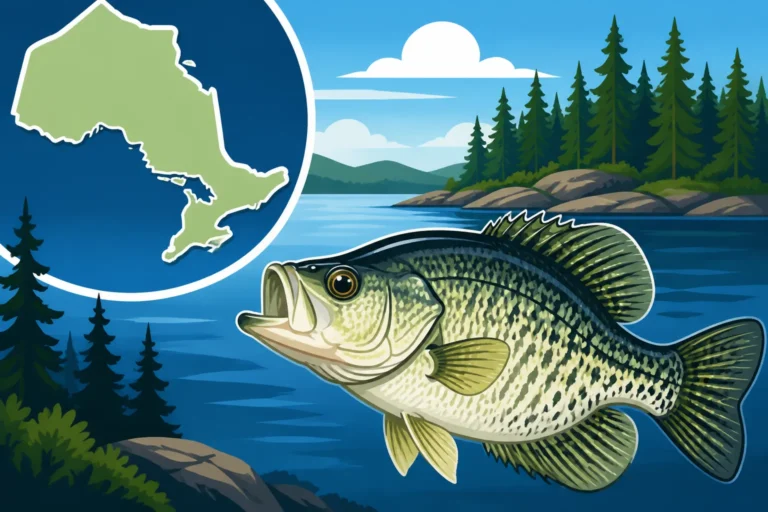
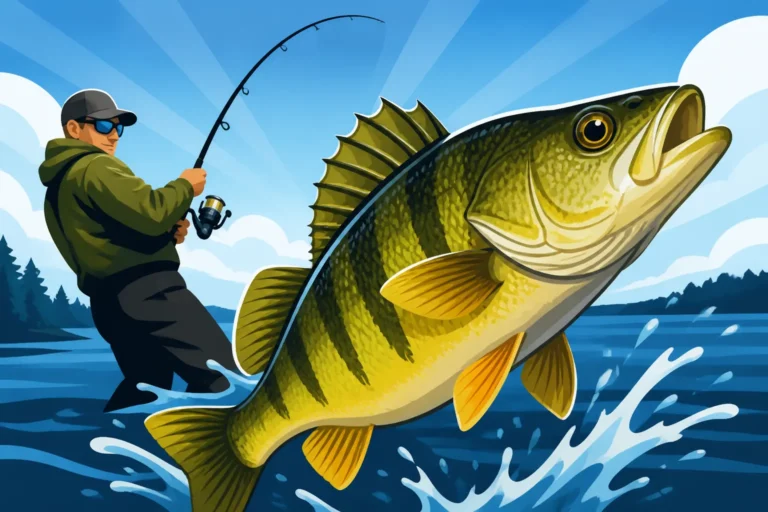
- Panfish (Perch, Crappie, Bluegill): These smaller species provide excellent action for family outings or when the bite for larger fish is slow. Yellow Perch are common in deeper weed beds and open water, while Black Crappie and Bluegill prefer sheltered bays, docks, and submerged brush.
Seasonal Fishing Strategies for the French River
The French River's character, and consequently its fishing opportunities, changes dramatically with the seasons. Adapting your approach to the time of year is crucial for consistently finding and catching fish. From the energetic spring bite to the challenging, yet rewarding, winter prep, each season holds unique promise.
Spring Fishing: Post-Spawn Opportunities
As the ice finally recedes from the French River, typically in late April or early May, a surge of angling excitement begins. Spring fishing here is a fantastic, albeit often challenging, time of year. Water temperatures are still quite cool, and fish are slowly transitioning from their winter haunts to shallower spawning grounds. Many species will be undergoing or just finishing their spawning rituals, which means respecting closed seasons and practicing responsible catch-and-release, especially for vulnerable fish.
- Early Spring (Ice Out to Mid-May): Right after ice-out, the water is cold, and fish are often sluggish. Look for species like Northern Pike to be very active in shallow, warmer bays as they prepare to spawn. Spinnerbaits and jerkbaits worked slowly can be incredibly effective here. Walleye will be moving to staging areas near their spawning grounds, often deeper current breaks and rocky points. As temperatures slowly creep up, they'll move shallower to spawn, and then disperse. Smallmouth bass season is typically closed during this time to protect their spawning activities, so make sure to check the specific Ontario Fishing Seasons by Zone and Month for FMZ 11.
- Late Spring (Mid-May to June): As water temperatures rise, fish become more active. The Walleye opener is a highly anticipated event, and fish can be found in various post-spawn locations, from shallow flats to deeper structure. Jigs tipped with minnows or soft plastics are hard to beat, as are slow-trolled crankbaits along shorelines and over rocky humps. Northern Pike remain strong, often retreating slightly deeper into weed lines or remaining in the warmer bays. Smallmouth bass will be guarding nests or moving into post-spawn feeding patterns, making them susceptible to a variety of lures like tubes, jigs, and small crankbaits around rocky shorelines and shallow shoals. This period can also offer some of the best opportunities for trophy Muskie, as they feed heavily after their own spawning, often found lurking near weed lines and rocky points. Always check the specific French River fishing regulations for zone 11 to ensure you're compliant with opening dates and limits for all species, as these can vary slightly year to year.
Summer Fishing: Diverse Techniques for Active Fish
Summer on the French River brings warmer waters and consistently active fish, though the bite can become more challenging during the hottest parts of the day or after prolonged heatwaves. This is when anglers can really diversify their techniques and explore the river's vastness.
- Early Summer (July): Fish are generally very active and dispersed throughout their feeding grounds. Walleye can be found on main lake points, reefs, and deeper weed edges. Trolling with crankbaits or bottom-bouncing with spinner rigs are excellent ways to cover water and locate schools. Smallmouth bass will be aggressively hitting topwater lures in the mornings and evenings around rocky structure, and moving to deeper breaks and humps during the day where jigs, dropshots, and Carolina rigs excel. Northern Pike remain strong in weed beds and around submerged wood, readily hitting spinnerbaits and spoons. Muskie, now fully recovered from spawning, are actively feeding, often found patrolling the edges of large weed flats, rocky islands, and main lake points.
- Mid-Summer (August): This can be the toughest time for some species due to high water temperatures and fishing pressure. Walleye may move to even deeper, cooler water, often suspending over open water or relating to thermoclines in deeper bays. Night fishing can be incredibly effective for them during this period. Smallmouth bass will be deep during the day but can still be caught with finesse techniques like dropshotting or by targeting shaded areas and current breaks. Largemouth bass will be thriving in the thickest cover in shallow backwaters. Muskie continue their pursuit of large prey, often requiring persistent casting of large bucktails, glide baits, and topwater lures, especially at dawn and dusk. This is also a fantastic time for panfish, offering consistent action for anglers of all skill levels, particularly in sheltered areas with submerged brush and docks. Exploring new fishing spots on the Fish ON-Line interactive zone map can reveal hidden summer gems.
Fall Fishing: Chasing Giants Before Winter
Fall fishing on the French River is a time of transition, often characterized by cooler temperatures, stunning foliage, and some of the best trophy fishing opportunities of the year. As the water cools, fish begin to feed aggressively, packing on weight in preparation for winter.
- Early Fall (September): This month often sees a resurgence in fish activity as water temperatures drop from their summer highs. Walleye will move back shallower, particularly to rocky points and humps, and can be caught effectively with jigs, lipless crankbaits, and trolled deep-diving crankbaits. Smallmouth bass remain active around rocky structure, and can be caught on a variety of lures, including jerkbaits, crankbaits, and swimbaits. Northern Pike are often found in renewed concentrations in weed beds before they eventually thin out. Muskie fishing really shines in September; these fish are actively chasing large baitfish, and anglers often employ big bucktails, glide baits, and even live suckers to entice strikes from giants.
- Late Fall (October to Ice-Up): As temperatures continue to plummet, the French River becomes a prime location for truly massive fish, particularly Muskie and Lake Trout (in certain deeper sections or nearby Georgian Bay). Walleye move to their deep wintering holes, often found in the deepest sections of the main river channels or larger bays, where vertical jigging with spoons and soft plastics can be very effective. This is the period when Muskie hunters truly earn their stripes, enduring cold weather for the chance at a fish of a lifetime. Large jerkbaits, rubber baits, and dead baits on quickstrike rigs are popular choices. Fishing can be challenging due to weather, but the rewards can be immense. For those willing to brave the elements, the French River offers exceptional opportunities before winter fully takes hold. Before heading out, always double-check the Ontario Fishing Regulations Explained for any seasonal closures or specific rules for FMZ 11 that come into effect in the late fall.
Essential Gear and Techniques for French River Success
Having the right equipment is non-negotiable when tackling a diverse fishery like the French River. From the rods you cast to the lures you tie on, each piece plays a vital role in your success. Investing in reliable gear tailored to the species and conditions you'll encounter will elevate your experience.
Recommended Rods, Reels, and Line Setups
Matching your tackle to your target species and preferred technique is paramount for both effectiveness and enjoyment. The French River demands versatility in your rod and reel choices.
- For Walleye and Smallmouth Bass: A medium-power, fast-action spinning rod (6'6" to 7'6") is a versatile choice. Pair it with a 2500-3000 series spinning reel spooled with 8-15 lb braided line. Add a 6-10 lb fluorocarbon leader for abrasion resistance and stealth in clear water. This setup offers sensitivity for feeling subtle bites and enough backbone for fighting feisty fish. For heavier techniques like deeper jigging or larger crankbaits, a medium-heavy baitcasting setup might be preferred by some, with 10-17 lb fluorocarbon or braided line.
- For Northern Pike and Largemouth Bass: Step up to a medium-heavy to heavy-power, fast-action rod (6'8" to 7'6"). Baitcasting setups are excellent here for casting heavier lures and extracting fish from dense cover. Spool with 30-50 lb braided line, adding a 15-25 lb fluorocarbon leader or a steel leader for pike to prevent bite-offs.
- For Muskellunge: This is where specialized heavy-duty gear comes into play. You'll need an extra-heavy power, fast-action muskie rod (8' to 9'6"), designed for casting huge baits and handling powerful fish. Pair it with a robust, high-capacity baitcasting reel (like a 400-500 series) spooled with 65-100 lb braided line. A heavy-duty fluorocarbon or steel leader is absolutely essential, typically 100-200 lb test, to prevent bite-offs from their razor-sharp teeth. This gear is built for battle, and you'll appreciate its strength when a true French River giant strikes. Learn more about Best Muskie Gear for Ontario Waters to ensure you're fully prepared.
- For Panfish: A lighter touch is needed. An ultralight to light-power spinning rod (5' to 6'6") with a small 1000-2000 series spinning reel is perfect. Spool with 4-6 lb monofilament or braided line with a light fluorocarbon leader for maximum sensitivity and casting small jigs or bobbers.
Top Baits and Lures for French River Species
The French River's diverse ecosystem means a variety of baits and lures will produce results. Having a well-stocked tackle box that caters to different depths, cover, and species is key.
- Walleye: Jigs (1/4 to 1/2 oz) tipped with live minnows, worms, or soft plastics (grubs, shads) are perennial favorites. Crankbaits that dive to various depths, especially in natural baitfish patterns like perch or shiner, are highly effective when trolling or casting. Bottom bouncers with crawler harnesses also shine, particularly in deeper, slower sections.
- Muskellunge: These fish require big baits. Bucktail spinners (single or double bladed), large jerkbaits (wood or plastic), glide baits, topwater lures (for aggressive fish), and soft plastic swimbaits are all productive. Natural colors are often effective in clearer sections, while brighter, more contrasting colors can work in stained water. Some anglers also opt for live bait rigs with large suckers, where legal and appropriate.
- Smallmouth Bass: Tubes, jigs (football, hair, or finesse), crankbaits (shallow to deep divers), topwater poppers and walking baits, spinnerbaits, and soft plastic presentations (dropshots, Ned rigs) are all fantastic. Mimicking crayfish and baitfish is often the key.
- Northern Pike: Spinnerbaits (especially with willow leaf blades), spoons (Daredevils, Five of Diamonds), large in-line spinners, and jerkbaits are all excellent choices. Pike are not particularly finicky and will often hit aggressive presentations.
- Largemouth Bass: Soft plastic worms (Texas or Carolina rigged), jigs with creature baits, swim jigs, spinnerbaits, frogs (for lily pads), and topwater poppers or walking baits are great for targeting them in heavy cover.
- Panfish: Small jigs (1/32 to 1/8 oz) tipped with tiny soft plastics, wax worms, or pieces of worm are unbeatable. Small spinners, spoons, and bobber fishing with live bait like minnows or worms also work wonders.
Effective Fishing Techniques and Strategies
Beyond the gear, knowing how to present your baits effectively is what separates a good day from a great one. The French River demands adaptability and a willingness to try different approaches.
- Casting and Retrieving: This is the most common technique and works across most species. Whether you're casting spinnerbaits for pike, topwater for bass, or bucktails for muskie, focus on covering prime structure like weed lines, rocky points, and submerged timber. Vary your retrieve speed and add pauses to entice strikes.
- Trolling: Extremely effective for covering large areas, especially in the wider channels and open bays, particularly for walleye and sometimes muskie. Use deep-diving crankbaits for walleye, or larger stickbaits and bucktails for muskie, varying your speed and depth until you find fish. Pay close attention to your boat speed and lure action.
- Jigging: A versatile technique that can be used effectively for walleye, smallmouth, and even lake trout in deeper sections. Vertical jigging over structure, or casting and retrieving jigs along breaks, are both productive. Experiment with jig weight to match current and depth, and focus on subtle movements to trigger bites.
- Float Fishing: For precise bait presentation, especially in slower currents or when targeting panfish around docks and submerged cover. It's a fantastic way to fish live bait at a specific depth. When the water gets lower, or in slower sections, Float Fishing the French River can be a truly rewarding and effective method.
- Reading the Water: Look for changes in current, depth transitions, visible structure (rocks, timber, weed lines), and signs of baitfish. Pay attention to how the wind and sun affect fish behavior. Use your electronics (fish finder, GPS) to identify submerged humps, drop-offs, and bait schools. Mark productive spots on your GPS to return to them later.
- Adapting to Conditions: No two days are the same on the French River. Be prepared to change lures, techniques, or even target species if conditions (weather, water clarity, fishing pressure) aren't favorable for your initial plan. Flexibility is key to success.
Navigating the French River Safely and Responsibly
The French River is a magnificent place to fish, but it demands respect and careful preparation, especially when it comes to navigation and conservation. Its intricate network of channels, rapids, and often unmarked hazards can be treacherous for the unprepared.
Boating Safety and Navigation Challenges
Boating on the French River is an experience in itself, but it comes with distinct challenges that require vigilance. Unlike many predictable lakes, the French is a constantly evolving waterway.
- Shallow Areas and Submerged Rocks: This is perhaps the biggest hazard. The Canadian Shield bedrock extends just below the surface in countless spots, creating hidden dangers for props and lower units. Always use up-to-date navigational charts and a reliable GPS, paying close attention to depth contours and marked channels. Idle through unfamiliar areas until you understand the layout. Some sections, especially in the upper and lower delta, can have vast, shallow flats.
- Swift Currents and Rapids: While much of the river is navigable, there are significant rapids and fast-flowing sections, particularly in the middle river. These areas are not always safely passable by motorized boats and should be approached with extreme caution or avoided entirely. Know your boat's capabilities and respect the power of the current.
- Busy Channels and Recreational Traffic: Especially during peak season, the French River can see significant boat traffic, including large cruisers, houseboats, and other anglers. Maintain safe speeds, observe navigational rules, and be courteous to other users. Always keep an eye out for swimmers and paddlers, especially around popular tourist areas and lodges.
- Weather Changes: Weather can change rapidly in Ontario, bringing strong winds that can quickly turn calm waters into treacherous conditions. Always check the forecast before heading out and be prepared to seek shelter if a storm rolls in. High winds can make navigating the wider sections of the river and Georgian Bay extremely challenging.
Always ensure your boat is equipped with all necessary safety gear, including life jackets for everyone on board (check Life Jacket Requirements for Ontario Boaters), a first-aid kit, bailing device, signaling devices, and a sound-signaling device. Furthermore, operating a motorized vessel in Ontario requires a Pleasure Craft Operator Card Requirement, ensuring you have the basic knowledge to navigate safely. For comprehensive information, consult the Ontario Boating Laws for Anglers.
Conservation Practices and Regulations
The French River is a truly special fishery, and it's up to all of us to protect it for future generations. Responsible angling practices and strict adherence to regulations are crucial.
- Catch and Release Best Practices: For trophy species like Muskie and Sturgeon, catch and release is not just encouraged, it's often mandatory or simply the responsible choice. Use appropriate gear that minimizes fight time, wet your hands before handling fish, support their body weight horizontally, and use long-nosed pliers or jaw spreaders to quickly and safely remove hooks. Avoid dragging fish onto dry surfaces. For larger fish, a proper cradle net is indispensable for safe handling and measurement.
- Adhering to Regulations: Ontario's fishing regulations are designed to protect fish stocks and ensure sustainable fisheries. The French River falls predominantly within Fisheries Management Zone 11 (FMZ 11). Before every trip, obtain your Ontario Fishing License Guide for 2026 and thoroughly review the specific rules for FMZ 11 in the Reading the Ontario Fishing Regulations Summary. This includes:
- Bag and Possession Limits: Know how many fish of each species you can keep and possess, as these can vary significantly. For example, understanding the Ontario Walleye Limit or the specific rules for Bass is crucial.
- Size Restrictions: Many species have minimum or maximum size limits, or slot limits, to protect breeding populations. Always carry a measuring device.
- Season Dates: Be aware of open and closed seasons for specific species. Fishing for a species during its closed season, even if you intend to release it, can result in penalties.
- Bait Restrictions: Some areas may have restrictions on live bait to prevent the spread of invasive species.
- Preventing the Spread of Invasive Species: Always clean, drain, and dry your boat, trailer, and all fishing gear after leaving the water. Remove any weeds, mud, or debris. Never transport live bait from one body of water to another. These simple steps help protect the delicate ecosystem of the French River from harmful invaders.
Planning Your French River Fishing Trip
A successful French River fishing trip goes beyond just knowing how to catch fish; it requires careful planning regarding accommodations, access, and potentially, local expertise. This river offers a range of experiences, from rustic wilderness camping to comfortable lodge stays.
Choosing Accommodations and Outfitters
The French River corridor boasts a variety of options to suit every angler's preference and budget. Deciding where to stay often depends on what kind of experience you're seeking.
- Lodges and Resorts: For those who prefer comfort and convenience, numerous fishing lodges and resorts dot the shores of the French River. These establishments often provide cabins, meal plans, boat rentals, and sometimes even guide services. Many are family-friendly, offering amenities beyond just fishing. Some popular choices include Chaudière Lodge, located in a prime walleye and muskie area, or Wabun Lake Cottages for a more secluded feel. These lodges are fantastic if you're looking for a hassle-free trip where everything is taken care of. They can also offer valuable local insights into current fishing conditions and hotspots.
- Cottage Rentals: Another popular option is renting a private cottage. This gives you flexibility in terms of cooking your own meals and often provides a more private, home-away-from-home feel. Websites like Airbnb or local real estate agencies often list properties along the river.
- Camping: For the truly adventurous, camping offers a more immersive wilderness experience. Many provincial parks, like French River Provincial Park, offer backcountry camping sites accessible by canoe or boat. There are also private campgrounds with varying levels of amenities. This is a great way to experience the raw beauty of the French River.
- Fishing Guides and Charters: Even if you bring your own boat, hiring a local guide for a day or two can be an invaluable investment, especially on your first trip to the French River. These professionals know the river's complexities, current fish patterns, and hotspots. They can significantly cut down on your learning curve and increase your chances of catching fish. To find reputable guides and charter services, you can often check with the local lodges or use online booking platforms. For example, if you're looking to book a guided trip for Muskie or Walleye, FishingBooker is a great resource where you can browse and reserve guides who specialize in the French River. Their platform allows you to see ratings and reviews from other anglers, ensuring you pick a trusted expert.
Best Access Points and Launch Sites
Getting your boat into the French River system requires knowing the best public and private access points. The river is vast, and different launch sites will put you in different sections, each with its own character and fishing opportunities.
- Lake Nipissing Access (Upper River): If you're starting at the top of the French River, accessing via Lake Nipissing is your best bet. Public launches in North Bay or Callander on Lake Nipissing allow you to navigate down the river. This puts you into the wider, slower sections of the upper French River, known for good walleye and pike fishing.
- Highway 69 Corridor (Middle River): Several access points are available directly off or near Highway 69 (which is now Highway 400 for much of the route). French River Provincial Park's Hartley Bay Marina offers a good public launch and access to the middle-upper river. Further south, the French River Supply Post & Marina near Alban is another popular spot, providing access to a more diverse section with both wider areas and some challenging rapids downstream. This area is fantastic for smallmouth bass and offers strong muskie potential.
- Georgian Bay Delta (Lower River): For those wanting to explore the expansive delta as it meets Georgian Bay, launch sites like Key River or Pointe au Baril on Georgian Bay can grant access. Be aware that navigating the delta is incredibly complex due to the sheer number of islands and shallow shoals. However, this region is a muskie and pike paradise, with excellent largemouth bass opportunities in the warmer back bays. Many lodges in this area also offer their own private launches for guests.
When using any launch site, be sure to check for fees, operating hours, and adequate parking. Always be respectful of private property and local communities. A good resource for identifying potential launch sites is the Ontario Fish ON-Line Interactive Zone Map, Explained, which can help you visualize access points relative to different fishing zones and river sections.
Disclaimer
Fishing on the French River, or any waterway, carries inherent risks. Always prioritize safety, understand and follow all local regulations, and be aware of changing weather and water conditions. This guide provides general information and recommendations, but conditions can vary greatly. Consult official government resources for the most up-to-date regulations and safety guidelines. Angling responsibly ensures a healthy fishery for everyone.