Ottawa River Fishing Spots
The sheer size and diverse nature of the Ottawa River can be incredibly daunting for any angler, whether you're a local looking for new spots or a visitor trying to figure out where to even drop a line. It's not like fishing a small pond where every cast feels familiar. This immense waterway, forming a significant portion of the border between Ontario and Quebec, offers incredible fishing but also presents a challenge in knowing where to focus your efforts. This guide aims to demystify fishing the Ottawa River, breaking down its best spots, target species, and the techniques that will give you the best chance of a successful and memorable trip.
The Allure of Ottawa River Fishing
The Ottawa River isn't just a river; it's a massive, sprawling ecosystem that offers an incredible variety of fishing experiences, from tranquil bays to roaring rapids. For those who love the chase, this river truly delivers. However, its very grandeur can be a double-edged sword, leaving many anglers wondering where to begin. It’s easy to feel overwhelmed by the endless stretches of water, but with a little local insight, you can unlock some truly phenomenal fishing.
A Diverse Fishery for Every Angler
What truly sets the Ottawa River apart is its remarkable biodiversity. We're talking about a river that supports thriving populations of popular game fish alongside numerous panfish and even some less common species. This isn't just a walleye river or a bass river; it's a multi-species haven. Imagine spending a morning targeting smallmouth bass in rocky sections, then shifting gears in the afternoon to troll for northern pike or even muskellunge in deeper, weedier areas. This diversity means that no matter your preferred style of fishing or what kind of fight you're looking for, the Ottawa River likely has something for you. It’s this constant potential for varied action that keeps anglers coming back year after year, eager to explore new sections and uncover hidden gems. The river's vastness ensures that there's always a new challenge or a different species to pursue, making every trip unique.
Navigating the Sheer Scale of the River
Let's be honest, trying to pinpoint a "spot" on a river that stretches over 1,271 kilometers (790 miles) can feel like finding a needle in a haystack. The Ottawa River, particularly its lower and middle sections, often feels more like a chain of lakes than a typical river, with wide expanses, numerous islands, and countless bays. This scale is why it's so crucial to break it down into manageable sections. Without a plan, you might spend more time motoring around feeling lost than actually fishing. Understanding the general characteristics of different stretches – whether it's the more urbanized areas near the capital, the wider, lake-like expanses further downstream, or the more remote, rugged sections upstream – is key to narrowing your focus. This immense size also means that conditions can vary drastically from one section to another. A heavy rain upstream could muddy the waters downriver, or a strong wind could make certain wide-open sections unfishable, while sheltered bays remain calm and productive. It pays to do your homework and consult local conditions before heading out.
Target Species and Their Habitats
The Ottawa River is a legendary fishery, renowned for a handful of species that truly stand out. Knowing what you're after and, more importantly, where they prefer to hang out will dramatically improve your success rate. It's not enough to know a fish lives there; you need to understand their preferred real estate.
Walleye: The River's Golden Gem
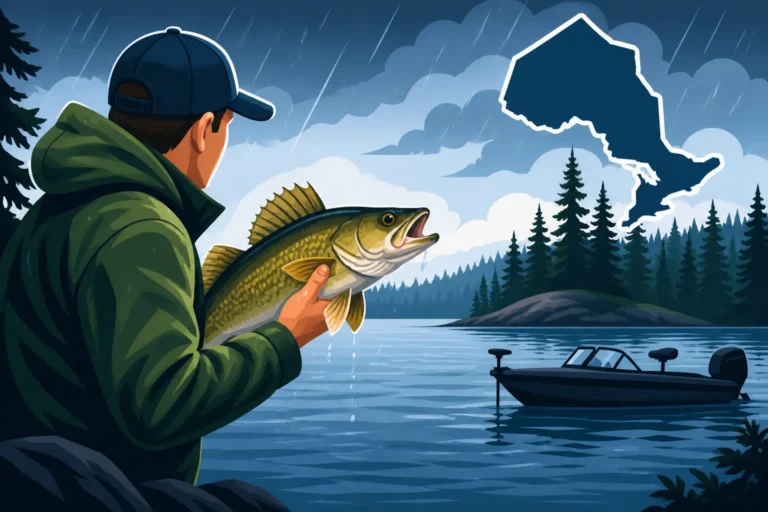
Ah, walleye – the undisputed king for many anglers on the Ottawa. These delicious, elusive fish are present in strong numbers throughout much of the river, particularly in the lower and middle sections. They love structure, current breaks, and areas where they can ambush baitfish. Think rock piles, submerged humps, weed edges near deeper water, and the seams where faster current meets slower water. During the spring, especially after the Ontario Walleye Opener Dates by Zone, you'll find them concentrating in shallower staging areas near spawning grounds. As summer progresses, they tend to move deeper, often associating with the thermocline if one forms in the wider sections, or retreating to current breaks behind islands and points. Night fishing for walleye can be particularly productive, as they move into shallower feeding flats under the cover of darkness. Jigging with live bait like minnows or worms, trolling with crankbaits, or casting lipless crankbaits near drop-offs are all proven tactics. If you're looking for specific guidance, a deep dive into How to Catch Walleye in Ontario can provide invaluable insights.
Smallmouth Bass: Fierce Fighters of the Current
For sheer angling fun, it's tough to beat the smallmouth bass in the Ottawa River. These aggressive fish thrive in the river's rocky, current-swept areas, often found around prominent points, shoals, and islands. They love areas with a mix of rock, gravel, and some scattered weeds, where they can hide and dart out to strike passing prey. Look for them in areas with moderate to strong current, especially around eddies and slack water created by obstructions. Structures like bridge pilings, submerged timber, and deep rock ledges are also prime smallmouth real estate. The period after their spawn, typically in late spring and early summer, sees them feeding heavily. Topwater lures can be incredibly exciting in low light conditions, while tube jigs, drop shots, and crankbaits are highly effective for probing deeper structure. Many anglers will tell you that the fight of an Ottawa River smallmouth, especially a bronzeback over four pounds, is something to behold. For more detailed techniques, check out How to Catch Smallmouth Bass in Ontario.
Northern Pike and Muskie: Apex Predators
The Ottawa River is a phenomenal fishery for both northern pike and its larger, more elusive cousin, the muskellunge. These toothy predators are widespread, often inhabiting the same types of waters. They prefer areas with abundant cover, such as extensive weed beds, lily pad fields, submerged timber, and rocky points where they can lie in ambush. Bays, river channels, and the edges of vast weed flats are classic spots. Pike are generally more numerous and less picky, often hitting a wide variety of spoons, spinnerbaits, and large crankbaits. Muskie, on the other hand, are the fish of a thousand casts – notoriously challenging but incredibly rewarding. They require heavy-duty gear and an unwavering commitment. Look for them in areas with significant forage, often near deeper channels or sharp breaks from shallow cover. Large bucktails, glide baits, and topwater lures are go-to choices for muskie. If you're chasing these giants, understanding How to Catch Muskie in Ontario is essential. Remember to use appropriate tools like long-nose pliers and heavy gloves for safe handling and release, as these fish are vital to the ecosystem.
Panfish and Other Opportunities
While walleye, bass, pike, and muskie often get the spotlight, the Ottawa River also offers excellent opportunities for panfish and other species. Yellow perch are abundant, especially in the shallower, weedier bays and along soft bottom flats. They provide consistent action, particularly for kids or those looking for a relaxing day of fishing. Crappie can be found schooling around submerged brush piles, docks, and bridge pilings in deeper bays. Both species are great fun on light tackle and make for a tasty shore lunch. Beyond these, you might also encounter channel catfish, particularly in the slower, deeper sections with a softer bottom, and even the occasional sturgeon in certain stretches, which must always be released unharmed due to their protected status. Don't underestimate the joy of a panfish bite; sometimes, the simplest fishing is the most satisfying.
Top Fishing Zones and Access Points
Given the vastness of the Ottawa River, breaking it down into distinct fishing zones is crucial. Each section offers unique characteristics, fish populations, and access opportunities. Whether you're casting from shore or launching a boat, knowing where to go is half the battle.
Urban Hotspots: Fishing Near Ottawa-Gatineau
For those in the capital region, the Ottawa River flowing through Ottawa and Gatineau offers surprisingly good fishing, often right within city limits or a short drive away. This section is heavily influenced by human activity, but the fish have adapted. The confluence of the Rideau River and Gatineau River with the Ottawa often creates current breaks and richer feeding grounds.
- Petrie Island (Orleans, Ottawa): This is a fantastic multi-purpose spot. With sandy beaches, hiking trails, and boat launches, it's also a known hotspot for walleye and smallmouth bass, especially in the channels and around the islands. Shore anglers have excellent access, and kayakers can easily explore the quieter back bays.
- Chaudière Falls (Ottawa/Gatineau): While fishing directly at the falls is often restricted and dangerous, the waters immediately upstream and downstream are highly productive. The strong currents and oxygenated water attract a wide range of species. It's a prime location for various species, but boat navigation requires extreme caution and local knowledge due to rapids and currents. Many anglers use FishingBooker to find local guides who specialize in navigating these tricky but productive waters.
- Britannia Conservation Area (Ottawa): Offers good shore fishing opportunities, particularly for pike and panfish in the calmer, weedier sections. It's an accessible spot for families and beginners.
- Rideau Falls (Ottawa): Downstream from the falls, where the Rideau meets the Ottawa, can be a great spot for walleye and smallmouth, especially during low light conditions or cooler weather. The mix of currents and depths creates excellent habitat.
Mid-River Adventures: Rockland to Hawkesbury
Moving eastward from the capital, the river widens considerably, becoming more lake-like with numerous islands, extensive weed beds, and long channels. This section is a true multi-species paradise, offering some of the best fishing on the entire river.
- Clarence-Rockland Area: This stretch is well-known for its excellent walleye, pike, and bass fishing. The numerous islands and submerged structures provide ample cover and feeding grounds. Public boat launches are available, allowing access to these productive waters.
- Alfred-Plantagenet: Further downstream, you'll find expansive bays and channels, which are prime habitat for large northern pike and muskellunge. The deeper sections of the main channel also hold significant walleye populations. Look for weed lines, drop-offs, and rocky shoals. This area is often quieter than the sections closer to Ottawa, offering a more serene fishing experience.
- Hawkesbury Region: Near the Quebec border, the river maintains its wide, lake-like character. Excellent fishing for all major species continues here. The numerous small islands and protected bays are ideal for probing with spinnerbaits for pike or casting tubes for smallmouth. Boat ramps are plentiful, providing easy access.
- Lefaivre Public Wharf and Boat Launch (Alfred-Plantagenet): Provides easy access to some of the wider, more lake-like sections of the river, which are excellent for trolling or casting to expansive weed beds and structural features.
- Ventnor Road Boat Launch (near Hawkesbury): Another popular launch point for accessing the lower Ottawa River, offering access to areas known for larger pike and muskie.
Western Reaches: Arnprior to Pembroke
Upstream from the capital, the Ottawa River takes on a different character. While still large, it often feels more like a traditional river in certain stretches, with narrower channels, more prominent rapids, and a rugged, wilder feel. This area is celebrated for its excellent smallmouth bass fishing and offers fantastic opportunities for pike and walleye in specific sections.
- Arnprior and Fitzroy Harbour: The section around Arnprior, particularly near the confluence with the Madawaska River, is a renowned smallmouth bass fishery. The rocky bottom and varied current create ideal habitat. Fitzroy Provincial Park offers boat access to this section of the river, as well as camping facilities for those looking to make a weekend of it.
- Renfrew and Pembroke: Further upstream, the river widens into impressive lake-like expanses in places, such as near Pembroke. These areas can hold significant populations of walleye, pike, and even muskellunge. Look for transitions from deeper channels to shallower flats, especially those with weed growth or submerged structure. The area between Renfrew and Pembroke provides a good mix of both riverine and lake-like fishing.
- Pembroke Marina (Pembroke): A great access point for the upper Ottawa River, providing easy launching for boats targeting walleye, pike, and bass in the wider sections.
- Arnprior Marina (Arnprior): Excellent for accessing the smallmouth bass haven around Arnprior and the Madawaska River confluence.
| Zone | Key Species | Notable Access Points | Primary Fishing Style | Key Features |
|---|---|---|---|---|
| Ottawa-Gatineau | Walleye, Smallmouth Bass, Pike, Perch | Petrie Island, Britannia CA, Chaudière area | Shore, Kayak, Small Boat | Urban setting, varied currents, bridge structures |
| Rockland to Hawkesbury | Walleye, Pike, Muskie, Smallmouth Bass, Perch | Clarence-Rockland, Lefaivre, Ventnor Road | Boat (trolling, casting), Kayak | Wide lake-like expanses, numerous islands, extensive weed beds |
| Arnprior to Pembroke | Smallmouth Bass, Pike, Walleye | Fitzroy Provincial Park, Arnprior, Pembroke Marina | Boat (casting), Shore | More riverine, rocky bottom, some rapids, rugged feel |
Essential Gear and Techniques for Ottawa River Success
Fishing the Ottawa River successfully means adapting your gear and techniques to its diverse environments and species. You wouldn't use ultra-light gear for muskie, just as you wouldn't typically toss a huge bucktail for panfish. Having a versatile setup and knowing when to switch tactics is key.
Rods, Reels, and Line for River Species
For the Ottawa River, versatility is your friend.
- Walleye and Smallmouth Bass: A medium-power, fast-action spinning rod in the 6'6" to 7'0" range is a fantastic all-around choice. Pair this with a 2500 or 3000 series spinning reel spooled with 10-15 lb braided line. This setup offers excellent sensitivity for detecting subtle bites and enough backbone to handle feisty smallmouth or good-sized walleye. A 6-10 lb fluorocarbon leader is essential for abrasion resistance and stealth in clear water. For those serious about walleye, a longer 7'6" to 8'0" medium-heavy baitcasting rod can be ideal for trolling crankbaits.
- Northern Pike: Step up to a medium-heavy, fast-action casting rod, around 7'0" to 7'6", matched with a reliable baitcasting reel. Spool it with 20-30 lb braided line, and always, always use a steel or heavy fluorocarbon leader (30-80 lb test) to prevent bite-offs from their razor-sharp teeth.
- Muskellunge: This is where you bring out the heavy artillery. You'll need a heavy to extra-heavy casting rod, typically 8'0" to 9'0", paired with a robust baitcasting reel capable of handling heavy lines and big lures. 65-100 lb braided line is standard, along with heavy-duty leaders. Using the Best Fishing Rods for Ontario Lakes as a general guideline can help, but remember to size up for river currents and potential trophy fish.
Lures and Baits for Different Conditions
The Ottawa River's diverse ecosystem means a wide array of lures and baits can be effective.
- Walleye: Jigs (1/4 to 1 oz depending on current) tipped with a minnow, worm, or soft plastic grub are deadly. Blade baits and lipless crankbaits also shine, especially when vertically jigged. Trolling deeper diving crankbaits in areas with consistent depths or along channel edges is highly effective. Live bait, particularly minnows, on a simple slip-float rig or bottom bouncer, is a perennial favorite.
- Smallmouth Bass: Tube jigs in greens, browns, and black are phenomenal, mimicking crayfish. Drop shot rigs with soft plastic baits, grubs, and finesse worms are also incredibly productive, especially when fish are relating to structure. Topwater poppers and walking baits can provide explosive strikes in low light or calm conditions. Crankbaits that dive to different depths are also essential for covering water.
- Northern Pike: Inline spinners (like Mepps or Blue Fox), spoons (Daredevils, Five of Diamonds), and spinnerbaits are classic pike getters. Larger crankbaits and soft plastic swimbaits can also be very effective, especially when worked along weed edges.
- Muskellunge: Bucktails are arguably the most iconic muskie lure. Large minnow-imitating crankbaits (e.g., Rapala Super Shad Rap, Livingston Lures), glide baits, and big topwater lures are also essential. Remember to retrieve these aggressively and perform a figure-eight boat-side to entice follows to strike.
Boat vs. Shore Fishing Strategies
The Ottawa River truly shines for boat anglers due to its size, allowing access to countless islands, channels, and mid-river structures that shore anglers simply can't reach. Having a reliable fishing boat, like those discussed in Best Boats for Ontario Lakes and Rivers, will open up a world of possibilities. With a boat, you can cover vast amounts of water, troll effectively, and position yourself precisely on structure. However, this doesn't mean shore fishing is out of the question. Many public parks and access points offer excellent shore fishing opportunities, especially in the urban areas near Ottawa. Look for accessible docks, bridges, and causeways. These spots are often great for panfish and can yield good catches of walleye and bass, especially during prime feeding times (dawn, dusk, or overcast days) when fish move closer to shore. Kayak fishing is also an increasingly popular and effective method, allowing stealthy access to quieter bays and shallower sections. Just be mindful of larger boat traffic and always prioritize safety on such a large waterway.
Seasonal Strategies for Maximizing Your Catch
Understanding how fish behavior changes with the seasons is paramount to consistent success on the Ottawa River. Each season brings unique challenges and opportunities, and being prepared for them will make all the difference.
Spring: Post-Spawn Feasts and Aggressive Bites
Spring on the Ottawa River is a time of awakening and intense feeding activity. After the long winter, fish are hungry and often concentrated in predictable areas. Walleye will be moving from their spawning grounds to shallower feeding flats and current breaks, eager to replenish their energy reserves. This is a prime time for casting jigs and minnows or slow-trolling shallow-diving crankbaits. Smallmouth bass will also begin to move into shallower, rocky areas as water temperatures rise, eventually preparing for their spawn. Early spring pike fishing can be explosive, as these predators often lurk in the shallow, warming bays and weed lines, ambushing anything that moves. Pay close attention to water temperature and clarity, as these factors dictate how quickly fish become active. Remember to check Ontario Fishing Season Dates by Zone to ensure you're compliant with opening dates for specific species.
Summer: Deep Water and Early Morning Exploits
As summer temperatures soar, the fishing strategy often shifts. In the wider, deeper sections of the river, fish will retreat to cooler, oxygen-rich waters. Walleye may move to deeper humps, channels, and current breaks, often requiring vertical jigging or deep-water trolling techniques. Early mornings and late evenings become prime time for smallmouth bass, as they'll move into shallower rocky areas to feed before retreating to deeper cover during the heat of the day. Topwater lures can be incredibly effective during these low-light periods. Northern pike and muskellunge will still be found in and around extensive weed beds, but may hold deeper within the cover. Long casting with large spoons and spinnerbaits, or fishing near weed edges and drop-offs, can be very productive. Look for isolated weed patches or areas where weeds transition to deeper water.
Fall: Trophy Hunting and Pre-Winter Feeding Frenzies
Fall is arguably the most exciting time for trophy fishing on the Ottawa River. As water temperatures begin to cool, many species enter a pre-winter feeding frenzy, bulking up for the lean months ahead. This is when some of the largest walleye, pike, and especially muskellunge are caught. Walleye will move to main lake points, rocky humps, and current seams, often feeding aggressively throughout the day. Trolling large crankbaits or casting blade baits can be very effective. Smallmouth bass will congregate on deep main lake points, rocky ledges, and transition areas, often schooling in large numbers. Drop-shotting or casting swimbaits can yield impressive catches. For muskie anglers, fall means bigger baits and more patient retrieves. These giants are actively feeding, making it the best chance for a true trophy. Focus on areas with abundant baitfish, often near deeper water adjacent to traditional summer haunts.
Winter: Ice Fishing Opportunities
While the Ottawa River's vastness and current make extensive ice fishing challenging in many sections, there are localized areas that freeze reliably and offer excellent winter fishing. Protected bays, slower sections, and backwaters can provide safe ice. Always exercise extreme caution and verify ice thickness before venturing out, as currents can create unpredictable conditions. Popular species for ice fishing include yellow perch, crappie, and northern pike. Some areas even offer opportunities for walleye through the ice. Jigging with small spoons, soft plastics, or minnows is the go-to technique. Always carry appropriate safety gear, including ice picks and a rope, and inform someone of your plans. For safety guidelines and general information about Ice Fishing in Ontario, consult local resources and always prioritize personal safety.
Navigating Regulations and Responsible Angling
Fishing on a large, shared waterway like the Ottawa River means understanding and adhering to the regulations. It's not just about avoiding fines; it's about preserving the incredible fishery for future generations.
Understanding Zone Regulations and Limits
The Ottawa River traverses several Ontario Fisheries Management Zones, Explained, which means regulations, including season dates, catch limits, and size restrictions, can vary depending on where you are on the river. Generally, the river is primarily within FMZ 12. However, there are often special regulations or reciprocal agreements with Quebec for sections of the river that form the provincial border. It is your responsibility to know which zone you are fishing in and to understand the specific rules for each species, including daily catch and possession limits. Always carry a copy of the current Reading the Ontario Fishing Regulations Summary – either a physical copy or a digital one on your phone – and consult it often. Getting an Ontario Outdoors Card, Explained and your Ontario Fishing License Guide for 2026 is the first crucial step before you even think about casting a line. These documents are your passport to legal angling.
Boating Safety and Courtesy on the River
For boaters, the Ottawa River presents both opportunities and responsibilities. Its size means you can encounter large commercial vessels, fast pleasure craft, and other anglers. Always adhere to Ontario Boating Laws for Anglers. This includes having all required safety equipment on board, understanding navigation rules, and operating your vessel safely and responsibly. The strong currents in certain areas and the potential for rapidly changing weather conditions mean you should always be prepared. Ensuring you have a Pleasure Craft Operator Card Requirement is not just a legal obligation but a testament to your understanding of safe boating practices. Always wear a life jacket or have one readily accessible for every passenger, especially if you're in a smaller craft or venturing into rougher waters; understanding Life Jacket Requirements for Ontario Boaters could literally save lives. Lastly, practice good angling etiquette: maintain a respectful distance from other boats and shore anglers, clean up your trash, and handle fish with care, especially those you intend to release. A healthy river is a happy river for everyone.
Disclaimer
The information provided in this guide is for general informational purposes only and is subject to change. Anglers are solely responsible for understanding and adhering to all current fishing regulations, which can vary by species, location, and time of year. Always consult the official Ontario fishing regulations summary or the Ministry of Natural Resources and Forestry website before heading out. Fishing involves inherent risks, and personal safety should always be your top priority.