Best kayak fishing on the French River
There’s nothing quite like the feeling of wanting to explore Ontario’s incredible fishing opportunities but feeling overwhelmed by crowded boat launches or noisy, busy waterways. If you’re seeking a more intimate and adventurous connection with nature, especially when chasing those elusive big fish, kayak fishing on the French River offers an unparalleled experience. This guide will walk you through everything you need to know to make your kayak fishing adventure on this historic river unforgettable.
Why the French River is a Kayak Angler's Dream
The French River, Ontario's first designated Canadian Heritage River, isn't just a historical gem; it's a paradise for kayak anglers. Spanning over 100 kilometers from Lake Nipissing to Georgian Bay, it offers an incredible mix of wilderness, diverse fish populations, and varied water conditions that are perfectly suited for paddling and fishing. What makes it so special for those of us who prefer the quiet glide of a kayak over the roar of an outboard? It's the unique blend of accessibility and wildness that truly sets it apart.
You can truly get away from it all here. The river branches out into countless channels, bays, and rapids, creating an intricate network that’s a joy to explore by kayak. You can navigate through narrow passages where larger boats simply can’t go, opening up pristine fishing spots that often remain untouched. This sense of discovery, combined with the stunning natural beauty, makes every cast feel like a new adventure. The French River, with its rugged Canadian Shield shoreline and vastness, offers a profound sense of solitude that's hard to find in more populated fishing destinations.
Unparalleled Scenery and Seclusion
Paddling the French River is an experience for all the senses. The shores are lined with towering pines and ancient granite cliffs, remnants of the Canadian Shield, carved by glaciers millennia ago. The water itself often reflects the sky, creating breathtaking vistas that change with every bend in the river. This isn't just a place to fish; it's a place to immerse yourself in Ontario's wild heart. The natural seclusion means you're often the only one on a particular stretch, listening to the calls of loons rather than the hum of other boats.
For kayak anglers, this seclusion translates directly into better fishing. Fish populations, particularly larger predatory species, tend to be less pressured in areas that are harder to reach. You’ll find yourself paddling into quiet bays and intricate backwaters, teeming with wildlife, where the fish haven't seen countless lures. It’s this blend of stunning natural beauty and genuine angling opportunity that solidifies the French River's reputation as a top-tier kayak fishing destination. Whether you're casting for a trophy or just enjoying the peace, the scenery here is an unforgettable backdrop.
Diverse Fish Species and Thriving Ecosystems
One of the French River's biggest draws for anglers is its incredible biodiversity. This river connects the vast waters of Lake Nipissing with the expansive Georgian Bay, acting as a crucial corridor for a multitude of species. This means you're not just limited to one or two types of fish; you have a legitimate shot at catching several highly sought-after species all in one trip. From aggressive muskellunge to tasty walleye, the river supports a robust and healthy ecosystem that truly provides for every kind of angler.
Anglers can expect to find impressive populations of walleye, northern pike, smallmouth bass, and even the revered muskellunge. The varied habitat—deep channels, rocky shoals, expansive weed beds, and current seams—provides ideal conditions for each of these species. For instance, the river's numerous bays and quieter stretches are prime spots for largemouth bass, while the faster moving water and deeper sections hold big walleye. If you're looking for a serious challenge, the French River is renowned for its trophy muskellunge, often requiring specialized gear and techniques, making a trip here a must for any muskie enthusiast. This healthy ecosystem is a testament to sound fisheries management, ensuring that these opportunities remain for years to come. For a broader overview of the river's offerings, check out our comprehensive French River Fishing Guide.
Essential Gear for French River Kayak Fishing
Getting your gear dialed in before you hit the French River is absolutely crucial. Kayak fishing inherently means you have less space and need more specialized equipment than a traditional boat angler. You need to think about efficiency, safety, and versatility. Because you'll be covering water under your own power, whether paddling or pedaling, every piece of equipment should earn its spot in your limited space. Don't just pack for the fish; pack for the journey and the unpredictable elements of a wilderness river.
The sheer remoteness of some sections of the French River means you can't just run back to a tackle shop or rely on quick assistance. Your gear needs to be reliable and thoughtfully chosen. This includes not only your fishing tackle but also your navigation tools, safety equipment, and personal comfort items. Preparing thoroughly will not only make your trip more successful but also significantly safer and more enjoyable.
Choosing the Right Kayak and Accessories
When it comes to the kayak itself, stability is often king for fishing, especially on a river system like the French. You’ll be casting, retrieving, potentially fighting big fish, and sometimes navigating current or waves. A sit-on-top fishing kayak is often the preferred choice due to its inherent stability, open deck space for gear, and ease of getting on and off. Brands like Hobie, Old Town, and Native Watercraft offer excellent pedal-drive options that allow for hands-free propulsion, which is a game-changer for covering water and actively fishing at the same time. If you prefer a paddle kayak, look for models designed for fishing, often wider with dedicated rod holders and storage.
Beyond the kayak, essential accessories include a high-quality Personal Flotation Device (PFD) – not just for safety, but one designed for fishing with pockets and tool attachments. Make sure to review the Life Jacket Requirements for Ontario Boaters before you go. A dry bag or two is indispensable for keeping electronics, extra clothing, and your wallet dry. A reliable paddle (even for pedal kayaks as a backup), an anchor system (especially important for holding position in current), and a good fish finder can significantly enhance your experience. Consider an efficient anchor trolley system for easy deployment and retrieval. For more general advice on selecting a paddle craft, our guide on the Best Kayaks for Ontario Fishing might be helpful.
Tackle and Lures for Success
Given the diverse fishery of the French River, versatility in your tackle is key. You'll want a few setups to cover your bases. For walleye and bass, a medium-heavy spinning rod with a fast action, spooled with 10-15 lb braided line and a fluorocarbon leader, is a solid all-around choice. For lures, pack a selection of jigs (1/4 to 1/2 oz) for bottom bouncing, crankbaits (both shallow and deep divers) in natural baitfish colours, and soft plastic swimbaits. Walleye can be found in deeper channels and eddies, while bass will often hug rocky shorelines and submerged structure.
If you’re chasing northern pike, you can often use a similar setup to bass, just scaled up a bit. Pike are aggressive and will hit larger spoons, spinnerbaits, and even topwater lures around weed lines and shallow bays. For muskellunge, however, you absolutely need to step up your gear. A heavy baitcasting rod (8-9 feet), a robust reel with a strong drag, and 65-80 lb braided line with a heavy-duty fluorocarbon or steel leader are non-negotiable. Large bucktails, glide baits, and topwater lures like the Whopper Plopper are muskie magnets. Remember, safety gear for muskie, like long-nosed pliers and a large landing net, is crucial for both you and the fish. For more specific guidance on muskie gear, consult our Best Muskie Gear for Ontario Waters article.
Navigating the French River by Kayak
Navigating the French River can be a truly immersive experience, but it also demands a healthy respect for its size and diverse character. This isn't a small, placid stream; it's a significant waterway with varying currents, numerous channels, and the potential for changing weather conditions. For a kayak angler, understanding the river's layout and how to safely traverse it is just as important as knowing where the fish are biting.
Careful planning before you launch is paramount. Study maps, check weather forecasts, and understand your physical capabilities. The river can quickly become challenging with strong winds or unexpected rapids, so being prepared for all eventualities will ensure a smooth and enjoyable trip. Never underestimate the power of the water, and always prioritize safety over getting to that "secret" fishing spot.
Understanding the River's Sections and Access Points
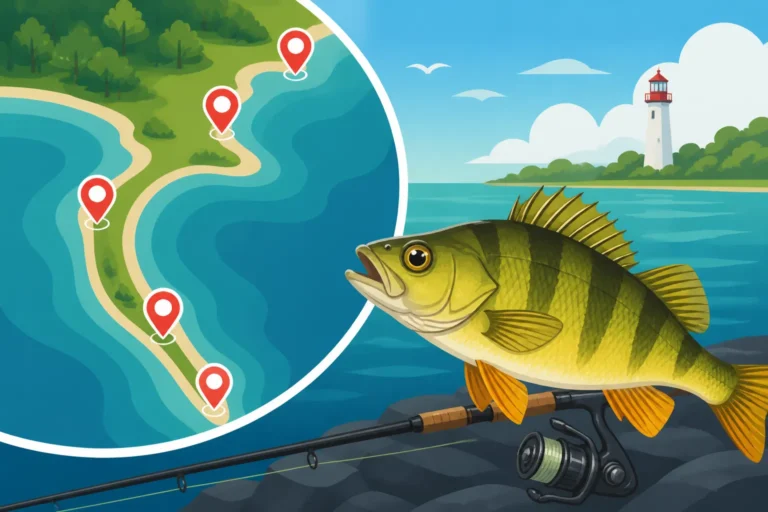
The French River can generally be broken into three main sections, each offering a slightly different experience for kayak anglers. The Upper French River, closer to Lake Nipissing, is characterized by wider, shallower sections with extensive weed beds and slower currents. This area is fantastic for bass and pike, and you'll find numerous smaller bays and channels to explore. Key access points here include Dokis First Nation, Wolseley Bay, and Hartley Bay Marina.
The Middle French River is where the river really starts to show its Canadian Shield heritage, with more exposed granite, deeper channels, and some faster-moving water and small rapids. This section is excellent for walleye and boasts prime muskie habitat. Access points can be a bit more rugged, but places like the French River Supply Post and Pickerel River Marina can get you started. Finally, the Lower French River, leading towards Georgian Bay, becomes more expansive, almost delta-like, with myriad islands and open water. Here, you'll encounter bigger water conditions, but also the potential for true trophy fish. Key access points include French River Provincial Park at Highway 69. Before embarking, it's wise to consult resources like the Ontario Fish ON-Line Interactive Zone Map, Explained to get a lay of the land and understand specific regulations for your chosen area.
Safety Considerations and Best Practices
Safety on the French River, especially in a kayak, cannot be overstated. Always wear your PFD; it’s not just a suggestion, it's a legal requirement and could save your life. Check the weather forecast meticulously before heading out, paying close attention to wind, as the river can get very choppy, very quickly. Strong winds can make paddling incredibly difficult and create dangerous conditions, especially on larger sections of the river.
Inform someone of your float plan – where you're going, when you expect to return, and what your emergency contact is. Carry a fully charged cell phone (in a waterproof case), a whistle, and a bailing device. A first-aid kit is also a must-have. If you're navigating areas with rapids or portages, be aware of your skill level and don't take unnecessary risks. Some areas of the French River, like the Five Finger Rapids, are not navigable by kayak and require portaging, so plan your route carefully. Consider going with a buddy or hiring a local guide, perhaps found through a service like FishingBooker, especially if you're new to the area. Guides not only know the waters but can also assist with logistics and safety, which is invaluable.
Prime Fishing Techniques for the French River
Kayak fishing on the French River offers a unique opportunity to approach fish with stealth and precision. Unlike large motorboats, your kayak allows you to silently glide into shallow bays, along rocky shorelines, and through narrow channels without spooking fish. This quiet approach often makes all the difference when targeting wary predators. The key is to leverage your kayak's advantages and adapt your techniques to the specific environment and species you're pursuing.
Understanding the river's structure is paramount. The French River is a complex maze of interconnected lakes, channels, rapids, and bays. Each of these different environments will hold fish at different times and require distinct approaches. Being able to read the water, identify current breaks, weed lines, and rock piles from your low-to-the-water vantage point will significantly increase your success.
Targeting Walleye and Northern Pike
For walleye, the French River offers fantastic opportunities, particularly in the deeper channels, current seams, and around rocky points. Look for transition areas where deeper water meets shallower flats, especially during low-light conditions or after a cool front. For a more detailed look, check out our guide on Walleye Fishing in Ontario. Jigs tipped with soft plastics or live minnows are incredibly effective when fished vertically or slowly bounced along the bottom. Troll shallow-diving crankbaits along the edges of weed beds or in current breaks, letting your pedal kayak (if you have one) do the work of propulsion while you focus on presentation. Early morning and late evening are often prime times for walleye, but they can be caught throughout the day in deeper, cooler water.
Northern pike are abundant and aggressive throughout the French River. They love to ambush prey from cover, so focus your efforts around extensive weed beds, submerged logs, and rocky structure in bays and backwaters. Larger spinnerbaits, spoons (like a Len Thompson Five of Diamonds or a Daredevil), and soft plastic swimbaits are incredibly effective. Cast these lures close to cover and retrieve them with a steady pace, sometimes adding a twitch or pause to trigger strikes. Don't be afraid to use bright, flashy colors to grab their attention. Pike can often be caught throughout the day, especially on overcast days. For more on these toothy critters, explore Northern Pike Fishing in Ontario.
Hunting Muskie and Bass
The French River is legendary for its muskellunge. These apex predators require dedication and specialized gear. Focus your efforts on large bays with deep weed edges, rocky points with current, and major drop-offs. Muskie are often found relating to baitfish schools, so if you see perch or suckers, there's a good chance a muskie isn't far behind. Large bucktails, glide baits (like a Musky Innovations Shallow Invader), and heavy jerkbaits are the go-to lures. Cast repeatedly into prime areas and retrieve with an erratic, enticing motion. Always perform a "figure-eight" boat-side with your lure; many muskie follow right to the kayak and will strike at the last second. Be prepared for a fight, and remember safe handling practices for these majestic fish. If you're looking for a guided trip, many local guides specialize in muskie fishing and can be booked through platforms like FishingBooker.
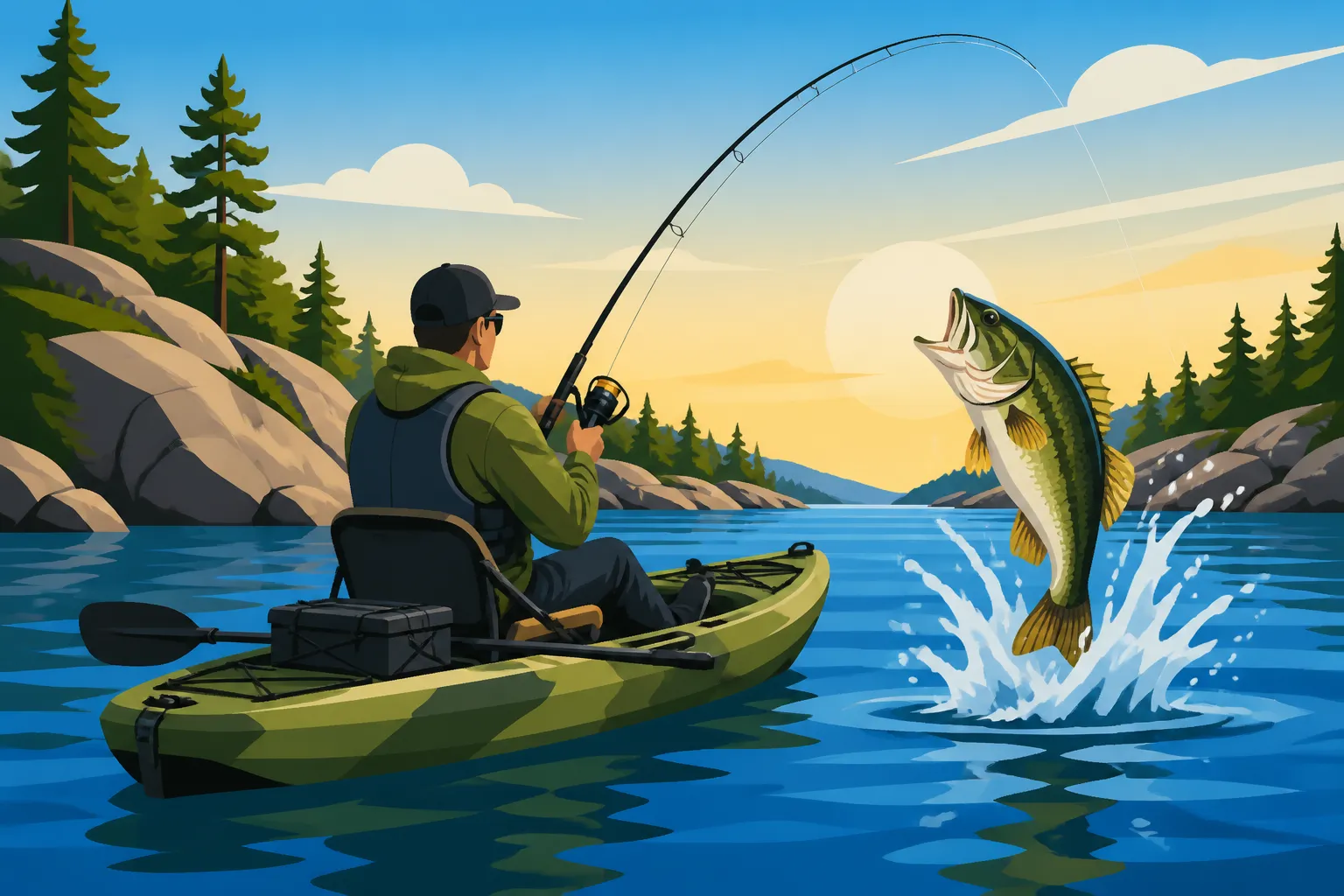
Smallmouth bass fishing on the French River is explosive and a ton of fun from a kayak. These hard-fighting fish love rocky areas, current, and submerged timber. Target shorelines with boulders, shoals, and islands. Topwater lures like poppers and walk-the-dog baits are incredibly exciting to use, especially in the mornings and evenings. When the sun is high, switch to tube jigs, swimbaits, or drop shots fished around deeper rock piles and ledges. Smallmouth bass are notorious for their acrobatic jumps and strong runs, making them an excellent target for light tackle in a kayak. You’ll find them in almost every section of the river, often grouped together. To refine your approach, check out our guide on Smallmouth Bass Fishing in Ontario.
Here's a quick overview of target species and recommended techniques:
| Species | Preferred Habitat | Recommended Lures/Baits | Key Techniques |
|---|---|---|---|
| Walleye | Deeper channels, current seams, rocky points, transition zones | Jigs (1/4-1/2 oz), soft plastics, crankbaits, live minnows | Vertical jigging, slow bottom bouncing, trolling crankbaits along edges, casting into current breaks |
| Northern Pike | Weed beds, submerged logs, rocky structure, shallow bays | Spinnerbaits, spoons, large soft plastic swimbaits | Casting to cover, steady retrieve with occasional twitches, targeting ambush points |
| Smallmouth Bass | Rocky shorelines, shoals, islands, current breaks | Topwater lures, tube jigs, swimbaits, drop shots | Casting to structure, erratic retrieves, targeting turbulent water, often sight-fishing in clear areas |
| Muskellunge | Deep weed edges, rocky points, major drop-offs, baitfish schools | Large bucktails, glide baits, heavy jerkbaits, topwater | Repeated casting, figure-eight boat-side, fan casting large areas, relentless pursuit, specialized gear |
The beauty of kayak fishing the French River is the ability to adapt. One minute you could be casting for bass along a sunny rock face, and the next, you could be drifting a jig for walleye in a deep eddy. This flexibility, combined with the river's stunning environment, ensures every trip is an adventure. For those interested in a quieter fishing experience without an engine, consider exploring options for Float Fishing the French River. You can also discover more about the various types of watercraft suited for this kind of adventure by reading our article on the Best Boats for Ontario Lakes and Rivers. If you're considering overnight stays, make sure you understand the Ontario Crown land camping and fishing access permit rules.
Disclaimer
The information provided in this guide is for general informational purposes only and is not intended as legal or professional advice. Fishing regulations, safety guidelines, and environmental conditions can change. Always consult the most current Ontario fishing regulations summary, local authorities, and weather forecasts before planning any fishing trip. Ensure you have all necessary licenses and permits. Fishing entails inherent risks, and it is the responsibility of each individual to ensure their own safety and comply with all applicable laws and regulations.