Best free fishing access near Toronto
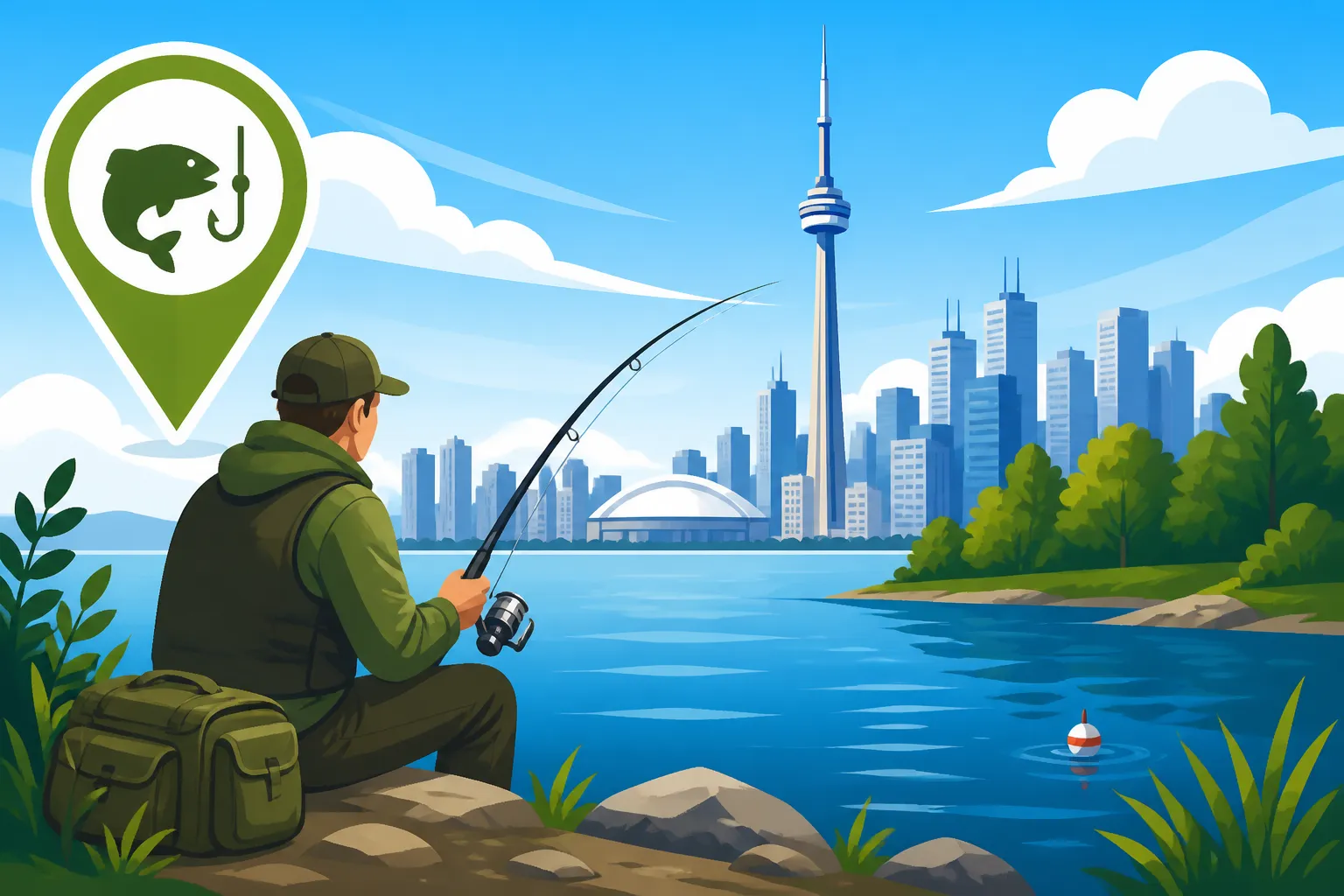
Finding a fantastic fishing spot near a bustling metropolis like Toronto can feel like searching for a needle in a haystack. Many anglers assume they need to drive hours north, pay for access, or navigate complex private property rules just to cast a line. The good news is, you don't always have to! This comprehensive guide is dedicated to revealing the best free fishing access points right within and around the Greater Toronto Area, helping you enjoy the tranquility of fishing without the added cost of permits or far-flung travel.
The Challenge of Finding Free Fishing Near Toronto
Let's be honest, living in or visiting a major urban centre like Toronto presents its own unique set of challenges for anglers. You're constantly surrounded by development, busy roads, and a general sense of "where do I even begin?" The idea of just showing up with a rod and reel and finding a peaceful spot to fish for free often feels like a pipe dream.
The Urban Angler's Dilemma
It’s a common frustration: you've got that fishing itch, but the thought of navigating through endless subdivisions, private land signs, or crowded tourist traps just to find a place to fish can be a real deterrent. Many publicly advertised fishing spots might require specific permits beyond your standard provincial license, or they might be so popular they lose their charm. The sheer density of population and infrastructure around Toronto means that readily accessible, truly free spots can seem few and far between. You might spend more time driving and searching than actually fishing, which defeats the whole purpose of a relaxing outing. It can feel like you need a secret map or insider knowledge to discover these urban angling havens, and in many ways, you do!
Understanding Public Access vs. Private Property
When we talk about "free fishing access," it's crucial to understand what that actually means. It doesn't mean you can just wander onto someone's backyard or a commercial marina to fish. Free access refers to publicly owned lands and waterways where fishing is permitted, provided you have the appropriate Ontario Fishing License Guide for 2026 and adhere to all provincial and local regulations. The challenge, especially in an urban environment, is identifying these public spaces. Shorelines, parks, conservation areas (some of which may have a small entrance fee, but often the fishing itself is free beyond that), and bridge crossings over rivers and creeks often offer these opportunities. However, you must always be mindful of signage. "No Trespassing" signs are there for a reason, and ignoring them can lead to fines or worse. Respecting private property is paramount, even when you're just looking for a good spot to drop a line. Always look for clear indications of public access, like designated parking for park visitors or trails leading directly to the water, to ensure you're fishing legally and respectfully.
Top Free Fishing Spots Within and Around Toronto
Despite the urban sprawl, Toronto and its immediate surroundings are blessed with some surprisingly good—and free—fishing opportunities. You just need to know where to look!
Inner City Green Spaces and Waterfronts
Believe it or not, some of the best spots are right in the heart of the city or just a stone's throw away. These locations offer a fantastic escape from the concrete jungle.
Toronto Islands
The Toronto Islands are not just a tourist destination; they're also a fantastic, often overlooked, free fishing haven. While there is a ferry cost to get there, once you're on the islands, the fishing itself is completely free. The diverse network of lagoons, channels, and the inner harbourfront offers an incredible variety of angling experiences. You can target species like Common Carp, Northern Pike, various panfish like sunfish and crappie, and both Largemouth and Smallmouth Bass.
The quieter lagoons, especially on Ward's Island or Algonquin Island, are excellent for casting lighter tackle for panfish or trying your hand at carp fishing with corn or bread. The more open areas facing the city skyline can yield bigger pike or bass, especially during the warmer months. It's an ideal spot for a leisurely day trip, combining a scenic ferry ride with some productive fishing. Just remember to pack light, as you'll be walking or cycling the islands.
Tommy Thompson Park (Leslie Street Spit)
Jutting out into Lake Ontario, Tommy Thompson Park, often referred to as the Leslie Street Spit, is a unique urban wilderness perfect for shore anglers. This man-made peninsula, created from construction debris, has become a significant natural habitat and a prime fishing location. Access is free, though it’s a long walk or bike ride to the prime spots.
Here, you can expect to find good populations of Common Carp, Northern Pike, and a variety of panfish. During the spring and fall, the park becomes a hotspot for migratory fish, offering opportunities to catch Chinook Salmon and Rainbow Trout, especially near the mouth of the embayments or along the main shoreline facing the lake. The sheer length of the spit means you can find relatively uncrowded spots, even on busier days. The diverse ecosystem here is truly remarkable for an urban setting, and it's a testament to how nature can reclaim and thrive even amidst human activity.
Waterfront Trail (Various Points)
The Great Lakes Waterfront Trail stretches for hundreds of kilometres, and many sections passing through Toronto offer excellent free shore fishing opportunities. Instead of focusing on one specific spot, think about the accessible park sections along Lake Ontario's edge.
Locations near the Humber Bay Arch Bridge, Marilyn Bell Park, or even sections of the trail in the eastern Beaches can provide good access. Here, anglers primarily target Common Carp, various panfish, and during seasonal runs, you might hook into a migratory salmon or trout that has ventured closer to shore. The key is to explore. Look for rocky points, small bays, or areas where current might create attractive holding spots for fish. These are often easy to get to by public transit or car, and many spots have benches or grassy areas perfect for a relaxed fishing session.
Rivers and Creeks in the GTA
Toronto's ravine system is not just picturesque; it's also home to several rivers and creeks that offer fantastic, free fishing. These waterways cut through the city, providing green corridors and unexpected angling opportunities.
Humber River
The Humber River, a Canadian Heritage River, flows from the Oak Ridges Moraine all the way to Lake Ontario. Its lower sections, particularly within parks like Etienne Brulé Park, King's Mill Park, or even near the mouth where it meets the lake, offer superb free access.
The Humber is well-known for its incredible salmon and trout runs in the spring and especially the fall. Anglers line the banks during these seasons, hoping to catch Chinook Salmon, Coho Salmon, and Rainbow Trout (steelhead). Outside of these runs, the river holds resident populations of Common Carp, Northern Pike, Smallmouth Bass, and various panfish. The river is wide enough in many sections to accommodate multiple anglers, and the surrounding parkland makes for a pleasant outing. Always be mindful of local regulations, especially concerning specific stretches designated as Ontario Catch and Release Only Waters during certain seasons, to ensure sustainable fishing practices.
Don River
The Don River has a complex history, but recent rehabilitation efforts have improved its water quality and fish habitat. While perhaps not as renowned as the Humber for its trophy fish, the Don still offers free fishing, particularly in its lower reaches and tributaries.
Anglers here can find Common Carp, suckers, and various panfish. During spring and fall, some migratory trout and salmon do venture into the lower Don. Access points can be found in parks like Crothers Woods or Evergreen Brick Works, though some sections are more challenging to fish due to steep banks or heavy vegetation. The Don offers a more "rugged" urban fishing experience, often requiring a bit more exploration to find ideal spots. It’s a great place to hone your skills on species that might be overlooked elsewhere.
Rouge River
Part of the expansive Rouge National Urban Park, the Rouge River system offers some of the most diverse and pristine free fishing opportunities within the GTA. Flowing into Lake Ontario, the Rouge is a true ecological gem.
You'll find excellent access points throughout the park, allowing you to fish for a wide array of species including Common Carp, Smallmouth Bass, Largemouth Bass, Northern Pike, and various panfish. Like the Humber, the Rouge experiences strong runs of Chinook Salmon, Coho Salmon, and Rainbow Trout during their migratory seasons (spring and fall). The park's well-maintained trails and ample public access make it easy to find a spot along the riverbank. The Rouge offers a fantastic blend of urban accessibility with a wilderness feel, making it a favourite for many local anglers looking for free, quality fishing.
Local Ponds and Smaller Lakes
Sometimes, a quiet pond or a small lake is exactly what you need. These often provide easy access and consistent action, especially for beginners or families.
Centennial Park Pond (Etobicoke)
Located in Etobicoke, Centennial Park features a decent-sized pond that's often overlooked by those seeking larger waters. It's a popular spot for families and beginners due to its easy access and the consistent presence of smaller fish. The pond is regularly stocked, often with Rainbow Trout, and holds resident populations of panfish like sunfish and perch. It's an excellent place to introduce kids to fishing, practice your casting, or simply enjoy a relaxing afternoon without the crowds of larger fishing destinations. The surrounding park amenities, including picnic areas, add to the family-friendly appeal.
High Park Grenadier Pond (Toronto)
High Park, Toronto's largest public park, is home to the famous Grenadier Pond. This large, accessible pond is a well-known spot for Common Carp, which grow to impressive sizes here, offering a fantastic fight for anglers up to the challenge. It also holds Northern Pike and various panfish species.
Access is easy from many points around the pond, with paved pathways surrounding it. It's a popular spot for walkers and birdwatchers, so courtesy and patience are key. While fishing is free, there are often specific rules regarding bait (e.g., no live bait fish) or seasons, so always check local signage. It's a truly iconic Toronto spot, offering a slice of nature and free angling right in the city.
Lakefront Parks (e.g., Colonel Samuel Smith Park)
Many smaller lakefront parks along Lake Ontario, beyond the main Waterfront Trail, offer excellent, free shore fishing. Colonel Samuel Smith Park in Etobicoke is a great example. With its extensive shoreline, jetties, and sheltered bays, it provides diverse habitats for fish.
Anglers here can target Common Carp, Northern Pike, and panfish. During migratory periods, salmon and trout are also caught here. The park's layout, with plenty of parking and walking paths, makes it very accessible. Similar parks like Ashbridges Bay Park in the east end or even smaller community parks with lake access can be surprisingly productive. These spots are perfect for casting a line with a simple setup, enjoying the lake breeze, and potentially reeling in a decent catch without any cost or hassle.
Essential Tips for Free Fishing in the Toronto Area
While the fishing itself might be free, there are still rules and best practices to follow to ensure a successful, enjoyable, and legal outing.
Licenses and Regulations
This is non-negotiable. Every angler over the age of 18 (and under 65 for residents) needs a valid fishing license in Ontario. It's the law, and conservation officers do patrol these urban areas. You'll need to purchase an Ontario Outdoors Card, Explained, which is your identifier, and then add your fishing license to it. You can choose between a Sport or Conservation license; the Ontario Sport vs Conservation Fishing License dictates your catch limits, so understand the difference. A Conservation license generally has lower limits but is often sufficient for recreational anglers, especially in urban areas where catch and release is common.
Familiarize yourself with the Ontario Fishing Regulations Explained, specifically for the Fisheries Management Zones (FMZs) that cover the Toronto area (primarily FMZ 16 and parts of FMZ 20). These regulations detail species-specific seasons, size limits, and Ontario Bag and Possession Limits by Species. Ignoring these rules can lead to hefty fines, so always do your homework before heading out. Information on Where and How to Buy an Ontario Fishing License is readily available online and at authorized vendors.
Gear and Techniques for Urban Anglers
You don't need a boatload of specialized gear for successful urban fishing. Simplicity and versatility are key.
Adaptable Gear Choices
A medium-light to medium power spinning rod, around 6 to 7 feet long, paired with a matching spinning reel spooled with 6-10 lb monofilament or braided line, will cover most situations in Toronto's free access spots. This setup is versatile enough for casting lighter lures for panfish, handling a feisty smallmouth bass, or even battling a decent carp. You'll want a tackle box with a good selection of common lures: small inline spinners, basic jig heads with plastic grubs, a few spoons, and some hooks for bait fishing (worms, corn, bread). For species like carp, a heavier rod and reel with stronger line (15-20 lb test) can be beneficial, especially if targeting bigger fish in Grenadier Pond or the Humber River.
Simple and Effective Techniques
For urban fishing, tried-and-true techniques often work best.
- Float Fishing: A simple float (bobber) rig with a hook and worm, corn, or small jig can be deadly for panfish, carp, and even trout in stocked ponds or slower river sections.
- Bottom Bouncing: Using a weight to get your bait or lure to the bottom, especially in rivers, can be effective for carp, suckers, and migrating salmon/trout.
- Casting and Retrieving: Simple casting of inline spinners, small spoons, or jig-and-grub combos can entice bass, pike, and even panfish. Experiment with retrieve speeds.
- Targeting Species: For Panfish Fishing in Ontario, tiny jigs, worms, or crickets under a bobber are great. For carp, bread, corn, or specialized carp baits fished on the bottom are reliable. If you're targeting How to Catch Walleye in Ontario (which can be found in the lower reaches of the larger rivers or near their mouths on Lake Ontario), jigs tipped with minnows or crankbaits are effective.
Etiquette and Conservation
Urban fishing means sharing space with many other people – walkers, cyclists, picnickers, and other anglers. Being a considerate angler makes everyone's experience better.
Leave No Trace
Always pack out what you pack in. This means all your fishing line, bait containers, snack wrappers, and anything else you bring. Discarded fishing line is a major hazard for wildlife and a blight on natural spaces. Carry a small garbage bag with you and use it. This principle extends to bait as well; do not dump unused live bait into the water, as it could introduce invasive species.
Respecting Others and Wildlife
Be aware of your surroundings. Avoid casting lines over walking paths or near children. If a spot is crowded, try to find another, or politely ask if there's room. Give fellow anglers space. Be gentle with fish you plan to release, especially if it's a Ontario Catch and Release Only Waters location. Handle them minimally, keep them in the water as much as possible, and use barbless hooks to reduce harm. If you encounter any wildlife, observe from a distance and do not disturb them.
Leveraging Resources for Your Next Free Fishing Adventure
Finding these free spots is just the beginning. To maximize your chances of success and stay informed, there are excellent resources at your fingertips.
Online Tools and Community Forums
The digital age has made fishing research so much easier.
- Ontario Fish ON-Line Interactive Zone Map, Explained: This is an invaluable tool provided by the Ministry of Natural Resources and Forestry (MNRF). It allows you to zoom in on specific lakes and rivers, check their respective FMZ, and instantly see species, seasons, and special regulations. It's like having the entire regulation summary at your fingertips and is essential for planning any fishing trip in Ontario.
- Local Fishing Forums and Social Media Groups: Online communities focused on Toronto or GTA fishing are a goldmine of real-time information. Anglers often share recent catches, report on water conditions, and even pinpoint specific productive areas. A quick search on Facebook for "Toronto fishing" or "GTA fishing reports" can lead you to active groups where members are happy to share their knowledge. Just remember to be respectful and contribute positively to the community.
When to Consider a Guided Trip
Exploring free fishing spots is a fantastic way to enjoy the outdoors and practice your skills without a significant investment. However, there are times when a guided trip can elevate your angling experience to a whole new level, especially if you're looking to target specific, harder-to-find species or access more remote locations.
If you've spent countless hours exploring the local parks and riverbanks, perhaps catching plenty of panfish and carp, but you have a burning desire to land a trophy Lake Ontario salmon, a massive Georgian Bay muskie, or to discover hidden walleye haunts, a professional guide can be an absolute game-changer. These experts have intimate knowledge of the waters, know where the fish are biting, and possess specialized gear and techniques that can be crucial for success. For instance, if you're dreaming of a large walleye, understanding advanced trolling patterns or finding deep structure might require more than just shore fishing.
This is where a service like FishingBooker comes in handy. While this guide focuses on free access, FishingBooker offers a platform to connect with licensed, experienced fishing charters and guides across Ontario. You can browse local guides in areas like Lake Ontario, Georgian Bay, or even further afield, comparing their expertise, target species, and pricing. If you've explored all the wonderful free spots near Toronto and are ready for a different kind of adventure – perhaps a dedicated Lake Erie Walleye Fishing trip, or a multi-day excursion for Best Muskie Waters in Ontario – FishingBooker provides a convenient way to find the perfect professional to lead your next angling quest. It’s about expanding your horizons and accessing expertise that's otherwise hard to come by, ensuring you get the most out of specific, often more challenging, fishing opportunities that might not be available from free shore access points.
| Fishing Spot | Primary Access Type | Target Species | Best For | Notes |
|---|---|---|---|---|
| Toronto Islands | Shore/Ferry | Carp, Pike, Panfish, Bass, seasonal Salmon/Trout | Family, multi-species, scenic | Ferry fee required for access to islands. |
| Tommy Thompson Park | Shore/Bike | Carp, Pike, Panfish, seasonal Salmon/Trout | Exercise, solitude, migratory fish | Long walk/bike to prime spots. |
| Humber River (Lower) | Shore | Carp, Pike, Bass, seasonal Salmon/Trout | River fishing, migratory runs | Check specific park access points (e.g., Etienne Brulé). |
| Rouge River (Rouge Park) | Shore | Bass, Pike, Carp, Panfish, seasonal Salmon/Trout | Wilderness feel, diverse fishery | Great for nature lovers. |
| Grenadier Pond (High Park) | Shore | Carp, Pike, Panfish | Carp fishing, family-friendly | High traffic park, respect other users. |
| Centennial Park Pond | Shore | Panfish, Stocked Trout | Beginners, kids, easy access | Regularly stocked. |
Disclaimer
The information provided in this guide is for general informational purposes only and is subject to change. Fishing regulations, license requirements, and access rules can vary and are updated periodically by the Ontario Ministry of Natural Resources and Forestry (MNRF) and local authorities. Always consult the most current Ontario Fishing Regulations Summary and relevant local bylaws before fishing. The author and publisher are not responsible for any incidents, accidents, or regulatory infractions that may occur. Fish responsibly and safely.