Best trophy muskie waters in Ontario
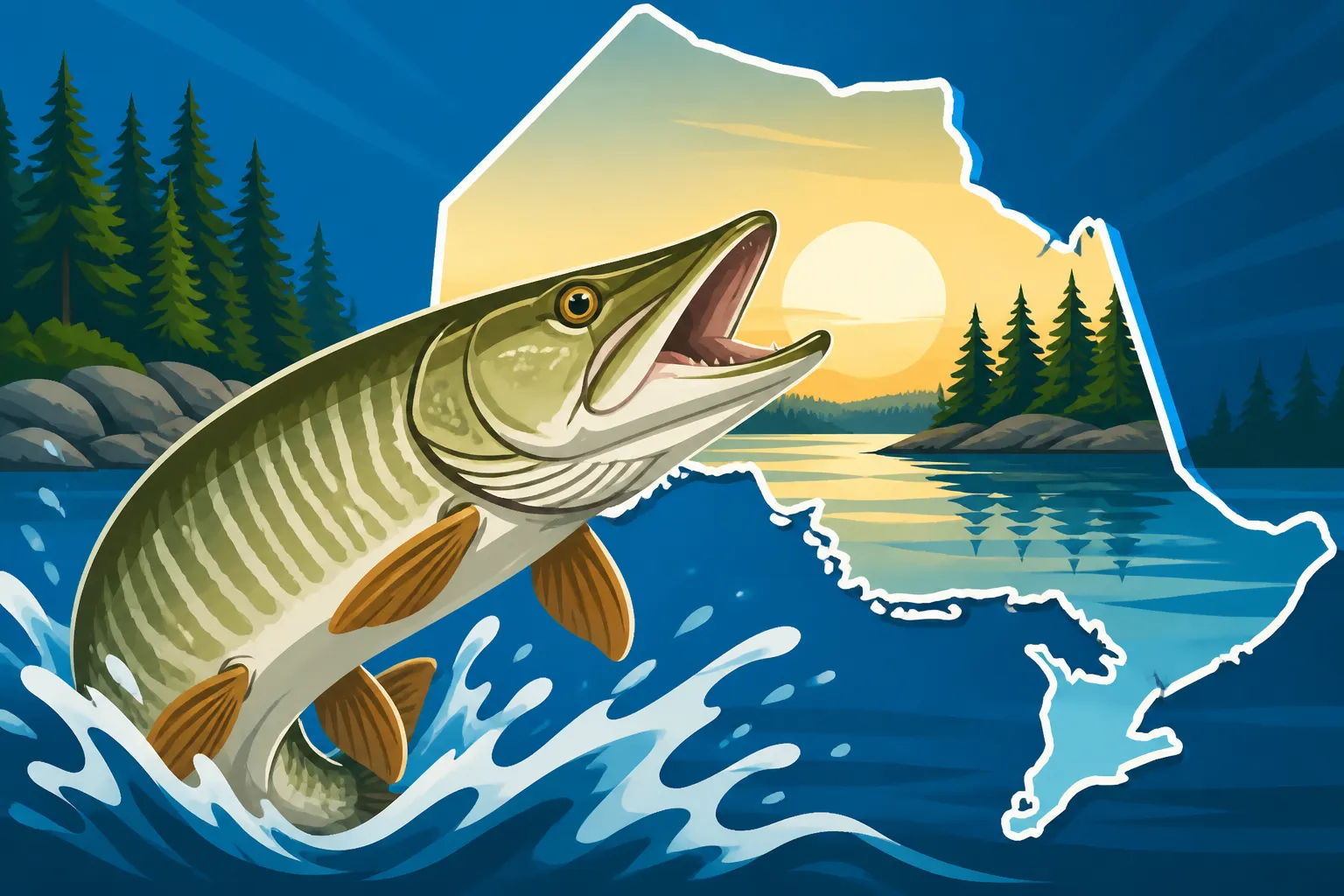
That heart-pounding moment when a true leviathan follows your bait, a shadowy submarine rising from the depths – for many anglers, the pursuit of a trophy muskellunge is the ultimate quest. It's a journey filled with long casts, relentless effort, and often, incredible frustration. But when it all comes together, there's nothing quite like it. If you're dreaming of tangling with one of these freshwater giants, this guide will walk you through Ontario's most renowned waters where these incredible fish not only survive, but thrive to colossal sizes, offering you your best shot at that fish of a lifetime.
The Elusive Trophy Muskie: Why Ontario is Your Best Bet
Ontario is globally recognized as a premier destination for muskellunge fishing, and for good reason. Our vast and diverse waterways provide the perfect conditions for these apex predators to grow to truly legendary sizes. We're talking about fish that stretch over 50 inches and weigh upwards of 40, sometimes even 50, pounds. But finding these giants isn't about luck alone; it's about understanding their habitat, their behaviour, and knowing where to focus your efforts.
Understanding What Makes a Trophy Muskie Water
A true trophy muskie water isn't just any lake with muskie in it. It's a delicate ecosystem that consistently produces large, mature fish year after year. Several critical factors contribute to this. Firstly, these waters usually boast an abundant and diverse forage base – think healthy populations of cisco (lake herring), whitefish, large suckers, and substantial panfish. These calorie-rich meals are essential for muskie to pack on the pounds and reach their maximum growth potential. Without ample food, even the best genetics won't produce a true monster.
Secondly, these prime locations typically offer expansive, complex habitats. This includes vast areas of submerged weed beds, rocky points, deep-water humps, vast shallow bays, and significant current breaks in river systems. This varied structure provides muskie with endless ambush points, thermal refuge, and safe havens to grow without excessive angling pressure in any one spot. Furthermore, these environments often feature good water quality and temperature regulation, ensuring optimal conditions for muskie health and reproduction throughout their long lifespan. You can dive deeper into understanding Muskellunge Growth Rate to Trophy Size to appreciate just how long these fish take to reach their impressive dimensions.
The Patience and Dedication Required
Let's be real: muskie fishing, especially for trophies, isn't for the faint of heart. It's often called "the fish of 10,000 casts" for a reason. You can spend entire days, even weeks, on the water, casting massive baits, grinding through conditions, and not get a single follow or strike. This can be incredibly disheartening, but it's part of the game. The anglers who consistently connect with trophy muskie are those who possess an almost unwavering dedication. They study the water, they adapt to conditions, and they never give up.
It's a mental game as much as a physical one. You have to believe that the next cast, the next retrieve, or the next spot could hold that monster you're searching for. This intense focus is what separates the casual muskie angler from the dedicated trophy hunter. It's also why many muskie anglers find solace and camaraderie in the shared struggle, celebrating every follow and every missed strike as a step closer to success. If you're up for the challenge, Ontario's waters offer the stage for some of the most exhilarating fishing experiences imaginable.
Ontario's Premier Waters for Giant Muskie
When it comes to consistently producing truly massive muskellunge, a few select Ontario waterways stand head and shoulders above the rest. These aren't just good muskie lakes; these are systems that have a proven track record of growing fish that defy belief.
Georgian Bay: A Labyrinth of Leviathans
Ah, Georgian Bay. It’s not just a beautiful summer destination; it’s an absolute behemoth of a muskie fishery, known for its sheer size and the quality of its fish. Part of Lake Huron, this massive body of water offers an incredibly diverse and complex habitat – endless islands, rocky shoals, deep drop-offs, and expansive weed flats. This labyrinthine environment provides ample cover and feeding grounds for muskie to grow exceptionally large, often preying on the abundant cisco and whitefish populations.
Fishing Georgian Bay can be intimidating due to its sheer scale. Anglers often focus on specific areas known for trophy potential, such as the waters around Parry Sound, the Moon River basin, or the many large bays and channels found throughout the "30,000 Islands" region. Many of these fish are true giants, often exceeding the 50-inch mark, with some pushing towards 60 inches. Due to its size and potential for rough water, having a reliable boat is crucial here, and navigating requires careful attention to charts and local knowledge. Experienced local guides, often found through services like FishingBooker, are invaluable for first-timers looking to maximize their chances and stay safe on these vast waters. For a deeper dive, check out our guide on Georgian Bay Muskie Fishing.
Lake St. Clair: The Muskie Factory
If Georgian Bay is a labyrinth, Lake St. Clair is a shallow, fertile muskie factory. Nestled between Lake Huron and Lake Erie, Lake St. Clair is famous for having one of the highest densities of muskellunge in the world, and crucially, an incredible number of trophy-sized fish. Its relatively shallow average depth (around 10 feet) combined with massive, healthy weed beds and a rich forage base of gizzard shad, emerald shiners, and perch makes it an ideal nursery and feeding ground for muskie.
The consistent warm water temperatures and nutrient-rich environment allow muskie to grow fast and robust. Anglers here often employ trolling techniques with large crankbaits or casting massive bucktails and soft plastics over the extensive weed flats and along drop-offs. While it may not have the rugged, Canadian Shield beauty of some northern lakes, Lake St. Clair consistently produces fish over 50 inches, with numerous 55-inch-plus giants reported every season. Its reputation for quantity and quality makes it a mandatory stop for any serious trophy muskie hunter. This lake is less about finding the fish, and more about figuring out their feeding patterns on any given day.
Lake of the Woods and Northwestern Giants
Moving into Northwestern Ontario, we find the iconic Lake of the Woods. This gargantuan lake, straddling the Ontario-Manitoba-Minnesota borders, is another legendary muskie destination. With over 14,000 islands and 65,000 miles of shoreline, it’s a wilderness paradise that holds some of the biggest and most aggressive muskie in the province. Its cold, clear waters support a diverse ecosystem, including massive populations of cisco and whitefish, which are prime forage for growing colossal muskie.
The muskie in Lake of the Woods are often characterized by their broad shoulders and incredible fighting power. Anglers target them around rocky points, deep reefs, island complexes, and extensive weed beds. The sheer size of the lake means that concentrated effort in specific zones is key, and understanding seasonal movements is paramount. Many remote lodges and guides operate on Lake of the Woods, offering anglers a chance to tap into generations of local knowledge. When you're ready to plan, exploring options on platforms like FishingBooker can connect you with reputable charters in the Kenora area. It's a truly wild experience, where a trophy muskie can emerge from seemingly any piece of cover.
Other Notable Waters: French River and Ottawa River
While Georgian Bay, Lake St. Clair, and Lake of the Woods often grab the headlines, Ontario boasts other incredible muskie fisheries worthy of attention. The French River, a historic waterway connecting Lake Nipissing to Georgian Bay, is renowned for its diverse structure and strong current, which create ideal conditions for muskie. It's not uncommon to pull 50-inch-plus fish from its rocky channels and weed-lined bays. The French offers a different kind of muskie fishing experience, often involving navigating rapids and current breaks, making it a unique challenge.
Similarly, sections of the Ottawa River, particularly between Ottawa and Montreal, are quietly building a reputation for producing monster muskie. Its expansive size, varied habitat, and ample forage make it a fantastic, often less pressured, alternative for trophy hunters. These river systems, with their constant flow and varied depths, provide a dynamic environment that keeps muskie active and healthy. Always be sure to consult the Ontario Fishing Regulations Explained for specific rules that apply to boundary waters like the Ottawa River, as they can sometimes differ slightly.
Here's a quick look at these incredible trophy waters:
| Waterway | Region | Key Characteristics | Primary Forage | Average Trophy Size (inches) | Peak Season (General) |
|---|---|---|---|---|---|
| Georgian Bay | Central/Northern ON | Vast, rocky, deep, many islands, clear water | Cisco, Whitefish, Suckers | 48-58+ | Fall |
| Lake St. Clair | Southwestern ON | Shallow, fertile, dense weeds, high density | Shad, Shiners, Perch | 45-55+ | Summer/Early Fall |
| Lake of the Woods | Northwestern ON | Immense, wilderness, 14k+ islands, cold clear | Cisco, Whitefish, Perch | 48-58+ | Fall |
| French River | Central ON | River system, current, diverse structure, rocky | Suckers, Perch, Cisco | 45-55+ | Late Summer/Fall |
| Ottawa River | Eastern ON | Large river, varied habitat, strong current | Suckers, Shad, Perch | 45-55+ | Late Summer/Fall |
Tactics and Mindset for Hunting Big Muskie
Chasing trophy muskie isn't just about showing up at the right lake; it's about employing the right strategies and having the proper mindset. These fish are apex predators, wary and intelligent, and often require a significant investment in both time and specialized equipment.
Essential Gear and Lure Choices
When targeting muskie, especially the true giants, you absolutely cannot skimp on your gear. These are powerful fish, and a weak link in your setup will almost certainly lead to heartbreak. You'll need heavy-duty baitcasting rods, typically 8 to 10 feet long, with a fast action and strong backbone to cast large lures and handle powerful runs. Matching these with robust baitcasting reels featuring a strong drag system and high line capacity is crucial. Line choice is usually heavy braided line, 80-100 lb test, often paired with a heavy fluorocarbon or wire leader to withstand their razor-sharp teeth. Don't forget a large, rubberized landing net specifically designed for muskie to ensure safe handling, and a long set of jaw spreaders and long-nose pliers for hook removal. You can find more details in our comprehensive guide on Best Muskie Gear for Ontario Waters.
Lure selection is equally important. Trophy muskie are often looking for a substantial meal, so big baits are the name of the game. Think large bucktail spinners (like the popular Double Cowgirls), oversized crankbaits (such as those from companies like Bagley or Grandma), glide baits, soft plastics, and topwater lures in sizes that would make a bass angler blush. Colours can vary depending on water clarity and conditions, but natural baitfish patterns, chartreuse, and bright colours often produce results. Don't be afraid to throw something truly enormous – it's often what triggers those big fish.
Timing Your Hunt: Seasons and Conditions
While muskie can be caught throughout their open season, which varies by Ontario Fishing Season Dates by Zone, certain times of the year and specific conditions greatly increase your odds of encountering a trophy. Generally, the late summer and fall are prime times. As water temperatures begin to drop in late August through October, muskie go on a feeding frenzy, bulking up for the winter ahead. This is when they are most aggressive and willing to chase down large baits. Many of the biggest muskie of the year are caught during the autumn months, often right up until ice-up.
Weather conditions also play a huge role. Overcast days, windy conditions that create a chop on the water, and even light rain can be excellent for muskie fishing. These conditions often reduce light penetration, making muskie less wary and more willing to venture into shallower feeding areas. Look for periods of stable weather, or even approaching fronts, which can often trigger intense feeding windows. Conversely, bright, calm, high-pressure days can make muskie more lethargic and less willing to bite. Understanding these patterns is a key component of Best Time of Year to Fish in Ontario.
The Crucial Art of Catch and Release
Let’s be crystal clear: if you’re serious about trophy muskie fishing, catch and release is not just a suggestion, it's a moral imperative. Muskie grow incredibly slowly and take many years to reach trophy sizes. Removing these large, mature fish from the population has a significant negative impact on the trophy potential of a fishery. Ontario regulations often reflect this, with slot limits and very high minimum sizes, but going beyond the regulations and practicing careful catch and release on all muskie is vital.
Proper handling is key to their survival. Minimize their time out of the water, use a large net (preferably rubberized to protect their slime coat), and use jaw spreaders and long-nose pliers to quickly and safely remove hooks. Avoid holding them vertically by the jaw or horizontally unsupported, as this can damage their spine and internal organs. Instead, support their body horizontally with two hands or keep them in the net in the water for a quick photo and release. Educate yourself on Muskie catch and release survival tips to ensure these incredible fish can be caught again, and continue to breed future generations of giants.
Planning Your Trophy Muskie Expedition
Embarking on a trophy muskie hunt in Ontario requires a bit of planning, especially if you're traveling a significant distance. From understanding regulations to choosing accommodation, thinking ahead will make your trip smoother and more enjoyable.
Navigating Licenses and Regulations
Before you even make your first cast, you need to ensure you're legally prepared. All anglers fishing in Ontario, with very few exceptions for age or specific events, require an Ontario fishing license and an Outdoors Card. You can learn more about the specifics in our guide on the Ontario Fishing License Guide for 2026. These can be purchased online through the Ontario government website, or at authorized license issuers across the province.
Beyond the general license, it's crucial to understand the specific regulations for the water body you plan to fish. Muskie regulations can vary significantly by Fisheries Management Zone (FMZ) and even by specific water body within a zone, especially regarding season dates, size limits, and possession limits. Always consult the current year's Reading the Ontario Fishing Regulations Summary before you head out. These summaries are invaluable and provide all the critical details you need to fish legally and responsibly. Failing to do so can result in hefty fines and a ruined trip.
Accommodation, Guides, and Logistics
Once you've chosen your target water and checked the regulations, it's time to sort out the logistics. Ontario offers a wide range of accommodation options, from remote wilderness lodges and drive-in resorts to campgrounds and private cottage rentals. For the larger, more complex waters like Lake of the Woods or Georgian Bay, consider staying at a resort that caters to anglers, as they often have boat launches, fish cleaning stations, and local knowledge readily available.
For those less familiar with a particular body of water, or if you simply want to increase your odds of success, hiring an experienced muskie guide is an excellent investment. A good guide knows the local waters intimately, understands seasonal patterns, and can put you on fish much faster than trying to figure it out on your own. They typically provide all the necessary specialized gear, saving you a substantial upfront cost. Many excellent guides can be found through online platforms like FishingBooker, which allows you to compare options and read reviews, ensuring you find a professional who aligns with your fishing goals. Whether you're trailering your own boat or renting one, always check ramp access and parking availability beforehand, especially on busy weekends.
Disclaimer
Please note that fishing conditions, regulations, and opportunities can change. Always consult the latest official Ontario fishing regulations manual and local authorities before planning any fishing trip to ensure compliance and safety. This guide is for informational purposes only and does not constitute legal advice.