Best Techniques for Ontario Walleye Opener
The anticipation for Ontario's walleye opener is a unique kind of excitement, often mixed with a healthy dose of anxiety. You've been dreaming of that first bite all winter, but early season walleye can be notoriously finicky, making it tough to figure out where they are and what they'll hit. This comprehensive guide will equip you with the best techniques for opening day, helping you unlock the secrets to a successful and rewarding walleye season start.
Understanding the Walleye Opener in Ontario
The walleye opener isn't just a date on the calendar; it's a dynamic period influenced by biology, weather, and the unique characteristics of each water body. Many anglers mistakenly believe that opening day always means catching fish in the same spots, but walleye movements are dictated by their post-spawn recovery and the hunt for food. Understanding these underlying factors is crucial for early season success.
The Timing and Zones
Ontario is a vast province, and as such, the walleye opener doesn't happen on a single, universal date. The province is divided into various Ontario Fisheries Management Zones, Explained (FMZs), each with its own specific regulations and season dates for different species. For walleye, these dates are carefully set to allow fish to complete their spawning rituals, ensuring the sustainability of the fishery for generations to come. This staggered approach means that while anglers in Southern Ontario might be hitting the water in early May, those further north in the Canadian Shield might be waiting until late May or even early June for their season to open.
It’s absolutely vital to check the current Ontario Walleye Opener Dates by Zone for the specific FMZ you plan to fish. You don't want to show up to your favorite lake only to discover the season isn't open yet, or worse, accidentally be fishing out of season, which carries significant penalties. This regional variation also influences fish behavior. Walleye in a southern lake might be well into their post-spawn feeding patterns, while those in a northern system might still be recovering or even just finishing up their spawn in colder waters. Always, always consult the official Ontario Fishing Regulations Summary before heading out.
Post-Spawn Behavior and Locations
Immediately after spawning, walleye are typically exhausted and focused on recovery. They move from their shallow spawning grounds – often rocky shoals, river current breaks, and gravel beds – to slightly deeper, less exposed areas where they can rest and begin to regain energy. This post-spawn transition period usually sees them holding in nearby depths, often on the first significant drop-offs adjacent to their spawning sites. They won't be as aggressive as they might be later in the summer, but they're still hungry.
As they recover, their metabolism increases with warming water temperatures, and they become more actively predatory. This is when they start to spread out, following baitfish into various habitats. During the opener, look for them staging in transition areas – where shallow flats meet deeper water, along the edges of weed lines (if they've started to grow), or near submerged structure like points, humps, and current seams in rivers. Understanding the Walleye Spawning Season in Ontario gives you a huge advantage in predicting these post-spawn movements, as you can anticipate where they'll be headed next.
Water Temperature is Key
Water temperature is arguably the single most important factor dictating walleye behavior, especially during the opener. Walleye are cool-water fish, and their activity levels are directly tied to the mercury reading. In early spring, after ice-out, water temperatures are still quite cold. Generally, once water temperatures hit the 45-55°F (7-13°C) range, walleye become more active and start feeding more consistently. Temperatures below this often mean sluggish fish that require very subtle presentations.
As the days get longer and the sun warms the shallower bays and shorelines, these areas will warm up first. This can draw baitfish, and consequently, walleye, into these slightly warmer pockets. Using a reliable fish finder with a temperature gauge, or even a simple handheld thermometer, can be incredibly beneficial. Focus your efforts on areas that are even a degree or two warmer than the surrounding water. This subtle difference can make all the difference, especially on large bodies of water like Lake Erie or the Bay of Quinte. Conversely, if a sudden cold snap hits, expect fish to pull back to deeper, more stable thermal zones.
Essential Gear and Tackle for Opening Day
Getting your gear dialed in for the walleye opener can make or break your trip. You don't need a boatload of specialized equipment, but having the right tools for the job—and knowing how to use them—is paramount. Think precision, sensitivity, and versatility when selecting your setup.
Rod, Reel, and Line Setup
For walleye fishing on the opener, sensitivity is key. You'll often be dealing with light bites from lethargic fish in cold water, so you need to feel everything. A medium-light to medium power spinning rod, typically 6'6" to 7'6" in length, with a fast action tip, is an excellent choice. This combination allows for long casts, good backbone for setting the hook, and that crucial sensitive tip to detect subtle takes. Brands like St. Croix or Fenwick offer fantastic options that provide the right blend of sensitivity and power. For an all-around great starter combo, consider looking on Amazon for popular models that offer good value.
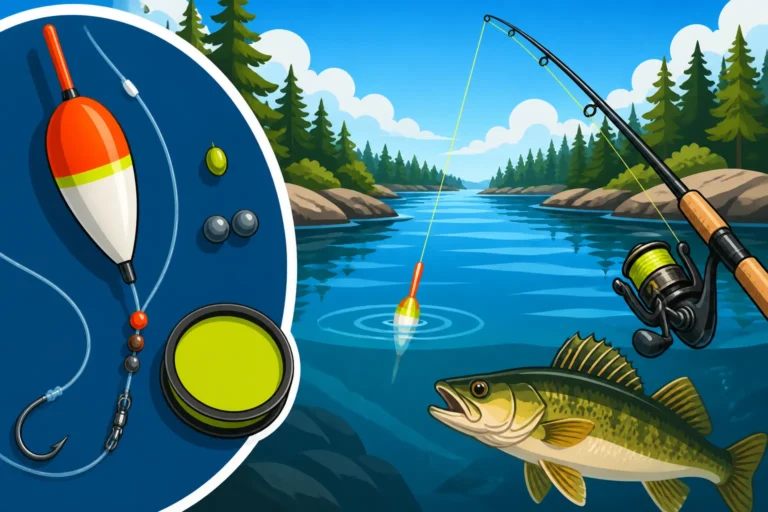
Pair your rod with a quality spinning reel in the 2000-3000 series size. This size offers a good balance, smooth drag, and sufficient line capacity without being overly bulky. As for line, many experienced anglers prefer braided line as their main line, typically 8-15 lb test. Braid offers zero stretch, maximizing sensitivity, and excellent casting distance. However, its visibility can be an issue in clear water. To combat this, always tie on a fluorocarbon leader, usually 6-10 lb test, using a knot like a FG knot or an Albright knot. Fluorocarbon is nearly invisible underwater and offers good abrasion resistance. Alternatively, a high-quality monofilament line, 6-8 lb test, can also work, especially for those who prefer the forgiving stretch it provides for aggressive hooksets.
Lures and Baits of Choice
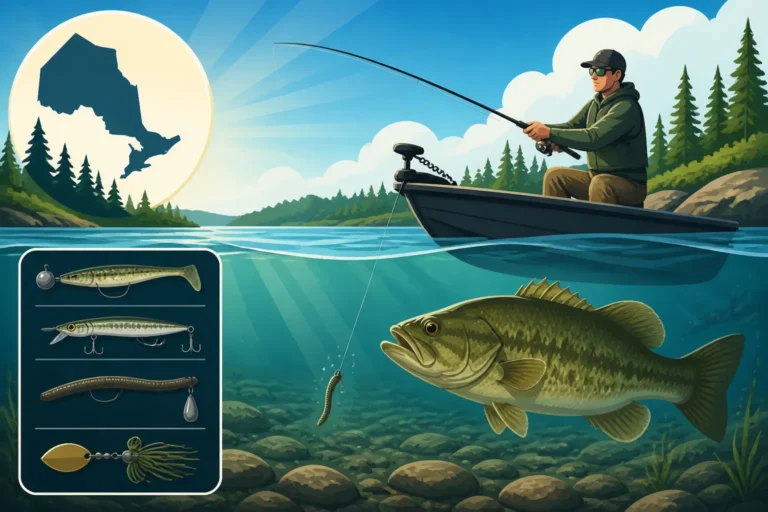
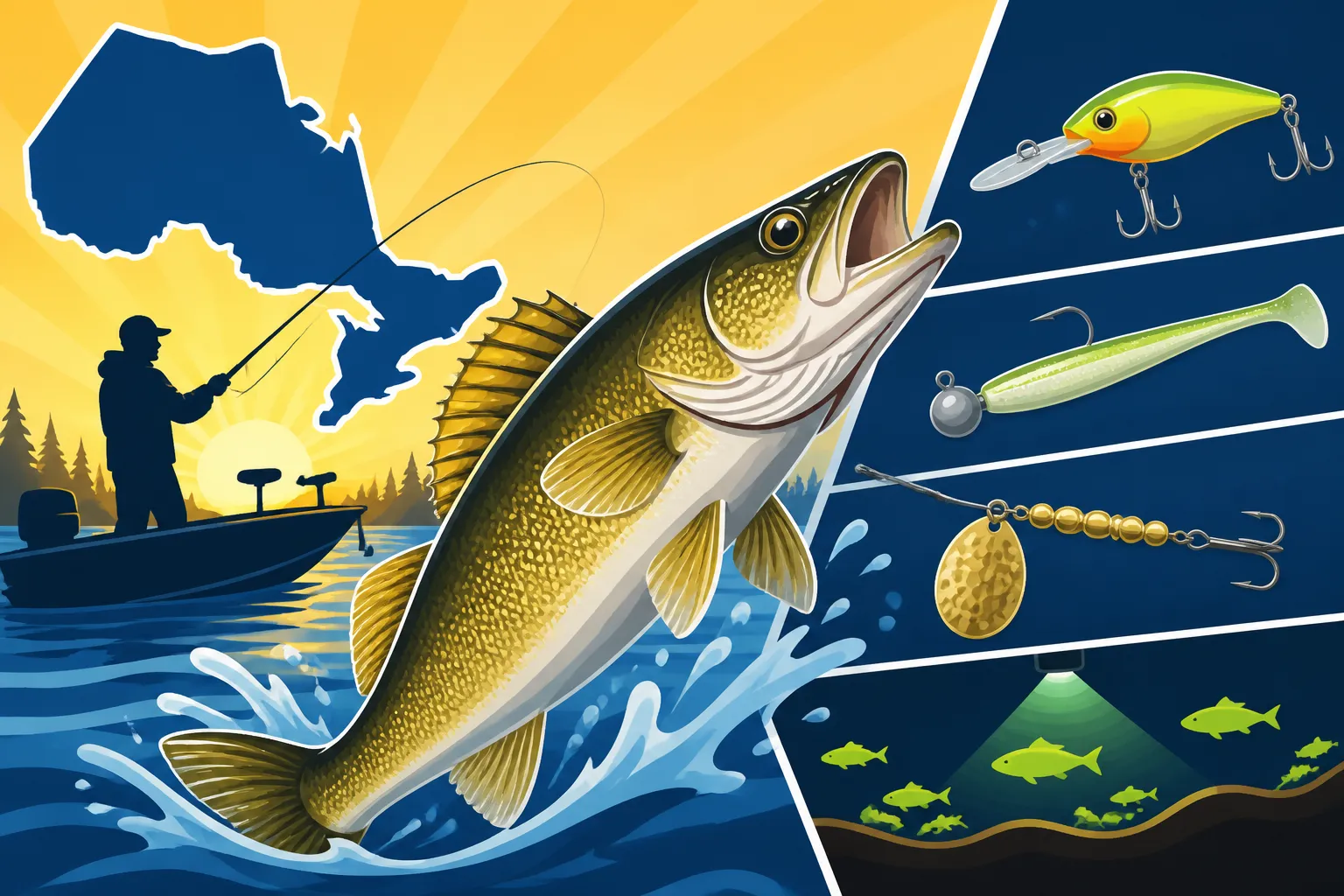
When it comes to lures for the walleye opener, a few categories consistently outperform others. Jigs are undoubtedly the king of early season walleye. Vertical jigging with a 1/8 to 1/2 oz jig head, tipped with live bait or a soft plastic, is incredibly effective. The classic jig-and-minnow presentation is tough to beat. Small hair jigs, often black, brown, or olive, can also be deadly, especially when fished slowly near structure. Soft plastics, such as paddle tails, grub tails, or minnow imitations from brands like Berkley Gulp! or Z-Man, offer versatility and durability.
Crankbaits and jerkbaits are also essential, particularly for covering water or when fish are a bit more active. For cold water, focus on suspending jerkbaits that can be twitched and paused, allowing them to hang tantalizingly in the strike zone. Trolling shallow-diving crankbaits along breaklines can also be effective. For those who prefer live bait, minnows (shiners, fatheads, dace) are a perennial favorite. Nightcrawlers and leeches can also be effective, especially as the water warms slightly later in the opener period. When considering your Best Baits for Walleye on Lake Erie, remember that regional baitfish populations often dictate the most effective presentations.
Electronics and Accessories
Modern fishing electronics can give you a significant advantage, particularly during the opener when walleye are often holding tight to structure or subtle depth changes. A good fish finder with down imaging or side imaging capabilities is invaluable for locating submerged structure, baitfish schools, and indeed, the walleye themselves. Companies like Humminbird and Lowrance offer excellent units that can help you identify those key transition zones and mark fish holding near the bottom. The ability to see water temperature is also a critical feature, allowing you to find those slightly warmer pockets.
Beyond the core electronics, don't overlook a few other essential accessories. A good set of polarized sunglasses will help you see into the water, spotting shallow structure or even cruising fish on bright days. A reliable headlamp is crucial if you're fishing low light conditions or planning an evening bite, which can be the Best Time of Day to Catch Walleye for active feeders. A sharp pair of line clippers or scissors, a good set of pliers for hook removal, and a robust measuring board (to ensure you comply with Ontario Bag and Possession Limits by Species) are all non-negotiables for a productive and responsible day on the water.
Top Techniques for Early Season Walleye Success
The walleye opener often demands a slower, more methodical approach. Fish aren't usually in full-on chase mode, so presenting your bait effectively and patiently is the name of the game. These techniques cover the most common scenarios you'll encounter.
Jigging the Depths
Vertical jigging is hands down one of the most effective techniques for early season walleye, especially when they are concentrated in specific areas, such as along deep breaks, around humps, or in current seams. This technique allows you to precisely present your bait right in the strike zone. Use a jig head, typically 1/8 oz to 1/2 oz depending on depth and current, tipped with a live minnow, a soft plastic minnow imitation, or a scented grub. The key is to keep your jig just off the bottom or ticking the bottom, mimicking a struggling baitfish.
The retrieve should be subtle: a lift-and-drop, a gentle drag, or simply holding it still. Often, on the opener, walleye will hit on the fall or when the bait is completely motionless. Pay extreme attention to your line; a light tap, a subtle weight increase, or even just your line going slack can indicate a bite. Many anglers mistakenly jig too aggressively. Remember, these are often cold, somewhat sluggish fish. They want an easy meal. This technique is particularly deadly in rivers, like sections of the French River or the Ottawa River, where walleye hold in slower pools or behind current breaks. For a detailed breakdown, check out our guide on How to Catch Walleye in Ontario.
Slow Trolling and Drifting
When walleye are more scattered or spread out along larger flats and breaklines, slow trolling or drifting can be incredibly effective for covering water and finding active fish. For trolling, use crankbaits or spinner rigs (like a crawler harness for walleye) with live bait (minnows or half a nightcrawler). Experiment with different crankbait diving depths to match the depth your fish finder indicates the walleye are holding. Trolling speeds should be slow, typically 1.0 to 1.8 mph, especially in colder water. Many anglers use planer boards to spread out their lines, allowing them to cover a wider swath of water.
Drifting is another excellent strategy, especially on windy days. Allow your boat to be pushed by the wind over key areas like shallow bays, rocky points, or transitions from shallow to deep water. You can drag jigs, live bait rigs, or even small crankbaits behind the boat. Use a drift sock or sea anchor to control your speed, aiming for that same slow presentation. The natural movement of the boat creates an enticing action for your lure. This technique is often fruitful on larger, shallower lakes like Lake Simcoe or even areas of Lake Nipissing, where fish can be quite spread out early in the season.
Casting Shorelines and Shallow Structure
Don't neglect the shallow water during the walleye opener, especially on sunny days or after a few days of warmer weather. Shallower bays and shorelines, especially those with dark bottoms, absorb heat more quickly. This warming water can attract baitfish, and consequently, walleye looking for an easy meal. Casting jigs, small crankbaits, or even swimbaits into these areas can be very productive. Look for emergent weed growth, rocky points, or submerged timber close to deeper water.
The key here is a stealthy approach. Walleye in shallow water can be spooky, so make long casts and try to keep your boat or kayak a good distance away from your target zone. Work your lures slowly, pausing frequently. Sometimes, a long, quiet retrieve is all it takes. This technique can be fantastic for anglers fishing from shore or from smaller boats and kayaks. Areas near river mouths or protected bays often offer these ideal shallow-water opportunities. Always remember to check Ontario Fishing Regulations Explained for any specific restrictions on these types of areas.
Adapting to Conditions: Weather and Water
Ontario's spring weather is notoriously fickle. One day can be warm and sunny, the next cold and blustery. Successful walleye anglers on the opener are those who can adapt their techniques to the ever-changing conditions.
Dealing with Cold Fronts and Pressure Changes
Ah, the dreaded cold front. It's almost guaranteed to hit sometime around the walleye opener in Ontario. A sudden drop in air temperature, accompanied by clear skies and high barometric pressure, can send walleye into a funk. They become less aggressive and often retreat to deeper, more stable water. When a cold front rolls through, you'll need to slow down your presentation even further.
Think finesse: smaller jigs, lighter line, and an even slower retrieve. Live bait, particularly a lively minnow, often becomes more effective than artificial lures. Look for deeper edges of structure, drop-offs, or areas with dense cover where walleye can feel secure. The bite might be incredibly subtle – a slight tick, a feeling of "mush" on the end of your line, or just added weight. Don't be discouraged if fishing gets tough; persistence and patience are rewarded. Our guide on Cold Front Fishing Tactics for Ontario Walleye goes into much more detail on how to tackle these challenging conditions.
High Water and Turbidity Tactics
Spring runoff and heavy rains can lead to elevated water levels and increased turbidity (murky water), especially in river systems and near major inflows on lakes. While this can make fishing challenging, it's not impossible. Walleye are often attracted to these nutrient-rich, discoloured waters, as they provide cover and bring in food. In high, dirty water, fish often move closer to shore and become less light-sensitive.
Focus on areas with current breaks, eddies, and shallower banks where walleye can ambush prey. Use lures that create a lot of vibration and sound, as these are easier for walleye to detect in low visibility. Bright colors like chartreuse, orange, or firetiger can also be more effective. Scented baits, both live and artificial, can also give you an edge. Consider slightly heavier jigs or crankbaits to get down through the current effectively. This is where a good sonar can help you locate those subtle depth changes or hidden structure even when you can't see the bottom.
Clear Water and Sunny Skies
While sunshine feels great to us, bright, clear conditions can make walleye wary, especially in shallow water. In these scenarios, walleye often become more nocturnal or move to deeper, darker haunts during the day. If you find yourself fishing a clear lake under a bright sun, adjust your approach.
Fish during low-light periods – dawn, dusk, or even at night. During the day, target deeper water, focusing on breaklines, humps, or the deep edges of weed beds. Opt for more natural or subtle lure colors like greens, browns, and whites. Fluorocarbon leaders become even more critical for their invisibility. A slower, more natural presentation is usually best. Consider suspending jerkbaits or deep-diving crankbaits that match the local baitfish. Sometimes, just changing the angle of your approach or moving a bit deeper can trigger bites in these conditions.
Strategic Locations for the Opener
Knowing where to start looking for walleye on opening day can feel like finding a needle in a haystack. But by understanding their post-spawn movements and preferred early season habitats, you can narrow down your search significantly.
River Systems and Inflow Areas
River systems and the areas around where rivers flow into larger lakes are prime real estate for walleye during the opener. Many walleye spawn in rivers, taking advantage of the current to oxygenate their eggs. After spawning, they will often remain in the river or transition to the immediate vicinity of the river mouth in the main lake. These areas offer consistent current, which brings food, and often have a mix of rock, gravel, and deeper holes where fish can recover and feed.
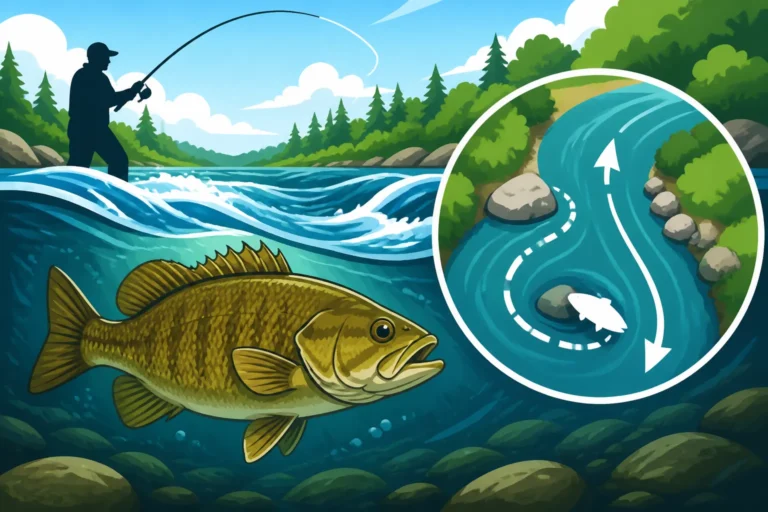
Look for current seams, eddies, and deep pools below rapids or dams. Structure like log jams, rock piles, or bridge pilings that break the current are also excellent holding spots. The incoming flow from a river can also create a plume of slightly warmer or murkier water, which can act as a magnet for baitfish and hungry walleye. The French River, for instance, is a fantastic example of a system where river-lake transition zones are key to early season walleye success.
Shallow Bays and Rocky Points
While walleye generally seek deeper water after spawning, don't overlook shallower bays and rocky points, especially if they are adjacent to known spawning grounds or deeper main lake basins. These areas tend to warm up faster under the spring sun, attracting baitfish and providing a good ambush point for walleye. Look for bays with dark, mucky bottoms that absorb heat, or rocky points that offer structure and access to deeper water.
The key is timing: these spots are often best during the warmest parts of the day or after a few consecutive warm, sunny days. They might not hold fish consistently, but when fish move in, they can be quite aggressive. Cast jigs or shallow-diving crankbaits along the edges of new weed growth, around submerged rocks, or where a sandy flat transitions to a rocky drop-off. Lake Simcoe, with its numerous bays, often sees walleye moving into these shallower areas as the water warms.
Transition Zones and Breaklines
Walleye are masters of transition zones. These are the areas where one type of habitat or depth changes to another. On the opener, this often means where shallow flats drop off into deeper water, or where a soft, muddy bottom meets a harder, rocky bottom. These breaklines provide walleye with easy access to both shallow feeding grounds and deeper, more secure resting areas.
Use your fish finder to locate these subtle changes. Look for distinct depth contours, submerged humps, or underwater points that extend from shore into deeper water. Walleye will often stage along these breaklines, moving up and down the break throughout the day in response to light levels and baitfish movements. Trolling parallel to these breaklines, or casting jigs up onto the shallower side and working them down the break, are highly effective strategies. The Bay of Quinte is famous for its productive breaklines where big walleye are often found.
Here's a quick comparison of techniques:
| Technique | Best Conditions | Depth Range | Lure/Bait | Retrieval Speed | Notes |
|---|---|---|---|---|---|
| Vertical Jigging | Cold Water, Concentrated Fish, Structure | Deep | Jigs (minnows, plastics, hair jigs) | Very Slow | Max sensitivity, subtle bites, target specific fish |
| Slow Trolling/Drifting | Scattered Fish, Covering Water | Mid to Deep | Crankbaits, Crawler Harnesses (live bait) | Slow | Good for finding active fish, adjust speed with water temp |
| Casting Shallower Structure | Warmer Pockets, Sunny Days, Active Fish | Shallow | Jigs, Small Crankbaits, Swimbaits | Slow to Moderate | Stealth is key, focus on ambush points |
Safety and Conservation Practices
Enjoying the walleye opener responsibly means prioritizing safety, understanding regulations, and practicing good conservation. Ontario's waters are a treasure, and it's up to all of us to protect them.
Boating Safety and Cold Water Awareness
Spring in Ontario means cold water, even if the air feels warm. This is a critical safety consideration for any boater. Hypothermia is a real and present danger if you unexpectedly go overboard. Always wear a properly fitted personal flotation device (PFD) or life jacket, even if you're an experienced swimmer. Make sure your boat is equipped with all the necessary safety gear, including a bailer, paddle, sound-signalling device, and a throw bag. Remember, Ontario Boating Laws for Anglers require specific safety equipment depending on your vessel type.
Furthermore, let someone know your float plan – where you're going, who you're with, and when you expect to return. Check the marine weather forecast before you head out and be prepared to stay off the water if conditions are rough. Lakes like Lake Superior or even the larger Great Lakes like Lake Huron can turn nasty quickly. Understanding Life Jacket Requirements for Ontario Boaters is not just about avoiding a fine, it's about saving lives.
Respecting Limits and Regulations
Ontario has detailed fishing regulations designed to manage fish populations and ensure healthy fisheries. These regulations can vary significantly by species, water body, and Fisheries Management Zone (FMZ). Before every fishing trip, it is your responsibility to review the current Ontario Fishing Regulations Summary. Pay close attention to:
- Season Dates: Ensure the walleye season is open in the specific FMZ you are fishing.
- Bag and Possession Limits: These dictate how many fish you can keep (bag limit) and how many you can have in your possession, including those at your camp or home (possession limit). These often differ for Sport vs. Conservation licenses.
- Size Limits (Slot Sizes): Many walleye fisheries have slot limits, meaning you can only keep fish within a certain size range, or a maximum size. This protects larger, valuable spawning fish.
- Method Restrictions: Some waters may have restrictions on bait types, number of lines, or specific tackle.
If you're unsure about any regulation, use the How to use the Fish ON-Line interactive zone map or contact the Ministry of Natural Resources and Forestry (MNRF) directly. Ignorance of the law is not an excuse. You'll also need a valid fishing license and an Outdoors Card. You can find all the details in our Ontario Fishing License Guide for 2026.
Responsible Catch and Release
For many anglers, the walleye opener is about the thrill of the catch, and not necessarily about filling the cooler. Practicing responsible catch and release is vital for sustaining healthy walleye populations, especially for larger breeding fish. If you plan to release fish, handle them with care:
- Minimize Time Out of Water: Get the fish back into the water as quickly as possible.
- Wet Hands: Always wet your hands before touching a fish to protect its protective slime coat.
- Support the Fish: Support the fish horizontally, especially larger walleye, avoiding vertical hanging by the jaw, which can damage internal organs.
- Use Barbless Hooks: Consider using barbless hooks or pinching down barbs on your lures; this makes hook removal much easier and less traumatic for the fish.
- Proper Hook Removal: Use a pair of long-nose pliers or hook removers to carefully extract the hook. If the hook is deeply swallowed, cut the line as close to the hook as possible.
- Revive the Fish: If the fish seems sluggish, hold it gently in the water, facing into a mild current, until it regains its strength and swims away on its own.
By adhering to these practices, you're not just improving the chances of survival for the fish you release, but you're also contributing to the overall health and future enjoyment of Ontario's fantastic walleye fisheries.
Disclaimer
The information provided in this guide is for general informational purposes only and is subject to change. Always consult the most current official Ontario Fishing Regulations Summary and relevant government websites before engaging in any fishing activities. Fishing regulations, season dates, and limits can vary significantly by zone and specific water body. Your safety is your responsibility; always exercise caution and practice responsible outdoor ethics.