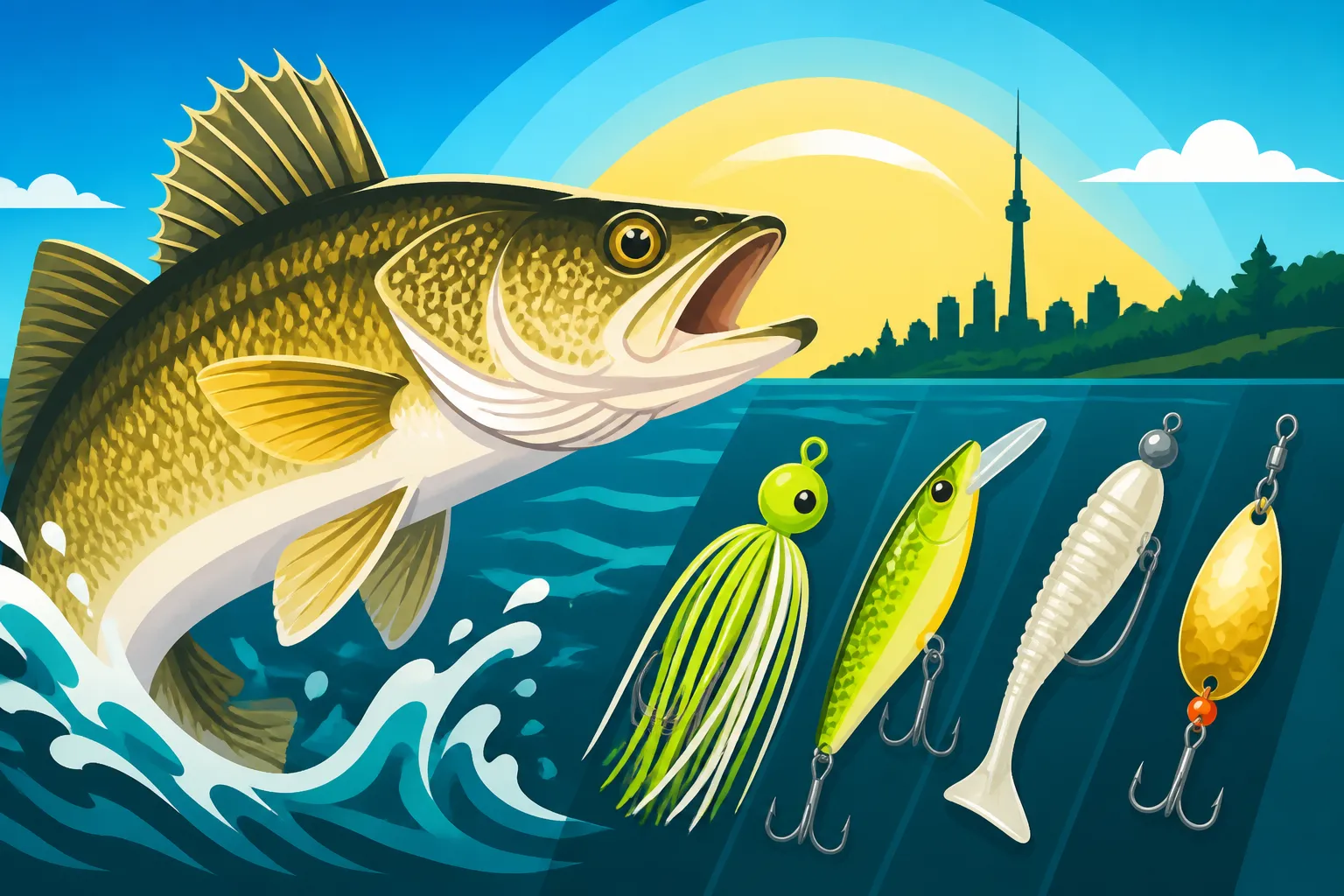
Best walleye lures for Lake Erie in summer
Oh, the glory and the frustration of chasing walleye on Lake Erie in the thick of summer! It’s a completely different ballgame than those easy spring runs or the exciting fall bite. When the sun is high and the water warms, those beautiful 'eyes tend to scatter, dive deep, and can become incredibly particular about what they’ll bite. If you've ever felt like you're just dragging lures aimlessly, hoping for a miracle, you're not alone. This guide is all about cutting through that confusion, helping you understand where Lake Erie walleye hide in the summer, and equipping you with the top lures and techniques to entice them, even on the toughest days.
Understanding Lake Erie Walleye in Summer
Summer fishing for walleye on Lake Erie can be a real head-scratcher if you don't know what you're looking for. It's a vast body of water, and with the heat, everything changes – from where the baitfish are holding to how the walleye themselves behave. Let's dig into what makes summer unique and how to adapt.
The Challenges of Summer Fishing
The biggest challenge in summer is often the sheer size of Lake Erie combined with the changes in water temperature. As the surface water warms up, a thermocline forms – a distinct layer where the water temperature changes rapidly. Walleye, being cool-water fish, will often seek out this comfortable thermocline layer or deeper, cooler water. This means they're no longer in those easy-to-find shallow haunts you might have fished in spring. They become pelagic, often suspended over deep water, or they tuck tightly to specific pieces of deep structure.
Add to that the abundance of natural baitfish. In summer, schools of emerald shiners, gizzard shad, and rainbow smelt are plentiful. This means your lure has a lot of competition. You're not just trying to find a hungry fish; you're trying to find a hungry fish that chooses your presentation over a buffet of live food. The increased boat traffic from recreational boaters and other anglers can also put pressure on the fish, making them more wary. It's definitely not a time for guesswork; precision and persistence are key.
Key Walleye Behaviors and Locations
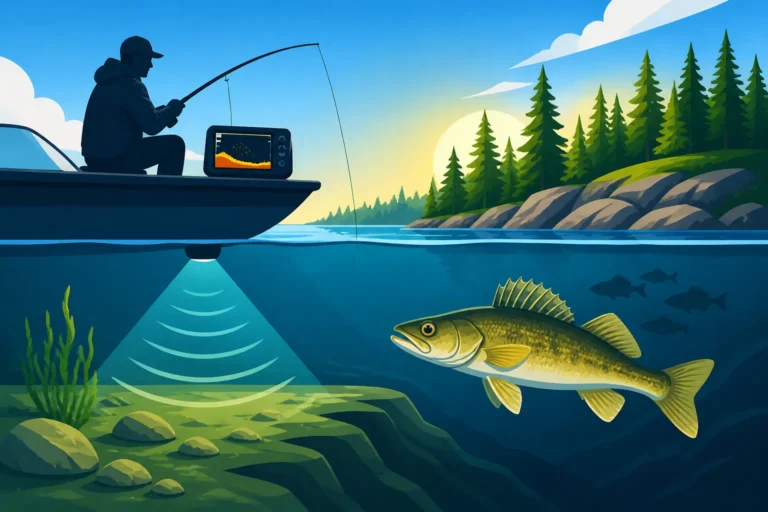
During the summer months, walleye on Lake Erie tend to fall into a few general patterns. Many will move offshore, following schools of baitfish into the vast open water basins. Here, they might be suspended anywhere from 20 to 60 feet down over depths of 50 to 100 feet or more. Think of them as open-water nomads, constantly on the move with their food source. This is where trolling becomes incredibly effective, covering vast amounts of water to intercept these roving schools. You'll often see them congregating around specific depths, typically within or just below the thermocline, where the water is cool enough for their comfort but still offers ample oxygen.
Other walleye, especially the larger ones, might relate more to structure. This could be anything from deep rock reefs and humps to historical shipwreck sites or artificial reefs. These structure-loving walleye often hang tighter to the bottom, using these features as ambush points. They might not move as much as their open-water cousins, making them prime targets for vertical jigging or slowly dragged presentations. Knowing how to use the Fish ON-Line interactive zone map can really help identify these structural elements and plan your approach.
Essential Lure Categories for Summer Walleye
Once you've wrapped your head around where these elusive walleye might be, it's time to talk about the tools of the trade. Summer walleye fishing on Lake Erie really boils down to a few tried-and-true lure categories, each with its own time and place.
Trolling with Crankbaits: The Bread and Butter
When it comes to covering water and finding those scattered walleye in the vastness of Lake Erie during summer, nothing beats trolling crankbaits. This is the tactic many seasoned anglers rely on, and for good reason. Crankbaits are designed to dive to specific depths, mimic baitfish, and create vibrations that attract fish from a distance.
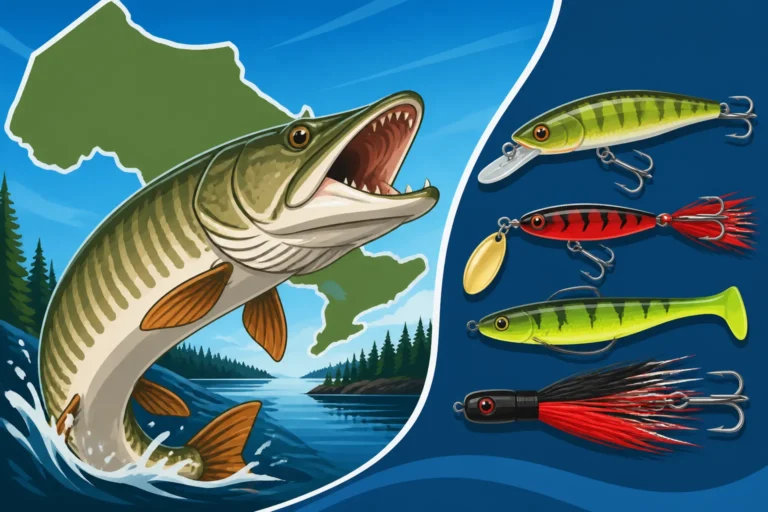
You'll need a variety of crankbaits, mainly deep-diving models that can reach the walleye's preferred summer depths. Brands like Rapala, Reef Runner, Bandits, and Berkley Flicker Shad are absolute staples on Lake Erie. The key is to select lures that can get down to the depth where fish are being marked on your sonar, whether that's 25 feet or 60 feet. You can achieve this by using longer leads, thinner lines, or even adding inline weights to your setup. For example, a popular setup might involve running a 50-foot lead of 10-pound test fluorocarbon line with a deep-diving crankbait to hit depths around 30 feet, or using a heavier mainline with a snap weight to get a more moderate diving crankbait even deeper. Many anglers swear by specific models, like the Reef Runner Ripstick 800 series for its aggressive dive and erratic action. You can find a huge variety of these quality crankbaits on Amazon, making it easy to stock up for your next trip.
Color choice can be critical. In stained or cloudy water, bright, UV-reactive colors like chartreuse, firetiger, or orange can be incredibly effective. When the water is clearer, more natural baitfish patterns such as silver/blue, perch, or emerald shiner imitations often outperform the bolder choices. Don't be afraid to experiment! Sometimes, a subtle difference in hue can make all the difference. Remember, the Best crankbait retrieve for smallmouth on Georgian Bay might focus on erratic action, and while Lake Erie walleye are different, the concept of varying your retrieve or troll speed to induce strikes still applies. Learning How deep to troll for lake trout in summer can also provide valuable insights into managing your lure depth for walleye, as many of the principles of depth control are transferable.
Harnessing the Power of Crawler Harnesses
When walleye are a bit more finicky, or you're trying to target fish closer to the bottom, a crawler harness is often the answer. These rigs combine the drawing power of a spinning blade and beads with the irresistible appeal of live bait – typically a juicy nightcrawler. It’s a presentation that screams "easy meal" to a summer walleye.
A standard crawler harness consists of a leader with two or three snelled hooks, various beads (often brightly colored or metallic), and a spinning blade. The blade is what creates the flash and vibration, while the beads provide visual attraction and act as a spacer. You’ll typically run these rigs behind a bottom bouncer, a planer board, or a three-way swivel with a bell sinker, all designed to keep your bait in the strike zone near the bottom or at a specific depth. The weight of your bottom bouncer or sinker will depend on your trolling speed and the depth you're targeting. A good starting point is usually 1-2 ounces for every 10-15 feet of depth.
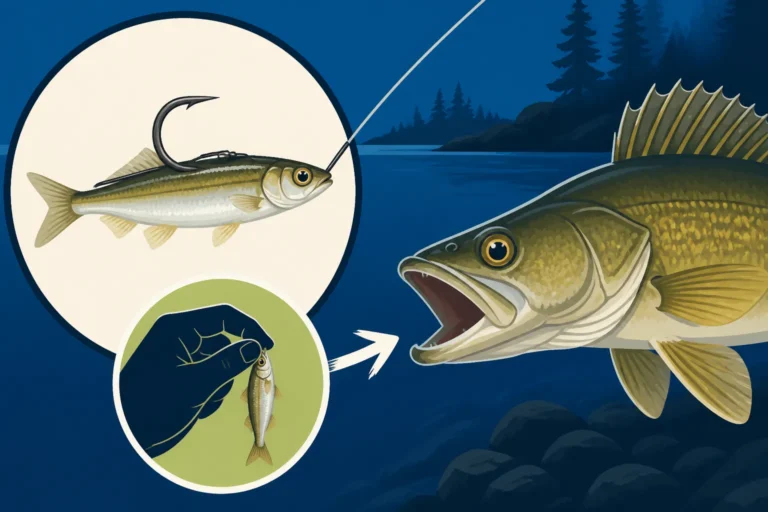
Blade selection is crucial. Colorado blades offer a wide wobble and significant vibration, great for stained water or when you want to really get noticed. Indiana blades offer a medium flash and vibration, a good all-around choice. Willowleaf blades are sleeker, creating less drag and vibration, making them excellent for faster trolling or when fish are pressured and want a more subtle presentation. As for colors, metallic blades like silver and gold are always popular, but painted blades in chartreuse, orange, or green can also be incredibly effective, especially when trying to match local baitfish or when the water is murky. If you're wondering about the Best lure color for muddy water walleye fishing, these principles apply directly to blade colors on your crawler harness. The live nightcrawler threaded onto the hooks provides the natural scent and movement that can often seal the deal when artificials fail. Mastering How to rig a live minnow for walleye can also give you ideas for presenting live bait effectively, even if the primary focus here is crawlers.
Vertical Jigging and Snap Jigging: Precision Tactics
While trolling covers water, sometimes you need a more precise approach, especially when walleye are tightly schooled on structure or suspended in a small area. This is where vertical jigging and snap jigging come into their own. These techniques are highly interactive and incredibly effective for targeting specific fish you see on your sonar.
Vertical jigging involves dropping a jig straight down to the fish, keeping it directly below your boat. Blade baits, like the Johnson Thinfisher or the Silver Buddy, are phenomenal for this. Their metallic bodies create a lot of flash and vibration on the lift, and they flutter enticingly on the fall. Heavy jigging spoons, like the Swedish Pimple or a simple lead spoon, are also very effective, especially for deep-water lake trout which share similar deep water habits, so looking into Best techniques for Ice Fishing Lake Trout can offer relevant insights. Hair jigs or soft plastics on lead jig heads can also be deadly when fished vertically. The trick is to watch your sonar constantly. When you see a fish or a school, drop your jig, let it hit the bottom, then lift and drop, or "snap" it up sharply and let it fall on a semi-slack line. Most bites will come on the fall, so pay close attention to any slack line movement or tap.
Snap jigging is a more aggressive form of vertical jigging, often done with a slightly heavier jig. You cast it out a short distance, let it sink, then aggressively "snap" the rod tip up, reeling in slack as the lure falls. This creates an erratic, darting action that can trigger reaction strikes from otherwise lethargic walleye. Blade baits and heavy plastics are excellent for this. The Best jig head weight for walleye trolling might be different, but understanding how jig weight influences fall rate and action is crucial for both applications. It's often best in calmer conditions where you can maintain good boat control and keep your lure in the targeted zone. The active nature of these techniques can really shine when the Best time of day to catch walleye on Lake Nipissing is during those high-activity feeding windows, as they allow you to capitalize on their aggression.
Advanced Tips for Lake Erie Summer Walleye Lure Selection
Beyond the basic categories, there are nuances that can really elevate your summer walleye game on Lake Erie. Think of these as fine-tuning your approach, making sure your lures are not just in the right place, but are also the right choice for the specific conditions you're facing.
Matching the Hatch: Baitfish Imitation
One of the most crucial aspects of successful summer walleye fishing is understanding what the walleye are actually eating. Lake Erie is teeming with various baitfish, and walleye are opportunistic feeders. If you can present a lure that closely mimics their primary forage, you're halfway to success. Take some time to learn What walleye eat in Ontario lakes in general, and then try to apply that knowledge to Lake Erie specifically.
Common baitfish in Lake Erie include emerald shiners, gizzard shad, and smelt. Pay attention to the size and color of these baitfish. Many local bait shops can give you an idea of what the walleye are currently keying on. For instance, if the walleye are gorging on 2-inch emerald shiners, a 2.5-inch crankbait in a silver/green pattern is a much better choice than a 5-inch bright orange lure. This is true for both crankbaits and soft plastics. When selecting crankbaits or even the plastic bodies for your crawler harnesses, look for natural baitfish patterns. Many companies, including those you can find on Amazon, offer incredibly realistic finishes designed to imitate these common forage species. Knowing What baitfish Ontario walleye key on can be the difference between a slow day and a banner day.
Adjusting to Conditions: Water Clarity and Depth
Lake Erie can be a dynamic beast, with water clarity and depth varying significantly across the lake and even throughout a single day. Your lure selection needs to adapt accordingly.
- Water Clarity: In clear water, fish tend to be more wary and rely heavily on sight. Opt for more natural, subtle lure colors like clear, silver, light blue, or watermelon patterns. Translucent crankbaits can also be very effective. In stained or turbid water, visual cues are reduced, so vibration and bright, high-contrast colors become more important. Chartreuse, firetiger, hot pink, and iridescent patterns will stand out better. Consider using blades with more aggressive thumps on your crawler harnesses.
- Depth: As mentioned, summer walleye often go deep. Ensure your chosen crankbaits can reach these depths naturally, or use weighting systems like snap weights, lead core line, or downriggers. For vertical jigging, heavier jigs are essential to quickly reach the bottom or target suspended fish, especially if there's any current. It's not just about getting the lure down, but also keeping it there, efficiently slicing through the water. For identifying prime deep-water real estate, understanding the Best walleye spots on Lake Erie will always involve a thorough check of depth contours and structure.
The Role of Scent and Attractants
While not a lure in itself, scent can play a significant role in enhancing your artificial presentations, especially when the bite is tough. Walleye have an excellent sense of smell, and adding a scent attractant to your crankbaits or soft plastics can make a big difference.
Scent can mask any unnatural odors from your hands, boat, or plastic lures, and it can also encourage a walleye to hold onto the lure longer, giving you more time to set the hook. Common attractants include those with garlic, anise, or baitfish extract. You can apply them as a gel, spray, or even use scented soft plastics directly. For example, Berkley Gulp! Alive! and PowerBait are popular choices for their built-in scent and flavor. While live bait is unbeatable for natural scent, a good attractant on an artificial lure can bridge the gap, turning short strikes into solid hook-ups.
Summer Walleye Lure Comparison
Here's a quick look at the primary lure types for Lake Erie summer walleye, their ideal uses, and key considerations:
| Lure Type | Ideal Conditions | Key Features | Pros | Cons |
|---|---|---|---|---|
| Crankbaits | Open water, scattered fish, fast coverage | Deep-diving bills, rattles, various colors/patterns, buoyant | Covers vast water, triggers reaction strikes, good for suspended fish | Depth control can be challenging, can foul with weeds/debris, expensive |
| Crawler Harness | Finicky fish, bottom-oriented, slower speeds | Spinning blade, beads, live nightcrawler (or artificial), leaded | Natural scent/action, versatile depth, good for subtle bites | Requires live bait, slower coverage, can tangle, less active presentation |
| Blade Baits | Specific schools, vertical jigging, active fish | Metal body, strong vibration on lift, fluttering fall, treble hooks | Excellent for specific targets, triggers reaction bites, good in current | Can be snaggy, requires active presentation, less subtle |
| Jigging Spoons | Deep structure, subtle bite, vertical presentation | Heavy metal spoon, erratic flutter on fall, various finishes | Gets deep quickly, good flash, effective for inactive fish | Less natural movement, easily snagged on bottom, requires boat control |
Remember, the best lure for Lake Erie walleye in summer isn't just one lure; it's understanding the conditions, knowing your options, and having the confidence to switch it up until you find what they're biting on. Good luck out there!
Disclaimer
Fishing regulations and conditions can change. Always consult the most current Ontario Fishing Regulations Summary, available from the Ministry of Natural Resources and Forestry (MNRF), before heading out. This guide is for informational purposes only and should not replace official sources.