How to catch walleye right after ice-out
That first hint of open water after a long winter can make any angler's heart skip a beat. The ice is finally gone, spring is in the air, and the thought of connecting with a hungry walleye is almost overwhelming. But let's be real: "ice-out" doesn't automatically mean easy fishing. Those first few days and weeks can be incredibly challenging as the water is still frigid, and walleye aren't exactly doing backflips for your bait. This guide is all about tackling that post-ice-out period, arming you with the knowledge and tactics to find and catch walleye when most other anglers are still scratching their heads.
Understanding Walleye Behavior After Ice-Out
It's tempting to think that as soon as the ice clears, walleye are just waiting to jump into your boat. The reality is a little more nuanced, and understanding their post-winter behavior is absolutely key to success. They're coming out of a long period of reduced activity, and their metabolism is still quite slow due to the cold water.
The Impact of Cold Water on Walleye Metabolism
Imagine waking up from a long, deep sleep in a very cold room. You're probably not going to jump up and run a marathon, right? You'd move slowly, conserve energy, and likely seek out the warmest, most comfortable spot. Walleye are much the same after ice-out. Their body temperatures mirror the surrounding water, and cold water means slow metabolism. This translates directly to less aggressive feeding, slower movements, and a tendency to hold in areas where they can expend minimal energy. They're not chasing fast-moving prey right now; they're looking for an easy meal. This is crucial to remember when choosing your presentation and retrieving your lures. They might be hungry, but they're not going to work hard for it. You'll need to put the bait right in front of them and give them plenty of time to react.
Pre-Spawn Movement and Staging Areas
As the water slowly warms, walleye begin to think about their annual spawning ritual. This isn't an instantaneous event; it's a gradual process driven by water temperature and photoperiod. Initially, they'll be staging in transitional areas leading to their spawning grounds. These locations often include river mouths, creek inlets, shallow bays with darker bottoms that absorb more solar radiation, and points or shoals adjacent to deeper wintering holes. They're looking for pathways and warmer pockets where they can gather, feed lightly, and prepare for the upcoming spawn.
The actual spawning season in Ontario typically occurs when water temperatures hit a certain range, and this can vary wildly across the province's vast Ontario Fisheries Management Zones, Explained. Knowing the specific Walleye Spawning Season in Ontario for your target lake or river is vital, as regulations often involve closed seasons or specific limits during this sensitive time. These staging areas are where you'll find the most concentrated groups of fish in the immediate post-ice-out period, often holding just off the true spawning grounds, waiting for the conditions to be just right.
Essential Gear and Baits for Early Season Walleye
Fishing for walleye right after ice-out demands a specific approach to your tackle and bait. You can't just throw out your summer gear and expect the same results. Everything needs to be geared towards slow, subtle presentations in cold water.
Rods, Reels, and Line Choices
When it comes to your setup, think sensitive and light. A medium-light to medium power spinning rod, around 6'6" to 7' long, with a fast action tip, is ideal. This allows you to feel those incredibly light bites that cold-water walleye often deliver. Pair this with a smooth spinning reel in the 1000 to 2500 size range, spooled with a sensitive line. Many anglers swear by 6 to 10-pound test braided line for its incredible sensitivity and zero stretch, allowing you to detect the slightest tap. You can then tie on a 6 to 8-pound fluorocarbon leader, which is nearly invisible underwater and adds a bit of abrasion resistance, especially if you're fishing around rocky areas or submerged timber. The lack of stretch in braid, combined with the invisibility of fluorocarbon, gives you the best of both worlds for feeling those subtle bites in frigid conditions. If you're looking to upgrade your setup, a quick search for "Best Spinning Rods for Walleye" on platforms like Amazon will yield many great options tailored for sensitivity.
The Power of Live Bait: Minnows and Worms
When walleye are lethargic, nothing beats the natural appeal of live bait. Minnows, particularly shiners or dace, are absolute gold right after ice-out. Their natural scent and subtle movements are often enough to entice a hesitant walleye. You can fish them on a simple jig, under a slip bobber, or slowly trolled on a three-way rig. Hook them lightly through the lips or just behind the dorsal fin to keep them lively.
Worms, especially nightcrawlers, are another fantastic option. While minnows tend to shine in the coldest waters, worms can be highly effective as water temperatures start to tick up slightly. Present them on a worm harness, a slow-trolled bottom bouncer, or even a small jig head. The key is to keep the presentation slow and natural. Remember, you're trying to mimic a weak or injured baitfish, not a speedy snack. Stock up on fresh bait, as vibrant, active bait is much more appealing.
Cold Water Lures That Work
While live bait often dominates, certain artificial lures can be incredibly effective, especially when fished correctly. The general rule here is "slow and low."
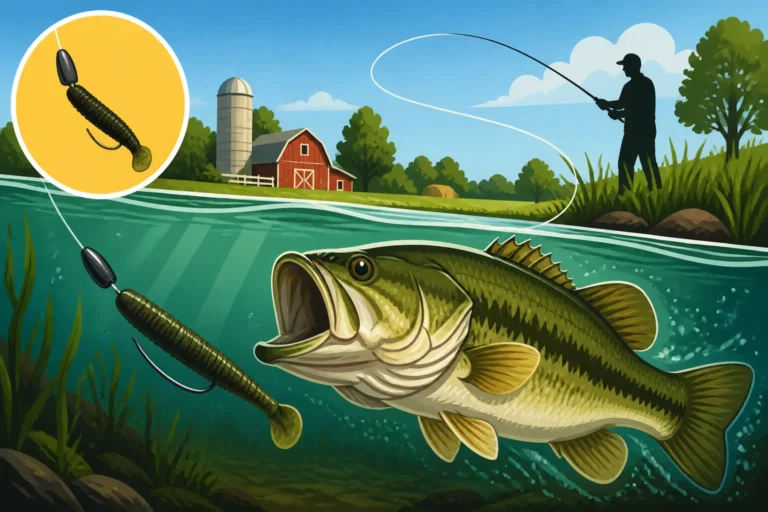
- Jigs: Lead head jigs tipped with a soft plastic swimbait, grub, or even just a piece of live bait (minnow head or tail) are perennial walleye producers. Experiment with jig weights from 1/8 to 3/8 ounce, depending on depth and current. Colours like chartreuse, orange, white, and black are often go-tos. The retrieve should be slow and deliberate – a lift-and-drop, a slow drag, or just subtle twitches.
- Blade Baits: These vibrating metal lures are excellent for vertical jigging or slow-sweeping presentations. Their tight wiggle and vibration can trigger strikes from inactive fish. Colours like chrome, gold, or those with bright accents work well.
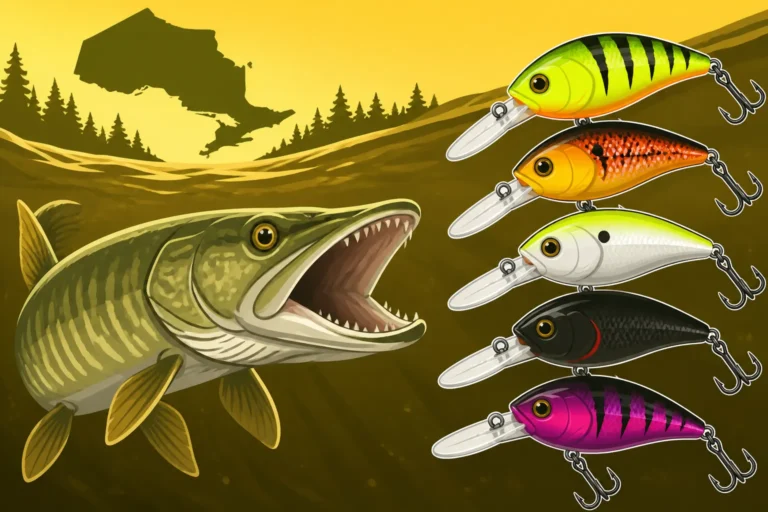
- Small Crankbaits: Thin-profile, slow-sinking or suspending jerkbaits and shallow-running crankbaits can be deadly. Look for models that suspend perfectly in the water column when paused, allowing you to leave them motionless in a walleye's face for an extended period. The retrieve should be a slow, erratic twitch-and-pause, mimicking a struggling baitfish. Deep diving crankbaits won't be as effective unless walleye are holding in deep channels. If you're wondering what specifically to grab, checking out a guide on Best Crankbaits for Ontario Walleye can give you some excellent starting points.
Here's a quick comparison of popular lure types for ice-out walleye:
| Lure Type | Best Use Case | Retrieve Speed | Depth Range (Typical) | Notes |
|---|---|---|---|---|
| Jig (tipped) | Vertical jigging, slow retrieve, bottom bouncing | Very Slow | Shallow to Deep | Versatile, excellent with live bait, good for pinpoint targeting |
| Blade Bait | Vertical jigging, slow sweeps, detecting subtle bites | Slow | Shallow to Medium | Vibration attracts, effective in murky water |
| Suspending Jerkbait | Twitch-pause retrieve, attracting reaction strikes | Slow to Moderate | Shallow to Medium | Great for cold, clear water; allows long pauses |
| Bottom Bouncer | Trolling live bait or worm harnesses | Very Slow | Medium to Deep | Keeps bait near bottom, minimal snagging in specific terrains |
| Slip Bobber | Suspending live bait at precise depths | Static | Shallow to Deep | Ideal for precise depth control and presenting natural bait |
Prime Locations to Target Right After Ice-Out
Finding walleye right after ice-out isn't about covering vast expanses of water. It's about precision and targeting specific areas where these fish will naturally congregate due to warmth, food availability, or spawning instincts. Understanding How to Catch Walleye in Ontario often starts with knowing where they are.
Shallow, Dark-Bottomed Bays and Flats
These areas are goldmines in the early spring. Dark bottoms, whether muddy or rocky, absorb sunlight much more efficiently than lighter-coloured substrates. This slight increase in water temperature – even just a degree or two – can be enough to draw walleye in. These shallow bays often warm up first and can be magnets for small baitfish, which in turn attract walleye. Look for protected bays on the north side of a lake or large river, as these will get the most direct sunlight throughout the day and be sheltered from cold winds. Focus on depths ranging from 5 to 15 feet, especially areas adjacent to deeper water or river channels. Fish them slowly with jigs, suspending jerkbaits, or even a slip bobber rig, letting your bait sit for extended periods.
River Mouths and Inlets
River systems and creeks that flow into larger lakes are another prime location. Rivers tend to shed their ice earlier and often bring in slightly warmer water and nutrients, creating a current seam that walleye love to ambush prey from. These areas are also natural migratory routes for walleye heading to spawn upstream. Look for current breaks, eddies, and subtle depth changes where fish can hold without fighting the main current too hard. Position yourself upstream of these spots and drift jigs or minnows into the slack water, or anchor and cast into the seams. The current flow here can often dictate the activity level, with a gentle flow being more productive than a raging torrent. Sometimes, the fish will be right at the mouth; other times, you might have to venture a bit upstream into the river itself.
Transitional Zones Near Spawning Grounds
Even if the walleye haven't moved fully onto their spawning beds yet, they'll be staging very close by. These transitional zones might be a deeper flat adjacent to a shallow spawning shoal, the edge of a drop-off leading into a river current, or a submerged point near a potential spawning reef. These are the "waiting rooms" where walleye gather and wait for the optimal water temperature to begin their spawning ritual. Use your electronics to locate these areas, looking for schools of baitfish or subtle humps and breaks. These spots can be very productive as fish move between deeper water and shallower staging areas. When considering your overall strategy for Best Fishing Lakes in Ontario or Best Fishing Rivers in Ontario, understanding these post-ice-out movements is critical.
Effective Techniques for Cold Water Walleye
Cold water walleye demand a patient, methodical approach. Forget fast retrieves and aggressive presentations; finesse and persistence are your best friends here.
Slow Jigging and Dragging
This is arguably the most consistent technique for ice-out walleye. The idea is to present your lure or bait with minimal movement, allowing the walleye ample time to inspect and commit.
- Vertical Jigging: If you've located a school of fish on your fish finder, drop a jig (tipped with live bait or a soft plastic) directly onto their heads. Lightly lift and drop the jig, keeping it just above the bottom, or just at the level of the fish you're seeing. The movement should be subtle, perhaps only a few inches to a foot. The bites can be incredibly light – sometimes just a feeling of "weight" or a slight tick rather than a sharp strike.
- Slow Dragging: When drifting or slowly trolling, let your jig or bait rig drag along the bottom. This stirs up a little bit of sediment, which can attract attention, and presents the bait right in the walleye's strike zone. Use enough weight to maintain bottom contact, but not so much that you're constantly snagging. A slow, almost imperceptible drag with occasional pauses can be deadly. This is where the sensitivity of braided line really shines.
Slip Bobber Fishing
A slip bobber rig is fantastic for suspending live bait (like minnows) or a small jig just off the bottom, or at a specific depth where you've marked fish. The advantage of a slip bobber is that you can set your depth much deeper than with a fixed bobber, and it casts easily. The natural movement of a lively minnow under a bobber is often irresistible to lethargic walleye. Find a promising area, set your depth, and let the wind or a very slow drift carry your bait over structure or through staging areas. Watch the bobber intently – sometimes, a walleye bite will cause it to just lay flat or slightly dip, rather than a full pull-under. You can pick up a wide variety of slip bobbers and other bobber components on Amazon to ensure you have the right setup.
Long Line Trolling with Crankbaits
While "slow" is the mantra, a very slow long-line troll with small, suspending crankbaits can also be effective, especially if you're trying to cover water in those shallow bays or along transitional edges. Use crankbaits that dive to the depth you want to fish and troll them just above or occasionally ticking the bottom. Vary your speed slightly, incorporating pauses or turns to make the lure hesitate or swing out, often triggering a strike. Remember, the slower the better in these frigid conditions. A common tactic for How to fish right after the walleye opener is to alternate between these slow presentations.
Overcoming Challenges and Adjusting Your Strategy
Early spring walleye fishing isn't always easy. There are common challenges that can make even the most seasoned angler frustrated. But with a little adaptability, you can turn a tough day into a successful one.
Dealing with Cold Fronts and Changing Conditions
Just when you think you've got them patterned, a cold front rolls in, and the fish seem to vanish. This is a classic early spring scenario in Ontario. Walleye, like many fish, become even more inactive and harder to catch after a significant temperature drop or a sudden shift in weather. When this happens, you need to slow down even more.
- Go Finer: Scale down your line, use smaller jigs, and present smaller baits.
- Go Slower: Your retrieve speed should be glacial. Think about letting your bait sit almost motionless on the bottom for extended periods, or pausing your suspending jerkbait for 10-20 seconds.
- Seek Deeper Holds: After a cold front, walleye often retreat to deeper, more stable water where temperature fluctuations are less severe. Check the deeper edges of those shallow bays or the drop-offs into river channels.
- Fish During Peak Warmth: Even on a cold day, the warmest part of the day (usually mid-afternoon) might offer a brief feeding window.
Understanding the Best Time of Day to Catch Walleye can be especially helpful in these tricky conditions, focusing your efforts on those prime hours.
Adjusting to Post-Spawn Walleye
Eventually, the walleye will complete their spawn. While some immediately recover and start feeding, others can be quite lethargic and "spent" from the ordeal. The post-spawn period requires another subtle shift in tactics.
- Recovery Areas: Walleye will often move to nearby weed lines, submerged wood, or deeper breaks to recover and recuperate. These areas offer cover and proximity to food sources without demanding too much energy.
- Increased Appetite (Gradually): As they recover, their appetite will pick up, and you might be able to incorporate slightly more aggressive retrieves or larger baits. However, in the immediate post-spawn, they are still not at their summer peak.
- Focus on Ontario Walleye Opener Dates by Zone: Always double-check the specific regulations for your zone, as the opener often coincides with or immediately follows the spawn, and fish may still be recovering.
Experimentation and Patience
The biggest key to success with ice-out walleye is patience and a willingness to experiment. Don't be afraid to try different depths, different colours, and different retrieve styles until you find what triggers a bite. What worked yesterday might not work today due to subtle changes in water temperature, light, or current. Pay attention to every detail: how your bait feels, where the bites are coming from, and any patterns you can discern.
Remember, walleye in cold water are subtle. A light tap, a feeling of "mush," or simply your line going slack can all be signs of a bite. Set the hook quickly but smoothly. There's a reason early spring walleye are considered a challenge – but the reward of a fresh walleye dinner after a long winter is absolutely worth the effort. For more general advice on Ontario Fishing Seasons by Zone and Month, keep an eye on official provincial resources.
Disclaimer
This article is for general informational purposes only and does not constitute professional advice. Laws, prices and regulations vary by location and change over time. Consult a qualified professional for guidance on your specific situation.