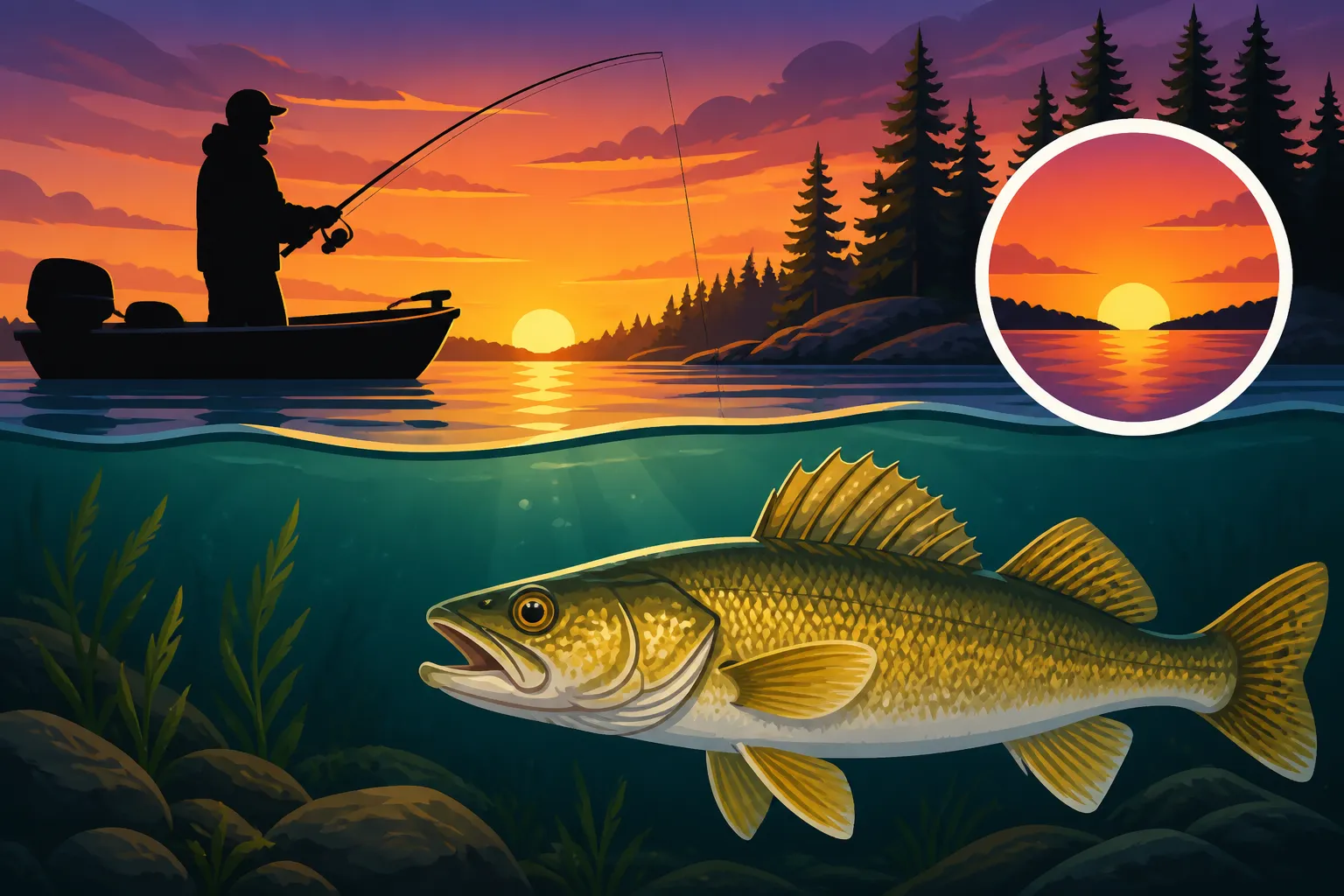
Best time to fish for walleye at dusk
It's happened to all of us: you've spent a beautiful day out on the water, maybe caught a few panfish or bass, but those elusive walleye just aren't biting. As the sun starts to dip below the horizon, a common frustration sets in – "Is this even the right time?" Many anglers swear by the magic of dusk for walleye, and for good reason. This guide will dive deep into why that twilight hour is often the most productive for chasing these toothy critters in Ontario, and how you can make the most of those precious moments when day turns to night.
The Science Behind the Sunset Bite: Why Walleye Love Dusk
You've probably heard it a million times: "Walleye love low light." But it's more than just a preference; it's a fundamental biological advantage that puts them at the top of the food chain during these transitional periods. Understanding this advantage is key to unlocking consistent success.
Light Sensitivity and Eye Structure
Walleye possess truly remarkable eyes, perfectly adapted for low-light conditions. Their large eyes have a tapetum lucidum, a reflective layer behind the retina that acts like a mirror, bouncing available light back through the retina for a second pass. Think of it like a built-in night vision enhancer. This is why you often see their eyes glow in a flashlight beam at night – it's that tapetum lucidum at work! While other species, like bass, might struggle as the light fades, walleye thrive, gaining a significant hunting advantage over their prey. This enhanced vision means they can spot baitfish and other food sources long before other predators, or even before those baitfish realize they're being hunted. It’s a massive leg up when the sun isn't directly overhead.
Prey Behavior and Low-Light Ambush
As dusk settles, it's not just the walleye that change their habits. Many smaller baitfish, like shiners and ciscoes, which spent the day in deeper, safer waters, begin to move into shallower areas to feed on zooplankton or hide amongst weeds and structure. This migration creates a perfect storm for walleye. They anticipate this movement, often positioning themselves along breaklines, points, or weed edges where they can ambush unsuspecting prey moving between deep and shallow water. The fading light provides excellent cover for these ambushes, allowing walleye to strike with surprise and efficiency. This is a critical factor in why the Best Time of Day to Catch Walleye often aligns with these low-light periods.
Temperature Shifts and Comfort Zones
While the visual advantage is paramount, subtle temperature shifts also play a role, particularly in warmer months. As the sun sets, the water surface begins to cool, and this cooling trend can stimulate activity. In shallower areas that might have been too warm for walleye during the peak heat of the day, the evening cool-down makes them more comfortable moving into these feeding grounds. This is especially true in lakes with distinct thermoclines. Walleye might rise from deeper, cooler waters to hunt in the slightly warmer, but now more comfortable and food-rich, shallower zones as night approaches. It creates a temporary window where they are both visually advantaged and physically comfortable in prime feeding areas.
Optimizing Your Dusk Walleye Strategy
Knowing why walleye bite at dusk is only half the battle. The other half is knowing how to capitalize on it. This means carefully selecting your gear, pinpointing the right locations, and employing stealthy tactics to avoid spooking these light-sensitive predators.
Gear and Lure Choices for Low Light
When the sun is going down, your lure selection becomes even more critical. Walleye aren't just looking for food; they're reacting to stimuli that stand out in the fading light.
- Dark Silhouettes: Counterintuitively, dark-colored lures like black, dark blue, or purple can be incredibly effective. Against a dimly lit sky, these colors create a strong, discernible silhouette, making them easy for walleye to spot from below. Think of a black jig or a dark crankbait moving just above a weed line – it looks like a juicy meal silhouetted against the last vestiges of daylight.
- Glow and UV: Technology is your friend here! Lures with glow-in-the-dark paint or UV-reflective finishes can be game-changers. These features either absorb light and emit a subtle glow or reflect UV rays that are still present even in low visible light, making your offering pop to a walleye's unique vision. You can find a huge array of these specialized lures on Amazon, perfect for those twilight hours.
- Vibration and Sound: When sight is limited, other senses become more important. Lures that generate strong vibrations or subtle clicking sounds can draw walleye in. Think lipless crankbaits, spinnerbaits, or even jigs tipped with soft plastics that have paddle tails. These create a disturbance in the water that walleye can home in on using their lateral line system. For insights into general lure choices, our guide on Best Baits for Walleye on Lake Erie offers great crossover tips.
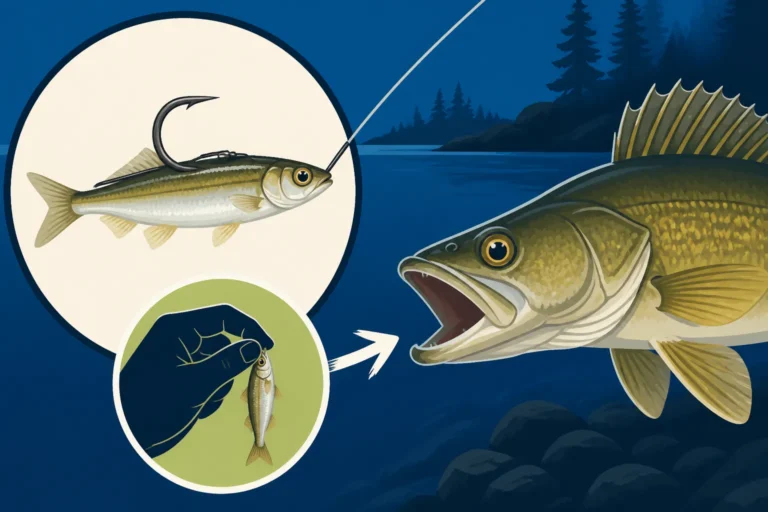
- Live Bait: Sometimes, nothing beats the real thing. A lively minnow, a plump nightcrawler, or even leeches presented under a slip bobber can be irresistible. The natural scent and subtle movements of live bait can be especially effective when walleye are a bit more hesitant in the fading light.
Prime Locations as Day Fades
The best spots for walleye at dusk are often transitional areas where they move from their daytime holding patterns to their nighttime feeding grounds.
- Breaklines and Drop-offs: These are absolute gold mines. Walleye will often stage along sharp changes in depth, waiting for baitfish to move shallower. Position your boat parallel to the breakline and cast or troll along it, covering various depths until you find where they're actively feeding. This is where knowing How to fish deep structure for summer walleye becomes really useful.
- Weed Edges and Flats: As the sun dips, baitfish often move into shallower weed beds for cover and to feed. Walleye will patrol the edges of these weed lines, picking off anything that ventures out or gets too close. Casting crankbaits or jigs that can be worked just above or through the weeds can be highly effective.
- Points and Reefs: Submerged points and rocky reefs provide excellent ambush points, especially if they have access to deeper water nearby. Walleye will often move up onto the tops and sides of these structures as dusk approaches, looking for an easy meal.
- River Mouths and Current Breaks: If you're fishing a river system or a lake with significant current, focus on areas where current is broken, such as eddies behind points or islands, or the mouth of a tributary. Walleye will use these areas to conserve energy while waiting for prey to be swept by. Our guide on Walleye Fishing in Ontario delves into broader habitat preferences that apply here.
Boat Control and Stealth Tactics
Walleye are incredibly sensitive to light and noise, especially in low-light conditions. Stealth is paramount.
- Electric Trolling Motor: This is your best friend during dusk fishing. Use it to slowly and silently position your boat, whether you're drifting, trolling, or making precision casts. Avoid excessive use of your main outboard motor once you're in your chosen fishing area.
- Anchor Quietly: If you're going to anchor, do so gently. Lower your anchor slowly rather than dropping it with a splash and clatter. Even small noises can send walleye scattering, especially in shallower water.
- Minimize Light Usage: Resist the urge to constantly use your bright headlamp or phone light. Brief flashes are fine for re-tying, but continuous bright light on the water can spook fish. Many anglers opt for red or green light settings on their headlamps, which are less disruptive to fish and human night vision. You can easily find a quality headlamp with multiple light settings on Amazon.
- Soft Presentations: When casting, aim for soft, quiet entries of your lure into the water. A loud splash can be enough to put wary walleye on edge. Consider longer casts to keep your boat further from the prime feeding zone.
Dusk Fishing Through the Seasons: Adapting Your Approach
While the general principles of dusk fishing remain consistent, the specific tactics you employ will need to adapt to the changing seasons in Ontario. Walleye behavior shifts with water temperature, spawning cycles, and baitfish availability.
Spring and Early Summer Dusk
Ah, spring. After the ice breaks, walleye are often in or recovering from their spawn. Early season dusk fishing can be absolutely phenomenal.
- Post-Spawn Recovery: In early spring, walleye are often recuperating from the rigours of spawning and are looking to replenish their energy stores. They'll be found congregating in shallower areas adjacent to spawning grounds, often around rocky points or submerged reefs.
- Shallow Water Focus: As water temperatures are still cool, walleye will often push very shallow at dusk, sometimes into just a few feet of water, especially if there's a good baitfish presence. Casting shallow-running crankbaits, hair jigs, or even simply a jig and minnow combo can be deadly.
- River Systems: River mouths and current seams are prime locations in early spring, as walleye move in and out of river systems. Our article on How to Catch Walleye in Ontario provides more detail on general spring tactics.
Late Summer and Fall Dusk
As summer progresses and then transitions into fall, walleye will change their patterns again, often moving deeper during the day but still utilizing dusk for major feeding pushes.
- Summer Thermocline: In late summer, walleye will often retreat to the cooler, oxygen-rich waters below the thermocline during the day. However, at dusk, they will often make significant vertical migrations to shallower structure or suspended baitfish schools. This is a great time for trolling deeper-diving crankbaits or vertical jigging at specific depths revealed by your fish finder.
- Fall Feeding Frenzy: Fall is a prime time for trophy walleye. As water temperatures cool significantly, walleye go on a major feeding binge to bulk up for winter. Dusk can be incredibly productive, especially on large lakes like Lake Erie or the Bay of Quinte.
- Baitfish Schools: Locate large schools of baitfish, and you'll likely find walleye. As dusk approaches, these baitfish often become more active and scattered, presenting easier targets. Trolling crankbaits that mimic these baitfish or casting large soft plastics can be very effective. Our guide on Bay of Quinte best walleye spots will show you some prime fall locations.
Winter Ice Fishing Dusk Considerations
Yes, even under the ice, dusk remains a golden hour for walleye. The principles of low light still apply, making it a critical window for ice anglers.
- Twilight Push: Just like in open water, walleye beneath the ice often become much more active as natural light fades. They'll move into shallower areas, along breaklines, or onto flats adjacent to deep water, using their superior low-light vision to hunt.
- Aggressive Presentations: Don't be afraid to be aggressive with your jigging presentations at dusk. Walleye are often on the prowl and will react to lures with good flash, vibration, or glow. Vertical jigging spoons, lipless crankbaits, or even dead-sticking a lively minnow can work wonders.
- Hole Placement: If you're setting up for the evening, consider holes strategically placed along a breakline, giving you access to both deep and shallower water. Our guide on Ice Fishing in Ontario offers more general tips for hardwater success.
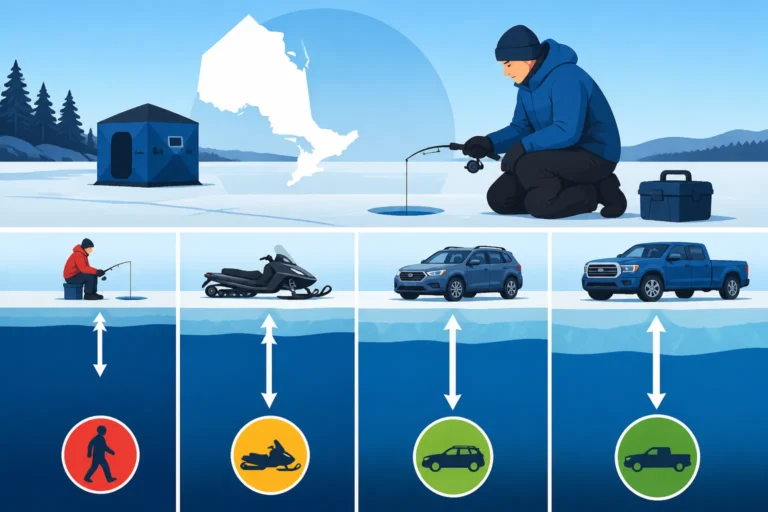
- Safety: Always prioritize safety, especially when fishing into the dark. Ensure you have proper lighting for navigating the ice and a way to signal for help if needed.
Common Challenges and Troubleshooting During Dusk
Even with the best planning, dusk fishing can throw some curveballs. Being prepared for these challenges and knowing how to troubleshoot them can turn a frustrating outing into a successful one.
Dealing with Changing Conditions
The transition from day to night isn't just about light; weather and water conditions can shift rapidly, impacting the bite.
- Wind Shifts: As the sun goes down, winds can often calm or shift direction. This can affect boat control and how current influences your lure presentation. Be ready to adjust your drift, trolling path, or anchoring strategy. Sometimes, a calm evening after a windy day can bring walleye into shallow, protected bays to feed.
- Pressure Changes: Approaching cold fronts often bring high pressure, which can make fish lethargic. Conversely, dropping pressure before a storm can sometimes trigger a feeding frenzy. While you can't control the weather, you can observe how walleye respond and adjust your retrieve speed or lure choice accordingly. Often, a slower, more subtle presentation works better in high-pressure systems.
- Water Clarity: The fading light makes water clarity less of a factor, but it's still worth considering. In stained or muddy water, even at dusk, you might want to opt for lures with brighter glow, louder rattles, or more aggressive vibration. For exceptionally clear water, a more natural presentation might still be preferred. Our article on Best lure color for muddy water walleye fishing could offer some specific ideas.
Safety First: Navigating in Low Light
Fishing at dusk naturally extends into darkness, which brings important safety considerations, especially on larger Ontario waters.
- Proper Lighting: Ensure your boat's navigation lights are in good working order and turned on well before it gets truly dark. A powerful headlamp (again, a good one from Amazon can make all the difference) is essential for tying knots, unhooking fish, and general visibility on deck. Always carry a secondary light source as a backup.
- Know Your Water: If you're staying out after dark, you must be intimately familiar with the body of water you're on. Hazards like shoals, submerged rocks, or stumps that are visible during the day disappear in the dark. Use your GPS and fish finder to mark safe travel paths and any potential dangers you identified during daylight hours.
- Life Jackets: This is non-negotiable. Ensure everyone on board is wearing a properly fitting life jacket, especially when moving in low light or operating a boat. Accidents can happen quickly, and a life jacket is your most important piece of safety gear.
- Communication: Let someone know where you're going and when you expect to return. Carry a fully charged cell phone or, even better, a marine VHF radio for emergencies.
By understanding the unique advantages walleye have at dusk, adapting your tactics, and always prioritizing safety, you can transform that frustrating "no-bite" feeling into the thrill of a productive evening on Ontario's beautiful waters. The magic of the twilight bite is real, and with these tips, you'll be ready to experience it firsthand.
| Dusk Fishing Condition | Lure Type Recommendation | Key Feature/Color | Retrieval Style |
|---|---|---|---|
| Early Dusk (low light) | Crankbaits, Jigs, Spinnerbaits | Dark (black, purple), Natural Baitfish | Steady retrieve, stop-and-go |
| Late Dusk (very low light) | Glow Jigs, Lipless Crankbaits, Soft Plastics | Glow-in-the-dark, UV-reactive, Black | Slow roll, vertical jigging, twitching |
| Clear Water | Subtle crankbaits, Finesse jigs | Natural patterns, muted glow | Slow, stealthy, realistic |
| Stained/Muddy Water | Rattling crankbaits, Vibrating jigs | Chartreuse, Firetiger, Bright Glow | More aggressive, faster retrieve |
| Windy Conditions | Heavier jigs, Lipless crankbaits | Any effective color, strong vibration | Steady retrieve to maintain contact |
| Calm Conditions | Soft plastics, Live bait rigs | Natural colors, subtle glow | Very slow, subtle presentations |
Disclaimer
This article is for general informational purposes only and does not constitute professional advice. Laws, prices and regulations vary by location and change over time. Consult a qualified professional for guidance on your specific situation.