Best technique for sight fishing walleye in clear water
It can be incredibly frustrating when you're out on a beautiful clear water lake in Ontario, you know the walleye are there, you can even spot them sometimes, but they seem to spook at the slightest ripple or ignore every offering you throw their way. Clear water walleye are notorious for being finicky, often turning their noses up at presentations that would be deadly in murkier conditions. This guide is here to walk you through the specialized techniques for sight fishing walleye in these transparent environments, helping you turn those frustrating glimpses into exciting catches.
Understanding Clear Water Walleye Behavior
Fishing for walleye in clear water presents a unique set of challenges and opportunities. Unlike their counterparts in stained or turbid environments, clear water walleye are often much warier, relying heavily on their keen eyesight to hunt and evade predators. This heightened sense means everything from your approach to your lure choice needs a careful adjustment.
Why Clear Water is Different for Walleye
Imagine trying to hide in a glass house. That's essentially what walleye are dealing with in clear lakes and rivers. They have nowhere to truly disappear, which makes them far more cautious. In these conditions, walleye are highly visual predators, meaning they're scanning the environment for prey and, unfortunately, for potential threats – like us. This clarity also means light penetrates deeper, affecting where walleye will hold during different times of day. They're less likely to be cruising shallow, open flats during bright daylight, preferring to hug structure, seek shade, or drop into deeper, darker zones where they feel more secure. The water column itself offers less cover.
This is why traditional walleye tactics, which might involve brighter lures or more aggressive presentations, can often fail. The fish simply see too much; they can detect your boat, your shadow, and unnatural lure movements from a much greater distance. They become experts at identifying imposters, and once spooked, they can be incredibly difficult to entice back. Understanding these fundamental differences is the first step toward adapting your strategy and having success. You're not just fishing for walleye; you're playing a high-stakes game of hide-and-seek where the fish have the home-field advantage.
Reading the Fish and Their Environment
Success in clear water sight fishing hinges on your ability to observe and interpret what the walleye are telling you. Are they holding tight to a specific rock pile, suspended over a deep break, or subtly cruising a weed line? Their position often reveals their mood and what they might be willing to strike. Look for subtle movements: a slight fin twitch, a slow drift, or a sudden dart that indicates active feeding or alarm. Often, walleye in clear water will appear to "ghost" in and out of view, a testament to their camouflage and wariness.
Pay close attention to the bottom composition, available cover, and current seams. Walleye will use these features to ambush prey or hide from larger predators. A solitary rock, a fallen tree, or even a subtle contour change can be a prime holding spot. When you spot a fish, don't just focus on the fish itself, but on everything around it – the depth, the structure it's relating to, and any potential escape routes. This ecological reading helps you anticipate their movements and plan your approach. Moreover, recognizing the type of baitfish present, or even seeing their active feeding, can give you huge clues about what lures might appeal. For more general guidance on understanding walleye, check out our guide on How to Catch Walleye in Ontario.
Essential Gear for Sight Fishing Walleye
When the water is gin-clear, your gear becomes an extension of your stealth. Every component, from what's on your face to what's tied to your line, needs to be optimized for minimal disturbance and maximum realism.
Optics: Polarized Sunglasses and Binoculars
This cannot be stressed enough: high-quality polarized sunglasses are your absolute best friend for sight fishing in clear water. They cut through the glare on the water's surface, allowing you to see into the depths and spot subtle movements of fish and structure. Don't skimp here; investing in a good pair from a reputable brand (you can find excellent options on Amazon) will dramatically increase your ability to locate fish and observe their reactions to your lure. Different lens colors can also be beneficial: amber or copper lenses are great for overcast days or low light, while grey or blue lenses excel in bright, sunny conditions.
Beyond sunglasses, a good pair of binoculars can be invaluable, especially when scanning large areas or trying to spot fish from a distance without spooking them with your boat. You can quietly motor into position, then use binoculars to scan shorelines, rock piles, or deeper breaks for signs of activity. A compact, waterproof pair that you can easily access is ideal. The goal is to see the fish before they see you, giving you the upper hand in planning your cast and presentation.
Rods, Reels, and Line Choices
For clear water walleye, a lighter, more sensitive setup is often preferred. This typically means medium-light to medium power spinning rods, around 6'6" to 7'6" in length, with a fast action tip. The sensitivity allows you to feel the most subtle bites, which are common from wary walleye, and the fast action provides the backbone for solid hooksets while still allowing for accurate, delicate presentations. A quality spinning reel, smoothly operating, will allow for consistent casting without line twists.
Your line choice is critical. Fluorocarbon leader is almost non-negotiable due to its near-invisibility underwater and its excellent abrasion resistance against rocks and zebra mussels often found in clear waters. For your main line, a thin, low-stretch braided line (10-15 lb test) is excellent for sensitivity and casting distance, paired with a 6-10 lb fluorocarbon leader. The length of your leader might vary, from 3-4 feet for jigging to 6-8 feet or more for slip bobber presentations, depending on how spooky the fish are and how deep you're fishing. When tying your leader, ensure your knots are strong and neat; sloppy knots can collect debris and be more visible. For advice on pairing gear, consider our article on Best Fishing Rods for Ontario Lakes.
Subtle Baits and Presentations
When sight fishing in clear water, think "natural" and "subtle." Walleye in these conditions are rarely fooled by overtly flashy or aggressive presentations. Small, realistic baits that mimic local forage are key.
Jigs and Soft Plastics:
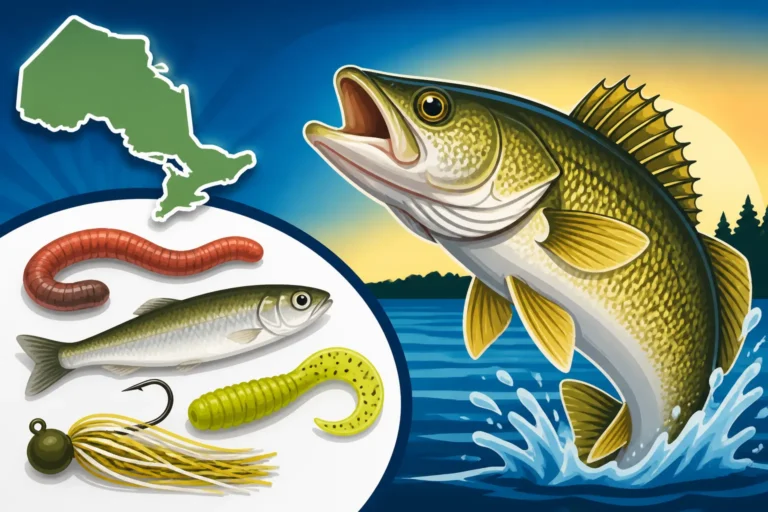
Light jigs (1/8 to 1/4 ounce) paired with small, natural-coloured soft plastics are incredibly effective. Think about finesse plastics like small swimbaits (2-3 inches), straight-tailed worms, or grub tails in translucent colours like smoke, green pumpkin, or pearl. Often, a tiny bit of flash or glitter within the plastic can make all the difference. The key is to impart subtle action – a slow drag, a slight twitch, or a gentle lift-and-drop. Remember, the fish are seeing the lure clearly, so any unnatural movement can be a red flag. On Amazon, you can find a vast array of finesse soft plastics perfect for this application.
Live Bait Rigs:
Live bait, particularly a lively minnow or leech, presented on a simple snell rig or a small jig head, is incredibly hard for clear water walleye to resist. Use just enough weight to get your bait to the desired depth, allowing it to swim as naturally as possible. A slow-troll with a bottom bouncer and a worm harness can also be effective, especially if the walleye are relating to the bottom, though sight fishing this way is more about observing the fish react to your offering from a distance. For more options, explore our guide on Best Tackle for Ontario Walleye.
Small Crankbaits and Jerkbaits:
In certain situations, particularly low light or when fish are aggressively feeding on baitfish, small, natural-coloured crankbaits or jerkbaits can work. Look for models with realistic finishes, subtle rattles, and a tight wobble. Suspending jerkbaits are fantastic for working over clear water structure; you can twitch them and then pause, letting the walleye come inspect them without the lure sinking out of view. Colour patterns mimicking shiners, perch, or ciscoes are usually good bets. Again, subtle is better than loud and obnoxious.
| Lure Type | Best Conditions / Walleye Mood | Key Characteristics | Presentation Style |
|---|---|---|---|
| Small Jigs + Soft Plastics | Wary, neutral to active fish; targeting specific structure | Natural colors, translucent, 2-3 inch plastics | Slow drag, subtle twitch, gentle lift-drop |
| Live Minnows/Leeches | Very wary, finicky fish; low activity | Lively, natural action, small hook | Minimal weight, natural drift, slow retrieve |
| Small Crankbaits/Jerkbaits | Active fish, low light, pre-spawn/fall; targeting aggressive feeders | Realistic finish, tight wobble, suspending | Twitch-pause retrieve, slow retrieve, steady troll |
| Small Spoons | Deep water, schooling fish, vertical jigging opportunities | Natural baitfish patterns, subtle flash | Vertical jigging, flutter on the fall |
Effective Sight Fishing Techniques and Strategies
Executing a successful sight fishing approach requires precision, patience, and a bit of cunning. It's about minimizing your presence and maximizing your lure's appeal.
Stealth and Approach
In clear water, stealth is paramount. Walleye have an exceptional ability to detect disturbances, whether it's the hum of a trolling motor, the splash of an anchor, or a shadow cast over their holding spot.
Boat Positioning and Anchoring:
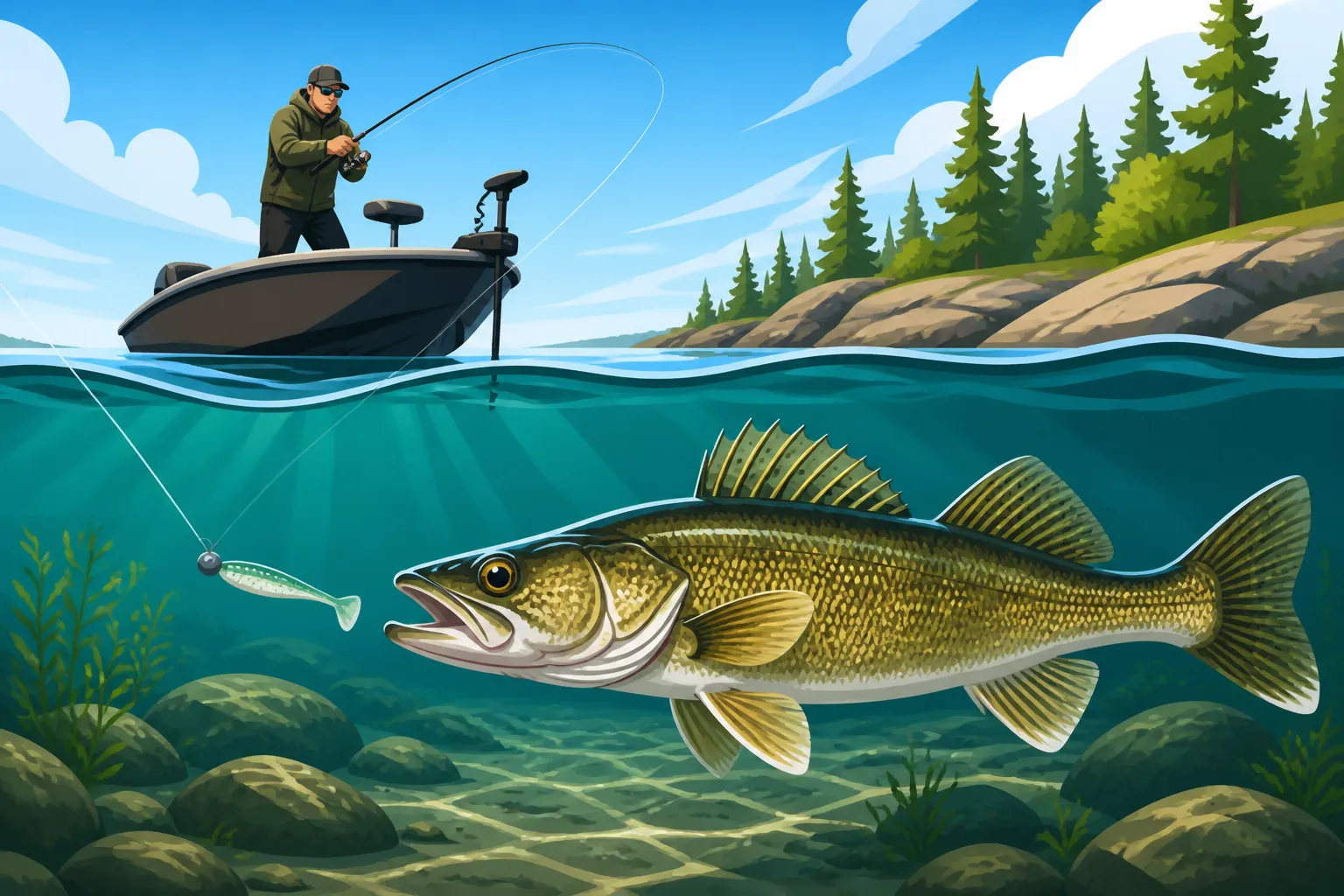
Whenever possible, use a shallow-water anchor or a quiet electric trolling motor to approach your target area. If anchoring, use a quiet, soft-bottom anchor or an anchor system that prevents noisy chain drops. Position your boat well away from the fish, allowing for a long, accurate cast without drifting too close. Often, positioning the boat so the sun is behind you can help cut glare and prevent your shadow from crossing the fish, making your approach less noticeable. If you can use natural cover like points or islands to obscure your approach, even better. When fishing structure like a rock shoal, try to stay on the deeper, darker side of the structure, casting up onto it.
Minimizing Noise and Movement:
Keep noise to an absolute minimum. Avoid shuffling your feet in the boat, dropping tackle, or slamming hatches. Speak in low tones. Any sudden movement or loud sound can send wary walleye scattering. If you have a partner, communicate quietly and coordinate your movements. Remember, sound travels incredibly well through water, and a walleye's lateral line is finely tuned to detect vibrations. This also means being mindful of your shadows, especially on bright, sunny days. A shadow passing over a fish can be just as alarming as a loud noise.
Casting and Presentation Accuracy
Once you've spotted a walleye or a group of them, your cast and presentation need to be surgical. This isn't about covering water; it's about hitting a specific target with precision.
Long, Accurate Casts:
Practice making long, accurate casts to reach fish without putting your boat too close. Overhand casts or a sidearm flick can deliver your lure gently, minimizing splash. Aim to land your lure a few feet beyond and past the fish, then retrieve it into their strike zone. This avoids spooking them with a direct overhead splash. Think of it like a pool shark lining up a shot; precision matters more than power. The idea is to have the lure "appear" naturally in front of them, not crash down on their heads.
Reading Reactions and Adjusting:
This is where sight fishing truly shines. You can observe how the walleye reacts to your lure. Do they ignore it completely? Follow it suspiciously? Turn away? Each reaction provides valuable feedback.
- No reaction: Your lure might be the wrong size, color, or simply not in their feeding lane. Adjust your cast or try a different bait.
- Following but not striking: This is common. Try speeding up or slowing down your retrieve, adding a subtle twitch, or pausing the lure. Sometimes, a slight change in angle can trigger a strike. It might also indicate the fish are curious but not committed, meaning a smaller, more natural bait might be better.
- Turning away or spooking: You've either gotten too close, made too much noise, or the presentation was too aggressive. Back off, let the area rest, and try a more delicate approach next time. This might also be a sign of a major cold front, which can make walleye incredibly difficult to entice. Learn more about How to Catch Walleye During a Cold Front in Ontario.
Be prepared to change lures frequently based on their feedback. Sometimes, a slight shift in color or a change from a paddle tail to a fork tail can make all the difference. Keep a variety of subtle options ready.
Environmental Factors and Best Practices
Clear water conditions are heavily influenced by environmental factors. Being aware of these can significantly impact your success rate.
Light Conditions and Time of Day
The amount of light penetrating the water directly affects walleye behavior in clear environments.
Early Morning and Late Evening:
These are often prime times for clear water walleye, just like in any other water clarity. The low light conditions allow walleye to move shallower and feed more aggressively, feeling less exposed. As the sun dips below the horizon or before it fully rises, their competitive advantage over prey (and their reduced vulnerability to predators) increases. During these periods, you might even get away with slightly larger or more aggressive presentations than during the bright midday. This is particularly true for Best Time of Day to Catch Walleye.
Overcast Days:
Overcast days can be fantastic for clear water fishing. The diffused light reduces glare and allows walleye to roam more freely throughout the day, often holding at shallower depths than they would on a sunny day. The key is consistent, but still subtle, presentation. You might find them cruising along weed edges or shadowing submerged logs that they wouldn't touch in direct sunlight.
Bright Sun and Midday:
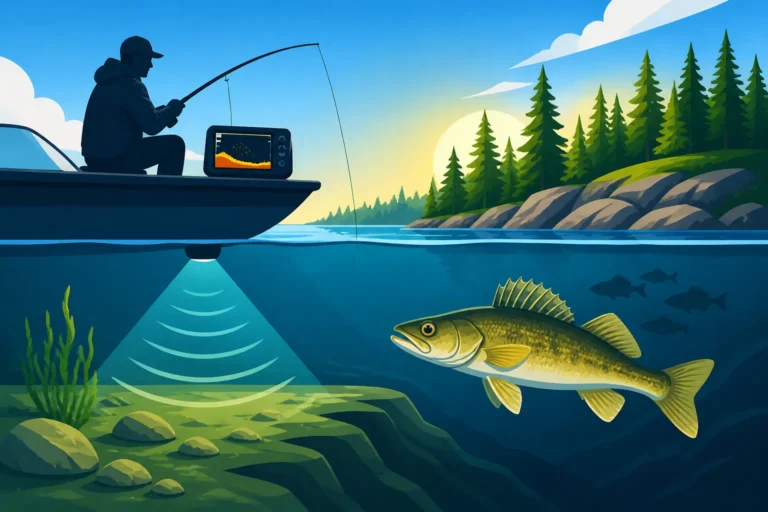
This is typically the toughest time. Walleye will seek refuge in deeper water, tight to heavy cover, or in the shade of docks, fallen trees, or overhanging banks. When sight fishing during these hours, focus your efforts on these prime hiding spots. Vertical jigging directly into cover or pitching small jigs into shaded pockets can be effective. This is where your ability to spot subtle structure and fish becomes crucial. Don't be afraid to probe depths with your Best Fish Finders for Ontario Lakes, even if you plan to sight fish later.
Minimizing Disturbance and Maximizing Success
The ultimate goal in clear water sight fishing is to be as invisible as possible while making your offering irresistible.
Long Leaders and Light Line:
As mentioned, a long fluorocarbon leader is vital. Not only is it nearly invisible, but it also creates more distance between your lure and your main line, which can be more visible. Keep your main line as thin as possible while still offering enough strength for fighting fish and casting. Braided line with its minimal stretch helps with sensitivity and hooksets. This combination ensures your presentation looks as natural as possible.
Natural Lure Colors and Subtle Action:
Always lean towards natural, translucent, or muted lure colors. Think greens, browns, clear with silver or gold flake, smoke, and pearl. Avoid loud, vibrant colors unless you're trying to provoke a reaction from an aggressive, actively feeding fish (which is rare in clear water sight fishing scenarios). The action you impart to your lure should also be subtle. Let the current or boat drift do some of the work, and use minimal rod tip movements to animate your bait. The goal is to make your lure seem like a natural, unsuspecting meal.
Patience and Observation:
Sight fishing demands patience. You'll spend more time observing than casting sometimes, and that's perfectly fine. Learn from every interaction. If a fish ignores your lure, try to figure out why. If it follows, try to adjust your retrieve to trigger a strike. Don't be afraid to rest a spot if you've spooked fish; they often return after a period of calm. This constant learning and adaptation are what make clear water walleye fishing so rewarding when you finally crack the code. Remember to check out the Ontario Fishing Regulations Summary for any zone-specific rules or restrictions on techniques or bait.
Disclaimer
This article is for general informational purposes only and does not constitute professional advice. Laws, prices and regulations vary by location and change over time. Consult a qualified professional for guidance on your specific situation.