Best time to fish before a cold front
There's nothing quite like the anticipation of a great fishing day in Ontario, but it can be incredibly frustrating when the weather suddenly turns on you. You've packed your gear, fueled up the boat, and then bam – a cold front rolls in, shutting down the bite faster than you can say "fish on." But what if I told you that the period just before a cold front hits can actually be one of the most productive times to be on the water? This guide will dive deep into understanding why fish react the way they do to these weather shifts and how you can capitalize on that golden window to catch more fish in Ontario.
Understanding Cold Fronts and Their Immediate Impact on Fish Behavior
Cold fronts are a universal challenge for anglers, but they're also a predictable force of nature once you understand them. It’s not just the temperature drop that matters; it’s a whole suite of changes that profoundly affect fish.
What Exactly is a Cold Front?
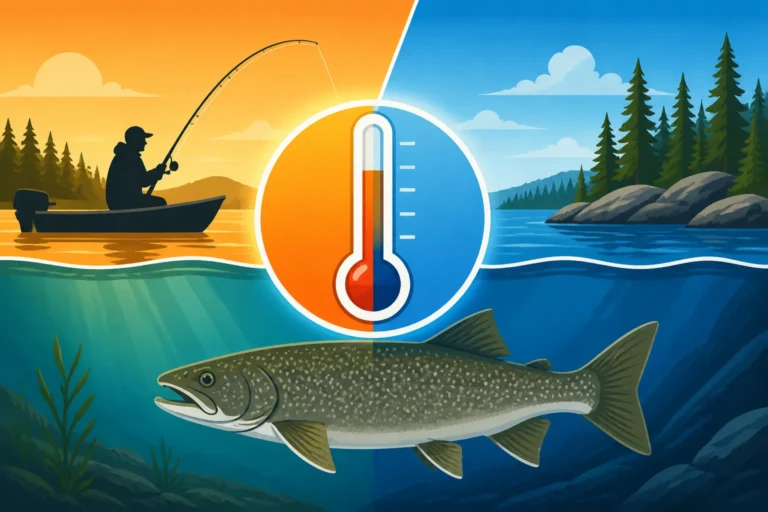
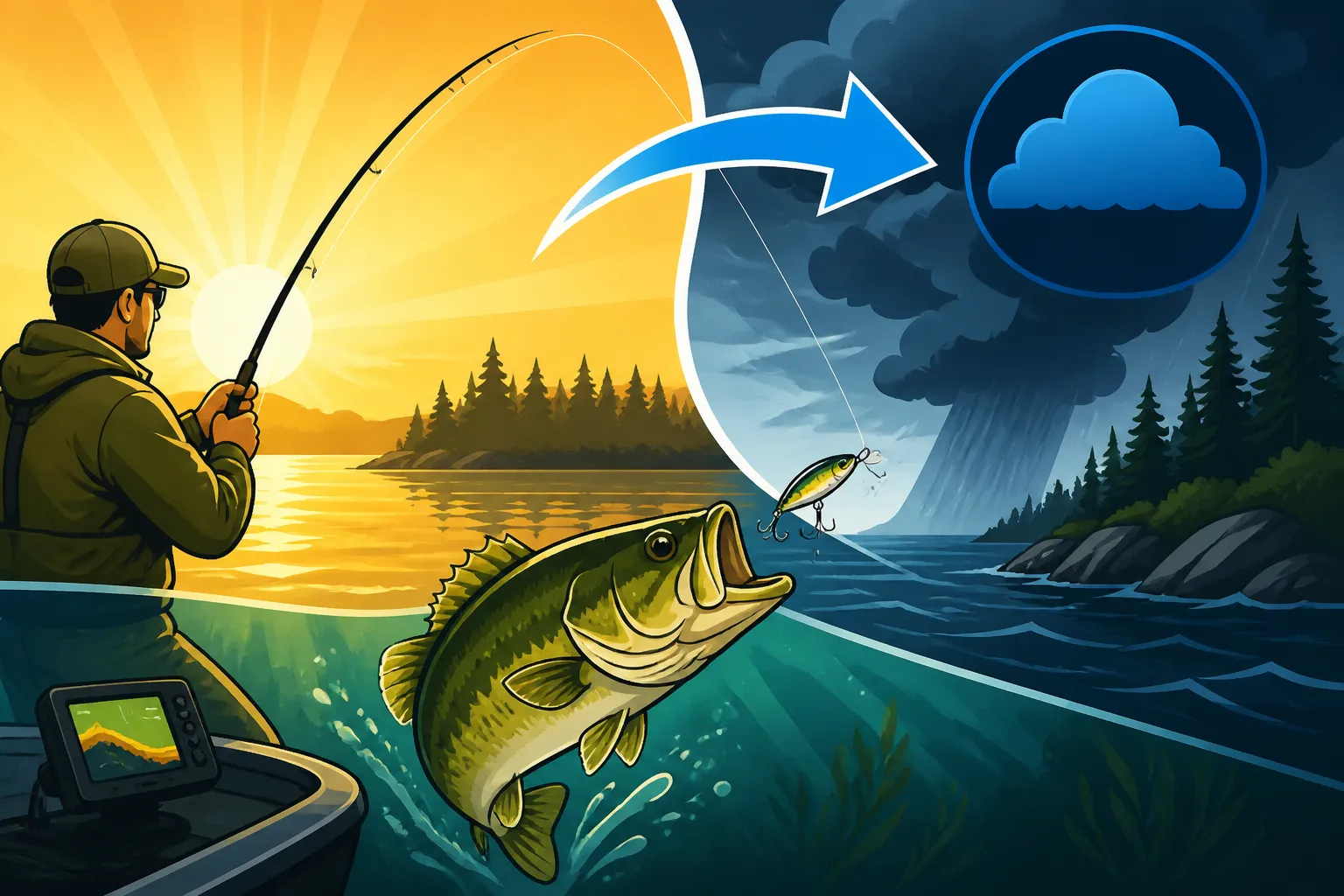
Think of a cold front as a boundary where a mass of colder, denser air moves in and displaces warmer air. When this happens, several things occur almost simultaneously: the air temperature drops, wind direction often shifts (usually to the north or northwest), and the skies clear up, often leading to bright, sunny conditions. Most crucially for us anglers, there's a significant and often rapid change in barometric pressure. Before the front arrives, the atmospheric pressure typically falls, often quite dramatically. Once the front passes, the pressure rises sharply and then stabilizes at a higher point.
This isn't just a human phenomenon; fish, living in a water column that is constantly under the influence of atmospheric pressure, are incredibly sensitive to these changes. It's like us feeling a shift in altitude – it might give you a headache or make your ears pop. For fish, these changes signal profound shifts in their environment and can trigger specific behaviors.
How Fish React to Barometric Pressure Changes
The falling barometer before a cold front is often what gets fish excited. As the pressure drops, many fish species, particularly our beloved walleye, bass, and pike in Ontario, tend to become more active and feed aggressively. Scientists aren't 100% sure why, but the prevailing theory is that the dropping pressure makes their swim bladders expand slightly, which can make them feel uncomfortable. To counteract this, they often move shallower to equalize the pressure, and while they're at it, they take advantage of the changing conditions to pack on some calories. It's almost as if they instinctively know that a period of discomfort and less favorable feeding conditions is coming, so they gorge themselves while the going is good. This is a critical insight when considering How barometric pressure affects Ontario walleye fishing.
Once the cold front passes, and the high pressure moves in, it's a different story. The sudden spike and then sustained high pressure tends to push fish deeper, make them lethargic, and generally shut down their feeding activity. This is why fishing during or after a cold front can be so notoriously tough – the fish just don't want to cooperate. They're often hunkered down, feeling the squeeze of the high pressure, and less inclined to chase a meal. That's why understanding the "before" is so vital.
The Golden Window: Fishing Before a Cold Front
This is the sweet spot, the angling equivalent of finding a forgotten twenty-dollar bill in your old fishing vest. Learning to identify and capitalize on this pre-front window can turn a potentially frustrating week into a truly memorable one.
Why the Pre-Front Period is Prime Fishing Time
The hours leading up to a cold front's arrival often present stable or slowly dropping barometric pressure, which many anglers refer to as "perfect" fishing pressure. The weather might still be mild, sometimes even a bit humid, and often cloudy or overcast – conditions that tend to mask predators from prey, encouraging fish to move more freely and hunt. During this period, fish activity ramps up. They're not just moving; they're actively looking for food.
For instance, on a large body of water like Lake Simcoe or the Bay of Quinte, walleye might move from deeper structures up onto flats or along weed lines, aggressively chasing baitfish. Smallmouth bass, known for their sensitivity, can be found smashing topwater lures or suspending just off rocky points, ready to ambush. Even northern pike, typically ambush predators, become more daring and will patrol shallower weed beds with heightened intensity. It's a noticeable shift in their demeanor, almost a frantic energy, as they prepare for the less comfortable conditions that are sure to follow. This is also a key factor when you're preparing for specific periods, such as the Ontario walleye opener dates by zone.
Key Indicators to Watch For
Knowing when that golden window is about to open is half the battle. You don't need to be a meteorologist, but a basic understanding of weather patterns helps immensely.
- Weather Forecasts: Modern weather apps and online forecasts are your best friends. Look for predictions of significant temperature drops, strong wind shifts, or an approaching cold front graphic on a weather map. Pay attention to the barometric pressure readings if available; a steady drop over several hours is a strong signal. Many anglers even invest in small, portable barometers that they can keep in their boat or tackle box to monitor real-time pressure changes. You can find some excellent portable options on Amazon that offer real-time data.
- Visual Cues: Sometimes nature gives you hints. A sudden increase in wind, particularly from the south, southwest, or west, often precedes a front. Skies might darken, become overcast, or you might see a "halo" around the sun or moon. Pay attention to the behavior of other animals too – often, you'll notice birds or insects acting differently before a storm or front.
- Timing is Everything: The best fishing usually occurs in the 12-24 hours before the actual front sweeps through. The most intense bite can often be in the last few hours as the pressure really starts to tumble. This means if the forecast predicts a cold front for tomorrow afternoon, your prime fishing window is likely late today and early tomorrow morning. Don't procrastinate!
Strategies for Capitalizing on Pre-Front Conditions
Now that you know when to fish, let's talk about how to fish effectively during this special time. The aggressive nature of the fish before a front allows for tactics that might not work on tougher days.
Adjusting Your Approach for Different Ontario Species
Different species will respond to the pre-front conditions in slightly varied ways, but generally, increased activity is the norm.
- Walleye: These beloved fish become incredibly active. They'll often move from deeper water onto shallower flats, humps, or the edges of weed beds, particularly areas with some current or structure. This is the time to fish aggressively. Fast retrieves, larger baits, and covering water efficiently will pay off. Consider casting crankbaits, trolling with crawler harnesses, or jigging aggressively. For some great ideas on presentations, check out How to catch Walleye in Ontario.
- Smallmouth Bass: Smallmouth are highly sensitive to pressure changes. Before a front, they can be found schooling and feeding voraciously. Look for them on rocky points, shoals, and transitions where deep water meets shallower structure. Topwater baits like poppers or walk-the-dog lures can be deadly, as can fast-moving jerkbaits or spinnerbaits. If they're a bit deeper, tube jigs or football jigs worked quickly can trigger strikes. If you're targeting smallmouth, you might want to read up on How to Catch Smallmouth Bass in Ontario for more detailed strategies.
- Northern Pike: Pike are already opportunistic feeders, but before a front, their aggressive tendencies are amplified. They'll ambush anything that looks like an easy meal. Focus on weed lines, fallen timber, and rocky outcrops where baitfish are likely to congregate. Large spoons, spinnerbaits, and swimbaits retrieved at a good clip can draw vicious strikes. This is also a great opportunity to throw bigger, flashier baits that might not get a look during high-pressure lulls. Learning How to Catch Northern Pike in Ontario can give you an edge in these conditions.
Lure and Presentation Choices
When fish are actively feeding before a front, don't be shy about using more aggressive presentations.
- Speed Kills (in a good way): Often, faster retrieves will trigger reactionary strikes from fish trying to get a meal before their buddies do. Don't be afraid to burn a spinnerbait or crankbait.
- Size Matters: Larger baits can be more appealing to fish that are trying to bulk up. Don't hesitate to go up a size or two in your lures, whether it's a bigger crankbait, a larger jig, or a heftier swimbait.
- Flash and Noise: Bright, flashy colours and lures with rattles or thumping blades can be incredibly effective. The fish are actively hunting, and these attractants help them locate your bait quickly. The right Best Crankbaits for Ontario Walleye can make all the difference here.
- Vertical Jigging: If fish are holding on deeper structure, vertical jigging with spoons or heavy jigs can provoke strikes. The key is to work them actively, generating a lot of commotion.
Targeting Productive Locations
Fish don't just randomly spread out; they'll gravitate towards certain areas as a front approaches.
- Transition Zones: Look for areas where different types of structure meet – a rocky point extending into a weed flat, a drop-off near a sandbar, or where current meets slack water. These are natural ambush points.
- Current Breaks: Rivers and areas with moving water can be hotspots. Fish will use current breaks behind rocks, logs, or even subtle changes in depth to rest while still being close to feeding lanes.
- Shallow Cover: Don't overlook shallower weed beds, lily pad fields, or submerged timber, especially if the skies are overcast. The lower light conditions and falling pressure can draw fish into these areas to feed.
- Baitfish Concentrations: If you can locate schools of baitfish, you'll likely find predators nearby. Your Best Fish Finders for Ontario Lakes can be invaluable here, helping you pinpoint these key areas. Look for humps, reefs, or points where baitfish might be congregating as they, too, react to the changing conditions.
Common Mistakes and How to Avoid Them
Even with the best intentions, anglers can make a few missteps that cost them opportunities during this prime fishing window.
Waiting Too Long
The single biggest mistake is procrastination. That "golden window" is exactly that – a window. It opens, and it closes. Once the cold front actually passes and the high-pressure system settles in, the bite can completely shut down. We've all been there: "Ah, I'll go out tomorrow morning, the forecast looks perfect!" only to wake up to clear, crisp, beautiful skies and absolutely no fish willing to bite. That's the cold front aftermath. You need to be on the water before it arrives. Even a few hours can make a massive difference. Planning your trips around these weather shifts is crucial. Don't just look at the weekend forecast; understand the day-to-day atmospheric pressure changes. If you miss the pre-front window, you'll be faced with figuring out How to catch walleye during a cold front in Ontario, which is a much tougher challenge.
Not Being Prepared
This isn't just about having your fishing license (though it's certainly vital to ensure you've checked out the Ontario Fishing License Guide for 2026 and secured your Printing or Carrying a Digital Fishing License in Ontario). It's about having the right gear, the right bait, and a plan for how to attack the pre-front bite.
- Gear Check: Ensure your rods are rigged, reels are spooled, and your tackle boxes are stocked. This isn't the time to be fumbling with tangled lines or discovering you're out of your favorite aggressive lure. Maybe you need to refresh your muskie gear? You can often quickly find replacements or upgrades for Best Muskie Gear for Ontario Waters or other species-specific tackle on Amazon.
- Bait Selection: Have a variety of aggressive baits ready – crankbaits, spinnerbaits, large spoons, and perhaps some vibrant soft plastics. Don't forget live bait if that's part of your strategy; active fish will still hit live offerings.
- Knowing the Forecast (and Believing It!): Rely on multiple sources for your weather forecast. Don't just glance at the temperature. Look for pressure trends, wind shifts, and precipitation chances. Trust the indicators, even if it means dropping your plans to go fishing a day earlier than originally intended. Sometimes, the "ugly" weather before the front is actually the most beautiful sight for an angler.
Remember, fishing is as much about understanding the environment as it is about casting a line. By paying attention to cold fronts and their precursor conditions, you'll dramatically increase your chances of having an unforgettable day on the water in Ontario.
Cold Front Impact on Fish Behavior
Here's a quick overview of how fish generally respond to barometric pressure changes associated with a cold front:
| Condition | Barometric Pressure Trend | Fish Activity Level | Typical Fish Location | Recommended Tactics |
|---|---|---|---|---|
| Before Cold Front | Falling steadily | High (Feeding Frenzy) | Shallower, aggressive patrolling | Fast retrieves, aggressive lures, cover water |
| During Cold Front | Rapid Drop, then Sharp Rise | Low (Disoriented) | Often deeper, hunkered down | Slow, subtle presentations, patience |
| After Cold Front | High and Stable | Very Low (Lethargic) | Deep, tight to cover, inactive | Finesse, small baits, very slow movement |
Disclaimer
This article is for general informational purposes only and does not constitute professional advice. Laws, prices and regulations vary by location and change over time. Consult a qualified professional for guidance on your specific situation.