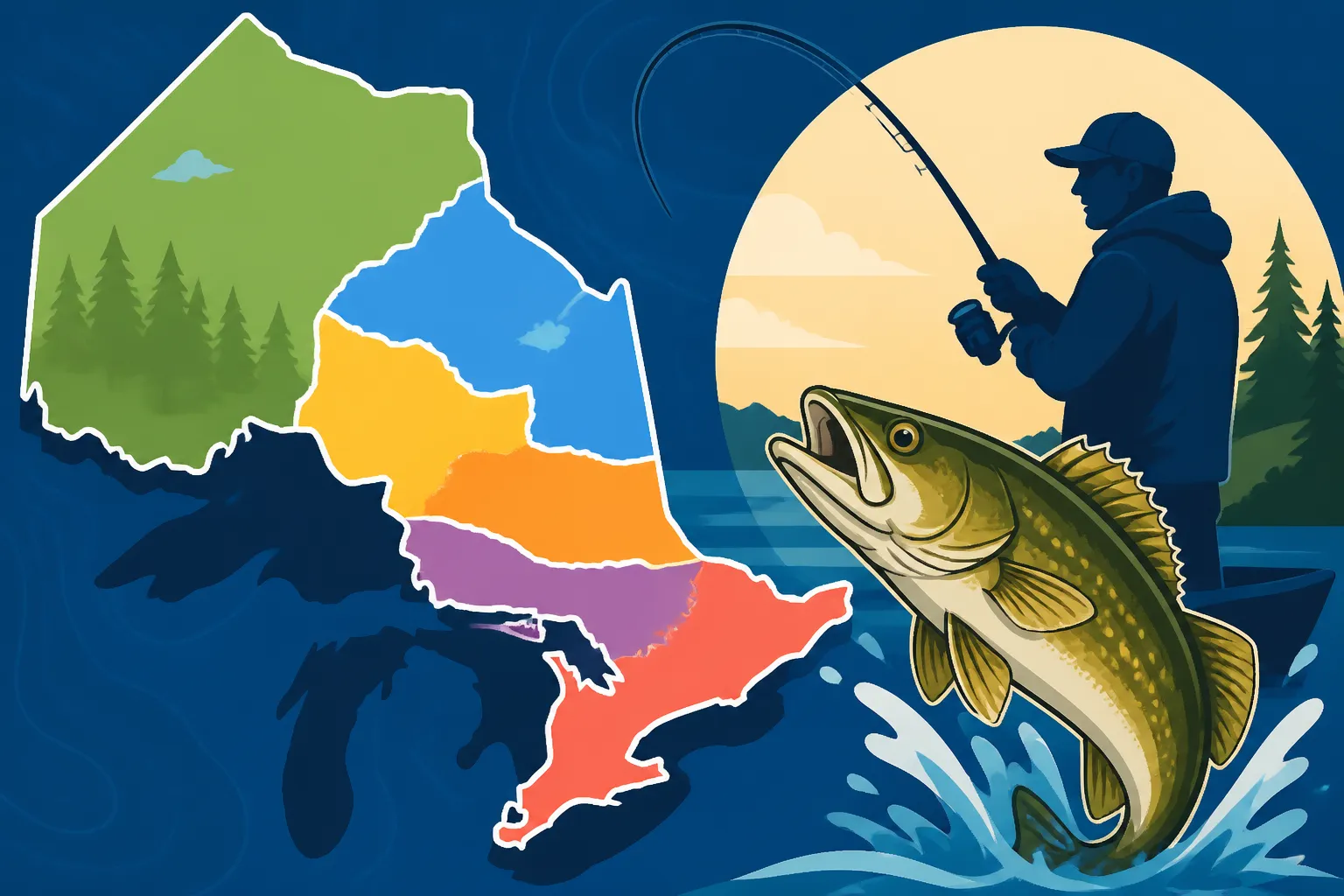
Ontario Fisheries Management Zones, Explained
It can be incredibly frustrating to plan an exciting fishing trip in Ontario, only to feel utterly lost when it comes to understanding the tangled web of regulations. You're trying to figure out if you're even allowed to target that trophy walleye, or if the bait you carefully picked out is legal in that particular lake. This confusion often stems from not fully grasping the concept of Fisheries Management Zones (FMZs), which dictate many of the rules. This comprehensive guide will pull back the curtain on Ontario's FMZs, explaining what they are, why they exist, and how to confidently navigate them for a stress-free and successful angling adventure.
Understanding the "Why": The Purpose of Fisheries Management Zones
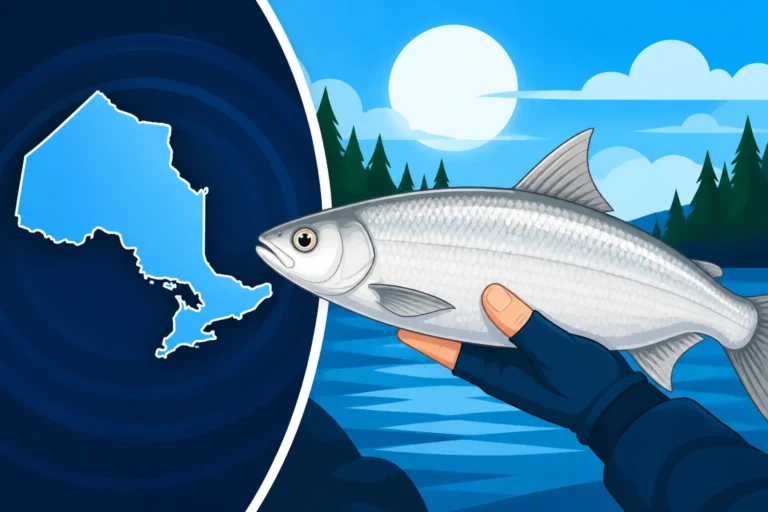
When you look at a map of Ontario, it's clear we're talking about a massive province with incredible diversity, from the sprawling Great Lakes in the south to the vast, pristine wilderness of the far north. It just wouldn't make sense to have one-size-fits-all fishing rules for such a varied landscape. That's where Fisheries Management Zones, or FMZs, come in. They're essentially large, geographically defined areas, each with its own set of tailored regulations designed to manage local fish populations effectively. It’s not just about making rules; it’s about making smart, localized rules that benefit both the fish and the anglers.
Protecting Biodiversity and Sustaining Fish Stocks
At its core, the primary purpose of FMZs is conservation. Different fish species thrive in different environments, and their populations face unique pressures depending on where they live. For example, a small, isolated brook trout pond in the Algonquin Highlands might need very strict catch-and-release rules or even rotational closures to protect its delicate ecosystem and ensure future generations of wild trout. In contrast, a large, heavily fished body of water like Lake Erie, with its robust walleye populations, might support a more generous harvest limit, albeit still carefully managed. The zones allow the Ministry of Natural Resources and Forestry (MNRF) to apply specific strategies, like adjusting daily catch limits or imposing slot sizes, to keep these fish populations healthy and resilient. Without these zones, it would be a chaotic free-for-all, leading to rapid declines in vulnerable species and the eventual collapse of some of our most cherished fisheries.
Addressing Regional Differences in Fish Populations and Habitats
Imagine trying to manage fishing for northern pike in a remote, interconnected chain of lakes near Kenora using the same rules as for smallmouth bass in the urbanized waters of the Kawarthas. It's simply illogical. Ontario's FMZs recognize these stark regional differences. Each zone is delineated based on factors such as geography, climate, geology, and the types of fish species naturally found there. For instance, the Great Lakes zones (like FMZ 19 for Lake Erie, or FMZ 20 for Lake Ontario) have regulations that account for vast migratory fish like Chinook salmon and lake trout, as well as the unique challenges of a massive, shared international waterway. Northern zones, like FMZ 2, might focus heavily on species like walleye and lake trout, often with very remote access and different biological needs. This localized approach allows for a much more nuanced and effective management plan that truly reflects the specific conditions of each area, ensuring that regulations are biologically sound and environmentally appropriate.
Balancing Angler Needs and Conservation Goals
It's a delicate dance, isn't it? On one hand, the MNRF needs to ensure that fish stocks are protected and sustained for the long haul. On the other hand, they also want to provide meaningful fishing opportunities for the hundreds of thousands of anglers who love to cast a line in Ontario. FMZs help strike this balance. They allow for different approaches to management based on the fishing pressure a zone experiences and the desired outcomes for specific fisheries. For example, a zone known for its trophy potential might have stricter slot limits or catch-and-release requirements to allow larger fish to survive and reproduce. Meanwhile, a different zone might have more liberal limits on common species to encourage harvest and provide food fishing opportunities. These regulations are often developed through public consultations, taking into account input from local anglers, conservation groups, and Indigenous communities, aiming to create a system that serves both ecological integrity and the diverse interests of the angling public. It's a continuous process of adjustment and refinement, striving for that sweet spot where everyone benefits.
A Closer Look at Ontario's 20 Fisheries Management Zones
Ontario is vast, and its waters are incredibly diverse. To manage this natural wealth effectively, the province is divided into 20 distinct Fisheries Management Zones (FMZs). Each zone has its own unique ecological characteristics, species compositions, and, consequently, its own set of rules and regulations. This structured approach helps ensure that fishing pressure is managed sustainably across the province, tailoring conservation efforts to the specific needs of local fish populations. Understanding these zones is your first step to becoming a truly responsible and successful angler in Ontario.
Geographical Overview and Key Distinctions
The 20 FMZs cover every corner of Ontario, from the southernmost tip of Lake Erie up to the remote waters bordering Manitoba and Quebec. They aren't just arbitrary lines on a map; they represent distinct ecological regions. Generally, you can group them into a few broad categories. There are the Great Lakes zones (FMZ 19, 20), which encompass our majestic inland seas and their tributaries. Then there are the large, often remote, Northern Ontario zones (like FMZ 1, 2, 3, 4, 5, 6, 7), characterized by vast wilderness, numerous lakes, and species like walleye, northern pike, and lake trout. The Central and Southern Ontario zones (e.g., FMZ 11, 12, 13, 16, 17) tend to be more populated, with a mix of warmwater species like bass and panfish, alongside stocked trout fisheries.
The key distinction lies in the habitats and the fishing pressure. Northern zones often have more pristine, self-sustaining fisheries but might experience higher pressure from remote lodge tourism. Southern zones, while more accessible, often deal with greater population density, habitat alteration, and the need for more intensive management, including stocking programs. Each zone is a unique puzzle piece in the larger picture of Ontario's fisheries management, and understanding its general character can give you a head start on what to expect.
Notable Zones and Their Unique Characteristics
Let’s dive into a few examples to illustrate this diversity.
- FMZ 20 (Lake Ontario): This zone is famous for its world-class salmon and trout fisheries. Anglers here target Chinook and Coho salmon, brown trout, and rainbow trout (steelhead) that migrate from the lake into tributaries. The regulations here are often geared towards managing these large, migratory species, including specific rules for snagging or retaining certain fish during spawning runs. There are also important warmwater fisheries for species like smallmouth bass. You'll find commercial fishing also plays a role in this massive shared resource.
- FMZ 11 (Algonquin Park Area): This zone is characterized by thousands of small to medium-sized lakes, many with native brook trout and lake trout populations. Due to its unique ecological value and the extensive network of portages, FMZ 11 has some of the most restrictive regulations in the province, including many "fish sanctuaries," "catch and release only" waters, and "no organic bait" rules to protect the delicate ecosystems. If you're planning an interior trip, understanding these specific nuances is absolutely critical.
- FMZ 13 (Central Ontario): This bustling zone, encompassing areas like the Kawartha Lakes and Lake Simcoe, experiences immense fishing pressure due to its proximity to major population centers. It’s known for excellent walleye, smallmouth bass, largemouth bass, and jumbo perch fisheries. The regulations here often include slot limits for species like walleye to protect the spawning stock and ensure a sustainable future for these popular game fish. Ice fishing is a massive industry in this zone, with specific rules governing ice hut registration and usage.
- FMZ 4 (Lake of the Woods Area): Heading west, FMZ 4 offers vast, interconnected waters with legendary walleye, muskie, and northern pike fishing. The regulations here often reflect the remote nature of the region and the focus on providing quality angling for large, predatory species. However, cross-border considerations with Manitoba and Minnesota also play a role in how this zone is managed, especially for species like walleye, which often migrate between jurisdictions.
These examples highlight how varied the FMZs truly are, each presenting its own set of opportunities and regulatory challenges. Before you even pack your bags, knowing which zone your destination falls into is paramount.
How FMZs Influence Fishing Opportunities
The regulations within each FMZ directly shape the kind of fishing experience you can expect. For instance, if you're looking to consistently fill a cooler with walleye for a shore lunch, you'll need to know which zones have more generous daily catch limits and possession limits, and importantly, when the Ontario Walleye Opener Dates by Zone are. Conversely, if your goal is to land a true trophy muskellunge, you'd seek out zones or specific waters known for producing giants, which often come with stricter catch-and-release mandates. The season dates for different species, whether it's the opening of bass season or the closing of a trout stream, are all tied to these zones.
This means that a trip planned for early spring in Southern Ontario might offer fantastic opportunities for pike, while the same time in a far northern zone might still be under ice or have different opening dates. The types of baits you can use (e.g., live bait restrictions in some trout waters), the size of fish you can keep (slot limits), and even specific gear restrictions can all vary significantly from one zone to the next. Essentially, the FMZ acts as a blueprint for your fishing adventure, telling you what's possible, what's required, and what's prohibited. Ignoring these boundaries and their associated rules isn't just a minor oversight; it can lead to legal troubles and, more importantly, can undermine the very conservation efforts designed to protect our precious fish stocks. Always double-check your destination’s zone.
Navigating the Regulations: How FMZs Affect Your Fishing Trip
So, you've grasped why FMZs exist and gotten a feel for their general layout. Now, let's talk about the practical side of things: how these zones directly impact your fishing trip. It's more than just knowing where you are on a map; it's about understanding the specific rules that apply to that particular patch of water. Ignorance of the law is no excuse, and in the world of fishing, even an honest mistake can lead to fines or worse. Trust me, nobody wants to cut a trip short or face a hefty penalty because they didn't check the zone regulations.
Species-Specific Seasons and Catch Limits by Zone
This is arguably the biggest and most immediate impact of FMZs. Every single game fish species in Ontario has its own set of rules, and these rules change dramatically depending on the FMZ. You can't just assume a certain season or limit applies province-wide. For example, the season for Walleye Fishing in Ontario or Lake Trout Fishing in Ontario might open earlier or later, and have different daily catch limits, in one zone compared to another. What's a generous daily limit in a Northern Ontario zone might be a much stricter conservation limit in a more heavily fished Southern Ontario zone.
Consider largemouth and smallmouth bass. In many southern zones, their season opens quite early, typically in June, allowing for a long summer of bass angling. However, if you venture further north, the season might not open until late June or even July to protect their later spawning periods in colder waters. Similarly, catch limits can vary wildly. You might be able to keep a certain number of walleye in FMZ 4, but only a fraction of that in FMZ 13, and only within a specific size range (a slot limit). This is all detailed in the official Ontario Fishing Season Dates by Zone and Ontario Bag and Possession Limits by Species sections of the regulations summary. Always, always check these specifics for your target species and chosen zone before you head out. A quick check can save you a lot of headache and keep our fisheries healthy.
Equipment and Bait Restrictions That Vary by Zone
Beyond just what you can catch and when, FMZs also dictate how you can fish. This means specific rules about the tackle you use and the baits you bring along. This is particularly important for those targeting sensitive species like trout or fishing in protected areas. For instance, many designated trout lakes or streams, particularly those within FMZ 11 (Algonquin Park) or other specific "brook trout sanctuaries," have strict "no organic bait" rules. This means no worms, no minnows, no leeches – only artificial lures or flies are permitted. The rationale is to prevent the introduction of invasive species or diseases, and to minimize incidental mortality of released fish due to deep hooking.
Even the type of hooks you can use might be regulated. Some waters are "barbless hook only" to facilitate easy catch and release, while others may restrict the number of hooks on a single line. In certain zones or specific waters, motor restrictions might be in place – perhaps only electric motors are allowed, or even no motors at all, requiring you to paddle or row. These restrictions are all about minimizing impact and protecting specific ecological values. Before you load up your tackle box or launch your boat, make sure your gear complies with the specific requirements of the FMZ you'll be fishing in. It’s a good idea to peruse the Ontario Fishing Regulations Explained for general rules, and then drill down into your specific zone’s details.
Special Regulation Waters Within FMZs
Just when you think you've got the FMZ system figured out, there's another layer: "special regulation waters." These are specific lakes, rivers, or even stretches of rivers that have rules different from the general FMZ they are located within. They exist to provide even more precise management for unique situations, whether it's protecting a genetically distinct strain of fish, managing a heavily pressured urban fishery, or maintaining a specific type of angling experience, like a "fly-fishing only" stream.
You might find a lake within FMZ 17 that has a lower walleye limit than the rest of FMZ 17, or a specific river in FMZ 16 that is "catch and release only" for all species. These special regulations override the general zone rules for that specific body of water, and they are always clearly identified in the Ontario Fishing Regulations Summary. It's not uncommon for popular fishing spots to have these localized rules, so always check the specific listing for the lake or river you plan to visit. Missing these details can be a real pitfall for even experienced anglers. Think of it as a sub-rule within a larger rule, and it's essential to get it right.
Finding Your Zone: Tools and Resources for Anglers
Understanding FMZs is one thing, but actually figuring out which zone you're in, and what specific rules apply, is another challenge entirely. Thankfully, the Ontario government and other organizations have provided some excellent tools to help anglers navigate this complex system. You don't need to be a GIS expert to find the information you need, but you do need to know where to look. Getting this right is crucial for a legal and enjoyable day on the water.
The Ontario Fishing Regulations Summary and Its Importance
This is your bible, your holy grail, your absolute must-have document for fishing in Ontario. The Reading the Ontario Fishing Regulations Summary is an annual publication produced by the Ministry of Natural Resources and Forestry (MNRF) that details every single regulation you need to know, organized by FMZ and species. It covers seasons, catch limits, possession limits, bait restrictions, equipment rules, and even lists all those tricky special regulation waters.
You can pick up a physical copy of the summary wherever fishing licenses are sold, like at many tackle shops, Canadian Tire stores, or even some larger general stores in fishing communities. It's designed to be user-friendly, with clear maps of each FMZ and tables outlining the rules. However, many anglers also prefer to access it digitally. You can download the full PDF from the Ontario government website, or even find previous years' summaries there if you're doing historical research. It's a good idea to have either a physical copy or the PDF saved on your phone or tablet when you're out on the water, as cellular service isn't always reliable in remote areas. Even if you think you know the rules, always double-check the current year's summary, as regulations can and do change annually.
Using the Fish ON-Line Interactive Zone Map
While the printed summary is excellent, for many modern anglers, the interactive online map is an absolute game-changer. The Ontario Fish ON-Line Interactive Zone Map, Explained is a fantastic digital tool that allows you to zoom in on any lake or river in Ontario and instantly see which FMZ it falls into. But it doesn't stop there! Once you've identified your zone, you can often click on the water body itself to bring up specific regulations for that lake or river, including any special regulations that might apply.
This tool is incredibly helpful for planning trips to unfamiliar areas. You can input the name of a lake you're considering, see its precise location within an FMZ, and then click through to the regulations. It takes the guesswork out of boundary lines and gives you real-time access to the most up-to-date information. If you're using a smartphone or tablet with GPS, you can even use it on the go to confirm your location relative to zone boundaries, which is particularly useful if you're fishing on a large body of water that spans multiple zones. While I cannot directly link to it, a quick search for "Fish ON-Line Ontario" will lead you directly to this indispensable resource. It's easily one of the most valuable resources for any serious angler in the province.
Other Reliable Sources for Zone-Specific Information
Beyond the official summary and Fish ON-Line, there are other trustworthy sources you can consult for zone-specific information, especially when planning a trip or looking for local insights.
- MNRF District Offices: Each district office of the Ministry of Natural Resources and Forestry can provide direct assistance and clarity on regulations within their jurisdiction. If you have a very specific or unusual question about a particular body of water, calling or emailing the local MNRF office is an excellent approach. Their staff are the experts on the ground.
- Local Bait and Tackle Shops: These establishments are often goldmines of local knowledge. The folks who run these shops and their regular customers typically have an intimate understanding of the local FMZ rules, common practices, and any recent changes. They can also offer advice on specific "hot spots" and tactics relevant to the local regulations. Many even sell specific fishing maps that highlight key features and occasionally regulation boundaries.
- Reputable Fishing Guides and Charters: If you're hiring a professional guide or charter service, they are legally obligated to know and adhere to all relevant regulations. They can be a fantastic resource for learning the ropes of a particular zone, especially if you're new to the area.
- Online Forums and Community Groups: While these can be great for general advice and sharing experiences, always cross-reference any regulation information you get from online forums with official sources. Information can be outdated or misinterpreted, so exercise caution.
Remember, the goal is to be informed. Combining the official summary with the interactive map and local expertise will ensure you're always fishing legally and sustainably. Many anglers even find useful zone-specific maps and regulation summaries on platforms like Amazon, which can be handy for having a backup or a physical reference while on the go.
Common Misconceptions and Challenges with FMZs
Even with all the resources available, navigating Ontario's Fisheries Management Zones isn't always straightforward. Both seasoned veterans and brand-new anglers can run into situations that cause confusion or frustration. It’s important to acknowledge these common sticking points so you can be better prepared and avoid potential issues. Understanding these challenges is part of becoming a truly knowledgeable and adaptable angler.
The Borderline Blues: Fishing Across Zone Lines
One of the most common headaches arises when you're fishing on a large body of water that happens to straddle two or more FMZs. Take for instance, a large lake like Lake Simcoe, which falls entirely within FMZ 16. However, some rivers connected to it, or portions of Georgian Bay (FMZ 14), which is also geographically close, have different regulations. What happens if you cast a line on one side of an invisible line and drift into another zone? The rule of thumb is that the regulations of the zone you are currently fishing in apply. This means if you start in FMZ 14 waters and drift into FMZ 16, you must immediately comply with FMZ 16's rules for catch limits, species seasons, and any other relevant restrictions.
This can get incredibly tricky, especially if you're not paying close attention to your GPS or maps. It's not always obvious where the boundary lies, and a small shift in your boat's position could put you in violation. For this reason, many experienced anglers fishing near known zone boundaries will err on the side of caution, adhering to the stricter of the two zones' regulations, or simply choosing to fish well within one zone to avoid any ambiguity. Always consult the Fish ON-Line interactive map or a detailed contour map that shows the FMZ boundaries if you plan to fish a border water. It's a common area for accidental infractions, so a little extra vigilance goes a long way.
Keeping Up with Changes: Why Regulations Evolve
It's tempting to think that once you learn the regulations, you're set for life. Unfortunately, that's another common misconception. Ontario's fishing regulations are not static; they evolve. The Ministry of Natural Resources and Forestry regularly reviews and updates rules based on new scientific data, population assessments, angler feedback, and changing environmental conditions. A species that was abundant five years ago might experience a decline due to habitat loss, climate change, or increased fishing pressure, prompting the MNRF to implement stricter limits or modify season dates. Conversely, a successful conservation program might lead to more liberal limits if a population has rebounded.
These changes are why it’s absolutely critical to consult the most current Ontario Fishing Regulations Summary every single year, even if you're fishing the same lake you've fished for decades. Don't rely on memory or what you learned last season. A seemingly minor change to a slot limit or a season opening date can make a huge difference to your trip. The MNRF often announces proposed changes and seeks public input before finalizing them, so staying engaged with fishing news sources and the MNRF website can help you anticipate upcoming adjustments. It's a dynamic system, and staying informed is part of being a responsible angler.
The Learning Curve for New and Experienced Anglers Alike
While FMZs are a logical system, their complexity can present a steep learning curve for everyone. New anglers might feel overwhelmed by the sheer volume of rules, trying to understand what an Outdoors Card is, the difference between a Sport vs Conservation fishing license, and then layering on top the specific FMZ rules. It can be a lot to take in, leading to frustration and sometimes, unfortunately, disengagement.
But it's not just beginners who struggle. Even experienced anglers, particularly those who travel extensively across the province, can find it challenging to keep all 20 zones' regulations straight in their heads. One week you might be fishing for Muskellunge Fishing in Ontario in FMZ 14 with one set of rules, and the next week you're targeting Smallmouth Bass Fishing in Ontario in FMZ 17 with completely different seasons and limits. The sheer mental load of remembering all these nuances can be taxing. The best approach is to focus intensely on the regulations for your current location and target species, using the tools mentioned earlier, rather than trying to memorize everything province-wide. Patience, persistent use of official resources, and a willingness to learn are key to mastering the FMZ system.
Planning Your Trip: Applying FMZ Knowledge for Success
Now that we've demystified FMZs and highlighted some common challenges, let's talk about how to integrate this knowledge into your trip planning. Knowing your zone isn't just about avoiding fines; it's about maximizing your enjoyment, increasing your chances of success, and fishing ethically. A well-planned trip, grounded in an understanding of the local regulations, is almost always a better trip.
Researching Your Destination Before You Go
This step is non-negotiable. Before you even think about packing a single lure, you need to thoroughly research your chosen fishing destination. Start by identifying which Fisheries Management Zone your target lake or river falls into. The Ontario Fish ON-Line Interactive Zone Map, Explained is your best friend here. Pinpoint your exact location. Once you know the FMZ, open the current year's Ontario Fishing Regulations Summary and go directly to that zone's section.
- Target Species: What species are you hoping to catch? Check their specific season dates and catch limits for that particular FMZ. Remember, these vary wildly.
- Special Regulations: Does your chosen body of water have any special regulations that override the general zone rules? These will be listed in the summary, usually under the specific lake or river name. This is often where anglers get tripped up.
- Bait and Gear: Are there any restrictions on bait (e.g., no organic bait, live bait restrictions) or gear (e.g., barbless hooks, motor restrictions)? This impacts what you pack.
- Conservation Initiatives: Are there any local conservation initiatives or sensitive areas you should be aware of? Many local tackle shops or community groups can offer insights here.
This diligent pre-trip research is the cornerstone of responsible angling. It allows you to anticipate challenges, adjust your expectations, and ensures you're prepared for the specific conditions and rules of your chosen fishing ground.
Packing Smart: Gear Considerations for Specific Zones
Your FMZ research should directly influence what goes into your tackle box and boat. This isn't just about having the right lures; it's about having legal lures and equipment for that zone.
For instance, if you're heading to a remote lake in FMZ 11 known for brook trout, you might need to pack only artificial lures or flies and leave the worms at home due to "no organic bait" rules. Your typical worm harness setup for walleye won't cut it. If you're targeting Northern Pike Fishing in Ontario in a weed-choked bay in FMZ 5, you'll want heavy tackle and weedless lures, but also be mindful of any specific leader requirements for toothy critters. Conversely, if you're planning on Ice Fishing in Ontario on Lake Simcoe (FMZ 16), you'll need all your ice fishing gear, but also be aware of the daily limits for jumbo perch and perhaps even slot limits for walleye.
Even seemingly minor items, like specific types of landing nets (rubberized nets are great for catch and release and might be encouraged or even required in some sensitive areas), can be influenced by zone regulations or best practices. Consider the size of your cooler if you plan to keep fish, ensuring it can legally hold your possession limit. Think about safety gear as well; while Ontario Boating Laws for Anglers are provincial, knowing the vastness or remoteness of an FMZ might influence extra safety precautions you take. Smart packing means you're prepared not just for the fish, but for the rules governing them.
Enhancing Your Catch-and-Release Practices in Regulated Waters
Many FMZs, particularly those with strong conservation mandates or those managing trophy fisheries, emphasize catch and release. Understanding and practicing proper catch-and-release techniques is vital, especially when you're fishing under specific slot limits or in "catch and release only" waters. Even if you're not legally required to release a fish, doing so correctly contributes to the overall health of the fishery.
- Minimize Handling: Reduce the time the fish is out of the water.
- Wet Hands: Always wet your hands before touching a fish to protect its slime coat, which is crucial for its health and disease resistance.
- Support the Fish: Support the fish horizontally, especially larger fish, to avoid damaging internal organs. Never hold a fish vertically by its jaw or tail.
- Barbless Hooks: Consider using barbless hooks or pinching down the barbs on your hooks. This makes removal much easier and quicker, reducing stress on the fish. Many artificial lures available on Amazon come with barbless hooks or are easily convertible.
- Tools: Carry long-nosed pliers or a de-hooking tool to quickly and safely remove hooks.
- Revive the Fish: If a fish seems sluggish, hold it gently in the water, facing into a mild current if possible, until it swims away under its own power.
By diligently applying your FMZ knowledge and combining it with responsible angling practices, you contribute directly to the sustainability of Ontario's incredible fisheries. It's a privilege to fish these waters, and acting as a steward ensures that privilege can be enjoyed by generations to come.
Impact of FMZs on Different Fish Species
The real beauty and complexity of Ontario's FMZ system come to light when you look at how it specifically manages various fish species. It's not just a blanket rule; it's a finely tuned instrument designed to protect and promote the health of individual fish populations within their unique regional contexts. Understanding these species-specific impacts can really deepen your appreciation for why these zones are so important.
Walleye Management Across Multiple Zones
Walleye are undoubtedly one of Ontario's most popular game fish, cherished for their delicious fillets and feisty fights. But their management varies dramatically across the province due to differing population sizes, habitat availability, and fishing pressure. In a vast, productive northern zone like FMZ 2 (northwestern Ontario), walleye populations are often robust and self-sustaining, supported by expansive, pristine habitats. Here, you might find more generous daily catch and possession limits, and earlier Ontario Walleye Opener Dates by Zone, allowing anglers to harvest a good number of fish for their famous shore lunches.
Conversely, in more southern zones like FMZ 13 (Kawartha Lakes region) or FMZ 16 (Lake Simcoe), which experience immense fishing pressure due to their proximity to large urban centers, walleye populations often require more stringent protection. Here, you'll frequently encounter "slot limits" – meaning you can only keep fish within a certain size range, and larger, older spawning fish are protected. For example, you might be allowed to keep walleye between 14 and 18 inches, with all fish outside that range needing to be released. This ensures that the prime breeding stock remains in the water to reproduce, and it also encourages the harvest of smaller, younger fish. The complexities of How to Catch Walleye in Ontario can also be influenced by these zone-specific regulations, as different tactics might be employed based on whether you're targeting a trophy or a meal.
Lake Trout and Remote Zones
Lake Trout Fishing in Ontario often conjures images of pristine, deep, cold-water lakes, typically found in the rugged Canadian Shield country. These magnificent fish are particularly sensitive to habitat changes and fishing pressure, and their management within FMZs reflects this vulnerability. In many remote northern zones, such as FMZ 6 (Nipigon region) or FMZ 8 (Temagami), lake trout populations are often wild and self-sustaining, having never been stocked. These zones might have conservative catch limits, often one or two fish, to ensure these native populations remain healthy. Seasons might be shorter, and special regulations, such as a prohibition on certain bait types or motor restrictions, may be in place to minimize disturbance to their critical spawning habitats.
In some central and southern zones, where natural lake trout habitat is less common or has been impacted, stocking programs play a vital role. In these areas, regulations might be designed to manage a put-grow-take fishery, with slightly different limits or season lengths. Regardless of the zone, the emphasis for lake trout is typically on conservation, recognizing their slow growth rate and their importance as apex predators in their ecosystems. Anglers pursuing lake trout need to be particularly diligent in checking their specific FMZ rules to ensure they are contributing to the species' long-term health.
Muskellunge and Trophy Zones
Ah, the muskellunge – the fish of 10,000 casts! These elusive giants are a top-tier trophy fish, and Muskellunge Fishing in Ontario is often the pursuit of a lifetime for many anglers. Due to their slow growth, late maturity, and relatively low natural numbers, muskie are managed very carefully, often with an emphasis on protecting trophy-sized fish. Many zones, particularly those known for producing world-class muskie like FMZ 14 (Georgian Bay) or FMZ 4 (Lake of the Woods), have strict regulations designed to ensure these fish are released unharmed.
You'll commonly find very conservative daily limits (often one fish) and high minimum size requirements (e.g., 54 inches in some areas), effectively making it a catch-and-release fishery for most anglers. The seasons are also carefully set to avoid disrupting their spawning. These trophy-focused regulations are critical because a large muskie can be decades old, representing an irreplaceable part of the breeding stock. Anglers targeting muskie are strongly encouraged to use proper handling techniques, including large, rubberized landing nets and long-nosed pliers, to minimize stress during release. The regulations in these zones are a testament to the commitment to maintaining Ontario's reputation as a premier muskie destination.
Bass and Panfish in Southern vs. Northern Zones
When it comes to Smallmouth Bass Fishing in Ontario and Panfish Fishing in Ontario (like perch, crappie, and bluegill), you'll see yet another fascinating contrast between southern and northern FMZs. In Southern Ontario zones (e.g., FMZ 16, 17), these warmwater species are abundant and thrive in the warmer, shallower, and often more fertile waters. They also experience incredibly high fishing pressure, especially during the summer months. Consequently, regulations often include generous daily limits for panfish to encourage harvest and prevent overpopulation of smaller individuals, while bass might have staggered opening dates to protect their spawning. You might also find specific slot limits for bass in certain areas to balance harvest and trophy potential.
Moving into Northern Ontario zones (e.g., FMZ 2, 3), while bass and panfish are present, they are often not the primary target species, and their populations might be less robust due to colder water temperatures and shorter growing seasons. Here, daily limits might still be generous, but the overall fishing pressure on these specific species might be lower, leading to different management priorities. It's a delicate balance; while panfish are often seen as a great entry-level fishery and a source of food, bass are highly prized game fish that require more careful management. The FMZ system allows for these distinctions, ensuring that these popular species are managed appropriately, whether they're supporting a local shore lunch or providing exciting sport for anglers.
The Future of Fisheries Management Zones in Ontario
The work of managing Ontario's fisheries is never truly done. As environmental conditions change, human populations grow, and scientific understanding advances, the framework of Fisheries Management Zones must also adapt. It’s a continuous, evolving process driven by research, public input, and the imperative to protect our natural resources for generations to come. While the basic structure of FMZs will likely remain, their specific regulations and management strategies will undoubtedly continue to shift.
Adaptive Management and Scientific Research
Fisheries management in Ontario operates on a principle of adaptive management. This means that regulations are not set in stone but are constantly monitored, evaluated, and adjusted based on the best available scientific data. The MNRF conducts extensive research, including fish stock assessments, creel surveys (to measure angler catch and effort), habitat mapping, and studies on fish biology and population dynamics. This scientific inquiry provides the foundational knowledge needed to make informed decisions about bag limits, season lengths, and other regulations within each FMZ.
For example, if data indicates a decline in a specific fish species in a particular zone, the MNRF might introduce stricter limits or a temporary closure. Conversely, if a population is thriving and can support more harvest, regulations might be relaxed. This scientific, evidence-based approach helps to ensure that management decisions are sound and effective. It's an ongoing cycle of research, implementation, monitoring, and adjustment, all aimed at achieving sustainable fisheries. This iterative process relies heavily on the data collected by field biologists and researchers across the province, ensuring that the FMZ system remains responsive to the real-world conditions of Ontario's diverse waters.
Public Consultation and Angler Feedback
While science forms the backbone of fisheries management, public input is also a critical component. The MNRF recognizes that anglers, local communities, Indigenous groups, and other stakeholders have valuable on-the-ground knowledge and a vested interest in the health of our fisheries. Before significant changes to FMZ regulations are implemented, there is typically a period of public consultation. This allows individuals and groups to review proposed changes, provide feedback, raise concerns, and offer alternative solutions.
This consultative process ensures that management decisions reflect a broader range of perspectives and help to build public support and compliance with regulations. Whether it's through online surveys, public meetings, or direct submissions, angler feedback plays a vital role in shaping the future of fishing in Ontario. For example, if local anglers consistently report declining catch rates for a particular species in a specific lake within an FMZ, this feedback can prompt further scientific investigation and potentially lead to new regulations. It's a two-way street, where scientific expertise is combined with practical experience to craft the most effective management strategies.
Challenges Posed by Climate Change and Invasive Species
Looking ahead, Ontario's FMZ system will face increasing pressure from two significant environmental threats: climate change and invasive species.
- Climate Change: Warming water temperatures, altered precipitation patterns, and more frequent extreme weather events are already impacting fish habitats and species distributions. Cold-water species like brook trout and lake trout, which require specific temperature ranges, may see their suitable habitats shrink, especially in southern zones. Warm-water species like smallmouth bass and largemouth bass might expand their ranges northward. This shifting landscape will necessitate ongoing adjustments to season dates, catch limits, and even stocking strategies within FMZs to account for these ecological changes. Some zones might need to prioritize habitat protection and restoration more than ever before.
- Invasive Species: The ongoing threat of invasive species, such as zebra mussels, quagga mussels, round gobies, and Asian carp, presents another formidable challenge. These non-native species can outcompete native fish, alter food webs, and degrade habitats, profoundly impacting local ecosystems within various FMZs. Management strategies will need to incorporate efforts to prevent the spread of new invasives and mitigate the impacts of existing ones. This could include stricter bait rules, cleaning requirements for boats and gear (many of which are available on Amazon to help with cleaning), or specific regulations aimed at containing or eradicating invasive populations in certain zones.
The future of Ontario's FMZs will be about constant vigilance and adaptation. It's a complex and ever-changing environment, but with dedicated research, public engagement, and a commitment to conservation, the system can continue to safeguard the incredible fishing opportunities that make Ontario such a special place for anglers.
Summary of Fisheries Management Zones and Key Regulations
To help consolidate some of this information, here's a simplified table highlighting a few diverse FMZs and some of their general characteristics. Please remember that this is a general overview and does not replace consulting the current year's Ontario Fishing Regulations Summary for precise and up-to-date rules for your specific destination.
| FMZ (Zone Name/Location) | General Characteristics | Primary Target Species (Examples) | Common Regulatory Focus (Examples) |
|---|---|---|---|
| FMZ 2 (NW Ontario) | Vast, remote wilderness; numerous large lakes. | Walleye, Northern Pike, Lake Trout, Bass | More liberal limits, remote access. |
| FMZ 11 (Algonquin Area) | Dense network of lakes; significant native trout populations. | Brook Trout, Lake Trout, Bass, Pike | Strict conservation, no organic bait in many waters. |
| FMZ 14 (Georgian Bay) | Large, diverse waters; many islands, rocky structure. | Muskellunge, Smallmouth Bass, Walleye, Pike | Trophy management (Muskie), diverse fisheries. |
| FMZ 16 (Lake Simcoe & Environs) | High fishing pressure, large accessible lake. | Yellow Perch, Walleye, Lake Trout, Pike, Bass | Slot limits (Walleye), ice fishing regulations. |
| FMZ 20 (Lake Ontario) | Great Lake fishery, deep cold water, major tributaries. | Chinook Salmon, Rainbow Trout, Brown Trout, Bass | Migratory species management, tributary rules. |
This table is merely illustrative. Each of these zones, and the others not listed, has a full array of specific rules detailed in the official regulations.
Disclaimer
Please be aware that while this guide provides comprehensive information on Ontario Fisheries Management Zones, regulations can change. It is always your responsibility as an angler to consult the most current official Ontario Fishing Regulations Summary and the Fish ON-Line interactive map before you head out on the water. Relying solely on this or any single guide without checking official sources could lead to legal infractions. Always fish responsibly and ethically.