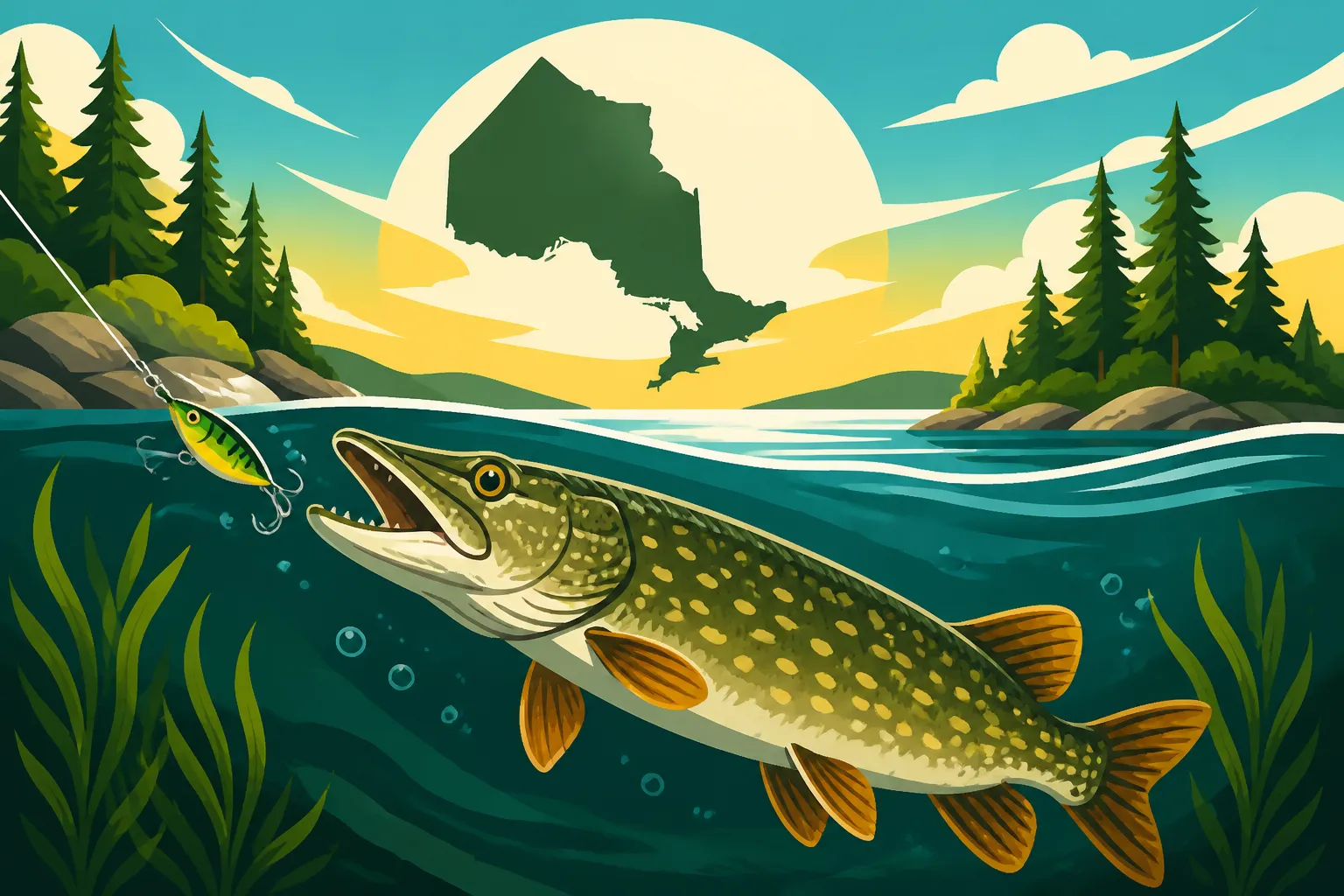
Northern Pike Waters in Ontario
It can be incredibly frustrating to hit the water, ready to tangle with a feisty northern pike, only to find yourself casting into unproductive spots for hours. We've all been there, wondering if the fish have simply vanished. But the truth is, pike are creatures of habit, and knowing where they like to hang out in Ontario's vast waterways is often half the battle. This comprehensive guide is dedicated to helping you unravel the mysteries of Northern Pike Fishing in Ontario, diving deep into the types of waters these aggressive predators call home, from the expansive Great Lakes to remote northern ponds.
Understanding Northern Pike Habitat Preferences
Northern pike (Esox lucius) are fascinating fish with a reputation for being voracious predators. To consistently find them, you need to think like one – understanding their preferred environments is paramount. They aren't just anywhere; they seek out specific conditions that offer them comfort, camouflage, and, most importantly, a steady supply of unsuspecting prey.
Shallow, Weed-Rich Bays and Backwaters
For much of the fishing season, especially in spring and early summer, pike are absolute kings of the shallow, weedy domains. Think about those expansive bays with dense cabbage beds, lily pad fields, and submerged grass. These areas provide incredible ambush points for a fish that loves to dart out and strike. The weeds offer them cover from both predators (when they're smaller) and, more importantly, from their prey.
Imagine a calm morning on a lake like Lake Scugog in the Kawarthas. The sun is just starting to warm the water, and you can see the tips of weeds breaking the surface. This is prime pike territory. They'll lurk just inside those weed lines, waiting for an unsuspecting panfish or minnow to swim by. The shallow water also tends to warm up faster in the spring, which draws in baitfish, creating a buffet for hungry pike post-spawn. Even in the heat of summer, large pike will often retreat to the densest parts of these weed beds, finding cooler, oxygenated pockets deep within the vegetation.
Drop-Offs and Transition Areas
While they love the weeds, pike aren't exclusively shallow-water dwellers. They are opportunistic, and as the seasons change, or even throughout the day, they'll often relate to structure that offers quick access to both shallow feeding grounds and deeper, cooler water. This is where drop-offs and transition areas become incredibly important.
Consider a sharp breakline where a shallow flat suddenly plummets into a deeper basin. Pike will patrol these edges, especially where weeds meet open water, or where rocky points extend into the lake. These areas act like highways for baitfish moving between different depths, and pike are there to intercept them. On a larger body of water, like Lake Huron's Georgian Bay, you might find pike relating to rocky shoals that drop off into significant depths. They can move up shallow to feed during low light conditions and then slide back down the face of the drop-off as the sun gets high, conserving energy in cooler water.
Cool, Oxygenated Water in Deeper Lakes
During the dog days of summer, when surface temperatures soar, even the most cold-tolerant fish will seek refuge. Larger, older pike, especially, will often move out of the super-heated shallows and into deeper parts of the lake where the water remains cooler and more oxygenated. This doesn't mean they go to the absolute deepest abyss, but rather to a depth range where they are comfortable.
In a deep, clear lake, such as some of the larger provincial park lakes in Algonquin or Temagami, you might find pike suspending over deeper structure or relating to sunken islands and points in 15-30 feet of water. These fish are still looking for food, but they're doing it in a more energy-efficient manner. You might find them cruising along thermoclines, which is the layer where warm surface water meets cooler, deeper water, as baitfish often congregate there. Understanding this seasonal movement is crucial for success, especially if you're trying to target larger, less accessible fish that shy away from the heavily fished shallow bays.
Prime Pike Waters Across Southern Ontario
Southern Ontario, often thought of for its bustling cities and agricultural landscapes, actually boasts an incredible network of lakes and rivers that hold healthy populations of northern pike. While not always home to the absolute giants of the north, these waters offer fantastic opportunities for anglers, often with easier access and a shorter drive for many residents.
Kawartha Lakes Region
The Kawartha Lakes region is a true gem for southern Ontario anglers, and pike thrive in its interconnected waterways. Lakes like Scugog, Sturgeon, Balsam, Chemong, and Rice Lake are classic pike factories. These lakes are relatively shallow, nutrient-rich, and characterized by extensive weed growth and numerous bays and inlets – exactly what pike love.
If you're looking for consistent action, the Kawarthas are hard to beat. I've spent countless days navigating the weed lines of Rice Lake, casting spinnerbaits and jerkbaits, and often hooking into several pike in an afternoon. Kawartha Lakes Fishing Guide offers even more specific insights into these waters. The sheer amount of suitable habitat means that while the average size might be smaller than in some northern giants, the numbers can be incredible. These lakes also have excellent public access, making them popular choices for a day trip or a weekend getaway. You can often find great deals on essential gear like weedless lures and robust landing nets on platforms like Amazon before your trip.
Lake Simcoe and its Tributaries
Lake Simcoe, a massive body of water just north of Toronto, is renowned for its diverse fishery, and northern pike are certainly part of the appeal. While many anglers focus on its famous jumbo perch and lake trout, Simcoe's extensive shallow bays, particularly around areas like Cook's Bay, offer excellent pike habitat.
The key to Simcoe is understanding its size and depth. The main basin is very deep, but the shallower, weedier bays and the mouths of tributaries like the Holland River are where pike concentrate. In the spring, after the ice recedes, pike will flood into these warmer, shallower areas to spawn and then feed aggressively. Even through summer, these bays will hold fish, particularly the deeper weed edges. During winter, when Ice Fishing in Ontario is in full swing, pike can be targeted through the ice in these same bays, often cruising just under the hard water looking for an easy meal. Remember, Simcoe is a big lake, so having good navigation and a fish finder can be a huge asset in pinpointing those productive zones.
Eastern Ontario's Rideau and St. Lawrence Systems
Moving east, Ontario offers another fantastic network of pike waters in the historic Rideau Canal system and the majestic St. Lawrence River. The Rideau Lakes system, with its mix of larger lakes and connecting channels, is classic pike country. Think of places like Big Rideau Lake, Upper Rideau Lake, and Newboro Lake.
These waters often feature rocky shorelines, plenty of submerged timber, and healthy weed growth in bays and backwaters. The current in the St. Lawrence River can be a factor, but pike find plenty of slack water, eddies, and weed beds along its length. The Thousand Islands region, in particular, is a renowned muskie fishery, but pike also thrive in the same rich, diverse habitat. These eastern waters can produce some truly impressive pike, especially those that have grown large in the bountiful St. Lawrence River. For anyone exploring these waters, a reliable fishing map, perhaps one purchased through Amazon, would be invaluable for identifying key structures and current breaks.
Exploring Northern Ontario's Trophy Pike Havens
When anglers dream of truly giant northern pike, their thoughts often turn northward. Northern Ontario is synonymous with wilderness, vast unspoiled lakes, and incredible fishing opportunities, including some of the best trophy pike waters on the continent. These remote locations often require more planning and travel, but the rewards can be truly unforgettable.
Lake of the Woods and Northwestern Giants
Northwestern Ontario is a legendary region for pike, and Lake of the Woods stands out as one of its crowning jewels. This colossal body of water, with its thousands of islands and intricate shoreline, is a pike angler's paradise. The sheer size and diversity of habitat mean it can support an incredible population of large, healthy pike.
Beyond Lake of the Woods, other massive lakes in this region like Rainy Lake and Lac Seul are also celebrated for their trophy pike potential. These lakes offer everything a pike could ever want: vast shallow bays choked with weeds, intricate rocky reefs and islands, clear cold water, and an abundant baitfish forage base. Landing a pike in the 40-inch class from one of these lakes is a very real possibility. While the fishing can be exceptional, navigating these large, complex waters requires caution and good local knowledge, or at least a well-mapped GPS system. Fishing guides are common here for a reason, helping anglers unlock the secrets of these massive waterbodies. Lake of the Woods Fishing Guide provides a fantastic starting point for planning a trip to this iconic destination.
French River and Georgian Bay's Influence
The French River, flowing from Lake Nipissing into Georgian Bay, is another exceptional pike fishery. This historic river system is a mosaic of rapids, eddies, deep channels, and expansive bays, all teeming with life. Pike here often grow to substantial sizes, benefiting from the rich ecosystem and the connection to the massive waters of Georgian Bay.
Georgian Bay itself, with its iconic 30,000 islands, boasts a rugged beauty and diverse underwater landscape that includes numerous areas perfect for pike. While perhaps more famous for its muskie and bass, the bay's countless shallow coves, rocky points, and weed-filled back bays are prime pike territory. The pike in these waters tend to be powerful, accustomed to the challenging environment. I've had some incredible battles with French River pike that felt like they were twice their actual size, thanks to the strong current. It's a fantastic place to explore by boat, but remember the extensive navigation challenges that come with such a vast and complex waterway. You might find sturdy boating accessories and navigational tools, such as waterproof cases for electronics, readily available on Amazon.
Remote Fly-In Lakes and Crown Land Opportunities
For the truly adventurous angler seeking solitude and untouched fisheries, Northern Ontario offers an abundance of remote fly-in lakes and vast tracts of Crown land. These pristine waters, often accessible only by float plane or long portage routes, represent the pinnacle of trophy pike fishing.
Many of these lakes are relatively small, clear, and hold untouched populations of pike that see very little fishing pressure. Because of this, the fish can be incredibly aggressive and grow to truly monumental sizes. Imagine a week-long trip to a secluded lake in the heart of the Canadian Shield, where every cast has the potential to connect with a genuine giant. It's not uncommon for these lakes to produce pike regularly exceeding 45 inches. Accessing these waters requires significant planning, including arranging float plane charters or detailed backcountry canoe trips. While challenging, the reward of fishing truly wild, productive waters is an experience unlike any other in Ontario. For those planning a multi-day backcountry trip, lightweight, durable fishing gear and outdoor essentials can often be found through retailers like Amazon.
Seasonal Considerations for Locating Pike
Pike are present in Ontario waters year-round, but their behaviour and location change significantly with the seasons. Understanding these shifts is key to consistent success, whether you're chasing them during the spring thaw or casting in the crisp air of autumn.
Spring: Post-Spawn Aggression and Shallow Feeds
Spring is an exhilarating time for pike fishing in Ontario. Shortly after ice-out, pike move into extremely shallow, often flooded, areas to spawn. This might be marshy backwaters, flooded creek mouths, or dense, shallow weed beds. Once spawning is complete, typically when water temperatures are still quite cool, they enter a period of aggressive feeding to regain energy.
During this post-spawn phase, pike are often found cruising the edges of those same shallow spawning grounds or moving into slightly deeper, but still shallow, bays where baitfish are abundant. They are hungry and less wary, making them excellent targets for casting large spoons, spinnerbaits, and shallow-diving crankbaits. The Best Techniques for Early Spring Pike often involve covering a lot of water in these shallow zones. A real-life scenario might involve pitching a brightly coloured spoon into a newly thawed bay on Lake Nipissing, working it slowly over submerged vegetation, and feeling that distinctive jarring strike as a hungry pike ambushes your lure.
Summer: Seeking Cooler Depths and Structure
As summer progresses and water temperatures rise, pike's behaviour shifts. While smaller pike might remain in the densest, shadiest parts of shallow weed beds, larger pike often move to cooler, deeper water. This is when understanding structure like drop-offs, humps, and submerged timber becomes critical.
In warmer lakes, pike will relate to the thermocline, often suspending near it, or hugging structures that extend into cooler water. Deep weed lines where a shallow flat meets a significant drop-off can be particularly productive. They might also be found around points or rocky shoals that offer access to deeper water while still providing ambush points. Trolling deep-diving crankbaits or presenting large jigs tipped with plastics can be effective tactics in summer. I recall one scorching July day on Lake Erie, finding good numbers of pike just off a deep weed edge in 18 feet of water, a spot I'd marked on my sonar weeks earlier.
Fall: Pre-Winter Feeding Frenzy and Baitfish Chases
Fall is arguably one of the best times of year to target trophy pike in Ontario. As water temperatures begin to cool, pike sense the approaching winter and engage in a vigorous feeding frenzy to pack on fat reserves. They become incredibly active and aggressive, often moving back into shallower waters, or at least shallower access points, to chase baitfish schools.
During the fall, pike will key in on areas where baitfish are congregating, whether it's along rocky shorelines, prominent points, or extensive weed flats that haven't died off yet. They'll actively pursue larger prey, so bigger baits are often the order of the day. Trolling large crankbaits or casting oversized jerkbaits and swimbaits can be incredibly effective. The cool, crisp air and often vibrant autumn colours make for a beautiful day on the water, and the prospect of hooking into a truly massive, pre-winter pike adds to the excitement. It’s during this time that you might see the biggest fish of the season.
Key Indicators of Productive Pike Water
Beyond just knowing which lakes hold pike, understanding the specific environmental cues that indicate a good pike spot on any given day can make all the difference. Pike are visually oriented predators, and they depend on certain conditions to effectively ambush their prey.
Visible Structure and Cover
Pike are ambush predators, pure and simple. This means they absolutely love structure and cover that allows them to hide and dart out to strike. When you're on the water, keep an eye out for anything that breaks up the monotony of open water.
This includes obvious features like dense weed beds (especially cabbage, lily pads, and milfoil), fallen trees (laydowns), rock piles, rocky points, and even old dock pilings. Submerged structure that isn't visible from the surface, like humps, sunken islands, or old foundations, are also pike magnets and can often be found using a good fish finder. When I'm scouting new water, I'm constantly looking for those transitions: where a weed line meets a sandy bottom, or where rocks give way to mud. These are often high-traffic areas for baitfish, and thus, for pike.
Presence of Baitfish
It might sound obvious, but where there's food, there are predators. The presence of baitfish is perhaps the single most important indicator of productive pike water. Pike will almost always be found in areas with an abundant food supply.
Look for schools of minnows flickering on the surface, or large congregations of baitfish arches on your sonar screen. If you're seeing schools of smelt, cisco, perch, or suckers, you can bet there are pike nearby. Sometimes, you'll even see pike actively busting through baitfish schools on the surface, especially during low light conditions in spring and fall. Pay attention to birds like terns or gulls diving; they often indicate baitfish activity below, which in turn can signal the presence of larger predatory fish like pike.
Water Clarity and Temperature
While pike are adaptable, water clarity and temperature play a significant role in their behaviour and where they choose to hunt. Pike can tolerate a range of clarities, but they typically prefer water that's not overly turbid, as they rely heavily on sight to hunt.
In clear water lakes, pike might hold deeper or use denser cover to remain camouflaged. In stained or slightly murky water, they might be more active in shallower, more open areas, as their prey has fewer places to hide. Water temperature dictates their metabolism and comfort. They prefer cooler waters, generally between 10-20°C (50-68°F), though they'll tolerate warmer temperatures for short periods to feed in spring and fall. Understanding the water temperature of different parts of a lake can help you predict where pike might be most active and comfortable on a given day, helping you decide whether to explore shallow bays or deeper drop-offs.
Tips for Accessing and Navigating Pike Waters
Ontario's vastness means there are countless ways to access pike waters, from well-maintained provincial park boat launches to remote wilderness canoe routes. Knowing your options and how to navigate safely and effectively is crucial for a successful trip.
Public Boat Launches and Shoreline Access
For many anglers, public boat launches offer the most straightforward way to get on the water. Ontario has numerous boat launches, both public and private, across its many lakes and rivers. Provincial parks like Grundy Lake Provincial Park or Killarney Provincial Park often have excellent launches, sometimes with associated fees. Many municipalities also maintain public launches.
Shoreline access, while more limited for pike (which often hold slightly offshore), is still an option, particularly in rivers or smaller lakes where prominent points or public docks allow casting opportunities. Conservation Areas sometimes offer limited bank access for fishing. Before heading out, it's always a good idea to research access points for your chosen lake. Online maps and local fishing forums can provide invaluable information on launch conditions, parking availability, and any associated costs. For specific information on locations, you can consult guides like Ontario Provincial Park Fishing Guide.
Using Sonar and Mapping for Underwater Structure
On larger, more complex bodies of water like Lake Nipissing or Georgian Bay, a good quality sonar unit (fish finder) and detailed mapping can be game-changers. Pike often relate to subtle underwater features that are impossible to spot from the surface.
Sonar allows you to "see" underwater, identifying depth contours, drop-offs, submerged weed beds, rock piles, and even individual fish and bait schools. Modern units, particularly those with side-imaging or down-imaging, can paint an incredibly detailed picture of the bottom. Paired with a GPS unit loaded with detailed lake maps, you can mark productive spots, navigate safely, and return to hotspots with precision. Investing in a good fish finder and learning how to interpret its display is one of the best investments an angler can make for How to Catch Northern Pike in Ontario, especially on larger waters. Many excellent models and mapping cards can be found on Amazon.
Kayak and Canoe Exploration
For those who prefer a quieter approach or want to access waters that are difficult for traditional boats, kayaks and canoes are fantastic options for pike fishing. They allow you to stealthily navigate shallow bays, sneak into tight channels, and explore remote areas inaccessible to larger vessels.
Many smaller lakes, or specific sections of larger lakes with horsepower restrictions, are perfect for paddle craft. A fishing kayak, specifically designed for stability and storage, can be rigged with rod holders, a small fish finder, and ample tackle. Canoes, especially those set up for solo fishing or with a small electric motor, are excellent for exploring winding rivers or portaging into backcountry lakes. Paddling through a quiet marshy bay, casting towards lily pads from your kayak, and feeling that explosive pike strike just feet from your craft is an incredible experience. For tips on equipment, you might check out Best Kayaks for Ontario Fishing.
| Pike Water Type | Key Characteristics | Best Seasons | Common Pike Size |
|---|---|---|---|
| Shallow, Weedy Bays | Dense vegetation, lily pads, submerged grasses | Spring, Summer | Small to Medium |
| Drop-Offs & Edges | Transitions from shallow to deep, structure | All Seasons | Medium to Large |
| Deep Basins (Summer) | Cool, oxygenated water, submerged humps/points | Summer | Large |
| River Systems | Current breaks, eddies, confluence zones, wood | All Seasons | Medium to Large |
| Remote Fly-in Lakes | Pristine, low pressure, abundant forage | All Seasons | Trophy |
Disclaimer
This article is for general informational purposes only and does not constitute professional advice. Laws, prices and regulations vary by location and change over time. Consult a qualified professional for guidance on your specific situation.