How big muskie get in Georgian Bay
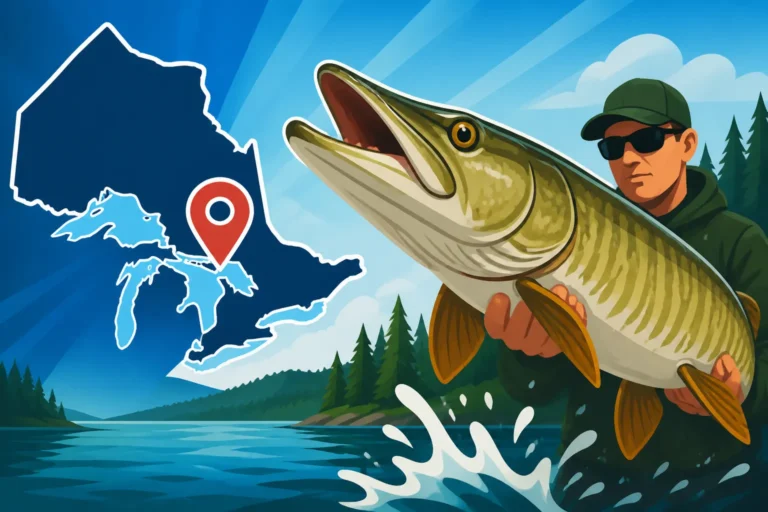
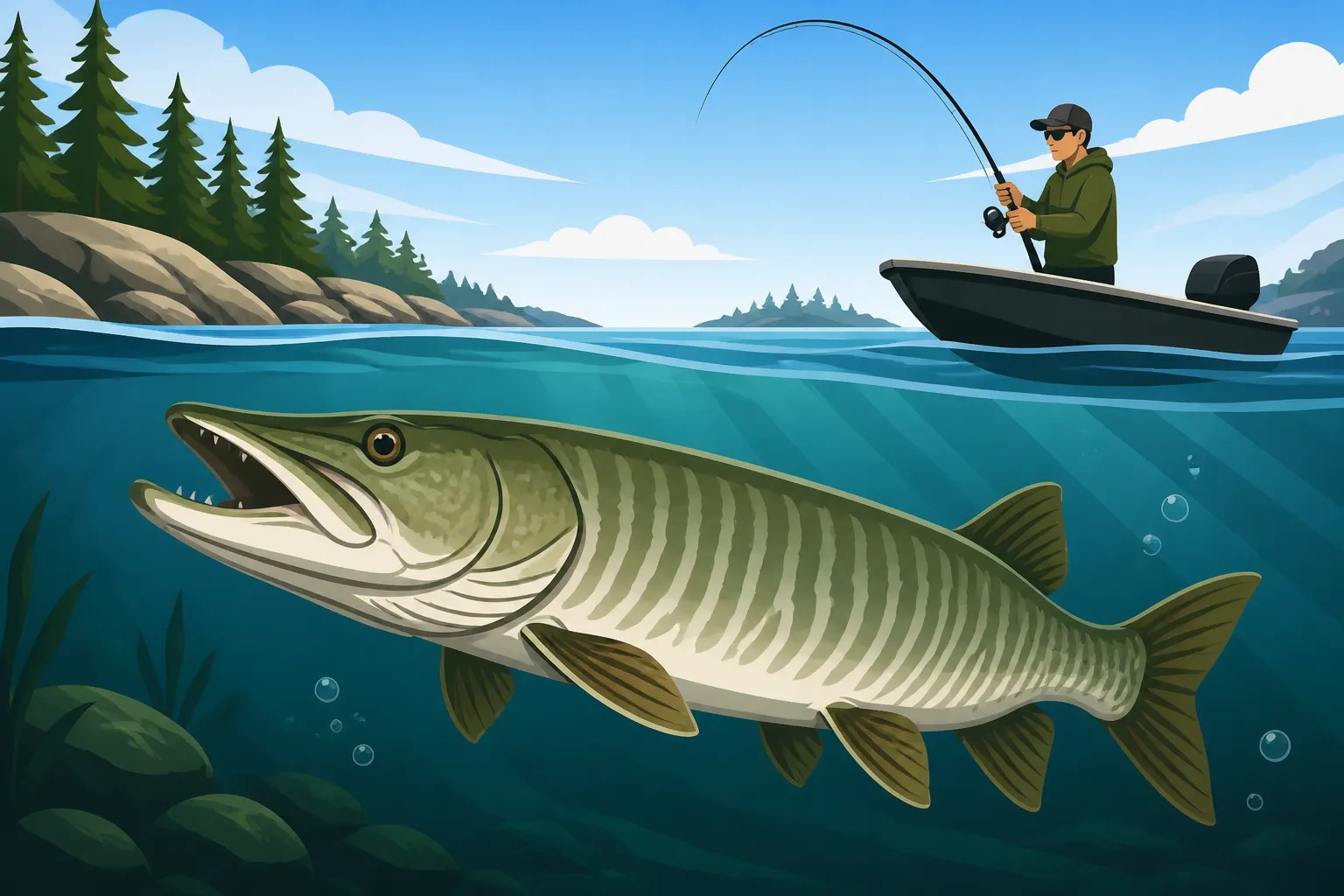
For any angler who’s cast a line in Ontario, the idea of hooking into a truly massive muskellunge is a dream that often feels just out of reach. But when you start talking about Georgian Bay, that dream feels a whole lot more tangible, doesn't it? Many of us wonder, with whispers of legendary fish circulating, just how big these magnificent predators truly get in those vast, clear waters. This guide dives deep into the incredible potential of Georgian Bay's muskie, exploring what makes them grow so large and what you can realistically expect to encounter.
The Legend of Georgian Bay Muskie Size
Georgian Bay isn't just a body of water; it's practically a mythical realm for muskie anglers. The sheer scale and wildness of it draw you in, and with that vastness comes the promise of truly enormous fish. It's a place where you truly believe the next cast could connect you with a lifetime catch.
Why Georgian Bay is a Muskie Haven
What is it about Georgian Bay that makes it so special for muskie? Well, for starters, it's enormous. We're talking about a freshwater sea, part of Lake Huron, with endless miles of shoreline, countless islands, and diverse underwater structures. This isn't your average cottage lake. This vastness provides an unparalleled habitat for muskies, giving them ample room to roam, grow, and evade angling pressure. When you combine this with the bay's rugged Canadian Shield landscape, featuring granite islands, deep rocky shoals, and expansive weed beds, you've got a perfect storm for muskie longevity and growth.
Georgian Bay's unique geography provides a smorgasbord of ecological niches. From the shallow, warmer bays that serve as nurseries to the deep, cold main lake basins where mature fish spend their summers, every stage of a muskie's life is supported. This incredible biodiversity, coupled with the relatively low human population density along much of its shoreline compared to more accessible southern Ontario lakes, means less pressure on the fishery overall. It’s an environment where a fish can truly thrive and reach its maximum potential without constant disturbance.
Compared to some other renowned muskie waters in Ontario, Georgian Bay offers a different kind of challenge and reward. While places like Lake St. Clair or the Kawartha Lakes might offer higher numbers of fish, Georgian Bay is often lauded for its quality – the sheer potential for a genuine giant. Anglers often comment on the intense power and incredible fight of a Georgian Bay muskie, a testament to their robust health and formidable size. It's truly one of the Best Muskie Waters in Ontario.
Understanding Muskie Growth Rates
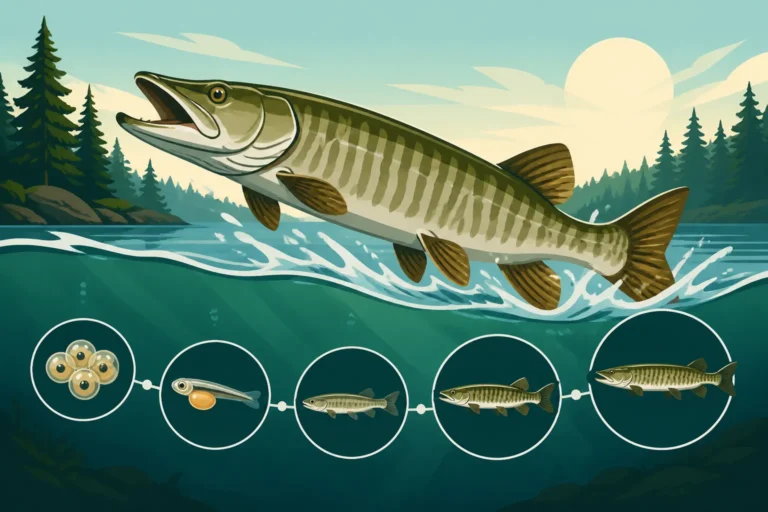
Muskies are not fast growers. This is crucial to understand when we talk about truly large fish. They are apex predators that take their sweet time to reach impressive dimensions, which is why catching a trophy muskie is such a monumental achievement. Their growth is a slow, steady marathon, not a sprint. A muskie might only add an inch or two in length per year once it reaches a certain size, meaning a 50-inch fish has seen many, many seasons.
Several factors influence a muskie's growth. Genetics play a role, of course, but so do environmental conditions. Water temperature, for example, impacts their metabolism and feeding patterns. Abundant forage is paramount – a muskie needs a reliable, rich food source to pack on the pounds and stretch those inches. Think about it: a fish that eats smaller, less nutritious prey won't grow as fast or as large as one with access to a bounty of high-protein meals. Furthermore, fishing pressure can indirectly affect growth; a heavily pressured fish might expend more energy evading hooks, potentially impacting its feeding time and overall health.
Because of this slow growth, muskies also boast an impressive lifespan. It's not uncommon for a large muskie to be well over 20 years old, sometimes even pushing 30. Imagine the stories that fish could tell! This longevity is a key ingredient in the recipe for giant muskies. The longer a fish lives, the more opportunities it has to grow, to bulk up, and to become that truly awe-inspiring specimen that anglers dream about. This is why conservation and careful catch-and-release practices are so vital for sustaining a trophy fishery like Georgian Bay. Understanding the Muskellunge Growth Rate to Trophy Size helps put the whole endeavor into perspective.
Actual Size Expectations and Record Potential
So, with all this talk of huge fish, what are we actually looking at? What's the realistic expectation for someone heading out onto Georgian Bay with muskie on the mind? While the tales are grand, it's good to ground ourselves in what's genuinely achievable and what sets the true giants apart.
Common vs. Trophy Sizes in Georgian Bay
When you're out muskie fishing on Georgian Bay, you'll certainly encounter a range of sizes. Many anglers will consistently catch fish in the 30 to 45-inch range, which are fantastic, healthy muskies and a thrill to catch on any tackle. These are strong, aggressive fish that provide incredible sport. However, the true allure of Georgian Bay lies in its potential for something much larger.
What truly defines a "trophy" muskie in Georgian Bay is often debated, but most seasoned anglers would agree that a fish pushing or exceeding the 50-inch mark is definitely in that category. Many consider a 50-inch muskie to be the benchmark for a truly exceptional catch. Fish in the mid-50s are rare, magnificent beasts, and anything beyond that is a true leviathan, putting you into a very exclusive club of muskie anglers. To put it in perspective, a 50-inch muskie can weigh anywhere from the high 20s to over 40 pounds, depending on its girth and condition.
The realistic chances of catching one of these giants depend heavily on your dedication, skill, and a healthy dose of luck. You might spend several days, or even weeks, on the water and catch several 30-40 inch fish, but that 50-plus incher often takes monumental effort and persistence. It truly is the "fish of 10,000 casts," a phrase you'll hear endlessly repeated among muskie enthusiasts. But the beauty of Georgian Bay is that the potential for that 10,000th cast to pay off with a truly massive fish is ever-present.
Provincial Records and Georgian Bay's Contribution
While I can't provide specific, current provincial record weights or lengths (as these figures change and I don't have live data), it's no secret that Ontario produces some world-class muskies. Georgian Bay has historically been, and continues to be, a significant contributor to the lore of giant muskie. While a specific provincial record may not have been caught directly from Georgian Bay in recent memory, the bay consistently yields fish that are at or near those record-class dimensions.
Anglers targeting Georgian Bay often do so with the hope of not just catching a muskie, but catching one that could genuinely challenge the existing records. The genetics are there, the forage is there, and the habitat is certainly there to support such incredible growth. Imagine battling a muskie that stretched out to the mid-50s or even touching 60 inches – a fish that is perhaps 25-30 years old, a true relic of the deep. That's the kind of fish that puts Georgian Bay on the map for serious muskie hunters globally.
The pursuit of these giants requires a level of dedication that borders on obsession. It's not just about showing up; it's about understanding the fish, the bait, the seasons, and the vastness of the bay itself. Every cast is an act of hope, and every follow-up or strike is an adrenaline rush. The knowledge that a genuine record-class fish could be lurking in the next deep weed edge or along the next rocky shoal is what drives many anglers to return to Georgian Bay year after year, enduring long hours and often challenging conditions for that one elusive encounter. You can learn more about the broader records in Ontario Provincial Fish Records by Species.
Factors Contributing to Georgian Bay's Giant Muskies
It's not just folklore; there are tangible reasons why Georgian Bay has such a strong reputation for producing giant muskies. It’s a combination of ideal environmental conditions and a robust food chain that allows these fish to reach truly epic proportions.
Abundant Forage Base
Think of a muskie as a finely tuned eating machine. To grow big, it needs to eat a lot, and it needs to eat nutritious prey. Georgian Bay delivers on this front in spades. The bay boasts an incredibly diverse and abundant forage base, providing muskies with a constant buffet of high-protein meals. This includes a healthy population of cisco (also known as lake herring), whitefish, suckers, and various perch species. These are all fatty, energy-rich fish that provide the necessary fuel for muskie growth.
Beyond these traditional muskie meals, Georgian Bay also has a connection to the deeper, colder waters of Lake Huron, which can introduce other prey species. While not their primary diet, the presence of smaller salmon and trout species, particularly near the main lake connections, can also provide additional, opportunistic feeding options for truly massive muskies. This rich variety means muskies aren't limited to a single food source, making them highly adaptable and ensuring they always have something substantial to hunt.
A robust food chain, from microscopic plankton to schooling baitfish, forms the foundation of this healthy ecosystem. When the base of the food chain is strong, it supports a thriving population of game fish, including the top predators like muskie. This abundance means muskies don't have to expend excessive energy searching for food, allowing them to conserve energy for growth and reproduction, ultimately leading to bigger, healthier individuals. This plentiful larder is a critical reason why Georgian Bay has such a stellar reputation for producing trophy fish.
Unique Habitat and Water Quality
Georgian Bay's physical characteristics are as diverse as they are stunning, creating a mosaic of ideal muskie habitats. The water itself is typically clear and often quite cold, especially in the deeper sections. This clear water allows muskies to use their incredible eyesight to ambush prey, and the cooler temperatures can contribute to slower, steadier growth and longer lifespans compared to warmer, more eutrophic (nutrient-rich) lakes.
The bottom structure is incredibly varied, ranging from massive granite shoals and sheer rock faces to extensive sandy flats and sprawling weed beds. This complex environment offers muskies everything they need: ample ambush points from which to strike unsuspecting prey, deep-water refuges to escape summer heat or fishing pressure, and shallow weed-filled bays for spawning and early life stages. When we talk about Muskellunge Habits in Georgian Bay, it's clear their survival and growth are intrinsically linked to this diverse environment.
The water quality in Georgian Bay is generally excellent, which is paramount for the health and vitality of all fish species, especially sensitive predators like muskies. Clean, well-oxygenated water helps prevent disease and stress, allowing fish to grow larger and live longer. This combination of deep, cold, clear water, rugged structure, and abundant healthy prey makes Georgian Bay a near-perfect natural laboratory for cultivating true giant muskellunge. The sheer scale of the bay means that even with dedicated angling, there are always vast, untouched areas where these secretive giants can live out their long lives, growing to truly impressive sizes.
Strategies for Targeting Giant Georgian Bay Muskies
Now that we understand why Georgian Bay muskies get so big, let's talk about how to actually go about catching one of these magnificent beasts. It's a game of patience, preparation, and knowing when and where to present the right offering.
Gear and Techniques for Big Fish
Targeting Georgian Bay's giant muskies is not for the faint of heart, nor for light tackle. These fish are powerful, and they demand robust gear to stand a chance. You'll want heavy-duty baitcasting rods, typically 8 to 9 feet long, with a heavy or extra-heavy power rating. These rods are designed to cast massive lures and handle the immense strain of fighting a powerful muskie. Pair that with a high-quality baitcasting reel, one with a strong drag system and a fast retrieve ratio to take up line quickly. Look for reels known for their durability and power.
Your line choice is equally critical. Most serious muskie anglers opt for braided line, often in the 80 to 100-pound test range. Braided line offers incredible strength, minimal stretch for solid hooksets, and excellent sensitivity. Always, always use a heavy-duty leader, either fluorocarbon (100-150 lb test) or wire, to prevent bite-offs from those razor-sharp teeth. You can find a great selection of these specialized muskie rods, reels, and lines on platforms like Amazon, which makes it convenient to compare options and read reviews from other dedicated anglers.
When it comes to lures, think big. Georgian Bay muskies eat big bait, so you need to throw big lures to imitate their natural prey. Large bucktails, often with double blades, are a staple. Glide baits and soft plastic swimbaits, some exceeding 10-12 inches, are also incredibly effective. Deep-diving crankbaits are essential for trolling or casting over deeper structure. Remember to sharpen your hooks, check your knots, and ensure all your terminal tackle (snaps, split rings) are heavy-duty to withstand the incredible power of a hooked muskie. Dedicating time to learning How to Catch Muskie in Ontario and specifically Best Muskie Gear for Ontario Waters will make a huge difference.
Best Times and Locations
Timing is everything in muskie fishing, especially for the giants of Georgian Bay. While muskies can be caught throughout the open water season, many anglers find the late summer and fall to be prime time for trophy fish. As water temperatures begin to cool in September and October, muskies become more active, feeding aggressively to build up fat reserves for the winter. This "fall bite" is legendary, with muskies often moving shallower or holding tight to structure where they can ambush schools of baitfish. Best Techniques for Fall Muskie Fishing often involve slower presentations and larger baits.
Location, of course, is paramount in a body of water as immense as Georgian Bay. Muskies are structure-oriented fish, and Georgian Bay offers an endless supply of it. Focus your efforts on large rocky shoals, underwater points, deep weed lines, transition zones where hard bottom meets soft bottom, and the mouths of larger bays that funnel baitfish. Areas with significant current, such as around islands or narrows, can also be hotspots as they concentrate bait. Using detailed charts and a good fish finder is invaluable for identifying these prime locations.
Persistence cannot be overstated. You might fish for hours, even days, without a strike. But every cast counts, and every area you cover is a step closer to finding that fish. Trolling large areas can be an effective way to cover water and locate active fish, while casting allows for more precise presentations around specific structures. Regardless of your chosen technique, remember that the biggest muskies are often the most elusive, demanding dedication and a thorough understanding of their habits and habitats. Utilizing online resources to research and purchase the Best Lures for Muskie Fishing in Ontario can also give you an edge before you even hit the water.
| Muskie Size Category | Typical Length (Inches) | Estimated Weight (Pounds) | Notes |
|---|---|---|---|
| Average | 30-45 | 10-25 | Common catches, strong fighters, great sport. |
| Trophy | 48-54 | 28-45 | Highly sought after, significant achievement. |
| Giant/Legendary | 55+ | 45+ | Rare, often decades old, true fish of a lifetime. |
| Provincial Record Potential | 58+ | 50+ | Extremely rare, requires perfect conditions and incredible luck. |
Disclaimer
This article is for general informational purposes only and does not constitute professional advice. Laws, prices and regulations vary by location and change over time. Consult a qualified professional for guidance on your specific situation.