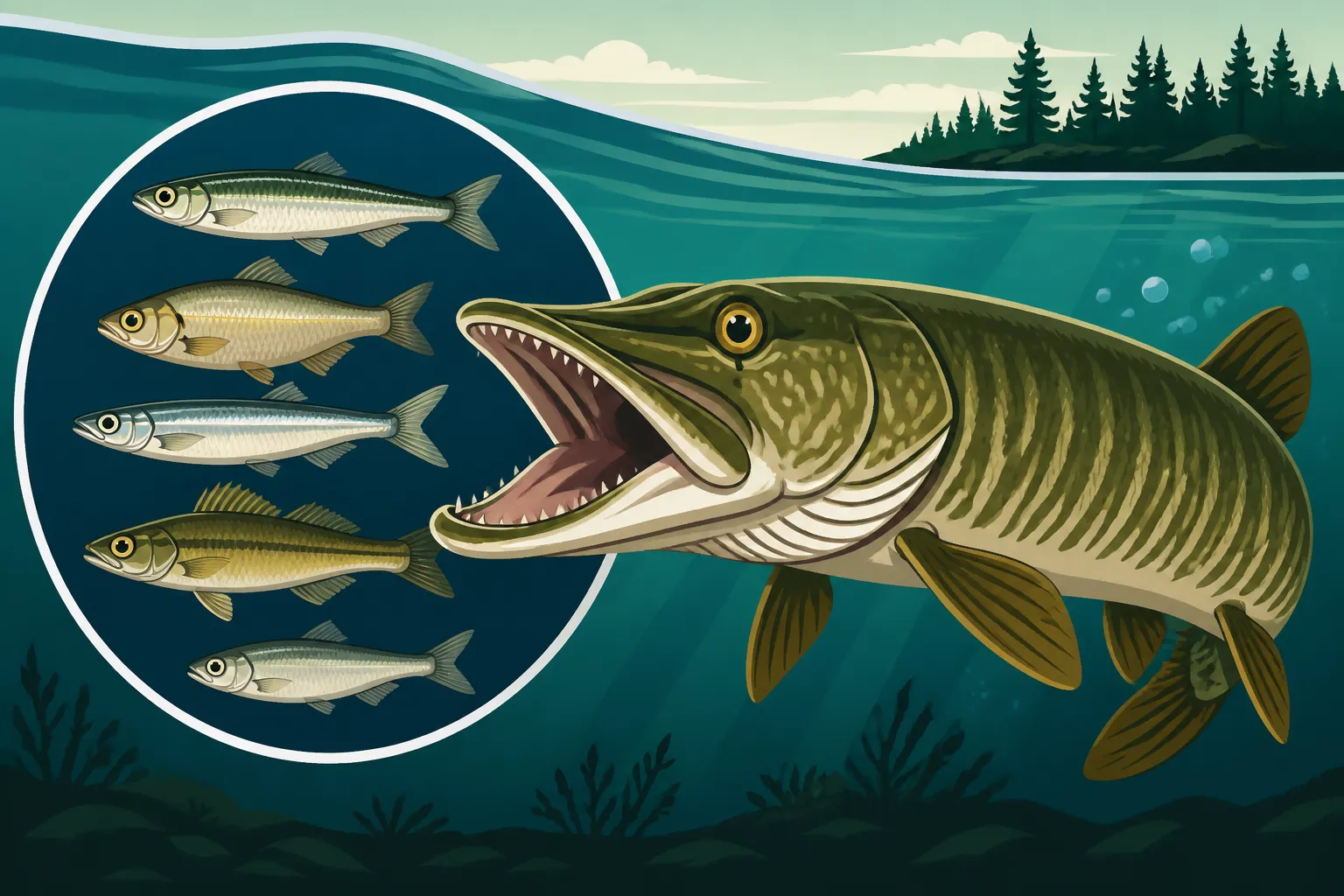
What baitfish Ontario muskie key on
It can be incredibly frustrating to spend hours on the water, casting your heart out for that elusive muskie, only to come up empty-handed. Many anglers struggle with the age-old question: what are these toothy critters actually eating? Understanding the primary baitfish that Ontario muskie key on is absolutely essential for any angler hoping to fool one of these apex predators. This guide will dive deep into their preferred menu, helping you present lures that truly mimic their natural forage.
Understanding the Muskie's Predatory Nature
Muskellunge are true apex predators in the freshwater ecosystems of Ontario. They are built for ambush, with long, streamlined bodies, powerful tails, and mouths full of razor-sharp teeth. Their hunting strategy is primarily visual, relying on sudden bursts of speed to overtake unsuspecting prey. This means that whatever they're eating, it's typically something that moves, flashes, or mimics a distressed forage fish. They're not generally bottom feeders or scavengers; they want a meal they can chase down.
The Energy Equation: Why Muskie Choose Specific Prey
For a fish that expends a tremendous amount of energy in a strike, a muskie needs to be efficient. They aren't going to chase down tiny minnows all day long. Their diet is driven by an energy equation: the reward (caloric intake) must outweigh the energy cost of the hunt. This means they often target larger baitfish species, or schools of abundant, easily accessible smaller fish. A muskie might spend hours, even days, conserving energy, waiting for the perfect opportunity to strike a substantial meal. This is a big part of why they're often called "the fish of 10,000 casts"—they're waiting for the right meal, not just any meal.
Adaptability and Opportunism in Feeding
While muskie definitely have their preferred forage, they are also incredibly opportunistic. Their diet isn't rigidly fixed; it adapts based on what's available in their specific environment and at any given time of year. If a lake is teeming with ciscoes, then ciscoes will be high on their menu. If another body of water primarily holds suckers, those will be a key food source. This adaptability is crucial to their survival and means that as anglers, we need to pay attention to the specific water we're fishing. Knowing the local baitfish population can give you a significant advantage in choosing the right lures and presentations.
Key Baitfish Species in Ontario Muskie Waters
Ontario is blessed with an incredible diversity of baitfish, and muskie have learned to capitalize on many of them. The type of forage available can vary significantly from one lake system to another, or even within different sections of the same large body of water. Understanding these local preferences is key to your success. When you're fishing in a renowned muskie fishery, like say Georgian Bay Muskie Fishing or Lake St Clair Muskie Fishing, identifying the dominant baitfish is your first step.
Ciscoes (Lake Herring)
Ciscoes, often called lake herring, are perhaps one of the most important forage species for trophy muskie in many large, clear, and deep Ontario lakes. These open-water schooling fish are rich in fat and protein, providing a substantial meal for a muskie. Ciscoes tend to suspend in the water column, often found over deep water or near sharp breaks and points. They have a silvery, elongated body shape, which makes them highly visible targets in clear water.
Muskie that key on ciscoes will often be found patrolling these open water basins, along main lake points, or over offshore humps. They're looking for those schools of fish to ambush. Anglers targeting cisco-eating muskie often use large, hard-bodied jerkbaits, deep-diving crankbaits, or oversized glide baits that mimic the shimmering, cylindrical profile of a cisco. Think about lures that have a good flash and a subtle wobble to imitate a cisco cruising through open water.
Suckers (White Sucker, Longnose Sucker)
Suckers, particularly white suckers, are a widespread and highly important food source for muskie across many Ontario systems, especially in river systems and shallower, more fertile lakes. These bottom-dwelling fish can grow quite large, offering a very high-calorie meal for a muskie. They tend to have a cylindrical body, a down-turned mouth, and often a mottled brown or olive coloration that helps them blend in with the bottom.
Muskie will often lay in wait for suckers near current breaks, weed lines, rock piles, or transition areas where suckers might be feeding on insect larvae or other bottom organisms. The slow, deliberate movements of a sucker make them relatively easy prey for a muskie looking for an easy meal. When mimicking suckers, anglers typically reach for large rubber baits like Bull Dawgs, soft plastic swimbaits, or even traditional muskie bucktails with dark colours or sucker patterns. Slow rolls and bottom bumping presentations can be deadly when trying to imitate these bottom dwellers.
Perch (Yellow Perch)
Yellow perch are ubiquitous in Ontario waters and are a staple in the diet of many predatory fish, including muskie. While generally smaller than ciscoes or suckers, their sheer abundance in many lakes and their distinctive striped pattern make them an irresistible target. Perch often school up, especially in and around weed beds, rocky shoals, and structural elements. Their bright colours and schooling behaviour make them a common target. You can learn more about Yellow Perch in Lake Erie and Lake Simcoe.
Muskie will exploit perch populations, particularly in areas where perch congregate. This is especially true during specific seasons, such as late summer or early fall when perch form larger schools. Lures that mimic perch are incredibly popular and effective. Think about crankbaits, jerkbaits, and swimbaits in perch colours – green, yellow, orange, and black bars. Using baits that have a tight wobble or a darting action can imitate a fleeing perch, triggering a muskie's predatory instincts. Many anglers will find a wide variety of these perch-patterned lures available on platforms like Amazon.
Other Important Forage Fish
While ciscoes, suckers, and perch are generally the big three, muskie diets are diverse. Depending on the specific body of water, other baitfish can play a crucial role.
- Minnows (Various Species): In systems with a high abundance of smaller minnow species, particularly shiners, muskie will certainly consume them. While not a primary food source for trophy fish, younger muskie or those in systems without larger forage will key on these. Smaller bucktails, inline spinners, or smaller jerkbaits are good imitators.
- Panfish (Crappie, Bluegill): In lakes with healthy populations of panfish like crappie or bluegill, muskie will readily feed on them. These fish offer a rounder, deeper-bodied profile. Lures that imitate this profile, such as glide baits or shorter, deeper-bodied crankbaits in dark colours or panfish patterns, can be effective.
- Smallmouth Bass: Believe it or not, muskie are not above eating other game fish, especially juvenile Smallmouth Bass Fishing in Ontario. In waters where muskie and smallmouth co-exist, such as certain parts of the Trent-Severn Waterway or Georgian Bay, muskie will target smaller bass. Lures in bass colours (green pumpkin, brown, some flash) or with a more aggressive, erratic action can mimic a distressed smallmouth.
| Baitfish Species | Typical Habitat | Body Profile | Lure Imitations |
|---|---|---|---|
| Cisco (Lake Herring) | Open water, deep basins, over breaks | Elongated, silvery, cylindrical | Large jerkbaits, deep-diving crankbaits, glide baits |
| Sucker (White Sucker) | Bottom-dwelling, current breaks, weed edges | Cylindrical, often mottled brown/olive | Large soft plastic swimbaits, rubber baits (Bull Dawgs), dark bucktails |
| Yellow Perch | Weed beds, rocky shoals, schooling | Deep-bodied, distinct bars, green/yellow/orange | Perch-patterned crankbaits, jerkbaits, swimbaits, bucktails |
| Panfish (Crappie, Bluegill) | Weedy cover, docks, submerged structure | Deep-bodied, rounder, varied colours | Glide baits, short deep-bodied crankbaits, soft plastic paddle tails |
| Minnows (Shiners, etc.) | Shallow water, schooling | Small, silvery, slender | Inline spinners, smaller bucktails, small jerkbaits |
Matching the Hatch: Imitating Muskie Forage
Once you know what muskie are likely feeding on in your chosen water, the next step is to select lures that effectively "match the hatch." This isn't just about colour, but also size, profile, and action. A muskie's eyes are keen, and they often assess their prey before committing to a strike.
Lure Type and Profile
The shape and general silhouette of your lure are paramount. If muskie are feeding on ciscoes, you want a lure that is long and slender, not short and stubby. Conversely, if perch or panfish are the primary forage, a wider, deeper-bodied lure will be more effective.
- Cisco/Sucker Imitations: For these larger, cylindrical baitfish, focus on big jerkbaits, glide baits, and soft plastic swimbaits. Brands offer models specifically designed to mimic these profiles. For example, a 10-14 inch soft plastic swimbait can be incredibly effective when slowly retrieved over deep water or along a break.
- Perch/Panfish Imitations: Crankbaits with a deeper profile, especially those with a subtle wobble, work well. Glide baits that have a wider side-to-side sash can also represent a perch or small panfish. The key is to match the shorter, deeper body shape.
- Minnow Imitations: Bucktails, inline spinners, and smaller jerkbaits fit the bill here. While typically not for the absolute biggest muskie, these can be great for getting bites when muskie are focused on smaller, faster-moving prey.
Colour Patterns
Colour is more than just aesthetics; it's about mimicking the natural appearance of the baitfish and how it looks under water conditions.
- Natural Patterns: For clear water conditions, natural baitfish patterns like "cisco," "sucker," or "perch" finishes are excellent. These often incorporate realistic scaling, fins, and subtle colour variations found on live fish. Look for lures that have a good amount of flash or iridescence, especially if you're trying to mimic a silvery cisco.
- Contrast Colours: In stained or murky water, muskie often rely more on the silhouette and vibration of a lure. While natural patterns can still work, high-contrast colours like black/orange, black/chartreuse, or even solid black can be incredibly effective. These colours provide a strong silhouette against the lighter sky or water surface, making them easier for a muskie to see.
- Flash: Many baitfish have reflective scales. Lures with metallic finishes (silver, gold) or integrated flashabou in bucktails can simulate this incredibly well, especially on bright, sunny days or in clear water.
Action and Presentation
Even with the perfect lure, the presentation is crucial. A muskie's strike is often triggered by the perception of an easy or vulnerable meal.
- Erratic Action: Many baitfish, when being pursued or injured, will dart erratically. Jerkbaits are designed for this, mimicking a struggling fish with sharp pulls and pauses. Glide baits also offer an exaggerated side-to-side "glide" that can look like a disoriented baitfish.
- Steady Retrieve: Sometimes, a consistent, steady retrieve of a bucktail or swimbait is all it takes, imitating a confidently swimming baitfish. The consistent vibration and flash can be a major draw.
- Pauses: Don't underestimate the power of a pause. A lure that stops and hangs, or slowly sinks, can often be the moment a muskie decides to strike, especially if it appears to be a vulnerable, injured baitfish. This is particularly effective with glide baits and certain soft plastics. When hunting for lures online, you'll find a vast array of options on Amazon, allowing you to experiment with different actions.
For those looking to deepen their understanding of muskie lures and techniques, consider exploring articles like Best Lures for Muskie Fishing in Ontario or How to Catch Muskie in Ontario.
Seasonal and Environmental Influences on Muskie Diet
A muskie's diet isn't static; it shifts throughout the year based on water temperature, available forage, and their own metabolic needs. Understanding these shifts can dramatically improve your chances of success. It's not just about what baitfish are present, but what baitfish are active and vulnerable at a given time.
Spring: Post-Spawn Recovery and Shallow Forage
After the grueling spawning period, muskie are in recovery mode. They're often shallow, seeking warmer waters and readily available, easy meals. In spring, many baitfish, including suckers and various minnow species, will be shallow for their own spawning rituals or to feed on new insect hatches.
- Focus: Look for muskie near shallow bays, new weed growth, and river mouths where baitfish are congregating.
- Baitfish Keyed On: Smaller suckers, shiners, and early-season perch.
- Lure Strategy: Medium-sized jerkbaits, shallow-running crankbaits, and even spinnerbaits can be effective. Think about covering water and presenting a lure that represents an easy, accessible meal. The muskie are looking to regain energy, so an easy target is often preferred.
Summer: Deeper Forage and Open Water Ambush
As water temperatures rise, muskie often move to deeper, cooler water, but they will still make forays into shallower areas, especially during low light. In many larger lakes, ciscoes and other pelagic baitfish become a more significant part of their diet as they suspend in deeper water.
- Focus: Main lake points, offshore humps, deep weed edges, and open water basins where ciscoes suspend.
- Baitfish Keyed On: Ciscoes, larger perch, and suckers that have moved to cooler depths.
- Lure Strategy: Large bucktails, deep-diving crankbaits, big soft plastic swimbaits, and glide baits are excellent choices. Trolling can also be highly effective for covering vast expanses of open water where muskie are chasing suspended bait. Understanding Best Time of Year to Fish in Ontario can help you time your summer trips.
Fall: The "Bulking Up" Period and Seasonal Movements
Fall is arguably the most famous time for muskie fishing, and for good reason. As water temperatures cool, muskie enter a "bulking up" phase, feeding aggressively to build fat reserves for winter. Many baitfish, particularly ciscoes and suckers, also undergo seasonal movements or spawning runs, making them highly concentrated and vulnerable. This is when muskie are often found relating to structure near deep water, ambushing schools of bait.
- Focus: Major points, rock reefs, main lake basins, and river channels.
- Baitfish Keyed On: Large ciscoes, large suckers, and concentrated schools of perch.
- Lure Strategy: This is the time for truly large baits. Oversized jerkbaits, huge soft plastic swimbaits, and big bucktails are standard. Muskie are actively seeking large meals, so don't be afraid to go big. Articles like Best Techniques for Fall Muskie Fishing offer even more specific advice for this prime season.
How to Determine Local Baitfish
Figuring out what the local muskie are feeding on isn't always straightforward, but there are several ways to get clues. This detective work is part of the fun and challenge of muskie fishing.
Talk to Locals and Guides
The most direct way to get intel is to talk to people who spend a lot of time on the water. Local bait shops, fishing guides, and experienced anglers can provide invaluable insights into the dominant forage species in a particular lake or river. They often know the seasonal patterns and "go-to" baitfish imitators for their waters. They’ve seen what fish cough up boatside, or what’s in the bellies of cleaned fish (if legal to keep, of course).
Observe the Water and Scan with Sonar
Look for signs of baitfish activity. Are there schools of minnows flickering in the shallows? Are birds diving in open water, indicating schools of bait being pushed up from below? On your boat, use your sonar. Learn to identify schools of baitfish. A good fish finder can show you not only baitfish schools but also larger arcs (muskie) relating to them. Pay attention to the depth at which the bait is holding and try to replicate that with your lure presentation.
Examine Stomach Contents (When Legal and Ethical)
If you legally harvest a muskie, examining its stomach contents can provide definitive proof of its diet. This is the ultimate "match the hatch" information. However, given the strong emphasis on catch-and-release in muskie fishing, this is a rare opportunity, and should only be done if permitted and when a fish is already being kept for consumption. The goal for most muskie anglers is to release them unharmed.
Match Your Lures to Common Regional Forage
Even without specific intel, you can make educated guesses. Research the common baitfish species in the region you plan to fish. For example, if you're targeting waters like Lake Nipissing Walleye Fishing, you might expect perch and perhaps some ciscoes to be present as forage. Having a selection of lures that mimic these common regional forage fish is a smart strategy. Carry a variety of colours and profiles to cover your bases. You might even find some unique regional patterns available through online retailers like Amazon.
Disclaimer
This article is for general informational purposes only and does not constitute professional advice. Laws, prices and regulations vary by location and change over time. Consult a qualified professional for guidance on your specific situation.