Best Waders for Ontario Trout Streams
Oh, the sheer joy of standing in an Ontario trout stream, casting a fly or drifting a worm, feeling the cool current against your legs. But that joy can quickly turn into misery if you're wet, cold, and uncomfortable. Many anglers, especially those new to the challenging yet rewarding world of trout fishing, underestimate the vital role that a good pair of waders plays in both their comfort and their success. This guide is dedicated to helping you navigate the vast sea of options and choose the absolute best waders for your Ontario trout stream adventures, ensuring you stay dry, comfortable, and ready for that next big catch.
Why Waders are Non-Negotiable for Ontario Trout Anglers
Let's be real: trying to fish Ontario's trout streams without proper waders is like trying to bake a cake without flour – it just doesn't work out. You might think you can get by with waterproof pants or just tough it out, but the reality of our streams, with their often icy cold temperatures, varying depths, and often slippery, rocky bottoms, demands more. Waders aren't just a piece of gear; they're an essential part of the experience, directly impacting your comfort, safety, and ultimately, your ability to fish effectively.
Beyond Keeping Dry: Comfort and Stealth
Sure, the primary job of waders is to keep you dry, and that alone is a game-changer on a chilly spring morning or a late fall afternoon. Nobody wants to feel that bone-chilling cold seep into their legs, leading to shivers and a desperate desire to get off the water. But it's about so much more than just staying dry. Good waders provide insulation, especially if you're layering appropriately underneath, keeping your body temperature regulated even in cold water. This comfort allows you to focus on your casting, your drift, and reading the water, rather than on your numb toes.
Beyond comfort, waders offer a significant advantage in stealth. Being able to wade into the stream allows you to position yourself in ways that bank anglers simply can't. You can approach prime fishing lies from downstream, minimizing your profile and the disturbance you create. Trout, especially wild ones in clear Ontario streams, are incredibly wary. Every ripple, every shadow, every vibration can send them scattering. With waders, you can often get closer to those elusive pockets and runs without spooking the fish, increasing your chances of a successful hook-up. Imagine being able to quietly slip into the perfect casting position near a submerged log or a cut bank, precisely where those wary brook trout are holding. That's the stealth advantage waders provide.
Navigating Ontario's Diverse Trout Habitats
Ontario is blessed with an incredible diversity of trout streams, from small, brush-choked creeks on Crown land to wider, faster-flowing rivers like the Grand or the Credit. Each type of water presents its own challenges, and waders are indispensable for navigating them all. In smaller streams, you might find yourself pushing through dense alders and willows, wading over submerged branches, and stepping into surprisingly deep pools. Durable waders with good abrasion resistance are a godsend here, protecting your legs from scrapes and tears.
On larger rivers, you might encounter strong currents, slippery bedrock, and large, unstable rocks. The stability and confidence that good wader boots (whether integrated or separate) provide can't be overstated. Imagine trying to cross a swift section of the Grand River, known for its excellent brown trout fishing, in flimsy footwear. It's a recipe for disaster. Waders allow you to explore more of the stream, accessing those hidden pockets and runs that are out of reach from the bank. They expand your fishing opportunities tenfold, turning inaccessible stretches into prime real estate. Furthermore, with the varying depths of these streams, from ankle-deep riffles to waist-deep pools, chest waders ensure you're covered no matter what the stream throws at you. You might start in shallow water, but one step into an unexpected drop-off or a deep channel will quickly remind you why chest waders are often the preferred choice for unpredictable trout streams.
Understanding Wader Types: Finding Your Perfect Match
Alright, so you're convinced you need waders. Fantastic! But now you're standing in front of the wall at your local Bass Pro Shops, or scrolling through pages on Amazon, and you realize there's a bewildering array of choices. It's not as simple as just "waders." There are different styles and materials, each suited for different conditions and preferences. Understanding these fundamental differences is key to making an informed decision that will serve you well on Ontario's trout streams.
Chest Waders vs. Waist Waders: Pros and Cons
The most immediate choice you'll face is between chest waders and waist waders. This really boils down to how deep you anticipate wading and your personal comfort level.
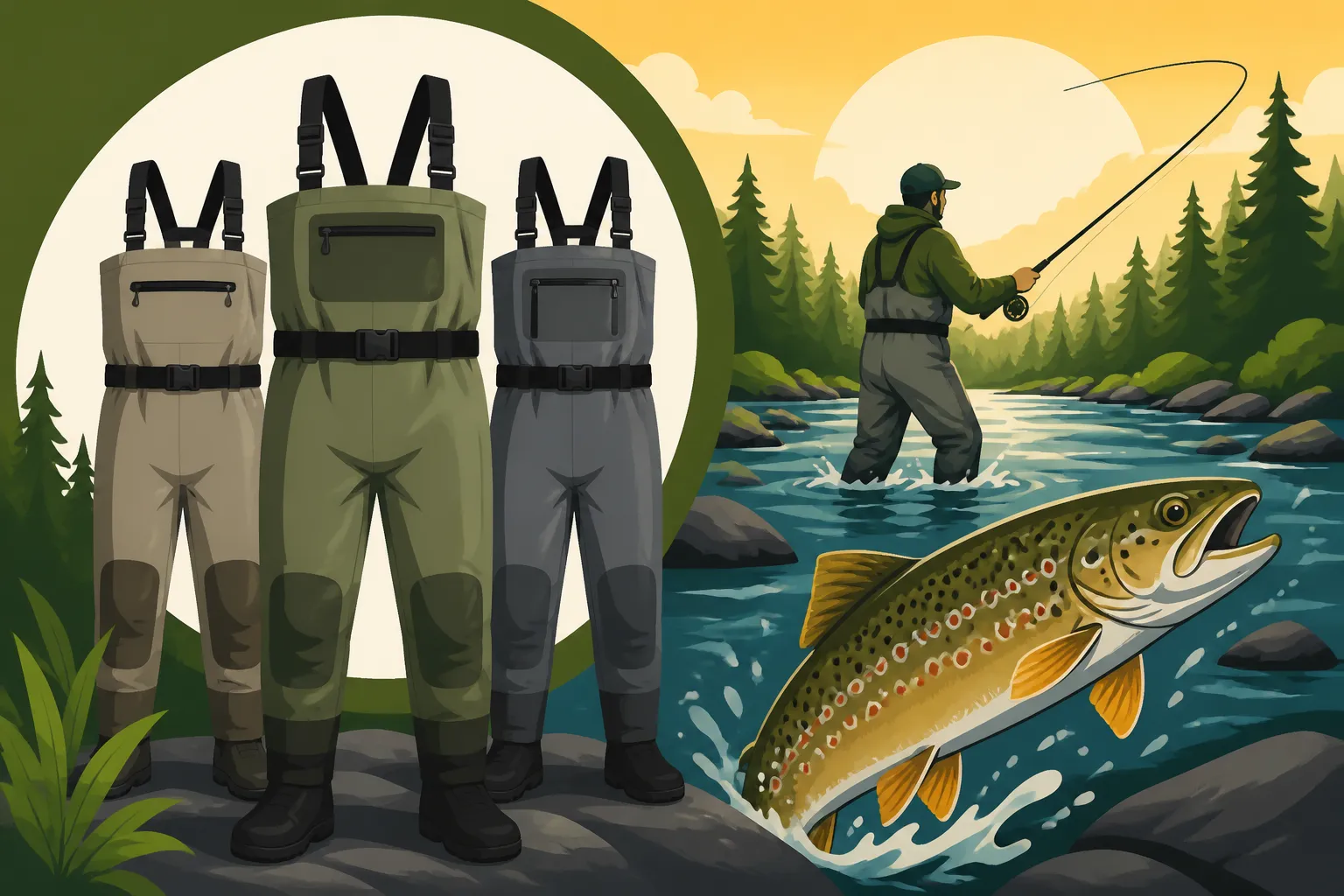
Chest Waders: These are by far the most popular choice for trout anglers in Ontario, and for good reason. They extend up to your chest, held in place by adjustable suspenders over your shoulders.
- Pros: The biggest advantage is obviously the increased coverage. You can confidently wade into deeper sections of a river or traverse unexpected drop-offs without fear of getting wet. They offer more warmth because they cover a larger portion of your body, which is a huge plus during the colder spring and fall trout seasons. Many chest waders come with handy chest pockets for storing fly boxes, tippet, or a phone, keeping essential items easily accessible. They also provide extra protection against splashes when you're netting a fish or just moving through faster water.
- Cons: They can feel a bit more restrictive than waist waders, especially on warmer days or during long hikes to the stream. Some anglers find the suspenders uncomfortable after extended wear, though modern designs have significantly improved comfort in this regard. If you only ever fish shallow creeks, chest waders might feel like overkill.
Waist Waders: These are essentially waterproof pants, extending up to your waist and held up by a wading belt.
- Pros: They are lighter and less restrictive than chest waders, making them more comfortable for warmer weather or when you're covering a lot of ground hiking between fishing spots. They're also often quicker and easier to get on and off. If you primarily fish very shallow streams or prefer wet-wading on hot summer days but need protection for quick, shallow crossings, waist waders can be a good option.
- Cons: Their biggest drawback is obvious: limited depth. One misstep into a deeper hole, and you're going to get soaked. This can be a real issue on Ontario's unpredictable trout streams, where depths can change quickly. They offer less warmth and less storage than most chest waders. For the average Ontario trout angler, waist waders are usually a secondary option or suitable only for very specific, shallow water scenarios.
For most Ontario trout stream fishing, especially given our often chilly waters and varied stream depths, chest waders are the practical and highly recommended choice. They provide the versatility and protection you'll need to truly explore the water.
Bootfoot vs. Stockingfoot Waders: The Great Debate
This is another crucial decision that impacts comfort, convenience, and how you interact with the stream.
Bootfoot Waders: These waders have boots permanently attached to the wader legs.
- Pros: Incredible convenience! You just slip them on, and you're ready to go. No separate boots to put on or take off, which can be a huge time-saver when you're getting ready in a cold parking lot. They're often warmer because there's no seam or gap between the wader and boot to let cold water in. They tend to be a bit more robust and less prone to sand and grit getting into the boot itself, which can be nice when you're on sandy or mucky riverbeds.
- Cons: The biggest con is the fit. You're limited to a single boot size, which might not be perfectly comfortable or supportive for your feet. If the boots wear out, the entire wader needs to be replaced. They can also be bulkier and heavier to pack and transport. Sole options are also limited, so you might not get the ideal grip for all the diverse stream bottoms you'll encounter. They are also notoriously difficult to dry thoroughly, especially in the foot area, which can lead to unpleasant smells and accelerated wear if not managed carefully.
Stockingfoot Waders: These waders have neoprene "socks" at the bottom, and you wear separate wading boots over them.
- Pros: This is the most popular choice for serious trout anglers. The main advantage is the ability to customize your wading boot choice. You can pick boots that fit your feet perfectly, offer superior ankle support, and have the ideal sole type (felt, rubber, or studded) for the stream conditions you'll be facing. If your boots wear out, you simply replace the boots, not the entire wader. They're generally lighter and pack down smaller for easier transport. The separate boot and wader also tend to dry faster than integrated bootfoots. This versatility allows you to fine-tune your setup, whether you're fly fishing for Brook Trout in Ontario's Crown Land Lakes or spin fishing for Smallmouth Bass Fishing in Ontario in a river.
- Cons: You have to buy wading boots separately, which adds to the initial cost. It's also an extra step when getting ready, pulling on boots over the neoprene socks. Getting grit between the neoprene sock and the boot can sometimes happen, causing discomfort or even wear over time if not careful, though modern designs and gravel guards mitigate this.
For versatility, comfort, and the ability to adapt to varying Ontario trout stream conditions, stockingfoot waders paired with quality wading boots are generally the superior choice. This setup allows you to truly dial in your traction and support.
Material Matters: Breathability, Durability, and Weight
Waders come in several different materials, and each has a significant impact on performance, especially in Ontario's highly variable climate.
- Breathable Fabrics (e.g., GORE-TEX, proprietary blends): These are the kings of comfort. They are designed to allow perspiration vapor to escape while preventing water from entering. This means you stay dry from the inside out, reducing that clammy, sweaty feeling common in non-breathable waders. They are generally lighter weight, making them great for hiking. They are ideal for active anglers who move a lot and fish in varying temperatures, which describes most trout anglers. While they can be more expensive, the comfort they provide, especially on long days on the water or during warmer stretches, is often worth the investment.
- Nylon/Polyester Blends: These are often more affordable and quite durable. They can be very puncture-resistant, which is a plus if you're bushwhacking through dense cover along riverbanks. However, they are typically less breathable than specialized fabrics. You might find yourself getting a bit sweaty inside, especially during exertion or in warmer weather. These are a good budget-friendly option for those who don't mind a bit less breathability or who primarily fish in colder conditions where sweating is less of an issue.
- Neoprene: Think wetsuit material. Neoprene waders are incredibly warm and insulating, making them an excellent choice for ice fishing or very cold water conditions in early spring or late fall. They are also quite form-fitting and durable.
- Cons: They are generally not breathable at all, so you will sweat a lot in them if you're active or if the weather warms up. This can lead to discomfort and chafing. They are also heavier and bulkier than breathable waders, and can feel restrictive for active wading. For dedicated trout stream fishing outside of extreme cold, neoprene is usually not the top choice due to the lack of breathability.
Most Ontario trout anglers will gravitate towards breathable waders for their year-round versatility and comfort, though neoprene certainly has its place for the truly frigid conditions.
Key Features to Look for in Ontario Trout Stream Waders
Once you've narrowed down the type and material, it's time to dive into the nitty-gritty details of features. Modern waders come with a host of design elements that can significantly enhance your fishing experience. Paying attention to these specifics will ensure you get a pair that's not just functional, but truly comfortable and suited to the rigors of Ontario's trout streams. Don't just grab the cheapest pair; consider how each feature will impact your day on the water.
Breathability and Ventilation: Staying Cool in Summer
This is perhaps the most critical feature for year-round trout fishing in Ontario. While the water itself is often cold, the air temperature can swing wildly, and you're doing a lot of walking, casting, and moving. If your waders don't breathe, you'll end up drenched in your own sweat, which is almost as bad as getting wet from the outside.
High-quality breathable waders utilize advanced membrane technologies, often multi-layered, to allow moisture vapor (your sweat) to escape while preventing water droplets from coming in. Think of fabrics like GORE-TEX or similar proprietary materials from brands like Simms or Orvis. The more layers of breathable material a wader has, generally the more durable and expensive it will be, but also the more comfortable. Look for waders that specify a high level of breathability, often measured in grams of moisture vapor transmitted per square meter per 24 hours. The higher the number, the better.
Beyond the fabric itself, some waders incorporate specific design elements for ventilation, such as mesh panels in strategic areas or lighter fabric zones. These can make a noticeable difference on humid summer days when you're exploring a small, brushy stream for Ontario Brook Trout in Crown Land Lakes. Remember, staying dry on the inside is just as important as staying dry on the outside for overall comfort and preventing chilling. When you're hiking into a remote stretch of river, sweating profusely, then stepping into icy water, that sweat will quickly chill you to the bone if it can't escape. Good breathability prevents this.
Durability and Puncture Resistance: Battling Brush and Boulders
Ontario's trout streams are beautiful, but they're not always gentle. You'll be scrambling over fallen logs, pushing through thorny bushes, kneeling on sharp rocks, and encountering hidden snags. Your waders need to be tough enough to handle this abuse without springing a leak on your first outing. Nothing is more frustrating than a leaky wader halfway through a perfect fishing day.
Look for waders that have reinforced knees and seat areas. These are the high-wear zones that take the brunt of contact with rocks, logs, and rough terrain. Materials like Cordura or thicker denier fabrics are often used in these areas. Some waders also feature a higher number of fabric layers in the lower sections (e.g., 4-layer construction below the waist, 3-layer above) for enhanced durability where it's most needed.
The quality of the seams is also paramount. Most leaks occur at seams where the fabric panels are joined. Look for waders with taped and sealed seams, preferably with multiple layers of sealing. Reputable brands invest heavily in seam integrity to prevent leaks. While no wader is entirely puncture-proof, a well-constructed, durable pair will significantly reduce the likelihood of tears and pinholes, extending their lifespan and keeping you dry for many seasons to come. You don't want to be patching your brand new waders after just a few trips to a tricky spot on the Credit River!
Fit and Mobility: Comfort for Long Days on the Water
A comfortable wader is one you forget you're wearing. A poor-fitting wader, however, can turn a fantastic fishing trip into an agonizing slog. Fit impacts everything from your ability to move freely to how warm you stay.
Proper Fit: Waders should be roomy enough to allow for layering underneath (especially in colder weather) but not so baggy that they create excessive drag in the water or bunch up uncomfortably. They should allow for a full range of motion – bending, squatting, and high-stepping over obstacles – without feeling restrictive. Pay close attention to the inseam length and chest circumference when sizing. Many manufacturers offer detailed sizing charts, often broken down by height, weight, and sometimes even chest and inseam measurements. Don't just guess your size; measure yourself carefully.
Mobility: Articulated knees are a fantastic feature that allows for easier bending and kneeling, reducing strain on the fabric and improving comfort. Adjustable suspenders with comfortable padding are also a must, especially for chest waders, to distribute weight evenly and prevent shoulder fatigue. Some waders even feature anatomical designs that conform better to the body's natural shape. Remember, you'll be wearing these for hours, potentially hiking miles and casting thousands of times. Mobility is key to preventing fatigue and staying focused on the fishing. A good fit also helps maintain the wader's integrity, as excessive stretching or bunching can stress seams and fabric.
Integrated Gravel Guards and Boot Compatibility
If you're opting for stockingfoot waders (and most experienced anglers do), then integrated gravel guards are a non-negotiable feature. These are essentially an extension of the wader material or a separate piece of fabric that folds down over the top of your wading boots.
Gravel Guards: Their purpose is simple but vital: to prevent small pebbles, sand, and grit from entering your wading boots. If you've ever had a tiny stone rub against your neoprene wader bootie all day, you know how quickly it can cause discomfort, chafing, and even wear holes in the neoprene. Good gravel guards are usually elasticized at the bottom to create a snug seal around your boot, and often feature a hook to attach to your wading boot laces for extra security. Some of the best designs are seamless and simply pull down, offering excellent protection.
Boot Compatibility: When choosing stockingfoot waders, always consider the wading boots you plan to pair them with. Ensure the neoprene booties of the waders fit comfortably inside your chosen boots without being too tight or too loose. The thickness of the neoprene can vary, so it's a good idea to try on your waders and boots together if possible. You want a snug, supportive fit in your boots to prevent your feet from sliding around, which can lead to blisters and instability on slippery streambeds. Investing in good waders is only half the battle; pairing them with equally good wading boots is crucial for safety and comfort, especially when traversing the often-treacherous bottoms of Ontario fly fishing rivers.
Material Deep Dive: GORE-TEX, Nylon, and Neoprene
The material your waders are made from is perhaps the most significant factor influencing their performance, comfort, and indeed, their price tag. Let's break down the common options and when each excels in the diverse conditions of Ontario's trout streams. Understanding these materials will help you make a choice that truly matches your fishing style and the environments you frequent.
GORE-TEX and High-End Breathable Fabrics: The Investment
When you hear "breathable waders," GORE-TEX often comes to mind, and for good reason. It's the gold standard that many other proprietary breathable fabrics strive to emulate. But what exactly makes these high-end fabrics so desirable, and when are they worth the investment for an Ontario trout angler?
GORE-TEX and similar advanced fabrics (like those developed by Simms, Orvis, and Redington, often with their own names like Toray or H2No) work on a microscopic level. They feature billions of tiny pores per square inch, too small for water droplets to pass through (keeping external water out), but large enough for water vapour (your sweat) to escape (allowing internal moisture out). This revolutionary technology means you stay dry not only from the splashing river but also from your own exertion.
- Why they're great for Ontario: Our climate can be wildly unpredictable. You might start your day with a frosty morning, warm up significantly by noon while hiking, and then face a cool breeze and drizzle in the afternoon. Breathable waders handle these fluctuations beautifully. You won't feel that clammy, sweaty build-up when you're exerting yourself, which means you're less likely to get chilled when you stop moving or step into cold water. This comfort translates to longer, more enjoyable days on the water.
- Durability and Layers: High-end breathable waders are often constructed with multiple layers (e.g., 3-layer, 4-layer, or even 5-layer fabrics). More layers generally mean increased durability, especially in high-wear areas like the knees, seat, and lower legs. These waders can withstand considerable abuse from brush, rocks, and general stream life. While the initial cost is higher, the longevity and unparalleled comfort often make them a worthwhile, long-term investment for the dedicated angler. They also tend to be lighter and more packable, which is a bonus if you're hiking into remote stretches or planning a multi-day trip. You can find excellent options from reputable brands at outdoor retailers like Bass Pro Shops or even a wide selection on Amazon, often with user reviews to guide your choice.
Nylon and Polyester Blends: Practical and Pliable
Not everyone needs or wants to spend top dollar on GORE-TEX, and that's perfectly okay! For many Ontario trout anglers, especially those just starting out or on a tighter budget, waders made from coated nylon or polyester blends offer a very practical and effective solution.
- Construction: These waders typically feature a durable nylon or polyester shell fabric that is coated internally with a waterproof barrier, often polyurethane (PU). This coating makes them impervious to water. While they don't possess the same level of sophisticated breathability as GORE-TEX, many modern designs incorporate some degree of moisture-wicking or lighter fabric zones to mitigate the internal sweat build-up.
- Why they're a good option:
- Affordability: Generally, these waders are significantly less expensive than their high-tech counterparts, making them an accessible entry point into wading for trout.
- Durability: Many nylon and polyester blends are incredibly tough and abrasion-resistant. If you're frequently pushing through thick brush along overgrown stream banks, or navigating rocky terrain, these waders can take a beating and often hold up very well to punctures and tears. They can be particularly good for Best Techniques for Early Spring Pike fishing where you might be less active, or for less strenuous trout outings.
- Flexibility: Modern blends are quite pliable and comfortable, offering good mobility without feeling stiff or bulky.
- Considerations: The main trade-off is breathability. While some newer models have improved, they will generally trap more internal moisture than premium breathable waders. This means you might feel a bit clammy or sweaty, especially on warmer days or if you're hiking long distances. If you anticipate heavy exertion in mild to warm weather, you might find yourself needing to take more breaks to air out. However, for cooler days, sedentary fishing, or short trips, they perform admirably. These are great for someone who wants reliable waterproofing without the premium price.
Neoprene Waders: Warmth for Winter and Early Spring
When the mercury truly plummets, and the water temperatures hover just above freezing, that's when neoprene waders truly shine. Think of them as a personal wetsuit for your legs, designed to keep you warm in the coldest conditions Ontario's trout streams can throw at you.
- Insulation Power: Neoprene is a fantastic insulator. It works by trapping a thin layer of water against your skin, which your body then heats. The neoprene itself prevents this heated water from dissipating, keeping you warm. This makes them ideal for:
- Ice fishing: While not directly stream fishing, neoprene is the go-to for Ice Fishing in Ontario if you're standing in slush or near open water.
- Early spring/late fall trout fishing: When the air is crisp, and the water is still incredibly cold from snowmelt or approaching winter, neoprene provides crucial warmth. This is especially true if you're fishing in relatively slow-moving sections of rivers where you might be standing still for extended periods. You'll often see anglers targeting the Ontario Walleye Opener Dates by Zone or Ontario Lake Trout Limit and Possession Rules in these types of waders.
- Durability and Construction: Neoprene waders are generally very durable and puncture-resistant, often more so than many breathable fabrics. They stretch, providing a snug, comfortable fit that moves with you. They also tend to be quite buoyant, which can be a safety consideration in deeper water.
- Drawbacks:
- Lack of Breathability: This is their Achilles' heel. Neoprene is not breathable. You will sweat inside these waders, especially if you're active or if the air temperature rises even slightly. This internal moisture can become uncomfortable and, if you're not careful, can lead to chilling once you stop moving.
- Bulk and Weight: Neoprene waders are typically heavier and bulkier than breathable waders. They don't pack down as small, and their inherent buoyancy can sometimes make wading in strong currents feel a bit more challenging.
- Limited Seasonality: Due to the breathability issue, neoprene waders are really a cold-weather-specific piece of gear. You wouldn't want to wear them in July on a warm Ontario stream; you'd overheat in minutes.
For the angler who absolutely refuses to let frigid water keep them off the trout stream in the shoulder seasons, neoprene waders are indispensable. Just be mindful of their limitations in warmer weather or during high-exertion fishing.
Bootfoot vs. Stockingfoot: Which is Right for Your Ontario Adventures?
We touched on this briefly, but it's a debate that deserves a deeper dive because your choice here profoundly affects your mobility, comfort, and safety on Ontario's often-challenging stream beds. There's no single "best" answer, as it truly depends on your priorities, the type of water you fish most, and your budget.
Advantages and Disadvantages of Bootfoot Waders
Bootfoot waders offer a streamlined, all-in-one solution that appeals to many anglers, particularly those who prioritize convenience.
- The Convenience Factor: This is the primary draw. Slip them on, cinch the belt, and you're ready to hit the water. No fumbling with separate wading boots, no extra laces to tie in the cold. This can be a huge advantage for quick trips, when you're getting in and out of the water frequently, or if you have mobility issues that make bending down to lace boots difficult. For someone fishing a familiar, easy-access stream with consistent bottom conditions, this grab-and-go simplicity is hard to beat.
- Warmth and Reduced Water Intrusion: Because the boots are permanently attached, there's no gap for cold water to sneak in between the wader and the boot. This can contribute to overall warmth, especially in colder conditions. It also means less chance of sand or grit working its way into your boots, which can be a real nuisance and source of discomfort.
- Considerations for Ontario:
- Fit is Fixed: This is the biggest disadvantage. You're stuck with the boot size that comes with the waders. If it's not a perfect fit, you might experience discomfort, blisters, or a lack of crucial ankle support. A poorly fitting boot can lead to instability on slippery rocks, increasing your risk of a fall. Since Ontario trout streams can have diverse and often treacherous bottoms, a secure and supportive fit is paramount.
- Limited Sole Options: Bootfoot waders typically come with a single type of sole – usually rubber, sometimes felt. You can't switch them out to match changing conditions (e.g., from felt for algae-covered rocks to studded rubber for mucky bottoms).
- Drying Challenges: The integrated boot area can be notoriously difficult to dry thoroughly, especially inside the boot. If not dried properly, they can develop unpleasant odors and prematurely degrade the material.
- Bulk and Portability: They tend to be heavier and bulkier than stockingfoot waders, making them less ideal for hiking into remote locations or for air travel.
For the angler who values convenience above all else and fishes in relatively predictable, less challenging stream environments, bootfoot waders can be a perfectly adequate choice.
The Versatility and Customization of Stockingfoot Waders
For the vast majority of dedicated Ontario trout anglers, stockingfoot waders are the preferred system due to their unparalleled versatility and customizable comfort.
- Customized Fit and Support: This is where stockingfoot waders truly shine. You get to choose your wading boots separately, allowing you to select a pair that fits your foot perfectly, provides excellent ankle support, and matches the type of soles you need for the specific conditions you fish. A well-fitting wading boot paired with a good set of stockingfoot waders feels much more like a regular shoe, offering superior comfort and stability over varied terrain. When you're trying to carefully navigate a slick, algae-covered boulder field on a rushing river, that personalized support can prevent a painful fall.
- Interchangeable Soles: With separate boots, you can own multiple pairs of wading boots, each with a different sole type, and switch them out as needed. This adaptability is invaluable in Ontario, where one stream might have slick bedrock, another has gravel, and yet another has a mucky clay bottom. You can choose a sticky rubber sole for general versatility, a felt sole for superior grip on slimy rocks, or even add studs for extra traction on ice or exceptionally slick surfaces. This is a game-changer for safety and confidence. You can check out options for Best Wading Boots for Rocky Streams to get an idea of the variety available.
- Enhanced Durability and Repairability: If your wading boots wear out, you simply replace the boots, not the entire wader. This extends the lifespan of your wader investment. Stockingfoot waders themselves also tend to be lighter and more packable.
- Drying and Hygiene: Since the boots are separate, both the waders and the boots can be dried more thoroughly and independently, reducing odors and promoting overall longevity.
- Considerations:
- Increased Initial Cost: You're buying two separate items, so the upfront investment is generally higher.
- Less Convenient: It takes a few extra minutes to put on and take off your wading boots over the neoprene socks.
- Grit Potential: While gravel guards are designed to prevent it, there's a slight chance of sand or grit getting between your neoprene wader sock and the inside of your boot, which can cause discomfort.
For serious anglers who tackle various Ontario trout streams and prioritize comfort, stability, and adaptability, stockingfoot waders combined with high-quality wading boots are the clear winner. They give you the tools to truly master diverse aquatic environments.
Choosing Wading Boots: Grip, Support, and Sole Types
Since we're advocating for stockingfoot waders, let's briefly touch on choosing the right wading boots, as they are truly half of the equation for safety and comfort.
- Grip and Sole Types:
- Felt Soles: Provide excellent grip on smooth, algae-covered rocks, which are common in many Ontario rivers. However, they can pick up invasive species (so always clean them thoroughly!) and perform poorly in mud or snow. They are also banned in some jurisdictions.
- Rubber Soles: More versatile, perform well in mud, gravel, and on dry land. Modern rubber compounds offer impressive grip on wet rocks, especially when paired with aggressive lug patterns. Often preferred for their all-around performance and ease of cleaning.
- Studded Soles: Either rubber soles with integrated carbide or metal studs, or screw-in studs you can add to rubber or felt soles. These provide unparalleled grip on extremely slick surfaces, ice, and loose gravel. They are a must-have for treacherous conditions but can damage boat floors or sensitive stream beds, so use them wisely.
- Ankle Support: Look for boots that provide robust ankle support. You'll be traversing uneven, often submerged terrain, and twisting an ankle is a quick way to end a fishing day.
- Durability: Wading boots take a beating. Look for reinforced toe caps, durable lacing systems, and sturdy construction. Brands like Simms, Orvis, and Chota are known for their high-quality wading boots.
- Fit: Always try on wading boots with your wader socks on. You need enough room for the neoprene without being so tight that it restricts circulation, and enough room in the toe box for comfort. A slightly larger boot size than your street shoes is common to accommodate the wader sock and thick socks.
Essential Wader Accessories for Ontario Trout Streams
Getting the right waders is a huge step, but a few crucial accessories can elevate your experience from merely dry to truly comfortable, safe, and efficient. Think of these as the supporting cast that ensures your waders perform their best and last longer. Skipping these can lead to minor frustrations or, in some cases, significant safety risks.
Wading Belts: Safety and Security
This is not an optional accessory; a wading belt is absolutely non-negotiable for safety, especially with chest waders.
- The Safety Aspect: In the event of a fall in deep or fast water, a wading belt significantly reduces the amount of water that can rush into your waders. This prevents "wader fill-up," where your waders act like a giant sea anchor, pulling you down and making it incredibly difficult to regain your footing or swim to shore. While waders don't instantly drag you to the bottom, a full wader is extremely cumbersome and dangerous. A snug wading belt minimizes this risk, giving you precious extra time and buoyancy to recover.
- Comfort and Support: Beyond safety, a wading belt helps hold your waders securely in place, preventing them from sagging and allowing for a more comfortable fit. It can also provide a small amount of lower back support, which is a nice bonus on long days of standing and wading. Many belts now feature integrated D-rings or loops, which are incredibly useful for attaching tools, a landing net, or a wading staff. Look for a belt that's wide enough to be comfortable, durable, and easy to adjust. Some modern waders have integrated belts, but if yours doesn't, invest in a good aftermarket one immediately.
Repair Kits: On-the-Go Solutions
Leaks happen. It's an unfortunate fact of life for wader owners. Whether it's a tiny pinhole from a thorny bush or a small tear from a sharp rock, having an immediate repair solution can save your fishing day.
- Pinholes and Small Tears: A good wader repair kit typically includes a small tube of aquaseal (or a similar urethane-based adhesive), some patches of wader fabric, and sometimes an applicator brush. Aquaseal creates a flexible, waterproof bond that can fix pinholes and small tears, often permanently. It's crucial to apply it to a clean, dry surface, which can be challenging on the stream, but sometimes you can at least slow a leak down enough to get through the day.
- Why Carry One: Imagine you've just hiked an hour into a remote stretch of river, and you brush against a sharp branch, feeling that tell-tale cold trickle on your leg. Without a repair kit, your day is effectively over unless you want to endure hours of discomfort. With a kit, you can often make a field repair that allows you to keep fishing. Many anglers keep a small, pre-made kit in their pack or even in a wader pocket. Learning how to Replacing a lost Ontario fishing license is one thing, but knowing how to patch your waders might be more immediately useful on the water!
- At-Home Repairs: These kits are also invaluable for permanent repairs once you're back home. Locating leaks (often by turning the waders inside out and spraying them with rubbing alcohol) and applying a proper patch and sealant can significantly extend the life of your waders, saving you money on replacements.
Wader Hangers and Storage: Longevity Tips
Proper care and storage are critical for maximizing the lifespan of your waders. This is often overlooked, but it makes a huge difference.
- Wader Hangers: These are specialized hangers designed to hold your waders upside down by the boots. Why upside down? Because it allows air to circulate inside the waders, promoting thorough drying and preventing moisture from pooling in the feet. Trapped moisture is the enemy of waders, leading to mildew, unpleasant odors, and the breakdown of waterproof coatings and seam tape. Hanging them upside down also prevents creasing at the knees and waist, which can stress and weaken the fabric over time.
- Proper Storage: When not in use, waders should be stored in a cool, dry place, away from direct sunlight and extreme temperatures. Avoid stuffing them into a bag or piling them in a corner, as this can create permanent creases that can lead to leaks. Ideally, keep them on a wader hanger. If you absolutely must fold them, do so loosely and avoid sharp creases.
- General Cleaning: Periodically, gently clean your waders with a mild, non-detergent soap and water, especially if they're caked in mud or grime. This prevents dirt from abrading the fabric and maintains the integrity of the breathable membrane. Always rinse thoroughly and ensure they are completely dry before storing.
- Restoring DWR (Durable Water Repellent): Over time, the DWR coating on breathable waders can wear off, causing water to "wet out" on the surface instead of beading up. This doesn't mean the waders are leaking, but it significantly reduces their breathability and comfort. Products like Nikwax or Granger's offer wash-in or spray-on DWR treatments that can be easily applied to restore the water-shedding properties of your waders, giving them a new lease on life.
By investing a little time and money in these essential accessories and following proper care routines, your waders will keep you dry and comfortable for many, many seasons of Ontario trout fishing.
Sizing and Fit: Getting it Right the First Time
You've done your research, picked your material, and decided between bootfoot and stockingfoot. Now comes the moment of truth: sizing. A perfectly chosen wader material and type will be utterly miserable if the fit is wrong. This isn't just about comfort; it's about mobility, safety, and the longevity of the waders themselves. Don't rush this step, as it's the most common reason for angler dissatisfaction.
Taking Accurate Measurements
Most wader manufacturers provide detailed sizing charts. These aren't suggestions; they are crucial guidelines. You'll typically need a few key measurements:
- Chest/Bust Circumference: Measure around the fullest part of your chest, typically just under your armpits.
- Waist/Hip Circumference: Measure around the widest part of your hips or where you naturally wear your pants. Use the larger of these two measurements.
- Inseam: Measure from your crotch down to the floor, or where you'd want the wader foot to end (for stockingfoot, this is often to the ankle bone).
- Foot Size: For stockingfoot waders, your shoe size is usually sufficient, but some brands might ask for a foot length measurement. For bootfoot waders, this is critical, as you're committed to that boot size.
Important Tip: When taking measurements, wear the typical layers you'd wear under your waders. This could be thermal underwear, fleece pants, or even jeans. This ensures the waders will fit comfortably with your chosen insulation, preventing them from being too tight. Don't measure yourself in shorts if you plan to wear fleece under them in cold weather!
Compare your measurements to the manufacturer's chart. If you fall between sizes, it's generally better to size up, especially for chest waders, to allow for layering and mobility. Waders that are too tight will restrict movement, stress seams, and ultimately lead to premature leaks. Waders that are a bit too roomy are more forgiving.
Considering Layering and Mobility
Ontario's trout seasons span a wide range of temperatures. Early spring and late fall fishing can be downright frigid, demanding multiple layers of insulation under your waders. Summer days, even on the water, can be hot and humid, requiring minimal layers. Your wader sizing needs to account for this variability.
- Layering: If you primarily fish in cold weather, ensure your waders are roomy enough to accommodate thick fleece pants or other thermal layers without feeling constricting. A common mistake is buying waders that fit snugly with light clothing, only to find them uncomfortably tight when wearing cold-weather gear.
- Mobility: Test the fit by mimicking fishing movements. Can you squat down, lift your knees high, and bend over without feeling excessive strain on the fabric or tightness in the crotch? Can you comfortably lift your leg to step over a log or into a boat? If the waders feel restrictive, they will not only be uncomfortable but will also be more prone to tearing. Articulated knees (pre-bent knee areas) in many modern waders are a great feature that aids mobility.
- Stockingfoot Waders Specifics: With stockingfoot waders, make sure the neoprene booties are snug but not tight on your feet. There should be enough room for thin or medium socks, but not so much that your foot slides around. Trying them on with your actual wading socks is ideal. The booties themselves are part of the sizing; ensure their length and width correspond to your foot size.
The Importance of a Good Fit
A properly fitting wader is crucial for several reasons:
- Comfort: This is obvious, but often overlooked. If your waders chafe, pinch, or restrict movement, you won't enjoy your time on the water, and you'll be more likely to cut your fishing trip short.
- Safety: Waders that are too baggy can catch on underwater snags or create dangerous drag in strong currents, increasing the risk of a fall. Waders that are too tight can restrict blood flow, especially in the neoprene booties, leading to cold feet.
- Durability and Longevity: Ill-fitting waders are prone to premature wear and tear. Over-stretching fabric or stress on seams due to tightness will inevitably lead to leaks sooner rather than later. Conversely, excessive fabric can bunch up and create friction points, also causing wear.
- Insulation: Waders work best when there's a small layer of air between your body and the wader fabric (with appropriate layers underneath). Too tight, and your layers compress, reducing their insulating properties. Too baggy, and cold water can press against the fabric, transferring cold more easily.
Take your time, measure carefully, and if possible, try on waders from a reputable outfitter like Bass Pro Shops. Don't hesitate to return a pair that doesn't feel right. The right fit is an investment in countless comfortable and productive days on Ontario's trout streams.
Wader Care and Maintenance for Longevity
Waders are an investment, and like any good piece of gear, they'll last a lot longer and perform much better if you treat them right. Proper care and maintenance aren't just about making them last; they're about ensuring they remain waterproof, breathable, and comfortable for every single one of your Ontario trout stream adventures. Neglecting them is a sure-fire way to prematurely send them to the landfill.
Cleaning and Drying Your Waders Properly
This is perhaps the most critical step for extending the life of your waders. It sounds simple, but there's a right way to do it.
- After Each Trip:
- Rinse Thoroughly: As soon as you're off the water, especially if you've been in muddy or silty areas, rinse the outside of your waders with clean, cool water. Pay extra attention to the gravel guards and wading boot soles (if stockingfoot) to remove any clinging debris, mud, or potential invasive species. This is particularly important if you are moving between different watersheds in Ontario.
- Dry Inside Out First: The interior of your waders, especially the neoprene booties, will often be damp from perspiration, even in breathable waders. Turn your waders inside out and hang them up to dry in a well-ventilated area, out of direct sunlight. A dedicated wader hanger is ideal for this. Air circulation is key.
- Flip and Dry Outside: Once the inside is completely dry (this can take a day or two depending on humidity), flip them right-side out and let the exterior dry thoroughly. Ensure there's no moisture left anywhere before storing.
- Deep Cleaning (Occasionally): If your waders get particularly dirty or start to develop an odor, a deeper clean is in order.
- Fill a bathtub or large basin with cool water and a small amount of a mild, non-detergent soap (like a technical wash for outerwear).
- Submerge your waders and gently scrub any dirty areas with a soft brush or sponge.
- Rinse thoroughly, making sure all soap residue is removed.
- Follow the regular drying process (inside out, then right side out).
- NEVER Use Heat: Do not put your waders in a dryer, near a direct heat source (like a fireplace or space heater), or in direct, scorching sunlight for extended periods. High heat can damage the waterproof membrane, melt seam tape, and degrade the fabric's integrity. Air drying is always the best method.
Storing Waders to Prevent Damage
Once your waders are completely dry, proper storage will keep them in prime condition and ready for your next adventure.
- Hang Them Up: The best way to store waders is to hang them upside down by the boots using a wide, sturdy wader hanger. This prevents creasing, allows any residual moisture to drain or evaporate from the feet, and keeps the waders' shape intact. Hanging them prevents the breathable membrane from being crushed or stressed in a way that can lead to delamination over time.
- Cool, Dry, Dark Place: Store your waders in an area with stable temperatures, away from direct sunlight and humidity. A closet, garage, or dedicated gear room is ideal. Avoid attics or basements that can experience extreme temperature fluctuations or dampness, both of which are detrimental to wader materials.
- Avoid Compressing: Don't fold your waders tightly or stuff them into a small bag for long-term storage. This can create hard creases that weaken the fabric and stress seam tape, leading to leaks. If you must transport them in a bag, try to roll them loosely rather than folding.
- Check for Critters: If storing in a garage or shed, ensure they are protected from rodents or insects that might chew on the fabric.
Patching Leaks: DIY vs. Professional Repair
Despite your best efforts, leaks can happen. A sharp rock, a stray barb, or just plain old wear and tear can create a pinhole or a small tear. Don't despair! Most leaks are repairable.
- Locating the Leak: This is often the trickiest part.
- Visual Inspection: Start by carefully inspecting the waders, especially around seams, knees, and the crotch area. Look for dark spots, scuffs, or visible holes.
- Water Test (Traditional): Turn the waders inside out, plug the leg openings, and fill them with water. Watch for drips. Mark any leak points.
- Alcohol/Spray Test (Breathable Waders): This is often more effective for tiny pinholes in breathable waders. Turn the waders inside out. Lightly spray the affected area with rubbing alcohol or a mixture of water and a small amount of mild soap (like dish soap). The liquid will darken or create bubbles where there's a leak, as it passes through the breathable membrane. Mark clearly.
- DIY Repair: For most small pinholes and minor tears (up to a few inches), a DIY repair kit (as mentioned in the accessories section) is your best friend.
- Clean and Dry: Ensure the area around the leak is completely clean and dry. Use rubbing alcohol to wipe away any oils or residue.
- Apply Sealant: For pinholes, a small dab of aquaseal (or similar urethane adhesive) is usually sufficient. Allow it to cure fully, which can take 12-24 hours.
- Patching Larger Tears: For small tears, apply aquaseal to the tear, and then carefully apply a wader fabric patch (often included in repair kits) over the top, making sure the edges are sealed. Internal seam sealing tape can also be applied for extra reinforcement on the inside. Brands like Tenacious Tape also offer quick, temporary, and sometimes even permanent peel-and-stick patches.
- Professional Repair: For extensive damage, large tears, or if you're uncomfortable doing the repair yourself, consider sending your waders to a professional wader repair service. Many wader manufacturers or specialized outdoor gear repair shops offer this service. They have the expertise and specialized equipment to reseal seams, replace panels, and often restore your waders to near-new condition. This can be a cost-effective alternative to buying a brand new pair, especially for high-end waders.
By following these care and maintenance tips, your waders will be a reliable companion for countless memorable fishing trips on Ontario's beautiful trout streams.
| Wader Material | Breathability | Durability (General) | Ideal Use Case | Pros | Cons |
|---|---|---|---|---|---|
| GORE-TEX / Premium Breathable Fabrics | High | Excellent | Multi-season, active fishing, varying conditions | Maximum comfort, dry from inside & out, lightweight, flexible | Higher initial cost, can be punctured by sharp objects |
| Nylon / Polyester Blends | Moderate | Very Good | Budget-friendly, pushing through dense brush, colder days | Affordable, very tough, good puncture resistance, pliable | Less breathable than premium fabrics, can get clammy in warm weather |
| Neoprene | None | Excellent | Extreme cold, ice fishing, early spring/late fall | Exceptional warmth, very insulating, durable, buoyant | Not breathable (sweaty), bulky, heavy, limited to cold weather use |
Top Considerations for Specific Ontario Scenarios
Ontario is a vast province with a myriad of fishing opportunities, and our trout streams reflect this diversity. What works perfectly on a spring creek in southern Ontario might not be ideal for a northern wilderness river. Thinking about the specific conditions you'll encounter will help you fine-tune your wader choice even further.
Waders for Cold Water and Ice Fishing Conditions
When the air bites and the water threatens to freeze your toes off, warmth and insulation become paramount. Our early spring and late fall trout seasons, or even venturing near open water during ice fishing, demand a different approach to waders.
- Neoprene is King (for warmth): If your primary goal is to stay warm in genuinely cold water (think single-digit Celsius or lower), neoprene waders are your best bet. Their insulating properties are unmatched. Opt for thicker neoprene, such as 5mm or even 7mm, for maximum thermal protection. Look for designs with fleece-lined handwarmer pockets – a small luxury that makes a huge difference when your fingers are numb. These are the waders you want when the Ontario Walleye Opener Dates by Zone arrives and the ice has just come off the lakes, or you're targeting Ontario Lake Trout Limit and Possession Rules in cold, deep waters.
- Layering with Breathable Waders: If you prefer the versatility of breathable waders, you can still use them in cold water, but your layering strategy becomes absolutely crucial.
- Base Layer: Start with a moisture-wicking synthetic or merino wool base layer.
- Mid-Layer: Add a thick fleece pant or insulated synthetic pant. Some anglers even use lightweight down pants designed for layering. Remember to ensure your waders are sized to accommodate these layers without being too tight.
- Wading Socks: Wear thick, warm merino wool socks inside your wader booties. Consider a thin liner sock underneath to help wick moisture away from your skin.
- Bootfoot vs. Stockingfoot for Cold: Bootfoot waders often provide a bit more consistent warmth around the feet because there are no seams between the wader and boot. However, if using stockingfoot, investing in high-quality, insulated wading boots with ample room for thick socks is key. Studded soles are often beneficial in icy conditions or when navigating frozen banks. Best Ice Fishing Gear for Ontario often includes specialized footwear that can be paired with appropriate waders.
Waders for Warmer Summer Streams and Wet Wading
Summer in Ontario can bring glorious, warm weather, and while the water in many trout streams remains cool, standing in thick, non-breathable waders can quickly become unbearable. This is where the balance shifts towards breathability and, sometimes, even foregoing waders altogether.
- Lightweight, Highly Breathable Waders: For warmer summer fishing, especially if you're hiking a lot, prioritize the lightest and most breathable waders you can find. A good pair of GORE-TEX or similar 3-layer breathable waders will be your best friend. They'll allow perspiration to escape, keeping you dry and comfortable from the inside, even when the air temperature is high. These are perfect for pursuing Smallmouth Bass Fishing in Ontario in warmer rivers or exploring smaller trout streams.
- Waist Waders (Situational): If you are absolutely certain you will only be fishing in very shallow water, and the air is warm, waist waders offer more freedom and less bulk than chest waders. They can be a good option for small, clear streams where you don't anticipate deep crossings.
- Wet Wading: On genuinely hot days with safely warm water temperatures (check regulations and consider fish stress!), wet wading is an excellent alternative. This involves wearing quick-drying pants or shorts, sturdy wading shoes or old sneakers, and maybe even a pair of neoprene socks for comfort and foot protection. It offers maximum freedom and coolness. However, always exercise caution; even on warm days, cold water can quickly lead to hypothermia if you're not careful, especially in larger, spring-fed rivers. Also, be mindful of ticks and other biting insects when wet wading through tall grass or brush.
Navigating Brushy Riverbanks and Rocky Bottoms
Ontario's trout streams are rarely manicured. They often demand traversing dense vegetation, scrambling over slippery rocks, and navigating uneven, often treacherous streambeds. Your waders need to be up to the task.
- Durability and Abrasion Resistance: If you frequently fish streams with overgrown banks, dense underbrush, or lots of fallen timber, prioritize waders made from durable, abrasion-resistant fabrics. Look for reinforced knees and seat areas, and fabrics with a higher denier count, especially in the lower half of the wader. These materials will shrug off thorns, branches, and scrapes much better than lighter, less robust fabrics. You don't want to be constantly patching pinholes after every trip to a Best Fly Fishing Rivers in Ontario spot with dense foliage.
- Footwear for Treacherous Bottoms:
- Stockingfoot Waders with Robust Wading Boots: This combination is ideal for rocky or slippery bottoms. You can choose wading boots with excellent ankle support to prevent twists and sprains.
- Sole Choice: For slimy, algae-covered rocks, felt soles often provide superior grip, though they require careful cleaning to prevent the spread of invasives. Sticky rubber soles with aggressive lug patterns are a versatile choice for mixed terrain. For truly treacherous, slick rock or ice, consider adding studs to your rubber soles.
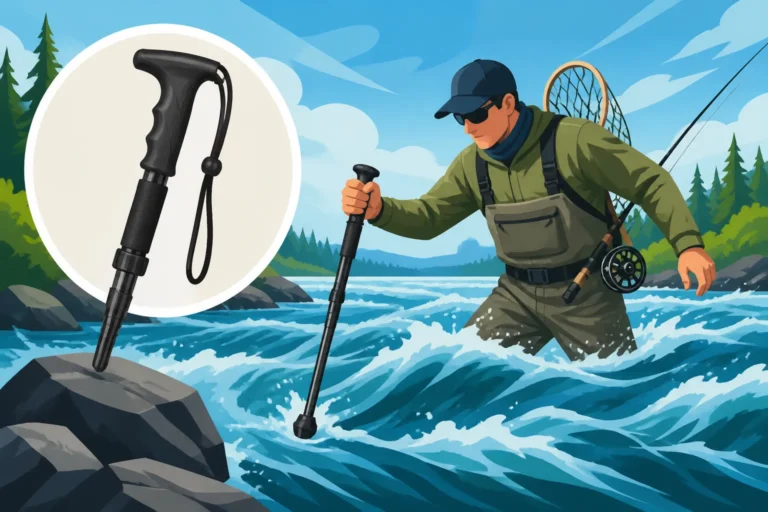
- Wading Staff: Regardless of your wader and boot choice, a wading staff is an invaluable safety tool for navigating challenging streambeds. It provides an extra point of contact, helping you maintain balance in current and probe for hidden drop-offs or unstable rocks. Think of it as your third leg on the river. It's an essential piece of Best Gear for Ontario Trout Fishing.
Ultimately, the "best" wader for you depends on your personal fishing habits, the specific streams you frequent, and the conditions you expect to encounter. By carefully considering these scenarios, you can make an informed choice that enhances your safety, comfort, and success on the water.
Disclaimer
This article is for general informational purposes only and does not constitute professional advice. Laws, prices and regulations vary by location and change over time. Consult a qualified professional for guidance on your specific situation.