Ontario fishing license for conservation authority waters
It's incredibly common to feel a little lost when it comes to fishing regulations, especially when you're thinking about dropping a line in waters managed by Ontario's many conservation authorities. You see a beautiful pond or a quiet river flowing through a conservation area and wonder, "Do the usual rules even apply here, or is there some special permit I need?" This guide is here to clear up that confusion, helping you understand exactly what kind of fishing license you need for conservation authority waters and how to stay on the right side of the rules.
Understanding Conservation Authority Lands in Ontario
Ontario is blessed with an incredible network of natural spaces, and many of these are stewarded by our local conservation authorities. These areas are fantastic for getting outdoors, but their unique management can sometimes add a layer of complexity to recreational activities like fishing. Let's peel back the layers and understand what they're all about.
What Are Conservation Authorities?
Think of Conservation Authorities (CAs) as local, community-based environmental organizations, but with a regional mandate and a significant role in managing natural resources. There are 36 CAs across Ontario, each responsible for managing natural resources within its watershed. Their main goal is to protect and manage water, land, and natural habitats to ensure a healthy environment for both nature and people. This includes everything from flood control and erosion management to protecting vital ecosystems and providing recreational opportunities. They operate under the Conservation Authorities Act and play a crucial role in the environmental well-being of their specific regions.
So, when you visit a place like a Credit Valley Conservation area or one managed by the Grand River Conservation Authority, you're experiencing a place managed with a keen eye on ecological health and public access. These organizations are often deeply integrated into their local communities, working with municipalities, landowners, and residents to achieve their conservation goals.
Common Activities in Conservation Areas
Conservation areas are truly multi-purpose spaces, offering a wide array of activities that draw people outdoors. You'll find families enjoying picnics, hikers exploring winding trails, birdwatchers seeking out unique species, and, of course, anglers looking for that perfect fishing spot. Many CAs maintain beautiful public parks, nature trails, boat launches, and even camping facilities. They're designed to connect people with nature and promote healthy outdoor lifestyles.
For anglers, these areas often provide accessible shorelines, maintained docks, or boat launches on rivers and lakes that might otherwise be difficult to access. They can be fantastic spots to introduce kids to fishing, enjoy a peaceful afternoon, or even target specific species. The accessibility and amenities offered by many CAs make them incredibly popular destinations for a quick fishing trip without having to venture deep into the wilderness.
The Role of Conservation Authorities in Fisheries Management
This is where some of the common questions arise. While CAs manage the land and often the immediate water bodies within their jurisdiction, the overall management of Ontario's fisheries falls primarily under the purview of the provincial government, specifically the Ministry of Natural Resources and Forestry (MNRF). The MNRF sets the overarching rules for fishing licenses, season dates, bag and possession limits, and other regulations that apply across the province's various Ontario Fisheries Management Zones, Explained.
Conservation Authorities typically do not issue their own standalone fishing licenses that supersede the provincial requirement. Instead, they operate within the provincial framework. However, they might implement additional site-specific regulations for waters they manage. This could be due to sensitive ecological areas, stocking programs they run, or efforts to manage fishing pressure in popular spots. For example, a CA might designate a specific pond as "catch and release only" or have restrictions on bait types to protect a fragile fish population. It’s a bit like driving: you need a provincial driver's license, but a specific park might have its own speed limits or parking rules.
Navigating Fishing License Requirements in Conservation Areas
The core question remains: do you need a special license to fish in a conservation authority area? The straightforward answer is, almost always, yes, you'll need your standard Ontario fishing license. But there are nuances to consider that can trip up even experienced anglers.
Standard Ontario Fishing License Rules Apply
For the vast majority of fishing opportunities within Ontario's conservation areas, you absolutely need a valid Ontario fishing license. This isn't just a suggestion; it's a legal requirement. Whether you're fishing a small pond at a local park managed by the Toronto and Region Conservation Authority (TRCA) or casting into a larger river system flowing through a more extensive conservation area, your provincial license is your ticket to legally fish.
This means you'll need to have either an Ontario Sport vs Conservation Fishing License and a valid Outdoors Card. If you're a resident, you likely already understand the process for your Ontario Fishing License Guide for 2026. Non-residents also have their specific licensing requirements. You can easily purchase these online through the Fish and Wildlife Licensing Service, or at various service providers across the province. If you ever have a question about how to obtain one, there's always detailed information available on Where and How to Buy an Ontario Fishing License. Just like getting any other crucial piece of gear, having your license sorted out is step one before hitting the water. You wouldn't want to get all the way there, only to realize you forgot this critical piece of paper or digital proof.
Additional Permits or Fees
While a provincial fishing license is non-negotiable, it's really important to understand that many conservation areas also have their own entry fees or day-use fees to access their properties. These fees are separate from your fishing license and contribute to the maintenance of the trails, facilities, and overall conservation efforts of the area. Sometimes, these might even be annual passes if you're a regular visitor.
Occasionally, you might encounter a specific conservation area that requires an additional fishing permit or registration for certain activities, especially if they are running a special fishery, stocking program, or managing a very popular, high-pressure fishing spot. This is less common for general fishing but can occur. For instance, some CAs might host fishing derbies or specific events that require pre-registration and a separate, nominal fee beyond your provincial license. Always double-check with the specific conservation authority before you go, especially if you're planning to fish in a more controlled or intensively managed pond. Think of it like this: you have your license to drive, but you still need to pay for parking at a provincial park.
Specific Conservation Area Fishing Regulations
Here's where it gets really specific and why checking ahead is so important. While the broader provincial regulations, like Ontario Fishing Regulations Explained, apply to fish species, seasons, and limits in the larger fisheries management zones, individual conservation authorities often implement site-specific rules for the waters they directly manage. These rules are usually in place to protect local fish populations, maintain water quality, or ensure sustainable angling.
For example, a conservation area might have a small, stocked trout pond where they require "catch and release only" fishing, or perhaps only allow specific types of lures or barbless hooks to minimize harm to fish. Other areas might have seasonal closures on certain sections of a river that differ slightly from the broader zone regulations to protect spawning fish or sensitive habitats. You might even find limits on the number of fish you can keep from a specific pond that are stricter than the general Ontario Bag and Possession Limits by Species. These special rules are typically posted prominently at access points, on the CA's website, or in their visitor guides. Don't just assume the general provincial rules are the only rules; always look for local signage or information. Ignoring these localized rules could lead to penalties, similar to fishing without a license, and it also undermines the conservation efforts the authority is trying to achieve.
How to Confirm Regulations for Specific Conservation Areas
Given the potential for unique site-specific rules, simply having a provincial fishing license isn't always enough. You need to be proactive in finding out the exact regulations for the specific conservation area you plan to visit. It's a small extra step that can save you a lot of hassle and ensure a worry-free fishing experience.
Checking Official Websites
Your absolute best first step is to visit the official website of the conservation authority that manages the area you intend to fish. Every conservation authority in Ontario maintains a comprehensive website that provides detailed information about their properties, facilities, activities, and, crucially, their regulations. Look for sections on "recreation," "fishing," "conservation areas," or "rules and regulations."
For example, if you're thinking of fishing at Rockwood Conservation Area, you'd head to the Grand River Conservation Authority's website. If it's something managed by Credit Valley Conservation, that's where you'd look. These sites often have downloadable maps, brochures, and dedicated pages explaining any special conditions for fishing. It's a wealth of up-to-date information, and many CAs are quite good at making sure these details are easily accessible to the public. If you still can't find what you're looking for, their websites will also provide contact information.
Contacting the Conservation Authority Directly
Sometimes, even after sifting through a website, you might have a question that isn't explicitly answered, or you just want to clarify something specific. In these cases, picking up the phone or sending an email to the conservation authority is a fantastic idea. Their staff are usually very knowledgeable about their specific areas and the rules that apply. Don't hesitate to reach out!
When you contact them, be specific about which conservation area you plan to visit, the particular body of water you're interested in, and the type of fishing you plan to do. For example, "I'm planning to fish the pond at Island Lake Conservation Area next Saturday. Are there any special regulations for that pond, beyond my provincial fishing license?" This direct communication can clarify any doubts and provide you with peace of mind before you even pack your gear. It's much better to ask in advance than to inadvertently break a rule.
On-Site Signage and Information
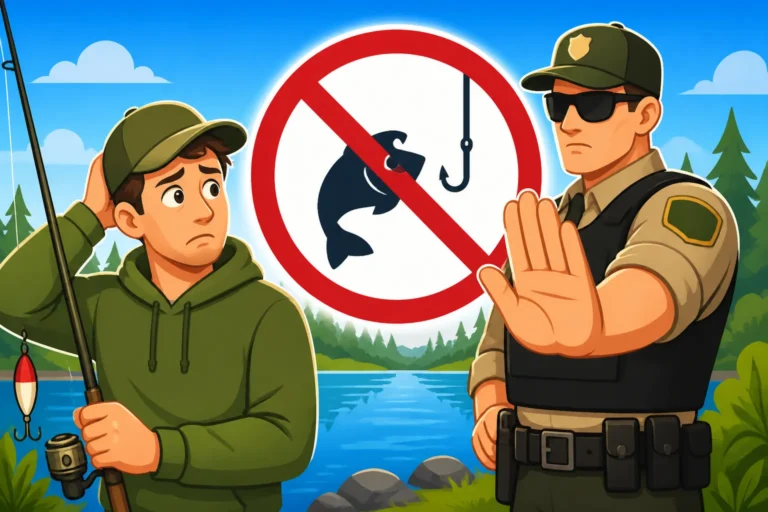
Even if you've done your research online and spoken to someone from the CA, always pay attention to any signage posted at the entrance to the conservation area, near parking lots, or right at the access point to the water body itself. Conservation authorities are diligent about posting rules and warnings where they are most relevant. These signs might detail specific catch limits, designated "no fishing" zones, "catch and release only" sections, or special bait restrictions.
Sometimes, rules might change seasonally or due to unforeseen circumstances (like a fish disease outbreak or a maintenance project), and on-site signs are often the first place these updates appear. A quick scan of these notices as you arrive can prevent misunderstandings. Consider them your final checkpoint before you cast your first line. It's a lot like having a detailed map on your phone, but still checking the local street signs for any last-minute detours!
Common Misconceptions and Important Considerations
Fishing in conservation areas is generally straightforward, but a few common misunderstandings can lead to an uncomfortable chat with a conservation officer. Let's tackle these head-on.
"It's Just a Pond, Do I Really Need a License?"
This is perhaps the most common misconception out there, especially when it comes to smaller, seemingly unassuming water bodies within a park setting. Many people mistakenly believe that if a pond is man-made, or small, or located within a municipal park (even if managed by a CA), it somehow falls outside the provincial fishing license requirements. This simply isn't true in Ontario.
Unless explicitly stated as an exemption (which is exceedingly rare and usually for very specific educational or children's events), if you are fishing for fish, you need an Ontario fishing license. This applies to virtually all public waters in the province, regardless of size or whether it's part of a conservation area, provincial park, or a random pond by the road. The size of the water body doesn't dictate the need for a license; the act of fishing for regulated species does. Always assume you need a license, and then confirm if there are any exemptions, rather than the other way around. Penalties for fishing without a license can be steep, and it's just not worth the risk for the small cost of a license.
Catch and Release Only Rules
Many conservation areas, particularly those managing sensitive populations, conducting stocking programs, or experiencing high fishing pressure, implement "catch and release only" rules. This means exactly what it sounds like: any fish you catch must be immediately and carefully returned to the water. These rules are vital for maintaining healthy fish stocks and ensuring sustainable angling opportunities for everyone.
It's not just about releasing the fish, but how you release it. Anglers in catch and release waters are often encouraged to use barbless hooks, avoid excessive handling, keep the fish in the water as much as possible, and use proper fish handling techniques. This is especially true for species like trout, which can be quite delicate. Always carry a pair of pliers or a de-hooking tool to minimize stress on the fish. You can find excellent resources on proper catch and release techniques, often demonstrated on platforms like YouTube, or by searching for Ontario Catch and Release Only Waters.
Respecting the Environment
Fishing in conservation areas isn't just about following the rules; it's about being a responsible steward of the environment. These areas are established to protect nature, and anglers have a crucial role to play in that mission. This means practicing "leave no trace" principles: take out everything you bring in, including all your trash, discarded fishing line, and any leftover bait.
Beyond trash, consider your impact. Avoid trampling vegetation, be mindful of wildlife, and if there are specific trails or access points, stick to them. Many conservation areas are home to sensitive ecosystems, and even small disturbances can have a ripple effect. This goes for everything from your tackle choices – opting for lead-free weights where possible – to the way you dispose of unwanted bait. Being a good angler in a conservation area means being a good environmental citizen, leaving the place better than you found it for both nature and other visitors.
Here’s a quick overview of some potential rules you might encounter:
| Rule Category | Common Provincial Rule | Potential Conservation Area Special Rule |
|---|---|---|
| Fishing License | Required for almost all waters in Ontario | Always required (no CA-specific fishing license, but entry fees) |
| Entry/Day Use Fee | Not applicable to provincial license | Often required for access to CA properties |
| Bag Limits | Set by Ontario Bag and Possession Limits by Species for FMZ | May be stricter for specific ponds/species, or catch & release only |
| Season Dates | Set by Ontario Fishing Season Dates by Zone for FMZ | May have local closures for spawning or habitat protection |
| Bait Restrictions | General restrictions apply (e.g., live baitfish rules) | Specific areas may prohibit certain baits (e.g., live worms, corn) |
| Lure Restrictions | Few general restrictions | May require single, barbless hooks or artificial lures only |
| Fishing Method | General methods allowed | May restrict methods (e.g., no ice fishing on certain ponds) |
| Boat Use | General Ontario Boating Laws for Anglers apply | May restrict motor types (e.g., electric motors only, no gas), or prohibit boats entirely |
| Accessibility | Varies by location | CAs often provide accessible fishing piers or platforms |
Remember, the table above provides examples of potential variations. It is crucial to check the specific conservation authority's regulations for the most accurate and up-to-date information.
Planning Your Fishing Trip to Conservation Lands
A little planning goes a long way when you're headed to an Ontario conservation area for some angling. You've got the lowdown on licenses and how to check for specific rules, so now let's think about making that trip as enjoyable and compliant as possible.
Getting Your Ducks in a Row Before You Go
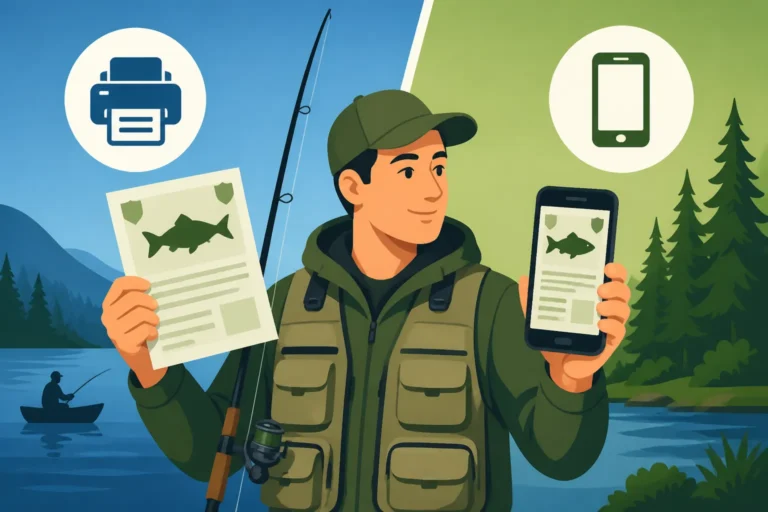
Before you even load up the car, confirm a few key things. First, ensure your Ontario Outdoors Card, Explained is valid and that you have purchased the correct fishing license for the current year. You can purchase or renew these easily online through the provincial licensing portal. If you're planning a multi-day trip, be sure to note the expiration date. It's smart to keep a digital copy on your phone and maybe a printed one from home, just in case. When you're packing your tackle box, you might even consider adding a small waterproof pouch for your license and any special permits, which you can easily find on Amazon.
Next, revisit the conservation authority's website. Check for any current advisories, changes to operating hours, or specific fishing closures that might have been recently implemented. For instance, some areas might close specific access points during heavy rain or for maintenance. This quick check ensures you don't arrive only to find your favorite spot inaccessible. You can often find a printable map of the area online, which can be super helpful for navigating once you're on site.
Essential Gear and Preparedness
Even if you're just heading to a small pond, it's wise to pack appropriately. Beyond your fishing license and regular tackle, consider bringing a small first-aid kit, insect repellent, sunscreen, and plenty of water. Conditions can change quickly, even on a sunny day. If you're going to be doing a lot of walking to get to your fishing spot, comfortable footwear is a must.
For those planning to fish from a small craft like a canoe or kayak within a CA, remember to comply with all Ontario Boating Laws for Anglers and ensure you have all required safety equipment, including your life jacket. Many CAs have specific rules about boat launches and the types of watercraft allowed on their lakes or rivers. A quick check of their site will confirm this.
Being a Responsible Angler and Visitor
When you're out there, remember you're sharing these beautiful spaces with nature and other visitors. Practice courteous angling, giving other fishers plenty of space. If you're fishing a popular spot, be mindful of noise levels and keep your area tidy. This often means packing out everything you brought in – including any leftover bait or discarded fishing line. Many CAs promote proper waste disposal, so use designated bins where available.
And, of course, always adhere to the specific fishing regulations for the conservation area. If it's catch and release, handle fish gently and return them quickly. If there are bait restrictions, follow them. Respecting these rules not only protects the fishery but also ensures that conservation areas remain welcoming and healthy environments for all to enjoy for years to come. By being a thoughtful and prepared angler, you're contributing to the conservation efforts that make these places so special.
Disclaimer
The information provided in this guide is for general informational purposes only and is not legal advice. Fishing regulations in Ontario are subject to change, and site-specific rules within conservation areas can vary. It is always the angler's responsibility to consult the most current Ontario Fishing Regulations Summary and directly contact the relevant conservation authority for the specific water body they intend to fish before heading out. Failure to comply with regulations can result in fines and penalties.