Lake Erie Yellow Perch Fishing
Oh, the humble yellow perch! If you've spent any time on the shores of Lake Erie, you know that frustration of a slow day, wondering if the fish have simply vanished. But when those perch are biting, there's nothing quite like the excitement of pulling in those golden-sided beauties, one after another. This guide is dedicated to helping you unlock the secrets of Lake Erie yellow perch fishing, ensuring more of those memorable, action-packed days on the water.
Why Lake Erie is a Perch Powerhouse
Lake Erie isn't just a good place for yellow perch; it's arguably the best. This incredible body of water, though smaller than some of its Great Lakes cousins, boasts an unparalleled productivity that makes it a true mecca for perch anglers. It’s no accident that year after year, anglers flock to its shores and launch their boats in search of that tell-tale tap of a perch bite. The unique characteristics of Lake Erie create an environment where yellow perch don't just survive, they absolutely thrive.
The Ideal Habitat for Perch
Lake Erie stands out due to its relatively shallow average depth compared to the other Great Lakes. This characteristic allows sunlight to penetrate more deeply, warming the water and stimulating an explosion of aquatic life at all levels of the food chain. Think about it: warmer water means more algae, which means more zooplankton, which means more insects and small baitfish. This rich, nutrient-filled environment is precisely what yellow perch need to flourish. They're not just existing; they're reproducing successfully and growing quickly, supported by this vibrant ecosystem. This abundance is why the perch population here can rebound even after tough years, offering consistent angling opportunities. The lake's diverse bottom structure, from soft, silty flats to rocky shoals and submerged timber, also provides a smorgasbord of hiding places and feeding grounds for perch throughout their life cycle.
Abundant Forage and Water Quality
One of the biggest factors in Lake Erie's perch success story is the sheer volume of forage available. Yellow perch are opportunistic feeders, and Lake Erie offers a buffet. They'll gorge on various insects, small crustaceans, and, crucially, vast schools of baitfish like emerald shiners and gizzard shad. These baitfish populations, in turn, flourish because of the lake's rich productivity. The water quality of Lake Erie has also seen significant improvements over the decades. While challenges still exist, conservation efforts and environmental regulations have contributed to a cleaner, healthier lake. This improved water quality directly impacts the health and abundance of the yellow perch, as well as the forage they rely upon. A cleaner environment means less stress on fish populations, allowing them to grow larger and reproduce more effectively, ultimately benefiting every angler hoping to fill a bucket with golden perch. It's a delicate balance, but Lake Erie seems to strike it just right for these popular panfish.
The Economic and Recreational Impact
Beyond the pure joy of reeling them in, yellow perch fishing on Lake Erie has a profound economic and recreational impact on communities all along the shoreline. Towns like Port Dover, Leamington, and Kingsville become bustling hubs during peak perch seasons, drawing in anglers from across Ontario and beyond. Local bait and tackle shops see a surge in business, charter boat operators are booked solid, and restaurants and accommodations thrive on the influx of visitors. For many families, a trip to Lake Erie for perch fishing is a cherished annual tradition. It's an accessible form of fishing, requiring less specialized gear than, say, muskie hunting, making it a perfect entry point for beginners and a relaxing pastime for seasoned anglers. The simple pleasure of a cooler full of fresh perch, destined for the frying pan, creates memories that last a lifetime. This consistent draw highlights why understanding and protecting Lake Erie's perch fishery is so vital, not just for the fish, but for the people and communities connected to them. If you're looking to plan a trip, it's often a good idea to check out platforms like FishingBooker to find local charters, especially if you're unfamiliar with the area or want to maximize your chances with an experienced guide.
Prime Locations for Yellow Perch on Lake Erie
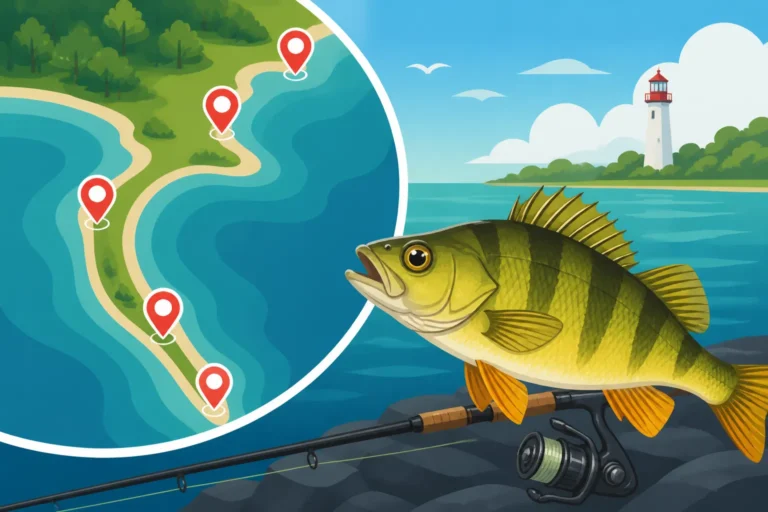
Lake Erie is a massive body of water, stretching over 240 miles from west to east. Knowing where to start looking for yellow perch can feel like finding a needle in a haystack if you're not familiar with its nuances. However, experienced anglers know that certain areas consistently hold more perch, largely due to specific bottom structures, forage concentrations, and proximity to spawning grounds. Whether you're launching a boat or fishing from shore, there are distinct zones that tend to produce excellent results.
Western Basin Hotspots
The Western Basin of Lake Erie is renowned globally for its incredible fishery, and yellow perch are no exception. This part of the lake is generally shallower and warms up faster in the spring, making it a prime location for early-season perch. Areas around Pelee Island, for example, are perennial favourites. The reefs and shoals surrounding the island create ideal structure for perch to congregate, especially when they're transitioning from spawning to feeding. Similarly, the waters off Kingsville and Leamington are extremely productive. Anglers often target depths ranging from 20 to 40 feet in these areas, looking for subtle changes in bottom contour or signs of baitfish on their sonar. The soft, silty bottoms here are rich in invertebrates, providing a constant food source for perch. Keep an eye out for larger flats with scattered weeds or rock piles, as these often hold schools of actively feeding fish. The sheer productivity of the Western Basin means that even on a tough day, there's always a chance to find a good bite if you're willing to move around and explore. It's also worth noting that the Lake Erie Walleye Fishing can be phenomenal in these same areas, so don't be surprised if you hook into a bonus walleye while chasing perch.
Central Basin Productivity
Moving eastward, the Central Basin of Lake Erie takes over, offering equally fantastic opportunities for yellow perch, especially as the season progresses. This section is a bit deeper and cooler than the Western Basin, but it still holds immense populations of perch. Long Point Bay is an absolute legendary perch fishing destination, often producing jumbo perch that will make your jaw drop. The vast, sandy flats and deep channels within the bay, combined with its protected nature, create a perfect sanctuary for perch. Fishing in depths of 30 to 60 feet is common here, often over mud or clay bottoms. Port Dover, situated on the north shore of the Central Basin, is another highly popular spot. Anglers often head straight out from the harbour, searching for schools of perch suspended over deep flats or holding tight to subtle breaks. The key in the Central Basin is often finding the baitfish – perch won't be far behind. Look for large schools of baitfish on your fish finder, and you're likely to find the perch stacked up below them. Early morning and late afternoon tend to be the most productive times in these deeper waters, particularly during the summer months.
Shoreline Access and Piers
Not everyone has access to a boat, and thankfully, Lake Erie offers plenty of fantastic shoreline access points and public piers where you can successfully target yellow perch. These spots are perfect for families, beginners, or anyone looking for a quick fishing fix without the hassle of launching a boat. Communities like Port Stanley, Port Burwell, and the aforementioned Port Dover all boast excellent public piers and breakwalls that extend into productive perch waters. On a good day, you can see anglers pulling in fish after fish from these structures. The key to shore fishing for perch is often timing and observation. Early mornings and evenings, when the light is low, are often best, as perch will move closer to shore to feed. After a strong onshore wind, baitfish can be pushed closer to the shoreline, bringing perch in with them. Light tackle, a simple bottom rig, and some live bait like minnows or worms are all you need to get started. Don't overlook the potential of these accessible spots; many trophy perch are caught each year by patient anglers casting from the bank. Always check local signage for any specific regulations or restricted areas, as some piers might have unique rules. For a general overview of fishing opportunities, our Lake Erie Fishing Guide offers more insights into different species and access points.
Best Times and Seasons for Perch Fishing
Yellow perch are active year-round in Lake Erie, making them a fantastic target no matter when you have a free day to hit the water. However, their behaviour, preferred depths, and feeding patterns change significantly with the seasons. Understanding these seasonal shifts is crucial for consistent success, allowing you to adapt your tactics and increase your chances of finding those elusive schools of golden perch. From the chilly waters of early spring to the hard-water adventures of winter, Lake Erie offers unique opportunities for perch anglers.
Spring Awakening and Post-Spawn Bite
Spring is an exciting time for perch anglers on Lake Erie. As the ice recedes and water temperatures begin to climb into the 40-50°F range, yellow perch start to move into shallower waters for their annual spawn. This usually occurs from late April to early May, depending on the specific location and how quickly the water warms. Before the spawn, perch are often actively feeding, bulking up on forage to prepare for the energy demands of reproduction. After they've laid their eggs, they enter a post-spawn recovery phase, where they become incredibly hungry and aggressive, presenting some of the best fishing of the year. During this time, look for perch in depths of 10-30 feet, often near transition areas where hard bottom meets soft mud, or around emergent vegetation. They'll be relatively shallow compared to later in the season. Small jigs tipped with minnows or pieces of worm are incredibly effective. Patience is key, as schools can be scattered, but when you find them, the action can be non-stop. Keep an eye on the Ontario Fishing Season Dates by Zone to ensure you're fishing legally and responsibly during this crucial time.
Summer Structure Fishing
As Lake Erie fully warms up in the summer months, yellow perch tend to move into deeper, cooler waters, often congregating around specific structures. This is when your fish finder becomes your best friend. Look for them holding to subtle breaks in the bottom contour, humps, submerged rock piles, or even larger schools of baitfish suspended in the water column. In the central and eastern basins, depths of 40-70 feet are not uncommon, while in the western basin, they might still be found in the 25-45 foot range. Perch often form large, dense schools in summer, and once you locate them, you can often stay on them for extended periods. Drop-shot rigs, Sabiki rigs (where legal, check Ontario Fishing Regulations Explained), and small jigging spoons or blade baits are highly effective. The key is to present your bait right in their strike zone, as summer perch can sometimes be finicky. Targeting early morning or late evening often yields the best results during the hotter parts of summer, as perch may become less active during the bright midday sun. For general advice on when to target specific species, our guide on the Best Time of Year to Fish in Ontario can provide further context.
Fall Feeds and Winter Ice Opportunities
Fall on Lake Erie sees yellow perch once again becoming incredibly active, as they begin to put on weight for the upcoming winter. As water temperatures cool, perch will often move shallower, concentrating in areas rich with baitfish. This can be one of the most productive times to target larger perch, as they feed aggressively. Depths might vary from 20-50 feet, depending on the specific location and current weather patterns. Vertical jigging with minnows or emerald shiners is a killer technique during the fall bite. As winter sets in and the lake begins to freeze over, Lake Erie transforms into an ice fishing paradise for perch enthusiasts. The ice fishing season typically runs from late December through March, offering unique opportunities. Popular ice fishing locations often include protected bays and shallower areas that freeze first, such as parts of Long Point Bay or specific harbours. When ice fishing, a Vexilar or similar flasher unit is indispensable for locating schools of perch under the ice and observing their reactions to your bait. Small jigs, teardrops, and tiny spoons tipped with a minnow head or a maggot are incredibly effective. Our detailed guide on Jigging for Perch Through the Ice offers more specific tips for this thrilling winter activity.
Essential Gear and Techniques for Lake Erie Perch
Fishing for yellow perch on Lake Erie doesn't require an arsenal of highly specialized, expensive equipment. In fact, one of the beauties of perch fishing is its accessibility. However, having the right setup and understanding the most effective techniques can dramatically improve your success rate and overall enjoyment. Precision, sensitivity, and the right bait presentation are key to consistently enticing these often-subtle biters.
Rods, Reels, and Line Choices
For Lake Erie yellow perch, a light to medium-light action spinning rod is your best friend. A rod between 6 to 7 feet in length, with a fast action tip, provides the sensitivity needed to detect those faint perch bites and enough backbone to handle a good-sized fish. Brands like Fenwick, Shimano, or St. Croix offer excellent options that balance sensitivity with durability. Pair this with a small, lightweight spinning reel (size 1000 or 2000) spooled with 6-8 pound test monofilament or fluorocarbon line. Monofilament is a good all-around choice due to its stretch and knot strength, while fluorocarbon offers excellent sensitivity and invisibility underwater. Some anglers prefer a super-thin braided line (e.g., 8-10 pound test) for its incredible sensitivity and zero stretch, especially in deeper water. If you go with braid, always use a fluorocarbon leader (4-6 lb test) of about 3-4 feet, as perch can be line-shy in clearer waters. The sensitivity of this setup will allow you to feel even the lightest of nibbles, which is crucial when perch are feeding cautiously. You can find more recommendations in our guide on the Best Fishing Rods for Ontario Lakes.
Preferred Baits and Rigs
When it comes to baits for Lake Erie yellow perch, live bait is almost always king. Small emerald shiners, fathead minnows, and pieces of nightcrawler or redworm are consistently the most effective. Minnows are particularly deadly, especially when fishing deeper waters or during active feeding periods. For artificials, small jigging spoons (like Swedish Pimples, Kastmasters, or Williams Wabler spoons) in silver, gold, or brass colours work wonders, often tipped with a minnow head for added scent and appeal. Blade baits, like the Berkley Blade Dancer or Heddon Sonar, are also excellent, especially for covering water and triggering reaction bites.
The most common and effective rig for perch fishing on Lake Erie is a simple dropper rig or a two-hook spreader rig.
- Dropper Rig: Tie a small swivel to your main line. From the other end of the swivel, tie a 1-3 foot fluorocarbon leader. About 6-12 inches above the bottom, tie in a dropper loop or snell a small hook (size 4 or 6, Aberdeen style is popular) directly onto the leader. At the very end, tie on a small bell sinker (1/4 to 1 ounce, depending on depth and current). You can use two hooks on this rig, spacing them out by about 12-18 inches.
- Spreader Rig: These are pre-tied wire or plastic arms that hold two hooks away from your main line, with a weight at the bottom. They are very effective, especially for boat fishing.
Always match your hook size to your bait and the size of perch you're targeting. Small, sharp hooks ensure a good hookset on these often delicate biters. You can explore more options in our article on the Best Tackle for Panfish.
Mastering the Perch Jigging Technique
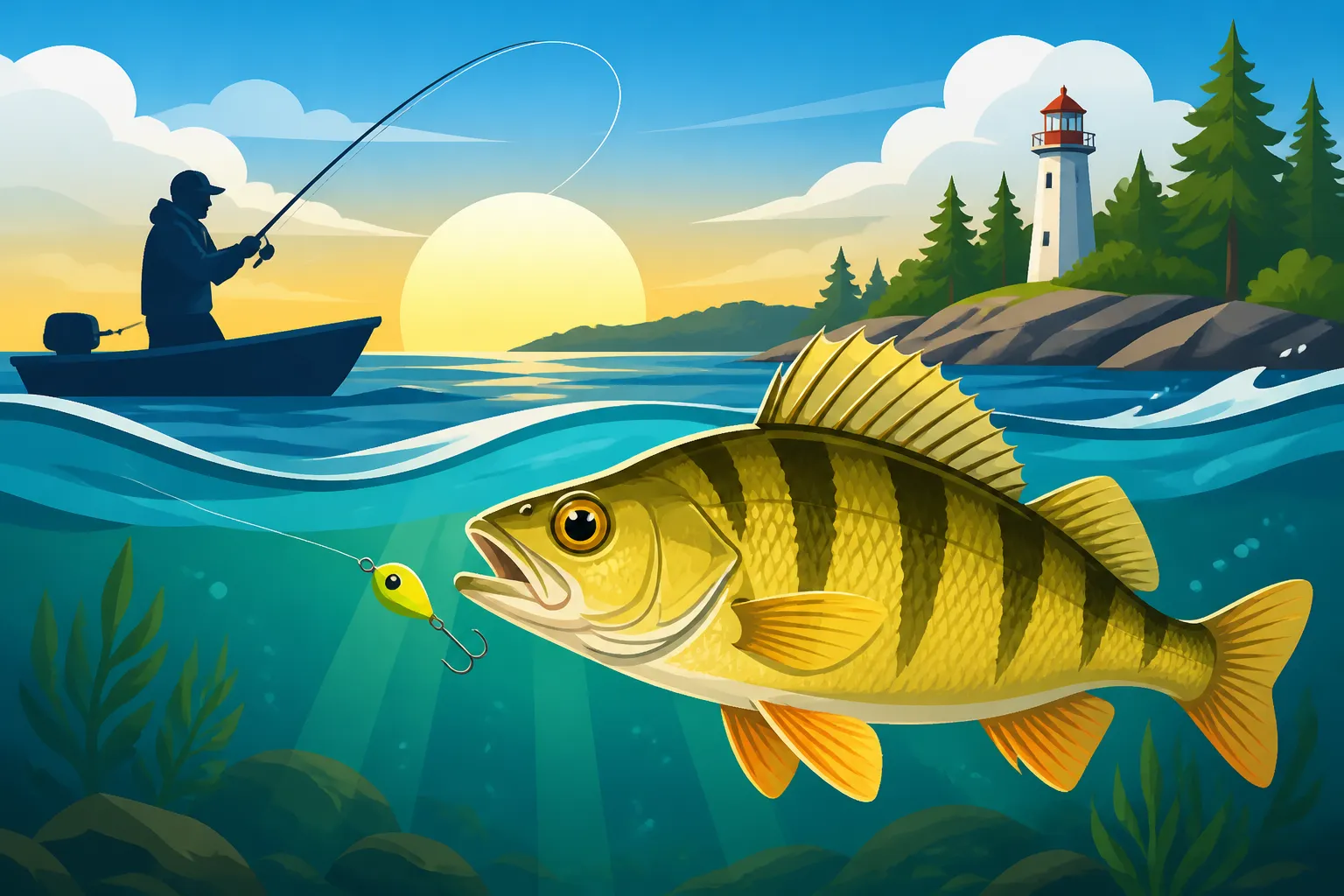
Vertical jigging is by far the most popular and productive technique for yellow perch on Lake Erie, especially from a boat. Once you've located a school of perch (your fish finder is invaluable here), position your boat directly over them. Drop your bait or lure down to the desired depth, often right above or within the school. The key is to present your offering in a way that mimics a wounded baitfish or an easy meal.
- Subtle Jigging: Lift your rod tip a few inches, then let it fall back, allowing your bait to flutter. This motion often triggers a bite. Experiment with the height and speed of your lifts. Sometimes a sharp, short twitch is best, while other times a slow, gentle lift is more effective.
- Pounding the Bottom: If fish are hugging the bottom, occasionally let your sinker or lure hit the lakebed, stirring up a small puff of mud. This can attract curious perch from a distance.
- Constant Monitoring: Keep a very close eye on your rod tip and feel for any subtle tap or resistance. Perch bites can be incredibly light, sometimes feeling like nothing more than extra weight on your line. If you're using a flasher, watch for fish moving towards your bait and react quickly.
Don't be afraid to experiment with your retrieve and presentation. Some days, a fast, aggressive jigging motion works wonders, while on others, a slow, almost motionless presentation is what triggers the bite. Moving to different spots and varying your depth until you find active fish is also a crucial part of the game. For those looking to hire a pro to show them the ropes, FishingBooker lists many experienced Lake Erie fishing guides who specialize in perch and walleye.
Understanding Yellow Perch Habits and Ecology
To consistently catch yellow perch on Lake Erie, it's not enough to just know where they are or what bait to use. A deeper understanding of their biology, diet, habitat preferences, and life cycles will give you a significant edge. By thinking like a perch, you can better anticipate their movements, feeding patterns, and preferred hangouts, turning frustrating days into successful outings.
Diet and Feeding Patterns
Yellow perch are true opportunistic feeders, meaning they will eat just about anything that fits in their mouth and is readily available. Their diet varies greatly with their size and the season. Smaller perch primarily feed on zooplankton and aquatic insects. As they grow larger, their diet shifts to include a wide variety of prey, including crayfish, leeches, small minnows (like emerald shiners and gizzard shad), and even the eggs of other fish species. This varied diet is one reason they thrive in Lake Erie's rich ecosystem.
Perch typically feed most actively during low-light conditions, such as early morning and late evening, but can be caught throughout the day, especially if a school is actively pursuing baitfish. They are primarily sight feeders, which is why lure colour and presentation can be important, especially in clearer water. In darker or stained water, vibrations and scent play a more significant role. They are also known to be "schooling" fish, meaning they travel and feed in large groups. When you find one, you're likely to find many. Understanding these feeding patterns allows you to time your fishing trips more effectively and present your bait in the most appealing way.
Habitat Preferences Throughout the Year
Yellow perch are highly adaptable, but their habitat preferences change dramatically throughout the year based on water temperature, spawning cycles, and the availability of food.
- Spring: During the pre-spawn and spawning period, they move into shallower waters, typically 10-30 feet, often around submerged vegetation, brush, or rocky areas where they can lay their adhesive egg strands.
- Summer: As the water warms, perch retreat to deeper, cooler waters, often congregating over mud flats, around humps, reefs, and other bottom structures. They'll follow schools of baitfish, sometimes suspending in the middle of the water column. Depths of 30-70 feet are common.
- Fall: As temperatures cool again, perch become very active, feeding aggressively to build up fat reserves for winter. They might move back into slightly shallower waters, often in the 20-50 foot range, again focusing on areas with abundant baitfish.
- Winter (Ice Fishing): Under the ice, perch can be found in a variety of depths, from shallow bays (10-20 feet) to deeper main lake basins (30-60+ feet), often near subtle structural changes or over soft bottoms where invertebrates thrive.
Understanding these seasonal movements is crucial for consistently locating fish. Your fish finder will be your most valuable tool for pinpointing these schools, especially in deeper water. For a broader look at species distribution, you might find our article on Yellow Perch in Lake Erie and Lake Simcoe informative, highlighting similarities and differences across major Ontario waters.
Spawning Cycles and Conservation
Yellow perch typically spawn in the spring, once water temperatures reach approximately 45-52°F (7-11°C). This usually occurs from April to early May in Lake Erie, though it can vary slightly each year based on weather conditions. Females lay long, accordion-like strands of eggs, often up to 200,000 eggs, which they attach to submerged vegetation, branches, or other structures in shallow water. The eggs hatch within 8-20 days, depending on temperature. The successful reproduction of yellow perch is vital for maintaining healthy populations.
Conservation efforts are incredibly important to ensure sustainable perch fishing for future generations. This includes adhering to catch limits, understanding slot sizes (if applicable), and practicing responsible catch-and-release, especially for larger breeding fish, if you've already met your possession limit. Fisheries management agencies continually monitor perch populations in Lake Erie to make informed decisions about regulations. By understanding their spawning cycles, anglers can appreciate the importance of fishing responsibly during these critical times and doing our part to protect this valuable resource. Familiarizing yourself with the Ontario Bag and Possession Limits by Species is an essential step for any responsible angler.
Navigating Regulations and Conservation
Fishing in Ontario, especially on a world-class fishery like Lake Erie, comes with a set of rules designed to protect fish populations and ensure sustainable angling for everyone. It's not just about avoiding fines; it's about being a responsible steward of our natural resources. Understanding the specific regulations for yellow perch on Lake Erie, as well as broader boating laws, is crucial before you even cast a line. The Ministry of Natural Resources and Forestry (MNRF) publishes detailed regulations annually, and it’s every angler’s responsibility to know and follow them.
Understanding Limits and Sizes
For yellow perch on Lake Erie, like most species in Ontario, there are specific catch and possession limits. These limits dictate how many fish you can harvest in a day and how many you can have in your possession at any given time (including at home). These limits can vary based on whether you hold a Sport Fishing License or a Conservation Fishing License. Generally, a Sport Fishing License allows for a higher limit than a Conservation License, which is designed for anglers who primarily catch and release or only take a minimal harvest.
For Lake Erie yellow perch, there are often no minimum size limits, meaning you can keep perch of any size that meets the daily catch and possession limits. However, it's always a good practice to release smaller fish to grow and reproduce, and larger, older fish that are significant breeders. Always consult the most current Ontario Fishing Regulations Summary for the specific Fisheries Management Zone (FMZ) that covers Lake Erie. Lake Erie is primarily in FMZ 19, but it's always good to double-check, as regulations can change. Ignorance of the law is not an excuse, so make sure you're up-to-date. You can easily find the specific costs and benefits of each license type by looking into the Ontario Sport vs Conservation Fishing License guide.
Protecting the Perch Population
Beyond just following the rules, true conservation involves actively protecting the perch population. This means thinking about how your actions impact the fishery. For instance, practicing proper catch and release techniques when you're done harvesting or when you catch an undersized fish (if there were a slot limit). This includes minimizing handling time, using barbless hooks, and supporting the fish properly in the water until it swims away strongly. Avoiding snagging fish, and not discarding unwanted bait or fishing line into the water are also crucial steps.
Another important aspect is being mindful of sensitive periods, such as the spring spawning season. While fishing may be open during the spawn, responsible anglers understand that these fish are critical for future generations. While Lake Erie's perch population is generally robust, overharvesting, habitat degradation, and invasive species are constant threats. By being proactive and educating ourselves and others, we contribute to the long-term health of this incredible fishery. Many local fishing clubs and conservation groups are also excellent resources and offer opportunities to get involved in protecting Lake Erie. You can find general information on all the rules in the comprehensive Ontario Fishing Regulations Explained article.
Resources for Up-to-Date Information
Staying informed is perhaps the most important aspect of navigating regulations and practicing conservation. The primary source for all official Ontario fishing regulations is the Ministry of Natural Resources and Forestry (MNRF). They publish an annual Ontario Fishing Regulations Summary, which is available online, at ServiceOntario locations, and at most bait and tackle shops. This summary details all the species-specific rules, zone regulations, and general fishing guidelines.
Here’s a quick reference table for common perch limits in FMZ 19 (Lake Erie), but always verify with the current year’s regulations summary as these can change:
| License Type | Daily Catch Limit (Yellow Perch) | Possession Limit (Yellow Perch) | Notes |
|---|---|---|---|
| Sport Fishing | 50 | 50 | No size limit typically |
| Conservation | 25 | 25 | No size limit typically |
It's also beneficial to check local government websites for specific municipal bylaws regarding fishing from piers or public lands. Online platforms like FishingBooker can sometimes offer insights into local conditions and regulations through their guides, but the official MNRF summary should always be your go-to for legal requirements. Don't forget to keep your Outdoors Card and fishing license with you at all times while fishing, whether in digital or printed format. Our Ontario Fishing License Guide for 2026 can help you understand the requirements for obtaining and carrying your license.
Disclaimer
The information provided in this guide is for general informational purposes only and is subject to change. Fishing regulations, season dates, and limits are set by the Ontario Ministry of Natural Resources and Forestry (MNRF) and are updated annually. It is the angler's responsibility to consult the most current official Ontario Fishing Regulations Summary for the relevant Fisheries Management Zone before fishing. We are not responsible for any violations or misinterpretations of the regulations. Always prioritize safety and environmental stewardship while on the water.