Best muskie spots on Lake Nipissing
There’s nothing quite like the thrill of chasing muskellunge, especially on a legendary body of water like Lake Nipissing. But let's be real, this massive lake can feel overwhelming when you're trying to pinpoint those elusive toothy critters. It’s easy to spend hours casting without a sniff, leaving you wondering where everyone else finds success. This comprehensive guide will cut through the noise, revealing the absolute best muskie spots on Lake Nipissing and giving you the insider knowledge you need to land that fish of a lifetime.
Understanding Lake Nipissing's Muskie Habitat
Lake Nipissing is a truly special fishery, a sprawling, relatively shallow lake that offers an incredible variety of habitats for muskellunge. To consistently find these apex predators, you need to understand why they choose certain areas. It's not just about throwing a big bait; it's about thinking like a muskie. These fish are masters of ambush, always looking for structure, cover, and an easy meal.
Weed Beds and Shoals
Muskies absolutely love the dense cover and rich feeding opportunities that extensive weed beds and shallow shoals provide. Picture vast underwater fields of cabbage, broad-leaf pondweed, and emergent reeds; these are not just pretty scenery, they're muskie supermarkets and hiding spots. The shallower, warmer water in these areas attracts abundant baitfish – think perch, cisco, and suckers – which, in turn, draws in the muskies. Look for transitions where different types of weeds meet, or where a thick patch thins out into open water. These edges are classic ambush points.
Not all weed beds are created equal, though. The most productive ones will often have a consistent depth, say 8 to 15 feet, with access to deeper water nearby. They also benefit from sunlight penetration, fostering a healthy ecosystem. Anglers often find success working the perimeters of these weed lines, or casting over submerged patches with weedless presentations. The frustration of getting snagged in dense weeds is real, but a big muskie often makes that struggle worthwhile, erupting from the green cover like a torpedo.
Rocky Structure and Drop-offs
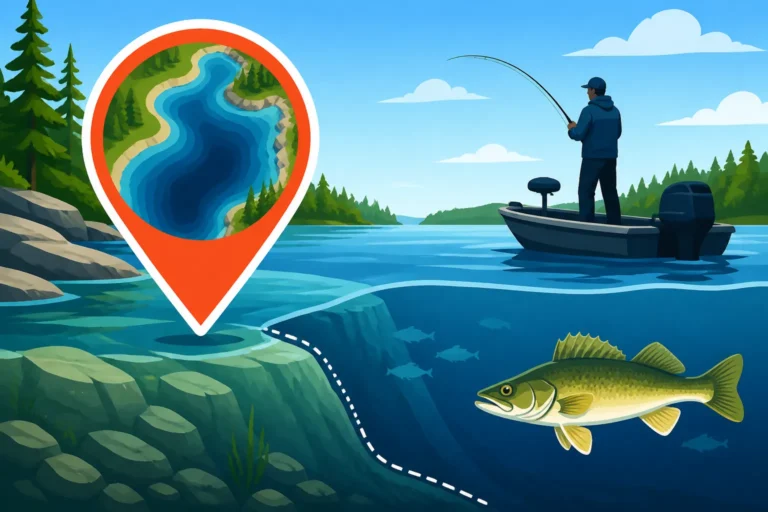
While Nipissing is known for its expansive weed flats, it also features significant rocky structure, particularly in certain areas. Muskie aren't solely weed fish; they'll readily relate to hard bottom, boulders, and steep drop-offs, especially as water temperatures fluctuate. These rocky areas provide excellent holding positions in current, offer deep-water access for comfort, and often attract different forage species like crayfish or larger baitfish that prefer hard bottom.
When you're scanning your sonar, look for rock piles, submerged points, or sharp breaks where the bottom transitions from a shallow flat to a much deeper trough. These spots are particularly effective during periods of high sun or after cold fronts when muskies might retreat from the shallower weeds into more stable, deeper water. A lone boulder field surrounded by sand, or a rocky finger extending into a basin, can be a magnet for a trophy fish. Many experienced muskie anglers dedicate time to mapping these subtle changes, understanding that these hidden gems often hold the biggest fish.
Current and Inflow/Outflow Areas
Lake Nipissing has several rivers and channels that feed into and out of it, creating areas of noticeable current. These moving water zones are absolute gold for muskie fishing. Current brings with it a steady supply of oxygen, concentrates baitfish, and provides ideal ambush points for muskies who can sit just out of the main flow, expending minimal energy while waiting for prey to drift by. Think about the mouth of the French River or the Sturgeon River, for instance, where the flow into the lake can create fantastic opportunities.
Beyond major river systems, even subtle constrictions or channels within the lake itself can generate enough current to attract muskies. Look for bottlenecks between islands, narrow passages, or areas where large bays connect. These areas often have a mix of weed and rock, providing the best of both worlds. The changing currents also mean that baitfish are less predictable, making them easier targets for a hungry muskie. Understanding the Ontario Fishing Regulations Explained will be key here, as some areas near river mouths might have specific seasonal closures or restrictions.
Top Muskie Hotspots on Lake Nipissing
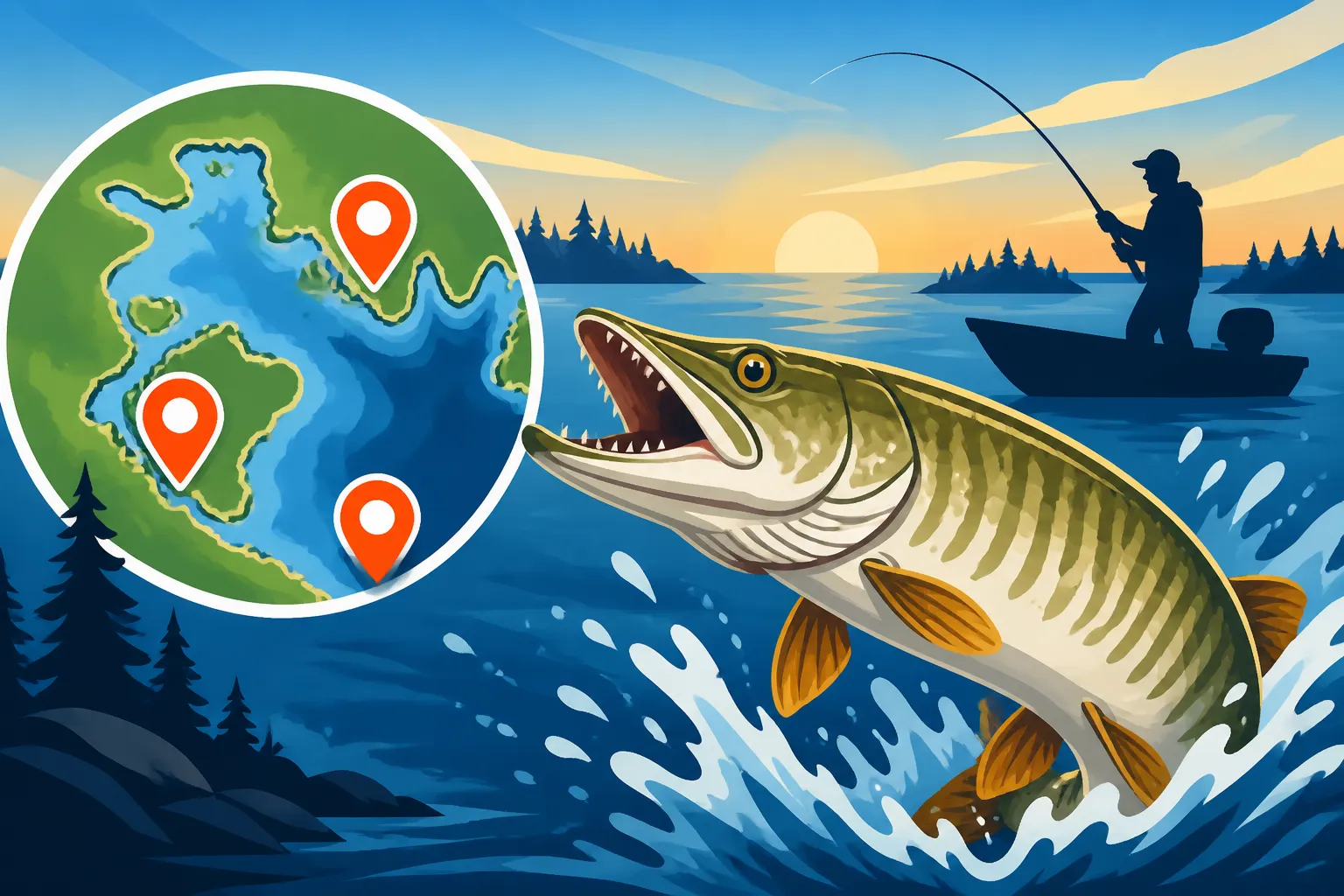
Lake Nipissing is a sprawling body of water, and while muskies can be found throughout, some areas consistently produce more and bigger fish. Knowing these hotspots can save you a lot of time and fuel, putting you in the prime zone for action.
West Arm and Cache Bay
The West Arm of Lake Nipissing, stretching towards the French River, is renowned for its muskie population. This area is a labyrinth of islands, channels, and extensive shallow flats, creating a perfect muskie habitat. Cache Bay, nestled within the West Arm, is a particular gem. It’s characterized by massive weed beds, lily pad fields, and numerous small islands that break up the wind and provide countless ambush points. The baitfish here are abundant, and the muskies grow large feasting on them.
Anglers often focus on the outer edges of the expansive weed flats that line Cache Bay, or work around the rocky points and humps associated with the many islands. The protected nature of the bay also makes it a great spot when the main lake gets too rough. If you're looking for an unforgettable trip, many anglers find great success by working with local fishing lodges or charter guides in this area, sometimes booked through platforms like FishingBooker, who know these waters like the back of their hand. Just remember to check the Ontario Muskellunge Season Dates and Limits before you head out, as seasons can vary slightly.
North Bay Shoreline and Islands
The area around North Bay, particularly the eastern and northern shorelines of Lake Nipissing, offers a different type of muskie fishing, often characterized by more distinct rocky structure and deeper water access. While there are still plenty of weed beds, the proximity to the city means more developed areas and boat traffic, but it also means easier access. The string of islands off the north shore, like Manitou Islands and Callander Island, are fantastic muskie magnets. These islands feature rocky shorelines, reefs, and sharp drop-offs into deeper basins.
Casting large crankbaits and glide baits along the wind-swept sides of these islands or trolling deeper baits along the contours can be highly effective. The current that flows between some of these islands also concentrates bait and muskies. It’s a great area for both casting and trolling, offering diverse opportunities. If you're planning a trip and need to line up accommodation or a guide, resources found on FishingBooker can often point you to reputable outfits operating out of the North Bay area.
South Shore and Callander Bay
Moving towards the south shore, including Callander Bay, you'll find another excellent muskie territory. Callander Bay itself is a large, relatively shallow bay with a mix of weed beds and gradual drop-offs, making it prime muskie hunting grounds. The weed growth can be incredibly dense here, so presentations that can get through or over the top are essential. The bay’s protected nature often provides calmer waters than the main lake, which can be a relief on windy days.
Further west along the south shore, towards the area of Nipissing village, you encounter more scattered islands, channels, and transitional zones where shallower weed flats meet deeper main lake basins. These subtle depth changes and varying bottom compositions are exactly what trophy muskies are looking for. Many anglers attest to the potential of these less pressured, expansive areas for producing some truly massive fish. Always be sure to consult a detailed map or GPS unit to identify these nuanced underwater features.
Seasonal Strategies for Nipissing Muskie
Muskie fishing on Lake Nipissing isn't a "one-size-fits-all" endeavor. These fish change their habits significantly throughout the year, influenced by water temperature, baitfish movements, and spawning cycles. Adapting your approach to the season is paramount for success.
Spring and Early Summer Tactics
As the ice finally recedes from Lake Nipissing, muskies are often found recuperating from the spawn. The season generally opens around the first Saturday in June, but always confirm the Ontario Fishing Season Dates by Zone. In late spring and early summer, muskies are typically shallower, often relating to the edges of emerging weed beds, rocky points, and shallow bays that warm up quickly. They're looking for an easy meal as their metabolism starts to ramp up after the cold winter and the rigors of spawning.
Focus your efforts on areas with slightly warmer water, often found in protected bays or near dark, rocky shorelines that absorb sunlight. Smaller to medium-sized bucktails, twitch baits, and jerkbaits worked slowly and deliberately are often effective. The fish might not be overly aggressive yet, so subtle presentations can be key. This is a fantastic time to target the expansive flats of the West Arm or the warmer pockets within Callander Bay. Many anglers find this early season period offers consistent action before the summer heat sends fish deeper.
Mid-Summer Patterns
When the dog days of summer hit Lake Nipissing, the water warms significantly, and muskies often adjust their habits. While some fish will remain in the heavy cover of dense weed beds, particularly in low-light conditions, many will retreat to deeper water, seeking cooler temperatures and stable thermal layers. Look for muskies relating to deep weed lines, offshore humps, rock reefs, and steep drop-offs into the main lake basin. This is when your fish finder becomes an indispensable tool, helping you locate these structural elements and identify suspended baitfish schools.
Trolling can be incredibly effective during mid-summer, allowing you to cover vast amounts of water and present large crankbaits or deep-diving jerkbaits at specific depths. Night fishing also gains popularity as muskies become more active under the cover of darkness, often moving shallower to feed. Consider large topwater lures or noisy crankbaits after sunset. The main lake basin, especially around the larger islands off North Bay, becomes a prime area for this type of fishing. If you're not sure where to start, you could even look for guides on FishingBooker specializing in Night Fishing for Walleye in Ontario which often means they know good muskie spots too, as both species relate to similar structures at night.
Fall Feeding Frenzy
Ah, autumn on Lake Nipissing – this is arguably the most coveted time to chase trophy muskies. As water temperatures begin to drop, muskies enter their pre-winter feeding frenzy, bulking up for the cold months ahead. They become incredibly aggressive, often willing to chase and strike larger baits. The biggest fish of the year are frequently caught during this window. Muskies will often move back shallower during the day, following baitfish that are also staging for winter, but they'll also relate to deeper edges of structure.
Focus on areas where large schools of cisco or whitefish gather, as these are primary forage for large muskies. Large bucktails, big rubber baits, and oversized jerkbaits are the order of the day. Don't be afraid to throw truly enormous presentations; muskies are looking for a big meal. The West Arm and the deeper rocky areas around the Manitou Islands are particularly good during the fall. This is prime time for practicing the Best Techniques for Fall Muskie Fishing, ensuring you're maximizing your chances for a giant.
Essential Gear and Techniques for Nipissing Muskie
Chasing muskie on Lake Nipissing isn't like bass fishing; it demands specialized gear and a dedication to specific techniques. These are powerful, intelligent fish, and your tackle needs to be up to the task to not only hook them but to safely land and release them.
Rods, Reels, and Line
For muskie fishing, you need heavy-duty equipment that can withstand the incredible force these fish exert.
- Rods: Opt for a heavy or extra-heavy power baitcasting rod, typically 8 to 9.5 feet long. Longer rods provide better leverage for casting large baits and fighting big fish, especially when performing a figure-eight boatside. Brands like St. Croix, G. Loomis, and Shimano offer excellent muskie-specific rods that can handle the abuse.
- Reels: A high-quality baitcasting reel with a robust drag system and strong gearing is crucial. Look for models with a high line capacity, capable of holding 80-100 lb braided line. Gear ratios around 5.1:1 or 6.1:1 are versatile for various presentations.
- Line: Braided line is the only way to go for muskie. Its zero-stretch properties provide maximum sensitivity and hook-setting power. Use 80 to 100-pound test. Always, always use a heavy fluorocarbon or wire leader (100-200 lb test) to prevent bite-offs. These fish have serious teeth! You can learn more about appropriate tackle in our Best Muskie Gear for Ontario Waters guide.
Lure Selection
Muskie lures are often large, flashy, and designed to grab attention. Having a diverse selection is key to adapting to different conditions and fish moods.
- Bucktails: These are probably the most iconic muskie lures. They come in various blade configurations (single, double, triple, tandem) and colours. Work them with a fast, steady retrieve, trying to create a "flash and vibration" signature that mimics fleeing baitfish. Think Cowgirls or Big Tooth Tackle bucktails.
- Glide Baits: These lures are incredibly effective, especially for wary fish. They require a specific rod action to make them "glide" side-to-side on the retrieve, mimicking an injured baitfish. S-Waver or Hellhound are popular choices.
- Topwater Lures: The explosive strike of a muskie on a topwater lure is unforgettable. Large prop baits, walk-the-dog style baits, and ploppers are excellent in low-light conditions or over shallow weed beds. Whopper Ploppers and Lunge Buster Topwaters are good examples.
- Jerkbaits & Crankbaits: Deep-diving crankbaits are essential for trolling or reaching deeper fish, while erratic jerkbaits are fantastic for triggering strikes from aggressive fish. These are also excellent for covering water quickly. Check out our Best Lures for Muskie Fishing in Ontario for more in-depth recommendations.
Safe Handling and Release
Muskie are a precious resource, and responsible catch-and-release practices are paramount, especially given their potential to grow to Muskellunge Growth Rate to Trophy Size.
- Landing Net: A large, rubberized muskie net is non-negotiable. It protects the fish's slime coat and fins. Never land a muskie by hand without a net.
- Tools: Have long-nosed pliers, bolt cutters (for cutting hooks if necessary), and jaw spreaders readily accessible. These tools allow for quick and safe hook removal.
- Minimal Handling: Keep the fish in the water as much as possible. If you must remove it for a quick photo, support its entire body horizontally. Avoid vertical hangs, which can damage internal organs.
- Revival: After unhooking, gently hold the muskie upright in the water until it swims away under its own power. Sometimes this means holding it for a few minutes, especially after a long fight.
By following these guidelines and respecting the fish, you contribute to a healthy muskie fishery on Lake Nipissing for generations to come. This commitment to conservation is part of the challenge and reward of pursuing Muskellunge Fishing in Ontario.
Lake Nipissing Muskie Hotspot Overview
Here's a quick overview of some prime muskie areas on Lake Nipissing, focusing on their primary features and seasonal advantages:
| Hotspot Area | Primary Features | Best Season(s) | Key Lure Types | FishingBooker Guide Availability |
|---|---|---|---|---|
| West Arm & Cache Bay | Extensive weed beds, lily pads, islands, channels | Spring, Summer, Fall | Bucktails, Jerkbaits, Topwater | High |
| North Bay Shoreline/Islands | Rocky points, reefs, deep drop-offs, current | Summer, Fall | Trolling Crankbaits, Glides | High |
| Callander Bay | Large shallow bay, dense weeds, gradual slopes | Spring, Summer | Bucktails, Spinnerbaits, Topwater | Moderate |
| South Shore (W of Callander) | Mixed weed/rock, subtle structure, main lake access | All Seasons | Variety, Trolling & Casting | Moderate |
Disclaimer
Fishing regulations, conditions, and fish behavior can change. Always consult the most current Ontario fishing regulations guide issued by the Ministry of Natural Resources and Forestry (MNRF) before heading out. Safety should always be your top priority when on the water.