Best fishing spots on the Madawaska River
Finding that perfect fishing spot can feel like a lifelong quest, especially on a river as diverse and winding as the Madawaska. It’s easy to feel overwhelmed by its length and varied terrain, wondering where to even drop a line for the best chance at a great catch. This comprehensive guide is designed to cut through that confusion, giving you the insider scoop on the Madawaska River’s prime fishing locations, target species, and the tactics that truly work.
Understanding the Madawaska River Fishery
The Madawaska River, a significant tributary of the Ottawa River, is a true gem for anglers in Eastern Ontario. It stretches approximately 230 kilometers from its headwaters near Algonquin Park all the way to Arnprior, flowing through a mix of rugged wilderness, picturesque cottage country, and charming small towns. What makes the Madawaska so special is its incredible variety: you’ll find everything from deep, slow-moving pools to fast, rocky rapids, wide-open sections resembling small lakes, and narrow, intimate channels. This diverse habitat supports a thriving ecosystem, making it a hotspot for a range of popular game fish.
Historically, the river has been a lifeline for communities and wildlife, and today, it continues to draw anglers seeking both solitude and sport. The river’s character shifts dramatically as you move downstream, offering different challenges and rewards. Upstream sections, closer to Algonquin, are wilder and more remote, often requiring canoe or kayak access. As it flows through communities like Calabogie and Burnstown, the river widens, slows, and becomes more accessible, often flanked by cottages and public access points. This variability means that successful fishing on the Madawaska requires understanding these nuances and adapting your approach to the specific section you're exploring.
Common Fish Species in the Madawaska
The Madawaska River is home to a fantastic array of fish, catering to various angling preferences. Each species thrives in different parts of the river, so knowing what you’re likely to encounter can help you plan your trip effectively.
Smallmouth Bass
These feisty fighters are arguably the most popular target on the Madawaska. Smallmouth bass thrive in the river's rocky stretches, current breaks, and submerged timber. You'll find them lurking near eddies, fallen logs, and around any structure that offers ambush points. Their aggressive strikes and powerful fights make them a favorite for many anglers. The spring and fall are particularly productive for smallmouth, but they can be caught throughout the warmer months. Look for them in areas with good current and clear water, often where there's a mix of rock and gravel bottoms.
Walleye
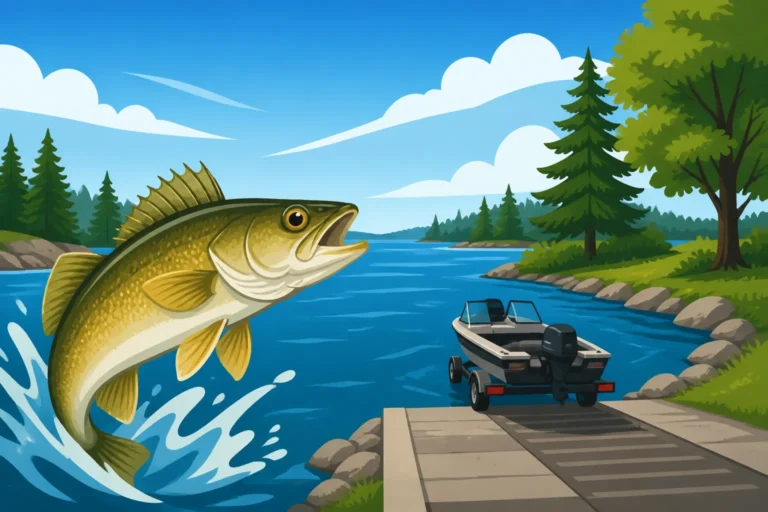
Known for their delicious fillets and elusive nature, walleye are another prized catch on the Madawaska. They prefer deeper, cooler water, often congregating in larger pools, river bends, and downstream of rapids where the water churns and creates current seams. Early morning, late evening, and even night fishing can be incredibly rewarding for walleye, especially during their active feeding periods. Pay close attention to current lines and drop-offs, as these are prime ambush spots for these schooling fish. Understanding How to Catch Walleye in Ontario can significantly increase your success here.
Northern Pike
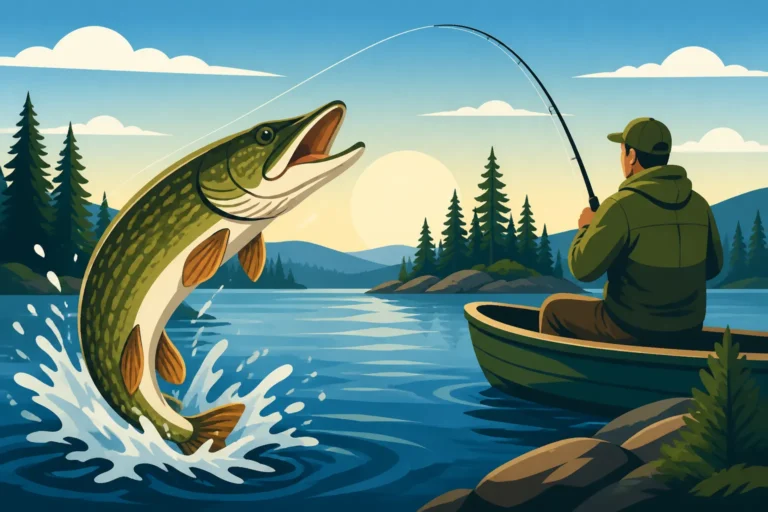
If you're looking for a toothy predator, the Madawaska delivers with its healthy population of northern pike. These ambush hunters prefer weedy bays, slack water, and areas with plenty of submerged vegetation or cover where they can lie in wait for unsuspecting prey. Pike are less structure-oriented than bass in some ways, often found cruising the edges of weed beds or hanging around fallen trees. They can be found throughout the river, especially in slower, wider sections. Large, flashy lures are often the ticket for these aggressive fish. To learn more about targeting them, check out our guide on How to Catch Northern Pike in Ontario.
Muskellunge
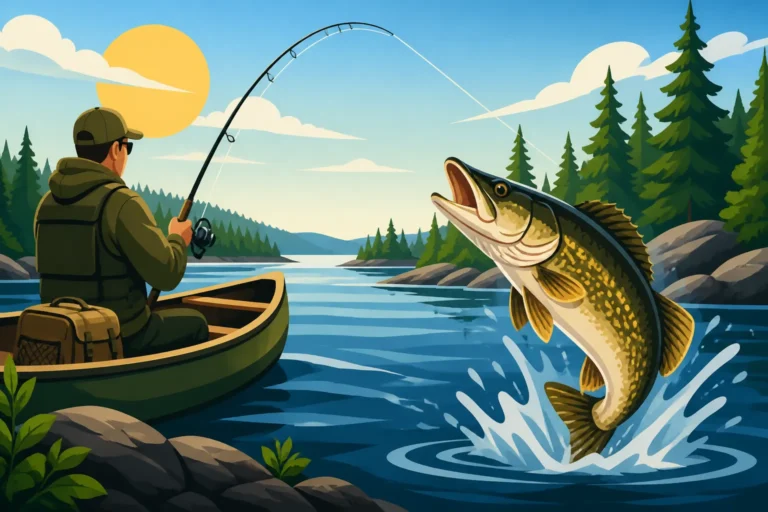
For the dedicated trophy hunter, the Madawaska River offers excellent opportunities for muskellunge. These giants are present throughout the system, particularly in the wider, deeper sections and areas with significant weed beds and submerged structure. Muskie fishing is a game of patience and perseverance, but the reward of hooking into one of these freshwater titans is unparalleled. Targeting muskie often involves large baits and specialized gear, and it's not for the faint of heart. Dedicated muskie anglers often spend days, even weeks, on the water to land one.
Navigating the River: Zones and Access
The Madawaska River's length means it flows through several distinct geographic and ecological areas, impacting both the fishing experience and the regulations. Ontario uses a system of Fisheries Management Zones (FMZs), and the Madawaska River primarily falls within Ontario Fisheries Management Zones, Explained FMZ 15, with its headwaters extending into FMZ 10. Always double-check the current Ontario Fishing Regulations Explained for the specific zone you'll be fishing, as seasons and limits can vary.
Access to the Madawaska ranges from easily accessible public boat launches and shorelines to remote wilderness portages. For many anglers, a boat—whether a small aluminum, a canoe, or a fishing kayak—is invaluable for exploring the most productive waters. Many outfitters in the region can also help you find guided trips or rent appropriate gear.
Prime Fishing Zones and Access Points on the Madawaska
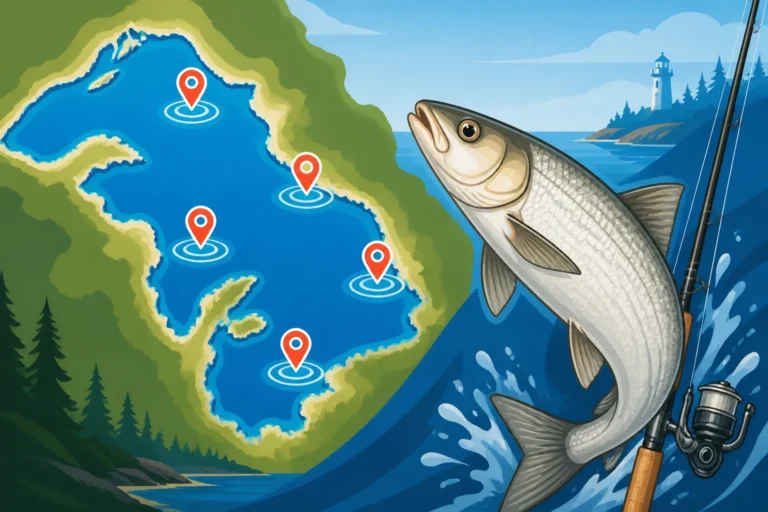
The Madawaska River truly shines in different areas for different species. Understanding these zones will help you pinpoint your efforts and maximize your chances of success. From the wild upper reaches to the more developed lower sections, each part has its unique appeal.
Upper Madawaska: Algonquin to Calabogie
The uppermost sections of the Madawaska, particularly as it flows out of Algonquin Provincial Park and through lakes like Centennial Lake and Black Donald Lake, offer a wilder fishing experience. This area is characterized by a mix of pristine wilderness, rocky shorelines, and plenty of submerged timber, making it fantastic for pike, lake trout (in the larger, deeper lakes), and smallmouth bass.
Centennial Lake and Black Donald Lake
These large, connected lakes are technically expansions of the Madawaska River system. They are known for their excellent walleye and smallmouth bass fishing, as well as northern pike.
- Access: Public boat launches are available on both lakes. For Centennial Lake, the launch at Griffith offers good access. For Black Donald Lake, there are a couple of public launches, including one at Black Donald Tent & Trailer Park (though confirming public access is always wise).
- Targeting: Focus on the points, rocky shoals, and transitions between deep and shallow water for walleye and smallmouth. The numerous bays and weed lines are prime pike territory. During the spring and fall, these areas can be incredibly productive. Using a local charter from a service like FishingBooker could provide valuable insights into these complex lake-river systems.
Calabogie Lake Area
As the river approaches Calabogie, it widens into Calabogie Lake, a popular destination for both recreational boating and fishing. This area offers a mix of deep water, rocky structure, and weed beds.
- Access: There are public boat launches in Calabogie, making it easy to put in a larger boat. Shore fishing opportunities are somewhat limited but exist around public docks and parks.
- Targeting: Calabogie Lake is renowned for its excellent smallmouth bass fishing, with plenty of rocky humps and drop-offs. Walleye can also be found in deeper sections, especially near inflows and outflows. Northern pike lurk in the weedy bays. It’s also a known area for muskellunge, so keep your muskie gear handy!
Mid-Madawaska: Calabogie to Burnstown
This section of the river becomes more riverine again, with a good mix of rapids, calmer pools, and varied shoreline structure. It’s a fantastic stretch for those who enjoy drifting and working current seams.
Burnstown Area and White Lake Connection
The stretch around Burnstown offers classic river fishing. The river here has a good flow, with numerous current breaks, eddies, and submerged structure. The nearby White Lake, which connects to the Madawaska, is another renowned fishery.
- Access: There are smaller public access points and boat launches in Burnstown. For White Lake, several public access points are available around the lake.
- Targeting: Smallmouth bass absolutely love the current breaks and rocky structure in this area. Look for them holding behind large rocks or in seams where faster water meets slower water. Walleye can be found in deeper pools, especially downstream of any rapids or dams. The connection to White Lake also brings potential for larger pike and muskie. Drift fishing with jigs or casting crankbaits are effective methods here.
Arnprior Dam Area
While fishing directly at the dam might be restricted or require specific permits, the areas immediately above and below the Arnprior dam can be extremely productive, especially for walleye and smallmouth bass. The changing water levels and concentrated current create excellent feeding opportunities.
- Access: Public boat launches are available upstream and downstream of Arnprior. Shore fishing can be found in designated areas, but always observe local signage for restrictions.
- Targeting: The turbulent water below the dam often concentrates baitfish, attracting predatory species. Walleye are frequently caught here, particularly during low-light conditions. Smallmouth bass will stack up in current breaks. Be cautious of strong currents and consult local fishing regulations, including those on Special Regulation Waters in Ontario, as dam areas often have specific rules. This is another area where booking a local guide through platforms like FishingBooker could offer a safer and more productive experience, as they know the nuances of the local regulations and currents.
Lower Madawaska: Arnprior to the Ottawa River Confluence
The lower reaches of the Madawaska become wider and slower, eventually meeting the mighty Ottawa River. This section is often overlooked but can offer some fantastic fishing, particularly for those targeting larger warm-water species.
River Junctions and Backwater Bays
As the Madawaska nears its confluence with the Ottawa, you’ll find expansive backwater bays and slower-moving stretches. These areas are ideal for targeting northern pike and muskellunge, which thrive in the extensive weed beds and calmer waters.
- Access: Public launches in Arnprior and surrounding areas provide access.
- Targeting: Focus on casting large spinnerbaits, bucktails, or soft plastic swimbaits along the weed lines and through lily pad fields for pike and muskie. Smallmouth bass can still be found around any remaining rock structure or submerged wood.
Essential Gear and Techniques for Madawaska Anglers
Successfully navigating the Madawaska River's diverse waters means having the right gear and knowing how to use it. From your rod and reel setup to your choice of lures and presentation, adapting to the river’s conditions is key.
Rods, Reels, and Line
For most Madawaska fishing, a versatile medium-heavy spinning or baitcasting setup will serve you well.
- Rods: A 6'6" to 7' medium-heavy action rod is a great all-around choice for smallmouth, walleye, and even lighter pike fishing. For dedicated muskie anglers, a much heavier, longer rod is absolutely essential. Our guide on Best Fishing Rods for Ontario Lakes offers some excellent options that translate well to rivers.
- Reels: A reliable spinning reel in the 2500-3000 series is perfect for bass and walleye. For baitcasting, a reel with a good drag system and line capacity is key, especially if you're throwing larger lures. For muskie, heavy-duty baitcasting reels are standard.
- Line: Braided line (20-30 lb test) with a fluorocarbon leader (10-20 lb test) is a popular and effective choice for its sensitivity and strength. The fluorocarbon leader offers invisibility in clearer water and abrasion resistance. For pike and muskie, a much heavier fluorocarbon or even a wire leader is non-negotiable to prevent bite-offs.
Lures and Baits
The Madawaska’s diverse fish population means a varied tackle box is an asset.
- Smallmouth Bass:
- Soft Plastics: Tubes, grubs, creature baits on jig heads.
- Crankbaits: Medium-diving crankbaits in natural baitfish patterns.
- Topwater: Poppers and walking baits, especially during low light or calm conditions.
- Spinners: Inline spinners can be very effective in current.
- Walleye:
- Jigs: Finesse jigs tipped with live minnows, worms, or soft plastics like Berkley Gulp!
- Bottom Bouncers/Crawler Harnesses: Especially effective for trolling or drifting.
- Crankbaits: Deep-diving crankbaits in perch, shad, or firetiger patterns. For more specific recommendations, check out Best Crankbaits for Ontario Walleye.
- Northern Pike:
- Spinnerbaits: Large, flashy spinnerbaits with tandem blades.
- Spoons: Classic red-and-white or silver spoons.
- Large Soft Plastics: Swimbaits fished on heavy jig heads.
- Muskellunge:
- Bucktails: Large, heavy bucktail spinners.
- Jerkbaits/Glide Baits: Big, erratic lures that imitate distressed baitfish.
- Large Crankbaits: Trolling large crankbaits is also a common method. For more detail, see Best Lures for Muskie Fishing in Ontario.
Techniques for Success
River fishing presents unique challenges and opportunities compared to lake fishing.
- Reading the Current: Understanding how current flows around structure (rocks, fallen trees, points) is crucial. Fish often position themselves in current breaks to conserve energy while waiting for prey. Casting into the current and allowing your lure to drift naturally into these zones can be highly effective.
- Drift Fishing: This is a particularly effective technique on many sections of the Madawaska. Whether by boat or kayak, allowing your vessel to drift downstream while casting to promising areas covers a lot of water. This is especially productive for walleye and smallmouth. Consider Drift Fishing for Walleye in Ontario Rivers for more insights.
- Targeting Structure: The Madawaska is full of structure – submerged rocks, ledges, fallen trees, and weed beds. These are all prime holding areas for fish. Use your fish finder or simply observe visible structure and cast accordingly.
- Safety First: River currents can be powerful and unpredictable. Always wear a PFD, especially if you're in a canoe or kayak. Understand Ontario Boating Laws for Anglers and ensure you have all required safety equipment. If you’re considering kayaking, exploring Best Kayak for River Fishing in Ontario can help you choose the right vessel.
| Species | Preferred Habitat | Best Techniques | Recommended Lures/Baits |
|---|---|---|---|
| Smallmouth Bass | Rocky areas, current breaks, submerged timber | Casting, pitching, drift fishing | Tubes, grubs, crankbaits, topwater, inline spinners |
| Walleye | Deeper pools, river bends, downstream of rapids, current seams | Jigging, trolling, drift fishing, live bait | Jigs (tipped), crawler harnesses, deep-diving crankbaits |
| Northern Pike | Weedy bays, slack water, submerged vegetation, fallen trees | Casting, trolling | Spinnerbaits, spoons, large soft plastic swimbaits |
| Muskellunge | Wider, deeper sections, extensive weed beds, significant structure | Casting (heavy lures), trolling (large crankbaits) | Bucktails, jerkbaits, glide baits, large crankbaits |
Remember that local conditions, weather, and time of year can all impact fishing success. Don't be afraid to experiment with different lures and presentations until you find what the fish are biting on that day. A local guide, often found through services like FishingBooker, can provide invaluable, up-to-the-minute advice on conditions and hot spots, helping you make the most of your trip.
Planning Your Madawaska River Fishing Adventure
A successful fishing trip to the Madawaska River involves more than just knowing where the fish are; it also requires understanding the regulations, having the right permits, and knowing how to access the water safely and responsibly.
Permits and Regulations
Before you even wet a line, make sure you have the necessary permits. All anglers aged 18-64 (with some exemptions for youth and seniors) require an Ontario fishing license and an Outdoors Card. You can learn more about this in our guide, Ontario Fishing License Guide for 2026.
- Outdoors Card: This is your identification and is valid for three calendar years.
- Fishing License: You can choose between a Sport fishing license (higher catch limits) or a Conservation fishing license (reduced limits, promoting catch and release). Many anglers opt for the Conservation license, especially if they primarily practice Ontario Catch and Release Only Waters practices.
- Zone Regulations: As mentioned, the Madawaska primarily falls within FMZ 15, but always double-check the specific regulations for the particular stretch you plan to fish, especially for season dates and bag limits for different species. Check the Ontario Fishing Season Dates by Zone for the most up-to-date information.
Boating and Safety Considerations
If you plan to use a motorized boat, remember that most operators require a Pleasure Craft Operator Card (PCOC). Find out more about the Ontario Pleasure Craft Operator Card Requirement.
- Life Jackets: Ensure everyone on board has a properly fitted life jacket or PFD. This isn't just a recommendation; it's a legal requirement in Ontario. See Life Jacket Requirements for Ontario Boaters for details.
- River Hazards: The Madawaska River has sections with rapids, swift currents, and submerged rocks. Always be aware of your surroundings, carry charts if available, and observe navigational markers. If you’re unsure about a particular stretch, err on the side of caution.
- Weather: River conditions can change rapidly with weather. Keep an eye on forecasts, especially for heavy rains that can quickly raise water levels and increase current speed. Wind can also make navigating larger sections challenging.
Responsible Angling Practices
Preserving the Madawaska River's excellent fishery for future generations is paramount.
- Catch and Release: Consider practicing catch and release, especially for larger breeding fish, or if you've already kept enough for a meal. Handle fish gently, minimize their time out of water, and use proper release techniques.
- Respect Private Property: Much of the shoreline along the Madawaska River is privately owned. Always seek permission before accessing private land, and use designated public access points.
- Leave No Trace: Pack out everything you pack in, including all fishing line, bait containers, and trash. Let's keep the Madawaska pristine.
- Know Your Limits: Adhere strictly to Ontario Bag and Possession Limits by Species. These limits are in place to ensure sustainable fishing.
The Madawaska River truly offers a fantastic fishing experience, whether you're a seasoned angler chasing trophy muskie or a family looking to catch some feisty smallmouth bass. With a little planning, the right gear, and a respect for the environment, your adventure on this beautiful Ontario river is sure to be memorable.
Disclaimer
The information provided in this guide is for general informational purposes only and is subject to change. Anglers are responsible for consulting the most current Ontario fishing regulations, which are updated annually by the Ministry of Natural Resources and Forestry (MNRF). Always prioritize safety and environmental stewardship while enjoying your time on the water.