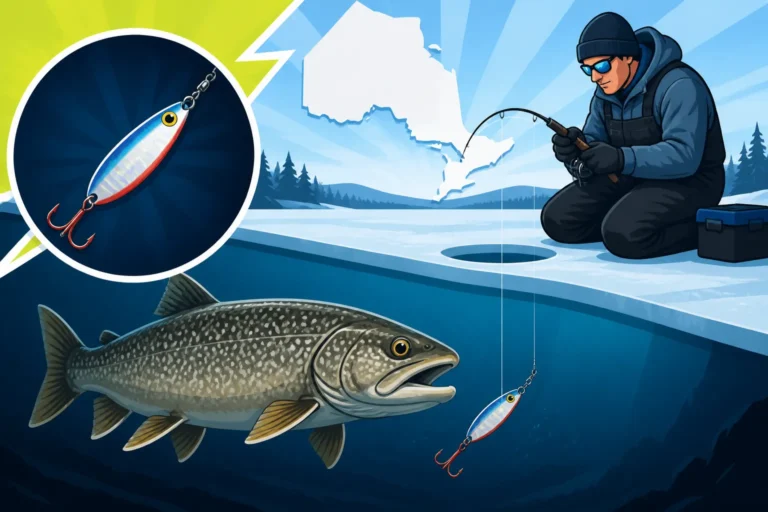
Best months to catch muskie in Ontario
Planning a muskie trip to Ontario can be incredibly exciting, but also a bit daunting. One of the biggest questions that always comes up is, "When is the absolute best time to catch these magnificent, elusive fish?" You’ve heard the tales of giant fall muskie, but what about the rest of the year? This guide will dive deep into the seasonal nuances of muskie fishing in Ontario, helping you understand their behavior year-round and pinpoint the prime months to maximize your chances of landing a true freshwater leviathan.
Understanding Muskie Seasons and Behavior in Ontario
Muskellunge, often called "the fish of 10,000 casts," are not your average fish. They’re apex predators, and their behavior is heavily influenced by water temperature, forage availability, and their own biological clock. Understanding these factors is key to knowing when and where to find them throughout the year in Ontario’s vast waters.
The Elusive Nature of Muskellunge
Muskies have a reputation for being incredibly difficult to catch, and for good reason. Unlike many other species, they don't school up in massive numbers, and their feeding windows can be incredibly short and sporadic. This elusiveness isn't just a challenge; it's part of what makes catching one so rewarding. Anglers often spend days, sometimes weeks, without a strike, only to be rewarded with an explosive hit from a fish that can easily top 50 inches. This makes timing your trip even more critical. If you're going to put in the hours, you want to be there when the odds are most in your favour.
Their solitary nature means you're often targeting individual, large predators rather than a bustling school. This requires a different approach, one that focuses on high-percentage areas where a muskie might be ambushing prey. Factors like available cover, depth changes, and current are always important, but how a muskie uses these areas shifts dramatically with the seasons. It's a constant puzzle, but one that gets a little easier to solve when you understand the seasonal patterns. For a deeper dive into their habits, check out our guide on Muskellunge Habits in Georgian Bay.
How Water Temperature Drives Muskie Activity
Water temperature is arguably the single most important factor dictating muskie behavior. As cold-blooded creatures, their metabolism, digestion, and activity levels are directly tied to the temperature of the water around them. In Ontario, this means their behavior can change dramatically from early spring, through the heat of summer, and into the frigid late fall.
In spring, as ice recedes and water warms into the 40s and low 50s Fahrenheit, muskies begin to shake off their winter dormancy. They’ll move into shallower, warmer bays to spawn. Post-spawn, as temperatures climb into the mid-50s and 60s, their activity increases significantly as they recover and begin to feed actively. Conversely, as water temperatures drop in the fall, their metabolism slows, but they also enter a crucial feeding period to bulk up for winter, often making them more aggressive. Knowing these temperature ranges for optimal feeding and comfort is crucial for planning your trips.
| Season | Water Temperature Range (Fahrenheit) | Muskie Activity Level | Key Behavior |
|---|---|---|---|
| Early Spring | 40-55°F | Low to Moderate | Post-spawn recovery, shallow bays |
| Late Spring / Early Summer | 55-70°F | Moderate to High | Active feeding, moving to main lake structures |
| Summer | 70-78°F | Moderate (often deeper) | Heat-induced lethargy, seeking thermocline/cool water |
| Fall | 60-40°F | Very High | Aggressive feeding, bulking up for winter |
Peak Muskie Fishing Seasons: When to Target the Toothies
While muskies can be caught throughout their open season in Ontario, certain times of the year offer significantly better odds and different challenges. Let's break down the prime seasons and what to expect.
Spring: Post-Spawn Recovery and Ambush Feeding
The muskie season in Ontario typically opens in early June in most zones, which generally aligns with their post-spawn period. This is a fantastic time to target them, but it requires a careful approach. Right after spawning, muskies are often recuperating from the rigors of reproduction. They might be a bit sluggish initially, but they soon become extremely hungry, looking to regain lost energy.
During early to mid-June, look for muskies in shallower, weedy bays, around emerging weed lines, and near warmer transition areas where they’ve spawned. They'll often be found cruising these areas, ambushing smaller fish that are also congregating there. Think about casting smaller, more subtle baits than you might use later in the year. Bucktails, smaller jerkbaits, and glide baits can be incredibly effective. Focus on natural colours and a slower retrieve to entice these post-spawn fish. Keep in mind that while they’re hungry, they might not chase a bait as far or as aggressively as they would in the fall. Patience and thorough coverage of key areas are paramount. For specific dates, always check the Ontario Fishing Season Dates by Zone.
Summer: Deep Water and Thermocline Tactics
As summer progresses and water temperatures climb into the 70s, muskie behavior shifts dramatically. The shallow bays that were so productive in spring can become too warm and oxygen-depleted for larger muskies. They’ll migrate to deeper, cooler water, often relating to main lake points, rocky reefs, submerged humps, and the edges of sharp drop-offs. The thermocline – the layer of water where temperature changes rapidly with depth – becomes a critical area, as it often holds concentrations of baitfish and comfortable temperatures for muskie.
This means adjusting your tactics significantly. Trolling large crankbaits over deep water structures becomes a highly effective method, especially in vast lakes like Lake of the Woods or Georgian Bay. For those who prefer casting, working large bucktails, oversized topwater lures in low light, or diving crankbaits along deep weed edges and rock faces can still produce. The key is to find the cool, oxygenated water where baitfish are holding. This is where a good fish finder from brands like Humminbird or Lowrance (easily found on Amazon) becomes indispensable. Night fishing can also be surprisingly productive in summer, as muskies often move shallower to feed under the cover of darkness when the surface temperatures drop a bit.
Fall: The Legendary "Muskie Moon" and Feeding Frenzy
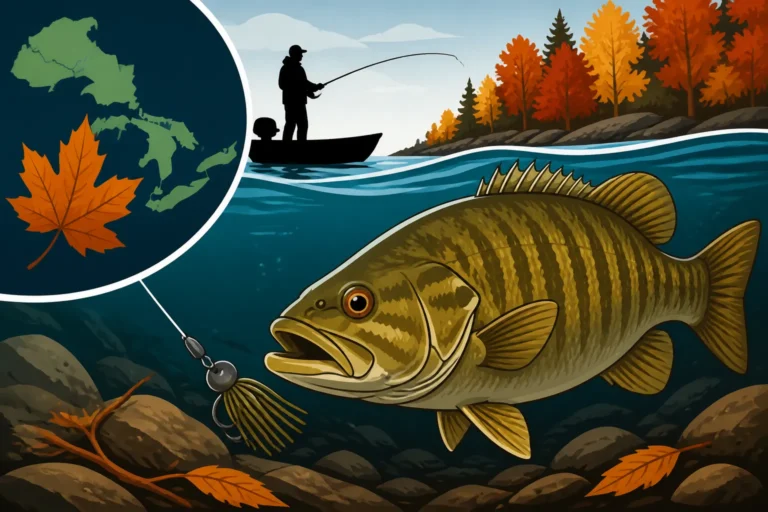
Ah, fall muskie fishing in Ontario – this is what legends are made of! Without a doubt, the period from late September through October and even into early November (depending on the zone and ice formation) is considered by many to be the absolute best time to catch trophy-sized muskies. As water temperatures begin to drop steadily from the mid-60s down into the 40s, muskies enter a pre-winter feeding frenzy. They know winter is coming, and they need to pack on as much weight as possible.
During this time, muskies become incredibly aggressive and will often chase baits with unparalleled ferocity. They tend to relate to shallow points, rocky reefs, expansive weed flats, and channel edges near deeper water. They're often found on primary structures, where they can ambush schools of ciscoes, whitefish, and suckers. This is the time to throw your biggest baits: oversized bucktails, large glide baits, massive soft plastics, and huge crankbaits. Don't be afraid to experiment with brighter, more aggressive colours. A slower, more deliberate retrieve with plenty of pauses can often trigger a strike from a hesitant but curious muskie. Anglers often refer to the "muskie moon," the full moon periods in fall, as particularly potent times, claiming increased muskie activity. Regardless of lunar cycles, if you're serious about a trophy muskie, plan your trip for autumn. Our guide on Best Techniques for Fall Muskie Fishing has more in-depth strategies.
Preparing for Your Ontario Muskie Hunt
Chasing muskies isn't just about showing up with a rod and reel. These are powerful fish that demand specialized gear and a solid understanding of the rules and safety protocols.
Essential Gear and Tackle Considerations
Muskies are big, powerful fish, and your gear needs to be up to the task. You'll need heavy-duty baitcasting setups designed specifically for muskie fishing. This typically means a heavy or extra-heavy power rod, anywhere from 8 to 10 feet long, capable of handling large baits and powerful fish. Pair this with a robust baitcasting reel featuring a strong drag system and a high line capacity. Brands like Shimano, Daiwa, or Abu Garcia offer excellent options, many of which are readily available on Amazon.
Line choice is critical: 80-100 lb braided line is standard, offering the strength and abrasion resistance needed. A heavy fluorocarbon or wire leader (100-150 lb test) is absolutely essential to prevent their razor-sharp teeth from cutting your main line. You'll also need a large, muskie-specific landing net, long-nosed pliers, and jaw spreaders for safe hook removal. Gloves are a good idea too! When it comes to lures, stock up on various sizes and types: large bucktails, diving and shallow-running crankbaits, jerkbaits, glide baits, and topwater lures. The specific selection will depend on the season and water you're fishing. For more detailed recommendations, explore our Best Muskie Gear for Ontario Waters guide.
Safety and Regulations on the Water
Safety should always be your top priority, especially when dealing with large, toothy fish and potentially unpredictable weather on Ontario's big lakes. Always wear a PFD or ensure you have enough life jackets for everyone on board, as required by Life Jacket Requirements for Ontario Boaters. Carry a well-stocked first aid kit and essential safety equipment like flares, a whistle, and a waterproof flashlight. Inform someone of your float plan before you head out, especially if you're fishing remote areas.
Beyond personal safety, it's crucial to understand and adhere to Ontario's fishing regulations. Muskies have specific season dates, size limits, and possession limits that vary by Fisheries Management Zone (FMZ). For example, some zones might have a slot limit or be catch-and-release only. Always consult the current Ontario Fishing Regulations Explained summary before your trip. Violations can result in hefty fines and the loss of your fishing privileges, which nobody wants. Also, practicing proper catch and release techniques is vital for muskie survival, given their slower growth rates and the dedication it takes to grow them to trophy size. Read up on Muskie catch and release survival tips to ensure these incredible fish can be caught by others in the future.
Disclaimer
The information provided in this guide is for general informational purposes only and is subject to change. Always consult the official Ontario Fishing Regulations Summary for the most current and accurate information regarding seasons, limits, and licensing before planning your fishing trip. Fishing conditions, fish behavior, and regulations can vary significantly.