Best months to catch smallmouth bass in Ontario
It can be incredibly frustrating to hit the water, full of anticipation, only to find the smallmouth bass bite is totally off. You've got your gear, you've scouted your spot, but if you're not there when these feisty fighters are most active, it can feel like you're just casting into an empty bathtub. This guide is dedicated to helping you unlock the secrets of smallmouth bass activity in Ontario, pinpointing the months and conditions when you're most likely to experience incredible fishing, ensuring your next trip isn't just a day on the water, but a truly productive adventure.
Understanding the Smallmouth Bass Annual Cycle in Ontario
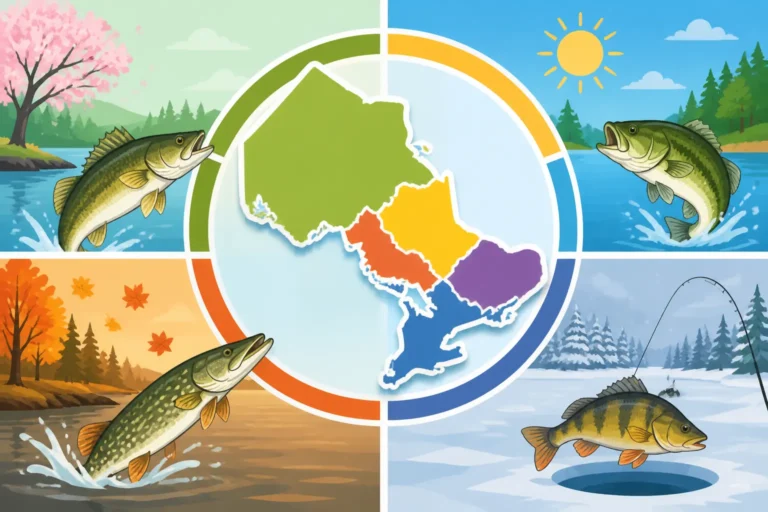
To truly understand when and where to find smallmouth bass in Ontario, you first need to get a handle on their yearly rhythm. These incredible sportfish are highly attuned to environmental changes, particularly water temperature and light levels, which dictate everything from their feeding habits to their spawning rituals. Knowing these patterns means you're not just guessing; you're strategizing with nature.
Pre-Spawn Aggression and Shallow Water Movement
As the long, cold grip of winter finally loosens its hold on Ontario's lakes and rivers, typically around late April to early May in many southern zones, smallmouth bass begin to shake off their winter lethargy. This is the pre-spawn period, and it's a time of increasing activity and metabolic demands. The water temperatures, gradually climbing from the mid-40s to low-50s Fahrenheit (around 7-12°C), signal to the bass that it's time to fuel up for the upcoming spawn.
During this phase, smallmouth will migrate from their deeper wintering grounds towards shallower, rocky areas, points, and humps that warm up faster. They're seeking structure, ambush points, and most importantly, food. This is when they can be incredibly aggressive, actively chasing down baitfish and crayfish to build up energy reserves. Anglers often find them congregated in these transitional zones, making for some intense fishing opportunities. It's a prime time for power fishing with fast-moving baits.
Spawning Season and Nest Protection
The smallmouth bass spawning season in Ontario is a critical time, and it's heavily regulated to protect these fish during their most vulnerable period. While specific dates vary by the 20 distinct Ontario Fisheries Management Zones Explained, the general timeframe for the Ontario Bass Opener Dates by Zone usually falls from late May through June. Water temperatures in the mid-60s Fahrenheit (around 18-20°C) typically trigger the spawn.
During this period, male smallmouth bass will fan out circular nests on rocky or gravelly bottoms in shallow, protected bays or along shorelines. They guard these nests fiercely, fending off predators. While they might strike out of aggression to protect their offspring, targeting them directly on nests is generally discouraged by conservation-minded anglers. It's important to remember that regulations prohibit fishing for bass during their closed season, and even catch-and-release can disrupt the spawn, leaving eggs vulnerable. Once the spawn is complete and the fry hatch, both male and female bass typically move off the nests to recover, often relocating to nearby cover.
Post-Spawn Recovery and Summer Feeding Patterns
Immediately following the spawn, usually in late June, smallmouth bass enter a brief post-spawn recovery phase. They can be a bit lethargic and less aggressive as they recuperate from the rigors of spawning. However, this period is short-lived. As summer fully sets in and water temperatures continue to rise, smallmouth quickly regain their appetite and shift into their summer feeding patterns.
In July and August, smallmouth will often move to deeper offshore structures, rock piles, shoals, and humps, especially in larger lakes like Lake Erie or Georgian Bay. They'll follow baitfish into these cooler, oxygen-rich depths but will also move into shallower areas during low-light conditions or when a good food source presents itself. They're still ambush predators, but their activity might be more confined to specific times of day or areas with good current or deeper cover. Understanding Smallmouth Bass Habits on Lake Erie can give you a real edge during this time.
Fall Feast and Winter Prep
As the days shorten and the air begins to crisp in September, signaling the approach of autumn, smallmouth bass enter a highly active feeding period known as the fall turnover or fall migration. Water temperatures begin to cool, and baitfish often school up in larger numbers. This triggers a frantic feeding spree for smallmouth, as they instinctively know winter is coming and they need to pack on fat reserves.
During this "fall feast," smallmouth often move shallower again, similar to the pre-spawn, but they can be found across a wider range of depths. They're relentlessly chasing bait, and they can be incredibly aggressive, making it one of the most exciting times to target them. This feeding continues until water temperatures drop significantly, usually into the low 40s Fahrenheit (below 7°C), at which point they'll migrate to their deep wintering holes, often suspended over deep water or tucked into significant rock structure, where their metabolism slows, and they become far less active.
Peak Seasons for Smallmouth Bass Fishing in Ontario
While you can technically catch smallmouth bass throughout their open season, there are definitely periods when they are more predictable, more aggressive, and generally easier to locate. Pinpointing these peak windows can dramatically increase your success rate and make your Ontario fishing trips unforgettable.
The Electric Energy of Early Summer (June)
For many Ontario anglers, the prime time for smallmouth bass kicks off right after the season opener, which often falls in late May or early June. This post-spawn period is electric. The bass have recovered from spawning, are hungry, and are still often relatively shallow. They haven't yet settled into their deeper summer patterns, making them accessible to a variety of techniques.
During June, you'll find smallmouth cruising rocky points, weed edges, and transitional areas where they can ambush prey. Topwater baits become incredibly effective, offering explosive strikes that get the adrenaline pumping. Cranking baits, jerkbaits, and soft plastics rigged on jigs are also deadly. The fish are often schooled up, so once you find one, there's a good chance there are more in the vicinity. This is an ideal time for both numbers and quality, making it a favorite for those chasing Smallmouth Bass Fishing in Ontario.
Mid-Summer Structure and Deep Water Tactics (July-August)
As the summer sun beats down and water temperatures peak in July and August, smallmouth bass often move to deeper, cooler waters. This doesn't mean the fishing stops; it just means your tactics need to adjust. They'll relate strongly to offshore structure – think deep rock piles, underwater humps, main lake points that drop into significant depths, and current seams in rivers.
Finding these deeper structures is key. A good fish finder is invaluable here, helping you locate schools of baitfish and the smallmouth that are often shadowing them. Drop-shot rigs, tube jigs, and deep-diving crankbaits become incredibly effective. While they might not be as active during the midday heat, early mornings, late evenings, and overcast days can still produce fantastic shallow-water topwater action. For larger bodies of water like Georgian Bay, mastering Best Bass Fishing Techniques for Georgian Bay becomes paramount. You might even find good deals on suitable electronics or specialized lures on platforms like Amazon if you're looking to upgrade your setup.
Fall Frenzy: Feeding Before the Freeze (September-October)
Without a doubt, one of the most productive and exciting times to target smallmouth bass in Ontario is during the fall, particularly September and October. As the water cools, smallmouth undergo a significant change in behavior: they become incredibly aggressive, focusing almost entirely on feeding. This is their last chance to gorge themselves before the lean winter months, and they will chase down a meal with remarkable ferocity.
During the fall, smallmouth will often follow baitfish schools into shallower bays, along main lake points, and around rocky shoals. Large jerkbaits, crankbaits, spinnerbaits, and even swimbaits can trigger explosive strikes. The fish are often in large schools, making it possible to have incredible multi-fish days. This is often the time when anglers catch their biggest smallmouth of the year, as the fish are at their heaviest. Pay close attention to water temperature drops and actively seek out concentrations of baitfish using your sonar; the smallmouth won't be far behind. This is a spectacular time to learn How to Catch Smallmouth Bass in Ontario.
Factors Influencing Smallmouth Bass Activity Beyond the Calendar
While knowing the general seasonal patterns is a huge step, smallmouth bass, like any wild animal, don't strictly adhere to a calendar. Several other critical factors constantly influence their behavior and bite. Overlooking these details can mean the difference between a triumphant day and a frustrating one.
Water Temperature and Weather Conditions
Water temperature is arguably the most dominant factor governing smallmouth bass activity. They are cold-blooded creatures, and their metabolism is directly tied to the temperature of their environment.
- Ideal Range: Smallmouth are generally most active and comfortable when water temperatures are between 60-70°F (15-21°C). This is when their feeding drive is at its peak, and they'll readily chase down prey.
- Cooler Water (Pre-spawn/Fall): In cooler waters, say 50-60°F (10-15°C), they might be slower, requiring more subtle presentations or slower retrieves. They're still feeding, but not as aggressively.
- Warmer Water (Mid-summer): When temperatures climb above 75°F (24°C), smallmouth often seek deeper, cooler refuge. Their activity can slow, becoming concentrated during low-light hours or in areas with current.
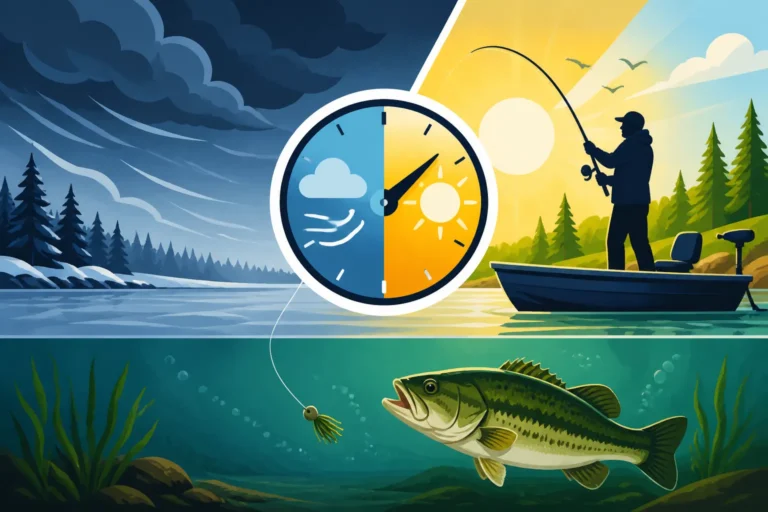
- Cold Fronts: A sudden drop in air temperature, especially after a period of stable warm weather, can shut down the bite fast. Fish become lethargic and often bury themselves in cover. Fishing during or immediately after a cold front requires patience and a slower, more deliberate approach.
- Overcast vs. Sunny: Overcast conditions often encourage smallmouth to remain active in shallower water throughout the day, as bright sunlight can push them deeper.
Understanding these nuances and monitoring conditions can help you adjust your strategy on the fly. Many modern fish finders and even phone apps can give you real-time water temperature readings, allowing you to fine-tune your approach.
Forage Availability and Location
Smallmouth bass are opportunistic predators, and their movements are heavily dictated by where their food sources are. Whether it's schools of shiners, ciscoes, gobies, or crayfish, smallmouth will follow the buffet.
- Baitfish Migration: If the predominant baitfish in a lake moves into shallow bays in the spring, the smallmouth will follow. If those baitfish head to offshore humps in the summer, the bass will be right there with them.
- Crayfish: Crayfish are a huge part of a smallmouth's diet. Look for rocky bottoms, especially near weed lines or transitions, where crayfish thrive. Lures that imitate crayfish, like tube jigs or creature baits, can be incredibly effective when smallmouth are keying in on them.
- Seasonal Changes: The type of forage available can also change seasonally. In spring, emerging insect hatches might draw some smaller bass, while fall sees them gorging on larger baitfish. Always consider what the local smallmouth are likely feeding on in that particular body of water and time of year. Knowing this is crucial for successful Fishing without a License in Ontario: Penalties, though you absolutely need one for legal fishing!
Local Regulations and Zone-Specific Openers
Ontario's vast and diverse geography means that fishing regulations, including smallmouth bass opener dates, vary significantly by Fisheries Management Zone (FMZ). It’s crucial to consult the annual Ontario Fishing Regulations Explained or the Reading the Ontario Fishing Regulations Summary for the specific zone you plan to fish.
- Zone Variation: For instance, Southern Ontario (like FMZ 16 or 20) might have earlier bass openers than more northerly zones (like FMZ 2 or 4). Trying to fish for bass during a closed season, even catch-and-release, can result in significant fines and penalties.
- Conservation vs. Sport Limits: Always be aware of the difference between a Sport Fishing Licence and a Conservation Fishing Licence, which dictates your catch and possession limits. Understanding these rules is a fundamental part of responsible angling and ensures the sustainability of Ontario's incredible smallmouth bass fisheries. You can find out more about the different license types, including the Ontario Sport vs Conservation Fishing License, before you head out.
Essential Gear and Techniques for Ontario Smallmouth Bass
Once you've nailed down when to go, the next step is ensuring you have the right tools and know-how to capitalize on those prime smallmouth bass windows. These hard-fighting fish can be particular, but with the right approach, you'll be well on your way to a successful day.
Recommended Rods, Reels, and Lines
Having the correct setup makes a huge difference when targeting smallmouth bass. You want sensitivity to feel those subtle bites, backbone to set the hook, and enough power to handle a feisty fighter.
- Rods: For most smallmouth applications, a medium to medium-heavy power spinning rod, 6'6" to 7'6" in length, is ideal. This offers enough versatility for various lure types. If you're throwing heavier baits or fishing around heavy cover, a medium-heavy baitcasting rod might be preferred. For a general overview, check out guides on Best Fishing Rods for Ontario Lakes.
- Reels: A 2500-3000 series spinning reel balances well with the recommended rod sizes. For baitcasting, a medium gear ratio (around 6.4:1 to 7.1:1) is versatile enough for most techniques. You can often find a wide range of reliable reels from brands like Shimano, Daiwa, or Penn on Amazon.
- Line: For spinning setups, 8-12 lb fluorocarbon or monofilament is a solid choice. Fluorocarbon offers excellent sensitivity and invisibility, while mono is more forgiving with stretch. Many anglers prefer braided line (15-20 lb) with a fluorocarbon leader (6-10 lb) for its strength, casting distance, and sensitivity. The leader maintains stealth in clear water. For specific applications, guides like Best Fluorocarbon Line for Clear Lake Water can offer more tailored advice.
Top Lures and Baits for Each Season
Smallmouth bass aren't usually too picky, but certain lure types shine during different times of the year and under specific conditions.
- Spring (Pre-spawn):
- Jerkbaits: Brands like Rapala or Lucky Craft excel at mimicking dying baitfish, a key food source. Work them with a jerk-pause retrieve over rocky points and shallow flats.
- Crankbaits: Medium-diving crankbaits in crawfish or baitfish patterns are excellent for covering water.
- Tube Jigs: Rigged on a jig head, tubes are fantastic crawfish imitations that can be dragged, hopped, or even swam along the bottom.
- Summer (Post-spawn/Mid-Summer):
- Topwater: Walk-the-dog baits (e.g., Heddon Super Spook) and poppers are unbeatable during low-light hours or on calm, overcast days. Explore Topwater Fishing for Smallmouth Bass in Ontario for more.
- Drop-Shot Rigs: For deeper water, a drop-shot with small finesse worms or minnow imitations (e.g., Berkley Gulp! Minnow) is incredibly effective for vertical presentations.
- Tube Jigs & Grubs: Still excellent, especially when fished slower on deep structure.
- Fall (Frenzy):
- Jerkbaits: Larger, more aggressive jerkbaits are key. Smallmouth are chasing big meals.
- Crankbaits: Deep-diving crankbaits to probe those offshore structures where schools of baitfish are congregating.
- Spinnerbaits & Swimbaits: For covering vast amounts of water and attracting aggressive fish.
- Tube Jigs: Still effective, but fish them faster and more aggressively.
Effective Fishing Strategies
It's not just what you throw, but how you throw it and where you throw it.
- Cover Water Effectively: Smallmouth are often schooling fish. If you catch one, there are likely more nearby. Make multiple casts to the same area from different angles. If you don't get a bite, keep moving until you find active fish.
- Target Structure: Always look for structure – rock piles, ledges, humps, points, weed lines, drop-offs, current seams in rivers. Smallmouth use these as ambush points.
- Match the Hatch: Pay attention to what the smallmouth are feeding on. If you see baitfish jumping, try a lure that mimics them. If you're fishing rocky areas, a crawfish imitation might be best.
- Vary Your Retrieve: Don't get stuck on one retrieve speed or style. Experiment. Sometimes a slow, steady retrieve is best; other times, erratic jerks and pauses are what triggers a strike. This applies even to specific techniques like Best Crankbait Retrieve for Smallmouth on Georgian Bay.
- Utilize a Kayak: For accessing shallower, more remote areas or stealthily approaching rocky shorelines, a fishing kayak can be a game-changer. There are many great options out there, and guides like Best Kayaks for Ontario Fishing can help you pick the right one. You might even find good accessories like rod holders or paddle leashes on Amazon to enhance your kayaking experience.
This table provides a generalized overview for targeting smallmouth bass in Ontario. Always cross-reference with specific zone regulations for precise opener dates and limits.
| Month Range | Typical Water Temp (°C/°F) | Smallmouth Behavior & Location | Key Lures & Techniques |
|---|---|---|---|
| May-Early June | 7-15°C / 45-60°F | Pre-spawn aggression; moving shallow, relating to rocky points & humps. | Jerkbaits (suspending), crankbaits (medium-diving), tube jigs, spinnerbaits. |
| Late June-Early July | 18-22°C / 65-72°F | Post-spawn recovery then aggressive feeding; still relatively shallow. | Topwater (poppers, walk-the-dog), jerkbaits, square bill crankbaits, jigs, soft plastics. |
| Mid-July-August | 20-25°C / 68-77°F | Mid-summer pattern; moving deeper to offshore structure (humps, ledges). | Drop-shot rigs, tube jigs (vertical jigging), deep-diving crankbaits, Ned rigs. |
| September-October | 10-18°C / 50-65°F | Fall feeding frenzy; active across depths, following baitfish schools. | Large jerkbaits, crankbaits (various depths), spinnerbaits, swimbaits, tube jigs (aggressive). |
Disclaimer
Fishing regulations, species availability, and environmental conditions can change. Always consult the most current Ontario fishing regulations summary before heading out. The information provided here is for general guidance and educational purposes only.