Best water temperature for walleye fishing
One of the most common frustrations for any angler, especially when chasing those elusive walleye, is knowing where to even begin looking. You could have the perfect lure, the most sensitive rod, and be on what's rumored to be a hot spot, but if you're not in the right water temperature, you might as well be fishing in a bathtub. This guide is here to unravel the mystery of water temperature for walleye fishing in Ontario, helping you understand how these magnificent fish react to thermal shifts and how you can use that knowledge to put more 'eyes in your net.
Understanding Walleye Thermal Preferences
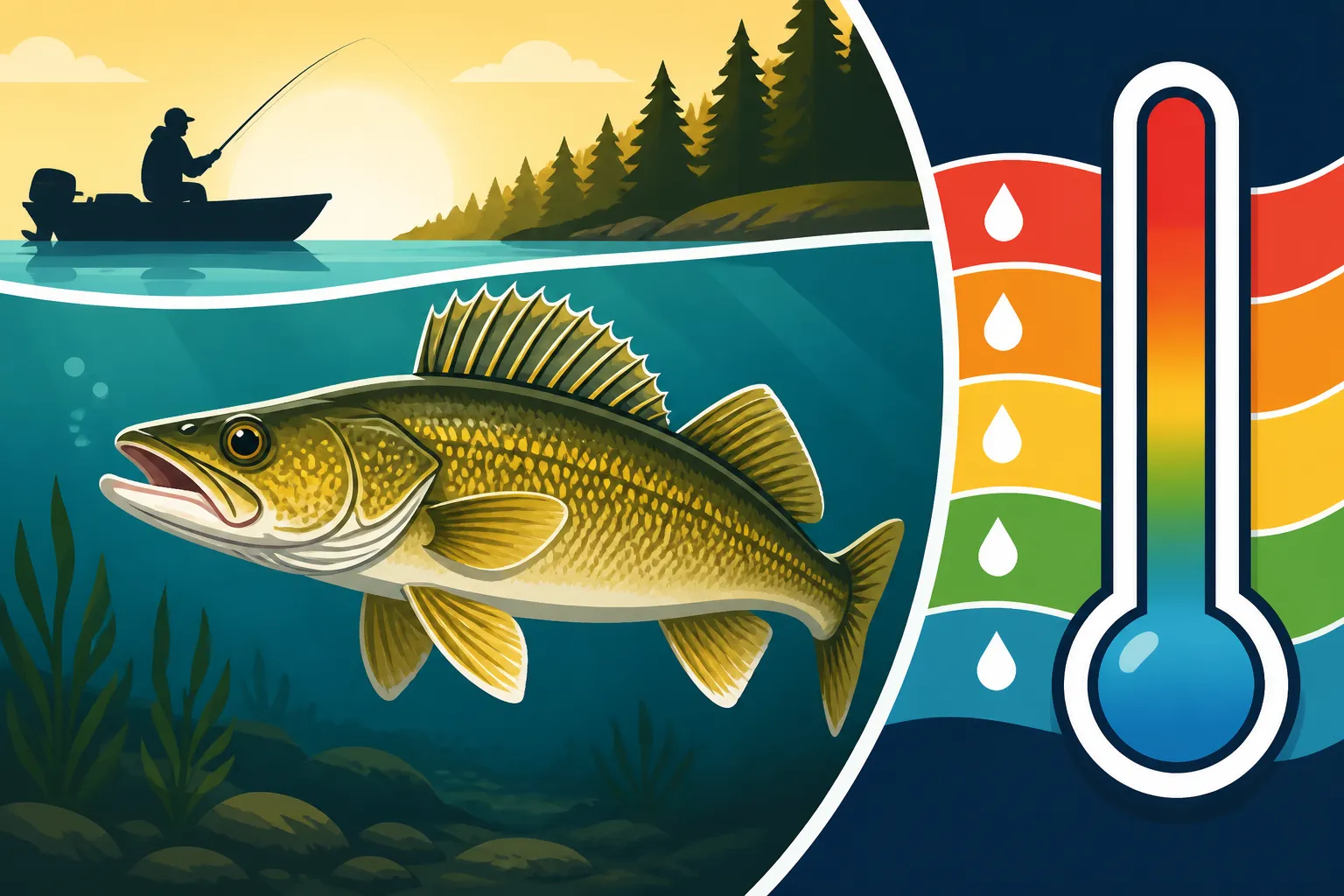
Walleye are cold-blooded creatures, meaning their body temperature directly mirrors the water around them. This isn't just a biological fun fact; it's the absolute cornerstone of understanding their behavior, metabolism, and ultimately, where you'll find them and how aggressively they'll bite. Their preferred temperature range dictates everything from their feeding activity to their spawning rituals, and even their general comfort. If you can tap into this, you'll be light-years ahead of anglers who are just casting blindly.
The Science Behind Walleye and Water Temperature
Think of water temperature as a thermostat for a walleye's entire existence. When the water is too cold, their metabolism slows dramatically. They become lethargic, their digestion grinds to a near halt, and they're simply not expending energy to chase down prey. They'll hug bottom, seek out slightly warmer pockets, and generally conserve energy. Conversely, if the water gets too warm, they become stressed. Oxygen levels can drop, and they might seek out deeper, cooler water or areas with more current where the oxygen content is higher.
The "sweet spot" is where their metabolism is optimized – not too slow, not too fast – allowing them to efficiently digest food and have the energy to actively hunt. This optimal range is generally why you find walleye in specific areas during different times of the year. They aren't just swimming around randomly; they're constantly seeking that comfortable thermal zone. This understanding is key to unlocking success, whether you're fishing a sprawling lake like Lake Erie or a smaller, more intimate body of water in Northern Ontario. Knowing their comfort zone also helps you plan your tactics, from presenting baits slowly in cold water to more aggressive retrieves in warmer conditions.
Why Thermal Stratification Matters
Ontario's larger, deeper lakes often experience something called "thermal stratification," especially in summer. This is when the water separates into distinct layers based on temperature and density. You'll typically find:
- Epilimnion: The warm, upper layer that's exposed to sunlight and wind.
- Metalimnion (Thermocline): The middle layer where there's a rapid drop in temperature. This is often a goldmine for walleye, as it provides that perfect temperature band and often holds abundant baitfish.
- Hypolimnion: The cold, deep bottom layer. While this layer is cool, it can sometimes become anoxic (lacking oxygen) in certain lakes, making it unsuitable for fish.
Understanding these layers, particularly the depth of the thermocline, is crucial. If you're on a deep lake, fishing too shallow might put you above the walleye's comfort zone, while fishing too deep might put you below it into a cold, lifeless zone. Modern fish finders are incredibly helpful for identifying these layers, showing you exactly where the temperature break occurs, and thus, where the walleye are likely holding.
Seasonal Water Temperature Ranges
Walleye don't just pick one temperature and stick with it all year. Their preferred range shifts dramatically with the seasons, influenced by their lifecycle and available food sources. Tailoring your approach to these seasonal temperature changes is paramount for consistent success.
Spring: Post-Spawn and Warming Trends (45-60°F / 7-15°C)
After the ice-out and the intense period of spawning, walleye are often recuperating and looking for easy meals in warming waters. The spawn itself happens in very cold water, typically between 42-48°F (5.5-9°C) – you can learn more about the Walleye Spawning Season in Ontario if you're interested in that specific biological event. Once the spawning ritual is over, they begin to spread out.
In early spring, walleye will often be found in shallow bays, river mouths, and dark-bottomed areas that absorb sunlight and warm up faster. These warmer pockets, in the 45-55°F (7-12°C) range, not only offer comfort for the walleye but also attract baitfish and insect larvae, providing crucial post-spawn nutrition. As the water continues to warm, moving into the upper 50s, their metabolism picks up, and they become more aggressive feeders. This is a fantastic time for Spring Walleye Fishing Techniques for Ontario, often involving slower presentations like jigs and minnows or casting shallow-diving crankbaits. Focus on the sunny, north-facing shorelines or the shallower ends of lakes where the water warms up first.
Summer: Deep Water and Thermocline Tactics (60-72°F / 15-22°C)
Summer is when Ontario's lakes really heat up, and walleye undergo a significant shift. Surface temperatures can soar well into the 70s and even 80s (Fahrenheit), pushing walleye out of the shallows they occupied in spring. During this time, the "best water temperature for walleye fishing" generally means finding that cooler, oxygen-rich band within the thermocline.
Walleye will congregate around structures like underwater humps, points, and deep weed lines that intersect with their preferred temperature zone, which is typically in the 60-72°F (15-22°C) range. In deep lakes, this could be 20 to 50 feet down, while in shallower, murkier lakes, they might simply follow the deepest channels or spring-fed areas. Trolling with crankbaits or spinner rigs, or vertical jigging over structure, become incredibly effective techniques. This is also a prime time for Night Fishing for Walleye in Ontario, as they often push shallower under the cover of darkness to feed in waters that cool slightly. When searching for Best walleye spots on Lake Erie in summer, for instance, you'll often find anglers focusing on specific depths where the thermocline provides that perfect thermal refuge.
Fall: Cooling Waters and Feeding Frenzies (50-60°F / 10-15°C)
As autumn arrives, the lakes begin to cool, and the thermal stratification of summer starts to break down. This period often triggers a "feeding frenzy" in walleye as they try to pack on fat reserves for the long winter ahead. The optimal water temperature for walleye during this time usually hovers between 50-60°F (10-15°C).
Walleye will become much more active and can be found shallower than in summer, especially during overcast days or in the early mornings and late evenings. They'll patrol breaklines, rocky points, and weed edges, actively hunting baitfish that are also moving shallower. Large crankbaits, swimbaits, and even casting jigs can be incredibly effective. The cooling water can often reset fish locations, meaning areas that were dead in August might suddenly become vibrant in October. Understanding the Ontario Fishing Seasons by Zone and Month will give you a good idea of when these fall patterns begin to emerge in your specific fishing areas.
Winter: Under the Ice (32-40°F / 0-4°C)
Don't let the frozen surface fool you – walleye are still active under the ice! Their metabolism slows considerably, but they still need to feed. The water temperature under the ice typically stabilizes around 34-39°F (1-4°C), with the warmest water usually found closest to the bottom (around 39°F / 4°C).
During winter, walleye will often relate to similar structures as in fall, just at different depths. They'll use deep humps, points, and often suspended over deeper basins adjacent to structure. Slower presentations are key, as they aren't going to chase a fast-moving bait. Jigging spoons, lipless crankbaits, and soft plastics tipped with a minnow or piece of worm are highly effective. You'll often find them schooled up, so once you find one, there are likely more. Understanding How to Catch Walleye in Ontario during the ice season often revolves around using electronics to pinpoint these schools and presenting baits right in their face.
Here's a quick reference table for optimal walleye temperatures:
| Season | Water Temperature Range (Fahrenheit) | Water Temperature Range (Celsius) | Walleye Behavior | Key Locations |
|---|---|---|---|---|
| Spring | 45-60°F | 7-15°C | Post-spawn recovery, increasing activity | Shallow bays, river mouths, dark bottoms |
| Summer | 60-72°F | 15-22°C | Seeking cooler, oxygen-rich water | Thermocline, deep structure, main lake basins |
| Fall | 50-60°F | 10-15°C | Aggressive feeding for winter preparation | Breaklines, rocky points, weed edges, shallower |
| Winter | 32-40°F | 0-4°C | Slowed metabolism, schooling | Deep humps, points, suspended over basins |
Locating Walleye Based on Temperature
Now that we know the general temperature preferences, how do you actually use this information on the water? It's all about playing detective and matching your fishing spots to the conditions.
Using Temperature to Find Productive Water
The first step is always to get a sense of the overall water temperature in the body of water you're fishing. Is it early spring, with water barely above freezing, or mid-summer with scorching surface temps? This initial assessment guides your general area.
- Scout for "Warm" or "Cool" Pockets: In spring, look for shallow, dark-bottomed bays or areas with incoming warmer water (like small creeks or sun-exposed rock formations). These can be a few degrees warmer than the main lake and act as walleye magnets. Similarly, in summer, identify potential cool water refuges like deep main lake points, prominent humps, or even areas with natural springs.
- Target the Thermocline: As mentioned, the thermocline is your best friend in summer. Use your fish finder to mark its depth and then concentrate your efforts at or just above this transition zone. Walleye will often suspend in this layer, chasing baitfish that also prefer the cooler, oxygenated water. This is particularly effective in large, deep lakes like Lake Huron or Lake Superior where stratification is pronounced.
- Follow the Bait: Walleye are predators, and they'll always be where their food is. Baitfish also have temperature preferences, and they will congregate in certain thermal zones. If you can locate schools of baitfish, and the temperature is in the walleye's preferred range, you're likely to find walleye close by. Pay attention to your electronics, and if you see clouds of bait, chances are a walleye isn't far away. Thinking about What walleye eat in Ontario lakes can give you clues on what baitfish to look for.
Adjusting Tactics for Changing Conditions
Water temperature isn't static; it changes throughout the day, with weather patterns, and with the seasons. Being able to adapt is crucial.
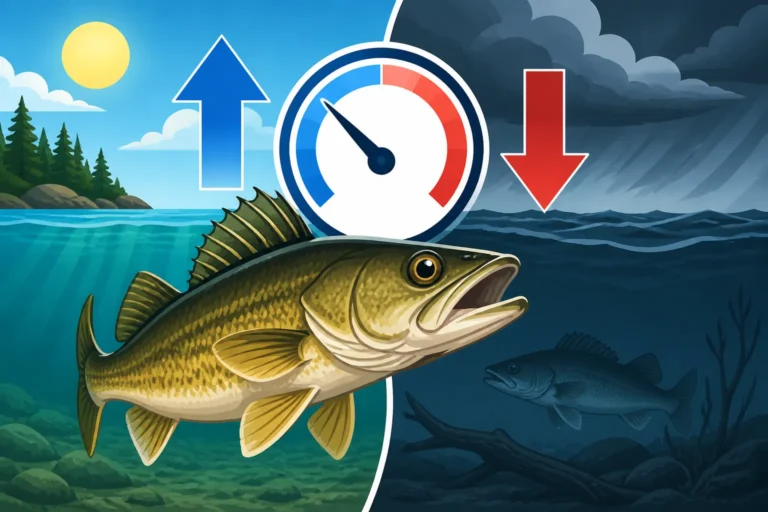
- Cold Fronts: A sudden drop in air temperature, often called a How to Catch Walleye During a Cold Front in Ontario, can quickly cool surface waters, pushing walleye deeper or causing them to become more lethargic. When this happens, slow down your presentation, downsize your baits, and focus on subtle movements. They might still bite, but it will be a reaction strike, not an aggressive chase.
- Warm Fronts and Overcast Days: Conversely, a period of stable warm weather or persistent overcast skies can bring walleye shallower and make them more active. Their feeding windows might expand, and they'll be more willing to chase faster-moving lures like crankbaits.
- Time of Day: Even within a single day, water temperatures can fluctuate, especially in shallower waters. The Best Time of Day to Catch Walleye often correlates with specific temperature conditions. Early morning and late evening typically offer cooler, more comfortable temperatures in summer, leading to more active fish. In spring, the mid-day sun warming shallow flats can turn on a bite.
Tools and Tips for Measuring Water Temperature
You don't need a degree in oceanography to measure water temperature. There are several accessible tools and methods that will give you the crucial data you need to find walleye.
Essential Gear for Temperature Tracking
Having the right tools is half the battle. Thankfully, measuring water temperature is pretty straightforward.
- Surface Thermometers: These are inexpensive and great for quickly checking the surface temperature. Many trolling motor units or basic fish finders have a built-in thermometer that reads surface temps. While useful, remember that surface temperature is just one piece of the puzzle, especially in stratified lakes. You can find reliable and affordable options on platforms like Amazon.
- Fish Finders with Temperature Sensors: Most modern fish finders, from entry-level units to advanced models, come equipped with a transducer that provides real-time water temperature readings. More sophisticated units, like those from Humminbird or Lowrance, can even map out the thermocline for you, showing the distinct temperature layers in the water column. This is arguably the most valuable tool for deep-water walleye fishing.
- Portable Temperature Sensors: For anglers who wade or fish from smaller boats without extensive electronics, portable, waterproof thermometers that can be lowered to different depths are available. Some models even store readings, allowing you to build a thermal profile of a specific area. These are also readily available through retailers like Amazon.
Interpreting and Applying Temperature Data
Collecting temperature data is only useful if you know how to apply it to your fishing strategy.
- Match the Hatch (Temperature Edition): Once you've identified the optimal temperature range for walleye in your current season, actively seek out areas where those temperatures exist. If it's 70°F on the surface in summer, but you know walleye like 65°F, you're going to be looking for that 65°F layer deeper down.
- Chart Your Findings: Keep a logbook or use your fish finder's mapping capabilities to mark productive spots along with the water temperature. Over time, you'll start to build a valuable personal database of patterns for your favorite Ontario lakes. This can be as simple as jotting down notes: "Lake X, May 15, 52°F, 12ft deep, caught walleye on jig."
- Consider Water Clarity: Temperature and water clarity often work hand-in-hand. Murky, stained waters tend to warm up faster and hold their heat longer than clear waters. This means walleye might be shallower in stained lakes compared to very clear lakes at the same time of year, as they can tolerate slightly warmer temps in lower light conditions.
- Experiment and Observe: Ultimately, water temperature is a guide, not a rigid rule. Use the information to narrow down your search, but always be willing to experiment. Sometimes walleye will be found slightly outside the "perfect" range if other factors, like abundant bait or ideal cover, are present. Pay close attention to what the fish are telling you on any given day. If you're struggling to locate them, consider whether your chosen depth aligns with their preferred thermal range for that specific time of year. Knowing the Ontario Walleye Opener Dates by Zone for your specific area will ensure you're starting your season with the right knowledge.
Disclaimer
Fishing regulations, seasons, and licensing requirements can change. Always consult the most current Ontario Fishing Regulations Summary before heading out on the water. This guide provides general information for educational purposes and should not be considered legal advice or a substitute for official government resources.