Best rig for bottom fishing for lake trout
Lake trout. Just hearing those two words can conjure up images of pristine, deep Canadian shield lakes, but also the sometimes-frustrating challenge of actually getting one to bite. They're often found in those mysterious, dark depths, especially during the warmer months, making them notoriously hard to pinpoint and even harder to present a bait to effectively. It's a common struggle for anglers across Ontario, trying to drop a lure down hundreds of feet only to retrieve it untouched. This guide is here to shed some light on that deep-water mystery, breaking down the best bottom fishing rigs designed to put your bait right in front of these elusive beauties.
Understanding Lake Trout Habits for Bottom Fishing
To truly master bottom fishing for lake trout, you've got to think like one. These fish aren't just swimming around aimlessly; they have preferences, patterns, and specific hangouts, especially when it comes to depth and structure.
Deep Water Haunts and Seasonal Movements
Lake trout are classic cold-water fish. They absolutely thrive in those deep, oxygen-rich pockets of water that remain cool even when the surface warms up in the summer. When spring hits, after the ice-out, you might find them shallower for a brief window as they chase baitfish. But as soon as the sun intensifies and the surface waters warm, they'll retreat to their comfortable deep-water sanctuaries. This often means depths of 50 to 150 feet, sometimes even deeper in larger lakes like Lake Superior or Lake Huron. They're not just seeking cold water; they're following their primary food sources – ciscoes, smelt, and other baitfish – which also prefer these cooler, darker zones.
Knowing this deep-water preference is crucial. It tells us why a simple casting rig won't cut it and why we need specialized bottom fishing setups. In the fall, as the lake's surface temperatures cool and eventually experience turnover, lake trout can become more spread out, sometimes moving shallower again as their preferred temperature range becomes available throughout the water column. However, even then, many continue to feed and linger around deep structure, making bottom fishing a year-round viable tactic. If you're looking to understand these patterns even better, our comprehensive guide on Ontario Fishing Seasons by Zone and Month can offer additional insights into when and where to find them throughout the year.
Identifying Prime Bottom Structure
It's not enough to just drop a line into the deepest part of the lake. Lake trout, like most predators, are structure-oriented. They relate to underwater features that offer ambush points, shelter, or concentrate baitfish. When you're bottom fishing, you're specifically targeting these deep structures. Think about sharp drop-offs, underwater ledges, prominent humps rising from the lakebed, expansive rock piles, and deep-water points. These are the natural highways and hideouts for baitfish, which, in turn, attract hungry lake trout.
Using a good fish finder is absolutely non-negotiable for successful deep-water lake trout fishing. Brands like Humminbird, Lowrance, and Garmin offer excellent models that can help you read the contours of the lake bottom, identify baitfish schools, and even spot individual trout lurking near structure. Without this technology, you're essentially fishing blind in a vast, deep expanse. Mastering how to use these units will make all the difference in locating those prime fishing spots and understanding the Best Fish Finders for Ontario Lakes. Pay attention to any sudden changes in depth, areas where the bottom composition shifts from soft to hard, or clusters of marks that indicate baitfish. These are the spots where your bottom rig needs to be working its magic.
The Essential Components of a Lake Trout Bottom Rig
Building an effective bottom fishing rig for lake trout isn't just about tying on a hook and sinker. Every component plays a vital role in getting your bait down, presenting it naturally, and being able to battle a powerful fish from extreme depths.
Rod, Reel, and Line Selection
Choosing the right rod, reel, and line is foundational for any deep-water fishing, especially when you're targeting strong fish like lake trout.
When it comes to rods, you need something with a stiff backbone but a sensitive tip. A medium-heavy to heavy power rod, typically 7 to 9 feet in length, is ideal. The stout backbone provides the leverage needed to set the hook deeply into a laker's jaw and to crank it up from the depths, while a sensitive tip helps you detect subtle bites that can feel like nothing more than a slight tap when your bait is so far down. Look for rods designed for Great Lakes trolling or heavy jigging; these often have the right blend of power and sensitivity. Our guide on the Best Fishing Rods for Ontario Lakes delves deeper into specific recommendations.
For reels, you'll want a large capacity spinning reel or a sturdy baitcasting reel that can hold plenty of line. A smooth, reliable drag system is paramount. Lake trout make powerful runs, and a sticky drag can lead to snapped lines or pulled hooks. Look for reels with a high gear ratio for quickly retrieving line from depth, but also enough cranking power for those heavy fights. Brands like Daiwa and Shimano offer excellent options that can withstand the rigors of deep-water battles.
Line choice is also critical. A braided mainline in the 20-50 lb test range is highly recommended. Braid has virtually no stretch, which gives you superior sensitivity to feel those light bites and a much better hookset at extreme depths. Its thinner diameter also helps cut through the water, reducing drag and allowing your rig to sink faster. You can find a wide selection of braided lines like PowerPro or Berkley X5 on Amazon. Always attach a fluorocarbon leader of 15-30 lb test to your braided mainline. Fluorocarbon is nearly invisible underwater, crucial for spooky lake trout, and offers excellent abrasion resistance against rocks and the fish's teeth. The length of your leader can vary, but typically 6-10 feet is a good starting point.
Weights, Swivels, and Hooks
These smaller components are far from minor; they are the unsung heroes of a successful bottom fishing rig.
Weights are what get your bait down to where the fish are. The size you need will depend heavily on depth, current, and wind. In deep, calm conditions, you might start with a 1-2 ounce sinker, but in strong currents or very deep water (like over 100 feet), you could easily need 4-8 ounces, or even more. There are several styles, each with its advantages:
- Bell sinkers: Common, pear-shaped, and readily available.
- Cannonball sinkers: Dense and aerodynamic for fast descent.
- Pyramid sinkers: Good for holding bottom in current, though they can snag.
- Bottom bouncers: Designed to reduce snags when drifting or slow trolling over irregular bottom. We’ll discuss these more with specific rig setups. Heavy bell sinkers, as well as various bottom bouncers, are readily available on Amazon.
Swivels are essential for preventing line twist, especially when using live bait or lures that might spin. Heavy-duty barrel swivels or ball bearing swivels are best. They need to be strong enough to handle a fighting lake trout. Don't skimp here; a cheap swivel is a weak point in your entire system. Quality three-way swivels are essential for certain rigs and can also be easily sourced from Amazon.
Hooks need to be sharp, strong, and appropriately sized for your bait or lure. For live bait, octopus hooks (3/0-7/0) or circle hooks are excellent choices. Circle hooks are particularly good for catch and release, as they usually hook the fish in the corner of the mouth, reducing gut hooking. If you're using cut bait, a larger single hook might be more suitable. For jigging spoons or large soft plastics, a stout jig head hook is required. Always err on the side of larger, stronger hooks when targeting lake trout.
Popular and Effective Lake Trout Bottom Rigs
Now that we've covered the components, let's put them together into some tried-and-true rigs that will help you connect with those deep-dwelling lake trout.
The Classic Sinker Rig (Carolina/Drop-Shot Hybrid)
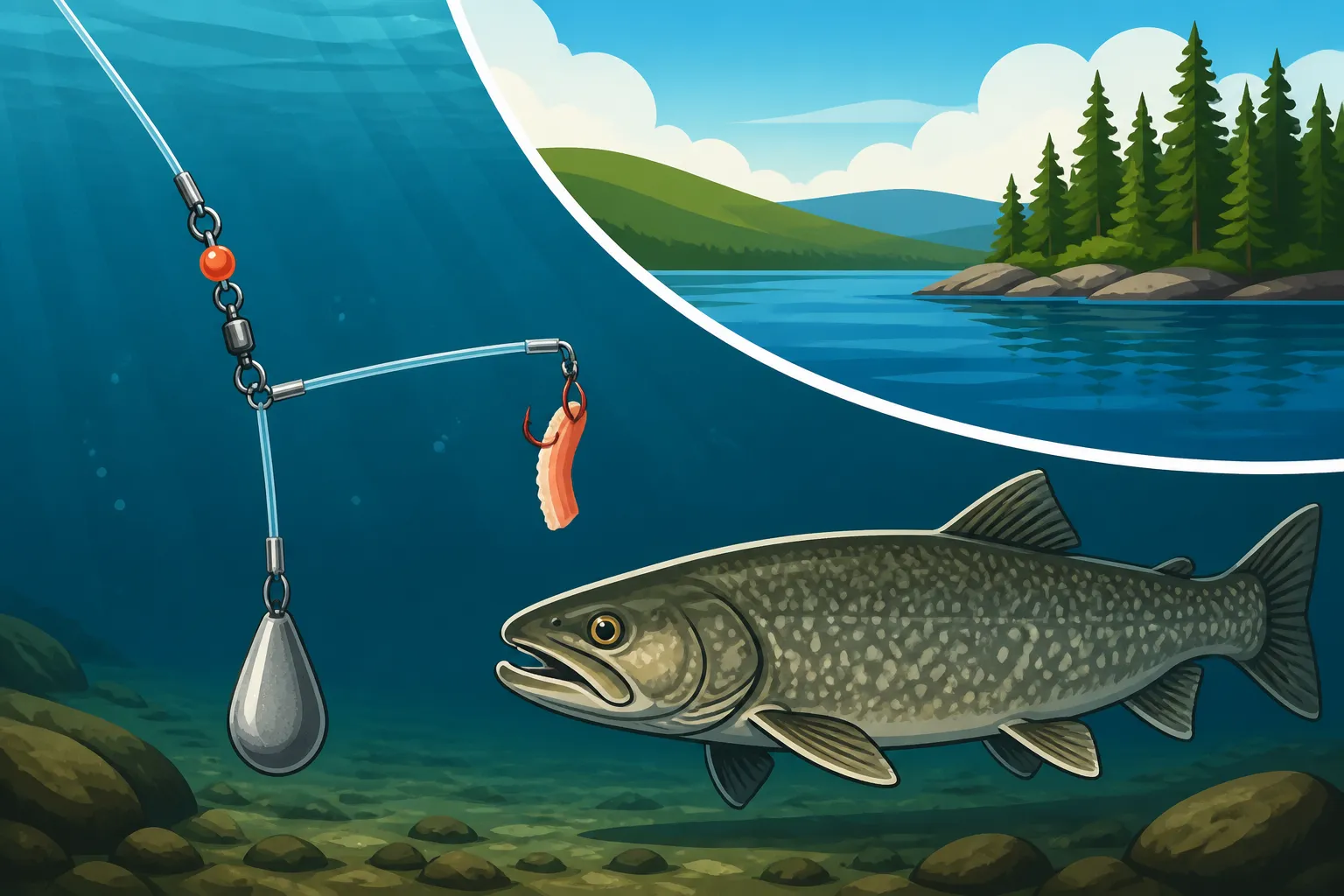
This rig is perhaps the simplest yet incredibly effective for presenting natural bait right on the bottom with a natural, enticing action. It's essentially a variation of a Carolina rig, but adapted for deeper, heavier presentations.
Detailed Setup:
- Mainline: Tie your braided mainline to a heavy-duty barrel swivel.
- Sinker: On the tag end of your mainline, above the swivel, thread a bead (to protect the knot) then your bell or cannonball sinker (1-8 oz, depending on conditions).
- Leader: To the other end of the barrel swivel, tie a 6-10 foot section of fluorocarbon leader (15-30 lb test).
- Hook: At the end of the fluorocarbon leader, tie on your preferred hook (e.g., 4/0 octopus hook).
How it Works: The sinker slides freely on the mainline, stopping at the barrel swivel. This allows your bait, attached to the leader, to drift naturally a short distance from the bottom. The fish can pick up the bait without immediately feeling the weight of the sinker, giving you a better chance for a solid hookset. This rig is particularly effective when you've located a precise piece of structure and want to hover your bait just above it. It's fantastic for still water or very light currents where you want a subtle, lifelike presentation. Imagine a large minnow or a piece of cut bait slowly swaying in the current, looking like an easy meal. This rig allows for a delicate presentation even with a heavy weight, which can be key on pressured waters.
Three-Way Swivel Rig for Active Presentation
When you want to cover ground while staying precisely on the bottom, or if there's a bit more current, the three-way swivel rig truly shines. It allows for a more active presentation, whether you're vertical jigging or slow trolling.
Detailed Setup:
- Mainline: Tie your braided mainline directly to one eye of a strong three-way swivel.
- Dropper Line for Weight: To a second eye of the three-way swivel, tie a shorter section (1-3 feet) of slightly lighter monofilament line. At the end of this dropper line, attach your sinker (bell, pyramid, or cannonball, 2-8 oz). The lighter line is a sacrificial leader that will break if your sinker snags, saving the rest of your rig.
- Leader for Lure/Bait: To the third eye of the three-way swivel, tie a 3-6 foot section of fluorocarbon leader (15-30 lb test). At the end of this leader, you can attach a lure (jigging spoon, swimbait) or a baited hook.
How it Works: This rig creates a "T" shape underwater. The heavy sinker tracks along the bottom, while your lure or bait trails behind and slightly above it. It's an excellent choice for slowly drifting or trolling over deep humps, ledges, or flats. The three-way swivel rig keeps your presentation consistently near the bottom without constantly snagging the main lure. It allows you to feel the bottom with the sinker, giving you excellent feedback on the terrain. When actively jigging, you can impart action to your lure by lifting and dropping the rod tip, making your spoon or swimbait dance enticingly. This is a very versatile rig for searching out actively feeding lake trout, especially if you're using your boat to slowly move over structure. It's also a great way to explore different depths and current strengths. Consider pairing this with effective Trolling Techniques for Ontario Lake Trout for even greater success.
Bottom Bouncer Rig for Drifting and Trolling
The bottom bouncer rig is a specialist for covering water efficiently while minimizing snags over tricky terrain. If you're drifting or slow trolling over rocky, uneven bottoms, this rig is your best friend.
Detailed Setup:
- Mainline: Tie your braided mainline directly to the eye of your bottom bouncer. Bottom bouncers typically range from 1 to 4 ounces, but heavier ones exist for deeper applications.
- Leader: To the wire arm of the bottom bouncer, attach a 3-6 foot section of fluorocarbon leader (15-30 lb test).
- Lure/Bait: At the end of the leader, tie on your preferred lure or baited hook. This could be a spinner rig with live bait, a jigging spoon, or a large soft plastic swimbait.
How it Works: The unique L-shaped wire design of the bottom bouncer allows the weight to drag along the bottom while keeping your leader and lure elevated and mostly snag-free. The wire arm deflects off obstacles like rocks and logs, greatly reducing hang-ups. This rig is fantastic for covering large areas, especially when drifting in a boat or slow trolling with an electric motor. It maintains consistent bottom contact, which is vital for lake trout that are hugging the lakebed. The design also transmits bottom feel directly to your rod, letting you know exactly what kind of structure you're passing over. It’s an ideal rig for when you need to methodically work a deep flat or a long, submerged point without constantly re-tying due to snags.
| Rig Type | Best Use | Key Components | Presentation Style | Ideal Conditions |
|---|---|---|---|---|
| Classic Sinker Rig | Precise bait presentation on specific spots | Sliding sinker, bead, swivel, fluorocarbon leader, hook | Subtle, natural, bait hovers slightly above bottom | Still water, light current, targeting specific structure |
| Three-Way Swivel Rig | Active searching, vertical jigging, slow trolling | Three-way swivel, sacrificial dropper line, sinker, leader | Lure/bait trails behind and above a bottom-tracking weight | Moderate current, varied bottom, actively searching for fish |
| Bottom Bouncer Rig | Covering water, minimizing snags over rough terrain | Bottom bouncer, fluorocarbon leader, lure/bait | Lure/bait trails cleanly behind snag-reducing weight | Rocky bottoms, drifting/trolling, covering large areas |
Bait and Lure Strategies for Bottom Fishing Lake Trout
Having the perfect rig is only half the battle; you still need something enticing on the end of your line! Lake trout are apex predators, and their diet typically revolves around whatever baitfish are most abundant in their lake.
Natural Baits That Entice
When lake trout are finicky, or when you know they're keyed in on a specific forage, natural baits can often outperform anything artificial.
- Live Bait: This is often the gold standard. Live ciscoes, smelt, or suckers (always check your local Ontario Fishing Regulations Explained for bait restrictions by zone!) are incredibly effective. Hook them lightly through the dorsal fin or mouth to allow them to swim naturally. The frantic movements of a live baitfish are irresistible to a hungry lake trout. If live bait isn't allowed or practical, dead bait rigged to spin or flutter can also be highly productive.
- Cut Bait: Strips of oily fish like herring, smelt, or even strips of perch or cisco can be potent. The scent trail they leave as they slowly drift near the bottom is a powerful attractant. Rig them on a single hook, ensuring they have a natural swimming or fluttering action.
- Scented Baits: Products like Berkley Gulp! or PowerBait offer a compelling alternative, especially where live bait is prohibited. These soft plastics are infused with strong scents and come in various shapes and sizes that mimic natural baitfish. They can be particularly effective when fished slowly, allowing the scent to disperse in the water column.
Remember, presentation is key. Whether live, cut, or scented, your bait needs to look like an easy meal. This means using appropriate hook sizes that don't hinder the bait's action and ensuring your leader isn't too heavy or visible.
Lures Designed for the Depths
Artificial lures are a fantastic choice for bottom fishing lake trout, especially when you want to cover water quickly, impart aggressive action, or simply prefer the convenience of not handling live bait. The key is to select lures that are heavy enough to get down quickly and perform well at depth.
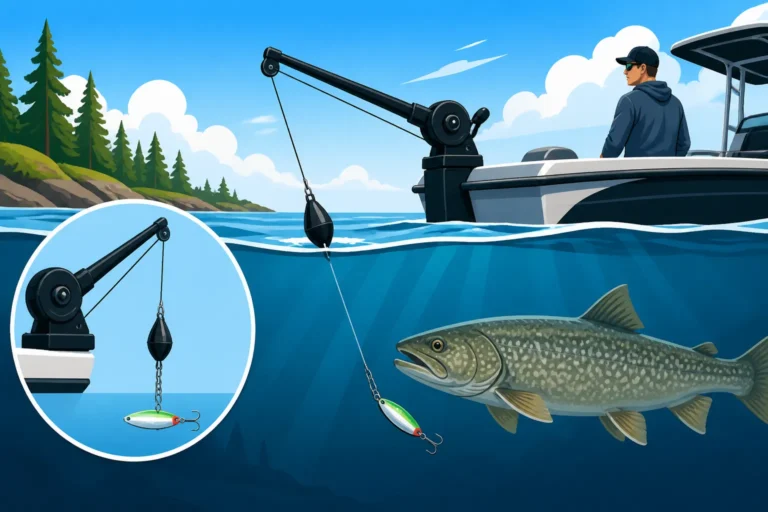
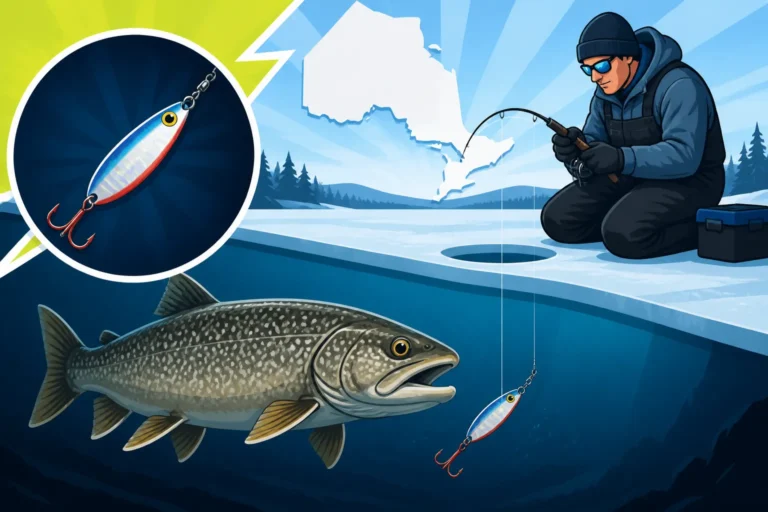
- Jigging Spoons: These are absolute staples for lake trout. Heavy, flashy spoons like the Williams Wabler, Little Cleo, or Luhr-Jensen Krokodile are incredibly effective. Drop them to the bottom, then snap your rod tip up sharply a few feet, letting the spoon flutter and fall on a semi-slack line. The erratic, dying baitfish action on the fall is often what triggers a strike. Match the size and color to the prevailing baitfish in the lake. For instance, in lakes with a strong cisco presence, silver or blue/silver spoons can be deadly.
- Jigs: Heavy bucktail jigs (1-4 oz) or large soft plastic swimbaits rigged on heavy jig heads are also excellent. When fished vertically, jigs allow for precise control and a range of actions, from subtle lifts and drops to aggressive rips. Choose colors that mimic baitfish or offer a contrasting flash.
- Tubes/Grubs: Large tube jigs (3-6 inches) or soft plastic grubs can be incredibly effective, especially when tipped with a piece of cut bait or scented plastic. Their spiraling fall and pulsing tentacles imitate injured baitfish. Rig them on a heavy jig head and work them slowly along the bottom, pausing frequently.
When selecting lures, consider the depth you're fishing and the type of structure. For a more detailed look at various tackle options, you might want to read our article on Best Gear for Ontario Trout Fishing. Many of these specialized lures can be found at local tackle shops or online retailers like Amazon, ensuring you're well-equipped for your next Ontario lake trout adventure.
Disclaimer
Fishing regulations, license requirements, and seasonal closures are subject to change. Always consult the most current Ontario Fishing Regulations Summary before heading out on the water. This guide provides general information and recommendations and should not be considered a substitute for official regulatory documents.