How to catch smallmouth in an Ontario river current
Fishing for smallmouth bass in the swift, unforgiving currents of Ontario's rivers can be incredibly rewarding, but it often leaves even seasoned anglers scratching their heads. You might find yourself casting tirelessly, only to have your lure swept away or feel nothing but slack line, wondering where those aggressive bronzebacks are hiding and how to get your bait to them. This guide is here to untangle the complexities of river currents and smallmouth behavior, offering practical, real-world strategies to help you consistently hook into these feisty fighters.
Understanding River Current and Smallmouth Behavior
River currents aren't just moving water; they are a dynamic force that dictates where smallmouth bass live, hunt, and conserve energy. Unlike their lake-dwelling cousins, river smallmouth are master strategists when it comes to positioning themselves within the flow. Ignoring the current is like fishing a barren lake; you'll rarely find success.
How Current Influences Smallmouth Position
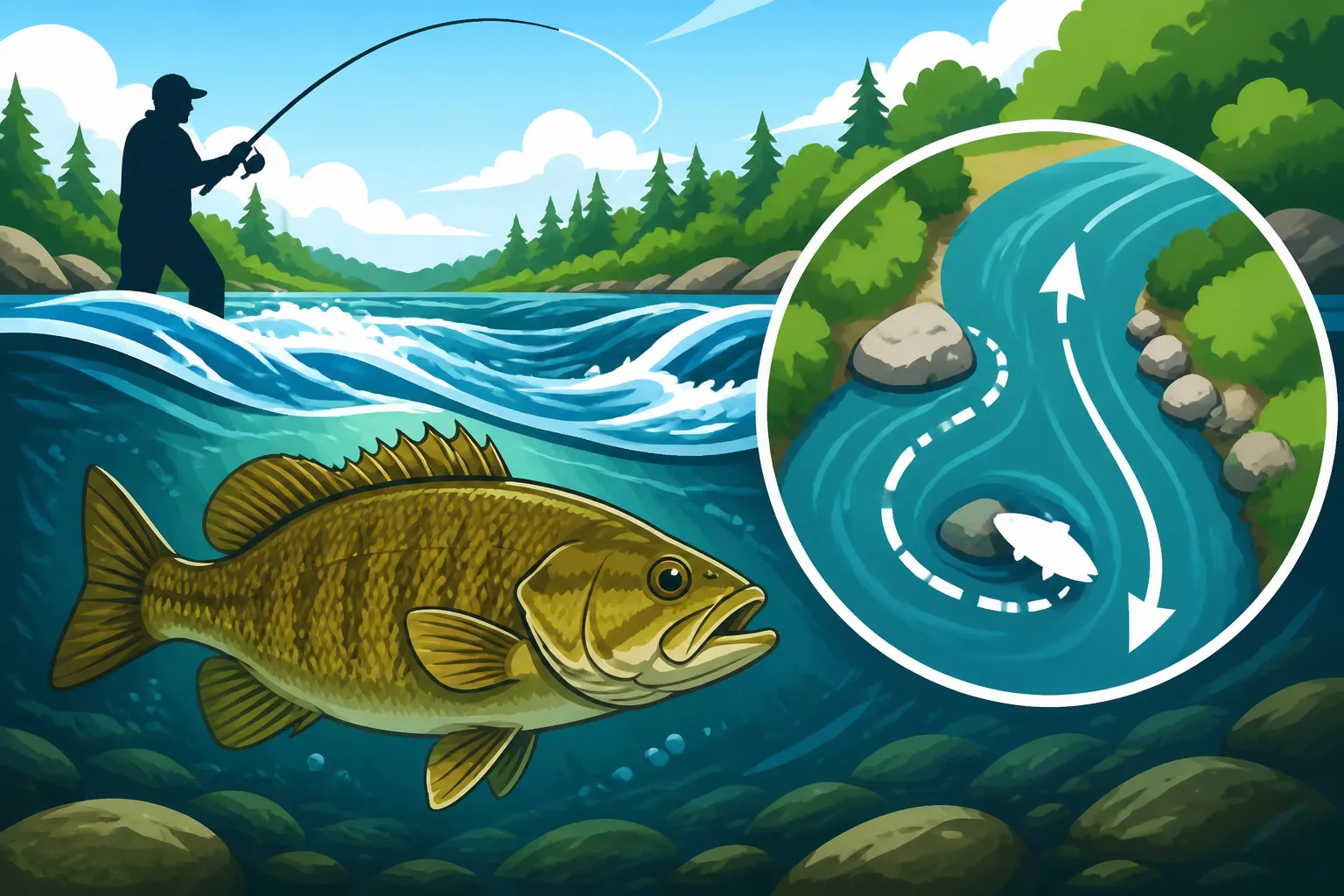
Smallmouth bass are incredibly efficient predators, and in a river, that efficiency is all about managing energy. Fighting a constant, strong current is exhausting, so they instinctively seek out areas where they can expend minimal energy while maximizing their feeding opportunities. Think of it like a smart shopper picking the fastest line at the grocery store. They'll often tuck themselves into seams, eddies, or behind structure, where the current is broken or slowed. This allows them to stay out of the main force of the flow, conserving precious energy, while still being perfectly positioned to dart out and ambush prey swept past them by the faster water.
These fish are also highly attuned to oxygen levels. Fast-moving water, especially over rapids or riffles, is typically more oxygenated, which is appealing to active fish. However, they'll still be looking for those sweet spots on the edges of the fastest water where they can breathe easily without constantly battling the flow. Understanding this dynamic is your first step to unlocking river smallmouth secrets. They aren't just randomly distributed; their location is a calculated response to the environment.
Key Forage in River Environments
What smallmouth eat in a river is directly tied to what the current delivers and what lives on the bottom. Crayfish are often king in many Ontario rivers – those hard-shelled, bottom-dwelling crustaceans are a protein-packed meal that smallmouth can't resist. Many artificial baits are designed to mimic their darting, defensive movements. Minnows, dace, shiners, and other baitfish are also crucial, especially those that get disoriented or injured in the current, making them easy targets.
Beyond larger prey, insects play a significant role. Larval stages of various aquatic insects, like stoneflies, caddisflies, and mayflies, live under rocks and in the substrate. When they emerge or get dislodged, they become part of the food chain, attracting smaller fish that, in turn, become food for smallmouth. Knowing what the bass are likely feeding on in a given river system or time of year can drastically improve your lure selection and presentation, bringing you closer to understanding Smallmouth Bass Fishing in Ontario.
Reading the River: Identifying Prime Smallmouth Lies
The river itself is a map, if you know how to read it. The movement of the water, the visible structures, and even subtle changes on the surface all tell a story about where smallmouth are likely holding. Learning to interpret these signs is paramount for successful river fishing.
Current Seams, Eddies, and Slack Water
These are the bread and butter of river smallmouth fishing. A current seam is where fast water meets slower water, creating a visible line. Smallmouth love to sit in the slower water, right alongside that seam, waiting for food to be swept from the faster flow into their strike zone. Think of it as a conveyor belt of snacks. Casting into the faster water and letting your lure drift into or along the seam is often incredibly effective.
Eddies are swirling pockets of calm water often found downstream of a large obstruction like a boulder, a fallen tree, or a sharp bend in the river. They provide a perfect resting place out of the current, and bass will face upstream into the eddy, ready to ambush anything that gets sucked into the swirling water. Slack water refers to any area where the current is significantly reduced, such as shallow bays, back channels, or large pools with minimal flow. While less dynamic than seams or eddies, these areas can hold good numbers of smallmouth, especially during periods of high water or when they're looking for an easy meal away from the main torrent.
Structure: Rocks, Logs, and Drop-offs
Just like in lakes, structure is king for smallmouth in rivers. Rocks and boulders break up the current, creating those prime eddy lines and current seams we just discussed. Smallmouth will position themselves directly behind or alongside these rocks, using them as ambush points. The bigger the rock, the more significant the current break, and often, the bigger the fish it might hold. Over on How to fish rocky points for smallmouth, we dive into this a bit more.
Fallen logs and submerged trees provide both cover from predators (like eagles or ospreys) and a current break. These snags are often magnets for baitfish and insects, making them excellent feeding stations. Approach these carefully, as snagging is common, but the reward can be huge. Drop-offs and ledges—areas where the river bottom suddenly deepens—offer bass easy access to both shallow feeding grounds and deeper, safer holding areas. Fishing the edge of a drop-off, especially where it meets a current seam, can be highly productive.
Deeper Pools and Runs
While smallmouth are famous for loving fast, rocky water, don't overlook the deeper, slower sections of a river. Deeper pools provide sanctuary, especially during hot summer days or cold winter months. These pools often hold larger, more mature bass that prefer the security of depth. During periods of heavy fishing pressure, bass might retreat to these deeper areas.
Runs are sections of consistent, moderate current, often between rapids and pools, with a relatively uniform depth. These can be prime feeding grounds, particularly when fish are actively foraging. Smallmouth will spread out across runs, facing upstream, picking off anything edible that drifts by. Learning to present your lure naturally through these runs is a key skill for any river angler, as explored further in How to Fish a River for Smallmouth Bass.
Essential Gear for River Smallmouth
Having the right tools for the job makes all the difference when tackling river currents. The wrong rod, reel, or line can lead to frustration, missed bites, and lost fish. You want gear that gives you control, sensitivity, and the power to land a hard-fighting bronzeback in moving water.
Rods, Reels, and Line Choices
For river smallmouth, a medium-light to medium power spinning rod, typically 6'6" to 7' in length, is a fantastic all-around choice. You need enough backbone to cast heavier lures and fight fish in current, but also a sensitive tip to detect subtle bites. A fast or extra-fast action rod will give you the sensitivity to feel bottom structure and bites, along with the quick hook-setting power needed for river fishing. You might find some excellent options for spinning rods for walleye that also cross over well for smallmouth.
Pair your rod with a reliable spinning reel in the 2000-3000 size range. Smooth drag is crucial for battling strong fish in current, preventing line breakage on those powerful runs. For line, a braided mainline of 10-15 lb test is often ideal. It offers incredible strength, sensitivity, and no stretch, which is perfect for feeling those light bites in current and getting solid hooksets. Always tie on a fluorocarbon leader of 8-12 lb test, typically 3-5 feet long. Fluorocarbon is nearly invisible underwater, more abrasion-resistant for rubbing against rocks, and still provides excellent sensitivity. You can find a wide range of these gear essentials, from specialized rods to high-quality braided lines, often with convenient delivery, on sites like Amazon.
Lures That Conquer Current
River smallmouth can be caught on a vast array of lures, but some excel in current. Tube jigs are legendary for river smallmouth. Mimicking crayfish or baitfish, they sink quickly, hug the bottom, and can be dragged, hopped, or twitched. Colors like green pumpkin, brown, and black are consistent producers. Jigs with soft plastic trailers (grubs, creatures, swimbaits) are also highly effective, allowing you to match the hatch and adjust weight for current conditions.
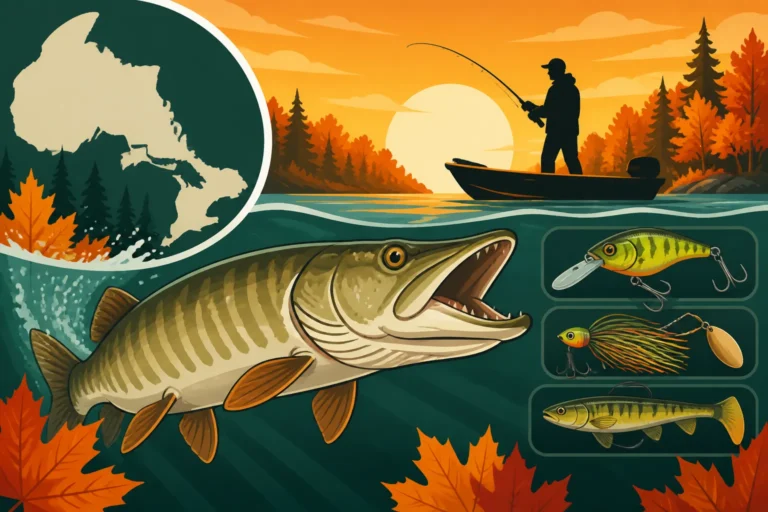
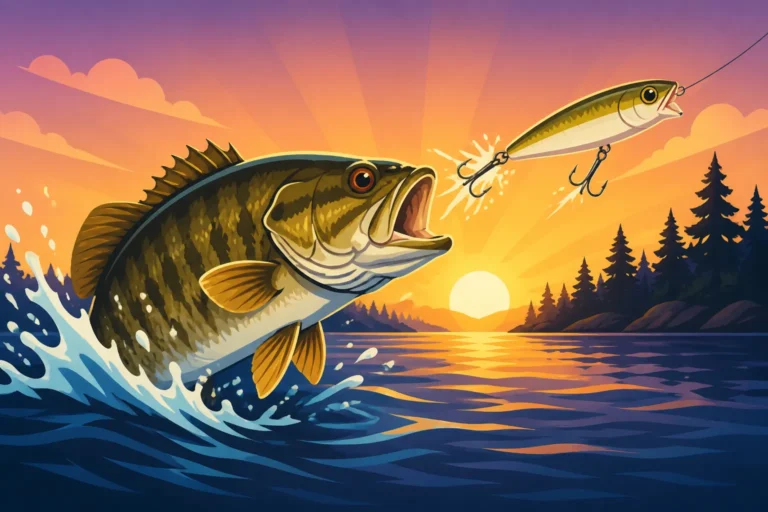
Crankbaits, especially those with a tight wobble and a good diving lip, are excellent for covering water and triggering aggressive strikes. Look for crayfish patterns, perch, or natural baitfish colors. Spinnerbaits and chatterbaits are great for covering shallower, faster water, creating a lot of vibration and flash that smallmouth can detect in turbulent water. For topwater action in calmer pockets or during low-light conditions, poppers and walking baits can be exhilarating, particularly when you're doing some Best Topwater Fishing for Smallmouth Bass in Ontario. Remember to keep a variety on hand, as river conditions and smallmouth preferences can change throughout the day.
Mastering Techniques for Different Current Conditions
Fishing a river effectively means adapting your approach to the specific water you're facing. What works in a raging torrent won't necessarily work in a gentle glide. Flexibility and understanding presentation are key.
Fishing Fast Water: Presentation and Retrieval
When you're faced with fast, churning water, your primary challenge is getting your lure down to where the bass are holding (often behind current breaks) and keeping it there naturally. Heavier lures are your friend here. Heavy jigs (1/4 oz to 1/2 oz or more, depending on depth and speed) are ideal. Cast upstream and slightly across, allowing the lure to sink and tumble naturally with the current. The goal is to feel the bottom occasionally but avoid constant snagging. Let the current do the work, guiding your lure into those eddies and seams. A good pair of Best Wading Boots for Rocky Streams will make all the difference for getting into these hard-to-reach fast water spots safely.
Retrieval should be minimal—just enough to maintain contact with your lure and detect bites. Sometimes, a dead drift with a slight twitch is all it takes. For aggressive fish, a quick snap of the rod tip can make the jig dart, mimicking a fleeing crayfish. If you're struggling with high water conditions, check out tips for Best Techniques for High Water Spring Conditions, which often involve adapting to strong currents.
Fishing Moderate Current: Versatile Approaches
Moderate current offers a broader range of presentation options. This is where crankbaits really shine. Cast them upstream or slightly quartering upstream and retrieve at a steady pace that allows the lure to dive and wobble naturally with the current. Pay attention to how the current affects your lure; you might need to adjust your retrieve speed or even let the current sweep the crankbait a bit before beginning a slow retrieve. This is where mastering your Best Crankbait Retrieve for Smallmouth on Georgian Bay can be applied to river settings.
Tube jigs and soft plastic swimbaits on weighted hooks are also excellent. You can cast them across the current, let them sink, and then use a "swing" technique where the current sweeps the lure downstream while you maintain a tight line, feeling for bites as it swings through prime holding areas. This natural presentation is often irresistible. Consider floating downstream in a kayak for optimal presentations; if you're exploring that option, knowing about the Best Kayak for River Fishing in Ontario might be helpful.
Fishing Slack Water: Finesse and Stealth
Even in rivers, you'll encounter areas of minimal current, such as large pools, back bays, or slow-moving stretches. Here, the smallmouth behave more like their lake counterparts, and finesse tactics often yield the best results. Topwater lures can be phenomenal in these calmer sections, especially during low light or overcast days. Poppers, walkers, and even buzzbaits can draw explosive strikes from aggressive smallmouth.
For subsurface presentations, weightless soft plastics (like a Wacky rigged Senko or a Fluke) or lightly weighted jigs (1/8 oz or less) are excellent. The key is a slow, subtle presentation. Let the lure sink slowly, twitch it gently, and allow long pauses. Smallmouth in slack water might be more hesitant, so a quiet approach and a natural-looking bait are critical. These conditions often call for stealth, moving slowly along the bank or using a quiet boat or kayak to avoid spooking fish. Many finesse-style soft plastics, hooks, and weights can be easily found and ordered through online retailers like Amazon.
Disclaimer
This article is for general informational purposes only and does not constitute professional advice. Laws, prices and regulations vary by location and change over time. Consult a qualified professional for guidance on your specific situation.