How fast muskie grow in Ontario waters
It's a question many anglers ponder, especially when dreaming of that next personal best: just how fast do those incredible muskellunge, often called "muskie," truly grow in Ontario's vast waters? The truth is, there's no single, simple answer, because their growth is a fascinating, complex journey influenced by a multitude of factors, making each fish a unique testament to survival and adaptation. This guide will dive deep into the life cycle of these apex predators, exploring what truly shapes their impressive size.
The Life Cycle of an Ontario Muskie: More Than Just a Fish Story
Muskie aren't like some other fish that might reach their full size relatively quickly. These are long-lived, slow-growing giants, and understanding their life cycle really puts into perspective the commitment it takes for them to reach those impressive lengths and weights we all aspire to catch. It's a testament to the health of the waters they inhabit and the resilience of these magnificent creatures.
From Egg to Fry: The Fragile Beginnings
The journey of a muskie begins in the cool waters of late spring or early summer, typically after the ice has melted and water temperatures begin to climb. Adult muskie, often seeking out shallow, weedy bays, floodplains, or marshy areas, will spawn. The eggs are broadcast over submerged vegetation or detritus, lacking any parental care beyond their initial deposition. This period is incredibly vulnerable. A sudden cold snap can devastate egg viability, or fluctuating water levels can leave them high and dry, or strand the newly hatched fry.
Even with ideal conditions, the young fry face an uphill battle. They hatch with a yolk sac that provides initial sustenance, but soon they must fend for themselves, seeking out microscopic invertebrates and then graduating to small minnows. Their survival rate at this stage is incredibly low, a natural culling that ensures only the fittest make it to the next phase of life. It’s a harsh reality that underscores why a large muskie is such a marvel; it has overcome countless obstacles from the moment it was a tiny speck in the water.
Juvenile Growth: A Race Against Time
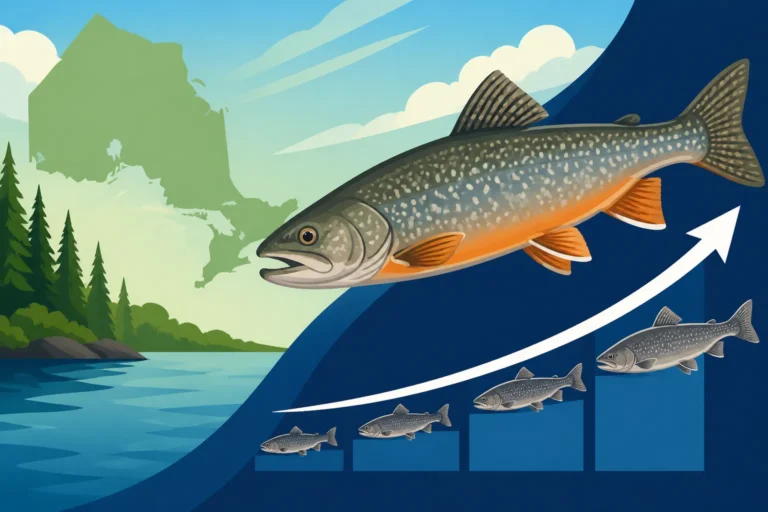
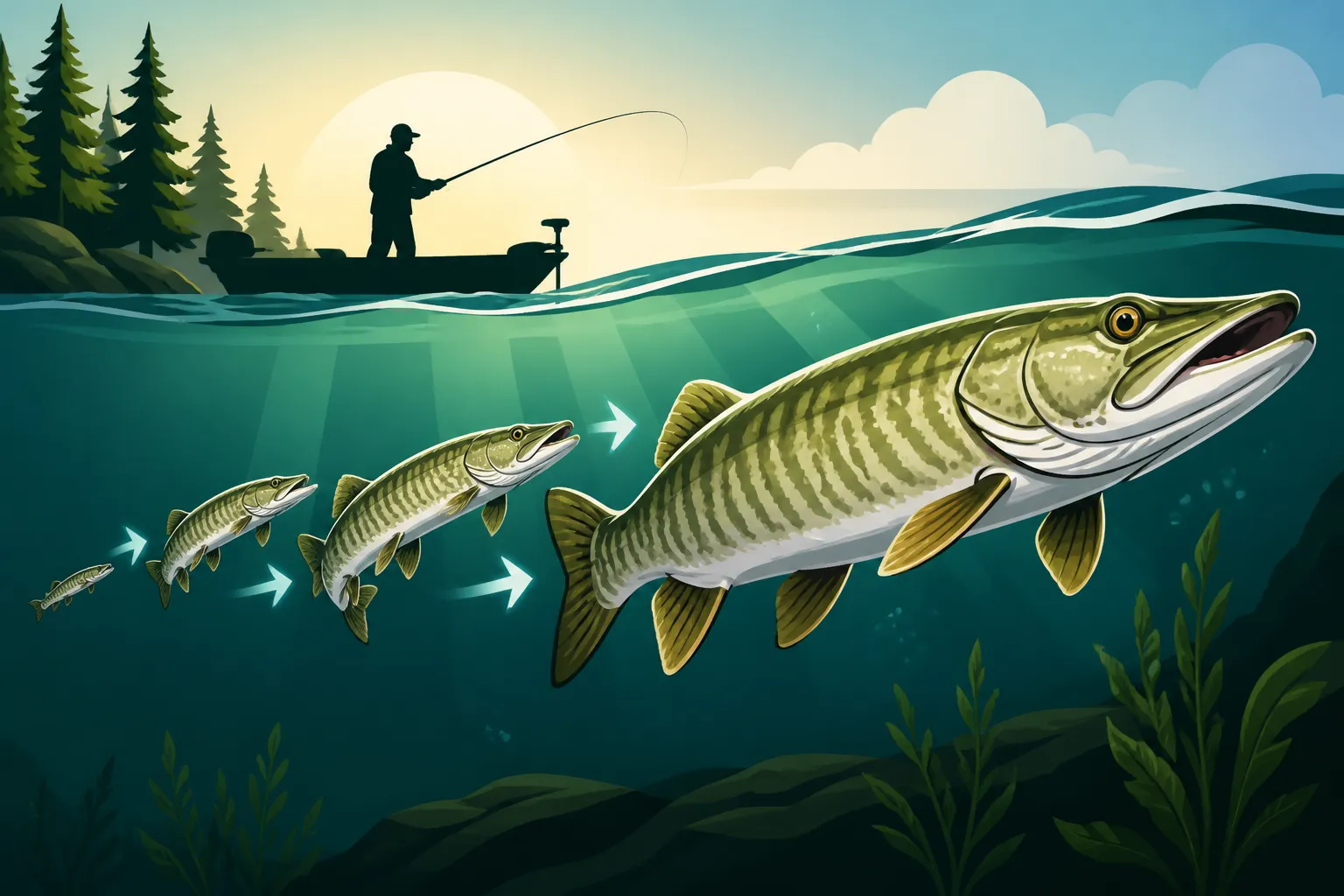
Once muskie fry transition to feeding on other fish, their growth can be quite rapid, especially during their first few years. They are voracious predators from a very young age, quickly learning to ambush prey. In nutrient-rich waters with an abundant supply of small baitfish, a young muskie can put on impressive length relatively quickly, doubling or even tripling its initial size in its first year alone. This early growth spurt is critical; larger juveniles are less vulnerable to predation from other fish, birds, and even larger muskie.
Think of it like a young athlete, growing quickly in their formative years to gain an edge. These juvenile muskie are constantly on the hunt, honing their predatory skills. Their metabolism is high, and they need a consistent food supply to fuel this initial surge in growth. Lakes with diverse forage, from shiners to juvenile panfish, provide the perfect nursery for these future giants. Without this strong start, their path to becoming a truly large muskie becomes significantly harder.
Factors Influencing Muskie Growth Rates
You might wonder why a muskie from one lake seems to grow faster or larger than one from another, even just a few hours drive away. It's not just luck; it's a intricate dance of environmental factors, availability of food, and even genetic predispositions. Ontario is a massive province with incredible diversity in its waterways, and this diversity plays a huge role in how fast muskie grow.
Forage Base and Water Quality: The Buffet and the Bathtub
The most significant factor influencing a muskie's growth rate is undoubtedly the abundance and type of its food source, known as the forage base. A muskie is an obligate piscivore – meaning it primarily eats other fish. If a lake or river has a thriving population of easily catchable prey fish like suckers, cisco, perch, or various minnows, muskie will grow faster and reach larger sizes. Conversely, in waters where prey is scarce or difficult to catch, muskie growth will be stunted. They might spend more energy hunting than they gain from eating, leading to slower growth and leaner bodies.
Consider a muskie living in a lake like Lake St. Clair, which is renowned for its incredible muskie population. This lake is a veritable smorgasbord of baitfish, providing ample opportunities for muskie to feed and grow. Contrast that with a smaller, less fertile lake where food might be scarcer, and you'll see a noticeable difference in the average size and growth rates of the muskie. Beyond food, water quality is paramount. Optimal water temperatures, sufficient oxygen levels, and minimal pollution allow muskie to thrive and dedicate energy to growth rather than simply surviving. A muskie needs a healthy home with a full pantry to reach its full potential. When stocking up on your fishing gear for different forage types, perhaps a new selection of jerkbaits or bucktails for mimicking local baitfish, you might find a great selection on Amazon, often at competitive prices.
Habitat and Population Density: Real Estate and Roommates
The physical environment a muskie lives in also heavily influences its growth. Lakes and rivers with abundant cover – think weed beds, fallen timber, rock piles, and sharp drop-offs – provide crucial ambush points for these stealthy predators. Good habitat means more successful hunts, and more successful hunts mean more food and faster growth. A muskie that has to expend a lot of energy chasing down scarce prey in open, featureless water will simply not grow as quickly as one that can efficiently ambush meals from prime cover.
Population density also plays a critical role. If a body of water is overpopulated with muskie, competition for food and prime ambush locations will be intense. This competition can lead to slower growth rates for all fish in the system, as resources are stretched thin. On the other hand, in waters with a healthy, balanced muskie population relative to the forage base, individual fish have a better chance to grow large. It's a delicate ecological balance; too many roommates in a small house with limited food can lead to everyone getting smaller portions. Finding those prime habitat zones is key, and tools like detailed lake maps, which you can often browse and purchase on Amazon, can be invaluable for identifying structure.
Genetics and Environmental Stress: The Inherited Hand and Hardship
While not as immediately apparent as food or habitat, genetics certainly play a part in a muskie's potential growth. Just like humans, some muskie are simply predisposed to grow larger and faster than others, given the same conditions. These genetic factors can influence everything from metabolic rate to overall size potential. However, even a genetically gifted muskie won't reach its full potential if other factors are limiting.
Environmental stressors can also significantly impede growth. Prolonged periods of unusually high or low water temperatures, drought conditions, disease outbreaks, or even high fishing pressure (leading to frequent capture and release events without proper handling) can divert a muskie's energy away from growth and towards survival or recovery. A muskie under constant stress, even if it has access to food, will allocate its energy to coping mechanisms rather than packing on the pounds. This is why proper catch and release techniques are so vital for maintaining healthy populations of these long-lived fish.
Reaching Trophy Status: The Long Haul
Catching a truly massive muskie in Ontario is often considered the pinnacle of freshwater fishing. These fish are not just big; they are old, wise, and have survived countless challenges. Understanding how they reach this "trophy" status helps us appreciate them even more and underscores the importance of proper conservation.
The Slowing Pace of Maturity: Age vs. Size
Here's the often-surprising truth: while muskie grow rapidly in their juvenile years, their growth rate slows considerably as they age and mature. A muskie might put on several inches and a few pounds in its first few years, but an older, larger muskie will gain length and weight much more slowly. They reach sexual maturity, often around 3-5 years for males and 4-7 years for females, and then a significant portion of their energy is diverted towards reproduction rather than pure somatic growth.
This means that a muskie that is, say, 50 inches long is not necessarily just a "fast-growing" fish; it's more likely an old fish. These giants have seen many seasons, evaded countless predators (including anglers!), and navigated numerous environmental challenges. They typically grow longer before they grow substantially fatter, gaining girth more slowly than length as they continue to age. This slow maturation and long lifespan are why they are such prized catches and why anglers often practice catch and release religiously for these iconic fish. You might find a great selection of muskie-specific lures for targeting these mature fish on Amazon, designed to imitate larger prey.
Understanding "Trophy" Muskie in Ontario: What Does it Mean?
The term "trophy muskie" can be subjective, but in Ontario, it generally refers to a fish of exceptional size, usually measured in length. While specific records exist for weight, most anglers focus on length because it's a less invasive measurement when practicing catch and release. A muskie over 40 inches is often considered a great fish, but truly "trophy" status is often reserved for those pushing the 50-inch mark, and sometimes even longer. These are the fish that represent decades of growth.
Here's a generalized look at how age might correspond to length for an Ontario muskie in good conditions. Remember, these are averages and can vary wildly between different bodies of water based on the factors we've discussed:
| Age Range (Years) | General Length Range (Inches) | General Weight Range (Pounds) | Notes |
|---|---|---|---|
| 1-3 | 15-25 | 1-5 | Rapid early growth, focused on length |
| 4-7 | 26-38 | 5-15 | Reaching maturity, growth still steady |
| 8-12 | 39-48 | 15-25 | Consistent growth, beginning to add girth |
| 13-18+ | 49-55+ | 25-40+ | Slower growth, significant girth, true trophies |
This table illustrates the investment of time it takes for a muskie to become a true giant. When you hook into a fish in the highest category, you're connecting with a creature that has navigated the challenges of many years in the wild. This chart offers a general idea, but always remember that individual fish and specific waters can tell a different story. For more on the lifespan of these magnificent fish, check out Life span of a muskellunge in Ontario waters.
The Role of Anglers and Conservation: Protecting the Giants
Given their slow growth, long lifespan, and the energy required to reach trophy dimensions, the role of anglers in muskie conservation cannot be overstated. Catch and release is not just a polite suggestion; it's a fundamental practice for ensuring the continued health and availability of trophy muskie in Ontario. Every large muskie released safely has the potential to spawn again, contributing to future generations, and to grow even larger, providing another thrilling encounter for a future angler.
Proper handling techniques are crucial. Minimize time out of the water, use large, rubberized landing nets, and use long-nosed pliers to remove hooks quickly and gently. Avoid placing fingers in the gills, and support the fish horizontally when lifting for a quick photo. These practices greatly increase the survival rate of released fish. Organizations and individuals passionate about muskie often advocate for careful handling, knowing that these fish are a precious resource that takes decades to develop. To learn more about ethical angling practices, explore Muskie catch and release survival tips and consider the Best Landing Net for Muskie options available to protect these fish. For detailed regulations on what you can keep, consult Ontario Bag and Possession Limits by Species.
When you're out on the water chasing these magnificent fish, remember that patience and respect are your best tools. Knowing How to Catch Muskie in Ontario involves more than just a good lure; it's about understanding their life, their habitat, and our shared responsibility to protect them. Ontario's waters, from the vast expanse of Georgian Bay to the productive flow of the French River, offer incredible opportunities for muskie fishing, but it's up to all of us to ensure these opportunities remain for generations to come.
Ultimately, the growth of a muskie in Ontario waters is a narrative of resilience, environment, and opportunity. They are slow to grow, but what they lack in speed, they more than make up for in longevity and awe-inspiring size. Each muskie we encounter is a testament to the wildness and richness of Ontario's aquatic ecosystems. To deepen your understanding of these incredible fish and where to find them, you might be interested in resources like Muskellunge Habits in Georgian Bay or a broader guide like Best Muskie Waters in Ontario. If you're looking to gear up, a comprehensive guide to Best Muskie Gear for Ontario Waters might be helpful, and for specific seasonal advice, check out Best Techniques for Fall Muskie Fishing.
Disclaimer
This article is for general informational purposes only and does not constitute professional advice. Laws, prices and regulations vary by location and change over time. Consult a qualified professional for guidance on your specific situation.